
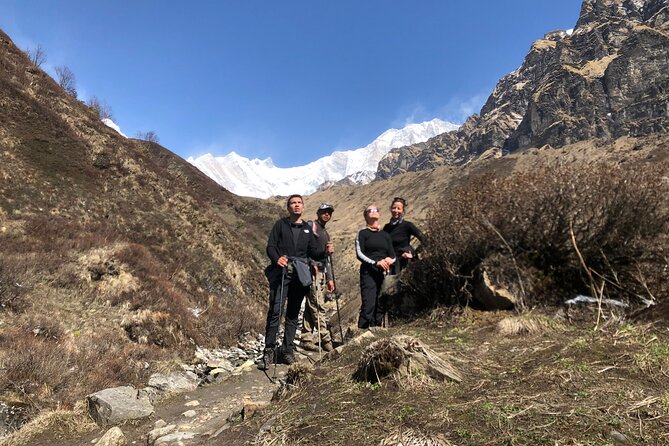
Reviewed · ANNAPURNA CIRCUIT TREKS
Annapurna Circuit Trek
Your legs earn the best views in Nepal. This guided Annapurna Circuit trek strings together classic Himalayan scenery with real small-village life, and it takes the hassle out of logistics. I like the government-licensed guide approach that keeps you moving smart and safe. I also like that you are not stuck planning on the fly, you just show up and hike. One drawback to plan for: high altitude nights can get brutally cold, with accounts of temperatures dropping toward -20°C and water freezing.
A big part of the value is how the trek is paced. You get day-by-day support as you climb from Jagat up through Manang and toward Thorong La, with an acclimatization day built in. You’ll still feel the altitude, but the structure helps you do it the sane way.
If you want a trip that feels like a well-run expedition, not a stressed-out scramble for transport and permits, this format fits. Your main consideration is weather and cold gear, because winter-like conditions can show up depending on the dates.
In This Review
- Key Things to Know Before You Go
- Why This Annapurna Circuit Trek Works for Real People
- The First Leg: Kathmandu to Jagat, Then Into Trek Mode
- Chame and Pisang: Middle Elevations, Big Differences in Scenery
- Manang and the Acclimatization Day That Can Save You
- Yak Kharka to Thorong Phedi: Preparing for the Pass Day
- The Big Moment: Thorong La Crossing to Muktinath
- Downhill Days: Muktinath to Jomsom, Then Tatopani Hot Springs
- Ghorepani and Poon Hill: The Sunrise Payoff
- Pokhara to Kathmandu: Finishing Strong
- Price and Value: What You’re Actually Paying For
- Who This Trek Suits Best
- Should You Book It?
- FAQ
- How long is the Annapurna Circuit trek?
- Where does the trek start and end?
- What kind of accommodations do you use during the trek?
- Are meals included while trekking?
- Do you get a guide, and what support is included?
- What transport is included?
- Are permits and tracking fees included?
- What should I watch out for in terms of fitness and conditions?
- What is not included in the price?
Key Things to Know Before You Go
- Guide-led safety and logistics: a licensed guide and first aid kit are part of the package.
- Acclimatization built into the route: you get a dedicated day at Manang before Thorong La.
- Crossing Thorong La and then dropping fast: it’s a classic high-pass day followed by a long descent.
- Tea house stays with three meals: breakfast, lunch, and dinner are included during the trek.
- Hot springs recovery at Tatopani: you’ll use them to thaw out after the main climb.
Why This Annapurna Circuit Trek Works for Real People
The Annapurna Circuit is famous for a reason: it’s a long chain of altitude, culture, and views that change almost daily. What makes this trek feel doable is that it is guided and structured around how your body actually reacts at elevation.
You start low, climb gradually, then take the necessary pause at Manang. After that you go after the pass, Thorong La at about 5,416m, and you earn the sense of crossing into a tougher high-altitude zone. Then you get the big payoff: views around Muktinath, followed by a descent that helps you recover.
This is not a guided “sit back and never think” trip. You still need moderate physical fitness and you still have to respect altitude. But with an experienced guide, you get decisions handled for you, including route timing and safety routines.
More Treks in Kathmandu
- Everest Base Camp Trek – 14 Days
★ 5.0 · 1,499 reviews - Everest Base Camp Trek
★ 5.0 · 842 reviews - Everest Base Camp Trekking
★ 5.0 · 485 reviews
The First Leg: Kathmandu to Jagat, Then Into Trek Mode
Day 1 is a long drive from Kathmandu to Jagat via Besisahar, about 8 to 9 hours, with Jagat around 1,100m. This matters more than it sounds. You reduce the time you would otherwise waste on local connections and you start the trek with your body already in the right part of the valley.
The next day moves you from Jagat to Dharapani at about 1,960m, roughly a 6 to 7 hour walk. This is a classic “wake up your legs” day. You’ll likely feel warm at first, then settle into a steady hiking rhythm. It’s the kind of leg stretch that makes you feel like you actually got onto the route, not just through paperwork.
Practical tip: even on early days, pack layers you can peel off fast. The Annapurna region can swing between sunny and cool as the day progresses.
Chame and Pisang: Middle Elevations, Big Differences in Scenery
From Dharapani to Chame, you’re hiking around 2,710m, for about 5 to 6 hours. Chame is often a turning point psychologically. You’re higher now, and the environment starts to feel more distinctly alpine.
Then you go Chame to Pisang at about 3,300m, again about 5 to 6 hours. Pisang sits at a height where the air feels thinner, but you’re still moving comfortably enough to enjoy the details. This is where you begin to notice how trekking here is never just about one big view. It’s about changing terrain, changing village patterns, and changing weather cues.
A small drawback: middle days can feel longer if you go too fast early. With a guide, you’ll usually avoid that mistake by sticking to pacing that keeps you breathing under control.
Manang and the Acclimatization Day That Can Save You
The day from Pisang to Manang climbs to around 3,540m, about 6 to 7 hours. Manang is where you transition from “interesting hiking” to “serious altitude trek.” You may feel it in the head, in your appetite, or in how quickly you catch your breath.
That’s exactly why this trek includes an acclimatization day at Manang. This is the smartest move on the whole calendar. The point of an extra day is not to add sightseeing. It’s to help your body adjust before you jump higher.
After Manang, you head to Yak Kharka at about 4,120m in about 4 to 5 hours. Then the next push goes up to Thorong Phedi at around 4,450m, about 4 to 5 hours. These two days are about getting positioned. You’ll likely feel tired, which is normal. If you start to push too hard, your pass day will pay for it.
Practical tip: treat your acclimatization day like a tool. Even if you feel good, don’t turn it into a second full-distance hike. Keep it light and focused on recovery.
More Annapurna Circuit departures:
- Annapurna Circuit Trek with Tilicho Lake
★ 5.0 · 368 reviews - Annapurna Circuit Trek
★ 5.0 · 67 reviews - Annapurna Circuit Trek
★ 5.0 · 49 reviews - Annapurna Circuit Trek
★ 5.0 · 46 reviews
Yak Kharka to Thorong Phedi: Preparing for the Pass Day
Yak Kharka to Thorong Phedi can feel like the “final approach” stage. You’re gaining elevation steadily, but the goal is to arrive at Thorong Phedi in a condition where you can sleep, eat, and handle the next day’s long, high-altitude effort.
This is also where cold becomes real. The high route can bring night temperatures that freeze water, and there are accounts of extreme cold around -20°C in winter-like conditions. Even if your dates are milder, plan as if it might be cold enough to punish you for packing light.
What to bring, realistically:
- A warm base layer and a real cold-weather layer for evenings
- Gloves and something warm for your face when the wind picks up
- A strategy for keeping essentials from freezing solid
The Big Moment: Thorong La Crossing to Muktinath
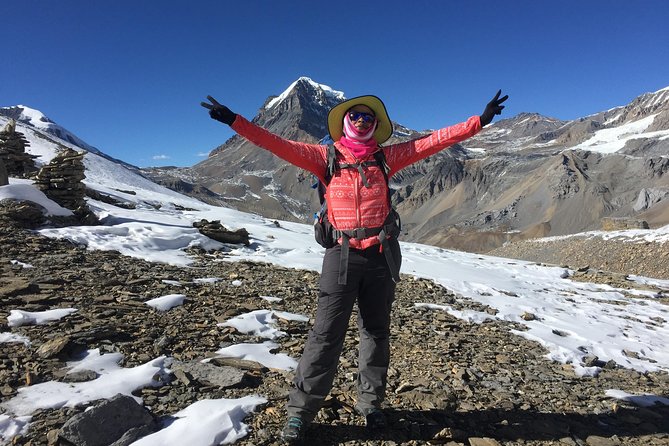
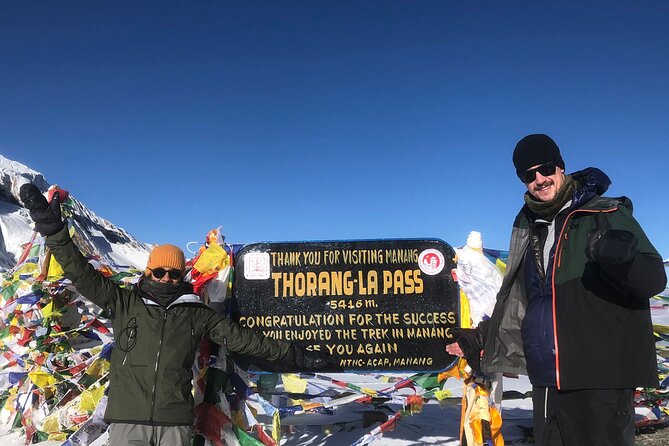
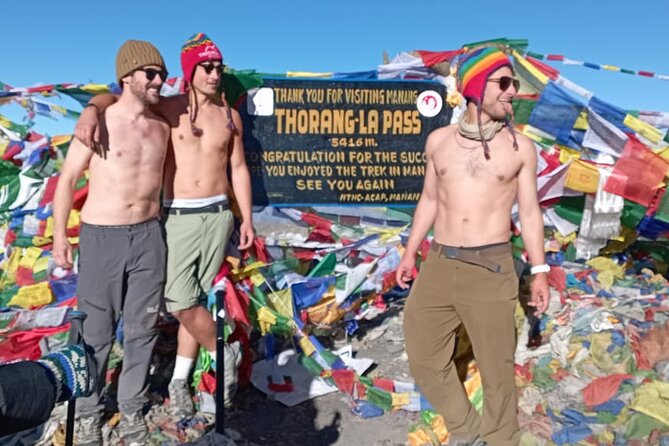
Crossing Thorong La is the headline. You’ll leave from Thorong Phedi and hike to Muktinath around 3,802m via the pass at about 5,416m. Expect about 7 to 8 hours for this day.
This day has two moods. High and hard first, then a big switch into lower altitude terrain as you drop. The pass zone can feel exposed. The cold and wind are not theoretical. This is where trekking with a guide earns its keep, because good decision-making matters if weather shifts or conditions get rough.
Muktinath is the reward stop. It has a spiritual reputation and a visual feel that differs from the lower valleys. You’ll likely walk into a place that feels both remote and oddly lively, with travelers, locals, and trading routes meeting at a high-altitude crossroads.
Practical tip: after a pass day, hydrate and eat before you feel hungry. Your body is still processing altitude, even after you drop.
Downhill Days: Muktinath to Jomsom, Then Tatopani Hot Springs
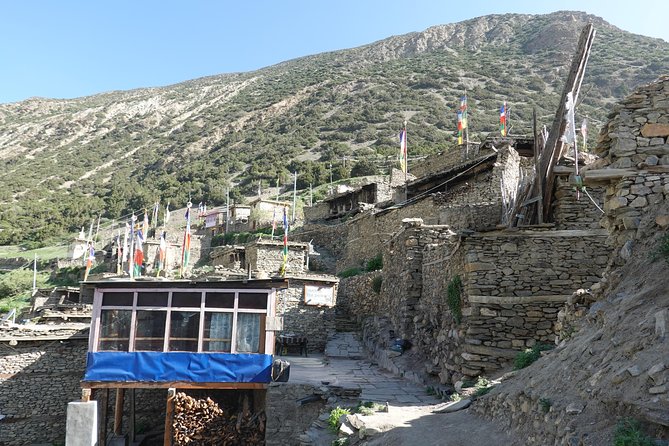
From Muktinath to Jomsom is a hike down to about 2,743m, typically 5 to 6 hours. The route here tends to feel less intense than pass day, but don’t treat it like an easy stroll. Your legs still need to manage the downhill, and you’re still in trekking mode.
Then you transition to a drive from Jomsom to Tatopani, about 4 to 5 hours. Tatopani sits around 1,290m, and it’s famous for its natural hot springs. This is your recovery day, and it’s a great place to reset before the next climb.
The contrast is part of what makes the Circuit memorable. You go from thin-air hardship to a warm-water reset. It’s one of the few times on the trek where you get a strong, immediate payoff that you can feel in your muscles.
Ghorepani and Poon Hill: The Sunrise Payoff
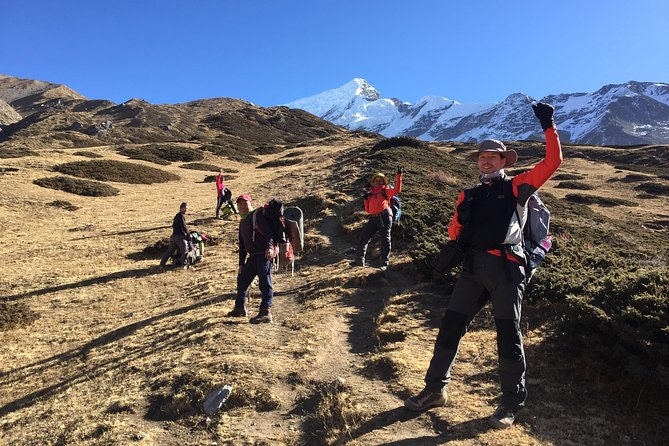
The next hike is from Tatopani to Ghorepani at about 2,750m, 7 to 8 hours. This is a longer day, and it sets you up for the real scenic moment: Poon Hill.
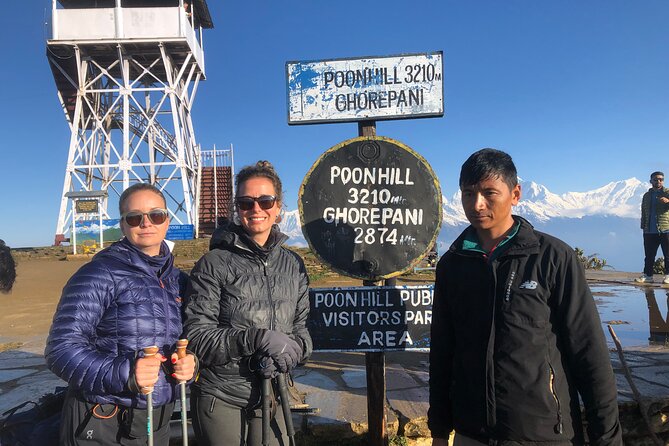
Day 13 starts early with a hike up to Poon Hill around 3,210m, then down to Nayapul around 2,070m, followed by a taxi to Pokhara. Total time is roughly 7 to 8 hours, so it’s not just a quick photo stop. You need energy for sunrise timing and for the descent.
Poon Hill is popular for a reason, but it is still worth doing because the payoff comes at a moment when you finally feel refreshed after the high pass. You get that classic Himalayan sense of space, but you’re also walking through the working rhythm of villages and tea houses along the way.
Practical tip: start cold, finish chilly, bring a headlamp, and wear something that helps you handle uneven steps. Sunrise crowds mean better to get there ready than to rush.
Pokhara to Kathmandu: Finishing Strong
You end with a drive from Pokhara (around 822m) to Kathmandu (around 1,400m). After 14 days, that last transfer is less about adventure and more about comfort. It’s the moment you realize you’ve been changing altitudes every few days and living out of a trekking routine.
If you have any extra energy, use Pokhara time for a slow meal and a careful stretch. You’re likely to feel it in your knees and hips after long days and downhills.
Price and Value: What You’re Actually Paying For
At $1,175, the cost can look steep until you break down what’s included. For this trek, you’re paying for a guided, government-licensed setup that handles the hardest parts of an Annapurna trek: permits, route support, and logistics.
Here’s where the money goes:
- Tea house accommodation during the trek
- Three standard meals daily while trekking
- Annapurna Conservation Park permits and TIMS fee
- Trekking map plus a first aid medical kit
- Bus and private transport segments, so you are not piecing the trip together yourself
What’s not included matters too:
- Travel and rescue insurance
- Tips
- Personal expenses like bottled water, battery charging, laundry, phone use, and similar costs
- Any porter needs, if you decide you want extra help
My take on value: if you want to focus on walking and soaking up the route, this package reduces the big planning headaches that often turn treks into admin projects. For solo travelers or groups that don’t want to manage logistics, the guide and included support can be worth a lot.
Who This Trek Suits Best
This works best if you:
- Want a classic Annapurna Circuit route with real guidance and decision support
- Prefer tea houses and included meals over camping gear
- Are comfortable with moderate fitness goals and altitude reality
- Appreciate a guided pace that includes acclimatization instead of gambling with your body
It might not be a great fit if you:
- Want totally independent trekking with zero group structure
- Hate cold weather surprises and do not plan properly for it
- Have very strict budget needs for extras like insurance and tips
Should You Book It?
If you want the Annapurna Circuit experience with less stress and more structure, I’d lean yes. The big selling points are the government-licensed guide support, the included permits and TIMS, and the way the plan respects acclimatization with a Manang pause. You still get the iconic high-altitude moments, and you get practical recovery built in through Tatopani hot springs and the slower endgame near Ghorepani and Poon Hill.
If you book, pack for cold nights and prepare for wind and freezing water scenarios. Do that, and the trip becomes a well-run trek through one of Nepal’s most famous trekking corridors.
FAQ
How long is the Annapurna Circuit trek?
It runs about 14 days.
Where does the trek start and end?
It starts in Kathmandu, then you travel to Jagat for the trek. It ends with travel from Pokhara back to Kathmandu.
What kind of accommodations do you use during the trek?
You stay in tea houses during the trekking days.
Are meals included while trekking?
Yes. Breakfast, lunch, and dinner are included during the trek.
Do you get a guide, and what support is included?
Yes. The trek includes a government-licensed experienced guide, plus a first aid medical kit and a trekking map.
What transport is included?
There is bus transportation from Kathmandu to Jagat and from Jomsom to Tatopani. You also get private transportation from Nayapul to Pokhara.
Are permits and tracking fees included?
Yes. The package includes Annapurna Conservation Park permits and the TIMS fee.
What should I watch out for in terms of fitness and conditions?
You should have a moderate physical fitness level. You should also be ready for cold weather at higher elevations, including very low night temperatures reported by trekkers.
What is not included in the price?
Travel and rescue insurance and personal expenses are not included, along with tips for guides and porters. Porter services are also not included if you require one.
Latest additions near Kathmandu
- White Water River Rafting – 1 Day★ 4.3 · 3 reviews
- Traditional Momo Making Class★ 5.0 · 10 reviews
- Kathmandu to Pokhara Premium sofa bus ticket★ 4.0 · 17 reviews
- Ghorepani Poon Hill Trek★ 5.0 · 16 reviews
- Amazing 1 Day Trekking Experience in Kathmandu Nepal★ 5.0 · 24 reviews
- Ghorepani Poonhill Trek★ 5.0 · 5 reviews
- Walking tour of real Kathmandu through back streets.★ 5.0 · 3 reviews
- Wildlife Adventure in Chitwan Nepal★ 4.0 · 4 reviews
Annapurna Circuit Treks, compared.
Browse the lists this tour appears in