
Reviewed · ANNAPURNA CIRCUIT TREKS
Annapurna Circuit Trek
Himalaya views start on day one. This guided Annapurna Circuit plan pairs Kathmandu temple time with a serious trek through the Kali Gandaki region, then pushes over to Muktinath before flying out from Jomsom to Pokhara. I love the small-group structure and the way you are supported by an experienced English-speaking guide and porters. The main drawback to plan for is altitude. You start dealing with real risk once you climb past roughly 3000 meters, so you will want to be fit, acclimatize, and take the schedule seriously.
I also like that the package covers a lot of the logistics that usually slow people down, like airport pickup, key sightseeing days, trekking permits (TIMS), lodge stays with breakfast, and even the Jomsom flight to Pokhara. Just keep in mind that lunch and dinner are largely on your own during trekking days and in Kathmandu and Pokhara, and some Kathmandu entry fees are not included.
In This Review
- Key highlights worth planning around
- Annapurna Circuit in 16 Days, what you really experience
- Kathmandu temples first: Boudhanath, Pashupatinath, Patan, Swayambhunath
- From Bhulbhule to Jagat: easing into the Kali Gandaki swing
- Dharapani and the river trail: cliffs, waterfalls, and suspension bridges
- Chame and Pisang: fir and pine, then big valley views
- Manang acclimatization day: time to adjust, not just climb
- Ledar to High Camp: rougher trail, shorter day, higher stakes
- Thorong La to Muktinath, then Jomsom to Pokhara
- Lodge reality check in the trekking days
- Price and logistics: is $1,350 good value?
- Choosing a guide and porter setup that feels human
- Altitude, fitness, and gear that actually matters
- Should you book this Annapurna Circuit Trek?
- FAQ
- How long is the Annapurna Circuit trek, and when does it start?
- Is airport pickup included?
- What does the $1,350 price include?
- What is not included?
- Are trekking permits handled for me?
- Is a sleeping bag provided?
- How do you handle drinking water during the trek?
- When do flights happen during the journey?
- Can I cancel for a full refund?
Key highlights worth planning around
- Kathmandu temple route with stops at Boudhanath, Pashupatinath, Patan Durbar Square, and Swayambhunath in the early days
- A real acclimatization rhythm in Manang, including time for easy walking and better altitude timing
- Crossing Thorong La toward Muktinath, a major high point of the whole region
- Fly out from Jomsom to Pokhara instead of retracing every kilometer by foot
- Practical, supportive guiding style noted in past treks, with teams known for patient help and strong group care
Annapurna Circuit in 16 Days, what you really experience
This is the kind of trek where the days feel different, not just longer. You start with roads and culture time in Kathmandu, then move into valley trekking, then steep ridges, then the high pass zone. By the time you reach Muktinath and fly to Pokhara, the trip has a clear story arc, not random slog days.
You can expect about 5 to 7 hours of walking most trekking days, roughly 10 to 14 km per day. The pacing is built to be doable for a moderate-to-fit traveler, including a dedicated acclimatization day in Manang. If you do not train ahead, you will still finish, but you might feel the effort more than you want.
More Treks in Kathmandu
- Everest Base Camp Trek – 14 Days
★ 5.0 · 1,499 reviews - Everest Base Camp Trek
★ 5.0 · 842 reviews - Everest Base Camp Trekking
★ 5.0 · 485 reviews
Kathmandu temples first: Boudhanath, Pashupatinath, Patan, Swayambhunath
Your first stretch is about shifting from jet lag mode to Nepal mode. After landing at Tribhuvan International Airport, you get airport pickup and transfer to a hotel, plus a welcome dinner that helps you meet your group before the trail.
The next day is a temple and heritage loop. You will visit Boudhanath Stupa, one of the best-known Buddhist pilgrimage sites in Nepal. Then you head to Pashupatinath Temple, followed by Patan Durbar Square, and wrap with Swayambhunath Temple. Plan for admission tickets on some stops. The tour notes these entry fees are not included.
What I like about this early setup is that it makes the trek feel grounded. After you have seen stupa eyes, temple carvings, and busy holy areas, trekking through mountain villages later feels less like scenery and more like a living corridor.
From Bhulbhule to Jagat: easing into the Kali Gandaki swing
Once you leave Kathmandu for the trail side, you trade city sounds for rivers and hills. The drive to Bhulbhule takes most of the day and gives you a slow-motion preview of what comes next: mountains, rivers, and thick jungle edges.
Then you keep walking toward Nadi and onward to Jagat. This segment is about transition. You pass through paddy and muddy fields, with green hills and snowcapped mountains showing up as you move along. It is not the most dramatic day of the trek, but it is mentally important because it gets your legs used to the rhythm.
A useful detail: the route tends to follow the Kali Gandaki corridor. That means you often feel like you are moving alongside a guiding thread, a river system that keeps the trek visually coherent even when the terrain changes.
Dharapani and the river trail: cliffs, waterfalls, and suspension bridges
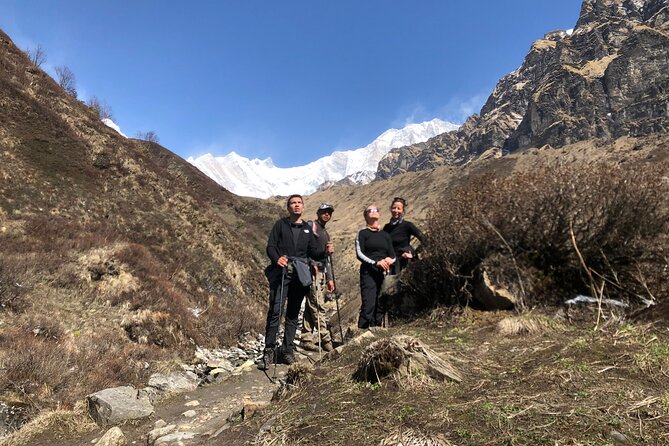
As the trek tilts into the deeper valleys, you work your way to Dharapani. You descend through steep cliffs and spend time walking near the Kali Gandaki River. The day includes a shift from tighter trail work to flatter moments where waterfalls appear and the valley opens up visually.
You also cross a suspension bridge, then climb a short distance to stone mani stones that mark an entrance to Dharapani. These small waypoints matter on a long trek because they break up the monotony and keep navigation simple when you are tired.
This is also the part where you may notice how lodge life changes. Your stops become smaller and more basic, with more emphasis on getting fed, resting, and sorting your gear for the next altitude push.
More Annapurna Circuit departures:
- Annapurna Circuit Trek with Tilicho Lake
★ 5.0 · 368 reviews - Annapurna Circuit Trek
★ 5.0 · 94 reviews - Annapurna Circuit Trek
★ 5.0 · 67 reviews - Annapurna Circuit Trek
★ 5.0 · 49 reviews
Chame and Pisang: fir and pine, then big valley views
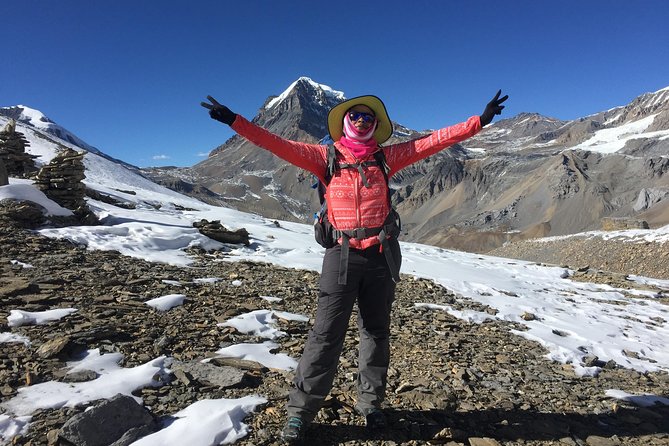
From Dharapani you go up toward Chame, heading through places like Danaque and climbing a steep path toward Timang before descending toward the headquarter area. Chame is a classic trekking village on this corridor, and it is a good marker that you are truly climbing.
Next comes Pisang. This day leans into forest and terrain variety, with fir and pine forest followed by a climb into more rocky and steeper sections. You continue along trails toward Bhratang and then come up into a valley with big views, including sightlines toward Annapurna II and Pisang Peak.
If you like photography, days like this reward steady effort more than speed. If you are chasing the view, you will rush. If you keep a steady pace, the scenery tends to keep coming, like it cannot wait to show you the next angle.
Manang acclimatization day: time to adjust, not just climb
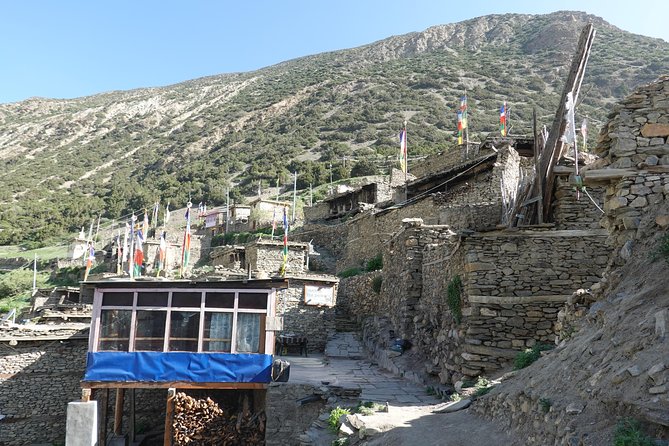
Manang is where the trek starts making altitude demands in a serious way, and the plan gives you what you need most: a full acclimatization day.
You spend a day in Manang doing some easier walking and simply looking around. You get chances to view the surrounding peaks and adjust before the route pushes higher. This is not a filler day. It is the difference between a trek that feels controlled and one where altitude can grab you by the collar.
The ridges and valley viewpoints are part of what makes this day special. The plan also mentions Manang as a place where you can see major sights like Tilicho Lake from the ridge area. You should still treat this as recovery time. Eat well, drink water, and keep your breathing calm.
Ledar to High Camp: rougher trail, shorter day, higher stakes
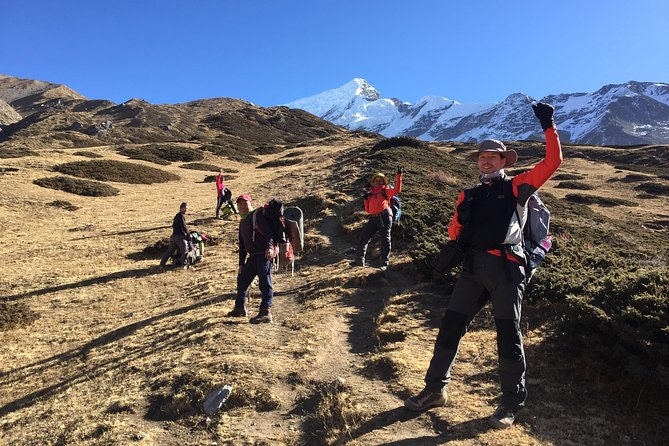
After Manang, you leave the more settled valley feel and move into a more demanding walking day pattern. You ascend along a steep trail through Tenki Manang and out of Marshyandi valley, cross along the Jarsang River, and reach Yak kharkha pasture land before continuing to Ledar.
Then you go to High Camp. The trek notes the trail becomes rough, crossing narrow paths over the Kali Gandaki River. It is described as tough, with steep up-and-down sections.
This is the zone where good technique pays off. Small steps, steady breathing, and short breaks help more than willpower. If you find yourself rushing, it is usually because your mind wants the finish line. Here, the finish line is high pass terrain, and your body needs respect.
Thorong La to Muktinath, then Jomsom to Pokhara
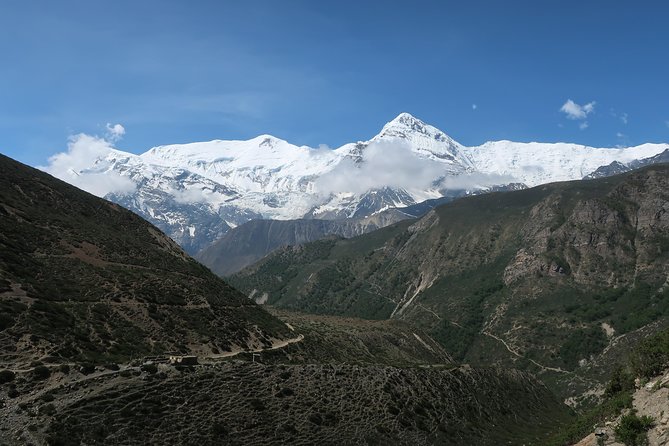
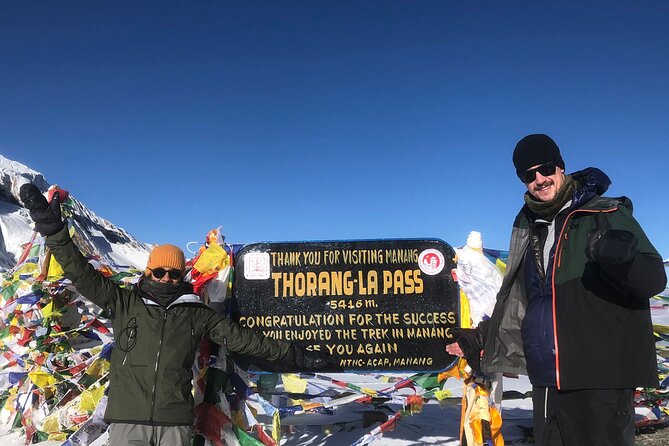
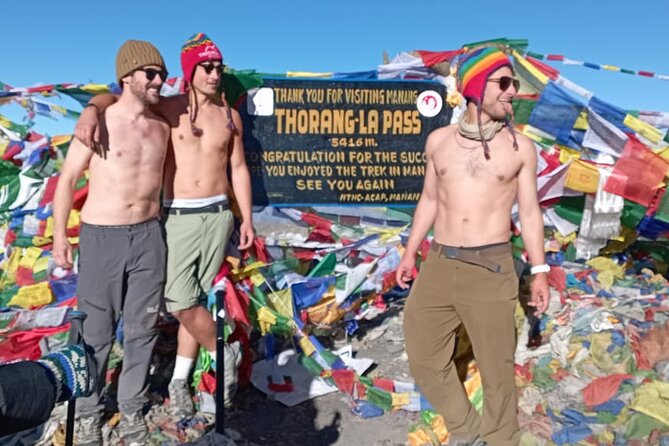
The big high point is crossing Thorang La Pass on the way to Muktinath. The plan calls this a tougher day and follows with an overnight at Muktinath.
From there, you do a brief visit at Muktinath and continue to Jomsom. After that, you take an early flight to Pokhara from Jomsom. This is a huge practical win: you save time and knee strain that would otherwise come from reversing terrain.
Pokhara becomes your decompression phase. You get time to freshen up and either explore the city or consider an optional helicopter trip to Annapurna Base Camp. The tour notes this helicopter option is optional, not built into the core plan.
The overall structure here is smart. You get the high pass experience, then you step out into easier logistics fast, which helps you enjoy the end rather than limp through it.
Lodge reality check in the trekking days
On the Annapurna Circuit, lodge quality can vary, and this plan sets expectations honestly. You stay in simple lodges run by local families, with bathrooms outside your room. Hot water depends on solar panels, so you should not plan on consistently warm showers.
Breakfast is included during the trekking days, which is a big help when you are tired and altitude makes menu choices feel harder. Lunch and dinner are not included, so you will want to budget additional cash for evening meals on trail.
One very practical tip in the tour info: drinking water matters. You can use water purification tablets or refill from recognized pure water stations along the trek. As a last option you can buy bottled water at lodges, but it is not recommended. The plan strongly suggests drinking at least 3 liters of pure water daily.
Price and logistics: is $1,350 good value?
At $1,350 per person for about 16 days, you are paying for more than the walking. The package includes airport pickup and drop, bus transfers in Nepal between Kathmandu and the trek start, lodging in Kathmandu and Pokhara (twin sharing with breakfast), trekking lodge stays with breakfast, and guided sightseeing in Kathmandu and Pokhara.
It also includes trekking permits like TIMS, plus the necessary permits for trekking, and basic trek gear support such as a sleeping bag and a duffle bag if necessary. Importantly, the plan includes the flight fare Jomsom to Pokhara, which would otherwise be a separate cost and a logistics headache.
What is not included is where travelers often feel surprised later. Lunch and dinner are not included for Kathmandu and Pokhara, and trekking days are similar. City sightseeing entry fees in Kathmandu are also not included. So you should plan some extra money for food and ticket items.
If your goal is a stress-reduced trek with clear guidance and included core transport, the price looks reasonable. If you want full board meals everywhere and a private room, you may find yourself adding costs.
Choosing a guide and porter setup that feels human
This trekking experience runs as a small group operation, with an experienced English-speaking guide and porters carrying your luggage. The tour info says trekking groups have a maximum size around 15 to 16, and porters are allocated based on group needs, with a guideline of one porter for two people.
In past treks handled by this company, guides like Tikaram, Ganesh, and Shankar Timalsina show up in reviews for being patient, supportive, and proactive when conditions get tough. Porters such as Sagar, Prakash, and Sambul also get credited for keeping things running smoothly and making the trek feel safer and more comfortable for the group. You should not assume you will get the exact same team, but it does point to a consistent style of care.
That matters because trekking is not only legs. It is also pacing decisions, weather judgment, and staying calm when someone in your group feels sick or overwhelmed. A strong guide makes the difference between a difficult day and an unsafe one.
Altitude, fitness, and gear that actually matters
The tour info flags altitude risk starting around 3000 meters. That means your plan should not treat altitude like a surprise. If you have health issues, you should consult your doctor about whether this trek is advisable.
For fitness, you are advised to train before arrival, including climbing stairs or hills, jogging, and gym work to build stamina. The trek is described as suitable for fit people even into the early 60s, but only if you do the prep and you go at a sensible pace.
Gear guidance is practical. Well worn hiking boots matter. The tour also suggests what jackets to bring based on season: between November and early March, you should pack for cold around zero degrees Celsius, while other times call for jackets suited to about 4 to 6 degrees Celsius. If you have your own sleeping bag you can bring it, but otherwise the tour provides one.
For trekking comfort, walking poles can help, and you can typically buy or rent basic items in Kathmandu near the hotel if you forget something.
Should you book this Annapurna Circuit Trek?
Book it if you want a guided circuit with a clear structure: Kathmandu cultural warm-up, a paced climb through Manang with real acclimatization time, a high pass day toward Muktinath, and a flight out from Jomsom so you finish feeling more human. The included trekking permits, lodge breakfasts, core transport, and the Jomsom to Pokhara flight add real value if you prefer fewer moving parts.
Skip or rethink if you dislike altitude risk, budget tightly for food and tickets, or you do not want to commit to daily walking of about 5 to 7 hours. This trek is stunning, but it is also a physical program. If you are honest about your fitness and you plan for proper hydration, it has a good chance of being the kind of trip you talk about for years.
FAQ
How long is the Annapurna Circuit trek, and when does it start?
The trek is listed as 16 days (approx.). The meeting point is at Tribhuvan Airport in Kathmandu, with a stated start time of 6:00 am.
Is airport pickup included?
Yes. Airport pickup and drop are included.
What does the $1,350 price include?
The package includes dinner (including the welcome dinner on day one), airport pickup and drop, transportation by tourist bus for key routes in Nepal, 3-star twin sharing hotel stays in Kathmandu and Pokhara with breakfast, lodge accommodation with breakfast during the trek, guided sightseeing in Kathmandu and Pokhara, TIMS and necessary trekking permits, and the flight fare from Jomsom to Pokhara. It also includes meals and accommodation for the trekking crew, plus insurance and other crew expenses.
What is not included?
Not included are lunch and dinner in Kathmandu, Pokhara, and during trekking days, Kathmandu city sightseeing entry fees, your flight ticket to Kathmandu (PKR-KTM), personal expenses, and any other activities not mentioned. Visa costs are also not included, and the tour notes you can obtain a visa on arrival with an additional charge.
Are trekking permits handled for me?
Yes. The tour includes TIMS and necessary permits for trekking, and you are advised to bring two photos for your trekking permit.
Is a sleeping bag provided?
Yes. The tour provides a sleeping bag for trekking days if you do not bring your own.
How do you handle drinking water during the trek?
You can use purification tablets or refill from recognized and regulated pure water stations along the trek. Bottled water at lodges is listed as an alternative but not recommended. The tour strongly says to drink at least 3 liters of pure water daily.
When do flights happen during the journey?
You fly from Jomsom to Pokhara as part of the plan, and the flight fare is included. Then you return to Kathmandu by tourist bus after time in Pokhara.
Can I cancel for a full refund?
Yes. You can cancel up to 24 hours in advance for a full refund.
Latest additions near Kathmandu
- Traditional Momo Making Class★ 5.0 · 10 reviews
- White Water River Rafting – 1 Day★ 4.3 · 3 reviews
- Kathmandu to Pokhara Premium sofa bus ticket★ 4.0 · 17 reviews
- Ghorepani Poon Hill Trek★ 5.0 · 16 reviews
- Amazing 1 Day Trekking Experience in Kathmandu Nepal★ 5.0 · 24 reviews
- Ghorepani Poonhill Trek★ 5.0 · 5 reviews
- Walking tour of real Kathmandu through back streets.★ 5.0 · 3 reviews
- Wildlife Adventure in Chitwan Nepal★ 4.0 · 4 reviews
Annapurna Circuit Treks, compared.
Browse the lists this tour appears in