
Reviewed · ANNAPURNA BASE CAMP TREKS
Pokhara: 5-Day Annapurna Base Camp Trek with Hot Spring
Hitting Annapurna Base Camp feels unreal. This 5-day trek from Pokhara takes you into the Annapurna high country with the support of a licensed English-speaking guide, plus the payoff of Jhinu Dada hot springs at the end.
I also like that the trip is structured around real hiking days with private guidance, not some vague schedule.
What I like most, though, is the practical side: you get trekking permits handled, plus gear like t trekking poles, a sleeping bag, and a duffle bag. One consideration is that 5 days can feel intense, especially if you go in off season, with tougher snow and a more demanding descent.
In This Review
- Key Things To Know Before You Go
- The Big Question: Why Start From Pokhara?
- Getting Into The Trail: Pokhara, Scenic Road, and Sinuwa
- Day 2 To Deurali: Rhododendron Forests and The Long Uphill Pull
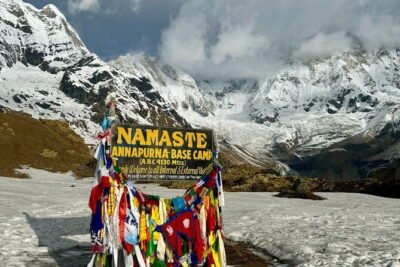
- Day 3 To Annapurna Base Camp: The 4,130m Prize Day
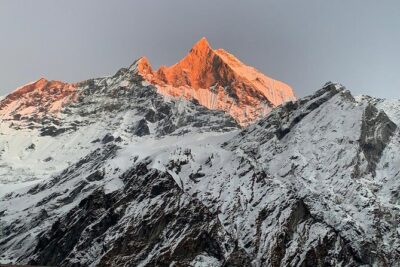
- Day 4: Sunrise, Then A Long Descent Back To Lower Sinuwa
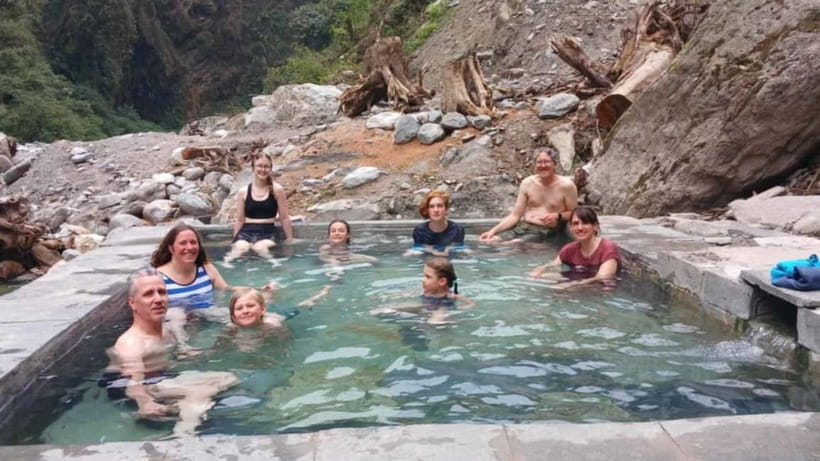
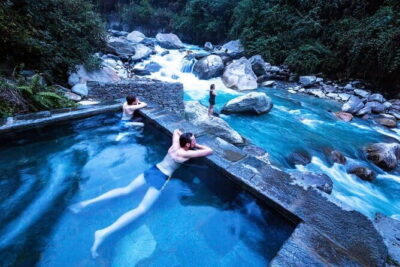
- Day 5: Jhinu Dada Hot Springs Soak, Then Back To Lakeside
- Price and Logistics: What $150 Really Buys You
- Guides You Can Trust, and Names Matter
- Meals Options: Choose How Much You Want Hand-Holding
- Trekking Gear: What They Provide, What You Must Bring
- Altitude and Pace: When 5 Days Is a Crunch
- Weather, Off Season, and Safety Reality Checks
- Who This Trek Suits Best
- Should You Book This Trek?
- FAQ
- What is the trekking highest point on this itinerary?
- Is this trek a private group?
- What languages does the guide speak?
- Are trekking permits included?
- Is hot spring time included?
- Are meals included?
- What trekking gear is provided?
- Can I arrange a porter?
Key Things To Know Before You Go
- It is a true 5-day hike, not a short walk, with long trekking stretches and one big summit-style day to Base Camp.
- Licensed guide, permits, and TIMS paperwork are included, so you spend less time on admin and more time on the trail.
- Your “recovery plan” is real, because you end with Jhinu Dada hot springs after the descent.
- Off-season can raise difficulty, including rougher conditions on the way down, and you may need a steady guide to manage it.
- Private group pace means you can ask questions, adjust stops, and get help with confidence on steep or icy ground.
The Big Question: Why Start From Pokhara?
Pokhara is a smart launch point. The drive out gives you a quick taste of local scenery and road views before the hiking even starts, which helps you feel like you are transitioning from city comfort to mountain life. It is also where you base yourself with hotel pickup and drop-off included, so the logistics do not eat your energy.
This trek is built around the famous Annapurna Base Camp amphitheater, but the most satisfying part for me is the contrast. You start lower, with village rhythms and forest climbs, then slowly build to high-altitude silence and glacial views. By the time you reach Base Camp, you feel like you earned the view, not just arrived for it.
More Treks in the Annapurna Region
- Pokhara: 7 Day Annapurna Base Camp Trek
★ 4.9 · 38 reviews - Pokhara: 2 & 3 Days Ghorepani Poon Hill Private Guided Trek
★ 4.9 · 27 reviews - Pokhara: 1-Day Scenic Australian Camp & Dhampus Guided Hike
★ 4.9 · 24 reviews
Getting Into The Trail: Pokhara, Scenic Road, and Sinuwa
Day 1 is a mix of Jeep time and trekking time. You leave Lakeside Pokhara early, ride by deluxe transportation, and then start hiking from the access area toward Sinuwa at around 2,200m, with a total of roughly 3 hours by Jeep plus 4 hours trekking.
This day matters because it sets your rhythm. The scenic highway route gives you big-picture views of the Seti River and surrounding mountains, plus paddy fields and villages along the way. Then the trek itself begins to “lock you in” to the Annapurna region, with the kind of uphill effort that warms your legs without overwhelming you.
The stay in Sinuwa gives you an early taste of local hospitality, and you will likely feel the change in air and temperature at this height. Practical note: bring a warm layer even if the sun is out, because mountain nights can cool down fast.
Day 2 To Deurali: Rhododendron Forests and The Long Uphill Pull
On Day 2, you go from Sinuwa to Deurali at about 3,200m, with about 7 hours of trekking. This is where the Annapurna experience becomes more about sustained effort than quick photo stops.
The trail runs through forests and you may catch rhododendron blooms, which is a reminder that the Annapurna region is not only big rocks and ice. As you climb, your views start expanding, and you get that mental shift from walking through a valley to feeling like you are moving up into a different climate zone.
The main drawback to plan for is simple: Day 2 is long. If you rush it, you will pay later. I like that having a private, licensed guide means you can keep your pace steady and ask for help with pacing, footing, and when to take breaks.
Day 3 To Annapurna Base Camp: The 4,130m Prize Day
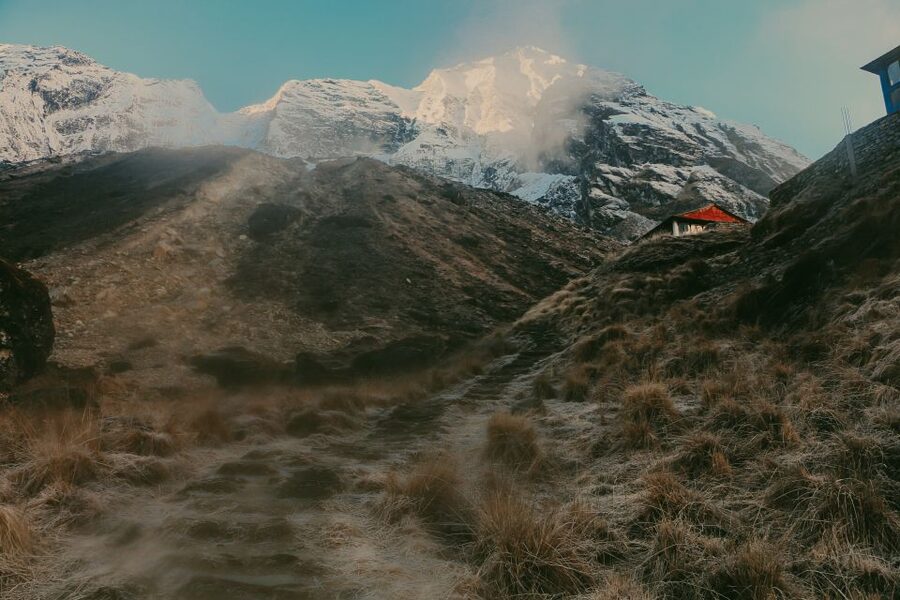
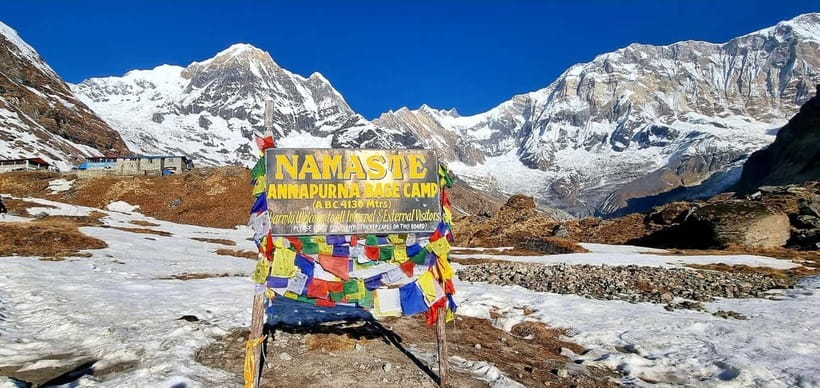
Day 3 is the signature day. You trek from Deurali to Annapurna Base Camp at about 4,130m, for around 5 hours. This is where you earn the “legendary” part of the route.
You are moving into the glacial and high-mountain zone, and the view shift tends to be dramatic. The natural amphitheater feeling at Base Camp is the payoff you came for: towering peaks, high ice, and a sense of being surrounded rather than simply facing a mountain from a distance.
This is also the day where your body needs respect. Even though it is listed as a 5-hour trek, altitude makes every uphill step feel heavier. I recommend treating the climb as a controlled effort rather than a race for the top. Slow and steady usually wins, and the guide can help you manage breaks and breathing.
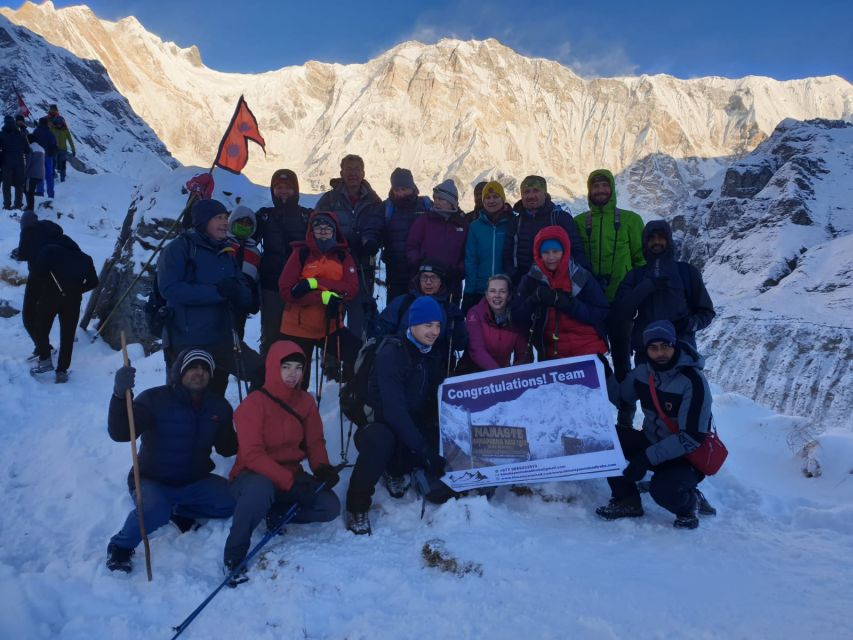
After reaching Base Camp, you spend the night there. That matters because you get a full mountain night, not just a quick stop. Just remember that conditions at higher altitude can be colder than you expect.
More Annapurna Base Camp treks:
- Annapurna Base Camp Heli Tour
★ 5.0 · 7 reviews - From Pokhara: 10-Day Poon Hill and Annapurna Base Camp Trek
★ 5.0 · 7 reviews - Pokhara: 7-Day Annapurna Base Camp Via PoonHill & Hot Spring
★ 5.0 · 6 reviews - Pkr/Kathmandu: 5-Day Annapurna Base Camp & Hot spring Trek
★ 5.0 · 6 reviews
Day 4: Sunrise, Then A Long Descent Back To Lower Sinuwa
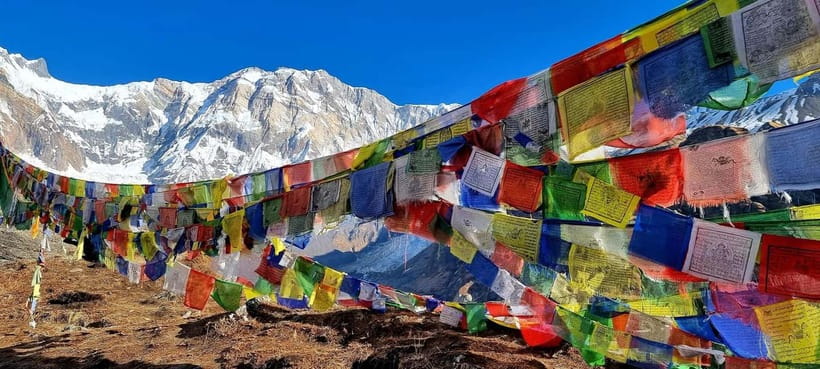
Day 4 starts with the classic moment: watching the sunrise over the peaks. Then you descend from Base Camp down to Lower Sinuwa at around 2,200m. Plan for about 8 hours trekking.
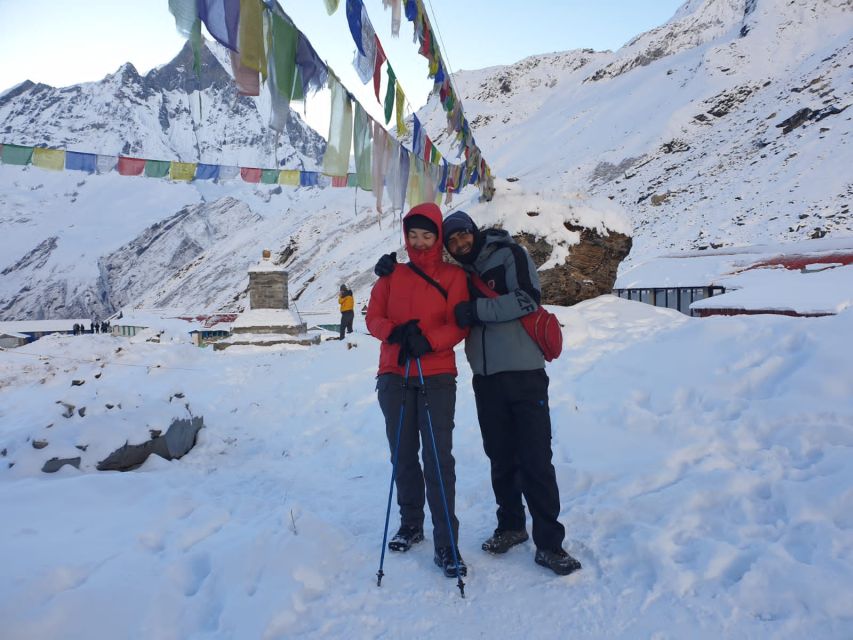
This is one of the most physically demanding parts of the whole journey. Downhill can feel easier than uphill, but it is hard on knees and it can be risky if snow or ice appears on the trail. One key real-world note from experience on this route: on off-season conditions, the descent may get rough, with areas that require extra care. A strong guide makes a huge difference.
If you need a confidence boost, this is where it helps to be with the right person. In one case, a guide named Kaji helped navigate difficult descent conditions, including serious obstacles along the way down. That kind of calm guidance is exactly what you want when the mountain turns unpredictable.
Day 5: Jhinu Dada Hot Springs Soak, Then Back To Lakeside
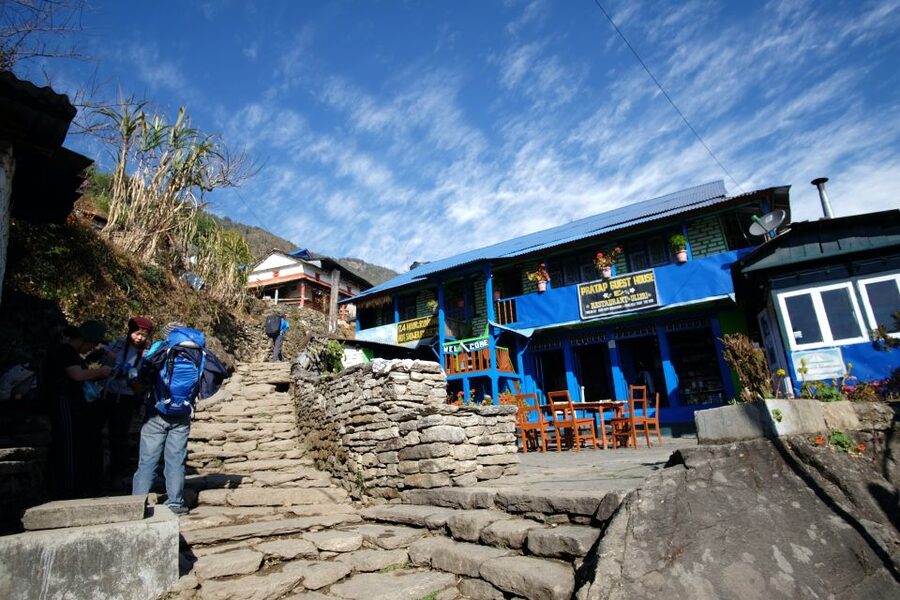
Day 5 is your recovery day, built into the itinerary. You trek from Lower Sinuwa down to Jhinu Dada (about 4 hours), then finish with about 3 hours by Jeep back to Lakeside Pokhara.
You end with a soak at the natural hot springs. This is not a small extra. It is a smart “treat your body like you earned it” moment after days of uphill grind and long descent. If you ever wondered why hot springs belong on a trek, this is why.
Then you head back into the comfort zone of Pokhara. Even if you feel tired, you usually also feel satisfied, because the trip ends with a physical reset that makes it easier to sleep, eat normally, and process what you just did.
Price and Logistics: What $150 Really Buys You
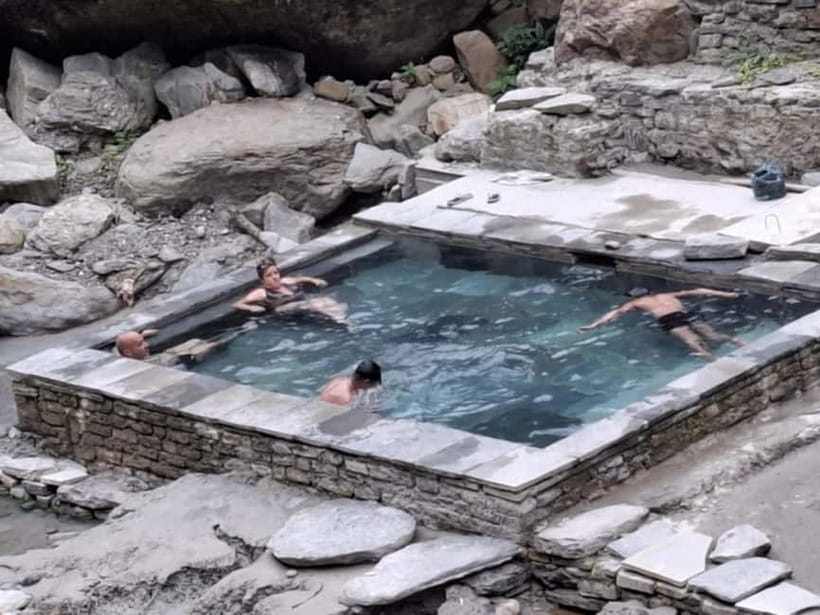
At $150 per person for 5 days, the value is strongest when you focus on what is included.
You get:
- hotel pickup and drop-off
- a licensed English-speaking guide
- trekking permits plus paperwork and the TIMS fee(s)
- private accommodation during the trek
- all meals only under the All Inclusive Full Package option
- luggage storage
- key trekking gear: trekking poles, a sleeping bag, and a duffle bag
- deluxe transportation as per the itinerary and group size
- all staff expenses
What is not included is equally important. Soft and hard drinks are not covered, porters cost extra if you want them, and you should budget for personal expenses like phone use, laundry, battery recharge, bottle or boiled water, and showers. Also plan for travel and rescue insurance, which is recommended.
For me, the value comes from reducing friction. Permits and gear handling can be annoying to sort out solo, and here you are paying for a system. Also, private group service means you are not stuck with a forced pace that ignores how you feel that day.
Guides You Can Trust, and Names Matter
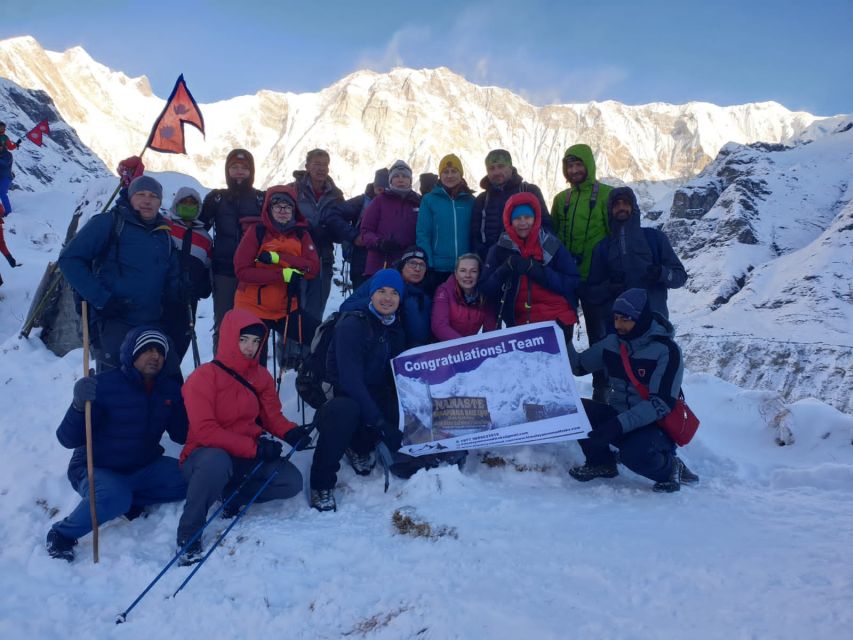
The guide component is one of the most praised parts of this trek. Two guide names stand out in my notes from experience feedback: Jeet and Kaji.
Jeet is described as funny and attentive, and also respectful and clear in how he explains things. That matters because Base Camp trekking is partly about logistics and partly about confidence. If your guide explains the plan, adjusts pacing, and checks in, you feel safer on rough sections.
Kaji is recognized for helping throughout tough descent conditions. If you are nervous about snow, ice, or long downhill sections, this is the kind of support you want.
Bottom line: on a high-altitude trek, good guiding is not a luxury. It is part of your safety and your enjoyment.
Meals Options: Choose How Much You Want Hand-Holding
This trek offers two ways to handle food. You can choose a standard option where you purchase meals along the way, or an upgraded option that includes meals (breakfast, lunch, dinner) under the All Inclusive Full Package.
If you like certainty, the All Inclusive Full Package reduces decision fatigue. If you prefer more flexibility, the standard option can work, but you need to stay on top of meal timing. Either way, you will want to plan for hydration and small personal snacks, because drinks like soft and hard beverages are not included.
Also, pack your patience for mountain food days. Even when the meals are good, your appetite can change at altitude. I find it helps to eat when it is offered, not only when I feel hungry.
Trekking Gear: What They Provide, What You Must Bring
You do not have to show up fully loaded. Trekking gear is provided, including trekking poles, a sleeping bag, and a duffle bag. There is also luggage storage, which is a big comfort when you arrive in Pokhara and do not want to carry everything around.
What you still need:
- passport or ID card
- hiking shoes
- daypack
- jacket and comfortable clothes
- hat and socks
- sunscreen and sunglasses
- cash
- change of clothes
- camera (if you want to capture the peak drama)
- sleeping bag is provided, but you still should bring what the organizer asks for in your specific case
A practical tip: bring good socks and expect to change at least once if you can. In mountain trekking, damp feet turn into blisters quickly.
Altitude and Pace: When 5 Days Is a Crunch
The route climbs from about 2,200m to 4,130m and back to 2,200m within five days. That is a lot of vertical work in a short calendar window.
One of the real-world lessons from experience on this trek is that 5 days can be intense. A common feeling is wanting more time to enjoy the views and to hike at a more comfortable rhythm. If you prefer unhurried pacing, consider choosing a longer version of the trek in the future, especially if you go outside peak season.
If you are physically fit and used to hiking, 5 days can work well. If you are not sure, start with respect for your body. Take breaks when your guide suggests them. If conditions are icy, do not “push through” and get careless.
Weather, Off Season, and Safety Reality Checks
Season matters on Annapurna. One piece of experience feedback highlights that off-season weather can be worse than hoped for, and descent conditions can become serious. That can include snow and unstable areas where you need to move carefully.
This is why the guide quality matters. When conditions get tough, a calm, capable guide helps you keep moving safely and makes the trek feel manageable instead of frightening. Even with good planning, mountains can change fast, so pack for cold, be flexible, and do not ignore your comfort levels.
If you know you dislike snow or ice, think hard about going in colder months, and consider a longer trek that gives you extra margin for weather changes.
Who This Trek Suits Best
This is a strong option if you want:
- a guided Annapurna Base Camp experience with permits handled
- a trek that ends with real recovery time at hot springs
- a private group pace with an English-speaking licensed guide
- a route that is challenging but structured across five days
It is especially a good fit for travelers who are comfortable with daily hikes lasting several hours and who want one big highlight day at Base Camp without months of planning.
If you want maximum comfort, more acclimatization time, or you are highly sensitive to cold weather and rough descents, you might consider extending the overall trip duration.
Should You Book This Trek?
I think this trek is worth booking if you want a guided, structured Annapurna Base Camp climb with less hassle. The combination of permits and licensed guiding included, plus the gear support and the Jhinu Dada hot springs finish, makes it feel like a well-rounded package.
Book it if you:
- are ready for a real 5-day hiking rhythm
- want private guide attention and clear support on the trail
- value safety and confidence from a capable guide, not just views
You might pause before booking if:
- you know you get stressed by snow or icy descents
- you want more time to enjoy scenery and rest days, not just push through a tight schedule
If you do book, pack smart, hike patiently, and listen to your guide. On this route, that is the difference between a tough day and a memorable one.
FAQ
What is the trekking highest point on this itinerary?
Annapurna Base Camp is reached at about 4,130m.
Is this trek a private group?
Yes, it is listed as a private group.
What languages does the guide speak?
The guide is listed as English, Hindi, and Nepali.
Are trekking permits included?
Yes, trekking permits and required paperwork, including the TIMS fee(s), are included.
Is hot spring time included?
Yes. On the final day you trek to Jhinu Dada and enjoy the natural hot springs before returning to Pokhara.
Are meals included?
Meals depend on the option you choose. The All Inclusive Full Package includes breakfast, lunch, and dinner during the trek. A standard option lets you purchase meals along the way.
What trekking gear is provided?
Trekking poles, a sleeping bag, and a duffle bag are provided, and there is luggage storage.
Can I arrange a porter?
Porters are not included, but they can be arranged upon request for an additional cost.
More Spa & Hot Springs in Annapurna Region
- Pokhara: Amazing 7-Day ABC Trek with Natural Hot Spring
★ 5.0 · 5 reviews - Whole Day Massage & Spa With Lunch
★ 5.0 · 54 reviews - Pokhara: 5 Day Annapurna Base Camp Trek & Natural Hot Spring
★ 4.9 · 44 reviews - 6 Hours Spa Package in Kathmandu (Massage, Sauna, Steam, Jacuzzi)
★ 5.0 · 43 reviews
Latest additions near Annapurna Region
- Mardi Himal Trek -5 Day Short Trek From Pokhara★ 5.0 · 8 reviews
- Pokhara: Poon Hill Trek★ 5.0 · 3 reviews
- Pokhara: Day Hiking to Australian Base Camp with Lunch★ 5.0 · 4 reviews
- Pokhara: Hike To Australian Base Camp★ 3.5 · 4 reviews
- Pokhara: Annapurna Foothills Private Day Hike with Transfers★ 5.0 · 3 reviews
- From Pokhara: Annapurna View Day Hike★ 5.0 · 3 reviews
- Pokhara: Amazing 7-Day ABC Trek with Natural Hot Spring★ 5.0 · 5 reviews
- Pokhara: 7-Day Annapurna Base Camp Via PoonHill & Hot Spring★ 5.0 · 6 reviews
Annapurna Base Camp Treks, compared.
Kathmandu to Annapurna Base Camp (ABC) 5-Day Trek
Read our review →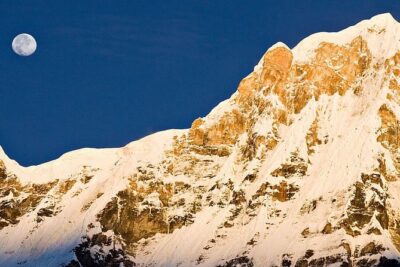
Browse the lists this tour appears in