
Reviewed · ANNAPURNA BASE CAMP TREKS
Pkr/Kathmandu: 5-Day Annapurna Base Camp & Hot spring Trek
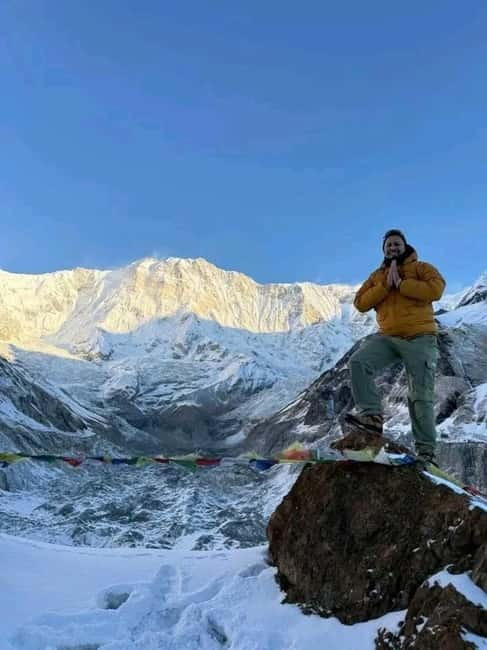
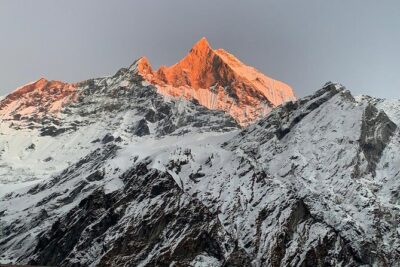
Sunrise at Machhapuchhre Base Camp hits different. This 5-day Annapurna Base Camp trek from Pokhara or Kathmandu blends forest trail walking, waterfall views, and classic mountain tea-house stops, ending at Annapurna Base Camp at 4,130 m. I also like how the route mixes big “wow” moments with small, human ones, especially Gurung village life along the way. The one thing to weigh is the pace. It climbs high quickly, so you need solid fitness and you should take acclimatization seriously.
You’ll be in good hands with a private guide, and the trip is built around comfort at each night stop with mountain guest houses and borrowed gear like sleeping bags and trekking poles. Depending on your group and the season, the cold can feel real, and the higher days are not a stroll. If you have heart or respiratory issues, this is not a good idea, and if you’re prone to altitude sickness, you’ll want to think twice.
In This Review
- Key highlights to notice before you go
- Entering the Annapurna Sanctuary: why this 5-day route feels efficient
- Kathmandu to Pokhara: the shortcut that sets your pace
- Day 1: Simrung to Sinuwa, plus your first taste of mountain life
- Day 2: Waterfall forest to Deurali (about 3,230 m)
- Day 3: Deurali to Annapurna Base Camp via Machhapuchhre Base Camp
- Day 4: Return hike with sunrise views, via Deurali, Himalaya, Dobhan
- Day 5: Jhinu Danda hot springs to Simrung, then back to Pokhara
- Guides, equipment borrowing, and why this trek feels easier than it should
- Guest houses, tea-house meals, and how warm is warm enough
- Price and value: $60 is low, but your final cost depends on options
- Seasons, altitude reality, and weather planning
- Who this trek suits best, and who should skip it
- Should you book this 5-day Annapurna Base Camp trek?
- FAQ
- Do I start the trek from Kathmandu or Pokhara?
- Is the Kathmandu to Pokhara flight included?
- How do I get from Pokhara to the trailhead?
- What is the highest altitude on this trek?
- What are the daily hiking times like?
- Are meals included?
- Are hot springs included?
- What equipment is provided or borrowed?
- What languages are guides available in?
- Who is this trek not suitable for?
Key highlights to notice before you go
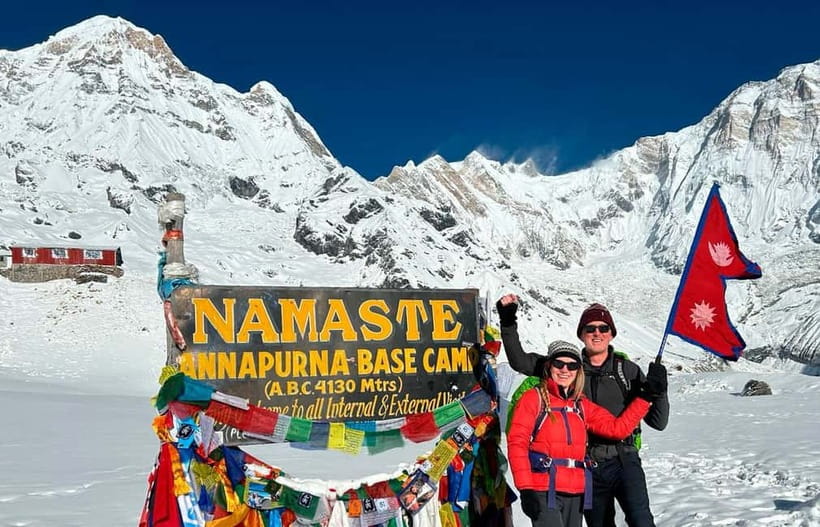
- ABC in 5 days: reach Annapurna Base Camp at 4,130 m on a short, focused itinerary
- Machhapuchhre sunrise: start-the-day views are a big reason people choose this route
- Gurung village rhythm: tea-house stops and village trails make it feel local, not just scenic
- Waterfall forest day: dense forest and waterfalls show up early in the trek
- Jhinu Danda hot springs: optional soaking on day 5 after the hike, if conditions allow
- Private guiding: guides handle pacing and logistics, and porters are available as an add-on
Entering the Annapurna Sanctuary: why this 5-day route feels efficient
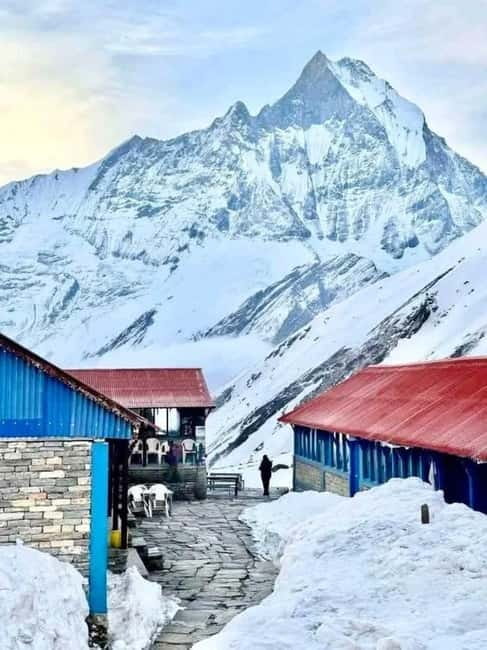
This is the version of Annapurna Base Camp you pick when you want the top highlight without a long multi-week schedule. In five days, you go from trail villages to Annapurna Base Camp inside the Annapurna Sanctuary. That means you’re hiking more, but the payoff is quick: mountain views that keep getting stronger, then a dramatic climb to the highest point on your itinerary.
What makes it work well for most people is that the trail pattern has just enough up-and-down to keep you moving. You also get night stops that are designed around mountain guest houses, so you are not forced into complicated logistics. You’re just hiking, eating, and sleeping, with a guide to manage the flow.
The big practical reality: you’re going high fast. Day 2 already tops out around 3,230 m, and day 3 climbs to 4,130 m. If you tend to get winded easily, or if you are the kind of person who treats altitude like a rumor, this trek will teach you otherwise.
More Treks in the Annapurna Region
- Pokhara: 7 Day Annapurna Base Camp Trek
★ 4.9 · 38 reviews - Pokhara: 2 & 3 Days Ghorepani Poon Hill Private Guided Trek
★ 4.9 · 27 reviews - Pokhara: 1-Day Scenic Australian Camp & Dhampus Guided Hike
★ 4.9 · 24 reviews
Kathmandu to Pokhara: the shortcut that sets your pace
Most people start in Pokhara. If you begin in Kathmandu, you take a short flight to Pokhara, about 30 minutes, then continue by road. That matters because it saves you a day and helps you start the trek with your legs fresher.
From Pokhara, the route goes by shared jeep to Simrung via Nayapul, about 2 to 3 hours. You then start hiking right away, from Simrung to Sinuwa. This is a classic “warm start” for a high-altitude trek. It gets you walking on a real trail and helps you settle into the rhythm before the harder altitude day.
One more detail I think is worth planning for: shared jeep timing is tightly connected to your hike start time. If you get travel-worn or miss a connection, your whole day can compress. Build a little buffer in how you pack your head and your schedule.
Day 1: Simrung to Sinuwa, plus your first taste of mountain life
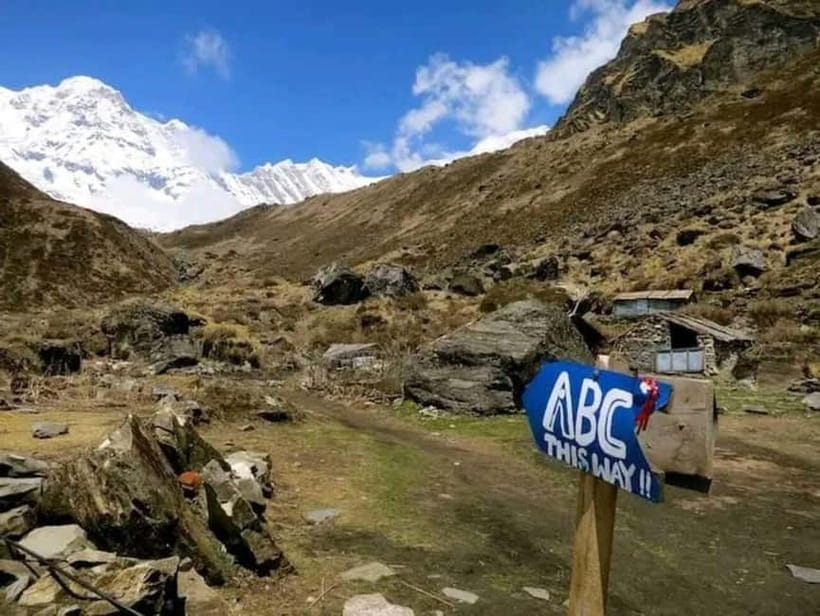
Day 1 is where you move from city logistics into Nepal trail rhythm. After the jeep ride to Simrung, you walk to Sinuwa for about 4 to 5 hours. The night stop is a mountain guest house at around 2,340 m.
I like this day because it is not about breaking records. It’s about getting used to the uphill feel, the thinner air, and the constant change in scenery. You go from river and forest areas into village-side trekking. The whole thing sets expectations early, so you do not show up on day 3 surprised by how demanding the trail can feel.
What to watch: you’ll likely be cold sooner than you expect because the nights at elevation can drop fast. Bring warm layers even if the daylight feels fine.
Day 2: Waterfall forest to Deurali (about 3,230 m)
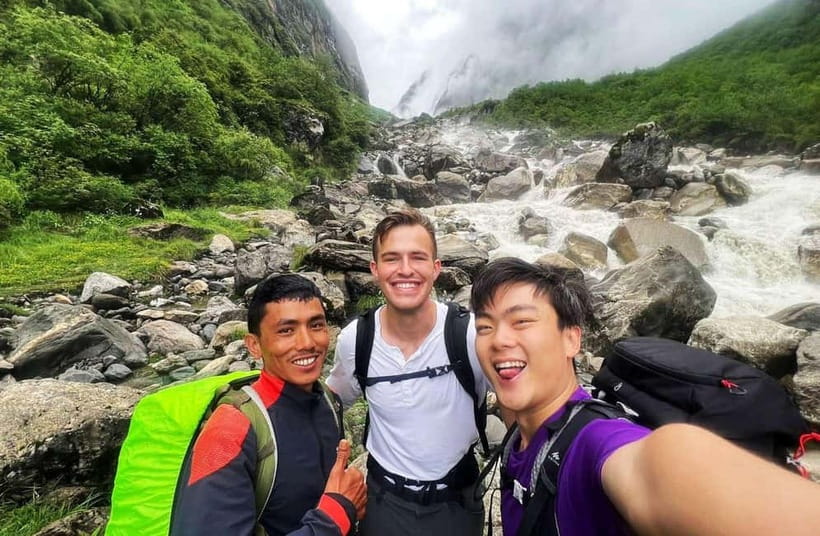
On day 2, the hike runs about 5 to 6 hours from Sinuwa to Deurali, passing through Himalaya, a small settlement with tea houses. This is the day with dense forest and waterfalls on the way.
This is also where pacing becomes your best friend. Forest trails can trick you. You feel sheltered, so you end up pushing harder than you meant to. Your guide helps here, because the goal is steady movement rather than a sprint to Deurali.
You sleep in Deurali guest house at about 3,230 m. That altitude is high enough that you may notice your breathing, even if you feel strong. If you do, do not panic. It’s normal for this route. Drink water, keep moving gently, and avoid treating the day like a workout session.
More Annapurna Base Camp treks:
- Annapurna Base Camp Heli Tour
★ 5.0 · 7 reviews - From Pokhara: 10-Day Poon Hill and Annapurna Base Camp Trek
★ 5.0 · 7 reviews - Pokhara: 7-Day Annapurna Base Camp Via PoonHill & Hot Spring
★ 5.0 · 6 reviews - Pokhara: Amazing 7-Day ABC Trek with Natural Hot Spring
★ 5.0 · 5 reviews
Day 3: Deurali to Annapurna Base Camp via Machhapuchhre Base Camp
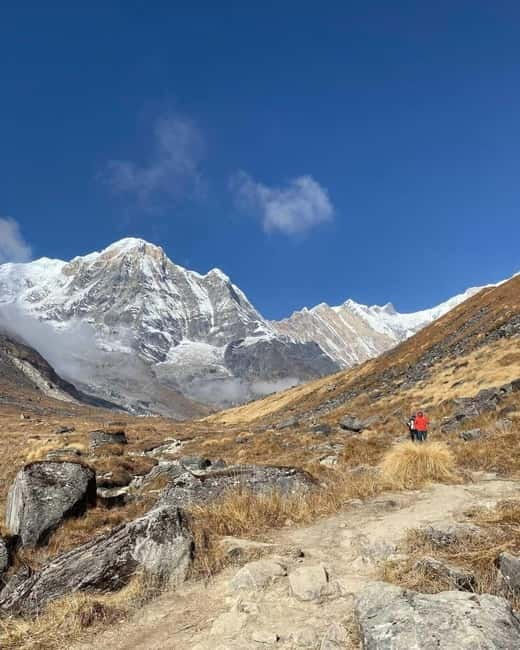
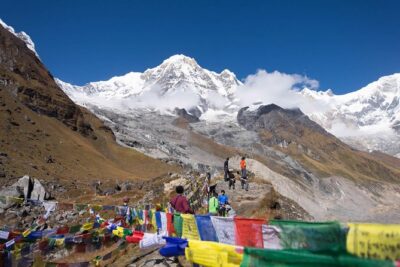
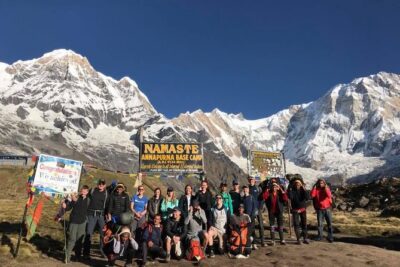
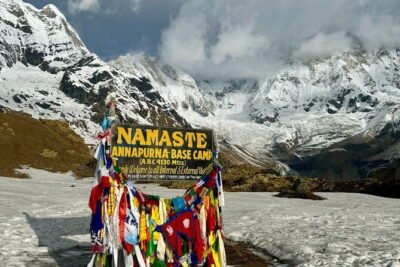
Day 3 is the “this is why I came” day. The hike is about 5 to 6 hours from Deurali to Annapurna Base Camp at 4,130 m, and the route passes through Machhapuchhre Base Camp (MBC).
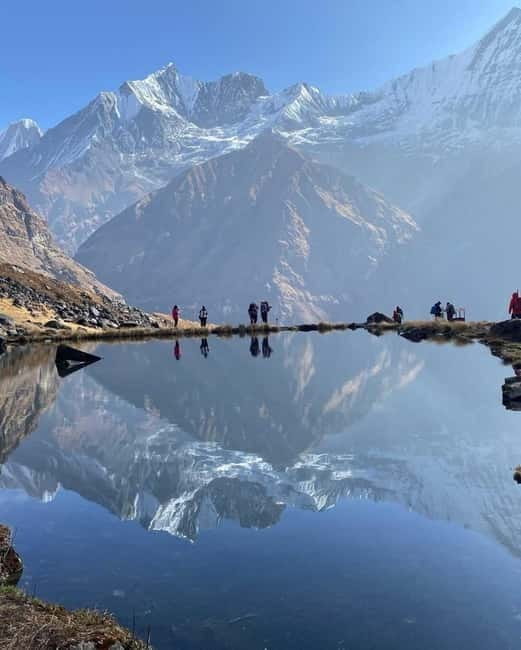
You’ll spend time in the MBC valley area, which is a different mood from the lower trail. Expect big mountain views, more exposed feeling, and the kind of stillness you only get when clouds part and peaks sharpen.
Two standout moments matter here:
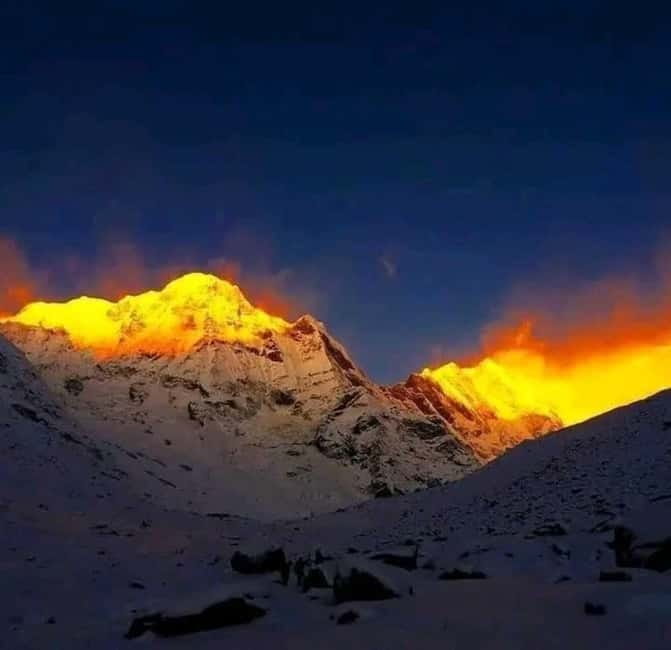
- The route is built around Machhapuchhre Base Camp sunrise.
- At Annapurna Base Camp, the place is known for striking sunset views toward the west.
Also plan for tea-house reality at 4,130 m. It’s not luxury, but it’s functional, warm enough to eat, and perfect for taking a breath and soaking in the scale of the Annapurna range.
Practical note: weather can swing quickly at this height. Cloud cover can hide views, but it can also create dramatic light. Keep your camera ready, but keep your energy for walking and safe steps.
Day 4: Return hike with sunrise views, via Deurali, Himalaya, Dobhan
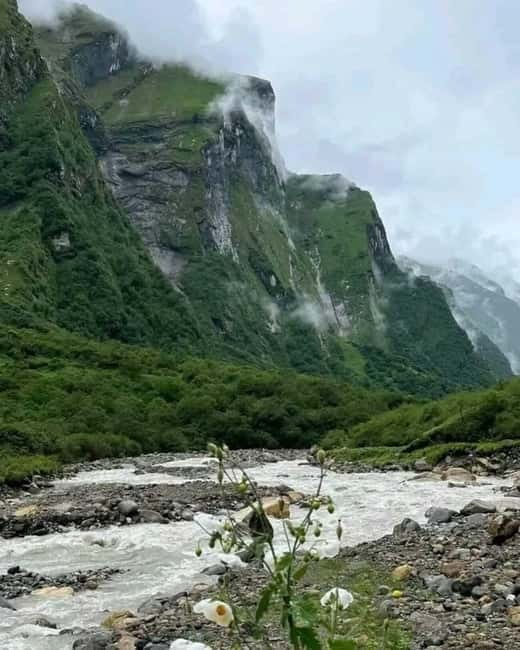
Day 4 is a return day, about 6 to 7 hours, bringing you back toward Bamboo or Sinuwa. You pass through Deurali, Himalaya, and Dobhan along the way. You sleep again around 2,340 m, which gives your legs a chance to recover.
The day’s hook is the morning: after you witness a spectacular view of sunrise, you begin trekking back. That changes how the day feels. Instead of rushing to get back down, you get to enjoy a calm start and savor the last big morning at high altitude.
The likely challenge is the descent on tired legs. Even when the grade seems reasonable, your body may feel slower than day 1. Take shorter steps and let your guide set a pace that keeps you comfortable. Your guide’s job is not just navigation. It’s keeping everyone moving safely, especially if the trail is wet.
Day 5: Jhinu Danda hot springs to Simrung, then back to Pokhara
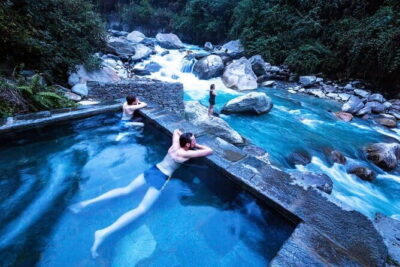
Day 5 mixes payoff and logistics. You trek from the high trail area down toward Simrung, passing Jhinu Danda, where you can visit natural hot springs. The hike takes about 3 to 4 hours. After that, it’s a drive of about 2 to 3 hours back to Pokhara, with drop-off at your hotel area by late afternoon, around 17:00.
I love a hot-springs day after the Annapurna effort because it’s the kind of recovery that feels like a reward. Your legs get a reset, and you get to end the trek with something peaceful rather than just more downhill and a long vehicle ride.
The optional part is how you use that time. If it’s crowded or conditions are cold, you might prefer a quick dip and move on. If it’s calm, you can linger and let your muscles cool down slowly. Either way, go in with warm clothes ready for when you get out.
Guides, equipment borrowing, and why this trek feels easier than it should
This trip is built around a private group and a trekking guide. In practice, that means someone is watching the pace, coordinating the guest house stops, and keeping the day plan sensible.
The equipment situation is also a big deal for value. You can borrow necessary equipment like sleeping bags, duffle bags, and trekking poles. That reduces upfront costs if you don’t already own high-quality cold-weather gear.
A quick caution I take seriously: trekking pole coverage can vary by operator and by your exact kit list. One person who expected poles did not have them in their package and ended up using an improvised solution made by their guide. That’s a reminder to confirm what you will actually receive before you start, especially if you rely on poles.
Porters are available as an add-on under the right meal and budget options. If you already know you’ll struggle with load, consider adding it. You’ll still hike, but it changes how you feel at the end of each day.
Guest houses, tea-house meals, and how warm is warm enough
You will sleep in 4-night mountain guest houses. Meals depend on your option: meals are included only if you choose an all-inclusive plan. Otherwise, you’ll need to pay for meals separately.
Tea houses are your food and rest stops along the trail. Expect simple meals, warm drinks when available, and a steady routine. The big advantage of having meals planned is that you spend less energy negotiating food choices on a cold day. At altitude, that matters.
For comfort: warm clothing is not a suggestion on this trek. Bring layers that work in both sun and shade. At higher elevations, even if you feel fine walking, you may feel cold during breaks, at tea houses, and after you stop.
Price and value: $60 is low, but your final cost depends on options
At $60 per person, this trek is positioned as a budget-friendly way to reach Annapurna Base Camp in a short time. That price makes sense if you look at what is included: hotel pickup and drop-off in Pokhara, possible Kathmandu flight option, shared jeep transport, guide support, permits, mountain guest house nights, first aid, and equipment borrowing.
Where your total can change is in what’s optional or not included:
- Hot, cold, and alcoholic drinks are not included
- Meals depend on your all-inclusive choice
- Porter can be an add-on if you want one
- Travel insurance is not included
- If you need the PKR to KTM return flight, that can be an add-on
So here’s my honest value take. This is great value if you show up prepared, choose the meal option that fits your needs, and don’t treat equipment as optional. If you hate cold and you end up buying extra layers or paying add-ons last minute, the bargain can shrink.
Seasons, altitude reality, and weather planning
The best trekking seasons for this route are March to May and September to November. Those windows usually bring more reliable conditions, more comfortable temperatures, and better chances for clear views.
Even then, weather can be unpredictable. Plan for cold temperatures, and understand that rain and snow can happen depending on timing and elevation. Your guide will help manage day-to-day conditions, but you should bring clothing that handles cold and wind.
Altitude reality is straightforward: you reach a max altitude of about 4,130 m at ABC. This trek requires good fitness and acclimatization. The route does not pretend altitude is optional. If you’re coming in from sea level, you should expect your body to adjust during the trek.
Who this trek suits best, and who should skip it
This is a moderate to challenging trek. It’s a good fit if you want a clear route with guided support, you can hike 3 to 7 hours daily depending on the day, and you’re excited by mountain sunrise and big-range views.
It’s not suitable for people with:
- mobility impairments
- heart problems
- respiratory issues
- altitude sickness
- low level of fitness
If you’re unsure, be realistic about your current hiking ability and how you respond to altitude. This trek can be done by many people, but it is not a casual walk.
Should you book this 5-day Annapurna Base Camp trek?
I’d book it if you want the core Annapurna Base Camp experience on a tight schedule, and you appreciate private guidance plus mountain guest house logistics. I also think it’s a smart choice if you like mornings with views, especially the Machhapuchhre sunrise idea, and if you’re excited about that day 5 recovery at Jhinu Danda hot springs.
I would not book it if you know cold weather hits you hard, you dislike fast altitude gains, or you have any health risks listed as not suitable. In those cases, you’ll likely be stressed instead of impressed.
If you do book, plan like a pro: warm layers, solid hiking shoes, sunscreen, and enough water. And confirm what trekking poles and sleeping bags you will receive, so you can start day 1 feeling ready, not improvising.
FAQ
Do I start the trek from Kathmandu or Pokhara?
You can start from either Kathmandu or Pokhara. If you start from Kathmandu, you take a flight to Pokhara before the trek begins.
Is the Kathmandu to Pokhara flight included?
Flight tickets for Kathmandu to Pokhara are included if you select the flight option.
How do I get from Pokhara to the trailhead?
You travel by shared jeep from Pokhara to Simrung via Nayapul.
What is the highest altitude on this trek?
The maximum altitude is about 4,130 m at Annapurna Base Camp.
What are the daily hiking times like?
Hiking days range from about 3 to 7 hours, depending on the day, with shorter hours on day 5 and longer hours on day 4.
Are meals included?
Meals are included only if you choose the all-inclusive option. If you choose a budget or Kathmandu option, meals are not included, though add-on meals may be available.
Are hot springs included?
Jhinu Danda hot springs are listed as optional in the highlights, and day 5 includes trekking via Jhinu Danda where hot springs are possible.
What equipment is provided or borrowed?
You can borrow necessary equipment such as sleeping bags, duffle bags, and trekking poles.
What languages are guides available in?
Guides are available in English, French, Japanese, and Chinese.
Who is this trek not suitable for?
It is not suitable for people with mobility impairments, heart problems, respiratory issues, altitude sickness, or low fitness levels. Alcohol and drugs are also not allowed.
More Spa & Hot Springs in Annapurna Region
- Pokhara: 5-Day Annapurna Base Camp Trek with Hot Spring
★ 5.0 · 3 reviews - Whole Day Massage & Spa With Lunch
★ 5.0 · 54 reviews - Pokhara: 5 Day Annapurna Base Camp Trek & Natural Hot Spring
★ 4.9 · 44 reviews - 6 Hours Spa Package in Kathmandu (Massage, Sauna, Steam, Jacuzzi)
★ 5.0 · 43 reviews
Latest additions near Annapurna Region
- Mardi Himal Trek -5 Day Short Trek From Pokhara★ 5.0 · 8 reviews
- Pokhara: Poon Hill Trek★ 5.0 · 3 reviews
- Pokhara: Day Hiking to Australian Base Camp with Lunch★ 5.0 · 4 reviews
- Pokhara: Hike To Australian Base Camp★ 3.5 · 4 reviews
- Pokhara: Annapurna Foothills Private Day Hike with Transfers★ 5.0 · 3 reviews
- From Pokhara: Annapurna View Day Hike★ 5.0 · 3 reviews
- Pokhara: Amazing 7-Day ABC Trek with Natural Hot Spring★ 5.0 · 5 reviews
- Pokhara: 7-Day Annapurna Base Camp Via PoonHill & Hot Spring★ 5.0 · 6 reviews
Annapurna Base Camp Treks, compared.
Kathmandu to Annapurna Base Camp (ABC) 5-Day Trek
Read our review →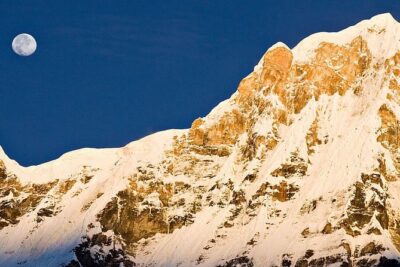
Browse the lists this tour appears in