
Reviewed · ANNAPURNA BASE CAMP TREKS
Pokhara: 7 Day Annapurna Base Camp Trek
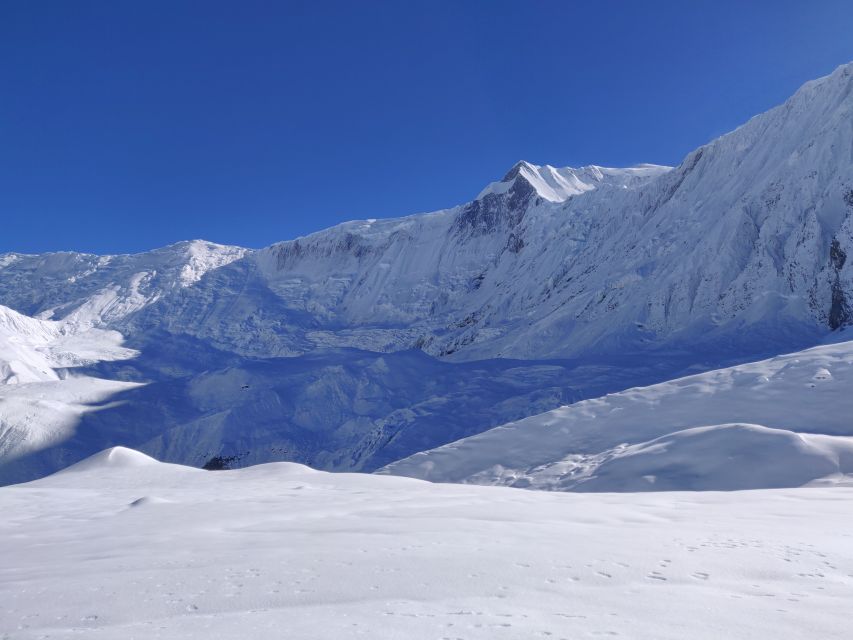
That first view hits hard, in a good way. This 7-day Annapurna Base Camp trek from Pokhara mixes Gurung villages with some serious mountain scenery, and your government-certified guide helps you keep moving without losing the magic. In a sample of guide styles on this trek, Pratiksha and Hari both stood out for patient pacing, smart route knowledge, and making you feel safe on the incline-heavy days.
I especially love the way this route gives you variety, from terraced rice fields and rhododendron forests to the high alpine feeling right before base camp. I also like that you get a built-in recovery moment at Jhinu Danda hot springs, which is exactly what tired legs want after a steep couple of days.
The main drawback to plan for is fitness and altitude. The climb up toward Deurali and then on to Annapurna Base Camp at 4,130 m can be tough, and even with a great guide, you might need slower steps, more stops, or an adjusted plan if you get hit hard.
In This Review
- Key highlights I’d prioritize
- Why Annapurna Base Camp in 7 Days feels so worth it
- What $215 covers, and where you may spend extra
- Day 1: Nayapool to Ghandruk, where village views set the tone
- Day 2: Ghandruk to Lower Sinuwa, rhododendron, bridges, and steady climbs
- Day 3: Lower Sinuwa to Deurali, bamboo, oak, and the Modi Khola gorge
- Day 4: Deurali to Annapurna Base Camp, alpine meadows and the peak amphitheater
- Day 5: Base camp sunrise over Annapurna I, then the downhill to Sinuwa
- Day 6: Sinuwa to Jhinu Danda hot springs, real recovery by the river
- Day 7: Jhinu to Nayapool and back to Pokhara’s lakeside calm
- Guides, tea house comfort, and why relationships matter
- Lodges and meals, the part people forget to plan for
- Packing for Annapurna: season matters, and you may need flexibility
- Who this trek suits best, and who should think twice
- Should you book this 7-day Annapurna Base Camp trek from Pokhara?
- FAQ
- What permits are included for the Annapurna Base Camp trek?
- Is food included in the price?
- Do I need a passport or ID?
- Will I have a guide, and what languages do they speak?
- Is accommodation included?
- What about porter service?
- How high do you reach on this trek?
- How does cancellation work?
- Is pickup and transport included in Pokhara?
Key highlights I’d prioritize
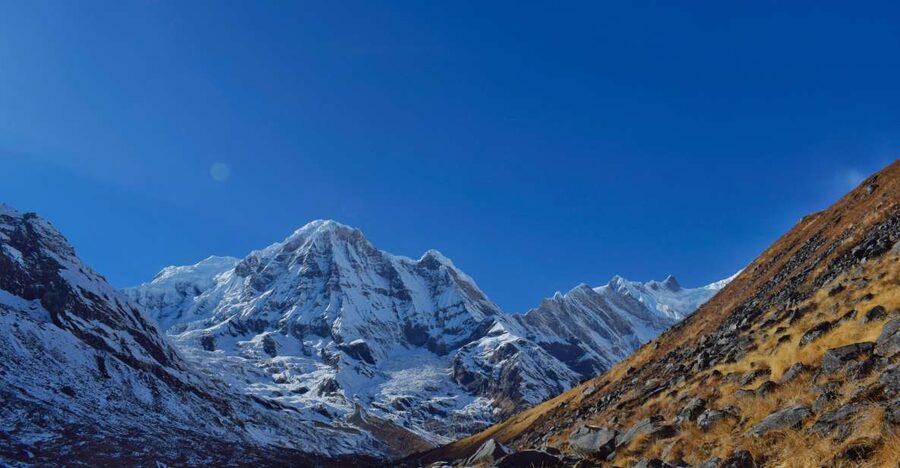
- Annapurna Base Camp amphitheater views at 4,130 m, with Machhapuchhre and Hiunchuli in the mix
- Ghandruk’s Gurung village vibe, with big sightlines over Annapurna South and Machhapuchhre
- Suspension bridge crossings over the Modi Khola, plus classic rhododendron and bamboo sections
- Sunrise over Annapurna I from base camp, then a return downhill through forest
- Jhinu Danda hot springs by the river, a real morale boost after altitude effort
- Guide flexibility and tea house relationships, so you are not stuck guessing where to stay or eat
Why Annapurna Base Camp in 7 Days feels so worth it
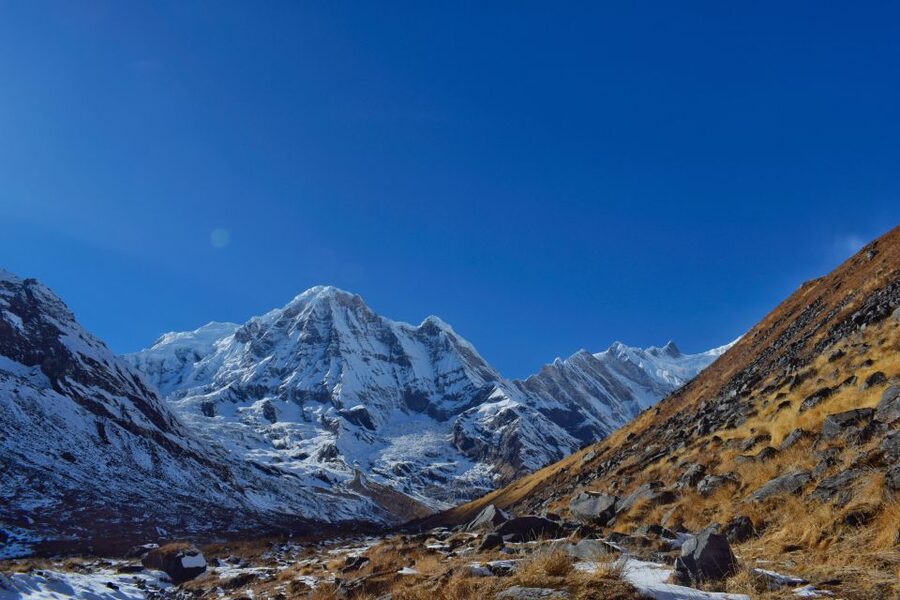
This trek is short enough that it stays intense, long enough that the scenery actually evolves. You start with farmland and villages, then the trail gradually turns into forests, then alpine meadows, and finally a high, open basin where the mountains feel close enough to touch.
What makes this particular version of the ABC trek appealing is the pacing structure. You get an early taste of local life, then you climb in a way that builds altitude across several days rather than jumping straight to the top. And the last stretch back down includes a hot-springs reset before you return to Pokhara’s lakeside calm.
If you are the type who likes to keep control of your effort, you will probably enjoy the style many guides bring. Guides like Deepak and Paras are repeatedly described as adjusting rhythm to your needs, while also giving you space to take photos and soak in the views.
More Treks in the Annapurna Region
- Pokhara: 2 & 3 Days Ghorepani Poon Hill Private Guided Trek
★ 4.9 · 27 reviews - Pokhara: 1-Day Scenic Australian Camp & Dhampus Guided Hike
★ 4.9 · 24 reviews - From Pokhara: Day Hiking Australian Camp & Dhampus
★ 5.0 · 17 reviews
What $215 covers, and where you may spend extra
For a $215 per person trek, you are not just paying for a route on paper. You are paying for the stuff that usually makes or breaks a trek: private transport, a guide, permits, and lodging structure.
Here is what is included that matters on the ground:
- Hotel pickup and drop-off in lakeside Pokhara
- Private roundtrip transportation to the trail start and back
- ACAP permit plus other government permits
- Government-certified guide
- Private accommodation in standard tourist lodges
- First aid kit
- Luggage storage in Pokhara
- Duffel bag and trekking poles if needed
What is not included:
- Food and drinks (you buy as you go)
- A porter option at $15 per day
That last part is worth thinking about. If you know you will feel better with a little help, hiring a porter can be a smart way to keep your energy for altitude and your focus for the views. If you are trying to travel light and you have trekking experience, you may be fine without one.
Day 1: Nayapool to Ghandruk, where village views set the tone
You start the day with a drive from Pokhara to Nayapool, then step into village trekking through terraced fields. The early walking is a mix of uphill effort and scenic breaks, which is actually helpful because your legs wake up while your eyes get used to Himalayan scale.
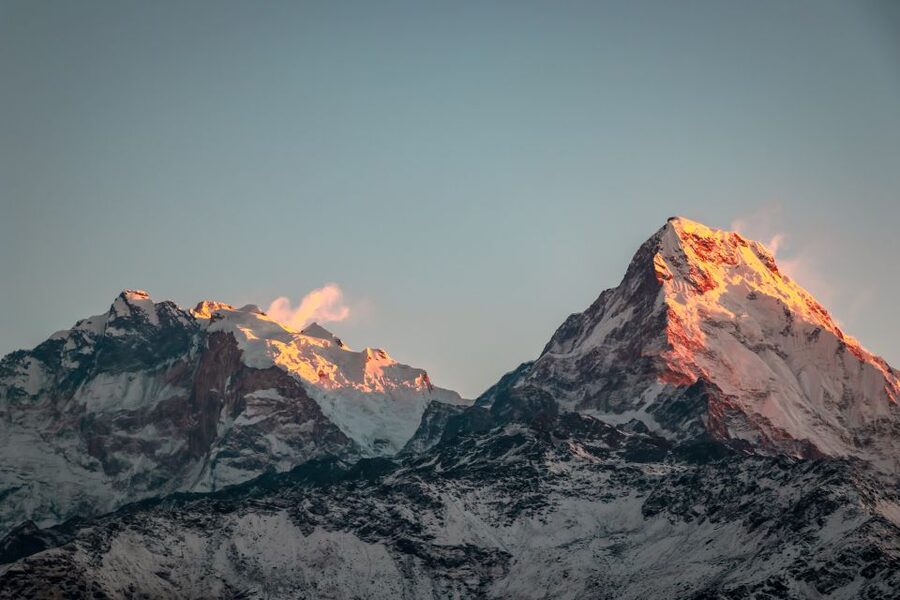
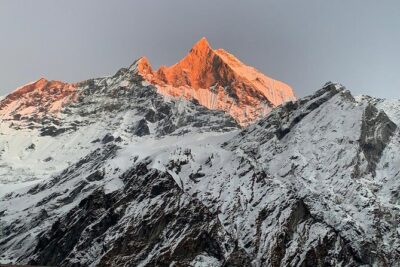
Your destination is Ghandruk, a classic Gurung village with strong sightlines. This is where you get Annapurna South and Machhapuchhre (Fishtail) showing up clearly, so you begin the trek already feeling like you are aiming at something real.
Why I like this day: it is not just exercise. It is orientation. You learn the rhythm of the tea houses, how the trail feels on your feet, and how quickly weather can shift. A small caution: the first incline can be harder than people expect. Even if you are fit, you may want to keep your first-day pace easy.
Day 2: Ghandruk to Lower Sinuwa, rhododendron, bridges, and steady climbs
Today moves through rhododendron forests and small settlements. Expect a classic middle-elevation day: some up, some down, and plenty of time to settle into trekking tempo.
You also cross suspension bridges over the Modi Khola, which is memorable for two reasons. First, it breaks up the walking with something genuinely different underfoot. Second, it reminds you the route is tied to the river valleys, so you are always tracking the terrain’s logic.
You finish at Lower Sinuwa. Overnight here helps you position for the bigger altitude push the next day. The downside is you will likely still feel fresh early and then notice fatigue later in the day. That is normal. Keep water, eat when you feel hungry, and let your guide handle the stop timing.
More Annapurna Base Camp treks:
- Annapurna Base Camp Heli Tour
★ 5.0 · 7 reviews - From Pokhara: 10-Day Poon Hill and Annapurna Base Camp Trek
★ 5.0 · 7 reviews - Pokhara: 7-Day Annapurna Base Camp Via PoonHill & Hot Spring
★ 5.0 · 6 reviews - Pkr/Kathmandu: 5-Day Annapurna Base Camp & Hot spring Trek
★ 5.0 · 6 reviews
Day 3: Lower Sinuwa to Deurali, bamboo, oak, and the Modi Khola gorge
This is the day where the trek starts to feel more dramatic. You move through dense bamboo and oak forests, passing places like Dovan and Himalaya, and the trail follows the Modi Khola gorge.
The gorge effect is real. Even when you are not staring at the highest peaks, the depth of the valley makes every bend feel longer. You are also working a lot of uphill, and the guide’s pacing becomes more important. People often cite guides like Deepak, Bidur, and Hari for being careful about rhythm, especially when someone is not as acclimated or as fit as they hoped.
You reach Deurali, where cliffs and waterfalls add energy to the scenery. This is a day some trekkers treat as a turning point, because Deurali is high and your body may start reminding you to respect altitude.
Important note based on what I saw in real guide problem-solving: if altitude hits you hard around Deurali, a good guide can help you adjust. One guide, Narayan, is noted for arranging transport when reaching base camp became unwise, and then still finding a rewarding alternative like hiking Poon Hill.
Day 4: Deurali to Annapurna Base Camp, alpine meadows and the peak amphitheater
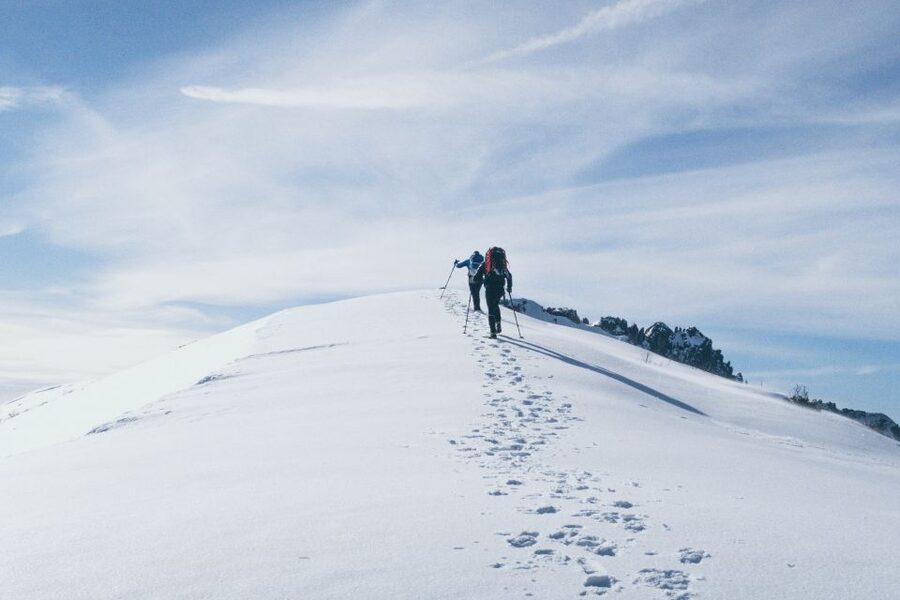
This is the big one. You ascend through alpine meadows, and one of the best moments is passing Machhapuchhre Base Camp, where views of Fishtail and the wider Annapurna range sharpen fast.
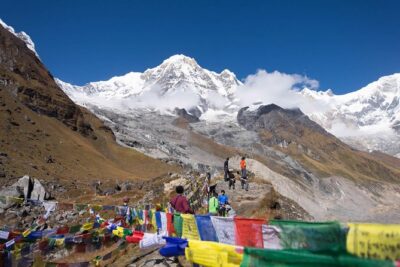
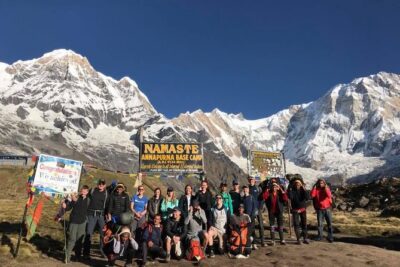
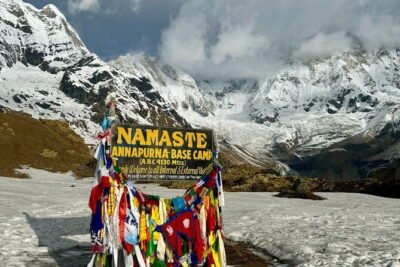
Then you continue on to Annapurna Base Camp at 4,130 m. The feeling here is the reason people plan the whole trip. You step into a high basin where the mountains look close and layered, like the scenery has depth in every direction.
Why it feels different than lower days:
- The air feels thinner, so every stop is purposeful.
- The terrain opens up, so you see more at once.
- The mountains stop being background and become the main event.
If it snows, it can also add a surreal calm. One trek example notes snow as they approached and left base camp, and it made the whole experience feel extra memorable. Weather changes fast in the Himalayas, so expect surprises and be ready to adjust clothing and pace.
Day 5: Base camp sunrise over Annapurna I, then the downhill to Sinuwa
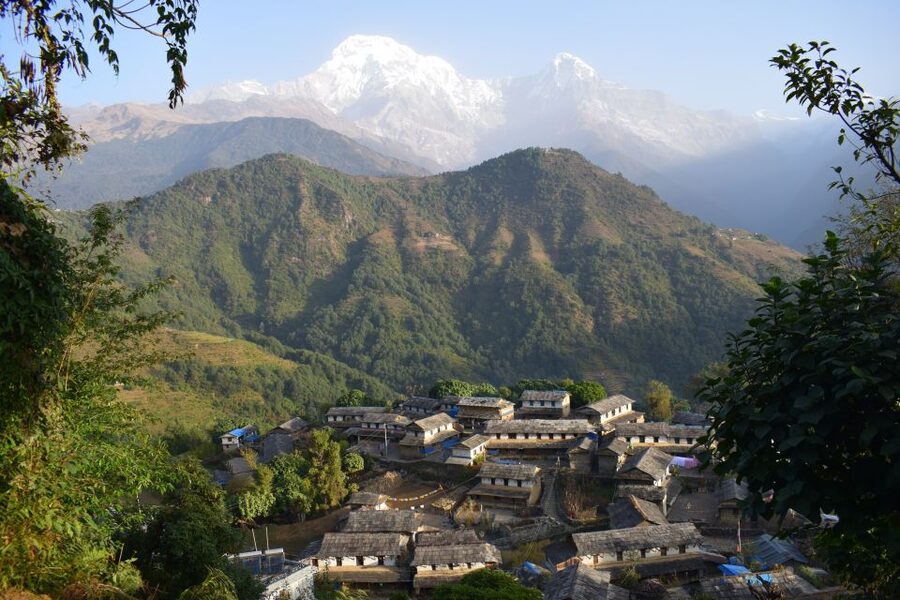
You wake up for a magical sunrise over Annapurna I, then after breakfast you retrace steps downhill. Expect bamboo and rhododendron forest again, but this time it is about control and conserving energy.
You end the day back at Sinuwa. This is not a free day, even though it feels easier than the ascent. Downhill can mess up your knees if you fly. Use short steps, take your time, and let your guide decide where you need rest.
This day is also mentally useful. You already reached base camp, so each small view feels like a bonus rather than a countdown. It is a good time to slow down and enjoy the route you worked hard to earn.
Day 6: Sinuwa to Jhinu Danda hot springs, real recovery by the river
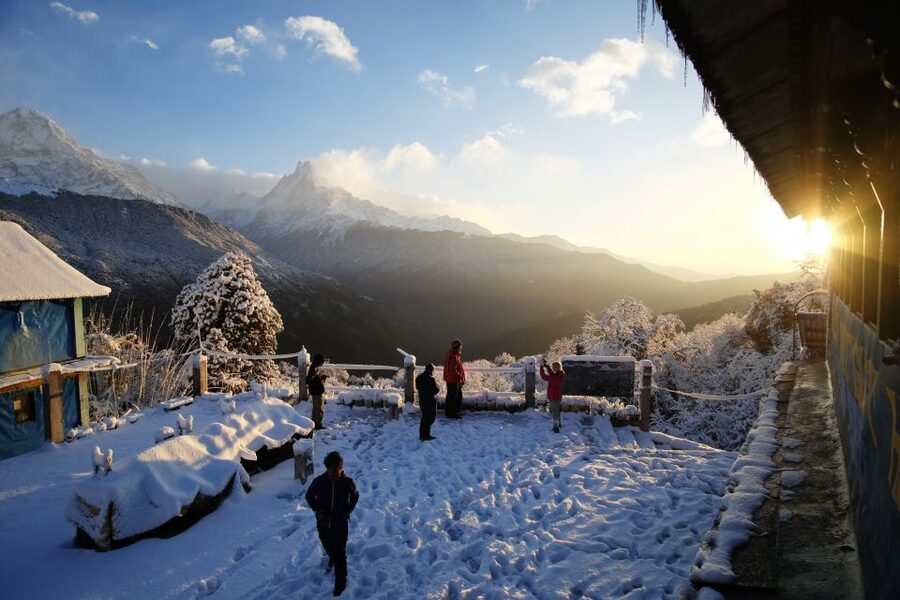
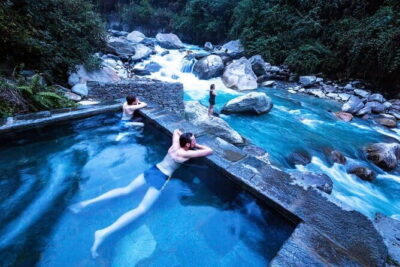
Today drops you down to Jhinu Danda, known for natural hot springs by the river. This is more than a treat. After days of altitude and long steps, soaking can make your legs feel human again.
The route still includes walking through village and forest terrain, but the hot springs give you a clear reward at the end. One practical tip from a trek experience: bring swimwear if you plan to use the springs. It makes the whole recovery moment easier and less awkward.
If you have sore feet or you are carrying muscle fatigue, this is the day to let your body fully reset. Eat well, hydrate, and don’t rush the soak. You want to come out feeling better, not stiff.
Day 7: Jhinu to Nayapool and back to Pokhara’s lakeside calm
The last day is a gradual descent through farmlands and villages to reach Nayapool, then a drive back to Pokhara. You finish with the contrast you were working toward all week: from rocky high country to roads and then to the soft rhythm of the lakeside.
This day is underrated. It is easy to focus only on base camp and forget that the final walk matters for how your trek feels as a whole. Ending near Pokhara’s lakeside is a smart way to decompress, review your photos, and enjoy the fact you actually did the whole thing.
If your guide has flexibility, it can also help you finish in a way that feels comfortable to your group. People often praise guides for being present but not hovering, and that makes the final day less stressful.
Guides, tea house comfort, and why relationships matter
The biggest “behind the scenes” value here is the guide relationship with the tea houses. When your guide knows which places are reliable, you save time and stress. It also helps with food choices and comfort, especially when you arrive tired and your brain just wants a warm meal and a bed.
Multiple guides are praised for professionalism and supportive communication. Examples include:
- Pratiksha, described as patient with pacing and helpful with tea house food
- Hari, noted for safety and explaining Nepal and the mountains along the way
- Paras, mentioned for flexibility and estimating difficulty realistically
- Sandesh, highlighted for positive energy, responsiveness, and even sharing photos and videos after the trek
You also get guide communication in English, Hindi, and Nepali, which makes it easier to ask questions about altitude, route timing, and what to expect each day.
One thing I liked in the guide style descriptions is the balance of guidance and freedom. You are not micromanaged. You still get time to enjoy the trail without feeling like you are being pulled along.
Lodges and meals, the part people forget to plan for
This trek uses private accommodation in standard tourist lodges. That usually means you will have a real place to sleep and wash as best you can, but do not expect hotel-level luxury.
Food and drinks are not included, so you will buy meals at tea houses. That can be good for value and choice, but it also means you should budget extra. If you know you get hungry fast on mountain days, you’ll thank yourself for eating enough rather than trying to power through on willpower.
If you want to keep things simple:
- Bring or plan for snacks you like
- Eat full meals when available
- Hydrate even when you do not feel thirsty
Your guide’s job is partly to help you make smart timing decisions so you can stay comfortable and avoid feeling depleted too early.
Packing for Annapurna: season matters, and you may need flexibility
You should bring a passport or ID card. Beyond that, packing depends heavily on the season because conditions can include cold and even snow.
One useful lesson from trek experiences is that it would help to get a suggested packing list based on the time of year you go. Since you may face snow close to base camp in some seasons, plan for warmth, especially for mornings and windy high points.
If you need gear, the trek includes a duffel bag and trekking poles if needed, plus a first aid kit as part of the support setup.
Who this trek suits best, and who should think twice
This trek is best for people who:
- Want a classic ABC route in 7 days without stretching into a longer multi-week trek
- Are comfortable trekking uphill and downhill for multiple days
- Like villages, forests, bridges, and then big mountain payoff
- Prefer a structured experience with a guide handling permits and logistics
It might be less ideal if:
- You have very limited fitness and no hiking experience
- You are very altitude-sensitive and cannot pace slowly
- You expect a gentle stroll. This is not a flat walk.
That said, good guides can make a big difference. Many accounts emphasize safety and patience, and guides are described as slowing down when needed and adjusting the plan if altitude or conditions become a problem.
Should you book this 7-day Annapurna Base Camp trek from Pokhara?
I would book it if you want the full ABC story in one week: village warmth, forest trekking, bridge moments, a high alpine push, base camp views at 4,130 m, and a meaningful recovery at Jhinu Danda hot springs. The included support is strong for the price, especially the permits, guide, private transport, and standard lodge structure.
I would think twice if your plan is based on a carefree schedule, because altitude and the first climbing days can be challenging. If you go in with realistic expectations, a flexible mindset, and a willingness to take it slow, this trek has the right ingredients to be a real highlight of your Nepal trip.
FAQ
What permits are included for the Annapurna Base Camp trek?
The trek includes the Annapurna Conservation Area (ACAP) permit and government permits.
Is food included in the price?
No. Food and drinks are not included, but you can purchase them along the trek at lodges.
Do I need a passport or ID?
Yes. You should bring a passport or ID card.
Will I have a guide, and what languages do they speak?
Yes. You get a government-certified guide. The live tour guide language options listed are English, Hindi, and Nepali.
Is accommodation included?
Yes. You get private accommodation in standard tourist lodges during the trek.
What about porter service?
A porter is not included, but you can hire one for $15 per day.
How high do you reach on this trek?
You reach Annapurna Base Camp at 4,130 meters.
How does cancellation work?
You have free cancellation if you cancel up to 24 hours in advance for a full refund.
Is pickup and transport included in Pokhara?
Yes. They include hotel pickup and drop-off, and the trek includes private roundtrip transportation from lakeside Pokhara to the trek start and back.
Latest additions near Annapurna Region
- Mardi Himal Trek -5 Day Short Trek From Pokhara★ 5.0 · 8 reviews
- Pokhara: Poon Hill Trek★ 5.0 · 3 reviews
- Pokhara: Day Hiking to Australian Base Camp with Lunch★ 5.0 · 4 reviews
- Pokhara: Hike To Australian Base Camp★ 3.5 · 4 reviews
- Pokhara: Annapurna Foothills Private Day Hike with Transfers★ 5.0 · 3 reviews
- From Pokhara: Annapurna View Day Hike★ 5.0 · 3 reviews
- Pokhara: Amazing 7-Day ABC Trek with Natural Hot Spring★ 5.0 · 5 reviews
- Pokhara: 7-Day Annapurna Base Camp Via PoonHill & Hot Spring★ 5.0 · 6 reviews
Annapurna Base Camp Treks, compared.
Kathmandu to Annapurna Base Camp (ABC) 5-Day Trek
Read our review →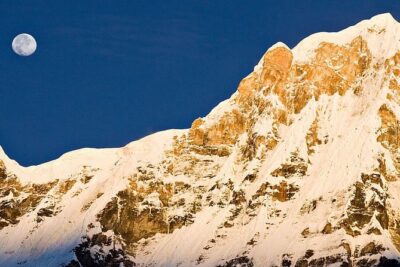
Browse the lists this tour appears in