
Reviewed · ANNAPURNA BASE CAMP TREKS
Pokhara: 5-Day Annapurna Base Camp (ABC) Trek
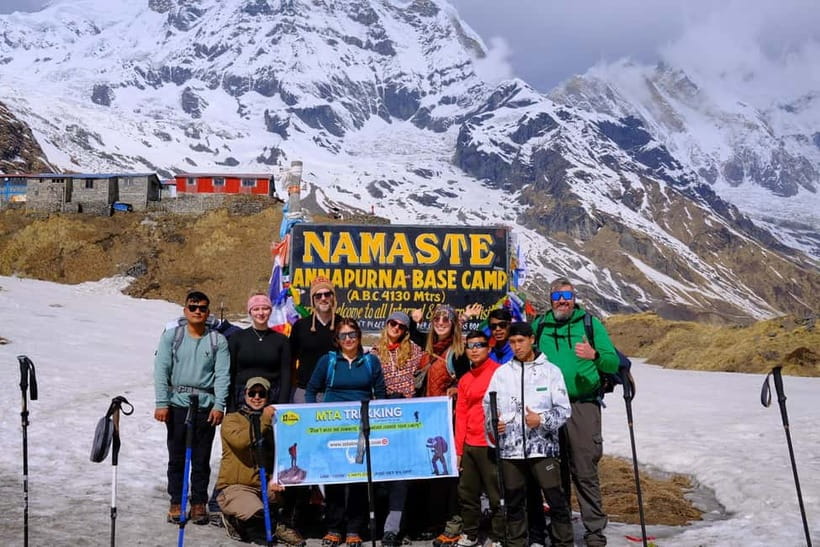
Annapurna Base Camp is a hard, happy daydream. This 5-day trek from Pokhara gives you big Annapurna Base Camp bragging rights and real village time with Gurung communities along the way. The catch is altitude, because you reach 4,130 meters, so you need a steady pace and smart self-control.
I also like how the route stacks scenery into short chunks you can actually handle, from terraced fields and forested trails up to the iconic base camp zone. You’ll spend nights in simple tea houses, then top it off with a detour to Machhapuchhre Base Camp for Fishtail Peak views and (optionally) a soak at Jhinu.
At $136, you are paying for more than footsteps. Permits, an English-speaking guide, tea house lodging, and full-board meals are part of the package, so your money goes where it should. Just be ready for basic mountain life, and plan for extras like drinks, Wi-Fi, and optional porter help.
In This Review
- Key things that make this ABC trek worth your time
- From Lakeside Pokhara to the start of your trek
- The walk to Lower Sinuwa, with Jhinu hot springs in the mix
- Climbing to Deurali: where the air gets sharper
- The big day: Annapurna Base Camp via Machhapuchhre Base Camp
- Machhapuchhre Base Camp detour, and why it matters
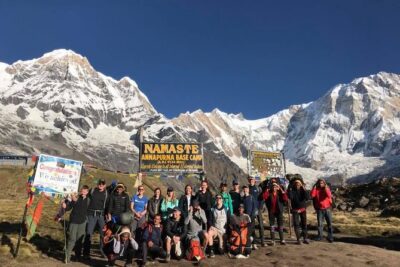
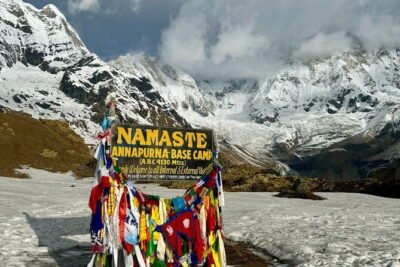
- Arriving at base camp: the moment to savor
- Descending to Bamboo: photos today, recovery tomorrow
- Jhinu hot springs and the drive back to Pokhara
- The trekking rhythm: private guide, English support, and tea house living
- Tea houses, and what you should expect
- Altitude sickness, leeches, and monsoon timing you should take seriously
- Price and value: what $136 really covers
- Who should book this 5-day ABC trek, and who should skip it
- Should you book this Pokhara to Annapurna Base Camp trek?
- FAQ
- What is the highest altitude on this trek?
- How long is the experience?
- Is accommodation included?
- What meals are included?
- Is there an English guide?
- Are permits included?
- Do I need to budget for anything extra?
Key things that make this ABC trek worth your time
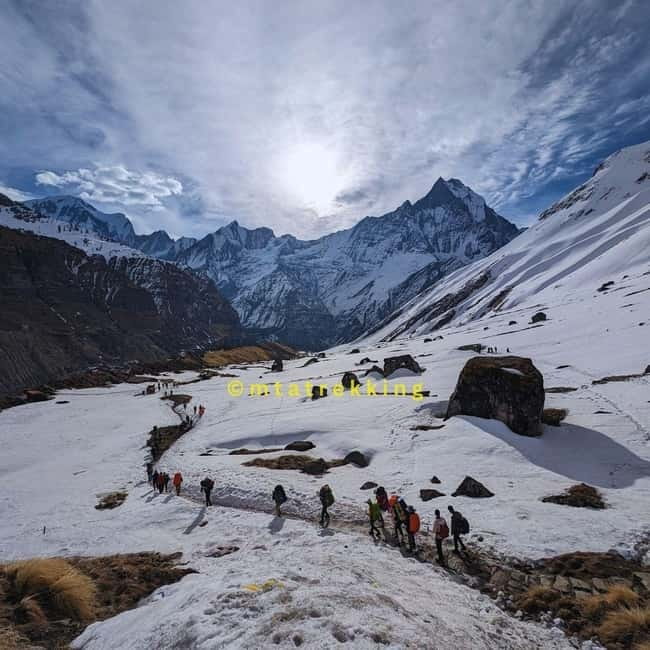
- Annapurna Base Camp at 4,130m for a true high-mountain goal in only 5 days
- Machhapuchhre Base Camp detour with classic Fishtail Peak viewpoints
- Gurung villages and everyday culture as you pass through traditional settlements
- Tea house nights with full-board meals so you can focus on walking, not logistics
- ACAP permit plus TIMS and taxes handled for fewer admin headaches
- Jhinu hot springs option to loosen your legs on the way down
From Lakeside Pokhara to the start of your trek
Your trip begins in Lakeside Pokhara, with hotel or airport pickup. You’ll get a short reality check early: this trek is not a “sleep in and wander” outing. It’s a full walking adventure with jeep transport to the last road access point, then foot travel from there.
Pokhara itself is a good launch pad. You can arrange yourself calmly before you hike, and you’ll already feel the rhythm of Nepal’s trekking scene: tea shops, gear sellers, and lots of people trading tips about weather and trails. The included luggage storage facility in Pokhara is a small but useful touch, especially if you want to pack light for the mountains and keep the rest at a secure place.
You also get a private group setup. That matters on a trek like this, because your guide can pace you as a unit and adjust the rhythm when people feel tired, slow down on steep sections, or need extra breaks.
More Treks in Kathmandu
- Everest Base Camp Trek – 14 Days
★ 5.0 · 1,499 reviews - Everest Base Camp Trek
★ 5.0 · 842 reviews - Everest Base Camp Trekking
★ 5.0 · 485 reviews
The walk to Lower Sinuwa, with Jhinu hot springs in the mix
Your first day blends gentle intro travel with a real hiking start. After the jeep ride from Pokhara toward the trekking access point, you hike for about 5 hours to Lower Sinuwa at 2,300 meters. Along the way, you pass through Jhinu, a village known for natural hot springs.
What I like about this day is that it eases you in without pretending it’s easy. You’re walking long enough to wake up your legs, but you’re not forced immediately into high-altitude extremes. You also get that early Nepal trek feeling, seeing how life changes by elevation, with teahouses, small eateries, and the quiet hustle of people moving goods and supplies.
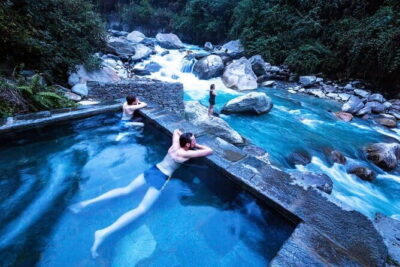
The hot springs piece is optional in practice, but it’s a nice idea for recovery. Even a short soak can make the next day feel less punishing. Just remember this is still a working mountain village route. Don’t expect spa-level privacy or modern conveniences.
If you’re sensitive to humidity or insects, keep an eye on conditions. The itinerary information flags leeches especially on lower trails during monsoon season. If you’re trekking in June to August, plan clothing accordingly, like long pants tucked into gaiters and insect repellent.
Climbing to Deurali: where the air gets sharper
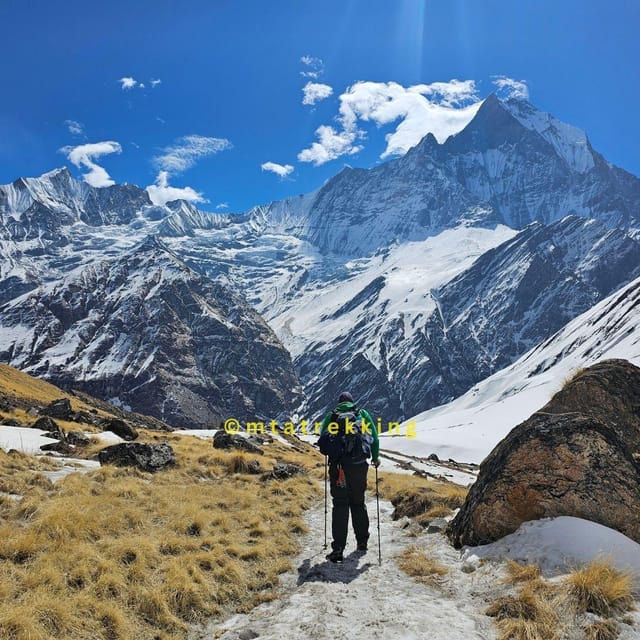
On the second hiking day, you climb toward Deurali at around 3,200 meters, roughly a 6-hour walk. This is the day that starts to separate “I can hike” from “I can hike at altitude.”
Here’s what you should pay attention to:
- Your breathing. If you feel your heart rate climbing too fast, slow down. Altitude punishes ego.
- Your hydration and warmth. The morning might feel fine, then cool off as you keep climbing.
- Your foot rhythm. Mud and uneven steps are common on trekking routes, so steady cadence helps.
Deurali is a small base for mountain overnight life. Tea houses at this height are basic, but they keep the routine simple. You’ll eat, rest, and reset for the push higher. This is also where a good guide becomes practical, not just friendly. If the people you get are like guides mentioned in past bookings, you can expect English support and real explanations of what you’re seeing, along with pacing that keeps you from overexerting yourself.
The tour is built around realistic time blocks. Even so, Deurali is high enough to make you notice the difference in air. If you’ve never hiked above 2,500 meters, take this day seriously.
The big day: Annapurna Base Camp via Machhapuchhre Base Camp
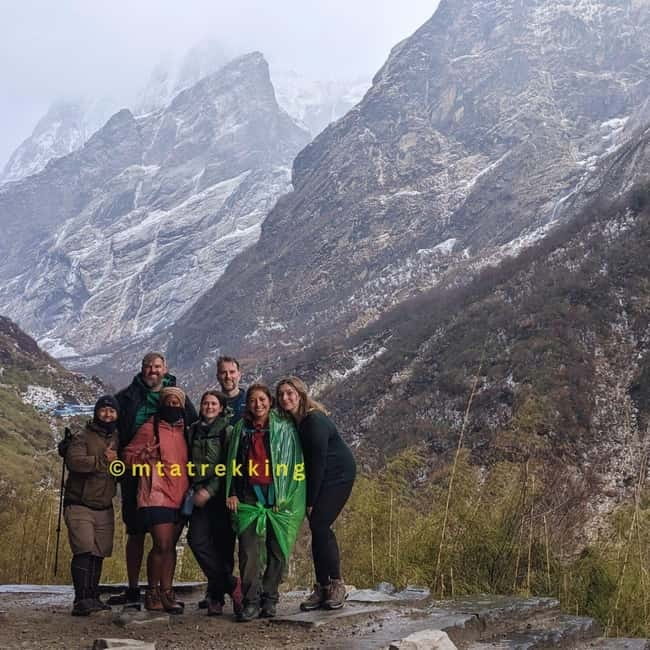
The most iconic moment comes on the third walking day, when you reach Annapurna Base Camp at 4,130 meters. You’ll hike for around 4 hours, and the plan includes a detour to Machhapuchhre Base Camp, giving you classic views of Fishtail Peak.
This is where the trek stops feeling like a trail and starts feeling like a destination.
More Annapurna Base Camp treks:
- Annapurna base camp trek 5 Days
★ 5.0 · 252 reviews - 14-Day Private Annapurna Base Camp Trek
★ 5.0 · 180 reviews - Annapurna Base Camp Trekking
★ 5.0 · 116 reviews - Annapurna Base Camp Trek
★ 5.0 · 111 reviews
Machhapuchhre Base Camp detour, and why it matters
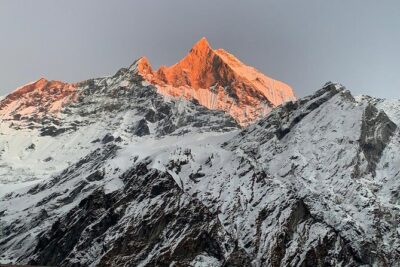
Detours can feel like a time sink. In this case, it’s worth it because the viewpoints are the payoff. Machhapuchhre, with its Fishtail profile, is one of the most recognizable peaks in the Annapurna region. Even on an overcast day, the sense of high-altitude walls closing in can be intense.
You’re not just walking to a dot on a map. You’re walking into the Annapurna massif’s visual presence, and that changes how the whole trek feels.
Arriving at base camp: the moment to savor
When you step into Annapurna Base Camp, you get a sweeping sense of arrival. It’s not just the altitude. It’s the way peaks frame your horizon and the way other trekkers react, quietly, like everyone is processing the same thing at once.
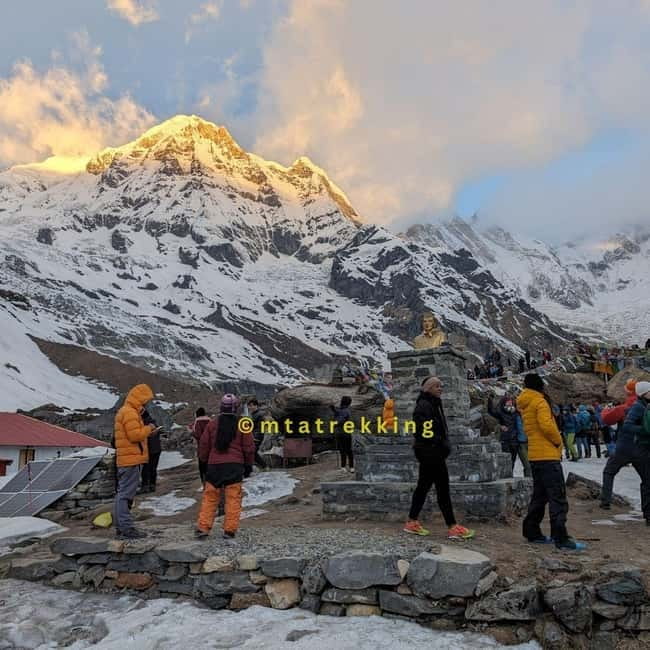
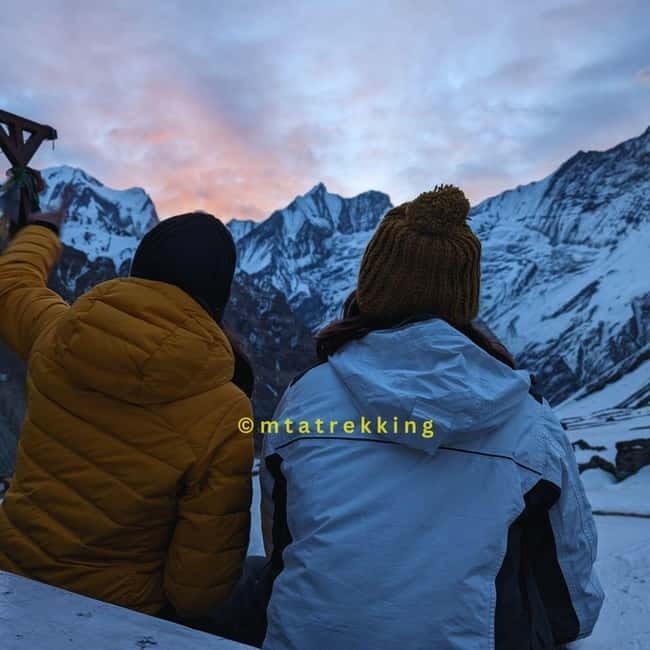
Some guides are especially good at helping you time the experience. Past trekkers highlighted the impact of sunrise light at base camp, including views tied to the south face of Annapurna. You should still prepare for weather to control your sightline, but it’s smart to build in extra attention to early morning, and trust your guide’s advice about what time of day is best.
Descending to Bamboo: photos today, recovery tomorrow
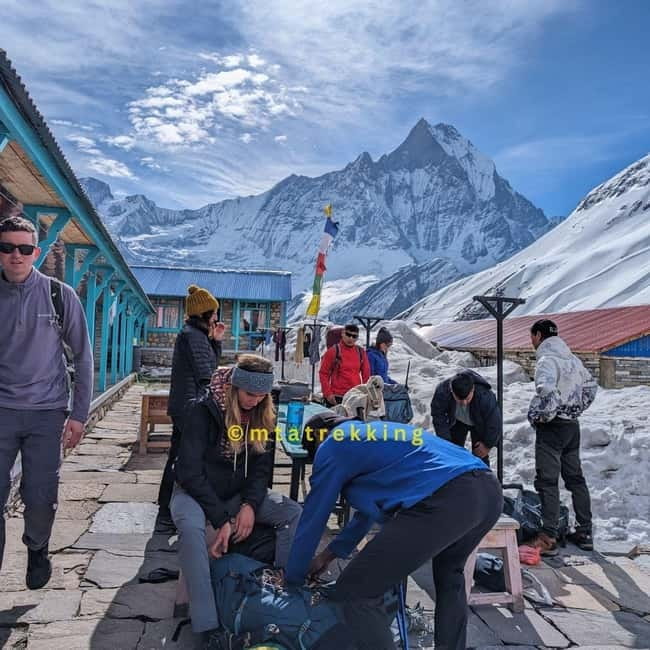
The fourth day is a mix of standing around taking photos and then switching gears into descent. You spend time in the Annapurna Base Camp area and then hike down to Bamboo at about 2,400 meters.
This is a day I think a lot of people underestimate. Yes, you’ve reached the goal. But your body still needs a careful reset. Descending is often harder than people expect, because knee strain and leg fatigue show up fast.
Here’s what helps:
- Shorten your stride on downhill sections.
- Use trekking poles if you have them.
- Take breaks before your legs feel “done,” not after.
Bamboo lodge overnight is a welcome reset at a lower altitude. It’s not “home,” but it’s closer to the level where sleep and appetite become easier. You’ll likely feel mentally lighter too, because one more full day of walking takes the pressure off.
Jhinu hot springs and the drive back to Pokhara
On the final day, you trek from Bamboo back toward Jhinu and then drive to Pokhara. The plan highlights Jhinu hot springs again, with the option to unwind in the natural hot water before you head back to the lakeside.
This is a good capstone day. Your legs have already done the hard work, and the trail is more about finishing strong than conquering a new peak. If you choose the hot springs, it’s one more way to turn this trek into a story you feel in your body, not just your photos.
Once you return to Pokhara, you can finally switch into “normal travel mode.” A lakeside meal, a simple shower, and a comfortable bed are not small luxuries after 4 nights on trek.
The trekking rhythm: private guide, English support, and tea house living
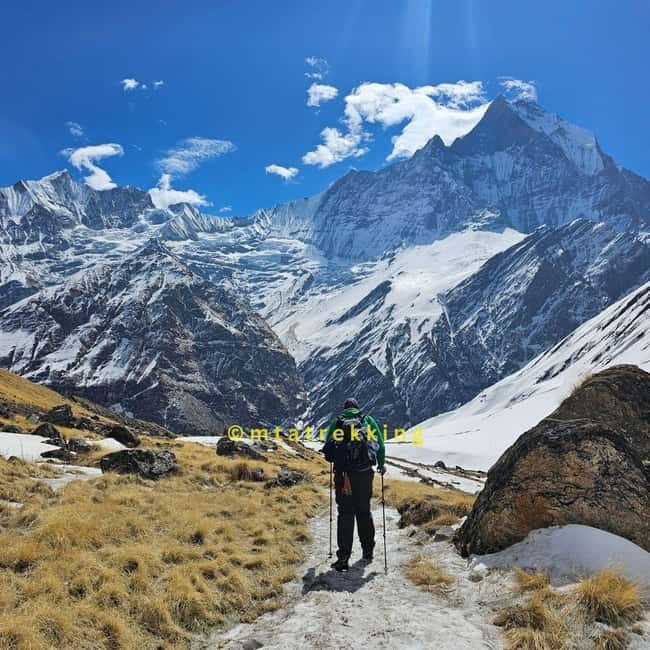
This is a private group trek with a professional guide who is government registered and speaks English. That combo matters for two reasons.
First, timing. Trekking is not only about distance, it’s about pacing and planning stops so you eat, rest, and move safely. In past bookings, guides such as Santosh, Prabit, and Ramit were praised for being kind, friendly, and detailed. Some were also noted for guiding people with the right effort level so you don’t overdo it.
Second, explanation. You’ll get more from the route if someone helps you connect what you see with how the Annapurna region works. Some guides were specifically recognized for sharing mountain and culture context in a way that makes the villages feel alive, not like scenery.
Tea houses, and what you should expect
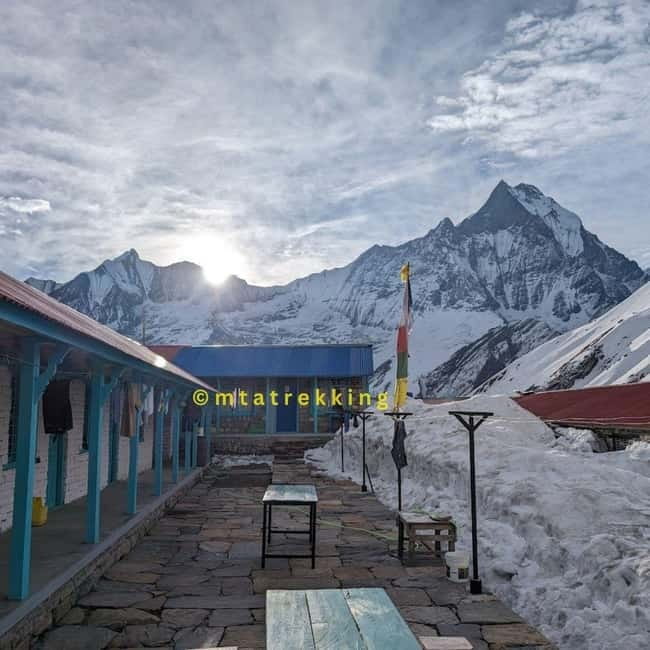
Accommodation is on tea houses. Expect simple rooms, shared dining spaces, and basic mountain comfort. That’s part of the appeal. You’re not buying luxury. You’re buying time in place: slow meals, evening conversations, and the calm of a lodge as the mountain dark settles in.
Meals are included with the option of full board. Full board is the smartest choice because it cuts down on daily decisions when you’re tired.
Altitude sickness, leeches, and monsoon timing you should take seriously
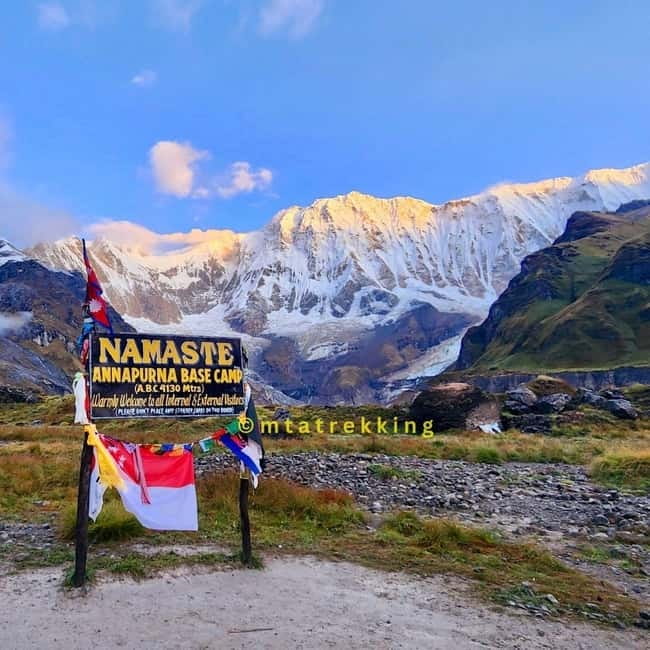
Your highest point is 4,130 meters at Annapurna Base Camp. The tour info calls altitude sickness a possible risk, even if it is rarely happening. That’s your cue to be sensible, not alarmed.
Practical altitude rules for this trek:
- Go slower than you think you need to go.
- Stop for breaks early.
- Tell your guide immediately if you feel unusual headaches, nausea, or weakness.
The trek also flags monsoon season issues. During June to August, weather can be erratic with heavy rainfall. That means slippery trails, cooler conditions, and more chances you’ll need to adjust your mindset toward “safe progress” instead of “perfect views.”
Leeches are also mentioned as a nuisance in monsoon season, especially on lower trails. If you’re going in wet months, plan long pants tucked into gaiters and use repellent.
If any part of you is worried about altitude, treat that worry as useful information. This trek is listed as not suitable for people with altitude sickness.
Price and value: what $136 really covers
The price is $136 per person for a 5-day trek. Compared to paying for separate pieces on your own, the value here is the bundled overhead you don’t want to manage in Nepal.
Here’s what’s included:
- Tea house accommodation during the trek
- Hotel pickup and drop off from any hotel in Lakeside Pokhara or from the airport
- Meals (full board is the included meals option)
- Private transport from Pokhara to the last road access point (Siwai) and back
- Annapurna Conservation Area permit (ACAP)
- TIMS, government permits, and taxes
- Professional trekking guides and a first aid kit
- Luggage storage in Pokhara during the trek
What’s not included:
- Hot shower, Wi-Fi, drinks, mineral water, and laundry on the mountains
- Porter service (listed as $20 per day)
- Rescue and insurance
I like this structure because it makes the trip feel straightforward. You still pay mountain-life extras, but the core components are handled. If you do hire a porter, remember that porter costs are per day and are separate from the base price.
Who should book this 5-day ABC trek, and who should skip it
This trek makes sense if you want a serious mountain goal without spending weeks in transit. You’ll get a full “from Pokhara to high camp and back” experience in just 5 days, with overnight stops designed to keep effort manageable.
It is also a good fit if you like culture as much as views. The route passes through villages associated with Gurung lifestyle, so you’re not only chasing peaks. You’ll spend time in traditional settlements rather than only passing through.
It is not suitable for:
- pregnant women
- people with mobility impairments
- wheelchair users
- visually impaired people
- people with altitude sickness
- people over 70
If you’re in one of those categories, you should look for a different style of trek that matches your needs and safety.
Should you book this Pokhara to Annapurna Base Camp trek?
Book it if you want:
- A tight 5-day schedule that still reaches Annapurna Base Camp
- Machhapuchhre Base Camp and Fishtail Peak views as a built-in bonus
- A guided experience in English, with past highlights pointing to caring, organized guides like Santosh, Prabit, and Ramit
- A mountain routine that relies on tea houses and full-board meals, not complicated daily planning
Skip it or rethink dates if:
- you’re worried about altitude and cannot pace yourself calmly
- you’re going during peak monsoon and don’t have the gear or patience for wet conditions and leeches
- you expect modern comforts like easy hot showers and reliable Wi-Fi on the trail
If you’re ready for a real hike, and you can take altitude seriously, this is a solid, value-focused way to reach the base of Annapurna without turning your trip into a logistics project.
FAQ
What is the highest altitude on this trek?
The trek reaches Annapurna Base Camp at 4,130 meters (13,550 feet).
How long is the experience?
It runs for 5 days, with 4 nights and 5 days of trekking.
Is accommodation included?
Yes. You get accommodation on tea houses during the trek.
What meals are included?
Meals are included when you choose the full board option. Personal expenses like drinks and some extras are not included.
Is there an English guide?
Yes. The tour includes a live trekking guide in English.
Are permits included?
Yes. You get the Annapurna Conservation Area (ACAP) permit, along with TIMS and government permits and taxes covered.
Do I need to budget for anything extra?
Yes. Not included items include hot shower, Wi-Fi, drinks, mineral water, and laundry on the mountains. Porter service costs $20 per day, and rescue and insurance are not included.
Latest additions near Kathmandu
- White Water River Rafting – 1 Day★ 4.3 · 3 reviews
- Traditional Momo Making Class★ 5.0 · 10 reviews
- Kathmandu to Pokhara Premium sofa bus ticket★ 4.0 · 17 reviews
- Ghorepani Poon Hill Trek★ 5.0 · 16 reviews
- Amazing 1 Day Trekking Experience in Kathmandu Nepal★ 5.0 · 24 reviews
- Ghorepani Poonhill Trek★ 5.0 · 5 reviews
- Walking tour of real Kathmandu through back streets.★ 5.0 · 3 reviews
- Wildlife Adventure in Chitwan Nepal★ 4.0 · 4 reviews
Annapurna Base Camp Treks, compared.
Kathmandu to Annapurna Base Camp (ABC) 5-Day Trek
Read our review →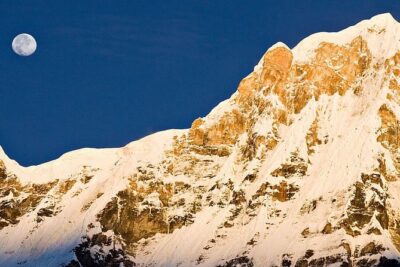
Browse the lists this tour appears in