
Reviewed · MANASLU CIRCUIT TREKS
Multiday Manaslu Circuit Trek
Larkya La Pass makes the whole trek worth it. This 12-day Manaslu Circuit loop combines quiet mountain walking with Tibetan and Buddhist villages, plus that rare feeling of being far from motorable roads. You also get a local guide, guesthouse nights, and the practical support stuff that keeps a remote trek from feeling chaotic.
I especially like the route’s balance of culture and big views. You’ll spend real time with people living by monasteries and old traditions, then earn your panoramas the hard way. Another highlight for me is how the trip is run with people in mind, with English-speaking local guidance that can adjust day-to-day for your group.
One consideration: you’re dealing with real altitude, long hike days, and a trek that is not recommended if you have certain dietary needs. On top of that, porters are an added cost, and tipping is expected.
In This Review
- Key points to know about the Manaslu Circuit Trek
- Why the Manaslu Circuit feels different from other Nepal treks
- Getting started: Kathmandu to Machha Khola, then on to Jagat
- Forest trails and village life: Deng to Namrung to Shyala
- Samagaun acclimatization: the smart middle of the circuit
- Samdo and the Tibetan border feeling
- Larkya Phedi and the run-up to the pass
- Descent relief: Bhimthang to Dharapani
- Ending in Kathmandu with a proper send-off
- Price and value: what you get for about $1,200
- Guides, porters, and the small details that make it feel smooth
- What the included meals mean for your energy
- Trek pace and fitness: how hard is “moderate” really
- Who should book this Manaslu Circuit trek
- Should you book the Manaslu Circuit Trek with Places Nepal?
- FAQ
- How long is the Manaslu Circuit trek?
- Where do the trek and tour start and end?
- Is pickup offered from Kathmandu?
- What kind of lodging is included during the trek?
- Are trekking permits included?
- What meals are included in the trek price?
- How does the trip handle altitude safety?
- Is a porter included, and what does it cost if I want one?
Key points to know about the Manaslu Circuit Trek
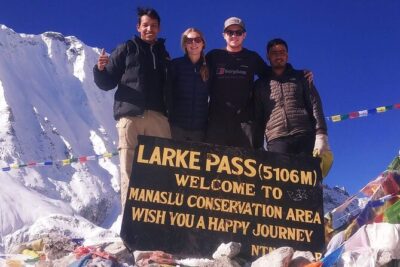
- Larkya La Pass is the signature challenge, around 5,106 m (about 16,700 to 16,900 ft depending on the way it’s reported)
- Permits for the restricted-area route are included, so you do not have to sort paperwork on your own
- Food during the mountains is included, which matters when villages get sparse
- A registered English-speaking guide and first-aid basics are part of the plan, plus an oximeter for checking oxygen levels
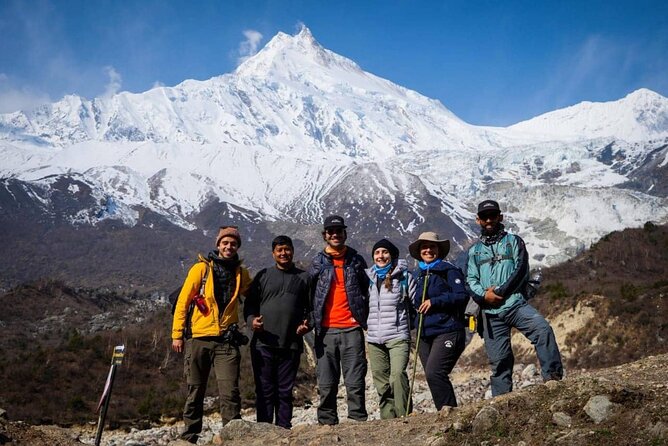
- Max group size of 12, which helps you avoid a loud, crowded trek vibe
Why the Manaslu Circuit feels different from other Nepal treks
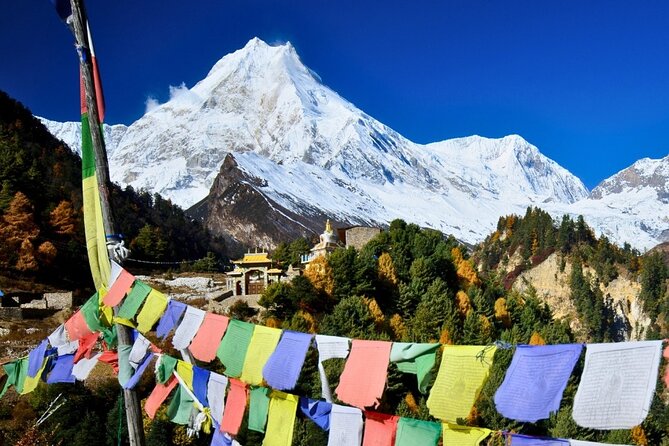
The Manaslu region has a way of slowing you down. Instead of only passing through photo spots, you walk through places where Buddhism still shapes daily life, from monasteries to prayer flags. The circuit also avoids the easiest tourist crowds, because much of it is not built around big roads or constant vehicle access.
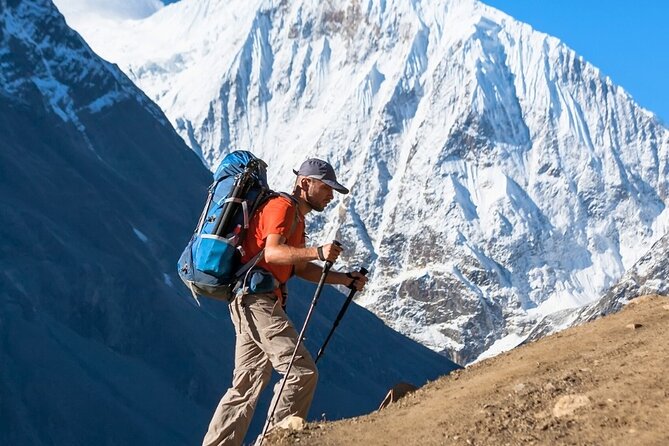
The other thing I like is the “remote, not reckless” setup. This trip includes an experienced local guide, medical supplies (first aid kit), and even an oximeter. Those details do not make altitude easy, but they do help you make smarter decisions when you start feeling the air get thin.
More Treks in Kathmandu
- Everest Base Camp Trek – 14 Days
★ 5.0 · 1,499 reviews - Everest Base Camp Trek
★ 5.0 · 842 reviews - Everest Base Camp Trekking
★ 5.0 · 485 reviews
Getting started: Kathmandu to Machha Khola, then on to Jagat
Day 1 begins with a ground ride from Kathmandu to Machha Khola, setting your legs up for the rhythm of the trek. After that first step into the countryside, you’re walking through villages and Nepalese scenery that feels lived in, not staged for tourists. It’s an on-ramp day, so you can settle your pace and sort your gear.
Day 2 brings a steady trekking push to Jagat, and it’s a day where water and bridges show up a lot. You gain elevation, cross suspension bridges, and pass waterfalls while moving toward a place that feels more “trail town” than countryside. Practical tip, keep your first days easy enough that you’re hungry for dinner, not crushed for it.
Forest trails and village life: Deng to Namrung to Shyala
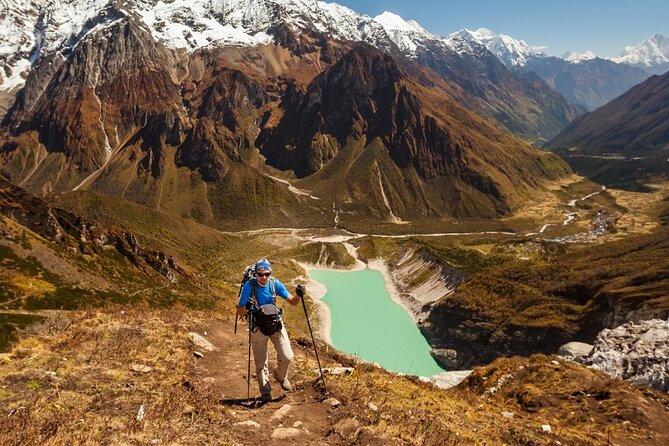
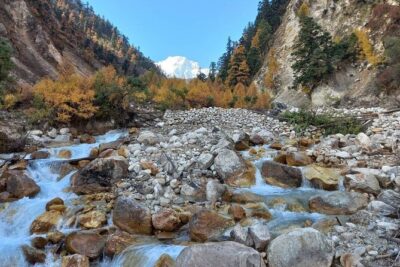
Day 3 has a classic high-valley feel, with lush green forest sections and terraced fields along the way. You’ll also get panoramic glimpses of mountains and valleys as the trail opens up. This is the part of the circuit where it’s easy to feel like you’re walking through layers of different scenery in a single day.
Day 4 climbs from Deng to Namrung and adds monastery culture into your hike. You’ll encounter traditional villages and visit ancient monasteries along the route. Even if you are not a deep history person, monastery stops are one of the easiest ways to understand the people you’re sharing the trail with.
Day 5 pushes onward from Namrung to Shyala, a climb where the reward is the view. The route also includes a Lho panorama moment, so you get that “wait, that’s really there” feeling when the valley opens. This is a good time to keep your breathing steady and stop rushing when your legs start talking back.
Samagaun acclimatization: the smart middle of the circuit
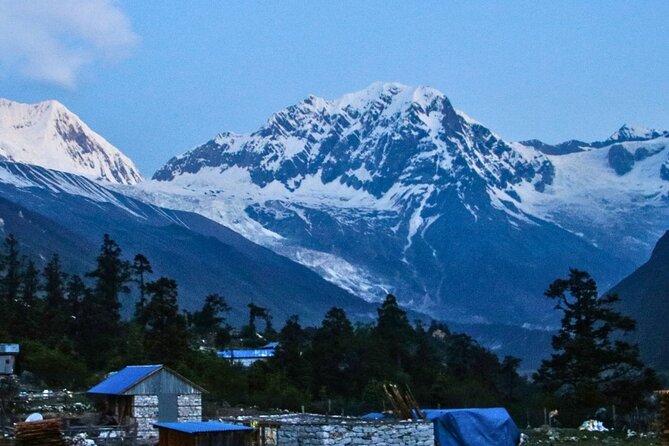
Day 6 moves from Shyala to Samagaun, with an optional uphill side mission to Pungyen Gompa. You do the hike up, then return to Samagaun, which is a clever way to get altitude stress with a clear payoff. Samagaun itself is also a relaxed base for exploring the village and the Ribung monastery.
Day 7 is your true acclimatization buffer. It’s a lighter day on purpose, and you can choose an optional trip to Manaslu Base Camp or Birendra Lake if conditions and your energy allow. What I like here is that the itinerary respects the reality of high altitude, not just the schedule.
If you tend to “power through” on tough trips, this is the day to practice restraint. You want to leave room for your body to adapt, and a flexible day like this is how you give that adaptation a chance.
More Manaslu Circuit departures:
- Manaslu Circuit Trek
★ 5.0 · 292 reviews - Manaslu Circuit Trek:
★ 5.0 · 106 reviews - Manaslu Circuit Trek (15 Days)
★ 5.0 · 50 reviews - Manaslu Circuit Trek
★ 5.0 · 35 reviews
Samdo and the Tibetan border feeling
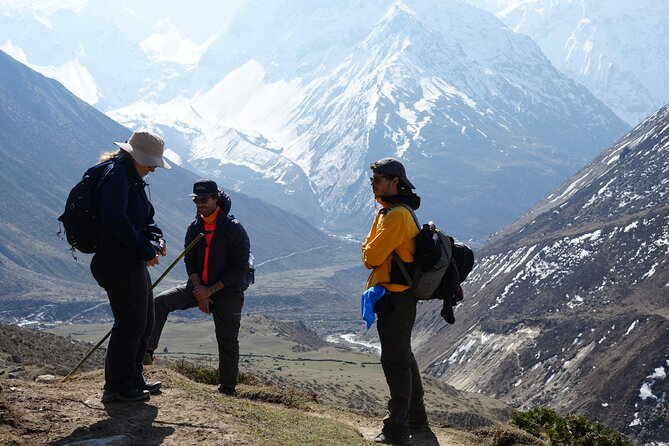
Day 8 is the trek from Samagaun to Samdo, and it comes with rocky terrain and moraines. After the climb, Samdo village feels distinct because it sits at the Tibetan border. That border-zone vibe is not just a geography point, it changes how the landscape looks and how villages feel around you.
You’ll spend the night in Samdo, giving you time to rest and watch the weather. On circuit treks like this, a calmer evening can be the difference between feeling nervous and feeling ready for what’s next.
Larkya Phedi and the run-up to the pass
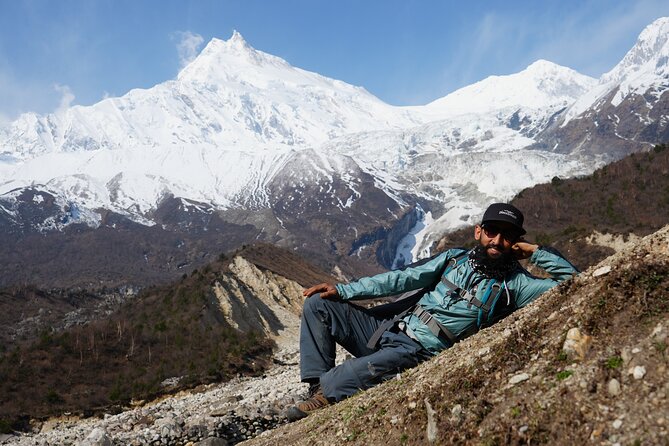
Day 9 takes you from Samdo to Dharmasala, also known as Larkya Phedi. You follow the Budhi Gandaki River, and you’ll encounter a suspension bridge along the way. River valleys often make days feel longer, but they also help you settle into a consistent rhythm.
Dharmasala is where you spend the night before the big crossing. This is a key moment mentally. It’s not just about getting to the pass, it’s about getting your rest and hydration right so you can start early with less scrambling.
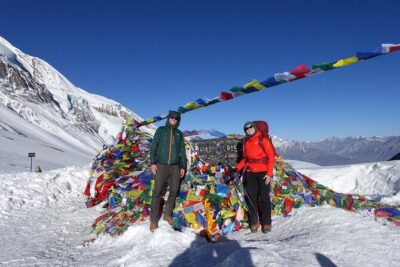
Day 10 is the signature day: the ascent and crossing of Larkya La Pass, reaching around 5,106 m (and also reported as about 16,929 ft). You’ll be rewarded with panoramic views of peaks and glaciers, and the glacier scenery here is dramatic in a way that makes the hours of slow walking feel logical.
After the pass, you continue down to Bhimthang. That descent part matters because it lets you recover somewhat, even if your legs still feel heavy. A pass day is never about “only the top,” it’s about managing the entire day.
Descent relief: Bhimthang to Dharapani
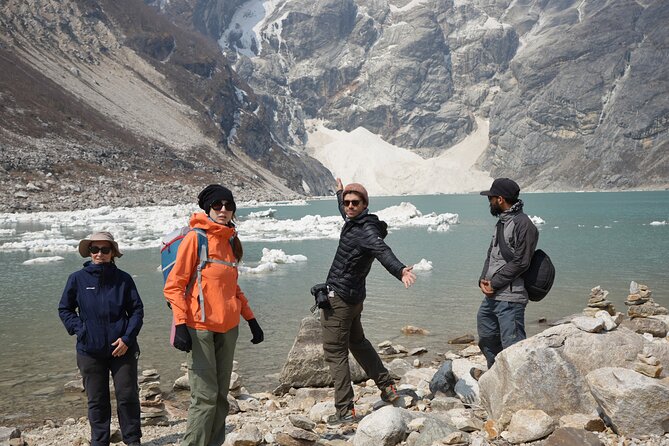
Day 11 takes you from Bhimthang to Dharapani. You’ll walk through scenic pine and rhododendron forests, passing villages and terraced fields. This is the kind of descent that feels like your body finally gets to switch from survival mode back to enjoying the scenery.
Dharapani also serves as your “trek closure” night. After days of altitude and cold air at elevation, forests and lower elevations can feel like breathing again. You’ll arrive after about 7 hours on the trail, which is long enough to keep the day meaningful.
Ending in Kathmandu with a proper send-off
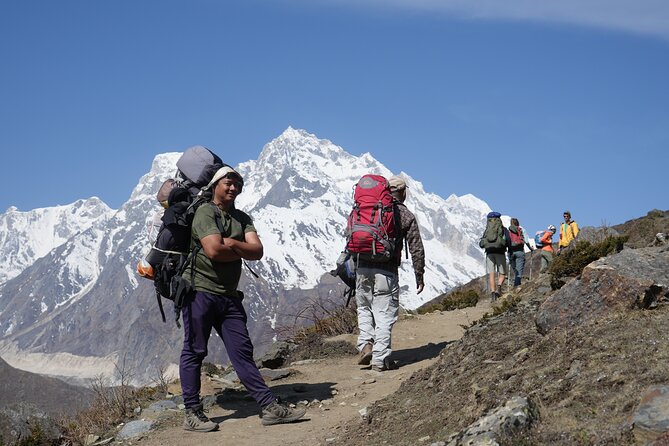
Day 12 brings the finish back toward Kathmandu by local bus, with the scenic ride giving you a last look at the region you just walked through. You end back at the meeting point and celebrate your completion with a farewell dinner.
I like ending with food and community, not just a drop-off. After 12 days of guesthouse rooms and trail routines, a planned dinner helps the trek feel like it wrapped up, not just abruptly stopped.
Price and value: what you get for about $1,200
At $1,200 per person, this trek is not a bargain, but it also isn’t trying to be a luxury retreat. The value comes from a lot of practical inclusions that add up on a remote circuit.
You get both-way ground transport by local bus, twin sharing guesthouse accommodations during the trek, all necessary trekking permits and fees for the restricted area, and a government registered English-speaking local guide. You also get 12 breakfasts, 12 lunches, and 12 dinners, plus seasonal fruits during the trek. When you think about how hard it can be to eat reliably in higher villages, meal coverage is a real benefit.
You also get trekking support gear: a duffle bag, sun cap, trek map, and an oximeter for checking oxygen levels. Emergency helicopter service is arranged, and the cost is paid by your travel insurance company. That is the kind of line item you hope you never use, but you’ll be glad it exists if things go sideways.
What’s extra matters too. The porter is not included, and tipping is expected. Porter cost is listed as $300 per person, with a setup of 2 people per 1 porter with a 25 kg max capacity. Add Kathmandu hotel and personal expenses too, like phone charging, bottled water, and hot shower access if you choose it.
Guides, porters, and the small details that make it feel smooth
One of the most praised parts of trips like this is the human side, the people who keep your day moving when fatigue makes you second-guess everything. In this circuit, you’re supported by a government registered English-speaking local guide, and you may also work with assistant staff and porters throughout the trek.
The names that show up in the strongest feedback include guides Kapil, Nam, Kopil, Gokul, and assistance Mangal, with porters like Ganesh and Sujan mentioned often. I take that as a sign the provider prioritizes staff quality, not just logistics on paper.
A big practical plus is that the plan includes medical supplies and an oximeter. You can still feel awful on a mountain day, but having tools and an experienced guide helps you respond early instead of pretending you’re fine.
What the included meals mean for your energy
Meals matter most on a circuit trek, because your body needs steady fuel between long walking hours and altitude stress. This itinerary includes breakfast, lunch, and dinner throughout the mountains, not just one or two meals.
You also get seasonal fruits during the trek. I like that detail because fruit can be one of the easiest ways to get a little variety and feel more human during cold, dry days.
The only catch is that not all dietary needs are supported. The trip also does not include all food in Kathmandu. So, before you book, think about your comfort level with mountain food, and plan your Kathmandu meals accordingly.
Trek pace and fitness: how hard is “moderate” really
The tour lists moderate physical fitness as the baseline. On a circuit with a high pass, moderate does not mean casual. It means you should be able to hike for 6 to 8 hours on uneven paths and handle long walking days, especially once you’re above the comfort zone.
Day by day, you’ll see hiking times around 6 to 8 hours most days, with one very short listed segment on the pass day (the most time-consuming part is the climb, and the itinerary reflects that). The pass day is the real “check your system” moment.
If you are the type who gets discouraged by slow progress, plan for a steady pace over speed. The guides and the group setup are there to help you keep moving safely, but your job is to start each climb calm.
Who should book this Manaslu Circuit trek
You should consider this tour if you want a real trekking challenge with a strong cultural component. If you’re excited to see monasteries, Tibetan-border village life, and high Himalayan views without constant vehicle noise, this circuit fits your style.
It’s also a good match if you like small groups. With a maximum of 12 travelers, you get a more manageable vibe than big trekking caravans, and it makes it easier to settle into routine with your guide and porters.
This is less ideal if you have strict dietary needs or you need lots of flexibility on short notice due to food requirements. Also, if you dislike altitude challenges, you’ll probably find the Larkya La day stressful.
Should you book the Manaslu Circuit Trek with Places Nepal?
I’d book it if your priority is a well-supported circuit trek that includes the big logistics, the permits, the meals, and an experienced English-speaking guide. The standout value is how much is covered for you, from guesthouses to trekking essentials like an oximeter, plus the emergency helicopter arrangement through insurance.
I would think twice if you know you struggle with altitude or you cannot be flexible with food options. And I’d budget ahead for the porter, because carrying yourself for long stretches can turn a “moderate” trek into a painful one.
If you want a meaningful Himalayan walk that mixes culture and high pass views, this is a strong choice.
FAQ
How long is the Manaslu Circuit trek?
The duration is listed as 12 days approximately.
Where do the trek and tour start and end?
The experience starts at Places Nepal Treks, Medical Chowk, Kathmandu, and ends back at the same meeting point.
Is pickup offered from Kathmandu?
Yes, pickup is offered.
What kind of lodging is included during the trek?
You stay in guesthouses with twin sharing accommodations during the trek.
Are trekking permits included?
Yes. Permits and fees are included, including restricted area permits.
What meals are included in the trek price?
Breakfast, lunch, and dinner are included for 12 days.
How does the trip handle altitude safety?
The included gear list includes an oximeter for oxygen level checks, along with first aid medical supplies, and a government registered English-speaking local guide.
Is a porter included, and what does it cost if I want one?
A porter is not included. The listed option is 2 people per 1 porter, with a 25 kg max capacity, at $300 per person. Tipping for the guide is expected.
Latest additions near Kathmandu
- White Water River Rafting – 1 Day★ 4.3 · 3 reviews
- Traditional Momo Making Class★ 5.0 · 10 reviews
- Kathmandu to Pokhara Premium sofa bus ticket★ 4.0 · 17 reviews
- Ghorepani Poon Hill Trek★ 5.0 · 16 reviews
- Amazing 1 Day Trekking Experience in Kathmandu Nepal★ 5.0 · 24 reviews
- Ghorepani Poonhill Trek★ 5.0 · 5 reviews
- Wildlife Adventure in Chitwan Nepal★ 4.0 · 4 reviews
- Walking tour of real Kathmandu through back streets.★ 5.0 · 3 reviews
Manaslu Circuit Treks, compared.
Manaslu Circuit Trek 8th Highest in the World
Read our review →Browse the lists this tour appears in