
Reviewed · MANASLU CIRCUIT TREKS
Manaslu Circuit Trek
Manaslu Circuit is for people who like their mountains less crowded. This trek connects Larkya La Pass views with Tibetan-influenced villages, monasteries, and a trail that feels remote even when teahouses keep you comfortable. I like the way the route uses the Budhi Gandaki River valley to build in scenery every day, and the fact that the trek is run by a team that gets praised for being friendly and easy to work with, including guides such as Roshan and Kumar.
The big consideration is altitude, especially around the high pass and the longer days after Samdo. You are still sleeping at elevation for a while, and you will want to take the acclimatization day seriously so Larkya La feels like a victory, not a struggle. (Also, this is a restricted area, so you need the right paperwork and a registered guide.)
If you want an off-the-main-trek Nepal experience, with solid logistics and an actual chance to enjoy the trail, Manaslu Circuit can be a strong fit.
In This Review
- Key things that make this trek work
- Why Manaslu feels quieter than the usual trekking circuit
- Permits and registered guiding, and why they change the whole experience
- Price and value: what $589 covers, and where your budget will actually go
- Getting to Machha Khola and starting with the Budhi Gandaki River
- Day-by-day trail notes, stops that matter, and what to watch for
- Day 1: Machha Khola, first night at trek altitude
- Day 2: Jagat via forests, waterfalls, and a mani wall
- Day 3: Philim and Deng, with suspension bridges doing the work
- Day 4: Namrung, Ranagoan and Ghap viewpoints along the climb
- Day 5: Lho at 3,280m, forests plus a permit check post
- Day 6: Samagaun via Shyala’s 360-degree view
- Day 7: Acclimatization day in Samagaun, pick your hike
- Day 8: Samdo, slow climb, and the Tibetan refugee camp feel
- Day 9: Dharmasala (Larkya Phedi), seasonal Tibetan market and monasteries
- Day 10: Larkya La Pass, then down to Bhimtang
- Day 11: Downhill to Tilje, with Ghoa on the way
- Day 12: Dharapani river confluence, then jeep to Besisahar
- Teahouses and comfort, what’s included and what you should bring
- Altitude strategy that actually matters for Larkya La
- Guides, responsiveness, and why the team gets praised so often
- Who should book this Manaslu Circuit trek
- Should you book this tour or not?
- FAQ
- What time does the trek start, and where do I meet the group?
- How long is the Manaslu Circuit Trek?
- What permits and cards are included?
- Is an experienced guide included, and do I get assistance?
- Are meals, drinks, and lodging during the trek included?
- Is WiFi, battery charging, or hot showers included?
- What is the cancellation policy?
Key things that make this trek work
- Restricted-area trekking with real permits means fewer random hikers and more structure on the trail
- Larkya La Pass timing and views are the pay-off day, with major Himalayan scenery on the way down
- Acclimatization built in via Samagaun hikes and a slow approach toward higher camps
- Teahouses with practical basics let you focus on hiking instead of full-on camping
- Guide and support teams get high marks for attentiveness and flexibility, including names like Roshan and Kumar
- Small-day rhythm before the pass helps your body adjust, especially around Samdo and Dharmasala
Why Manaslu feels quieter than the usual trekking circuit
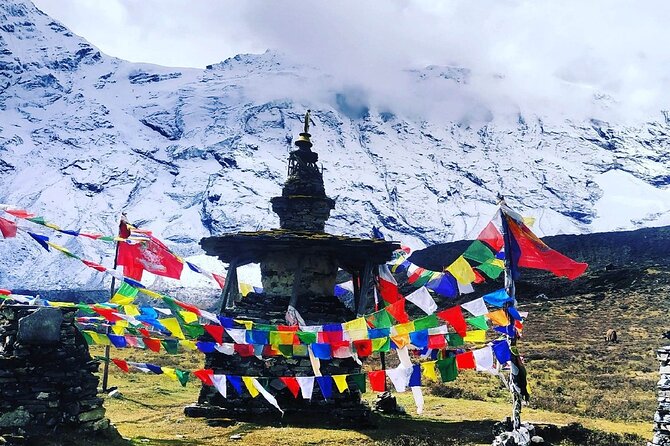
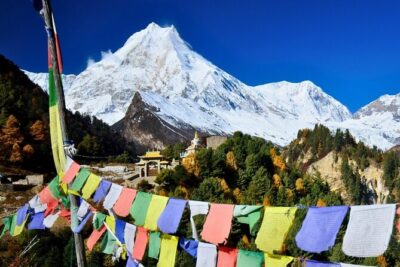
Manaslu Circuit sits in Nepal’s Manaslu Conservation Area, and that matters. You still see plenty of classic Himalayan sights, but the feel is different: more off-the-beaten-path, more time watching small details like mani walls and river crossings, and less of the constant crowd flow you get on more famous routes.
I also like that the trek mixes eras and cultures. You move through Tibetan-influenced villages, see ancient monastery settings, and pass through communities that still look and sound like they belong to the high Himalayan belt. Even the way the itinerary stages you around Ganesh Himal viewpoints, then Samagaun, then the Tibetan refugee camp in Samdo, gives the whole trip a sense of momentum rather than just a sequence of “arrive, sleep, repeat.”
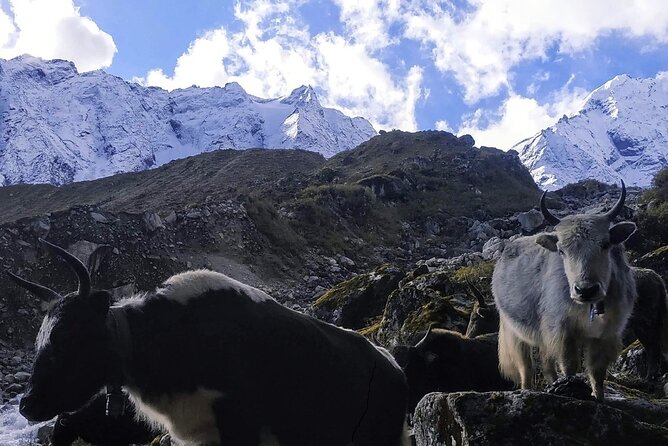
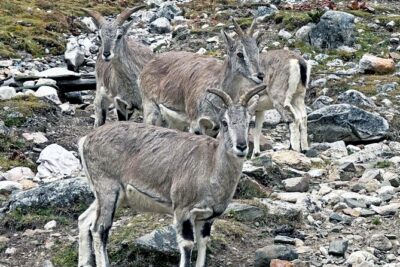
One more thing: wildlife is part of the story here. The conservation area is home to rare species such as snow leopards and red pandas. You should not plan your day around seeing them, but knowing they are part of the habitat makes every forest section feel more alive.
More Treks in Kathmandu
- Everest Base Camp Trek – 14 Days
★ 5.0 · 1,499 reviews - Everest Base Camp Trek
★ 5.0 · 842 reviews - Everest Base Camp Trekking
★ 5.0 · 485 reviews
Permits and registered guiding, and why they change the whole experience
This trek is in a restricted area. That is not a bureaucratic nuisance you can ignore, it is part of why the route is well managed. You get the required paperwork through the tour, including Manaslu Restricted Area Permit, along with ACAP Permit, MCAP Permit, and TIMS Card.
Because restricted-area trekking requires a registered guide, you are not left improvising permits at roadside checkpoints. The trek notes also include a permit check post earlier in the route, so having your documents handled ahead of time keeps things calmer when you are focused on walking.
What you should bring to this reality: patience. When a route is protected and regulated, you tend to get smoother trail flow, but you also trade spontaneity. If you like set plans and clear responsibility, you will probably feel at ease.
Price and value: what $589 covers, and where your budget will actually go
The price is $589 per person for the trek duration of about 12 days. That number looks simple, but the value sits in what is included and what is not.
Included highlights:
- Airport pick up and drop off in Kathmandu by car, jeep, Hiace, or bus (depends on group size)
- Trek transfer from Kathmandu to Machha Khola and back by bus
- Permits and cards: ACAP, MCAP, Manaslu Restricted Area Permit, TIMS
- Expert local guide, plus the guide’s meal, accommodation, salary, and insurance
- Assistance structure: each 5 trekkers gets an assistance guide
- Government and local taxes, agency service charge, and VAT
- Achievement certificate
Not included costs during the hike:
- Foods, drinks, and accommodation during the trek (you can buy meals at tea houses)
- Hot shower, WiFi, and battery charging
- Porter options if you choose them (personal or shared porter is not included)
- Nepal visa fees and personal insurance
- Tips
So is $589 a good deal? For me, it is the right kind of price when you want permits handled, a real guide team, and organized transfers. You are not paying for random transportation and hoping permits work out. You are paying for the scaffolding that lets you hike.
The budget swing is mostly food and tea house stays, because those are charged on the trail. If you plan modestly, the package price can feel like a strong baseline. If you plan to buy lots of extras, your total will rise.
Getting to Machha Khola and starting with the Budhi Gandaki River
Day 1 is a logistics day that sets the tone. You eat breakfast in Kathmandu, check out, then get picked up and driven to the transport area. From there, you go by bus or jeep to Machha Khola, where the Manaslu trek truly begins. You sleep at a hotel there.
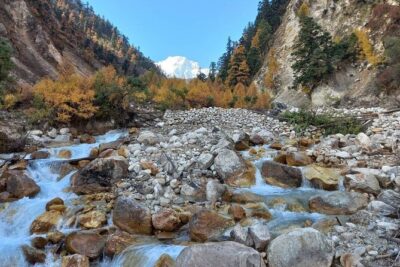
Machha Khola is a small town on the Bhudhi Gandaki River. It is also known for selling locals from the northern part of the Gorkha District. The population is mostly Buddhist and Hindu, and the river valley shapes the whole early rhythm of the trek since much of the trail follows the river bank.
What I like about starting this way: you do not waste the first hours of the trekking window getting lost on side roads. You transition from city routine to mountain routine fast, then settle in.
More Manaslu Circuit departures:
- Manaslu Circuit Trek
★ 5.0 · 292 reviews - Manaslu Circuit Trek:
★ 5.0 · 106 reviews - Manaslu Circuit Trek (15 Days)
★ 5.0 · 50 reviews - Manaslu Circuit Trek
★ 5.0 · 35 reviews
Day-by-day trail notes, stops that matter, and what to watch for
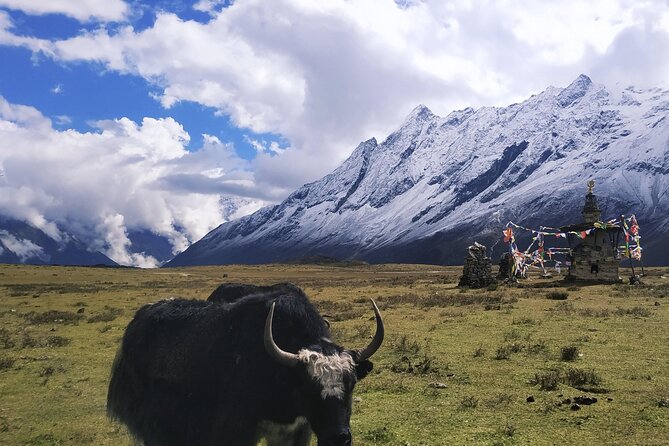
Below is how the route plays out, and what each stage does for you beyond just moving coordinates.
Day 1: Machha Khola, first night at trek altitude
You arrive, dinner, and overnight at Machha Khola Hotel. This is your first settling point before the hiking ramps up.
Practical note: keep your layering simple and accessible. You will start feeling the temperature swings soon.
Day 2: Jagat via forests, waterfalls, and a mani wall
You trek from Machha Khola toward Jagat. The day has a forest feel, with chances to see monkeys, birds, and deer. The path includes waterfalls and a mani wall, a stone inscription tradition tied to Buddhist prayers.
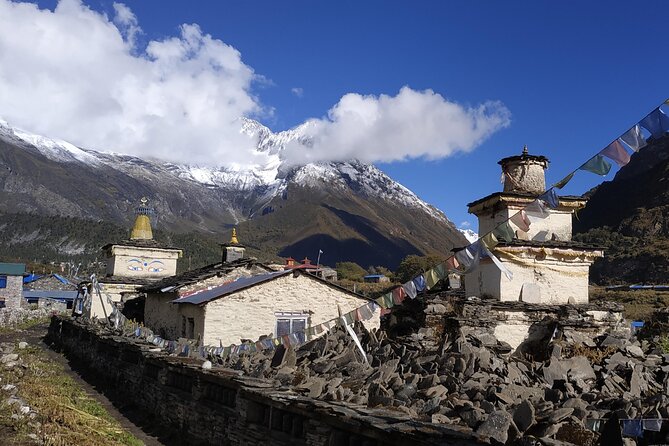
Jagat is a small village at the foot of the Ganesh Himal. It has teahouses and lodges, so you get a comfortable landing spot after a full day.
Possible drawback: it can feel slower when the forest is dense, so focus on steady pacing instead of sprinting for viewpoints.
Day 3: Philim and Deng, with suspension bridges doing the work
You move from the Jagat area toward Philim and then onward to Deng. This section includes bridges over the Bhudi Gandaki River and a sequence of uphill and downtrail legs. The day described from Philim to Deng is considered relatively easy: gentle uphill, then flatter terrain, then a river crossing before you continue.
Philim and Deng both serve as village waypoints with teahouse options, and Deng sits in a middle-of-the-valley setting.
What to watch for: bridge crossings can look dramatic, and on tired legs your balance matters. Take it slow.
Day 4: Namrung, Ranagoan and Ghap viewpoints along the climb
Today includes river-adjacent walking and a climb up through Ranagoan toward Bihi Phedi, then through Ghap, and finally up to Namrung for the night.
Namrung is one of those places where the mountains start showing off more clearly. This day is flagged for clear views of Ganesh, Shingri, and Kutang Himal.
Possible drawback: the climb profile can feel different depending on weather. If fog rolls in, Namrung might be more about moving steadily than about staring at peaks.
Day 5: Lho at 3,280m, forests plus a permit check post
After breakfast, you head into a forest of oak, fir, and rhododendron. This is one of the “you can actually enjoy being in the trees” days. You reach a permit check post and need to show your trekking permit.
Then you pass through villages including Lihi Gaon and Sho Goan, and you reach Lho at around 3,280m. Lunch is at a local restaurant in Lho, followed by a traditional Nepalese dinner at your lodge.
What I like: this day gives you both culture and a practical checkpoint reminder that the route is structured.
Day 6: Samagaun via Shyala’s 360-degree view
You trek up to Sama (Samagaun) after stopping at Shyala for an amazing 360-degree Himalayan view.
This is one of the days to slow down and let your eyes do the work. The view list includes Manaslu, Himal Chuli, Nadi Peak, Naike Peak, Kutang Himal, and Pangbuche Himal.
Then you continue to Sama (Ryo) for dinner and overnight.
Possible drawback: you may want to rush ahead for the “big view,” but the altitude shift means you will feel it more than you think. Take breaks and keep water going.
Day 7: Acclimatization day in Samagaun, pick your hike
This is your planned buffer day. You can hike around Birendra Lake and Manaslu Base Camp, or hike up to Pungen Gumpa. The idea is simple: you get movement without pushing your sleeping elevation too fast.
In the evening you return to Sama (Ryo) for dinner and sleep.
How to choose: if you like calmer pacing, go for Birendra Lake and the base area. If you want a viewpoint chase and you feel strong, consider Pungen Gumpa. Either choice supports the altitude goal.
Day 8: Samdo, slow climb, and the Tibetan refugee camp feel
After breakfast you trek up to Samdo, with a reminder to climb slowly because of high elevation. You reach Samdo around lunchtime, and the afternoon is yours for rest or a hike to Samdo Peak.
Samdo is described as a well-known Tibetan refugee camp, and it is famous for Manaslu views plus other Himalayan ranges.
Possible drawback: Samdo days can feel “quietly intense.” The air and pace are different, so if you are tempted to power walk, check yourself. Slow works better.
Day 9: Dharmasala (Larkya Phedi), seasonal Tibetan market and monasteries
Today heads toward the foot of Larkya La, with an overnight in Dharmasala, also known as Larkya Phedi.
The trek goes slowly upward until your stop. You also get a key culture moment on the way: a seasonal Tibetan market called Larke Bazaar by the Budhi Gandaki River, plus traditional monasteries along the walk.
This is also the day before the pass, so the itinerary makes it clear to rest well, and to prepare camera batteries.
Practical note: this is not the day to decide you want perfect, long-range photos. It is the day to save your energy.
Day 10: Larkya La Pass, then down to Bhimtang
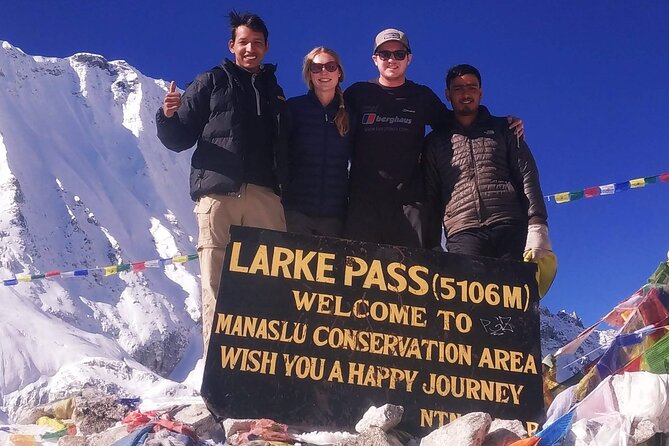
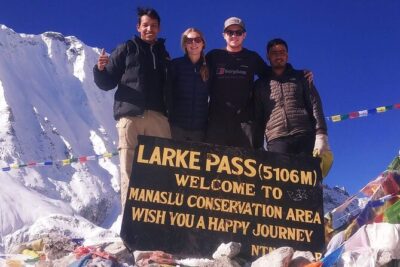
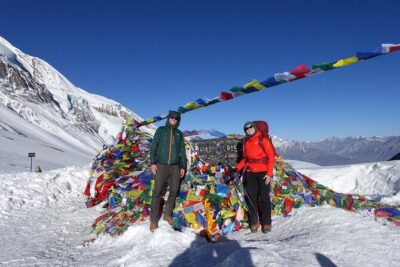
You wake early, eat breakfast, and head up to Larkya La Pass, around 5,100m based on the different route notes you will see. The trail goes slowly to the pass, then you take a break for views before descending to Bhimtang.
This day is described as one of the crucial and most awaited. The pass area also gets noted for views of mountains including Cheo Himal, Gyaji Kung, Kang Guru, and Annapurna II.
What I like: you get the big payoff, then you still have a whole descent day to “burn off” that emotional high and reach a comfortable enough village stop.
Day 11: Downhill to Tilje, with Ghoa on the way
You start in Bhimtang and hike downhill for most of the day. After about 4 hours you reach Ghoa, then you continue down to Tilje. Dinner and overnight are in Tilje.
The day is framed as a chance to take in sunrise views if you wake early from the teahouse.
Practical note: downhill can be tough on knees. Trek poles, if you use them, can help.
Day 12: Dharapani river confluence, then jeep to Besisahar
Your final day is a descent toward Dharapani, a village at the confluence of the Marsyangdi and Trishuli rivers. The trail passes through pine forests and small villages.
You have lunch in Dharapani, then arrange a jeep to Besisahar, about 2 hours, and check into your hotel.
What I like: the last day brings you back toward main Nepal valleys, so you transition out of the restricted-area feel into a more normal rhythm.
Teahouses and comfort, what’s included and what you should bring
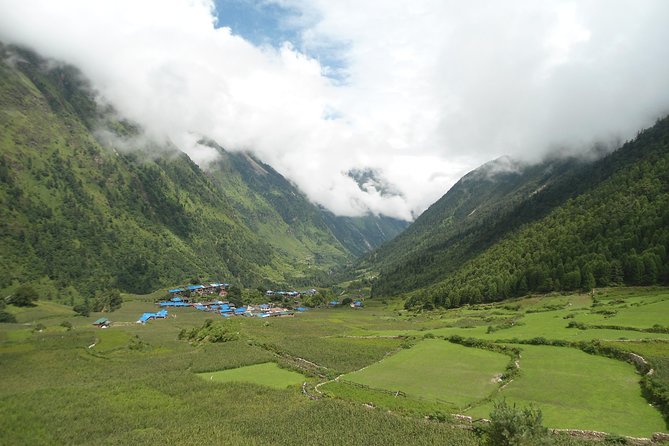
This trek uses teahouses for sleeping. That is one of the big value points for many hikers: you get essential lodging without needing to carry a heavy camping setup.
But you should go in knowing what is often missing. Hot shower, WiFi, and battery charge are listed as not included, so you should expect to pay locally if you want them. Meal plans during the trek are also not included, so you will be buying food along the way.
So what should you bring? Warm clothes, trekking boots, and trekking gear are explicitly called out as needed. Also bring small snacks and energy bars for long trekking days, since the pass day and the longer walk days can mean you want extra fuel between meals.
If you care about comfort at night, pack for cold. High elevation nights can turn your “just warm enough” jacket into a regret.
Altitude strategy that actually matters for Larkya La
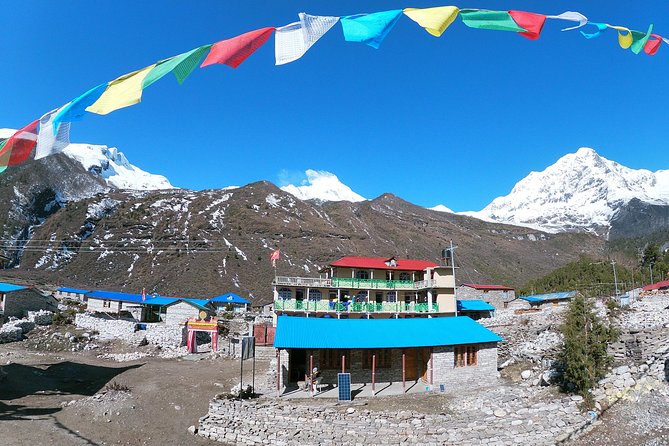
Your itinerary already builds in acclimatization, but your choices make it work.
- On the Samagaun acclimatization day, choose a hike that keeps your energy steady.
- On the approach toward Samdo and Dharmasala, keep your pace slow. The trek notes specifically remind you to go slowly due to elevation.
- On the day before the pass (Dharmasala), sleep and prep matter. Charge batteries and set up your camera so you are not scrambling at dawn.
If you are the type who pushes, this trek will teach you patience. The pass day is not won by willpower alone. It is won by smart pacing and enough recovery.
Guides, responsiveness, and why the team gets praised so often
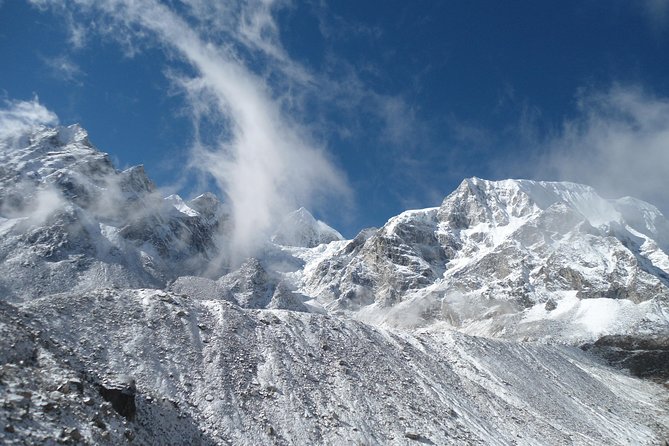
One of the most repeated strengths on this trek is the human factor. People consistently highlight guides and assistants such as Roshan, Kumar, Arjun, and Raju, plus support from porters like Niran and others on the team. The common theme is that the team is attentive and flexible with timings when needed, and that permits and logistics feel smooth rather than stressful.
That matters for a restricted-area trek. When something changes in the mountains, you want a guide who can adjust without making you feel like you are on your own.
If you like trekking with a plan but not with rigidity, this style fits.
Who should book this Manaslu Circuit trek
This trek fits you if:
- You have moderate physical fitness and you can handle several days of trekking at altitude
- You want fewer crowds and a more remote feel in the Manaslu Conservation Area
- You want cultural stops in Tibetan-influenced villages, monastery settings, and market scenes like Larke Bazaar
- You prefer organized permits, transfers, and guide support, with teahouses handling your basics
It may not be the best fit if:
- You want a route that is purely easy walking every day
- You get anxious about height and cold, because Larkya La requires respect
- You are trying to avoid extra trail spending, since meals and many comfort options are not included
Should you book this tour or not?
Yes, consider booking if you want the Manaslu Circuit experience with the parts that usually stress people handled for you: transfers, the permit package (ACAP, MCAP, restricted-area permit, TIMS), and a guide plus assistance structure.
Skip or rethink it if you know you will struggle with the altitude reality around the pass. The trek is designed with an acclimatization day and a slow climb approach, but it still expects you to be comfortable hiking at elevation.
If you book, do two things that pay off fast: pack for cold and plan your hiking pace conservatively from the moment you leave the early villages. That is how you turn Larkya La into a highlight instead of a test you barely survive.
FAQ
What time does the trek start, and where do I meet the group?
The meeting point is Touch The Himalaya Treks & Expedition, JP Rd, Kathmandu 44600, Nepal. Start time is 6:45 am, and the activity ends back at the meeting point.
How long is the Manaslu Circuit Trek?
It is listed as 12 days (approx.).
What permits and cards are included?
The included permits and cards are ACAP Permits, MCAP Permit, Manaslu Restricted Area Permit, and the TIMS Card.
Is an experienced guide included, and do I get assistance?
Yes. An expert Manaslu local guide is included, and there is an assistance structure of one assistance guide for each 5 trekkers.
Are meals, drinks, and lodging during the trek included?
No. Foods, drinks, and accommodation during the trek are not included, though they can be provided with an additional charge. You can buy meals at tea houses during the trek.
Is WiFi, battery charging, or hot showers included?
No. WiFi, battery charge, and hot shower are not included.
What is the cancellation policy?
You can cancel for free up to 24 hours in advance for a full refund. If you cancel less than 24 hours before the experience’s start time, the amount paid is not refunded.
Latest additions near Kathmandu
- White Water River Rafting – 1 Day★ 4.3 · 3 reviews
- Traditional Momo Making Class★ 5.0 · 10 reviews
- Kathmandu to Pokhara Premium sofa bus ticket★ 4.0 · 17 reviews
- Ghorepani Poon Hill Trek★ 5.0 · 16 reviews
- Amazing 1 Day Trekking Experience in Kathmandu Nepal★ 5.0 · 24 reviews
- Ghorepani Poonhill Trek★ 5.0 · 5 reviews
- Walking tour of real Kathmandu through back streets.★ 5.0 · 3 reviews
- Wildlife Adventure in Chitwan Nepal★ 4.0 · 4 reviews
Manaslu Circuit Treks, compared.
Manaslu Circuit Trek 8th Highest in the World
Read our review →Browse the lists this tour appears in