
Reviewed · MANASLU CIRCUIT TREKS
Manaslu Circuit Trek:
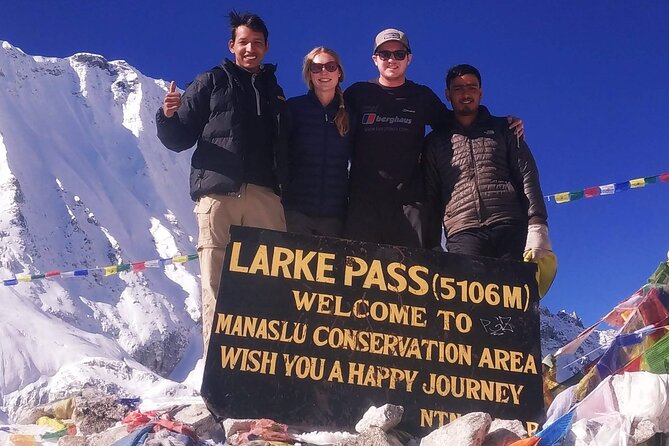
The Manaslu Circuit feels quietly wild and seriously rewarding. You are trekking around Mount Manaslu, the eighth-highest peak, and you get the big moment of crossing Larkya La Pass at about 5,106m. I also love how the route mixes Gurung, Tamang, and Bhote village culture with high, Tibetan-influenced stops like Samdo. The one real consideration is altitude and weather, especially on the pass days.
This is a restricted trek in Nepal, so you do not just show up and hike. You travel with a guide, handle permits, and sleep in local tea houses most nights, which makes the whole experience feel organized without turning it into a “tour bus on trails” situation. Pickup is offered in Kathmandu, and the trip includes what you need for the basics, like tea house nights, meals on trek days, and even a down jacket and sleeping bag if you need them.
If you want a trek with strong culture, mountain scenery, and a clear “high point” moment, Manaslu fits. If you want an easy walk every day, adjust your expectations, because some days run long and the pass day asks for respect.
In This Review
- Key Highlights I Think Matter
- What Makes the Manaslu Circuit Special (and Restricted)
- Price and Logistics: What You Get for About $1,099
- Fitness Reality Check: What the High Pass Days Ask For
- Day-by-Day: From Kathmandu to Machha Khola and Tatopani
- Jagat to Deng, Lo Gaon, and the Manaslu North Face Views
- Samagaon Rest Day, Samdo Borderlands, and the Tibet Feeling
- Larke Phedi, the Blue Sheep Chance, and Larkya La Pass
- The Descent to Tilje, Joining the Annapurna Circuit, and Back to Kathmandu
- Lodges, Meals, and the Small Comforts That Add Up
- Guides and Support: Why People Keep Mentioning Names
- Weather and What to Pack (Without Overthinking It)
- Should You Book This Manaslu Circuit Trek?
- FAQ
- What is the Manaslu Circuit trek duration and typical timing?
- What does the price include for the trek?
- Are meals provided on the trekking days?
- What kind of lodging will I stay in?
- Is Kathmandu pickup offered and where does the trip start?
- Can I cancel and get a refund?
Key Highlights I Think Matter
- Larkya La Pass crossing around 5,106m, with prayer flags and big panorama views
- Restricted Manaslu trekking route, with permits handled and a guided plan for safety
- Acclimatization time in Samagaon, including a full rest day before going higher
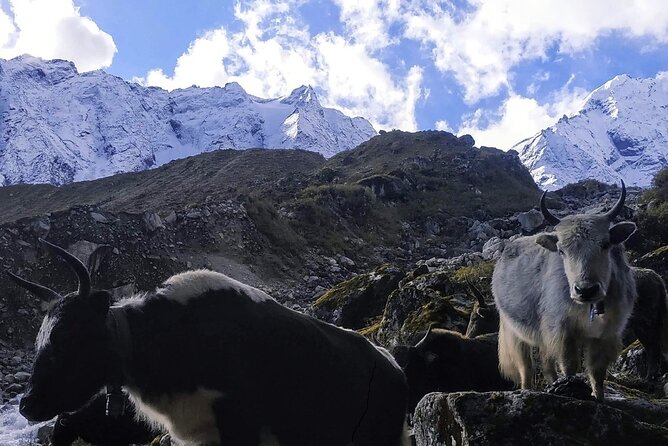
- Real village variety, from hot springs at Tatopani to Tibetan-influenced Samdo
- Comfort logistics included, like tea/coffee, seasonal fruit, and tea house stays
- Strong support reputation, with guides such as Suraj and Suman praised for pacing and care
What Makes the Manaslu Circuit Special (and Restricted)
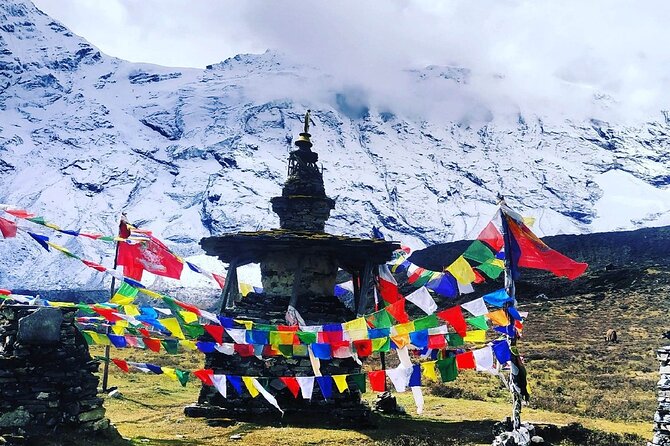
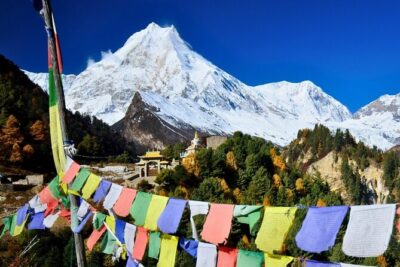
Manaslu Circuit is one of those treks where you can feel the difference right away. The region is restricted, and that matters because it keeps the trail feeling calmer and more remote than Nepal’s biggest, most crowded routes. You are also trekking around Mount Manaslu (8,163m), with the trail repeatedly angling you toward wide views of the Manaslu massif, not just one good photo spot.
The culture side is also a big draw. You walk through villages tied to groups such as Gurungs, Tamangs, and Bhotes, and you see monasteries, local architecture, and the day-to-day rhythms of mountain life. As you go higher, the feeling shifts toward Tibetan influence, especially around places close to the Tibet border like Samdo.
The practical takeaway is that the trek delivers more than scenery. It gives you a route that is designed to move at a realistic pace, and it gives you time in the right places to help you handle the altitude.
More Treks in Kathmandu
- Everest Base Camp Trek – 14 Days
★ 5.0 · 1,499 reviews - Everest Base Camp Trek
★ 5.0 · 842 reviews - Everest Base Camp Trekking
★ 5.0 · 485 reviews
Price and Logistics: What You Get for About $1,099
At $1,099 per person for a 14-day experience, the value is mostly in the parts you would otherwise spend time coordinating yourself. Your trek permits are included, including the Manaslu special permit plus ACAP permit and a TIMS card. Those permits are not small details on a restricted trek, and they are one reason organized trips work well here.
You also get help with the “in-between” travel pieces: Kathmandu hotel nights, ground transportation, and the overland drives that get you from Kathmandu to the trailhead area. Once you start trekking, local tea house accommodation is included for 11 nights in a twin-sharing setup for two clients.
Meals are partially included on the trek days, with breakfast, lunch, and dinner coverage spread across the middle of the trip, plus three times tea or coffee on trekking days and seasonal fruit. You still pay for some personal stuff on your own, like phone calls, battery charging, bottle water, and hot shower costs, but the core food plan is handled.
My advice: if you would rather spend your energy preparing mentally and physically, not chasing paperwork, this is the kind of price that makes sense.
Fitness Reality Check: What the High Pass Days Ask For
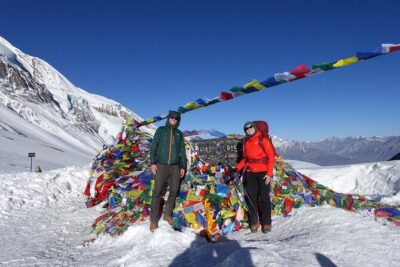
This is a moderate-to-demanding trek by altitude and schedule, not by constant technical climbing. The biggest physical test is the pass, Larkya La Pass at around 5,106m (some itinerary descriptions say 5,160m for the top). That day includes a gradual lead-in, then a steeper climb, and the payoff is the high viewpoint decorated with prayer flags and stone piles.
The other height-related factor is that you will often feel the air thinning first through slower walking. One day route notes even point out that high altitude and dry air can make even moderate walking slower. That is where pacing matters.
This is also why you want a guide who encourages breaks for acclimatization. People mention guide Suraj specifically for encouraging lots of stops so everyone can adjust. Guides Suman and Rajan Gole are also praised for supportive, patient pacing. You should expect the plan to be structured, but you still need to be ready to listen to your body.
Day-by-Day: From Kathmandu to Machha Khola and Tatopani
Day 1 is all about arrival and getting your bearings. You land at Kathmandu International Airport and get transferred to your hotel. You also join a group briefing on do’s and don’ts for the Manaslu trek, and there is a group dinner at a typical Nepalese restaurant. This is a useful day because it helps you understand what to pack and how trekking days usually run.
Day 2 is a long travel day with a purpose: you drive overland to warmer areas around Gorkha district, starting with Arughat, then continuing toward Machha Khola. This is how the trek eases you into Nepal trekking mode, rather than jumping straight from Kathmandu altitude to mountain passes.
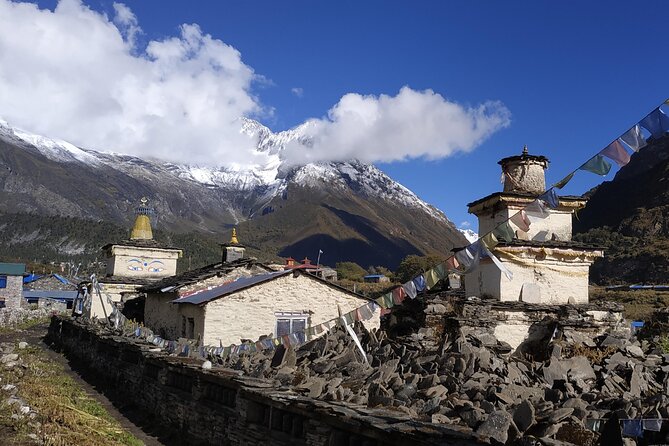
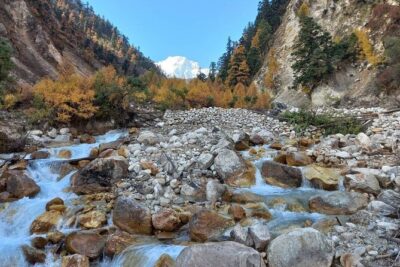
Day 3 is where the trek starts feeling like a real journey. You walk upstream along the Buri Gandaki River banks, reach Khorla-Beshi, then continue toward Tatopani, a village famous for natural hot springs. If you have enough time and energy, a warm bath is a small luxury that makes the climbing day feel easier. Then you continue up to Jagat for the night, with Jagat described as a larger village with shops and well-stocked stores.
The practical drawback of early days: you are still building stamina. Even if the scenery is great, remember you are saving your legs for later, especially the Samagaon and pass day phases.
More Manaslu Circuit departures:
- Manaslu Circuit Trek
★ 5.0 · 292 reviews - Manaslu Circuit Trek (15 Days)
★ 5.0 · 50 reviews - Manaslu Circuit Trek
★ 5.0 · 35 reviews - Manaslu Circuit Trek
★ 5.0 · 25 reviews
Jagat to Deng, Lo Gaon, and the Manaslu North Face Views
Day 4 starts higher and keeps you moving through farm and forest edges. You pass rural farm villages, cross a bridge, and reach Philip. From there, you walk along terraces of wheat and barley, then climb into a bamboo forest section before reaching Deng for the overnight. Deng is one of those places where the tea house life feels real and basic, which is exactly what you want on a remote circuit.
Day 5 leans cooler, with more altitude gain and more time near the Buri Gandaki River. You get to Bihi Bazaar, then continue through farm villages with barley, wheat, and millet fields. Later you pass places like Banjham, Lhi, and Sho, and then move to Lo Gaon. Lo Gaon is specifically noted for excellent views of the Manaslu North Face, so it is the kind of overnight that makes the previous day feel worth it.
Day 6 is a gradual shift toward alpine vegetation, with tree lines fading and more juniper and willow sections. You keep walking with peak views, and eventually reach Samagaon for the night. This is a key turning point because Samagaon sets you up for acclimatization and higher goals.
Samagaon Rest Day, Samdo Borderlands, and the Tibet Feeling
Day 7 is a scenic day around the Manaslu viewpoint circuit. You walk for hours and are treated to multiple angles on Mount Manaslu, including pauses near Lho and Syala for panoramic views. Even though it is not a long “just keep climbing” day, it is still demanding because you are at increasing altitude and you are on your feet for a long stretch.
Day 8 is a rest day in Samagaon. This is not wasted time. It is what makes the later higher sections more manageable. Samagaon is also described as having a Tibetan-like cultural feel, which becomes clearer as the trek trends toward border-adjacent villages.
Day 9 moves you toward Samdo, the last village before Larkya La Pass and described as strongly Tibetan-influenced because of its closeness to the Tibet border and trade connections. This is the day where the route feels different from the earlier farm-heavy sections. You are walking into a more frontier-like atmosphere, and it helps emotionally too, because you are nearing the pass.
Larke Phedi, the Blue Sheep Chance, and Larkya La Pass
Day 10 is the build-up day. You start with a downhill walk toward the Budhi Gandaki River, cross it, then climb again. You pass through Larkya Bazaar and the Salka Khola valley toward Dharmasala, also called Larke Phedi in some descriptions. It is an easy place to stay rather than a full lodge town, and that simplicity is normal here.
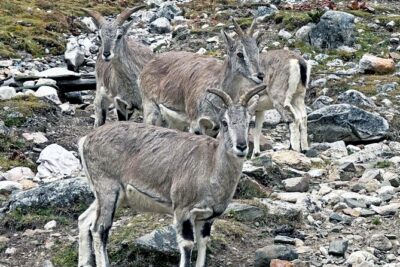
You also have a high chance of seeing blue sheep around this area. It is not a guarantee, but it is one of those details that makes the day feel alive beyond the trail.
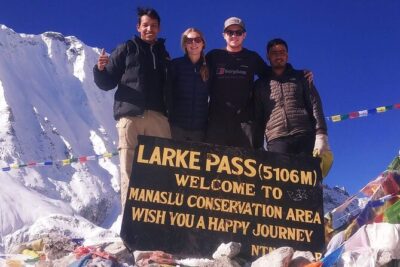
Day 11 is the main event. You start earlier, walk to reach the pass top above 5,160m in many descriptions, then take in the views of peaks including Himlung, Cheo Himal, Kang Guru, and Annapurna II. After that, you work your way downhill to Larcia and continue over moraine toward Tambuche, then to Bhimtang for overnight. If you are prone to altitude headaches or nausea, this is the day to rely on the guide’s pacing plan and your own rest habits. This is also where prayer flags and stone piles at the pass make the moment feel spiritual, not just athletic.
The big practical consideration: this day depends heavily on weather. Clear skies can make the views feel unreal, and cloud cover can shrink what you can see. That is the nature of high trekking.
The Descent to Tilje, Joining the Annapurna Circuit, and Back to Kathmandu
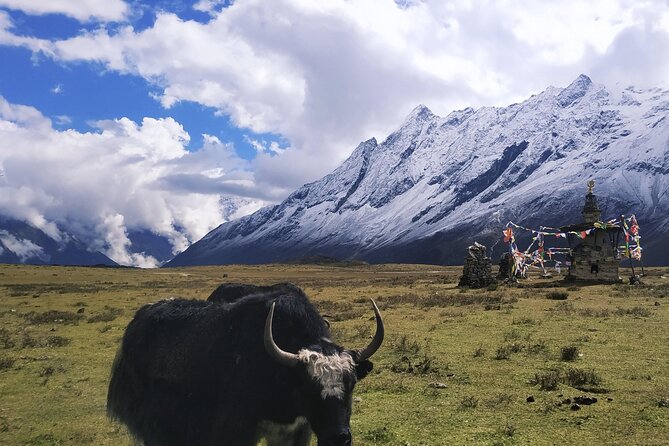
Day 12 is a long, mixed day that drops you down toward the main trails again. You go downhill into forest, pass small summer settlements, then climb to Karche La. After that, you descend toward the Marysangdi River and continue to Tilje along the Dudh (milky) river downstream. You pass villages including Thonje, then from Tilje you cross a bridge, join the main trail in Dharapani, and take a sharing jeep to Besisahar.
This is a day where you may feel your legs working harder than your map suggests. The good news is the energy shifts from “high altitude effort” toward “finish the circuit and connect to roads.”
Day 13 brings the drive back to Kathmandu. You travel through farm villages and terraced fields, and return to a larger town area like Besisar before continuing on a better road. You get afternoon free time after reaching Kathmandu, so you can shower, eat normally, and let your body recover.
Day 14 is departure day, timed to your international flight.
Lodges, Meals, and the Small Comforts That Add Up
Manaslu teahouses are simple by design, and that is part of the charm. You stay in local tea houses for 11 nights, usually in twin-sharing rooms. You are not going to find spa-level comfort, but you are supported with a meal plan and warm drinks on trek days.
Included meal coverage is structured to keep you fueled: breakfasts, lunches, and dinners are scheduled through the trek, and there are three tea or coffee stops during the trekking days. Seasonal fruit shows up as a small but smart addition, because it helps when you are burning calories and eating at altitude.
Also worth noting, the trip includes Nepal High Trek’s down jacket and sleeping bags if you need them. That can be a major value add if you travel light from abroad. Still, check your sizing needs before you go so you get gear that fits your comfort level.
Guides and Support: Why People Keep Mentioning Names
One of the most praised parts of this trek is the human support. You can see a pattern in the names mentioned in positive feedback: guides like Suraj, Suman, Rajan Gole, Indako, Buddhi, and Laku are repeatedly tied to calm support, good pacing, and clear communication. Porters also come up with strong warmth, including Kami and Bardan, and they often help make long days feel less heavy.
That matters because Manaslu is not a short stroll. Your guide is not just for navigating. They help you interpret altitude, choose when to take breaks, manage group rhythm, and keep you moving safely. In a restricted trek, that kind of support also means your permits and route logistics are less likely to become your problem.
Weather and What to Pack (Without Overthinking It)
Weather in Nepal is always variable, but on the Manaslu Circuit it can strongly affect your pass-day views. Plan for a range of conditions, with colder nights as you climb. The good news is the trip includes a down jacket and sleeping bag if you need them, which reduces the gear pressure.
Your personal packing still matters for comfort and safety, especially items like warm layers, gloves, and basic sun protection. Since the trip does not include all food in Kathmandu and personal costs like bottle water and hot showers, you also want a small daily budget for those choices once you are on the trail.
Should You Book This Manaslu Circuit Trek?
You should book if you want:
- A restricted Manaslu route with permits handled and a guide-led plan
- A trek that mixes village culture and high-mountain moments, not just one or the other
- Built-in acclimatization time, including a rest day in Samagaon before the pass
- A package that includes tea house nights, key meals, and support comforts like warm drinks and seasonal fruit
You might think twice if you:
- Are strongly seeking a very easy hike, because the schedule includes long days and a major high point
- Get nervous about weather uncertainty, because Larkya La Pass visibility depends on conditions
- Want every meal and every personal service included, because personal costs and Kathmandu food are not included
If you are the type of traveler who likes a real trek rhythm, respects altitude, and values guided logistics, this is the sort of organized Manaslu Circuit experience that fits.
FAQ
What is the Manaslu Circuit trek duration and typical timing?
The trek is listed as about 14 days, including time in Kathmandu before and after the trekking portion.
What does the price include for the trek?
The package includes ground transportation, two nights hotel in Kathmandu with breakfast, trekking permits (TIMS card, Manaslu special permit, and ACAP permit), a registered trekking guide, tea house accommodation for 11 nights (twin sharing), meals on trek days (breakfast, lunch, and dinner on scheduled days), three times tea or coffee during the trek, seasonal fruit, and medical supplies (first aid kit available). It also notes down jacket and sleeping bags are provided if needed.
Are meals provided on the trekking days?
Yes. The trek includes meals three times during the trek period, with breakfast, lunch, and dinner included on scheduled days, plus tea or coffee three times and seasonal fruit during the trek.
What kind of lodging will I stay in?
You will stay in local tea houses for 11 nights on the trek, with a twin sharing room setup for two clients.
Is Kathmandu pickup offered and where does the trip start?
Pickup is offered. The start meeting point is Tribhuvan International Airport, Ring Rd, Kathmandu.
Can I cancel and get a refund?
Yes. You can cancel up to 24 hours in advance for a full refund. If you cancel less than 24 hours before the start time, the amount you paid is not refunded.
Latest additions near Kathmandu
- White Water River Rafting – 1 Day★ 4.3 · 3 reviews
- Traditional Momo Making Class★ 5.0 · 10 reviews
- Kathmandu to Pokhara Premium sofa bus ticket★ 4.0 · 17 reviews
- Ghorepani Poon Hill Trek★ 5.0 · 16 reviews
- Amazing 1 Day Trekking Experience in Kathmandu Nepal★ 5.0 · 24 reviews
- Ghorepani Poonhill Trek★ 5.0 · 5 reviews
- Walking tour of real Kathmandu through back streets.★ 5.0 · 3 reviews
- Wildlife Adventure in Chitwan Nepal★ 4.0 · 4 reviews
Manaslu Circuit Treks, compared.
Manaslu Circuit Trek 8th Highest in the World
Read our review →Browse the lists this tour appears in