
Reviewed · MANASLU CIRCUIT TREKS
Manaslu Circuit Trek (15 Days)
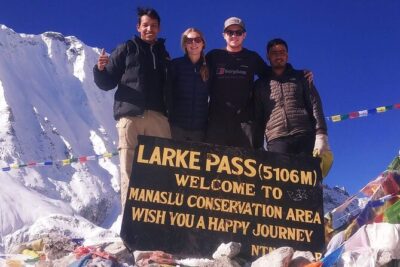
Manaslu feels like a world away. You get a classic circuit in Nepal, with dramatic mountain views and Tibetan-influenced villages, plus fewer crowds than the big headline treks. What I like most is how permits and early planning are handled up front, and how safety support is built into the team setup. One thing to plan around is the pace and altitude demands, especially the long, early push around Larke Pass.
I also like the mix of trail types, from riverside paths along the Budhi Gandaki to higher alpine stretches where the air changes fast. You’ll see hot-spring ruins at Tatopani, stone villages, yak pastures, and monastery scenery that feels calm and remote. The main drawback for many people is that meals during the trek are not included, so your daily budget needs to cover lunch and most dinners.
Finally, the value here is not just the route. You’re paying for guided logistics, porter support (with a stated ratio), and government fees for the restricted area permits that make Manaslu possible.
In This Review
- Key things I’d bet on with this Manaslu Circuit Trek
- First You Sort Kathmandu, Then You Actually Trek
- From Kathmandu to Machha Khola: Starting the Circuit Gently
- Budhi Gandaki Days: Jagat and Deng Give You Real Trek Legs
- Namrung to Lihi: Tibetan-Influenced Stone and Higher Air
- Shyala and Samagaun: The Monastery Detour and the Big View Factor
- Samdo and Dharamsala: The Acclimatization Logic Before Larke Pass
- Bimthang to Dharapani: Recovering Downward Through Forest
- The Return Drive to Kathmandu: Bumpy Roads, Real Closure
- Price and Logistics: What You’re Getting for $1,657.50
- Guides and Team Support: The Human Part That Shows Up on Hard Days
- What This Trek Feels Like, Day to Day
- Who Should Book This Manaslu Circuit Trek?
- Should You Book This Manaslu Circuit Trek?
- FAQ
- Is international airfare included in the price
- How much is the Nepal visa fee
- Are meals included during the trek
- What permits are included for the trek
- How many people are in the group
- Will I have a guide and porter support
- Is travel insurance included
- Where does the trek start and end
- Is Wi-Fi or charging available
Key things I’d bet on with this Manaslu Circuit Trek
- Permits handled early in Kathmandu: passport and photo collection starts the process before you hit the trail
- Small group size: maximum 15 travelers helps keep the experience feeling less crowded
- Staffing for safety and attention: a first-aid trained, government-licensed guide plus an assistant guide per 5 trekkers
- Porter coverage for your overnight bag: with a 2 trekkers to 1 porter ratio
- Eco-minded approach: reduced waste, teahouses used along the route, and fair wages and training for village work
- Larke Pass is treated like the main event: with an acclimatization day and an early start for the big crossing
First You Sort Kathmandu, Then You Actually Trek
Your trip starts in Thamel, Kathmandu, with pickup support tied to airport arrival and a transfer to your hotel. After you check in, you get time to reset after your flight, and you can keep that first day low stress.
The next day is about getting the Manaslu permits done properly. Your team collects your original passport and two passport-sized photos, because Nepal’s immigration process needs the original document for permit issuance. This is one of those unglamorous steps that can make or break a trek, and I like that it’s handled early instead of as an afterthought.
In the evenings, Thamel is practical for supplies and last-minute gear checks, and your package includes breakfast in a 3-star hotel in that area. If you like being ready and organized, this kind of setup fits you.
More Treks in Kathmandu
- Everest Base Camp Trek – 14 Days
★ 5.0 · 1,499 reviews - Everest Base Camp Trek
★ 5.0 · 842 reviews - Everest Base Camp Trekking
★ 5.0 · 485 reviews
From Kathmandu to Machha Khola: Starting the Circuit Gently
The drive out of Kathmandu is long, but it’s a useful on-ramp. You go from busy city life into foothills and river country, so you’re not jumping straight into altitude with zero transition.
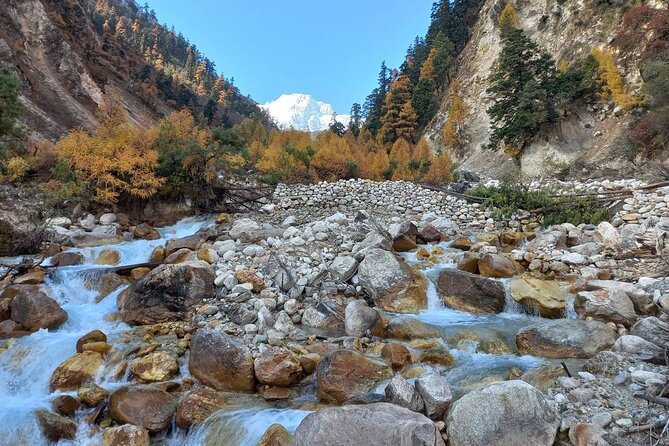
When you reach Machha Khola, the trek begins to feel like a journey, not just a hike. The early trail follows the Budi Gandaki River and sets up the rhythm for the days ahead: walk, watch the river gorges, pause when your breathing asks for it.
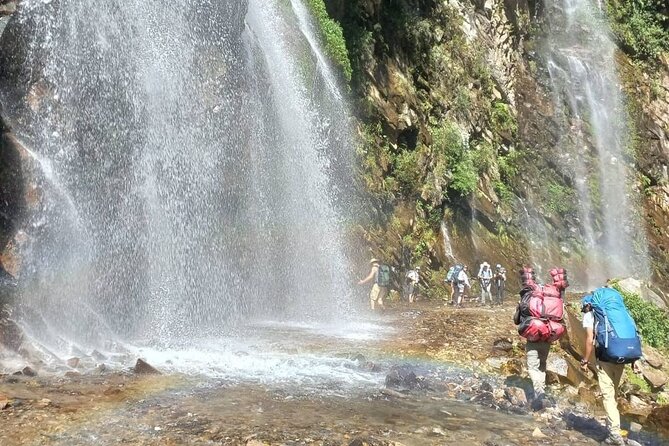
You’ll also pass Tatopani, famous for natural hot springs. Important detail: this trek doesn’t plan a soak stop, so don’t build that expectation into your day. Still, seeing it along the way gives you a sense of why this region has so many travelers on its trails even when Manaslu itself stays quieter.
Budhi Gandaki Days: Jagat and Deng Give You Real Trek Legs
Day-by-day, you’ll notice the circuit builds steadily. One of the clearest examples is the trek from Machha Khola to Jagat, about 15 km with roughly 600 m of ascent and 250 m of descent. It takes around 6 to 7 hours, and the walking includes narrow ridges and riverside paths that feel rugged but scenic.
Jagat matters because it puts you into the middle of the Budhi Gandaki corridor. You’re not climbing straight away in a brutal way, and that’s good. This is where you learn your pace, your footing habits, and how to eat and drink on a moving schedule.
The next section to Deng ramps things up. You’re looking at roughly 18 km, around 7 to 8 hours, about 1,050 m ascent and 400 m descent, with some flat trail mixed in. That big ascent number is your hint: this is where trekking fitness starts to show. The forest and village transitions also help keep the day interesting, including passing through the Gurung village of Phili on the way to Salleri.
Namrung to Lihi: Tibetan-Influenced Stone and Higher Air
As you move higher, the feel of the route changes. Forested switchbacks start to take over more of the walking, and then you begin seeing more Tibetan-influenced stonework and village styles.
The trek to Namrung is a strong chunk of the middle circuit: about 19 km, roughly 7 to 8 hours, around 1,100 m ascent and about 150 m descent. It climbs steadily through sections with coffered views and winding forest trails before you reach the village.
Then Lihi becomes another altitude cue day. You climb about 700 m and descend about 100 m, passing terraced fields, yak pastures, and a linear rise in elevation and culture. This is the day where you start to notice how quickly your body adapts to thinner air if you keep a steady pace.
One practical tip: when your breathing slows you down, it’s usually the right signal to keep going slowly rather than forcing speed. This circuit works best when you treat it like a long negotiation with your stamina.
More Manaslu Circuit departures:
- Manaslu Circuit Trek
★ 5.0 · 292 reviews - Manaslu Circuit Trek:
★ 5.0 · 106 reviews - Manaslu Circuit Trek
★ 5.0 · 35 reviews - Manaslu Circuit Trek
★ 5.0 · 25 reviews
Shyala and Samagaun: The Monastery Detour and the Big View Factor
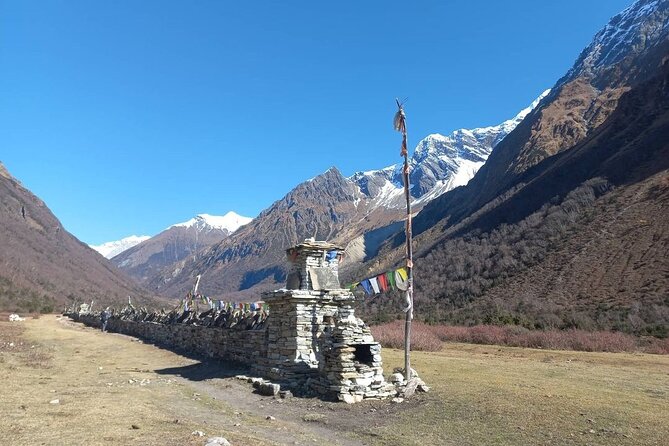
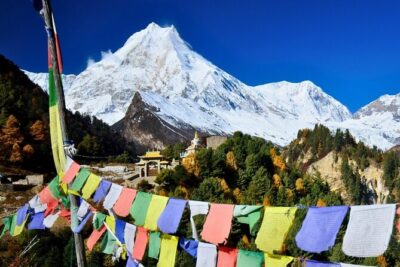
High-altitude villages are where Manaslu starts looking like the photos. Shyala sits high and frames huge peaks including Manaslu, Himalchuli, Peak 29, and Ngadi Chuli. The trek route to Shyala passes mani walls and moves through pine and rhododendron forest, which gives you a lot of visual variety before you reach the open feel of the higher settlements.
After Shyala, you continue toward Samagaun, spending your night there after a longer day that runs around 17 km with about 500 m ascent. Samagaon is described as the largest village in the Nubri Valley and sits beneath Manaslu. It’s also where acclimatization becomes more than a word.
A key day here is the Pungyen Gompa hike, a 3 to 4 hour roundtrip from Samagaun. You’ll start with a gradual forest ascent before steepening, and the payoff is monastery views across Manaslu and nearby peaks. This is the kind of hike that helps you adjust without adding more strain than necessary.
I like that the plan builds in this kind of controlled effort. It’s one of the better ways to keep your energy for the Larke Pass crossing later.
Samdo and Dharamsala: The Acclimatization Logic Before Larke Pass
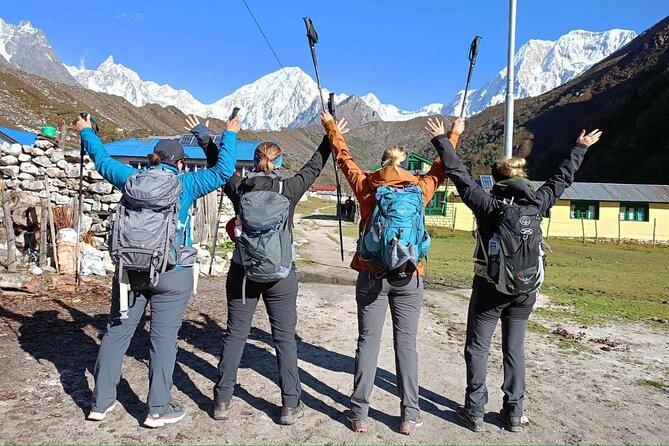
The trek to Samdo starts with a gentle descent to a wooden bridge over the Budhi Gandaki River. After that, the trail climbs past dry yak pastures and mani walls, and the overall look shifts into higher Himalayan terrain. You’re not just traveling forward, you’re changing climate with altitude.
From Samdo, the route to Dharamsala is short but crucial. This is your acclimatization hike before tackling the Larke Pass. Even if you feel good, this is not a day to rush. You want your legs ready and your breathing calm for the next morning.
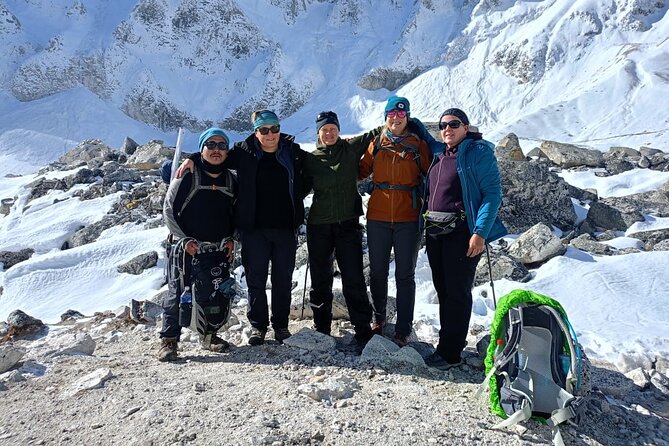
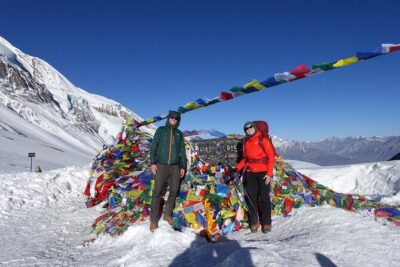
Then comes the big push on the Bimthang day. You start before dawn from Dharamsala and work uphill over rocky moraine and glacier-draped terrain. This is the most demanding day in the circuit, and it’s built like that on purpose. You need a plan that protects your pacing, and the team’s safety focus and altitude briefings are meant to support you here.
If you’re a person who likes clear structure on hard days, this segment will feel reassuring rather than chaotic.
Bimthang to Dharapani: Recovering Downward Through Forest
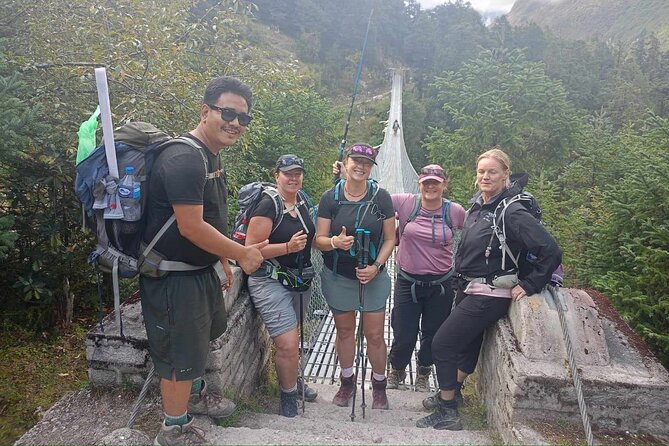
After the high challenge, the circuit doesn’t just drop you into a flat walk. The route to Dharapani is a descent through changing terrain: alpine scrub shifts into denser pine, rhododendron, and oak forests.
A named highlight is Yak Kharka, a seasonal grazing area where herders bring live stock. It’s a useful reality check that the trail is not only for trekkers. People work and live here, and your schedule has to fit into their seasonal patterns.
The hiking day length is not listed as a specific distance in your details, but the overall pattern is clear: less strain than the pass day, still active, and very scenic in a different way than the alpine mornings.
The Return Drive to Kathmandu: Bumpy Roads, Real Closure
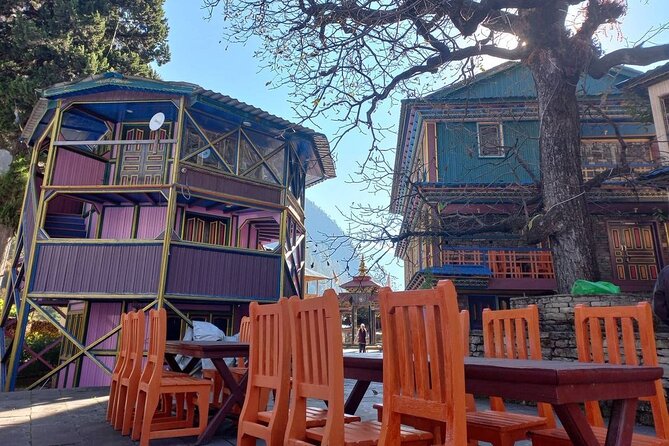
On the way back, you board a shared jeep from Dharapani to Besisahar, then you connect toward Kathmandu. Your return day includes a bumpy but scenic drive along the Marsyangdi River, with cliff-side roads and waterfalls near Tal village mentioned in the route description.
After that, you get back to Kathmandu, with a chance to explore Thamel again depending on your flight timing. This is where I suggest you plan something simple: a meal you can actually taste, a relaxed stroll, and one or two practical shopping stops.
Even if you don’t plan to buy souvenirs, Thamel is handy for last-minute gear replacement and getting your electronics sorted before you fly.
Price and Logistics: What You’re Getting for $1,657.50
At $1,657.50 per person, this trek can look expensive if you only compare it to a DIY plan. But that comparison is usually unfair.
Here’s what’s explicitly included:
- Government fees and required permits, including the Manaslu Conservation Area Permit, Annapurna Conservation Area Permit, and Special Restricted Area Permit
- Kathmandu hotel (3-star with breakfast in Thamel) and standard teahouse accommodation on trek days
- Private transportation for airport arrival and departure, plus transfers between Kathmandu and Machha Khola, and from Behisahar back to Kathmandu
- Shared jeep for the Dharapani to Besisahar leg
- A professional, government-licensed guide, first-aid trained
- Porters with a stated 2 trekkers to 1 porter ratio to carry your overnight bag
- Insurance coverage for the trekking crew (guides, assistant guides, porters)
- A welcome dinner and farewell dinner in Kathmandu, plus two breakfasts in Kathmandu
What’s not included, and this is the part you should budget for:
- International flights and the Nepal visa fee of $30 per person
- Travel insurance for you, which must cover accidental, medical, and helicopter evacuation up to 5,200 m
- Trek meals (meals during the trek are not included)
- Drinking water (bring a filter bottle or purification tablets)
- Hot showers, battery charging, and Wi-Fi are optional extras for a fee at many teahouses
Value-wise, the biggest money-saver for many people is that permits and required fees are included, and you’re not stuck doing paperwork while you’re already tired and acclimatizing. The second is the staffing model: you get a guide, an assistant guide per five trekkers, and porter support structured for the group.
If you want a managed experience but still want the real trail, this pricing makes sense.
Guides and Team Support: The Human Part That Shows Up on Hard Days
The team quality shows in how people describe the experience. Names that come up in feedback include Prashant and Prem for pre-arrival communication, and Ishwor Rai for operations support. On-trail, guides such as Raj Rai, Tshering, and Pemba Sherpa are praised for caring attention and keeping safety front and center.
One thing I’d pay attention to is the role of an assistant guide. Having one assistant guide per five trekkers is not just a comfort upgrade. It helps with pace management, small-group attention, and reducing the pressure that often builds when the group gets uneven.
Porter support also matters. The stated ratio means you should start thinking about your packing strategy early. Your overnight bag is carried by porters, so you’re not hauling everything on your back the whole time.
What This Trek Feels Like, Day to Day
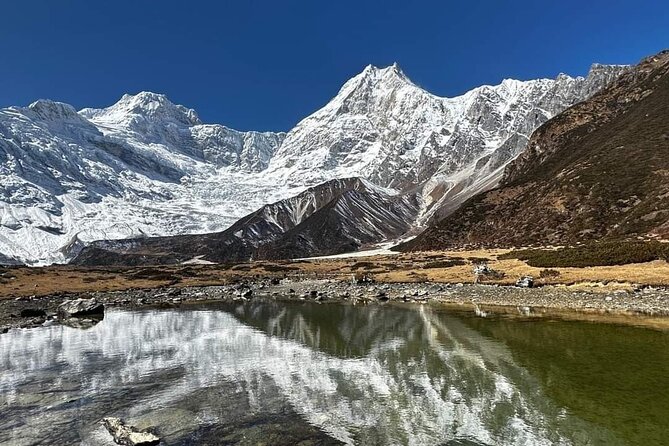
Manaslu is remote in a way that’s easier to feel than to describe. The circuit begins with river corridors and forest sections, then climbs into Tibetan-influenced villages with mani walls and stone homes. Days like the Pungyen Gompa hike add spiritual calm, while the Larke Pass day is the physical test that reshapes the pace of the whole trek.
This is also a trek where your head matters. You need patience on steep segments and discipline when you’re tempted to overdo it. The route has built-in acclimatization logic around Samagaun, and a key short hike to Dharamsala before the pass.
If you’re the kind of traveler who likes a steady schedule and clear safety planning, you’ll likely feel supported rather than rushed.
Who Should Book This Manaslu Circuit Trek?
This trek fits best if you:
- Want a less crowded alternative to the most famous Nepal routes
- Are comfortable with a multi-day circuit and a physically demanding pass day
- Prefer teahouse trekking with organized logistics and local support
- Want a small group capped at 15 travelers
- Like having permits, transportation, and guide staffing handled so you can focus on walking and acclimatizing
It may not be the best fit if you’re expecting full meal plans, or if you want more downtime than this 15-day schedule allows. Trek meals not being included is the big practical mismatch for some people.
Should You Book This Manaslu Circuit Trek?
Yes, if you want a well-supported Manaslu Circuit with the structure needed for Larke Pass and you don’t mind budget planning for trek meals. I’d also feel good about it if you value permit handling, professional guide credentials, and a team setup that includes an assistant guide and porter ratio spelled out.
Before you commit, check your travel insurance coverage for helicopter evacuation up to 5,200 m and plan to bring a water filter or purification method. If you do those two things, you’ll remove the most common stress points.
If your priority is total independence, you might find the package less flexible than you want. But if you want the trail experience without juggling the hardest logistics, this plan is built for you.
FAQ
Is international airfare included in the price
No. International flights to and from Nepal are not included.
How much is the Nepal visa fee
The visa fee is listed as USD 30 per person, payable on arrival at the airport or online in advance.
Are meals included during the trek
No. Meals during the trek are not included. In Kathmandu, the package includes hotel breakfast and also a welcome dinner and a farewell dinner.
What permits are included for the trek
Included permits are the Manaslu Conservation Area Permit, the Annapurna Conservation Area Permit, and the Special Restricted Area Permit.
How many people are in the group
The maximum group size is 15 travelers.
Will I have a guide and porter support
Yes. You get a professional, government-licensed, first-aid trained guide, plus an assistant guide per 5 trekkers. Porters carry your overnight bag with a 2 trekkers to 1 porter ratio.
Is travel insurance included
No. Travel insurance is not included. You are required to have coverage that includes accidental, medical, and helicopter evacuation up to 5,200 m.
Where does the trek start and end
The meeting point is Thamel, Kathmandu 44600, Nepal, and the activity ends back at the same meeting point.
Is Wi-Fi or charging available
Hot showers, battery charging, and Wi-Fi are available for an extra fee at most teahouses.
Latest additions near Kathmandu
- White Water River Rafting – 1 Day★ 4.3 · 3 reviews
- Traditional Momo Making Class★ 5.0 · 10 reviews
- Kathmandu to Pokhara Premium sofa bus ticket★ 4.0 · 17 reviews
- Ghorepani Poon Hill Trek★ 5.0 · 16 reviews
- Amazing 1 Day Trekking Experience in Kathmandu Nepal★ 5.0 · 24 reviews
- Ghorepani Poonhill Trek★ 5.0 · 5 reviews
- Walking tour of real Kathmandu through back streets.★ 5.0 · 3 reviews
- Wildlife Adventure in Chitwan Nepal★ 4.0 · 4 reviews
Manaslu Circuit Treks, compared.
Manaslu Circuit Trek 8th Highest in the World
Read our review →Browse the lists this tour appears in