
Reviewed · MANASLU CIRCUIT TREKS
Manaslu Circuit Trek 8th Highest in the World
Manaslu is the kind of trek that makes you slow down and pay attention. You’re walking through a restricted region where permits matter, villages feel lived in, and the scenery changes every day as you work toward Larkya La. It is also one of the Himalaya routes where the remoteness is the selling point, not a marketing tagline.
I love that this trip handles the “logistics you don’t want to wrestle with” side. You get airport pickup, Kathmandu hotel nights, and the key permits covered, plus a guide and porters with their insurance and gear included. Another thing I like is the human scale. In the reviews, people repeatedly mention feeling safe and comfortable, especially with guides like Roshan and porters like Sudip, who also come across as genuinely helpful.
The main drawback to plan for is effort. This is not a stroll, and you will have long hiking days at altitude, plus an early start for the Larkya La pass to beat strong wind later in the day. If your fitness is still building, you will want to train before you come.
In This Review
- Key things that make this Manaslu Circuit stand out
- Why Manaslu feels different: remoteness, permits, and a quieter trail
- Price and what you actually get for your money
- Kathmandu setup: Thamel basecamp and Durbar Square day
- Road to the start: Machha Khola and the “local ride” reality
- First trekking day rhythm: river valley, Khorla Besi, and Tatopani area
- Sringi Himal views and the long day energy down into the valleys
- Namrung, Samagaun, and the Tibetan-influenced stretch
- Samdo: flatter walking, juniper and birch, and an optional border day
- Larkya La pass day: sunrise timing, wind, and the final push
- Descending toward Dharapani: joining a more popular route
- The return: shared Jeep, bus to Kathmandu, and a calmer finish
- The guide and porter team: names you should remember
- Training, packing, and the altitude reality you should plan for
- Seasons that tend to work well, based on real trip timing
- Should you book this Manaslu Circuit trek?
- FAQ
- What permits are included for the restricted Manaslu region?
- Is airport pickup and drop included?
- How many days is the trek?
- Are meals included during the trek?
- What is not included in the trip price?
- Is Kathmandu lodging included before the trek?
- Is this a private trek or shared with others?
- Can I cancel for a full refund?
- Do I need strong fitness for this trek?
Key things that make this Manaslu Circuit stand out
- Restricted-area trekking with permits included, including the special permit listed as 100 USD
- A real guided experience with professional guide and porter support (and their insurance and equipment covered)
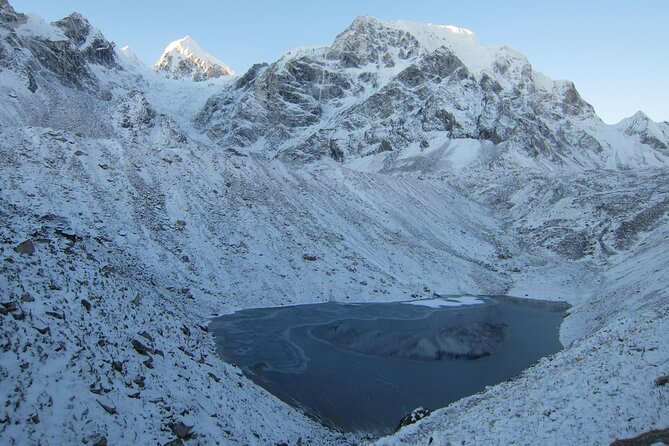
- High-impact scenery, step by step, from river valleys and Buddhist-influenced villages to Larkya La at 3,850 m
- Optional Tibetan border side trip from Samdo (about 8 hours with packed lunch, if conditions allow)
- A pass day built around timing, including an early sunrise start and the note about wind after midday
- Local company service that people describe as attentive, family-run, and focused on feeling safe on the trail
Why Manaslu feels different: remoteness, permits, and a quieter trail
Manaslu Circuit trekking is “dramatic and beautiful” in the way that matters on a long walk, not just from a postcard. The route goes through Himalayan peaks, remote valleys, and traditional settlements, but what you feel most is the distance from the easy tourist circuit. Fewer people means more quiet in the guesthouses and more time noticing small details like how villages are laid out and how trails thread between ridges.
There’s also the practical side of remoteness: this region is restricted. You can’t just show up with a map and wing it. You need to trek through a registered Nepali trekking company and follow rules that include having at least two trekkers in the group, not counting the guide and porter. For you, that translates into a smoother experience because the operator is dealing with the permit reality and the paperwork constraints.
That restriction also shapes your mindset. You are not chasing crowd highlights. You are earning the route through daily effort, and the mountains feel closer because you are not surrounded by the same noise every day.
More Treks in Kathmandu
- Everest Base Camp Trek – 14 Days
★ 5.0 · 1,499 reviews - Everest Base Camp Trek
★ 5.0 · 842 reviews - Everest Base Camp Trekking
★ 5.0 · 485 reviews
Price and what you actually get for your money
This trek is priced at $1,600 per person for an around 14-day journey. On paper, that sounds like a lot until you list what is included here.
You’re covered for:
- airport pickup and drop
- 3 nights in Kathmandu at a tourist-standard hotel
- ground transportation (including the bigger travel days)
- necessary permits, including the special permit listed as 100 USD
- entrance fees
- a professional guide and porter or porters, including their expenses, insurance, and equipment
- guesthouse accommodation on the trek
- three meals a day on trek days (breakfast, lunch, dinner as mentioned)
What is not included is also clear: beverages, tips, your insurance, and personal or nature expenses, plus food in Kathmandu beyond the daily breakfast. For most trekkers, this is the right kind of clarity. You can budget honestly.
If you are wondering whether the price is “fair,” here’s the easiest way to judge it: ask yourself how much you would pay to handle restricted-area permits, guide and porter staffing, and the logistics of getting between trailheads and back to Kathmandu. If you want someone to carry that weight, this cost looks more reasonable.
Kathmandu setup: Thamel basecamp and Durbar Square day
Your trip starts with a Kathmandu landing plan that is built for stress-free arrival. A representative meets you at the airport based on your flight time, and you get taken into Thamel for your hotel check-in. Thamel is helpful because it is a practical staging area. You can buy last-minute items, get organized, and rest without losing the city’s energy.
Day 2 is time in the Kathmandu Valley, with Kathmandu Durbar Square included. This is a good pairing with a trek trip because it gives you a history hit and an orientation day. You learn your bearings, then you switch gears to hiking.
Before you head out on the road toward the trail, you also get gear guidance. The team reviews what you need and suggests what to buy, rent, or get from their side if available. That matters because trekking kit decisions are where people waste money or forget something important.
Road to the start: Machha Khola and the “local ride” reality
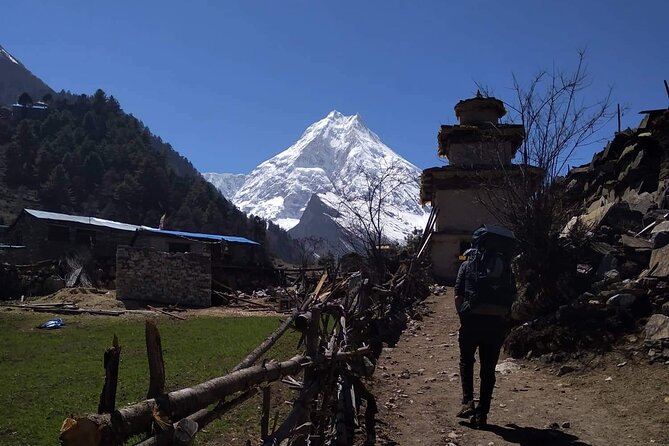
On day 3, you drive from Kathmandu to Machha Khola. The important thing to know is that the road can be long and bumpy. You get that “brace yourself” warning for a reason: Nepal road travel is part of the experience, and it can be tiring before you even start walking.
Once you arrive, the payoff is that you start the trek feeling like you have earned your first big mountain views. Even the early trail is not flat tourism. You are heading into river-valley terrain where the scenery starts doing the work that later peaks will do.
More Manaslu Circuit departures:
- Manaslu Circuit Trek
★ 5.0 · 292 reviews - Manaslu Circuit Trek:
★ 5.0 · 106 reviews - Manaslu Circuit Trek (15 Days)
★ 5.0 · 50 reviews - Manaslu Circuit Trek
★ 5.0 · 35 reviews
First trekking day rhythm: river valley, Khorla Besi, and Tatopani area
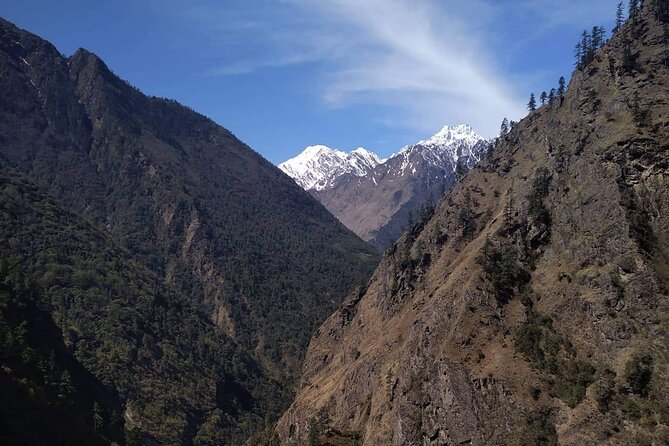
Day 4 shifts from road fatigue into trail motion. You cross a river, then ascend to Khorla Besi, and the trek begins following a beautiful river valley. Expect waterfall scenery and signs of landslides along the way. That’s not a scare tactic. It is just what living geography looks like in the Himalaya.
You then reach Tatopani village, known for its natural hot springs. For many trekkers, this is a handy place to ease sore legs because warm water can do wonders after a few hours on the trail.
Day 5 adds another shift: you trek down to Sirdibas at about 1,430 m, then you move onward to Salleri around 1,440 m. This day is also one of the first where Buddhist culture becomes visible in the landscape. It’s a useful reminder that Manaslu isn’t only about altitude. It is also about people, faith, and everyday life.
Sringi Himal views and the long day energy down into the valleys
Around Salleri, you get wonderful views of Sringi Himal (7,187 m). That’s a major horizon moment early enough to keep morale high, because you’re still building hiking legs.
Day 6 takes you down toward the SringiKhola Valley, then you cross a river and walk through forests until you reach Ghap. You’ll feel the ascent and also the cooler nights and changing views. This is the type of day where layers matter. The temperature swings can sneak up on you if you only pack for “daytime weather.”
Namrung, Samagaun, and the Tibetan-influenced stretch
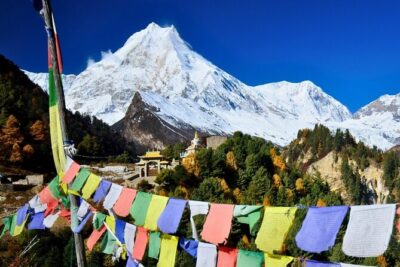
Day 7 is where the trek leans into cultural texture more strongly. You move toward Samagaun, where Tibetan culture has a strong influence. The trail offers big views of Manaslu (8,163 m), Manaslu North (7,157 m), and Naike Peak (5,515 m).
This is a great section for photo time, but don’t rush it. The best moments here come when you look up between switchbacks and then glance down at how the trail weaves through settlements. That is what makes Manaslu Circuit feel human.
Samdo: flatter walking, juniper and birch, and an optional border day
Day 8 is described as mostly easy because it’s largely flat through juniper and birch forests, via KermoKharka, before you hike down to cross a river. You then reach the merging of the Budhi Gandaki and Shyale Khola area. This is a nice transition day. It lets you recover a bit without losing altitude progress.
Day 9 gives you a choice. You can either take an 8-hour side trip to the Tibetan border with packed lunch and plenty of drinking water, or you can simply walk around Samdo and observe daily life. If you like learning by watching, Samdo is the type of place where quiet observation beats ticking boxes.
Also, note the practical side. Since this is an option day, you’ll want to decide early based on how you feel physically. High altitude travel is not the time to prove toughness.
Larkya La pass day: sunrise timing, wind, and the final push
Day 10 is the start of pass-focused energy. You descend to around 3,850 m to cross the Budhi Gandaki, then you ascend through juniper and tundra. You’ll hike in and out of ravines before reaching Larkya Guest House, the final stop before Larkya La.
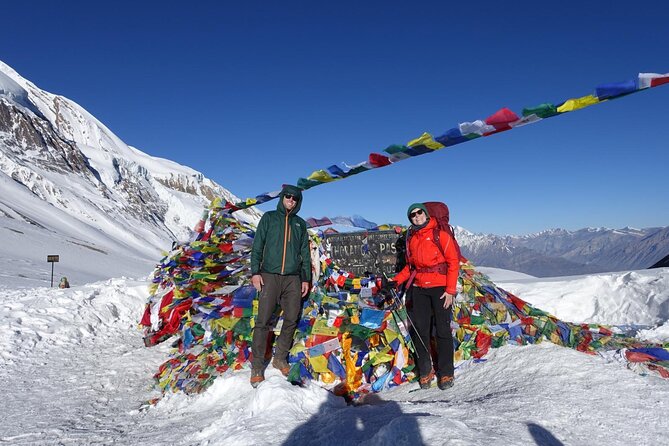
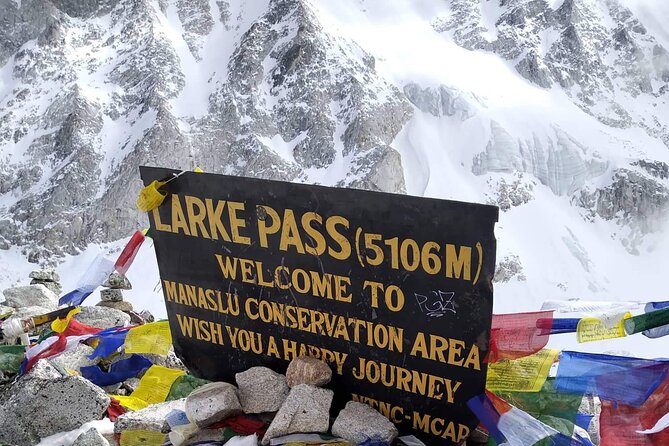
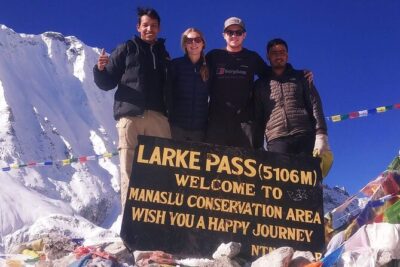
Day 11 is the pass day in a very specific way: you leave early to catch the sunrise over the pass and to avoid strong wind after midday. They also advise keeping your torch close by when you start the steep section over several ridges. That detail is not small. Early starts in cold, dim conditions can be rough if you expect daylight to show up on schedule.
Once you work over Larkya La, the sense of accomplishment is immediate. You’re not just summiting a viewpoint. You’re crossing a high-altitude hinge point that changes your whole remaining hiking direction.
Descending toward Dharapani: joining a more popular route
After the pass, your body will want a “settle” day. Day 12 does that in a satisfying way. You trek from Bimtang through forests and pastures of the Dudh Khola Valley to Dharapani, where you join the more popular Annapurna Circuit route.
Why this matters for you: after weeks of a quieter Manaslu rhythm, joining a busier trail system can mean more guesthouse options and easier navigation. It does not make the trek easy, but it makes your daily logistics simpler.
Day 13 continues the descent to Jagat. You descend near the Marsyangdi Nadi gorge area. There is even a mention that, depending on road conditions, you can charter a Jeep to adjust how you handle the travel element. That flexibility can be a comfort if you are tired after pass day.
The return: shared Jeep, bus to Kathmandu, and a calmer finish
Day 14 is the travel-out day. For the first half, you travel to Besisahar in a shared Jeep, then you take a bus from Besisahar back to Kathmandu. That’s the rhythm that helps keep the end of the trek realistic. You get views around Besisahar, then you return to the city life without turning your last day into another grind.
This kind of finish is also psychologically smart. You get to stop hiking in time to enjoy a proper meal and a shower in Kathmandu, rather than dragging your legs straight into more long-distance travel.
The guide and porter team: names you should remember
One reason this trek gets consistently strong feedback is the people behind it. From the reviews you can connect the dots: guides and porters are not only doing the job, they are making you feel safe and cared for.
I saw these names come up again and again:
- Roshan as a guide, with trekkers describing him as kind and aware of needs
- Sudip as a porter, praised for being helpful and part of a smooth experience
- Dil and the broader team, noted for genuine information and practical tips
- Samir, mentioned in connection with being attentive from the start and making planning easy
When a trek includes a guide plus porters with insurance and equipment covered, it usually means you can focus on walking, acclimating, and staying mentally steady. That is the value. It’s not just “someone holds your schedule.” It’s someone helping you make better decisions when your body is tired.
Training, packing, and the altitude reality you should plan for
The strongest instruction in the provided details is simple: you should have strong physical fitness. That’s not marketing language. Manaslu Circuit includes long walking days and a high pass. Even if you handle altitude well, fatigue can still hit.
Here’s what I’d plan around, based on how the trek is described:
- colder nights as you go higher, especially after forest segments start changing
- early mornings for the Larkya La sunrise push, including the steep ridges section
- longer travel days like the Kathmandu to Machha Khola drive, which can feel exhausting before hiking
If you’re building fitness, focus on hiking strength, not just cardio. Trek days are about steady effort, and your legs need endurance for repeated climbs and descents.
Also plan for cold and wind on pass day. The trek specifically warns about strong wind after midday, which is a hint you should take clothing and layering seriously.
Seasons that tend to work well, based on real trip timing
The data you have includes clear examples of good conditions:
- November trekking is described as having perfect weather
- March trekking is described as stunning, with strong Himalaya views
- August is mentioned as possible, and someone reported it was perfect after they were unsure
Weather in the Himalaya is never guaranteed, but this does give you useful direction. If you want the odds of clear views and manageable conditions, plan around the seasons where people report strong results. Then keep a flexible mindset because high mountain weather can change fast.
Should you book this Manaslu Circuit trek?
Book it if you want:
- a quieter, more remote Manaslu experience where the trail feels less crowded
- a trek that handles restricted-area rules with permits and a registered-company approach
- guide and porter support you can trust, with people like Roshan and Sudip highlighted for safety and care
- a solid structure that includes Kathmandu setup, guesthouse stays, and meals so you can focus on the mountains
Skip it, or at least think hard, if:
- you are not ready for a demanding high-altitude hike and a pass day with early timing
- you prefer fully independent trekking and don’t want the guided, permit-driven framework
If you decide to go, my best advice is to train for the grind before you arrive, and treat the pass day like the main event. Everything else builds toward that sunrise and crossing, and when you arrive there feeling prepared, Manaslu pays you back fast.
FAQ
What permits are included for the restricted Manaslu region?
The trip includes necessary permits, and it specifically notes a special permit listed as 100 USD as part of what’s covered.
Is airport pickup and drop included?
Yes. Airport pickup and drop is included.
How many days is the trek?
The trek is listed as 14 days approximately.
Are meals included during the trek?
Yes. Three meals a day are included as mentioned in the trip plan, with breakfast, lunch, and dinner.
What is not included in the trip price?
Beverages, tips, your insurance, and personal or nature expenses are not included. Also, food in Kathmandu is not included except for the daily breakfast.
Is Kathmandu lodging included before the trek?
Yes. There are 3 nights of accommodation in Kathmandu at a tourist-standard hotel included.
Is this a private trek or shared with others?
It is a private tour or activity, and only your group will participate. The regional rules also require at least two trekkers in the group, not including the guide and porter.
Can I cancel for a full refund?
Yes, with free cancellation. You can cancel up to 24 hours in advance for a full refund. If you cancel less than 24 hours before the start time, you do not get a refund.
Do I need strong fitness for this trek?
Yes. The trip details specifically say travelers should have a strong physical fitness level.
Latest additions near Kathmandu
- White Water River Rafting – 1 Day★ 4.3 · 3 reviews
- Traditional Momo Making Class★ 5.0 · 10 reviews
- Kathmandu to Pokhara Premium sofa bus ticket★ 4.0 · 17 reviews
- Ghorepani Poon Hill Trek★ 5.0 · 16 reviews
- Amazing 1 Day Trekking Experience in Kathmandu Nepal★ 5.0 · 24 reviews
- Ghorepani Poonhill Trek★ 5.0 · 5 reviews
- Walking tour of real Kathmandu through back streets.★ 5.0 · 3 reviews
- Wildlife Adventure in Chitwan Nepal★ 4.0 · 4 reviews
Manaslu Circuit Treks, compared.
Browse the lists this tour appears in