
Reviewed · MANASLU CIRCUIT TREKS
Manaslu Tsum Valley Trekking
Tsum Valley feels like a secret Tibetan pocket. I like how this trek blends Tsum Valley culture with serious mountain drama, from prayer wheels to stone monasteries. I also like the practical safety approach, including regular altitude checks. The main consideration is cold, wind, and long walking days, especially around Larkya La, where you need to be properly prepared.
This is one of those Nepal trips where logistics actually matter. You’ll start with Kathmandu orientation, then move into quieter river valleys and pine forests, and you finish still thinking about the faces, prayers, and ridgelines you saw along the way. I keep noticing the same names coming up in past experiences, including guides like Binod, Aitey Tamang, Sushil, Sudip, and Anis, plus operators such as Dipak who help keep things running smoothly.
In This Review
- Quick hits you’ll care about
- Why Manaslu and Tsum feels different from typical Nepal treks
- Price and Logistics: what $1,899 really covers
- Kathmandu warm-up: temples, orientation, and a folk dinner
- First walking days: from river valleys into Tatopani and Tsum gateway villages
- The core of Tsum Valley: gompas, prayer wheels, and village life
- Joining the Manaslu trail: Bihi Phedi, Namrung apple country, and Sherpa towns
- The Larkya La day: early start, ice-lake views, and Bhimthan’s photo payoff
- Guides, porters, and the safety details you should actually care about
- Who should book this trek, and who should rethink it
- Should you book Manaslu Tsum Valley Trekking?
- FAQ
- What permits are included for the Manaslu and Tsum Valley area?
- Are airport transfers included?
- How does the trip handle altitude safety?
- What meals are included during the trekking portion?
- Do they provide trekking gear like sleeping bags or jackets?
- Can I cancel and get a full refund?
Quick hits you’ll care about
- Tsum Valley is the star, with stops like Chhokangparo (biggest Tsum village) and gompas you actually visit, including Rachen Gompa for nuns.
- Mu Gompa is different, since it is male-monks only but trekkers can sleep inside the monastery complex.
- Hot springs at Tatopani are a real perk after early hiking, and the trek route naturally builds up your legs for the longer days.
- Larkya La is the milestone, with a pre-dawn start from Dharmashala and big views down to Bhimthan.
- Altitude monitoring is built in, with an oxymeter used twice daily during the trek.
- Permits are handled, including ACAP, MCAP, and a special permit for the Manaslu and Tsum area.
Why Manaslu and Tsum feels different from typical Nepal treks
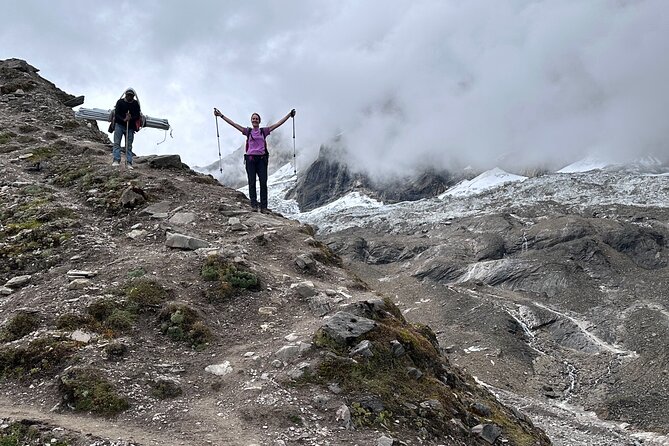
Most Nepal treks give you scenery. This one gives you something more human. Tsum Valley is Tibetan-influenced in language and daily life, so the monasteries, prayer wheels, and village routines feel like a parallel world inside Nepal.
You also get variety without switching regions too often. One stretch is pine forest, then you climb into a drier, sharper high-valley feel, then you move toward Larkya La where weather can change fast. If you like travel that is part hiking, part slow observing, this rhythm works.
More Manaslu Circuit departures:
- Manaslu Circuit Trek
★ 5.0 · 292 reviews - Manaslu Circuit Trek:
★ 5.0 · 106 reviews - Manaslu Circuit Trek (15 Days)
★ 5.0 · 50 reviews
Price and Logistics: what $1,899 really covers
At $1,899 per person for about 25 days, the value is not just the walking. You’re also paying for permits, guide time, and real support in the mountains.
Here’s what’s included that can save you money or hassle:
- Airport pickup and drop-off by private vehicle
- Permits, including ACAP, MCAP, and special Manaslu and Tsum area permit handling
- Mountain trekking accommodation in twin or double sharing during the trek
- A licensed English-speaking guide, plus two guests per one porter (02 guest=01 porter)
- Trekking gear support, including a sleeping bag, down jacket, T-shirt, cap, and trekking route maps (all provided by Trekking Planner’s kit)
- Altitude safety monitoring, using an oxymeter twice daily
- Emergency evacuation service arrangement (with the note that it requires insurance and gets paid by your travel insurance)
What is not included matters too:
- Your Nepal visa, and your international flights
- Travel and health insurance, including insurance for helicopter evacuation
- Meals and lodging in Kathmandu (unless covered by the trek days included), plus any extra city meals if your timing changes
- Personal expenses, tips, and extra charges from delays or weather
My take: this price feels fair if you want a guided, permit-covered trek with gear provided. It becomes a better deal if you’d otherwise pay for guide services, permit fees, and equipment rentals separately.
Kathmandu warm-up: temples, orientation, and a folk dinner
Before the mountains, you get a buffer day that helps the trek feel less stressful. After landing in Kathmandu, you’ll be picked up and transferred to a hotel, then you’ll meet the rest of your group for a briefing.
The welcome dinner is not just food. It comes with a Folk Culture program, which is a nice way to set the cultural tone before you spend days in villages where monasteries and rituals shape daily life. If you’re the type who likes travel context, this matters.
On the next day, you tour around Kathmandu’s major Buddhist sites: Swayambhunath (Monkey Temple) and Boudhanath. The practical benefit is that you start recognizing the visual language of Buddhism you’ll see again in the hills, from stupas to prayer wheels.
First walking days: from river valleys into Tatopani and Tsum gateway villages
Your trek starts after the long drive out of Kathmandu toward the mid-west route, with time passing farm villages and rivers like the Trishuli and Budi Gandaki. Lunch is served along the way when it’s feasible, and you’ll also stop for viewpoints like the waterfall named Nauli Jharana.
Once you begin trekking, the early days do two jobs at once. They get you into trekking rhythm, and they let you feel the change from road life into river-side hiking.
- Day 4 to Dobhan via Tatopani: Maccha Khola to Dobhan. You pass waterfalls along a trail that is described as in good condition and not steep. The hot springs at Tatopani are a real mental reward after a day of walking, and the trek style here includes eco-minded behavior.
- Day 5 to Philim: You cross toward Lauri, then a suspension bridge, descend into open valley terrain (Yara Khola), and reach Jagat, where permits and checks happen at an MCAP checkpost. This is your first clear reminder that this trek is regulated for a reason.
- Day 6 to Lokpa: Philim to Lokpa is your first real taste of Tsum Valley itself. Lokpa is the first village of Tsum Valley, with only a few settlements that mainly serve visitors. Even if it feels tourist-oriented, it’s still a useful transition point.
This is a good section for anyone who wants their legs built gradually. If you hate sudden altitude jumps, this opening pacing is comforting.
More Treks in Nepal:
- Everest Base Camp Trek – 14 Days
★ 5.0 · 1,499 reviews - Everest Base Camp Trek
★ 5.0 · 842 reviews - Everest Base Camp Trekking
★ 5.0 · 485 reviews - Nagarkot Sunrise View and Day Hiking from Kathmandu
★ 5.0 · 471 reviews
The core of Tsum Valley: gompas, prayer wheels, and village life
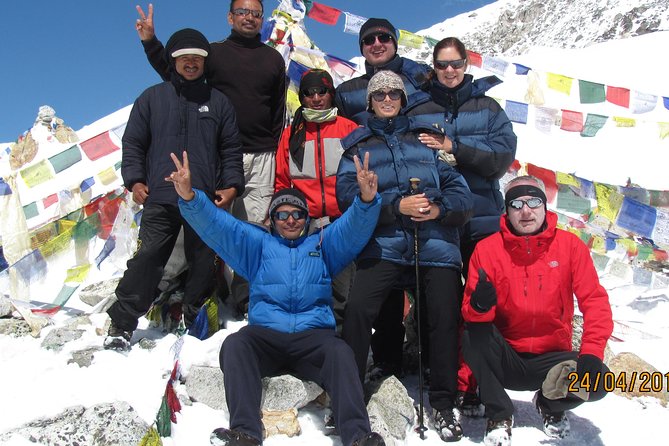
This is the part you will remember when the trek ends.
Tsum Valley trekking is built around villages and sacred stops, not just big ridgelines. The itinerary visits gompas and religious sites in ways that connect with local living culture.
Here’s how the route unfolds:
- Lokpa to Chumling (Day 7): You trek through dense pine forest and cross multiple bridges, including areas described for rockfall and gorge scenery. You can spot rhododendron in spring, which is a subtle but lovely touch since it changes the forest look.
- Chumling to Chhokangparo (Day 8): This day leans into what makes Tsum special. You pass a water-powered prayer wheel, then continue above Syar Khola through pine-rich terrain to reach Domje and continue uphill. Chhokangparo is the biggest village in Tsum, and it is known for Lama culture. From here, you can see peaks like Buddha Himal and Siringi Himal.
- Chhokangparo to Nele via Rachen Gompa (Day 9): Rachen Gompa stands out because it is the biggest gompa in Tsum for women, where worship and teaching happen with nuns present. The route also connects toward Milarepa cave, marked by iron prayer flags and a Sarpu stupa. Then you head to Nele, known for its potatoes, which is the kind of practical local detail that makes these stops feel real.
Then you get an unusual experience:
- Nele to Mu Gompa (Day 10): The trek climbs through arid terrain and builds big peak views. Mu Gompa is for male monks only, but trekkers can sleep inside the monastery. If you like respectful travel and you’re curious about how spiritual spaces work up close, this is one of those moments that feels more like cultural contact than sightseeing.
- Return toward Chhokangparo (Day 11): You head back with another monastery visit at Rachen Gompa and spend time in the area again with the mountains framing everything.
One practical note: days here can run long, and the terrain is not always forgiving. You’ll do best if you keep a steady pace and don’t treat every climb like a sprint.
Joining the Manaslu trail: Bihi Phedi, Namrung apple country, and Sherpa towns
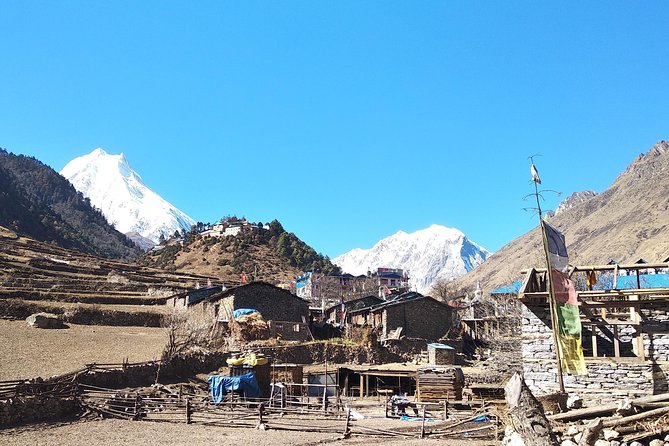
After the main Tsum section, the trek shifts back into the Manaslu circuit world. The vibe changes from the tight Tsum village cluster feel into a more classic mix of Gurung and Sherpa settlements plus high-valley walking.
- Back toward Lokpa (Day 12): This reconnects you with the Budigandaki River trail. Expect lush green forest segments and lots of photo opportunities, which helps after the more spiritual, slower Tsum pacing.
- Lokpa to Bihi Phedi (Day 13): This is where the trail description turns dramatic. Some sections are carved into cliff walls, and the walking can feel more exposed. You’ll reach Deng, then notice a shift toward Tibetan-like architecture. Bihi Phedi is described as sharing Tibetan origin culture, including a social detail about many unmarried women because many men go abroad for work.
- Bihi Phedi to Namrung (Day 14): You move into apple country. Namrung has tea house options and local apple products, including apple wine and apple pie type treats at dinner time. The route includes rocky segments and villages, including Gurung and Sherpa areas, with barley and potato fields.
Then the Sherpa-influenced high settlements arrive:
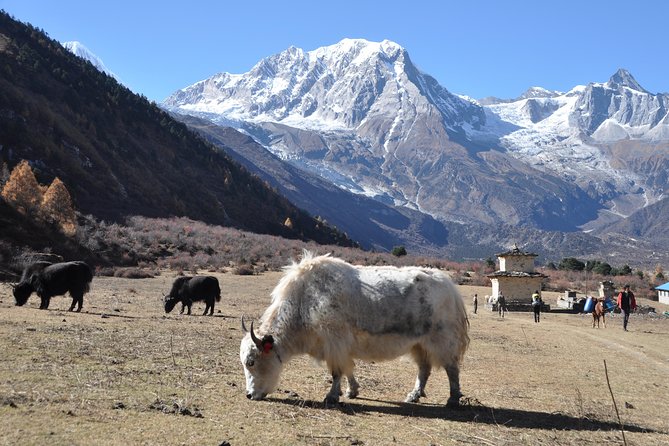
- Namrung to Samagaun (Day 15): You pass Lee, Sho, and reach Lho. This is another day where villages are the point, not just the distance. You’ll see local Sherpa livelihoods tied to firewood and yak dung collection for winter prep, and you visit Lho’s monastery.
- Samagaun toward Samdo (Day 16 to Day 18): You do a short climb to Samdo for acclimatization. The walk slows because altitude and dry air make each step feel heavier. Once in Samdo, you get a full acclimatization day, where the itinerary describes a permanent remote village with harsh conditions and a small population.
If you’re someone who gets anxious about altitude, these acclimatization choices are one of the best reasons to trust an organized trek. You are given time to adjust, not just pushed toward the pass.
The Larkya La day: early start, ice-lake views, and Bhimthan’s photo payoff
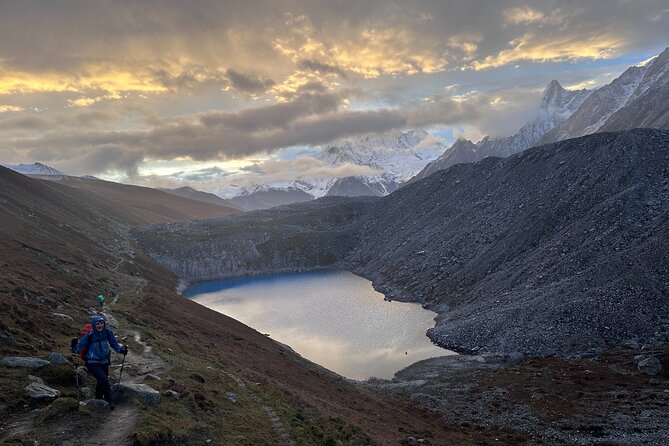
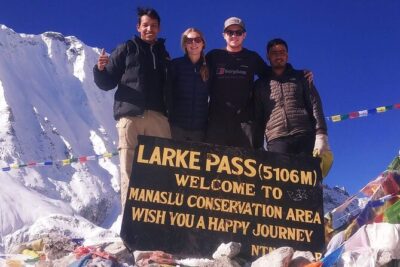
This is the day with the big headline. Larkya La is the pass, described as an ice lake formed from Larke Peak.
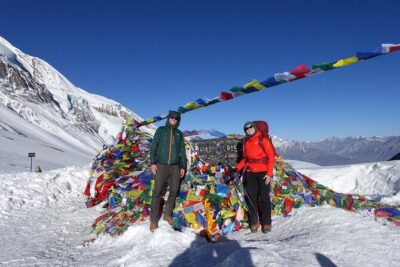
You start early, around 4:00 am, from Dharmashala. The push takes about 5 hours and includes snow trails that are steep and windy. This is not a day to rely on luck. You’ll want your warm layers, gloves, and a realistic mindset about cold hands and slower footing.
From the viewpoint at the top, you can see Larke peak and Punker Mountain. Then you descend:
- To Bhimthan (Day 20): the itinerary mentions about 2 hours descending to phedi, then another 2 hours onward to Bhimthan. Bhimthan is also highlighted for visibility toward Manang region mountains, and you can spot the Annapurna South range from there.
Finally, the trek begins its warmer re-entry:
- Day 21 to Tal: you move toward Dharapani, then follow the Marsyangdi River downstream into Tal.
- Day 22 to Tal and Day 23 toward Baundanda: you hike through junction points like Kharte and then down into Chamje and Jagat, with waterfalls and paddy fields described later in the descent.
- Day 24 to Bhulhule, then back to Kathmandu: the trek ends with a descent through settlements like Ngadi, then a drive back via Besisar and the Kathmandu-Pokhara highway. You follow the Trisuli River for part of the return before you climb back toward Kathmandu valley rim.
This finish is the opposite of the pass day. It’s longer, slower, and less dramatic on paper, but it’s when you realize you’ve been living in a mountain rhythm for weeks.
Guides, porters, and the safety details you should actually care about
A trek can be beautiful and still fail if the human side breaks. That’s why the support details here matter.
You get:
- One guide who is described as a government licensed professional and English-speaking
- Porter support with a 2:1 guest-to-porter ratio
- Oxymeter checks twice daily, tracking pulse and oxygen saturation to watch for altitude sickness signs
- An emergency evacuation service arrangement, with the note that your insurance needs to cover it
In past experiences I looked at, people repeatedly singled out guides by name: Binod and Sushil show up with praise for professionalism and attentiveness, Aitey Tamang gets credit for positive energy, Sudip and Anis are noted for help and smooth organization, and Dipak appears as a responsive coordinator. One porter name that comes up is Suman, and another is Gotem, along with mention of Kisan as support crew.
That gives you a practical expectation: this company seems to invest in consistent, human support, not just scheduling.
Who should book this trek, and who should rethink it
This trek suits you if:
- you have moderate physical fitness and you can handle hiking around 4 to 8 hours on most days
- you want a trek that blends culture visits with real mountain walking
- you like village-based travel, monasteries, and quiet observing, not only summit chasing
You might rethink it if:
- you dread cold, wind, and early mornings
- you struggle with heights and need extra stability for pacing and acclimatization
- you are looking for a short, easy trip, this is not that
One more note: the trek is described as operating in all weather conditions, so packing for rain and cold is not optional. Also, the minimum age listed is 15, and children must be accompanied by an adult.
Should you book Manaslu Tsum Valley Trekking?
I’d book it if your dream is to combine Tsum Valley’s Tibetan-influenced villages with the real milestone of Larkya La, and you want the organizer to handle permits, guide staffing, and altitude monitoring.
Before you commit, do two quick reality checks:
- Are you prepared for a cold, windy pass day and long hiking stretches afterward?
- Are you comfortable with an organized, permit-heavy trek where you also rely on gear provided by the operator, plus your own travel insurance?
If yes, this trek is one of the strongest ways to experience a quieter, cultural side of the Himalaya, with the kind of support that helps you focus on walking and noticing instead of worrying about logistics.
FAQ
What permits are included for the Manaslu and Tsum Valley area?
The trek includes ACAP Permit, MCAP Permit, and a Special permit for the Manaslu and Tsum Valley area.
Are airport transfers included?
Yes. You get airport pickup and drop-off by private vehicle. You also use public transport for the Kathmandu to Arughat segment and for Bhulbule to Kathmandu.
How does the trip handle altitude safety?
An oxymeter is included, and your pulse and oxygen saturation are checked twice daily during the trek. Emergency evacuation service is also arranged, with the note that you must have insurance for it.
What meals are included during the trekking portion?
Meals are included during the trek: lunch (21), breakfast (23), and dinner (22), as listed in the included details.
Do they provide trekking gear like sleeping bags or jackets?
Yes. Trekking Planner’s kit includes a sleeping bag, down jackets, T-shirt, cap, duffle bags, and trekking route maps.
Can I cancel and get a full refund?
Free cancellation is available if you cancel at least 24 hours in advance of the experience start time. If you cancel less than 24 hours before, the amount paid is not refunded.
Latest additions near Nepal
- Jeep safari (4-5 hrs. Sharing) inside Chitwan National Park.★ 4.5 · 8 reviews
- Pokhara: Pokhara Highlights Tour by Bus★ 3.6 · 10 reviews
- White Water River Rafting – 1 Day★ 4.3 · 3 reviews
- Traditional Momo Making Class★ 5.0 · 10 reviews
- Jungle Towernight Stay: 4-Day Tour in Chitwan National Park★ 5.0 · 4 reviews
- Private Jeep Safari (8-10 hrs.)inside Chitwan National Park.★ 5.0 · 3 reviews
- Mission Tiger, 4 days tour inside Chitwan National Park.★ 5.0 · 4 reviews
- Discover Pokhara in Style: Private Vehicle Service with Driver★ 5.0 · 5 reviews
Manaslu Circuit Treks, compared.
Manaslu Circuit Trek 8th Highest in the World
Read our review →Browse the lists this tour appears in