
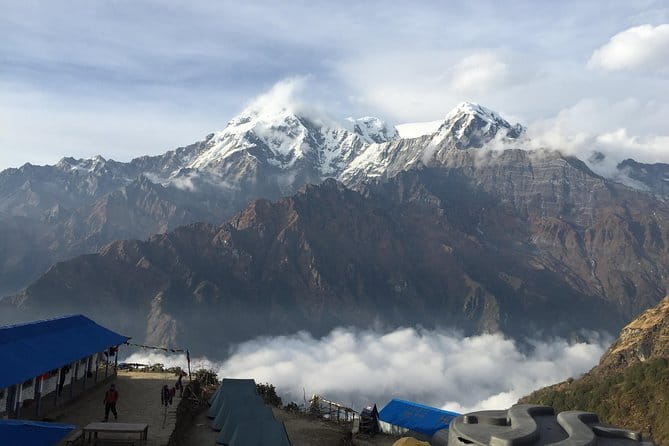
Reviewed · MARDI HIMAL TREKS
Mardi Himal
Mardi Himal steals the show in Nepal. This trek is built for big payoffs in a short week, climbing from traditional villages and forest trails up to views of Mardi Himal and Machapuchhare. You also get sudden changes in scenery, from green valley walking to rugged high-mountain country that feels very different by the next day.
I especially like two things: the trek’s view-heavy route and the way the team keeps the logistics simple. You start with a private pickup from your Kathmandu hotel, then ride to Pokhara, and later the walk includes a stop at Dhampus where the trekking check post is handled. And once you’re on foot, you settle into tea houses at Forest Camp, Low Camp, High Camp, and along the return, which makes the days feel doable.
The main drawback to consider is the altitude and the steady hiking time. You go up toward around 4500m, and the schedule includes several 5 to 6 hour trekking days, so this is not a couch-to-summit kind of outing.
In This Review
- Key Highlights You’ll Feel on the Trail
- Why Mardi Himal Feels Different From Other Annapurna Area Treks
- Kathmandu to Pokhara Transfer: The Day You Travel, Not Trek
- Dhampus and Deurali: Where Village Life Meets Permit Checks
- Forest Camp and Low Camp: The Trail Gets Steep in the Middle
- Badal Danda to High Camp: Panoramas and a Classic Sunset Moment
- Upper View Point and Mardi Himal Base Camp (4500m): Sunrise Choices
- Down to Kalimati and the Ride Home: Forest Shade and Easy Recovery
- Day 7 Return to Kathmandu: The Long Drive Ends the Trek
- Guides: Dawa, Wangdu, and Karsang Style of Trekking
- Price and Logistics: What Your $693.34 Actually Buys
- How Fit Do You Need to Be for Mardi Himal
- Seasons and Weather: When Mardi Himal Likely Treats You Best
- Who Should Book This Trek, and Who Might Want Another Option
- Should You Book Mardi Himal With Himalayan Wander Walkers?
- FAQ
- Where does the Mardi Himal trek start and end?
- What is the duration of the trek?
- What is the price per person?
- Is pickup included?
- Is this a private tour?
- What parts of the trip are included in the cost?
- How fit do I need to be?
- What time does the experience start?
- Can I cancel for a full refund?
Key Highlights You’ll Feel on the Trail
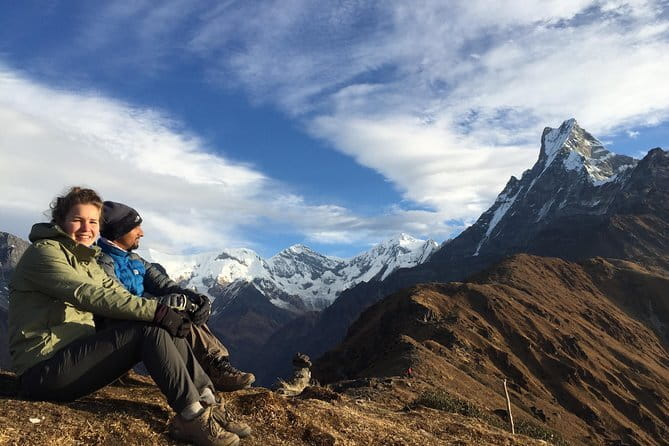
- A shorter trek that still delivers high-mountain drama: You push up to Mardi Himal Base Camp around 4500m, with major Annapurna area views along the way.
- Early mornings for sunrise views: The route includes an Upper View Point stop timed for sunrise and mountain views.
- Tea house comfort at multiple altitudes: Overnight stays are planned at places like Forest Camp, Low Camp, and High Camp.
- Guides who prioritize planning and safety: Himalayan Wander Walkers guides including Dawa, Wangdu, and Karsang are repeatedly praised for their care and know-how on treks.
- Private, group-only trekking: This is set up as a private tour, so you are trekking with your own group rather than mixing with strangers.
- Village culture before the high country: Days start with walking through Dhampus, Pothana, and other village areas before the terrain hardens.
Why Mardi Himal Feels Different From Other Annapurna Area Treks
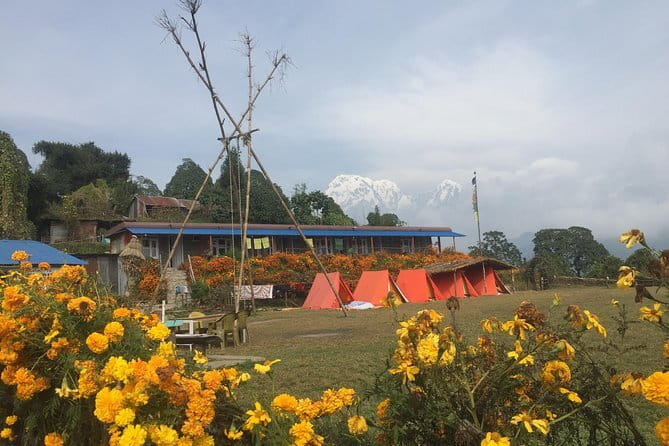
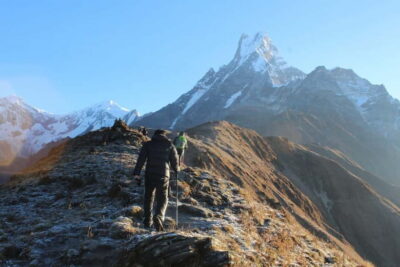
Mardi Himal is the kind of trek where the mountain pays you back quickly. In just a few days, you shift from village paths and forest sections to ridge walking with big views over the Annapurna region. The overview calls it an alternative to the Annapurna Base Camp style of trip, and that is the vibe here: you still get that close-to-the-Himalaya feeling, but in a tighter time frame.
What I like most is that the route keeps changing abruptly. One day you are moving through jungle-like trail sections and forest camps, and the next you are aiming for ridge viewpoints and sunset from High Camp. That fast scene swap makes it feel less repetitive than some treks where the scenery only gradually changes.
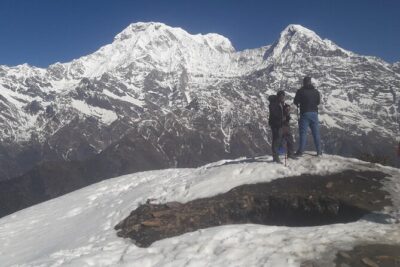
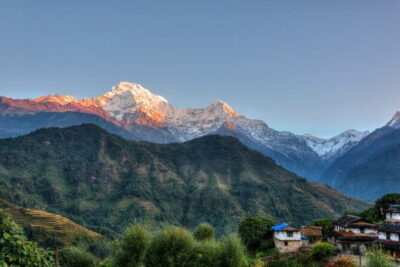
You also get a clear target of views: Mardi Himal, Machapuchhare, Annapurna South, and Hiunchuli show up as you climb. Even without being a mountain expert, you get the sense you are in a special corner of the range.
More Mardi Himal treks:
- Mardi Himal Trek
★ 5.0 · 41 reviews - Mardi Himal Trek Nepal
★ 5.0 · 29 reviews - Mardi Himal Trek – 8 Days | Hidden Gem of the Annapurnas
★ 5.0 · 19 reviews
Kathmandu to Pokhara Transfer: The Day You Travel, Not Trek
Day 1 is all about getting into position. You start from Thamel in Kathmandu and your guide helps you to the tourist bus station before driving to Pokhara, around 7 hours. The tour includes an air-conditioned vehicle, which matters because it takes the sting out of the long road day.
This is also where the private setup helps. Pickup is offered from your hotel in Kathmandu, so you are not left hunting for the bus on your own. It is simple, and in a trek like this, simple beats stressful.
A small detail to note: the meeting point is Thamel, and the start time listed is 12:15 am. That can feel surprising when you first look at it, so confirm the exact pickup timing with the operator before you plan your sleep. If you dislike night departures, this is the piece to pay attention to.
Dhampus and Deurali: Where Village Life Meets Permit Checks
On Day 2, you move from Pokhara into trekking country via Phedi and begin the walk through Dhampus and Pothana toward Deurali. The trail is described as good, and the day starts with a slow uphill before settling into a more steady rhythm.
This is one of the more rewarding start days because it is not just about walking. You stop for lunch at Dhampus village, and this is where the trekking check post for your permit lies. That part matters more than people think. When a guide handles the permit step smoothly, you spend less time worrying about paperwork and more time enjoying the route.
The day ends at Deurali, with an overnight tea house. Even if you are not a big fan of tea house travel, this stage is usually where you get comfortable with the format: layers of walking, a warm meal at the end, and a plan for the next climb.
Forest Camp and Low Camp: The Trail Gets Steep in the Middle
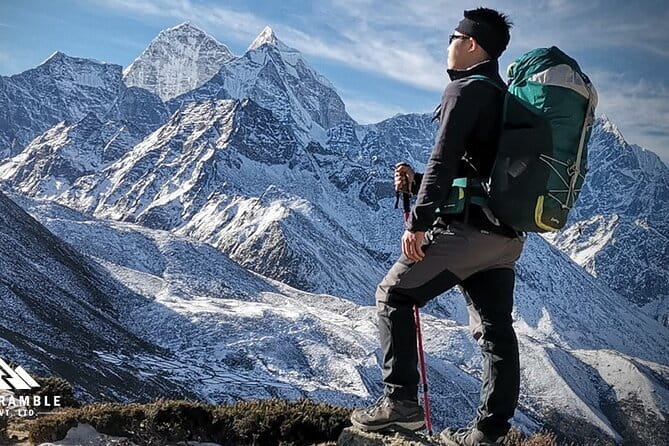
By Day 3 you are deeper into the higher foothills, and you are also walking through more forest-type trail. There’s a right turn at Deurali signposted for Forest Camp, and from there the day plays like a pattern: first uphill, then undulating ridge sections, then a steeper drop before regaining height.
You reach Forest Camp at about 2600m after about 4 hours of trekking. The plan notes there are 6 to 7 lodges there, so it is not a lonely outpost. Lunch happens in the village-like cluster of lodges, then you continue for around 2 more hours to Low Camp for the night.
One practical consideration here: this is the kind of day where your legs feel the terrain shift. Forest trails often mean uneven footing and slower progress. If you are the type who hates “almost there” walking that still takes effort, take it easy with your pace and let the guide set the tempo.
Another way to spend the time in Nepal:
- Everest Base Camp Trek – 14 Days
★ 5.0 · 1,499 reviews - Everest Base Camp Trek
★ 5.0 · 842 reviews - Private Kathmandu Sightseeing Tour | UNESCO World Heritage sites
★ 5.0 · 756 reviews - Kathmandu: 7 UNESCO Sites with Lunch
★ 4.8 · 744 reviews
Badal Danda to High Camp: Panoramas and a Classic Sunset Moment
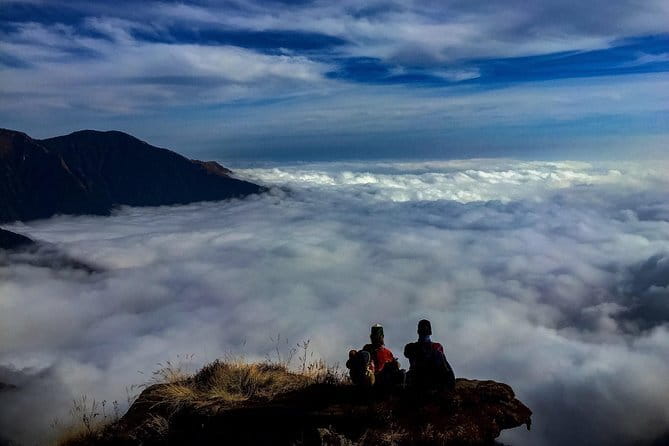
Day 4 is a visual day. You start after breakfast and walk about 1.5 hours to Badal Danda, which is positioned for excellent panoramic views of snow Himalaya. This is not a single photo spot and done. The plan suggests you hike gently so you can enjoy views from each ridge, which makes the day feel like gradual sightseeing on foot.
Then you head to High Camp for lunch. In the evening, you experience a sunset view from there. That timing is a big part of why this trek is popular for people who like that “golden hour” payoff after a serious day of walking.
Sunset at High Camp also gives you a little psychological win. You are higher, the air feels different, and knowing the best part of the day is coming makes the uphill feel shorter. It is also a reminder that tea house trek comfort is about small routines, warm drinks, and not rushing.
Upper View Point and Mardi Himal Base Camp (4500m): Sunrise Choices
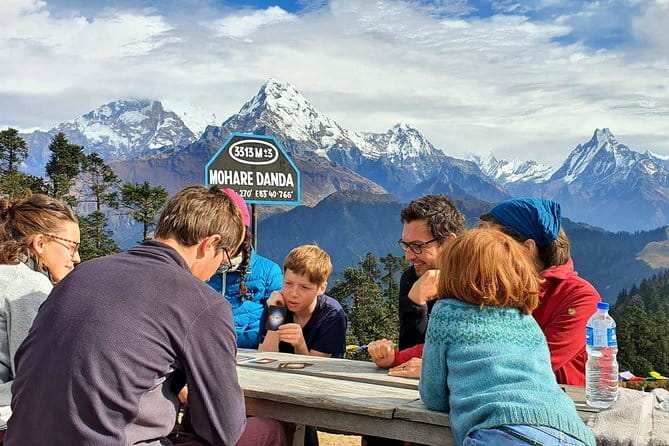
Day 5 is where you decide how far you want to go. The route can continue along the ridge for another 3 to 4 hours to Mardi Himal Base Camp at around 4500m. Many trekkers return after a sunrise and viewpoint stop, and the plan builds in an Upper View Point moment for sunrise and mountain views.
One review-based detail that matches the route style: there is a viewpoint commonly associated with around 4200m, and the views there are described as similar to base camp. Translation: if you want the sunrise payoff without committing to every extra hour, you can plan your turnaround intelligently.
After sunrise and the viewpoint time, you return for breakfast at your tea house and then trek to Rest Camp for about 3 hours. You finish the day back at another tea house.
If you are sensitive to altitude, this is the day to be extra honest about your body. The schedule suggests optional distance, and taking the shorter version can still give you the best mountain moments. The key is you do not push past comfort just to say you went farther.
Down to Kalimati and the Ride Home: Forest Shade and Easy Recovery
Day 6 is a relief after the higher push. You start with a relaxed breakfast, then trek gently through shaded forest via Forest Camp. The route follows a different way down, reaching areas before terraced fields, and then lands you in Kalimati.
Lunch happens at a hotel in Kalimati, with views. After that, you drive to Pokhara, about 2 hours.
This day is worth respecting. Even though it is downhill, it can still wear you out. Your knees take the hit, and your energy can drop if you overdo it early. Pace it like you mean to enjoy the final views, not just survive to the car.
Day 7 Return to Kathmandu: The Long Drive Ends the Trek
Your final morning is a drive from Pokhara back to Kathmandu by tourist bus, covering about 200 km and taking roughly 6 to 7 hours. The planned start is 7:30 am, and this is when the trek ends and you return to the Thamel meeting point area.
Overnight accommodation in Kathmandu is set with a BB plan. The tour ends back at the meeting point, which is helpful if you are continuing your trip without needing to coordinate new transport right away.
Guides: Dawa, Wangdu, and Karsang Style of Trekking
The biggest strength I see here is guide quality and consistency. Dawa, Wangdu, and Karsang are specifically named in accounts connected to Himalayan Wander Walkers, and the themes are the same: planning, helpfulness, and safety focus.
That shows up in practical ways. Permit steps are handled (including that Dhampus check post stop). Ridge and camp decisions are explained ahead of time. And on summit-adjacent days, the guides help you keep moving with less guesswork.
If you are a first-time trekker in Nepal, a capable guide can make the difference between feeling rushed and feeling grounded. If you are experienced, you still benefit because it removes the uncertainty around trail timing and what is worth pushing for.
Price and Logistics: What Your $693.34 Actually Buys
At $693.34 per person, this trek is not the cheapest option. But value in trekking is rarely just “lowest price.” It is about included services and how much hassle you remove.
From what is included, you get:
- Air-conditioned vehicle for the long transfers
- All fees and taxes
- Breakfast (6)
- A private setup where only your group participates
- Pickup offered, and mobile ticket usage
The price also looks more reasonable because the route includes real trekking infrastructure: tea house nights at multiple altitudes, guides, and permit handling. If you tried to DIY the same path, you would quickly spend time and money solving permits, transportation, and daily logistics.
The only price-related caution is that private treks can cost more than group departures. So ask yourself what you value more: quiet pacing with your group, or saving money by joining others.
How Fit Do You Need to Be for Mardi Himal
The tour notes moderate physical fitness is expected, and it also says above average fitness is beneficial. That makes sense given the schedule.
You have multiple days with about 5 to 6 hours of trekking. Day 3 includes a longer segment to Forest Camp and then onward. Day 4 is described as gentle but still requires hiking to High Camp for sunset. Day 5 includes a possible extra ridge push to base camp and then a continued descent to Rest Camp.
Your best strategy is to treat this as steady work, not a race. Bring your walking rhythm and expect altitude to change how you breathe. If you know you struggle on uphill days, train with hills beforehand.
Seasons and Weather: When Mardi Himal Likely Treats You Best
The overview suggests spring (March to May) and autumn (September to November) as preferred seasons. That lines up with Nepal trekking patterns, where you generally want clearer skies and more stable weather.
The trek also requires good weather, because plans can be adjusted if conditions are poor. You will feel that reality on the mountain, especially with sunrise and sunset moments where clouds can steal the show.
Who Should Book This Trek, and Who Might Want Another Option
This tour fits best if you want:
- A high-mountain trek in about a week
- A route that mixes village culture and ridge views
- A guided experience with permit handling and camp planning
- Tea house comfort at planned stops
It may not be your best match if you:
- Hate early travel days, since the start time is listed at 12:15 am
- Want a very easy hike with minimal altitude
- Are looking for a long, multi-week Everest-style grind instead of a fast, scenic trek
Should You Book Mardi Himal With Himalayan Wander Walkers?
If you want a trek that feels focused and rewarding, Mardi Himal is a smart choice. You get classic Annapurna-region views, a route that changes fast, and a schedule that is demanding enough to feel like a mountain trip but short enough to fit a week.
I would book it if you like having sunrise and sunset built into the walking days, and if you value a guide who helps keep the process smooth. If you are unsure about altitude or steep sections, treat the base camp push as optional and plan to enjoy the Upper View Point moments too.
Most importantly, make sure your fitness matches the effort, especially with the 4500m target and the repeated 5 to 6 hour days. Do that, and this trek tends to leave people with a big sense of, wow, Nepal really delivers.
FAQ
Where does the Mardi Himal trek start and end?
The trek starts at the Thamel, Kathmandu 44600, Nepal meeting point and ends back at the same meeting point.
What is the duration of the trek?
The duration is listed as 7 days approximately.
What is the price per person?
The price is $693.34 per person.
Is pickup included?
Pickup from your Kathmandu hotel is offered, and the guide assists you to the tourist bus station.
Is this a private tour?
Yes. It is a private tour, and only your group will participate.
What parts of the trip are included in the cost?
Included items are an air-conditioned vehicle, all fees and taxes, and breakfast for 6 days.
How fit do I need to be?
You should have a moderate physical fitness level, and above average fitness is beneficial for this trek.
What time does the experience start?
The start time is listed as 12:15 am.
Can I cancel for a full refund?
Yes, you can cancel up to 24 hours in advance for a full refund. If you cancel less than 24 hours before the experience starts, the amount paid is not refunded.
Latest additions near Kathmandu
- White Water River Rafting – 1 Day★ 4.3 · 3 reviews
- Traditional Momo Making Class★ 5.0 · 10 reviews
- Kathmandu to Pokhara Premium sofa bus ticket★ 4.0 · 17 reviews
- Ghorepani Poon Hill Trek★ 5.0 · 16 reviews
- Amazing 1 Day Trekking Experience in Kathmandu Nepal★ 5.0 · 24 reviews
- Ghorepani Poonhill Trek★ 5.0 · 5 reviews
- Walking tour of real Kathmandu through back streets.★ 5.0 · 3 reviews
- Wildlife Adventure in Chitwan Nepal★ 4.0 · 4 reviews
Mardi Himal Treks, compared.

Mardi Himal Trek – 8 Days | Hidden Gem of the Annapurnas
Read our review →
Browse the lists this tour appears in