
Reviewed · MARDI HIMAL TREKS
Mardi Himal Trek – 9 Days
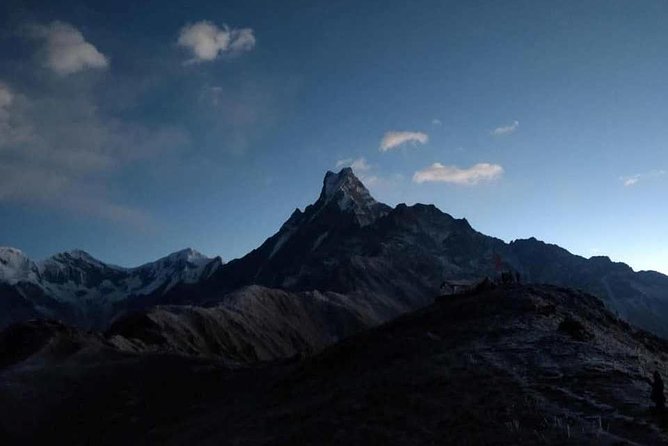
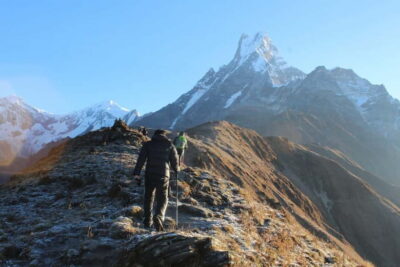
That first cold-morning trek is the real magic.
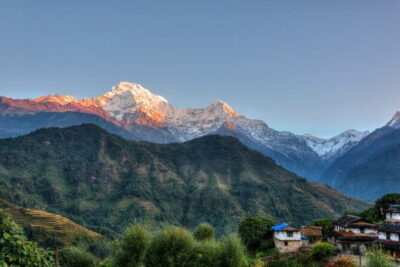
Mardi Himal is a favorite in the Annapurna region because it blends Himalayan scenery with highland village life, and it keeps things varied, forest trails one day and wide-open mountain views the next. I also like the way this trip builds in cultural time, not just hiking, with Kathmandu exploration and later a tea garden morning in the Pokhara area. One consideration: weather can shift your view plans, and the sunrise moments depend on clear skies.
The trekking experience also seems to run with a calm, organized pace. You get an English-speaking guide and strong porters who handle lodge and meal logistics, which makes it easier for you to focus on walking, resting, and enjoying the views instead of managing details. If you want an extra comfort layer, the package includes a warm down jacket and sleeping bag for the trek, plus a waterproof duffel bag and even trekking poles after the trek (returned to the company). A possible drawback is that the trek day can start very early, including a 4am push for the Mardi view point.
Finally, this is not a “light packing” adventure. You’ll be outside in sun and cold, and you should expect limited comfort add-ons like hot showers and cold drinks are not included. You can still have a great time if you pack smart and keep your expectations realistic for tea houses and simple mountain lodging.
In This Review
- Key points to know before you go
- Value Check: What You’re Actually Paying For in This $1,315 Trek
- Kathmandu to Pokhara: How the Trip Reduces Travel Headaches
- Day-by-Day Trek Flow: From Forest Trails to Open-Sky Walking
- Sunrise at Mardi View Point and Badal Danda: The Moment You Should Plan Around
- Lodges, Meals, and Comfort: The Practical Stuff That Makes Trekking Feel Easier
- Gear and Packing: What Helps Most Based on the Plan
- Who This Trek Suits, and Who Should Reconsider
- The Alliance Adventure Experience: What Good Organization Looks Like Here
- Should You Book Mardi Himal With Alliance Adventure?
- FAQ
- What is the total duration of this Mardi Himal Trek?
- Where does the tour start?
- Is the tour private?
- Does the package include domestic flights in Nepal?
- What trekking permits are included?
- What meals and drinks are included on the trek?
- What is not included during the trek?
- What trekking gear is provided?
- What documents do I need to submit for permits?
- Is there a Nepal visa fee included?
- Is this booking refundable?
Key points to know before you go
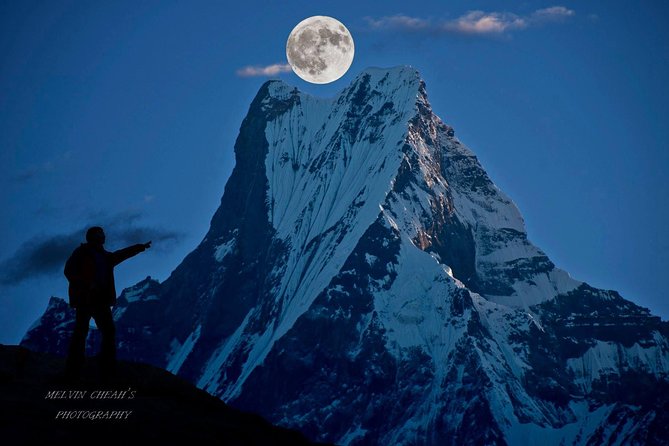
- Sunrise focus at Mardi view point and Badal Danda, with an early-morning schedule that prioritizes clear-sky views
- Full board on trek days, with breakfast, lunch, dinner, tea, coffee, and warm drinks like ginger honey and hot chocolate
- Staff support that feels personal, with English-speaking guides and porters who handle food and lodge flow
- Warm gear provided, including a down jacket and sleeping bag for the trekking period
- A smooth Kathmandu and Pokhara loop, using flights plus private transfers to reduce travel stress
- Village and tea garden time, so your trip includes culture alongside the mountains
Value Check: What You’re Actually Paying For in This $1,315 Trek
At $1,315 per person, this package can feel like good value if you compare it to what trekking in Nepal really costs when you add up the essentials. You’re not just buying a trail, you’re buying planning and carrying.
Here’s what the price covers that matters day to day:
- Kathmandu and Pokhara hotels with breakfast (2 nights in Kathmandu, 1 night in Pokhara)
- All ground transport mentioned in the plan, including private transfers around the Pokhara area
- Flights within Nepal between Kathmandu and Pokhara, round trip
- Trekking permits and TIMS cards, plus taxes where needed
- Guide and porters, including guide insurance and porter insurance
- Meals and hot drinks on trek days, from breakfast through dinner, with tea, coffee, and warm options
- Mountain gear support, with a down jacket and sleeping bag for the trek, plus a waterproof duffel bag and a T-shirt
What you should watch for is what’s not included. Cold drinks, bottled drinking water (mine-water), hot showers, laundry, and bar bills are not part of the plan. Tips for guides and porters also aren’t included. Those add-ons can be small or meaningful depending on your spending style, so it’s worth budgeting ahead.
More Treks in Kathmandu
- Everest Base Camp Trek – 14 Days
★ 5.0 · 1,499 reviews - Everest Base Camp Trek
★ 5.0 · 842 reviews - Everest Base Camp Trekking
★ 5.0 · 485 reviews
Kathmandu to Pokhara: How the Trip Reduces Travel Headaches
Your itinerary starts with a landing in Kathmandu and then uses a low-stress approach to getting you ready for the trek. Day 1 is about an easy cultural reset, and Day 2 is built around the biggest variable in high-altitude travel, weather. If conditions are clear, you get Himalayan-range views and a look at local villages.
One smart thing in the plan is the internal flight connection. You fly Kathmandu to Pokhara and back, which saves you time compared with long road drives. Then the transfer pieces move you to the trekking start area, using private transport for the local legs.
If you’re sensitive to wasted hours in buses, you’ll appreciate this style. It also makes it easier to arrive feeling human enough to start trekking, rather than “travel wiped.”
Day-by-Day Trek Flow: From Forest Trails to Open-Sky Walking
This trek has a clear rhythm: travel and orientation on the front end, then a mix of forest walking and mountain-view walking as you rise.
Day 1 and Day 2, Kathmandu warm-up and weather check
You get time to explore Kathmandu culture on arrival day. Then you shift gears the next day, and if the sky cooperates you’ll see Himalayan range views along with local village life. This is also your chance to get oriented, confirm you have your documents for permits, and make sure you’re stocked with basic comfort items like sun protection and warm layers.
Day 3, Fish Tail area and forest walking
Day 3 takes you into the forest with views linked to the Mount Fish Tail area. This is a classic “earn your altitude” day. Forest trails can feel cooler and more shaded, which can be a relief when the sun is strong. It also helps your legs adjust before the mornings start getting intense.
Day 4, longer day with trees thinning out into sky
On Day 4, you keep walking through forest, then transition to more open-sky sections where mountain views start to show more clearly. The day is described as a bit longer, so it’s a good one to treat as steady effort rather than a push for speed.
Day 5, the big morning, Mardi view point and base camp
This is one of the centerpiece days. You walk from around 4am toward the Mardi view point and then continue to the base camp area, with a total time described as about 4 to 5 hours on the way up and back. This is when sunrise is usually the star of the show, either from the view point or on the route. If the sky is clear, you’ll feel like the whole trek comes together in a single morning.
Day 6, Badal Danda, last sunrise viewpoint, then descent
Day 6 is your next sunrise-focused moment at Badal Danda, listed as one of the best sunrise viewpoints and also your last major trekking view point. After that, you walk down to a local village, which changes the mood from “high drama mountain time” to “relaxed village rhythm.”
Day 7, deeper village culture days
Day 7 is about trekking into local village areas with a focus on culture and everyday life. This is the day you’ll likely remember just as much as the mountains, because the scenery becomes human-scale again.
Day 8, early tea garden time and then drive back toward Pokhara
Day 8 starts early with exploring a Himalayan tea garden and village lifestyle, then you drive back to Pokhara. This feels like a good transition day, you get one more cultural morning before you switch back into city mode.
Day 9 and Day 10, farewell, then Kathmandu shopping and flights
Day 9 finishes with a farewell Nepali culture dinner and time to explore Nepal history a bit more. Day 10 is for last-minute shopping and then heading to Kathmandu International Airport for your flight.
Sunrise at Mardi View Point and Badal Danda: The Moment You Should Plan Around
If you’re choosing Mardi Himal for one reason, let it be this: you get early-morning attention. Day 5 starts around 4am, and Day 6 is centered on sunrise from Badal Danda.
Here’s why that matters for you:
- Early starts can be easier with the right support. When the guide and porters handle the schedule and lodge rhythm, you wake up and go instead of wasting time figuring out logistics.
- Sunrise viewpoints reward patience. You might be trekking in low light and then suddenly the sky opens. When it works, it’s a payoff you can’t really “replace” with a later walk.
- You’ll have a natural pacing break. The plan includes a trekking up-and-back on Day 5 and a descent after Day 6, which helps prevent you from burning out late in the route.
The main consideration is weather. Clear skies are mentioned as the key condition for seeing the Himalayan range earlier, and sunrise depends on visibility. Bring your mindset for both outcomes: if clouds roll in, you’ll still be walking through forest, villages, and changing mountain views. But you should expect that the most photogenic moments are the ones you can’t force.
More Mardi Himal treks:
- Mardi Himal Trek
★ 5.0 · 41 reviews - Mardi Himal Trek Nepal
★ 5.0 · 29 reviews - Mardi Himal Trek – 8 Days | Hidden Gem of the Annapurnas
★ 5.0 · 19 reviews - Mardi Himal Base Camp Trek -9 Days
★ 5.0 · 18 reviews
Lodges, Meals, and Comfort: The Practical Stuff That Makes Trekking Feel Easier
A lot of trekking satisfaction comes down to the unglamorous details: food, timing, and whether you feel cared for when you’re tired.
In this plan, you’re covered with comfortable lodges on trek days, and meal support is built in. You get:
- Breakfast, lunch, and dinner on the trekking portion
- Tea and coffee, plus warm drinks like hot lemon or ginger honey and hot chocolate
- T-shirt and waterproof duffel bag, provided as part of the trekking kit
That matters because mountain mornings can be cold and mountain afternoons can be tiring. Warm drinks and simple, reliable meals reduce decision fatigue, and they help you keep a steady energy level.
Hot showers are not included, and that’s normal for many treks. If you need a daily hot rinse to feel okay, you should prepare yourself mentally, and you can still manage hygiene with basic habits.
Gear and Packing: What Helps Most Based on the Plan
The trip gives you major insulation pieces, including a warm down jacket and sleeping bag. That’s a big deal because it reduces what you must carry from home.
Still, you should pack for sun, cold, and basic comfort:
- Windproof outer jacket and a warm down-filled jacket are specifically recommended, especially if you get cold easily
- Gloves, hat or cap, sunglasses, sunblock, and lip balm to avoid sunburn at altitude
- Comfortable trekking shoes and warm woolen or thermal socks
- Thermal undergarments for night, plus tracksuit-type layers if you prefer
- Flashlight and spare batteries
One more thing: you’ll need to keep your passport details ready because you have to submit your flight details and a passport copy plus a passport-size photo for the trekking permit and TIMS card. Do that quickly after confirmation so nothing stalls.
Who This Trek Suits, and Who Should Reconsider
This trek is a good match if you want a moderate fitness level, scenic trekking, and cultural time. It’s also private, meaning only your group participates, so you won’t have random strangers shaping the daily pace.
You’ll likely enjoy it most if:
- You like a mix of forest walking and mountain-view days
- You want sunrise moments but also want village culture time
- You prefer having meals and lodge logistics handled by the team
- You’d rather focus on the hike than manage permits and day-to-day travel changes
You might rethink the trip if:
- You rely on hot showers and cold drinks as everyday comforts
- Early mornings feel like a deal breaker
- You’re not ready for outdoor conditions, sun exposure, and cold nights
The Alliance Adventure Experience: What Good Organization Looks Like Here
The strongest theme from past experiences is how smooth everything feels. The setup includes pick-up and hotel arrangements in Kathmandu and Pokhara, plus careful handling of lodge and rest house allocation, meals, and timing.
A repeated praise point is the performance of the guide and porter team. In one first-time Nepal trekking experience that started with another route but shifted due to bad weather, Urja and the team were credited with making the switch work and keeping the trip enjoyable. Another group described professional guides and hardworking porters, and said the trek was planned in a way that felt more leisurely, giving time to rest and enjoy views without constant rushing.
For you, that translates into less friction. You still trek, you still wake up early, but you spend less energy worrying about what comes next.
Should You Book Mardi Himal With Alliance Adventure?
Yes, consider booking if you want a well-run trek that mixes mountains with culture and you value organization over chaos. The package includes the stuff that usually turns trekking stressful: internal flights, transport, permits, guide and porters, and full meal support during the trek.
I’d book it especially if:
- You want sunrise-focused days (Mardi view point around 4am and Badal Danda)
- You want trekking gear support like a down jacket and sleeping bag
- You like having cultural stops, like Kathmandu exploration and a tea garden morning near Pokhara
I’d hesitate if you’re only interested in “easy comfort” and don’t want early starts or simple mountain lodging realities.
FAQ
What is the total duration of this Mardi Himal Trek?
The itinerary runs for about 10 days (noted as 10 days approx.), with trekking included across the middle days.
Where does the tour start?
It starts in Kathmandu, Nepal, in the Kathmandu Valley area.
Is the tour private?
Yes. This is listed as a private tour or activity, so only your group participates.
Does the package include domestic flights in Nepal?
Yes. Flights from Kathmandu to Pokhara and back to Kathmandu are included.
What trekking permits are included?
Trekking permits and TIMS cards are included.
What meals and drinks are included on the trek?
All comfortable lodges are provided with breakfast, lunch, and dinner on the trek, along with tea and coffee and warm drinks like hot lemon or ginger honey and hot chocolate.
What is not included during the trek?
Cold drinks, bottled mine-water, hot showers, phone use, laundry, and bar bills are not included.
What trekking gear is provided?
A warm down jacket and sleeping bag are provided, along with walking poles after the trek (retuned to the company), a waterproof trekking duffel bag, and a T-shirt.
What documents do I need to submit for permits?
You need flight details and a passport copy plus a passport-size photo for the trekking permit and TIMS card.
Is there a Nepal visa fee included?
The Nepal entry visa fee is not included. The plan notes you can apply for a Nepal visa on arrival in Kathmandu airport immigration, with options listed as USD25 for 15 days and USD40 for 30 days.
Is this booking refundable?
The experience is non-refundable and cannot be changed for any reason. If you cancel or request an amendment, the amount you paid will not be refunded.
Latest additions near Kathmandu
- White Water River Rafting – 1 Day★ 4.3 · 3 reviews
- Traditional Momo Making Class★ 5.0 · 10 reviews
- Kathmandu to Pokhara Premium sofa bus ticket★ 4.0 · 17 reviews
- Ghorepani Poon Hill Trek★ 5.0 · 16 reviews
- Amazing 1 Day Trekking Experience in Kathmandu Nepal★ 5.0 · 24 reviews
- Ghorepani Poonhill Trek★ 5.0 · 5 reviews
- Walking tour of real Kathmandu through back streets.★ 5.0 · 3 reviews
- Wildlife Adventure in Chitwan Nepal★ 4.0 · 4 reviews
Mardi Himal Treks, compared.
Mardi Himal Trek – 8 Days | Hidden Gem of the Annapurnas
Read our review →
Browse the lists this tour appears in