
Reviewed · MARDI HIMAL TREKS
Mardi Himal Trek
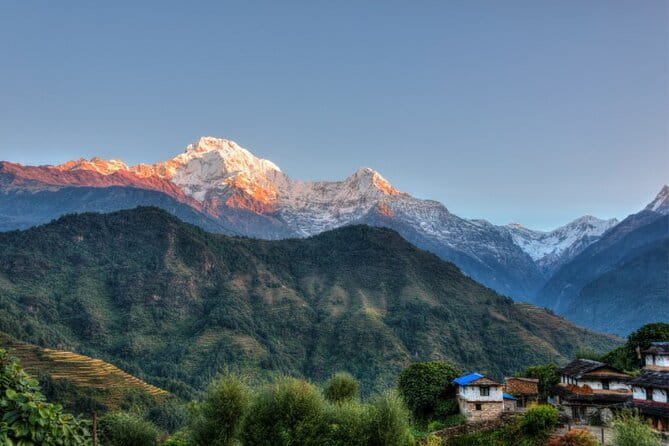
Mardi Himal feels wild in the best way. You’ll hike deep into the Annapurnas, chasing high views of Machapuchare and other big peaks, while also getting real contact with mountain villages. The trip then softens the edges with Pokhara by Phewa Lake before you return to Kathmandu.
I really like two things here. First, the wildlife odds are part of the fun, from rhododendron-lined trails to chances at birds like the Danphe, and even talk of red panda sightings in the region. Second, you get more than mountains, you also meet people from groups like Rai, Limbu, and Chhetri, plus stops around Pokhara and rural villages like Siding and nearby Lumle area towns.
The main drawback is simple: this is still a serious uphill trek with early mornings, narrow ridge sections, and nights high up. You should plan for a moderate fitness level, and you’ll also need to bring your own 4-season sleeping bag since trekking equipment is not included.
In This Review
- Key highlights before you go
- Arriving in Kathmandu, then heading straight to Pokhara
- Pokhara’s easy evening before the trail day begins
- Day 3 to Pothana, from villages and stone steps into trekking mode
- Day 4 to High Camp, thinning woods, rhododendron, and bird chances
- Day 5 past Low Camp, Machhapuchare’s fishtail at lunch, and open ridgeline walking
- Day 6, sunrise from a ridge viewpoint, and dzo grazing in the pastures
- Day 7 return to Kokar via Siding, less touristy village life, and family guesthouses
- Day 8 to Lumle and the jeep back to Pokhara
- Day 9, bus back to Kathmandu, then stupas for perspective
- Day 10, airport transfer and a softer landing
- Price and value: is $950 a smart deal for Mardi Himal?
- What to pack and how to think about comfort on this trek
- Who this Mardi Himal Trek suits best
- Should you book this tour?
- FAQ
- How long is the Mardi Himal Trek?
- What is included in the price besides the trekking itself?
- Do I need a moderate fitness level?
- Are permits included?
- Is airport or hotel pickup included?
- What trekking equipment do I need to bring?
- Is cancellation free if plans change?
Key highlights before you go
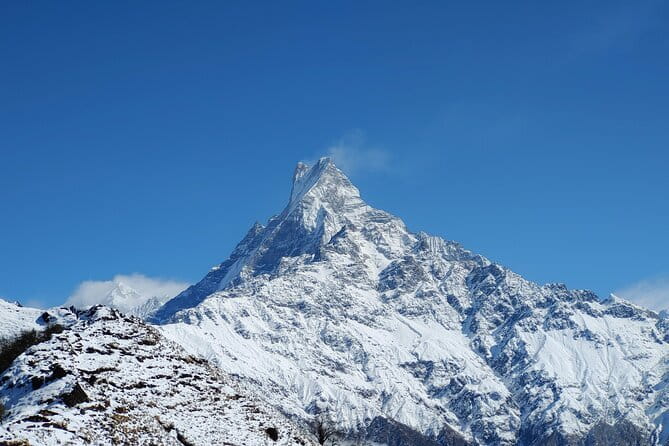
- Machapuchare fishtail views: You get multiple sighting moments, including at lunch near Low Camp.
- A wildlife-friendly route: Rhododendron bushes, grassy pastures, and forest transitions make bird and animal spotting feel realistic.
- High Camp night and big sunrise payoff: Morning views come from a ridge route designed for that first light moment.
- A private-group feel: Only your group participates, with a guide and porter support plan that keeps things manageable.
- Village life beyond the main trail: Returning via Siding adds a less touristy settlement vibe.
- Pokhara recovery time: Phewa Lake and a free evening give you a chance to reset after hiking.
Arriving in Kathmandu, then heading straight to Pokhara
Your trip starts with a straightforward handoff in Kathmandu. At Tribhuvan International Airport, an airport representative meets you outside the terminal with an Accessible Adventure signboard, then transfers you to your hotel in a private tourist vehicle. It is the kind of start that reduces stress, especially if you arrive tired or with zero local navigation skills.
The next morning you do an early start to Pokhara. Your guide picks you up around 6:30 AM, then you go to the bus station for the tourist bus leaving about 7:30 AM. The ride takes roughly six or seven hours, passing river valleys, terraced barley and rice, and rolling green hills. Once you reach Pokhara, you check in and your evening is free to explore.
This matters because Pokhara is not just a waiting room. It is a full-on contrast to the Annapurnas. With your hiking muscles still fresh and your mind still clear, you can enjoy Phewa Lake views, and if you want, you can take a boat out for the classic perspective of Machapuchare rising above town. Even if you do nothing but wander lakeside streets, it helps you shake off the long travel day before stepping onto the trail.
More Treks in Kathmandu
- Everest Base Camp Trek – 14 Days
★ 5.0 · 1,499 reviews - Everest Base Camp Trek
★ 5.0 · 842 reviews - Everest Base Camp Trekking
★ 5.0 · 485 reviews
Pokhara’s easy evening before the trail day begins
Pokhara sits on Phewa Lake, and the vibe is relaxed compared to Kathmandu. You are given evening freedom on Day 2, which is a gift on a trek like this. When your next day starts with a ride toward Phedi Khola and then real hiking, you want sleep, you want calm, and you want to feel human.
A practical tip: if you are the type who likes planning, use this evening to set up your daypack system. Decide what you want easily reachable for breaks (water, a snack, sunscreen), and keep extra layers organized for the colder ridge hours. The trail moves from woods to shrubs to open pastures over the days, so being able to add or remove layers quickly is worth it.
Also, Pokhara is your first chance to practice the trekking rhythm of Nepal. Meals can be simple, but your schedule stays flexible. The more relaxed you are here, the more you enjoy the quieter parts of the trek.
Day 3 to Pothana, from villages and stone steps into trekking mode
Day 3 is your first real transition day. After early breakfast in Pokhara, you ride to the little town of Phedi. The drive takes less than an hour, then you start hiking.
What I like about this start is that it does not throw you into the deep end immediately. The trail passes shaded woods and small villages as you ascend using stone staircases. It is uphill, but it feels like you are moving with the terrain rather than fighting it.
Lunch is a highlight. You stop in Dhampus for a break with an alluring Annapurna range view. Even if clouds move in later, Dhampus is a good moment to train your eyes for what the trek will show you more clearly over time.
After lunch you continue to Pothana, a picturesque village with traditional stone-built homes and paved paths. That matters for your day-to-day comfort. Places like this tend to be welcoming and practical for trekkers, even when modernization creeps in through snacks and souvenirs.
One consideration: Pothana is still at a mid-level altitude compared to later nights, but you are still stepping into a routine of steady walking. Hydrate, go easy early, and keep your pace “boringly consistent.” It will pay off later when you reach thinner tree lines and more exposed ridges.
Day 4 to High Camp, thinning woods, rhododendron, and bird chances
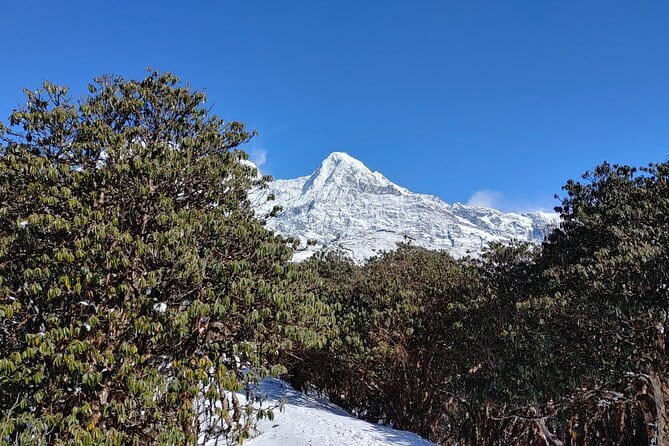
Day 4 is where the trek sharpens. You trek uphill along a ridge toward Mardi Himal and Machhapuchhre. Tree lines start thinning, and the trail shifts into shrubs, with isolated rhododendron bushes. This is a key pattern in the Annapurnas, the way vegetation changes tells you the mountain is changing too.
The day includes a big visual payoff. You ascend up to High Camp, and the mountain views from there are described as stunning. You also overnight at High Camp, which means you should take it seriously. Keep your pace steady, eat what you can at altitude, and avoid rushing to “make up time.”
Bird spotting is a special part of Day 4. If you are lucky, you might see the Daphne pheasant, the national bird of Nepal, on the way to high camp. Even if you miss it, this is a good day to watch closely. The rhododendron zones are exactly the kind of places where birds show up when the conditions are right.
What to watch for on this day: weather shifts. Ridge days can change fast, and cold air can feel sharper at higher elevations. If your clothing system is simple but effective, you will be much happier. Pack for layers, not one perfect outfit.
More Mardi Himal treks:
- Mardi Himal Trek
★ 5.0 · 41 reviews - Mardi Himal Trek Nepal
★ 5.0 · 29 reviews - Mardi Himal Trek – 8 Days | Hidden Gem of the Annapurnas
★ 5.0 · 19 reviews - Mardi Himal Base Camp Trek -9 Days
★ 5.0 · 18 reviews
Day 5 past Low Camp, Machhapuchare’s fishtail at lunch, and open ridgeline walking
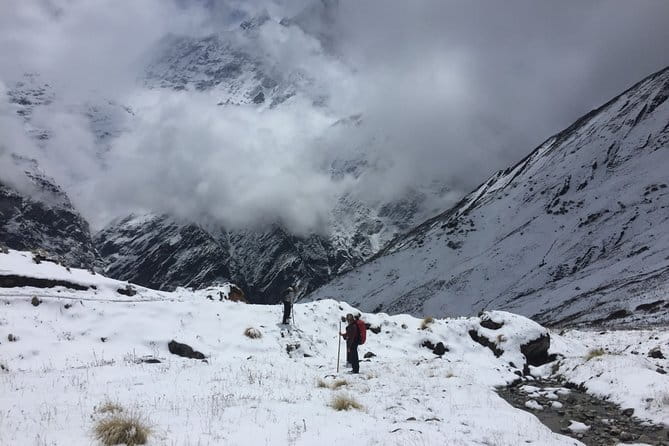
Day 5 moves you through mossy woodlands and then toward more open ridge sections. You leave Kokar’s tranquil clearing, and the route climbs through forest that can feel misty and atmospheric. If you are into photography, this is when sunlight can break through in a way that makes the whole scene look unreal.
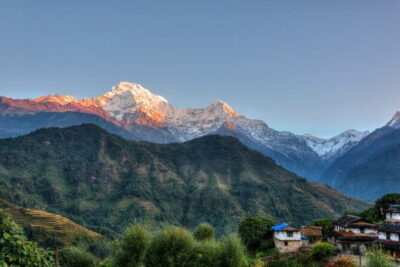
Lunch is at Low Camp, and this is one of the trek’s major “pinch me” moments. From there you get a good look at Machhapuchare, the fishtail-shaped summit. It is one of those mountains you understand instantly once you see it, because the shape is so recognizable.
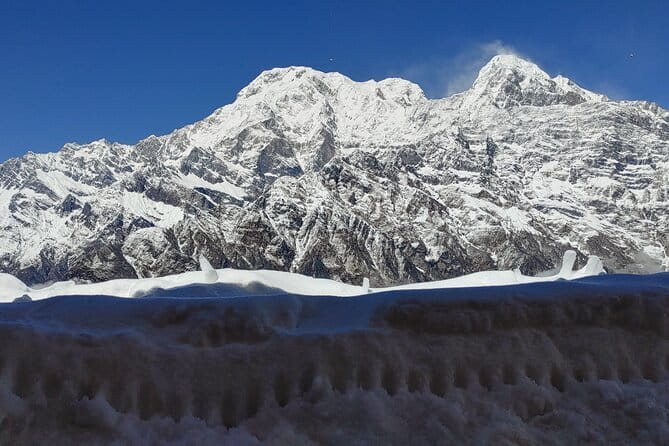
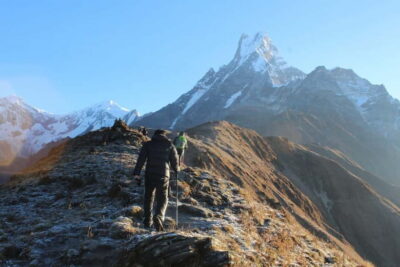
After lunch, you continue as the trail turns westward. You might glimpse glaciated peaks including Annapurna South and Hiunchuli looming over the path. From a walking perspective, the trail follows the ridgeline as trees begin thinning again, and you pass abundant rhododendron bushes.
Wildlife context matters here. This is described as good habitat for birds like the Danphe. So if you did not see them on Day 4, Day 5 is another chance.
One practical drawback to consider: Day 5 is a long day. Plan your energy early, snack often, and avoid the urge to save all your calories for the end. Trekking at altitude makes you feel hungry in a different way, sometimes you do not get that strong appetite until later.
Day 6, sunrise from a ridge viewpoint, and dzo grazing in the pastures
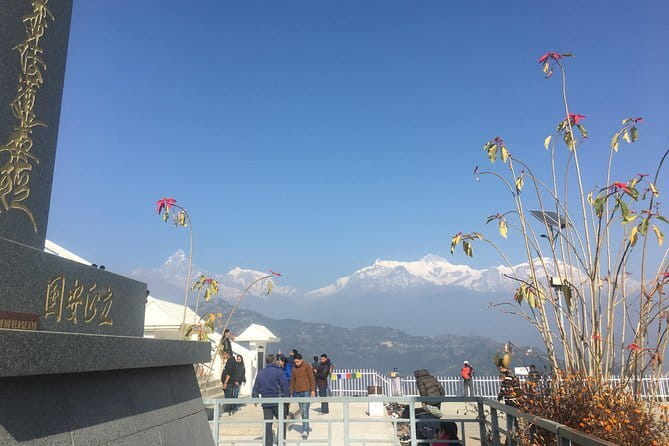
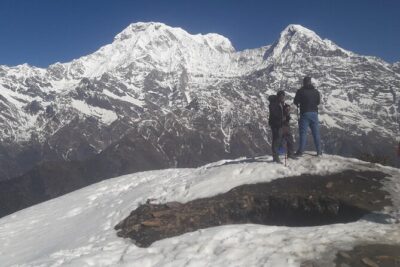
Day 6 is the “best sights of the entire trek” day, according to the route plan. You wake early to catch sunrise amidst the Himalayas, then start walking up a ridge toward a vantage point built for that moment.
The trail follows an established path through grassy pastures, but it is steep and occasionally narrow. This is where your trekking poles can help a lot, and where careful footing matters. If you rush, you will feel it in your knees later.
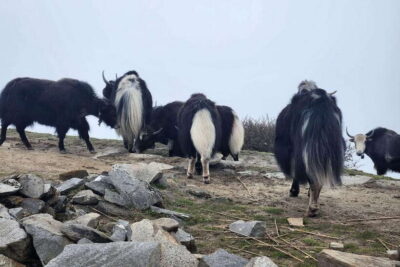
This day also includes real animal life. You’ll almost certainly get to see dzo grazing in the fields. Dzo is a hybrid bred from yak and cattle, and it is one of those facts that makes the trek feel less like a postcard and more like a living mountain system. In summer, these pastures support sheep and goats as well, and you pass herders’ huts.
Then there is the bird checklist again. Keep an eye out for the colorful Danphe if you have not had your moment yet. The route through pasture edges and ridgelines can be surprisingly productive for spotting.
There is an “upper” viewpoint reached after about three hours of ascent, and this is where the morning payoff really lands. Even if sunrise is hazy, the early light still changes how the mountains look, with soft shadows and a clearer sense of depth.
Day 7 return to Kokar via Siding, less touristy village life, and family guesthouses
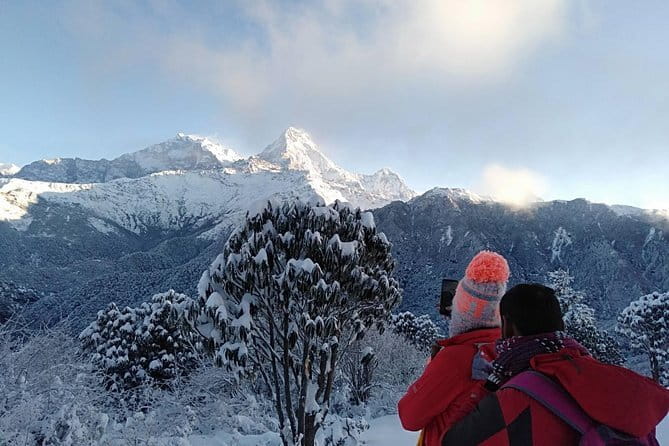
Day 7 turns the page. You leave the high Himalayas behind, but you do not simply retreat the same way. Instead, you follow a different route back to complete the Mardi Himal trek.
You depart High Camp and trek back toward Low Camp, where the track diverges toward the village of Siding. This is a traditional Nepalese settlement with lower tourist traffic. What I like about that shift is that it feels less like the trail has copy-paste tourist rhythm, and more like you are walking through a place where people live year-round.
There is also a “people connection” detail. Your hosts at Kokar are from Siding village, and your accommodations tonight are likely run by a family operating guesthouses in both Siding and Low Camp. That kind of continuity makes the villages feel real, not just scenic stops.
If you are hoping to get cultural context beyond a short photo stop, this is a good day for it. The path from High Camp back toward village life is gradual, so you have time to adjust mentally before you reach a more domestic pace of life.
Day 8 to Lumle and the jeep back to Pokhara
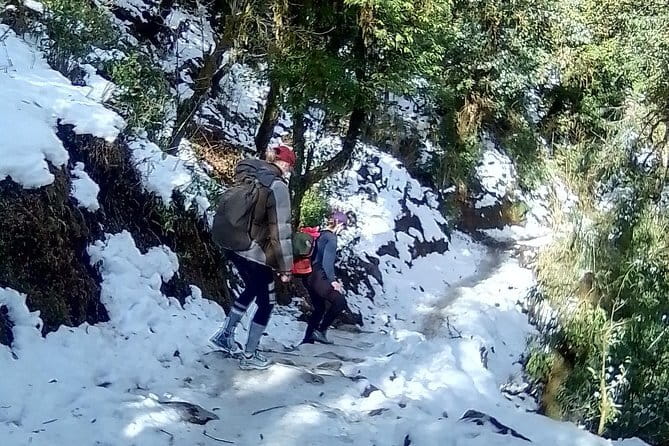
Day 8 is a recovery-with-a-purpose day. Breakfast in Siding, then you walk toward the road in the direction of Lumle. You are clearly leaving the high mountain trails behind, but the cultural exposure does not end.
Along the way, you pass villages like Kalimati and Ghalel. Kalimati is primarily Brahmin residents, while Ghalel has a mix of Brahmin and Gurung ethnicities. It is not a museum lesson, it is a reality check that multiple communities share the hills and shape daily life together.
Your hike ends when you reach Lumle. Then you get prearranged jeep pickup back to Pokhara, about two hours. That is a practical feature. It prevents your last day from turning into another long foot slog after the prior high days.
You get time for a fine dinner in Pokhara before turning in. That matters because it gives you a sense of celebration without adding extra stress.
Day 9, bus back to Kathmandu, then stupas for perspective
Day 9 is your final walking day in the trip’s broader sense, because the major movement is now road travel. After breakfast in Pokhara, you take the tourist bus back to Kathmandu, roughly six to seven hours.
This ride is your chance to let the mountains settle into your memory. Nepal’s countryside passes by at bus window speed, and it is a good time to reflect on what you saw and who you met, especially after multiple days of focusing only on the next step.
When you arrive in Kathmandu, you may have time for sightseeing after lunch. The route mentions Swayambhunath and Boudhanath stupas, both worth your attention if you want to balance the physical effort of the trek with spiritual and cultural landmarks.
This is a smart ending. You are not exhausted into a hotel room right away. You have a chance to remember Nepal as a whole country, not only as a climb.
Day 10, airport transfer and a softer landing
Day 10 is straightforward. A representative meets you at your hotel and takes you to the airport about three hours before your scheduled departure. Admission tickets are not included for the start and end transfers, but this is mainly about getting you to the airport safely and on time.
From a traveler perspective, this matters because trekking schedules can make flight day feel risky. Having an airport plan designed around your departure time reduces the chance of last-minute scramble.
Price and value: is $950 a smart deal for Mardi Himal?
At $950 per person, you are paying for a managed, guided experience with permits, local support, and a private-group setup. The big question is not just the number, it is what you get that would be hard to DIY.
Here’s what is included:
- Pickup and drop-off by car or van as per the program
- Twin sharing accommodation at guest houses during the trek
- A highly experienced guide plus porters, with the rule of 1 porter between 2 members
- Permits for Annapurna Conservation and TIMS
- Government tax (13%) and office service charge
- Breakfast (4)
For a trek in the Annapurnas, permits and local logistics are not optional details. They are part of why this route feels organized. Also, the guide matters more than people expect. On ridges, in misty forest stretches, and during altitude changes, having a guide who knows the route keeps the day smoother.
What is not included is also important for budget planning:
- Travel insurance and international air fare
- Visa for Nepal
- Alcohol, hot water, hot shower, cold drinks, laundry, phone call, internet
- Trekking equipment, including a 4-season sleeping bag
- Any other expenses not listed
The “value” here is best understood as comfort and reliability more than luxury. Guest house nights are included in twin sharing, but extras like hot showers and cold drinks likely cost extra. If you budget for that, you will enjoy the trek more, because you will not feel surprised mid-route.
One more value point: the private tour setup. Only your group participates, which tends to make pacing and communication easier. You are not squeezed into a larger crowd dynamic.
What to pack and how to think about comfort on this trek
You cannot bring “minimalism” to a mountain trek and expect it to work. You need comfort basics.
Bring a 4-season sleeping bag, since trekking equipment is not included. At higher altitudes, the difference between cold and manageable sleep can be the difference between enjoying the next day and counting the minutes until you stop.
You should also plan for weather dependence. The experience requires good weather, and the plan may shift by date if conditions are poor. This is normal in the Himalayas, and it is the reason flexible travel planning helps.
For daily comfort, think in layers. The route shifts from shaded woods and staircases to thin tree lines, shrubs, and open grassy pastures. That means temperatures can vary a lot during the day, even without a major storm.
Finally, pack your mindset. The trek is described as steep and occasionally narrow in places, especially around pastures and ridgelines. Slow and steady is the winning strategy.
Who this Mardi Himal Trek suits best
This trek suits you if you:
- Want a classic Annapurna-style trek with Machhapuchare as a repeated visual goal
- Like nature and wildlife chances, especially birds and animals in changing habitats
- Enjoy cultural encounters that extend beyond a quick stop
- Prefer a guided plan with permits handled and porter support built in
It may not be the best fit if you:
- Want a flat, easy walk. The route includes steep sections and narrow ridgeline walking
- Expect luxury. Extras like hot showers and drinks are not included
- Hate early starts. Several days require you to move early for views and transport
Also, the supplied guidance says you need moderate physical fitness. If you are new to trekking, do not panic. In past trips with this company, there has been success with a multi-day trek even for a child as young as 8, which suggests the team can support pacing for beginners. Just be honest about your own stamina and train a bit before you go.
Should you book this tour?
Yes, if you want the right mix of big Himalayan views and practical local guidance, with enough structure that you can focus on walking, noticing, and enjoying the people you meet. The private-group feel, permits included, and porter plan make it a good value for the time and coordination it would take you to DIY.
But book with eyes open. This is not a casual stroll. You will be hiking uphill for multiple days, and you should bring the gear listed, especially that 4-season sleeping bag. If you can handle steep terrain and you are willing to plan for cold nights and long days, Mardi Himal is the kind of trek that leaves you with stories that last.
FAQ
How long is the Mardi Himal Trek?
The tour is listed as 10 days approximately.
What is included in the price besides the trekking itself?
Pickup and drop-off, twin sharing guest house accommodation during the trek, a guide, porters (1 porter between 2 members), permits (Annapurna Conservation and TIMS), government tax (13%), office service charge, and breakfast on 4 mornings are included.
Do I need a moderate fitness level?
Yes. The tour notes that travelers should have a moderate physical fitness level.
Are permits included?
Yes. Permits for Annapurna Conservation and TIMS are included.
Is airport or hotel pickup included?
Pickup and drop-off by car or van as per the program is included, including meeting you at Tribhuvan International Airport and later taking you to the airport.
What trekking equipment do I need to bring?
Trekking equipment is not included, and you are advised to bring a 4-season sleeping bag.
Is cancellation free if plans change?
Free cancellation is offered. You can cancel up to 24 hours in advance for a full refund, and weather-related cancellations may offer another date or a full refund.
Latest additions near Kathmandu
- Traditional Momo Making Class★ 5.0 · 10 reviews
- White Water River Rafting – 1 Day★ 4.3 · 3 reviews
- Kathmandu to Pokhara Premium sofa bus ticket★ 4.0 · 17 reviews
- Ghorepani Poon Hill Trek★ 5.0 · 16 reviews
- Amazing 1 Day Trekking Experience in Kathmandu Nepal★ 5.0 · 24 reviews
- Ghorepani Poonhill Trek★ 5.0 · 5 reviews
- Walking tour of real Kathmandu through back streets.★ 5.0 · 3 reviews
- Wildlife Adventure in Chitwan Nepal★ 4.0 · 4 reviews
Mardi Himal Treks, compared.
Mardi Himal Trek – 8 Days | Hidden Gem of the Annapurnas
Read our review →
Browse the lists this tour appears in