
Reviewed · MARDI HIMAL TREKS
Mardi Himal Trek
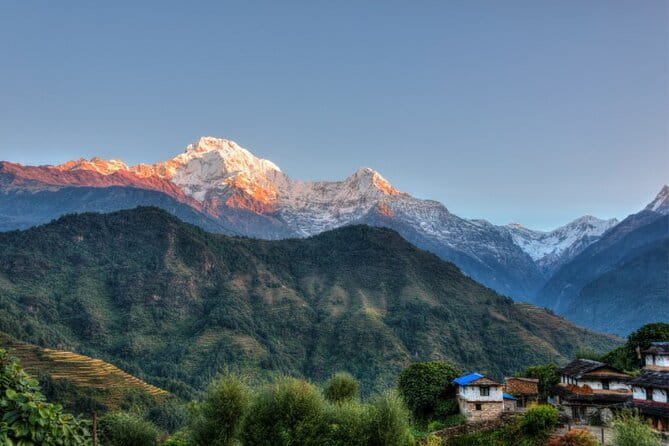
Big mountains in a short window, that is the hook. The Mardi Himal Trek has a reputation for packing huge Himalayan views into a trek schedule that does not drag on for weeks. I like how the route builds from 2100m to 4500m in clear stages, so you always know what today is asking of you. I also like that the package keeps things simple with a guide, group limit of 12, and meals handled for much of the trek.
The one consideration is altitude time. You do hit High Camp (3580m) and a View Point at 4500m, so you need a moderate fitness level and you should take the climbing days seriously.
In This Review
- Key highlights at a glance
- Mardi Himal in five days: why this route keeps winning hearts
- Price and logistics: where the value really shows up
- Altitude and pacing: how the route stages the climb
- Day 1: Pokhara to Pitam Deurali, warm-up legs and first views
- Day 2: Pitam Deurali to Forest Camp, a steady climb you can manage
- Day 3: Forest Camp to High Camp, the long day that changes everything
- Day 4: View Point at 4500m, then down to Low Camp
- Day 5: Low Camp to Siding Village, then back to Pokhara
- The human factor: guides and porters make or break a trek
- Meals, water, and comfort: what is included and what you must plan
- Who this trek suits best, and who should think twice
- Should you book the Mardi Himal Trek with Mosaic Adventure?
- FAQ
- How long is the Mardi Himal Trek?
- What is the meeting point and start time?
- What is the highest point on the trek?
- What meals are included?
- Are beverages like tea, coffee, or bottled water included?
- Is pickup offered from Kathmandu?
- How large is the group?
- What is the cancellation policy for a full refund?
Key highlights at a glance
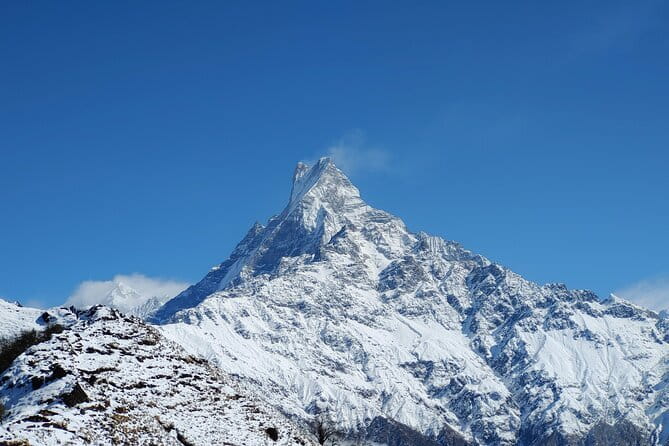
- A classic view-to-effort ratio for a 5-day trek, with big altitude gains in a short schedule
- Small groups (max 12), which usually means less crowding on the trail and calmer logistics
- Meals included across the trek days, so you can focus on hiking and rest rather than hunting food
- Strong guiding and porter support, with names like Purna, Ram, Nabin, Keshab, Krishna, Hari, and Sondosh showing up in the praise
- A staged climb through Pitam Deurali, Forest Camp, High Camp, and back down to Low Camp
Mardi Himal in five days: why this route keeps winning hearts
If you want Himalayan scale without committing your whole holiday to one long trek, this one fits. Mardi Himal is often described as an all-around winner because it gives you repeated mountain moments without the weeks of walking you see on longer routes. In plain terms, you get multiple chances to look at the giants, rather than one big photo day near the end.
The other big reason this works is that the trek is structured. You start at a reasonable elevation after driving in, you climb in steps, and you descend before you run out of steam. That staging matters because altitude fatigue is real, even if you are hiking “fine” all day.
Price is $510 per person, which sounds modest compared with some adventure packages that include less actual hiking time. Here, you are paying for a guide, official fees and taxes, and most of your daily meals (breakfast, lunch, dinner across the trek days). Also, the group size cap helps you feel like you are in a trek, not a bus tour.
The most consistent theme in the feedback centers on people. Guides and porters are repeatedly credited for keeping the experience organized and positive. Names that come up include Purna (guide) and Ram (porter), Nabin, Keshab, Krishna (guide), Hari (porter), and Sondosh. That is a good sign: you are not just buying trail directions, you are buying human support at altitude.
More Treks in Kathmandu
- Everest Base Camp Trek – 14 Days
★ 5.0 · 1,499 reviews - Everest Base Camp Trek
★ 5.0 · 842 reviews - Everest Base Camp Trekking
★ 5.0 · 485 reviews
Price and logistics: where the value really shows up
Let’s talk practical value first. At $510, you get:
- A guide
- All fees and taxes
- Meals included: Lunch (5), Dinner (4), Breakfast (4)
- Pickup offered
- Mobile ticket
Notably, beverages are not included. That means tea or coffee, and bottled water costs are your responsibility. Tipping is also not included.
So what are you really paying for? Not luxury. You are paying for planning, coordination, and the people power that keeps you moving safely and on schedule. A small group max of 12 adds up, because it reduces the odds of confusing trail bottlenecks and it usually means your guide can manage pacing without herding a large crowd.
The start is also clear. The meeting point is Mosaic Adventure, Chi Bahal, अद्वैत मार्ग, काठमाडौँ 44600, Nepal, with a start time of 8:15 am. Your day ends back at the same meeting point. That matters because you are not scrambling across town to piece the end of your trek together.
Altitude and pacing: how the route stages the climb
This trek climbs in a way you can actually track. Here are the key elevation markers:
- Start area around 2100m (Pitam Deurali on Day 1)
- Forest Camp at 2550m (Day 2)
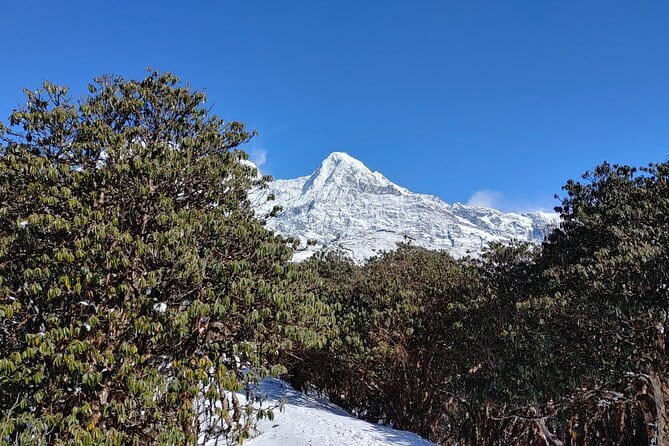
- High Camp at 3580m (Day 3)
- View Point at 4500m, then down to Low Camp at 2990m (Day 4)
- Down to Siding Village at 1280m, then back to Pokhara (Day 5)
The big advantage here is that you do not go from low to 4500m in a single day. You build, you rest, you climb again, then you come back down. Even if you do not think about acclimatization by name, this step-by-step profile is the route doing you a favor.
At the same time, “staged” does not mean “easy.” Day 3 is listed as 6.5 hours from Forest Camp to High Camp. And Day 4 is 6 hours including a trek up to the View Point at 4500m and then a descent back to Low Camp. You should plan your fitness and attitude around those days.
The tour info also calls for moderate physical fitness. That is a fair match for a trek that includes long hiking hours and significant vertical change.
Day 1: Pokhara to Pitam Deurali, warm-up legs and first views
Day 1 is a mix of transfer and trail. You drive from Pokhara to Pitam Deurali at around 2100m. The drive is about 1 hour, then you hike for roughly 3.5 hours.
This is the day where you set your rhythm. You are not racing uphill from the start, and you get time to settle before the real height work begins. Expect your legs to feel a bit heavy at first, then improve as your breathing and pace find a steady pattern.
One more practical point: Day 1 also helps you mentally. It turns the trek from an idea into a real plan. You arrive at a base altitude, walk into it, then sleep and recover for Day 2. That matters if you are not used to hiking at altitude.
More Mardi Himal treks:
- Mardi Himal Trek
★ 5.0 · 41 reviews - Mardi Himal Trek Nepal
★ 5.0 · 29 reviews - Mardi Himal Trek – 8 Days | Hidden Gem of the Annapurnas
★ 5.0 · 19 reviews - Mardi Himal Base Camp Trek -9 Days
★ 5.0 · 18 reviews
Day 2: Pitam Deurali to Forest Camp, a steady climb you can manage
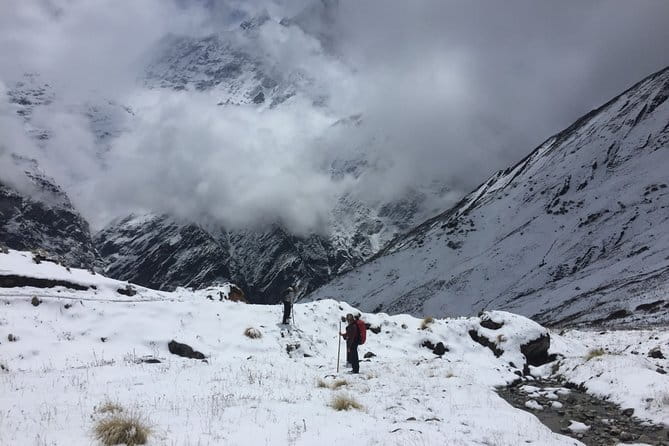
Day 2 moves you from Pitam Deurali (2550m) to Forest Camp (2550m) in about 4 hours. The key word here is steady. You are gaining elevation, but the day is not listed as an all-day grind like Day 3.
Forest Camp is your midpoint “setup” location. It is the place you build from, and it is also where you see how your body is handling the trek so far. If you hydrate well, keep your effort controlled, and follow your guide’s pacing, Day 2 is a confidence day.
This is also a good time to practice your trek basics: walk at a pace that lets you keep breathing controlled, and do not waste energy overreaching or sprinting short sections. Your guide will help keep you on track, and this is one of the places where a strong team makes a real difference.
Day 3: Forest Camp to High Camp, the long day that changes everything
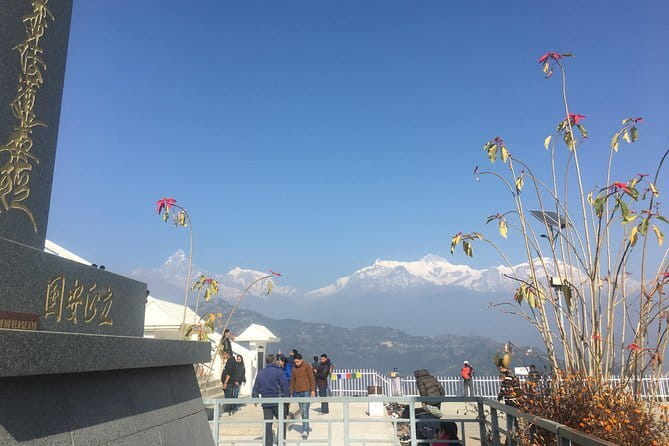
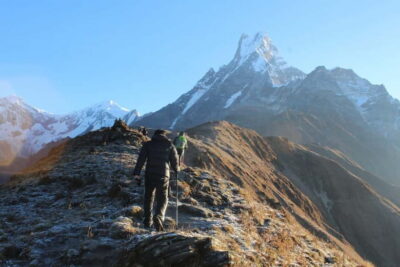
Day 3 is the first truly big push: Forest Camp to High Camp (3580m), around 6.5 hours. This is the day where you feel the altitude more. Even if you are fit, longer hiking hours at higher elevations can slow you down.
Why this day is worth it is simple. High Camp is your launch pad for the View Point day. You are climbing so you can see more, and you are also positioning yourself to make Day 4 manageable by taking breaks where you should.
This is where I appreciate the tour style. The route does not pretend you will power through. It gives you a named high stop, and then it gives you a planned return later. That kind of structure helps you avoid the classic mistake of going too hard on day three and paying for it on day four.
From the feedback, guides like Nabin, Keshab, Krishna, and Sondosh come up as supportive and tuned into pacing. You want that kind of energy on a day like this.
Day 4: View Point at 4500m, then down to Low Camp
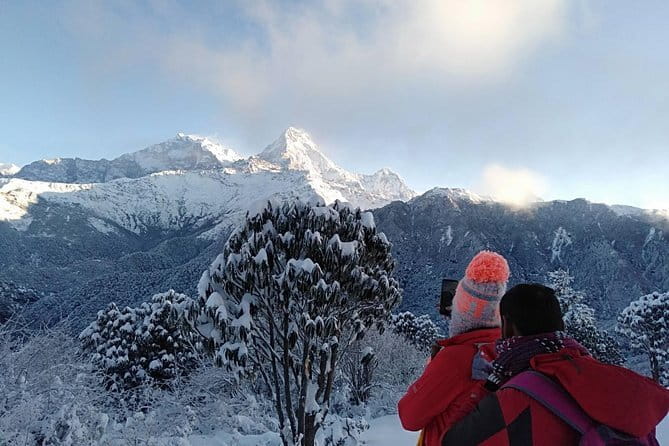
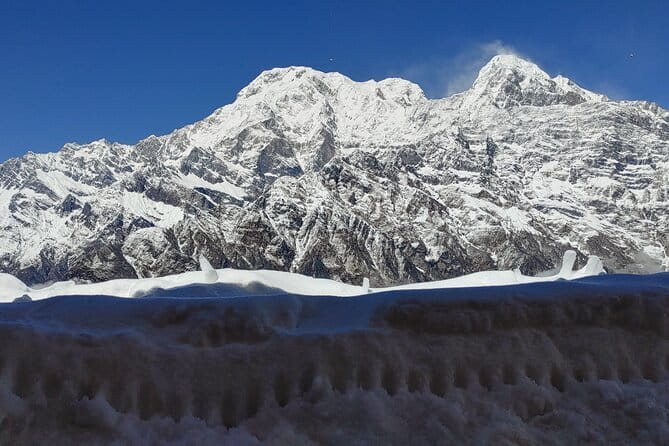
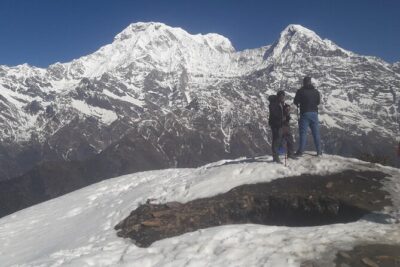
Day 4 is a classic half-day adventure with a return built in. You start at High Camp, hike up to a View Point at 4500m, then return to Low Camp at 2990m. Total listed time is 6 hours.
Think of Day 4 as two missions:
- Get to the top and take in the views
- Descend back down far enough to make Day 5 feel like an exit, not a punishment
The return to Low Camp is important. It is a built-in reset. If you were to stay at the highest elevation, the final day would feel much harder. By dropping to 2990m, you get a smoother landing before your descent to Siding Village.
This is also where weather can matter. Even though the tour details do not spell out conditions, higher points can be colder and more exposed. Your guide will typically manage timing based on the trail and conditions, so trust the plan and do not cut corners.
In the feedback I saw, people often singled out how guides stayed friendly and helpful through the harder segments. That is exactly what you want on a day that includes both a climb and a controlled descent.
Day 5: Low Camp to Siding Village, then back to Pokhara
The last day is a clear exit. You go from Low Camp (2990m) to Siding Village (1280m) in about 4 hours, then continue to Pokhara for about 3 hours.
This is the day when you feel your altitude fatigue in reverse. Going down can still strain your knees, but it usually feels better than going up. The good news is the elevation drop is big. By the time you reach Siding Village, you are well back in the lower elevation zone, which helps your body transition back to normal.
Back-to-base logistics are also simple. Your trek ends back at the meeting point associated with Mosaic Adventure. That makes your final day easier to plan, since you are not stuck sorting transport at the end of a long walk.
The human factor: guides and porters make or break a trek
In every trek, the trail is only half the story. The rest is how your team manages the details when you are tired. Here, the guide and porter support shows up as the most praised part.
Names that appear with strong credit include:
- Purna as guide, with Ram as porter
- Nabin as guide
- Keshab as guide
- Krishna as guide, with Hari as porter
- Sondosh as guide
The praise patterns are consistent: they are described as organized, supportive, friendly, and helpful with pacing and preparation. One reviewer also highlighted how easy it was to talk with the team and how they helped the trek feel manageable and fun.
This matters to you because Mardi Himal can be a first longer high-altitude trek for people who are used to shorter trips elsewhere. When you have a guide who keeps things clear, you make fewer mistakes. And when you have a professional porter, you spend more energy walking and less energy fighting your own pack.
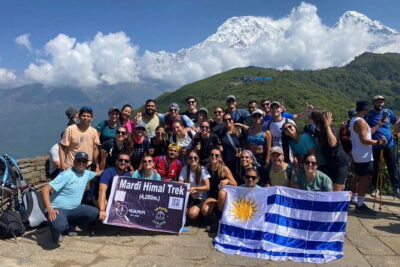
Also, the group size max of 12 helps. Small groups mean your guide can actually guide, rather than just keep people moving in a line.
Meals, water, and comfort: what is included and what you must plan
Meal support is a strong piece of value here. You get:
- Breakfast (4)
- Lunch (5)
- Dinner (4)
Because the trek runs about 5 days, those counts suggest you will be eating together through the main walking days, not just one day here and there. That reduces decision fatigue. You do not have to stop every time to figure out food logistics.
Two things you should plan for:
- Beverages are not included, including tea, coffee, and bottled water. Budget for them.
- Tipping is not included, so you should factor gratuities into your overall trip planning.
Comfort-wise, you should expect mountain travel to be spartan compared with city life. That is not a complaint. It is how these treks work. The best way to enjoy it is to prepare for basic realities: cold mornings, changing light, and uneven trail surfaces.
Who this trek suits best, and who should think twice
This fits you if:
- You have moderate fitness and can hike for 4 to 6.5 hours on multiple days
- You want a trek that feels serious but still fits a 5-day schedule
- You like being in a small group with an organized plan
- You want strong guidance and porter support, not a do-it-yourself experiment
You might think twice if:
- Altitude scares you, even though the route is staged
- You cannot handle long hiking hours, especially the Day 3 climb to High Camp and the Day 4 trip to 4500m
- You prefer to have drinks and water included. Here, beverages are not part of the package
Should you book the Mardi Himal Trek with Mosaic Adventure?
If your goal is big Himalayan payoff with a schedule that does not eat your whole vacation, this is one of the more sensible choices. The $510 price makes sense because you get a guide, all fees and taxes, and most meals. The route timing is also practical: you climb in steps, reach a top viewpoint, then descend before the final transport back.
I would book if you value a team that shows up in the details. The repeated credit for guides like Purna, Nabin, Keshab, Krishna, and Sondosh, plus porters like Ram and Hari, points to a service style that keeps the trek feeling human, not chaotic.
Just go in with eyes open on what Day 3 and Day 4 ask of you. Bring a calm pace mindset. Hydrate. And accept that the 4500m viewpoint day is not a stroll.
Also, do not ignore the cancellation window. You can cancel up to 3 days in advance for a full refund, but you lose that if you cancel closer than that. So lock in your dates only when you are confident.
FAQ
How long is the Mardi Himal Trek?
The trek is listed as 5 days (approx.).
What is the meeting point and start time?
You meet at Mosaic Adventure, Chi Bahal, अद्वैत मार्ग, काठमाडौँ 44600, Nepal, with a start time of 8:15 am.
What is the highest point on the trek?
The route includes a View Point at 4500m.
What meals are included?
Meals included are breakfast (4), lunch (5), and dinner (4).
Are beverages like tea, coffee, or bottled water included?
No. Beverages are not included.
Is pickup offered from Kathmandu?
Pickup is offered, and your meeting point is still listed as Mosaic Adventure.
How large is the group?
There is a maximum of 12 travelers.
What is the cancellation policy for a full refund?
You can cancel up to 3 days in advance of the experience for a full refund. If you cancel less than 3 days before the start time, the amount paid is not refunded.
Latest additions near Kathmandu
- White Water River Rafting – 1 Day★ 4.3 · 3 reviews
- Traditional Momo Making Class★ 5.0 · 10 reviews
- Kathmandu to Pokhara Premium sofa bus ticket★ 4.0 · 17 reviews
- Ghorepani Poon Hill Trek★ 5.0 · 16 reviews
- Amazing 1 Day Trekking Experience in Kathmandu Nepal★ 5.0 · 24 reviews
- Ghorepani Poonhill Trek★ 5.0 · 5 reviews
- Walking tour of real Kathmandu through back streets.★ 5.0 · 3 reviews
- Wildlife Adventure in Chitwan Nepal★ 4.0 · 4 reviews
Mardi Himal Treks, compared.
Mardi Himal Trek – 8 Days | Hidden Gem of the Annapurnas
Read our review →
Browse the lists this tour appears in