
Reviewed · MARDI HIMAL TREKS
Mardi Himal Trek
Stepping off the main Annapurna trail feels private. I love the off-the-beaten-track feel and the friendly guidance people rave about, and I also like how the route shifts from forest hiking to higher, rocky country. The one thing to plan around is that this is weather dependent, so you need a bit of flexibility.
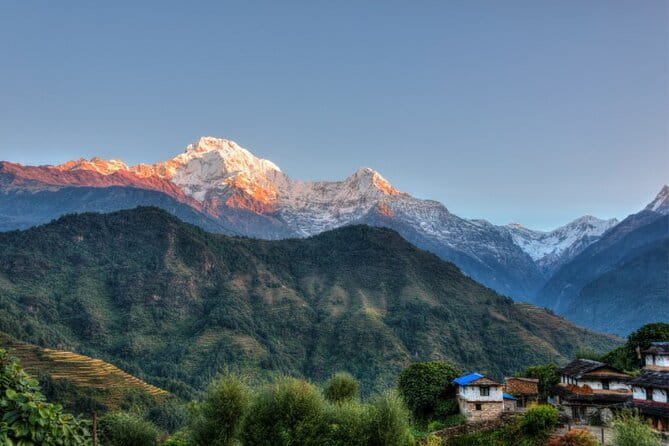
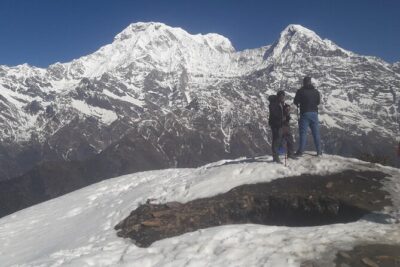
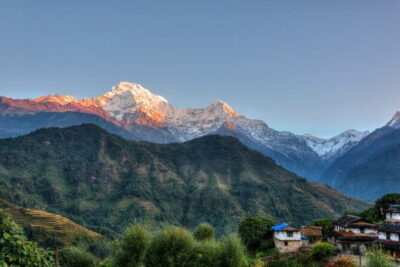
You’ll move through rhododendron forests and then climb up out of them to around 3,310 m, where the views sharpen fast. From there, you’re chasing big-name panoramas of Mardi Himal, Machapuchhre, Hiunchuli, and Annapurna South, plus the smaller stuff too, like terraced farms, rivers, and local settlements.
At $1,080 per person for about 10 days, it’s not a budget trek, but you do get a lot of structure. Still, you’ll want to budget for bottled water and snacks, and you should be comfortable with moderate fitness demands before you sign on.
In This Review
- Key Highlights You’ll Feel on the Mardi Himal Trek
- What Makes the Mardi Himal Trek Feel Different in the Annapurna Region
- The 10-Day Trek Rhythm, Forest Switchbacks to High-Altitude Views
- Mardi Himal Base Camp and the Viewpoints You’re Really Hiking For
- Meals, Water Reality, and Packing for the Days Between Meals
- Guides, Local Culture, and the Kind of Service That Changes the Trek
- Getting There: Pickup, Start Time, and How Private Tours Help
- Price and Value: Why $1,080 Works Only If You Want Structure
- Who This Trek Fits Best (and Who Might Struggle)
- Weather Matters: How Good Conditions Shape What You Get
- Should You Book the Mardi Himal Trek?
- FAQ
- How long is the Mardi Himal Trek?
- Where does the Mardi Himal Trek start?
- What is the price per person?
- What meals are included?
- What is not included in the price?
- Is pickup included?
- Is this a private tour?
- What fitness level do I need?
- What time does the experience start?
- What happens if the trip is canceled due to weather?
Key Highlights You’ll Feel on the Mardi Himal Trek
- An off-the-beaten-track Annapurna route that leads toward Mardi Himal Base Camp and the Mardi Peak area
- Forest hiking to high-mountain scenery, with an elevation climb out of rhododendron woods up to about 3,310 m
- Big views without the biggest crowds, including Mardi Himal, Machapuchhre, Hiunchuli, and Annapurna South
- Meals are built in during the trek, so your daily decisions stay simple
- Private group experience, only your group participates
- Guides who stay with you, from pickup through drop-off, and friendly service like what’s been credited to guides including Bashu dev Bagale
What Makes the Mardi Himal Trek Feel Different in the Annapurna Region
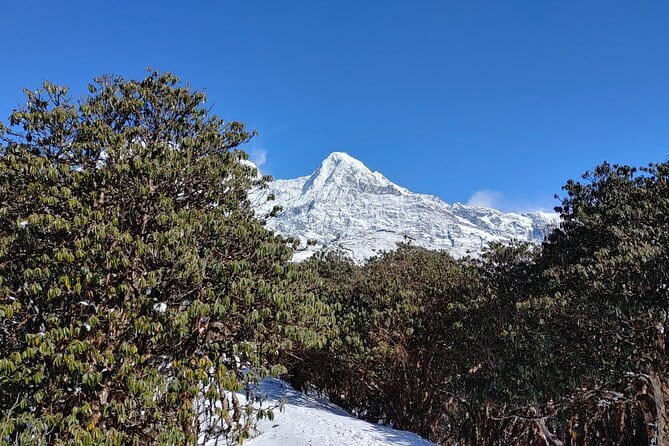
The Mardi Himal Trek is popular with a certain type of hiker: the one who wants that Annapurna-region magic, but not the same busy, stampede feeling you can get on the most famous trails. This route is described as newly explored and secluded, and that matches what you’re actually doing on the ground. Instead of just moving between famous checkpoints, you’re spending time on smaller paths through rhododendron forest, rural valleys, and local communities.
I also like that the focus is not only on the summit dream. The trek description leans heavily into the journey itself: terraced farms, sparkling rivers, and settlements where you can watch everyday life unfold. If you like trekking for the texture of places, not just the photo, this tends to land well.
One practical note: this isn’t framed as an easy stroll. It’s for people with a moderate physical fitness level. If you’re already a regular hiker and you can handle steady uphill days, you’ll be happier. If you’re starting from scratch, you’ll likely feel rushed and tired.
More Treks in Kathmandu
- Everest Base Camp Trek – 14 Days
★ 5.0 · 1,499 reviews - Everest Base Camp Trek
★ 5.0 · 842 reviews - Everest Base Camp Trekking
★ 5.0 · 485 reviews
The 10-Day Trek Rhythm, Forest Switchbacks to High-Altitude Views
You won’t see the top-world scenery from day one. The trek starts by gradually giving you a feel for the Annapurna foothills, with time through deep rhododendron forests and smaller trail paths that can feel a bit labyrinthine. That forest start is useful. It helps you settle into hiking pace, learn how the trail feels, and get used to walking on uneven ground before you climb higher.
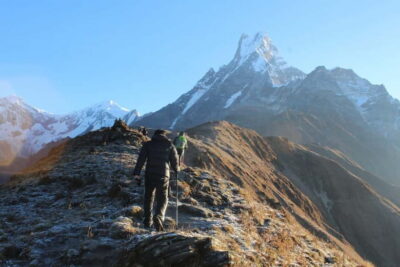
Then the route changes unexpectedly, and that’s a big part of why hikers enjoy Mardi Himal. As you climb out of the forest at around 3,310 m, the environment becomes more rugged and open. In practical terms, that means less shade, more exposed slopes, and a different kind of walking. It’s still trekking, but it becomes more about breath management and steady foot placement than about reading the trail through thick vegetation.
What makes this pacing feel satisfying is the payoff. The higher sections are where mountain views come in clearly, including Mardi Himal, Machapuchhre, Hiunchuli, and Annapurna South. Even if you don’t treat the viewpoint moments like milestones, you’ll still feel the changing air, the light, and the sense that you’ve moved into a different part of Nepal.
Mardi Himal Base Camp and the Viewpoints You’re Really Hiking For
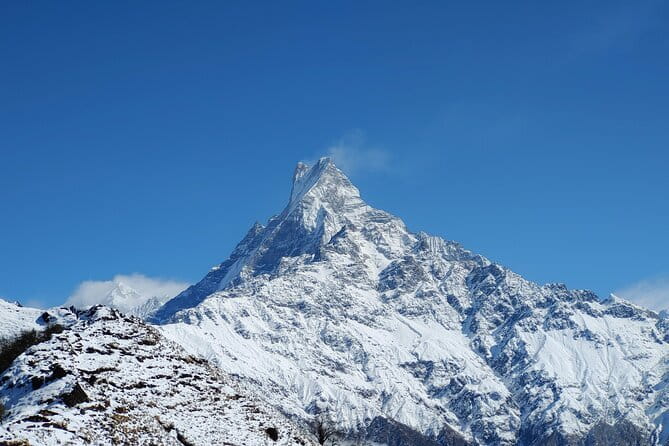
Mardi Himal Base Camp sits at the foothills of Mardi Peak, with Machapuchhre nearby, and that’s where the trek’s name finally makes full sense. You’re not just walking in the abstract, you’re aiming at a specific mountain neighborhood with major peaks in view.
The reason this matters: Machapuchhre is a strong visual draw, and Mardi Himal is the one that gives this route its personality. When your day keeps turning upward and then the views open up, it feels like the landscape is answering your effort. And the trek description also points to Annapurna South and Hiunchuli, so you’re not limited to just one peak in your field of vision.
I’ll add a practical expectation: high points and clear weather are a partnership. This experience requires good weather, and that can change what you see from ridges. If skies are clear, you’ll likely get the sharp panoramic feeling the trek is known for. If visibility is poor, you may need to enjoy the walk first, and the view second.
Meals, Water Reality, and Packing for the Days Between Meals
This trek is set up with a straightforward food plan. You get lunch, dinner, and breakfast during the trekking portion, listed as 3 meals each, plus dinner and lunch included as part of that same plan. For you, that usually means fewer decisions each day and less time thinking about where the next meal comes from.
What’s not included is bottled water, and that’s important. Tap water is mentioned as an option if you want it, but mineral water still needs to be bought. If you’ve got a preferred water method, plan around it now, not halfway up the trail.
Snacks are also not included. Even if you’re getting full meals, trekking days can tempt you into grabbing extra energy on the spot. So I’d pack a small snack strategy you can control. Keep it simple: something you’ll actually eat when you want it.
One odd-but-interesting item in the inclusions is snorkeling equipment. Since this is a mountain trek, you should treat that as something to ask about with your operator before you go. It might be tied to an extra activity depending on your dates, or it might simply be listed as part of their standard package. Either way, confirming how it fits your specific trip will save you any surprise.
More Mardi Himal treks:
- Mardi Himal Trek
★ 5.0 · 41 reviews - Mardi Himal Trek Nepal
★ 5.0 · 29 reviews - Mardi Himal Trek – 8 Days | Hidden Gem of the Annapurnas
★ 5.0 · 19 reviews - Mardi Himal Base Camp Trek -9 Days
★ 5.0 · 18 reviews
Guides, Local Culture, and the Kind of Service That Changes the Trek
This is the part that shows up again and again: the guidance style. The feedback highlights friendly behavior, helpful guidance, and the fact that the team sticks with you from pickup through drop-off. A specific guide name that comes up in the provided feedback is Bashu dev Bagale. That kind of recognition matters because it’s not vague praise, it’s tied to real people and how they support your day.
For you, good guiding changes practical things. It’s not only about navigation. It’s also about timing, pacing, and how comfortable you feel when the trail turns or when you’re tired. When a guide is described as friendly and loveable and helpful, that usually means you’ll get a more relaxed experience even when the hiking gets hard.
Culture is also built into what you’ll pass through. You’ll go by local settlements and terraced farms, and there’s an emphasis on traditional way of life. You won’t just see Nepal as a backdrop. You’ll walk through it as lived-in places.
A note on the included “local food” expectation: the trek includes meals during the trekking days. That’s the best sign that you’re eating along the route rather than only relying on pre-packed food. Still, if you have dietary restrictions, you should flag them early so the team can plan accordingly.
Getting There: Pickup, Start Time, and How Private Tours Help
Your start time is listed as 7:15 am. That matters because early starts help you beat changing weather and make the day feel smoother. It also means you’ll likely want to pack the night before and sleep with your layers ready.
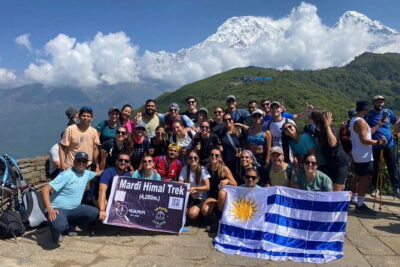
This is a private tour/activity. Only your group participates. For many trekkers, that’s a real quality upgrade. You’re not waiting on a mixed-speed crowd, and your guide can adjust pace and breaks around your group’s rhythm.
Pickup is offered, and private transportation is included. The details of exactly where you’re picked up are not spelled out beyond the Kathmandu location, but in the provided feedback, pickup and drop-off were described around Pokhara as well. So if your route has a Kathmandu plus Pokhara connection, don’t be surprised. The key idea is that you should confirm the exact pickup point and the handoff time so the morning stays calm.
Price and Value: Why $1,080 Works Only If You Want Structure
$1,080 per person for about 10 days is a mid-range to premium price for a trek, depending on season and route specifics. The value angle here is the structure you get.
Here’s what helps your money go further:
- Meals are included during the trek, including breakfast, lunch, and dinner for multiple days (listed as 3 of each).
- Private transportation is included.
- It’s a private group, which usually means less friction than a shared trek.
What you’re paying for, in plain terms, is reduced uncertainty. You’re not assembling your own food plan, you’re not coordinating multiple transfers on your own, and you’re hiring a guide team to keep things moving.
What can reduce perceived value if you’re not ready:
- Bottled water is not included.
- Snacks are not included.
- The weather factor is real, since this experience requires good weather and cancellations are handled strictly.
If you like planning light and letting the operator handle day-to-day logistics, this price starts to make sense. If you prefer to self-organize and are cost driven, you might find cheaper options. But for comfort, structure, and a more personal pace, the package is reasonable.
Who This Trek Fits Best (and Who Might Struggle)
This trek is best for hikers who want an off-the-beaten-track Annapurna experience with big-mountain scenery and less crowd pressure. If you enjoy rhododendron forest sections and want the reward of clear views as you climb, you’ll probably like this route a lot.
You should also be comfortable with moderate physical fitness. Since the trek goes from forest walking to higher, more rugged terrain, a base level of endurance helps. If you’ve done a few multi-day hikes and you can manage uphill days at a steady pace, you’re in the right zone.
If you’re traveling with family or going as a group, the private setup can be helpful. In the feedback, one trek was done with family and described as a very nice experience with great service. That doesn’t guarantee it will be perfect for every family, but it does suggest the team can adapt to group needs.
If you’re very sensitive to cold or exposure, note that higher sections above the forest will feel harsher than low elevations. The trek description doesn’t spell out temperature ranges, so you’ll want to pack responsibly for mountain conditions.
Weather Matters: How Good Conditions Shape What You Get
This experience requires good weather. That’s not just marketing language. It affects your ability to see those signature peaks clearly, especially during ridge and viewpoint moments. If the day goes cloudy or rainy, you may still trek, but the experience is no longer the same kind of photo-ready day.
The cancellation guidance is straightforward: the experience is non-refundable and cannot be changed for any reason. If the operator cancels due to poor weather, you’ll be offered a different date or a full refund.
So for your planning, choose dates with a realistic weather window and stay ready for a possible schedule shuffle. Bring patience as a hiking tool.
Should You Book the Mardi Himal Trek?
If you want a quieter Annapurna trek that builds from rhododendron forest into serious high-mountain views, I think Mardi Himal is a strong choice. I’d book it if you value private group comfort, meals that are handled for you, and guidance that keeps the day feeling smooth. The fact that guide names like Bashu dev Bagale show up with specific praise for friendly, helpful service is a good sign.
I would hesitate if you’re chasing a strict budget, because bottled water and snacks are on you, and the package price is not low. I’d also hesitate if your schedule has zero flexibility, since weather can drive date changes in the operator’s cancellation scenario.
If you fit the moderate fitness range and you want an experience with both mountain goals and real village trekking, this one is worth your attention.
FAQ
How long is the Mardi Himal Trek?
The duration is listed as 10 days (approx.).
Where does the Mardi Himal Trek start?
The location is Kathmandu, Nepal, and the trek has a listed start time of 7:15 am.
What is the price per person?
The price is $1,080.00 per person.
What meals are included?
The package includes breakfast, lunch, and dinner during the trekking portion, listed as 3 meals of each (B/L/D).
What is not included in the price?
Bottled water is not included, and snacks are also not included.
Is pickup included?
Yes, pickup is offered, and private transportation is included.
Is this a private tour?
Yes, it is a private tour/activity, and only your group participates.
What fitness level do I need?
The experience is for people with a moderate physical fitness level.
What time does the experience start?
The start time is 7:15 am.
What happens if the trip is canceled due to weather?
This experience is non-refundable and cannot be changed. If it is canceled due to poor weather, you’ll be offered a different date or a full refund.
Latest additions near Kathmandu
- White Water River Rafting – 1 Day★ 4.3 · 3 reviews
- Traditional Momo Making Class★ 5.0 · 10 reviews
- Kathmandu to Pokhara Premium sofa bus ticket★ 4.0 · 17 reviews
- Ghorepani Poon Hill Trek★ 5.0 · 16 reviews
- Amazing 1 Day Trekking Experience in Kathmandu Nepal★ 5.0 · 24 reviews
- Ghorepani Poonhill Trek★ 5.0 · 5 reviews
- Walking tour of real Kathmandu through back streets.★ 5.0 · 3 reviews
- Wildlife Adventure in Chitwan Nepal★ 4.0 · 4 reviews
Mardi Himal Treks, compared.
Mardi Himal Trek – 8 Days | Hidden Gem of the Annapurnas
Read our review →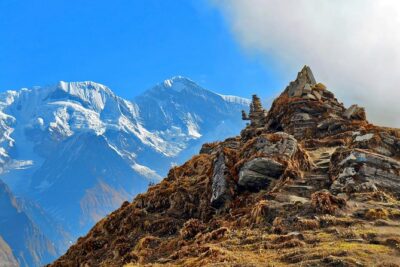
Browse the lists this tour appears in