
Reviewed · MARDI HIMAL TREKS
Mardi Himal Trek
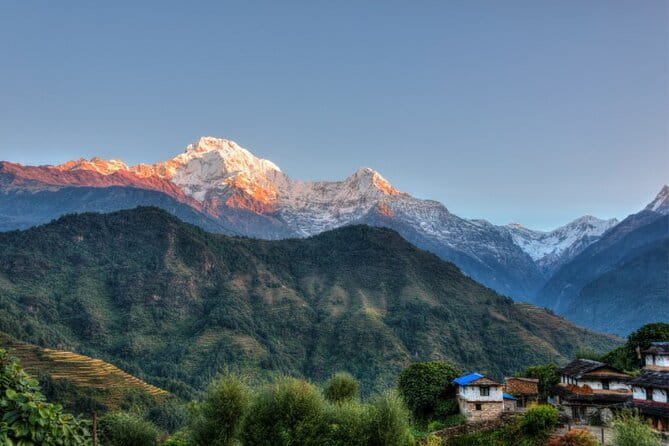
Mardi Himal feels like Nepal before the crowds. This 10-day trek mixes forest walking, high ridge views, and that rare sense you can hear your own footsteps. You’ll also get classic warm-country comfort along the way, tea breaks and camp meals, plus a team that keeps things moving.
I really like the quiet trekking vibe. Mardi Himal runs south of the well-worn Annapurna Base Camp route, so you spend more time with local landscapes and less time weaving around other groups.
I also like the practical setup. You travel with an English-speaking guide, you get a porter for shared load, and you’re not left guessing on permits, meals, or camp stays. One drawback to consider: this trek depends on good weather, and cold mornings are part of the deal, with snow possible on ridges in colder periods.
In This Review
- Key things that make Mardi Himal worth your time
- Why Mardi Himal feels calmer than the Annapurna Base Camp trail
- Price and value: what you get for $821.34 per person
- Kathmandu arrival, the pre-trek meeting, and what to bring
- Pokhara: the calm bridge between cities and trails
- Getting started from Kande to Australian Camp: your first mountain hit
- Forest Camp and Deurali: oak, maple, rhododendron, and a cooler world
- Mardi Base Camp approach: Low Camp, High Camp, then the viewpoint reward
- Low Camp days: grassy ridge walking and close mountain pressure
- High Camp days: above the tree line and a colder finish
- The Upper viewpoint / Mardi Himal Base Camp: panoramic reward
- Descent to Sidhing, then back to Pokhara and Kathmandu
- How the camp routine and meal plan shape your days
- Your guide and porter team: where safety becomes real
- Gear support from Ace: what they provide, what you still must pack
- Weather reality: why flexibility helps on Mardi Himal
- Who should book this trek, and who should think twice
- Should you book the Mardi Himal Trek with Ace the Himalaya?
- FAQ
- How long is the Mardi Himal Trek?
- Where does the trek start and what time does it begin?
- What is the maximum group size?
- What is included in the trek package?
- What is not included?
- Is there a porter on the trek?
- Are meals included during the trek?
- What trekking gear does Ace provide?
- Can I cancel and get a full refund?
Key things that make Mardi Himal worth your time
- Less-crowded feel for the Annapurna region, especially when other famous routes are busy
- Forest-to-ridge transition that changes the hike vibe fast, from jungle shade to open Himalayan views
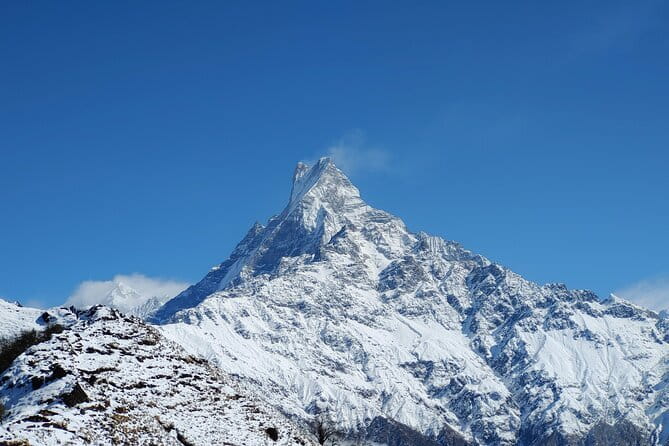
- Big views on multiple days, including Annapurna South and Machhapuchhre moments from camp areas
- A guide-led pace that prioritizes safety and realistic acclimatization
- Support on the ground, with a porter shared by two clients
- Provided trekking comforts like a down jacket and sleeping bag (returned at the end)
Why Mardi Himal feels calmer than the Annapurna Base Camp trail
If you have done the Annapurna classics and felt like you were walking through a slow-moving line, Mardi Himal is the antidote. The route sits in the same general Annapurna neighborhood, but it is less traveled, so you get more space around viewpoints and fewer crowded tea-stops.
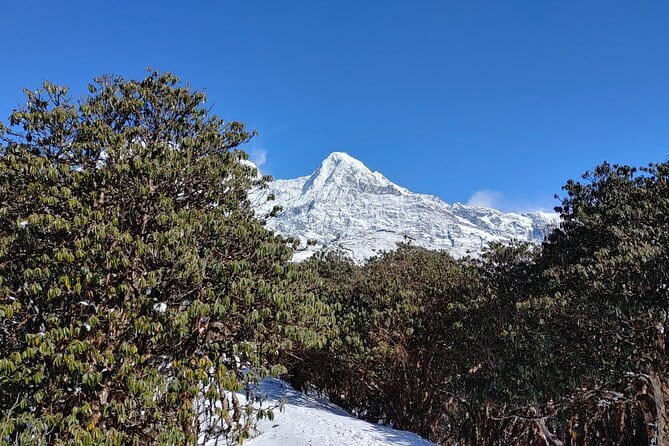
There is also a nice “variety hit” built into the trek. You start in village and forest rhythms, then you climb out of the trees and into open ridges where the mountains feel closer. That means you are not spending the entire trek staring at the same postcard view. You earn it, section by section.
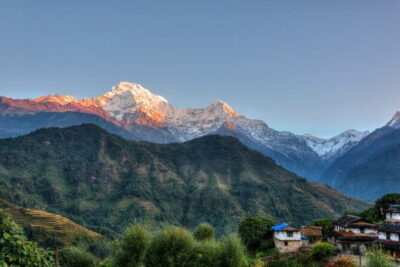
And yes, you still get the magic. The route brings you close to peaks you know by name, including Machhapuchhre (Fishtail) and Annapurna South. On clear days, the mountain presence is intense and immediate, not distant and fuzzy.
More Treks in Kathmandu
- Everest Base Camp Trek – 14 Days
★ 5.0 · 1,499 reviews - Everest Base Camp Trek
★ 5.0 · 842 reviews - Everest Base Camp Trekking
★ 5.0 · 485 reviews
Price and value: what you get for $821.34 per person
At $821.34 per person for about 10 days, the value comes from how much is already covered and how much reduces your mental load.
What’s included that usually matters most:
- Airport transfers in Kathmandu
- Hotels in Kathmandu (2 nights) and Pokhara (2 nights)
- Ground transport between Kathmandu and Pokhara, plus the vehicle needed around the trek start and finish
- A licensed English-speaking trekking guide
- Guesthouse trekking nights in twin-share or dormitory rooms
- Permits for trekking
- A porter for two clients
- Many included meals (breakfast each day of trekking, plus several lunches and dinners)
- A down jacket and sleeping bag for the trek period
- A duffel bag and sun hat you keep
One thing to double-check before you pay is the included airfare listed as Kathmandu to Lukla and back. Your trek walk described here begins from Kande via jeep, so the Lukla flight may be part of a broader routing plan, depending on season or operational choices. Either way, I’d confirm how that air segment fits your exact dates, so you are not surprised on travel day.
Kathmandu arrival, the pre-trek meeting, and what to bring
Your trek begins with an airport representative waiting at Tribhuvan International Airport in Kathmandu. The pick-up includes private tourist vehicle transfer to your hotel, and the process is organized, not chaotic.
Before you start walking, you’ll have a pre-trek meeting. This is not filler. It’s where your guide and team get introduced, and you sign trip forms and a non-liability disclaimer. The meeting also includes gear handoffs like a trekking duffel bag and cap you keep.
Bring what they ask for:
- Your passport
- Three copies of passport-size photos
- A readable copy of your travel insurance policy
If you want the meeting to go smoothly, keep those items together in one folder. It saves time and reduces stress when you are already tired from travel.
Pokhara: the calm bridge between cities and trails
Day 2 is a long but scenic transfer to Pokhara, around a 6 to 7 hour drive covering about 200 km. You’ll pass a mix of rivers and landscape change, including the Trishuli and Marshyangdi river areas and lots of smaller tributaries.
Pokhara is not just a staging point. It helps your brain shift from city time to mountain time. By the time you’re settled in your hotel, you can eat well, sleep, and prep properly for the next push.
Also, Pokhara is where you tend to start feeling the altitude logic. Even before you climb, you’ll notice how temperature and air feel different. That matters because it sets you up for a better acclimatization mindset.
More Mardi Himal treks:
- Mardi Himal Trek
★ 5.0 · 41 reviews - Mardi Himal Trek Nepal
★ 5.0 · 29 reviews - Mardi Himal Trek – 8 Days | Hidden Gem of the Annapurnas
★ 5.0 · 19 reviews - Mardi Himal Base Camp Trek -9 Days
★ 5.0 · 18 reviews
Getting started from Kande to Australian Camp: your first mountain hit
The trek “launch” day begins with a jeep ride to Kande, about an hour. Then you start hiking, climbing toward Australian Camp over roughly three hours.
Australian Camp is one of those stops that feels like the trek has officially started. On clear days, you can get unobstructed mountain views, including the Annapurna range and Machhapuchhre, plus views toward the Manaslu range. Even when clouds sit low, you usually feel the shift in atmosphere and footing.
This is also where you learn your pace for the whole trip. Your guide will help you settle into a rhythm that is steady enough for steep sections, but relaxed enough to breathe comfortably. In the better-run groups tied to this trek, guides like Ishwor, Rajan, and Krish are repeatedly mentioned for safety and responsiveness, and that’s the kind of leadership you want when you are still fresh.
Forest Camp and Deurali: oak, maple, rhododendron, and a cooler world
After breakfast, you head toward Forest Camp, roughly a 6 to 7 hour walk. The route drops slightly toward Pothana (about 1950 m) and then climbs again to Deurali (around 2100 m). From Deurali you follow a sign for Forest Camp.
The best part here is the change in feel. The trail enters a quiet jungle area with oak trees, maples, and rhododendrons. If you love forests, you’ll enjoy how the path feels shaded and alive compared with the later ridge trekking.
Practical note: forest days can fool you. The climb may not always feel as punishing as an open-sky ascent, but you still work your legs, and you still add altitude. Take breaks when you need them. Don’t wait until you’re breathing hard.
And when you finally reach Forest Camp, you’re set up for that “out of the trees and into the view” transition that defines this trek.
Mardi Base Camp approach: Low Camp, High Camp, then the viewpoint reward
The trek then climbs in stages that make sense for acclimatization.
Low Camp days: grassy ridge walking and close mountain pressure
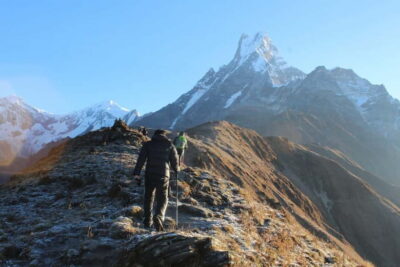
You’ll climb out of the forest and onto a grassy ridge, sometimes with snow depending on the season or conditions. Over about 6 to 7 hours, you reach Low Camp.
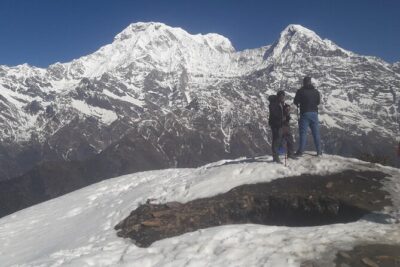
This is a key day because it shifts you from forest protection to open-sky exposure. The mountains feel closer as you walk toward Low Camp, especially Annapurna South and Machhapuchhre views.
At Low Camp, the typical routine is simple: tea, rest, and quick regrouping. It’s also where you start respecting cold. Even if the day starts mild, the air can sharpen quickly once you’re higher.
High Camp days: above the tree line and a colder finish
After an early start, you continue upward toward High Camp, roughly 4 to 5 hours after breakfast. You’ll walk above the tree line, and temperatures drop along the way.
Above tree line is where you really feel the weather. If clouds roll in, you might lose the view you hoped for. If the sky is clear, you get big, immediate scenery. Either way, your job is to keep moving steadily and not overexert early.
High Camp is also where you’ll practice your camp routine. Start early, drink warm liquids, and keep moving within your comfort zone. The groups that rate this trek highly often credit the guide team for managing that fine line.
The Upper viewpoint / Mardi Himal Base Camp: panoramic reward
On the next day, you go further to the upper viewpoint or Mardi Himal Base Camp area, with views that can include the Annapurna Sanctuary and faces of peaks such as Himchuli and Machhapuchhre.
This is the part of the trek where you pause longer. You’re not rushing past the view. You’re taking it in, because you’ve earned it with earlier climbs.
After spending time at the top, you return to High Camp for breakfast, then descend to Low Camp. The descent can feel easier than the climb, but don’t treat it like an off day. Your legs still work, and the ground can be slippery.
Descent to Sidhing, then back to Pokhara and Kathmandu
Day 8 is a satisfying transition. You descend down the trail toward Sidhing village, then stop for lunch there. After about five hours of descent, you finish the trek segment.
Then comes the relief moment: a 4WD jeep ride back to Pokhara. Even though the days on the trail are the headline, this drive is part of the experience. It’s when you realize you actually covered the whole route and you’re not halfway through forever.
Day 9 shifts you back to Kathmandu by tourist bus, around seven hours. You’ll catch your last glimpses of the mountains on the road, which is a strange mix of bittersweet and energizing.
In the evening you have a farewell dinner in a traditional Nepalese restaurant with cultural performances. It’s a good way to close the loop, especially if this is your first multi-day trek.
How the camp routine and meal plan shape your days
This trek includes a lot of food coverage, and that matters more than people think.
You’ll get:
- Breakfast: 9 meals
- Lunch: 6 meals
- Dinner: 6 meals
Meals in Kathmandu and Pokhara are not included, so you’ll pay for those on your own. On trek days, having breakfast and some lunches handled means you do not lose hours hunting for food or negotiating snacks while you’re tired.
Also, the trek tends to run on an early schedule. You’ll often wake up early for sunrise views, especially around High Camp time. If you love dawn scenery, you’ll appreciate how the plan builds that in, not as an afterthought.
The included meals also help your body. Trekking is not just about legs, it’s about staying fueled. When food is predictable, your energy stays steadier.
Your guide and porter team: where safety becomes real
One of the most praised parts of this trek is how the team runs the experience. Names that come up in shared accounts include Ishwor, Ramesh, Rajan, Deepak Neupane, Ram, Krish, and porters like Kismat, plus support staff such as Suka and Bizal.
Even if your specific team differs, the pattern is consistent: guides focus on pace, support, and keeping you safe on steeper sections. In practical terms, that means you’re less likely to start too fast, you’re more likely to rest when you should, and you’ll have help if weather shifts.
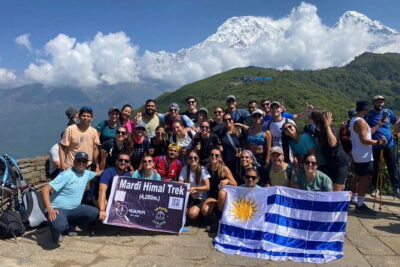
Logistics are also handled well. With a group maximum of 15 travelers, you’re not buried in a huge line. You’ll still see others sometimes, but it stays manageable.
And remember the porter setup: you get one porter for two clients. That is a big deal if you are not traveling with lightweight gear. You carry essentials, and the team handles the bulk.
Gear support from Ace: what they provide, what you still must pack
This trek includes some major comfort items:
- A down jacket and sleeping bag for the trek period, returned at the end
- A duffel/kit bag and sun hat you keep
What is not included:
- Personal trekking equipment
- Tips for guide and driver (tipping is expected)
So you should plan to bring your own core items like hiking boots, layers, and any personal health items you need. The operator provides a lot of warmth support, but it does not replace a good fit and the right base gear for your feet and body.
Packing tip: since the route can hit snow on ridges in colder conditions, bring warm layers even if you think you will only need light clothing. Also pack a rain option. Forest days can still bring wet conditions, and mountain weather changes quickly.
Weather reality: why flexibility helps on Mardi Himal
The program explicitly notes the trek requires good weather. That means cloud cover, wind, and visibility can affect your experience, especially during the viewpoint moments.
But weather risk does not mean you should panic. It means you should be smart with expectations. You may get perfect views one day and more muted scenery another day, and the hike is still worth it because the route transitions from forest to open ridge, and the walking itself is satisfying.
This is also why “favorable seasons” matter. In those periods you tend to get less crowd compared with the more famous Annapurna routes, and the overall trekking flow is easier.
Who should book this trek, and who should think twice
You should consider this trek if:
- You have moderate physical fitness
- You’re comfortable with 5 to 7 hour walking days
- You want a less crowded Annapurna-adjacent experience with multiple viewpoints
You might think twice if:
- You want a totally easy, flat trek with minimal cold
- You can’t handle early starts and repeated uphill sections
- You need guaranteed perfect panoramic visibility every day
In practice, this trek suits travelers who like thoughtful pacing more than racing. If you enjoy camp atmospheres, ridge views, and the feeling of stepping away from the busiest trails, Mardi Himal fits.
Should you book the Mardi Himal Trek with Ace the Himalaya?
Yes, if your goal is a calmer Annapurna-range trek with a real sense of space. The biggest strengths are the low-crowd feel, the forest-to-ridge variety, and the team support that prioritizes safety and pacing. The structure also makes it easier for you to focus on hiking instead of managing permits, meals, and camp logistics.
Before you book, do two simple checks:
- Confirm how the included flight segment (listed as Kathmandu to Lukla and back) aligns with your trek start, since your walking begins from Kande via jeep.
- Plan for cold mornings and possible snow on higher ridges, even if you’re traveling in a favorable season.
If you want a trek that feels authentic, well run, and refreshingly quiet, this one deserves a spot on your Nepal list.
FAQ
How long is the Mardi Himal Trek?
The experience is listed as 10 days (approximately).
Where does the trek start and what time does it begin?
It starts at Tribhuvan International Airport in Kathmandu. The start time is 8:00 am.
What is the maximum group size?
The tour/activity has a maximum of 15 travelers.
What is included in the trek package?
The package includes airport transfers, hotel stays in Kathmandu and Pokhara, tourist bus and vehicle transfers, a licensed English-speaking trekking guide, trekking guesthouse accommodation, permits, and many meals. It also includes a down jacket and sleeping bag for the trek period (to be returned), plus a duffel/kit bag and sun hat you keep.
What is not included?
Lunch and dinner in Kathmandu and Pokhara are not included. Also not included are travel insurance that covers emergency high-altitude rescue and evacuation, international airfare, Nepal entry visa, alcoholic drinks, personal trekking equipment, and tips for guide and driver.
Is there a porter on the trek?
Yes. There is 1 porter for two clients.
Are meals included during the trek?
Breakfast is included (9 breakfasts). Lunch is included (6 lunches). Dinner is included (6 dinners). Meals in Kathmandu and Pokhara are not included.
What trekking gear does Ace provide?
You are provided a down jacket and a sleeping bag for the trek period, and you must return them at the end. You also receive a duffel/kit bag and sun hat that you keep.
Can I cancel and get a full refund?
Yes. You can cancel up to 24 hours in advance for a full refund. If you cancel less than 24 hours before the start time, the amount you paid will not be refunded. The cutoff uses the experience’s local time.
Latest additions near Kathmandu
- White Water River Rafting – 1 Day★ 4.3 · 3 reviews
- Traditional Momo Making Class★ 5.0 · 10 reviews
- Kathmandu to Pokhara Premium sofa bus ticket★ 4.0 · 17 reviews
- Ghorepani Poon Hill Trek★ 5.0 · 16 reviews
- Amazing 1 Day Trekking Experience in Kathmandu Nepal★ 5.0 · 24 reviews
- Ghorepani Poonhill Trek★ 5.0 · 5 reviews
- Walking tour of real Kathmandu through back streets.★ 5.0 · 3 reviews
- Wildlife Adventure in Chitwan Nepal★ 4.0 · 4 reviews
Mardi Himal Treks, compared.
Mardi Himal Trek – 8 Days | Hidden Gem of the Annapurnas
Read our review →
Browse the lists this tour appears in