
Reviewed · MARDI HIMAL TREKS
Mardi Himal Trek – 12 Days
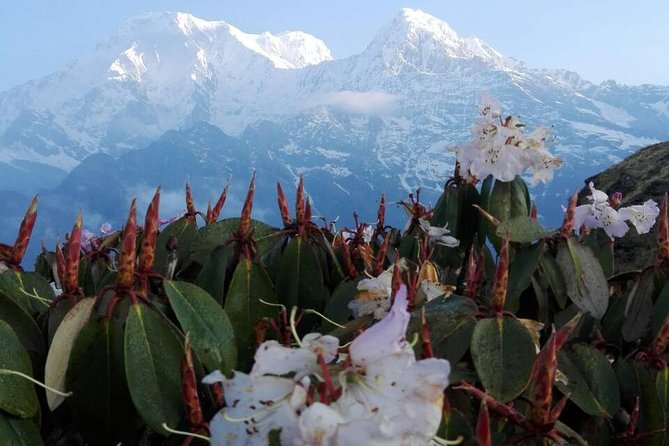
Mardi Himal feels like you found a quieter trail. This trek pushes you away from the busiest paths in the Annapurna Himalaya, aiming for high ridges with close views of Mardi and Machhapuchare. You start in low, warm rice fields, then work your way toward cooler alpine hills wrapped in thick rhododendron, oak, magnolia, pine, and fir forests.
I love the human support built into the trip: a professional trekking guide plus a strong porter, and the fact that guides like Sagar and Suman come up again and again for route know-how and encouragement. I also like the food-and-gear value side, with three meals per day on trek and trekking equipment such as sleeping bags, down jackets, and duffel bags reported as excellent, plus good hotel setups in Kathmandu and Pokhara.
One drawback to plan around: you’ll want moderate fitness and a realistic attitude about altitude, since this region can still challenge you even with good guidance. Also, the provided day-by-day detail stops at the first few sightseeing days, so you should confirm what the remaining trek days look like before you lock it in.
In This Review
- Key things I’d underline before you go
- Why Mardi Himal feels different than other Annapurna treks
- Kathmandu warm-up in Thamel: your day 1 reset
- Durbar Square plus the sacred circuit: day 2 culture
- Pokhara Lakeside: calm water, easy walking, low stress
- Dhampus View Tower: a first real hit of mountain scale
- The trek itself: forests, ridges, and close-up mountain moments
- Your guide and porter setup, and why it affects your comfort
- Meals on trek: you’re not doing this on empty
- Gear and warmth: sleeping bag and down jacket support
- Kathmandu to Pokhara and back: flight there, bus back
- Hotels and comfort: tourist standard stays with twin sharing
- Price and logistics: what $980.87 is really buying
- How I’d prepare so altitude doesn’t ruin your trip
- Who should book this Mardi Himal trek
- Should you book it?
- FAQ
- What time does the tour start and is pickup offered?
- Which meals are included during the trek?
- Are hotels included in Kathmandu and Pokhara?
- How do you get between Kathmandu and Pokhara?
- Are trekking permits included?
- Is the city tour admission fee included?
- What trekking equipment is provided?
- Is this tour private?
Key things I’d underline before you go
- Hidden, quieter-feeling routes in the Annapurna area, not just the main high-traffic trail.
- High-ridge walking for close views of Mardi and Machhapuchare when conditions are clear.
- Route-experience guides are a big part of the win, with names like Sagar and Suman showing up in the same positive pattern.
- Support system included: professional guide and a strong porter to share the load.
- Meals and trekking kit are part of the package, including sleeping bags and down jackets in the gear set people described.
Why Mardi Himal feels different than other Annapurna treks
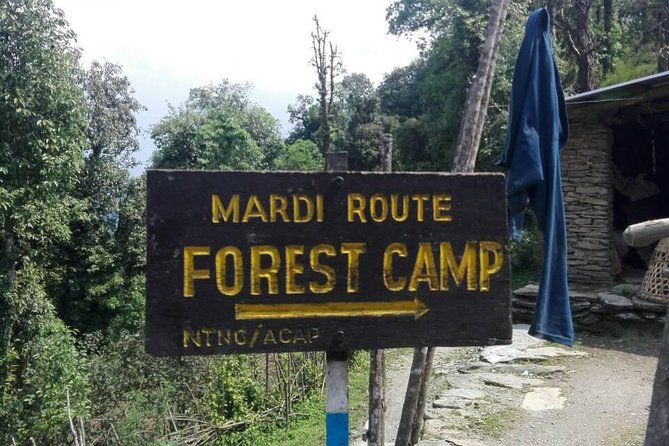
Mardi Himal is all about the shift in altitude and atmosphere. You move from warmer, lower zones into cooler alpine country, where the forests get thicker and the air feels sharper. That change makes each day feel like a new setting, not just the same mountain view repeated.
The other differentiator is that the trek route is described as going into hidden areas rather than staying glued to the busiest corridors. Practically, that matters because it changes the rhythm of your hike. Instead of always sharing narrow paths, you get more moments where the trail feels quieter and the views feel closer to you.
Finally, the goal is classic Annapurna drama, but in a more personal way. You’re set up to enjoy wide panoramas of the Annapurna range with close views of Mardi and Machhapuchare Himal, so you’re not just looking at distant peaks through the haze.
More Treks in Kathmandu
- Everest Base Camp Trek – 14 Days
★ 5.0 · 1,499 reviews - Everest Base Camp Trek
★ 5.0 · 842 reviews - Everest Base Camp Trekking
★ 5.0 · 485 reviews
Kathmandu warm-up in Thamel: your day 1 reset
Day 1 starts in Thamel, the tourist hub where you can sort out last-minute gear, charge devices, and get your bearings fast. You get about 5 hours here with an admission ticket included, which suggests you’re not just dropping in for photos and leaving.
What I like about beginning in Thamel is how practical it is. Even if you’ve packed well, you often realize you need one more small thing, like blister care, a warmer layer, or a simple SIM card. Starting here helps you avoid that scramble later when you’re already thinking about mountains.
Durbar Square plus the sacred circuit: day 2 culture
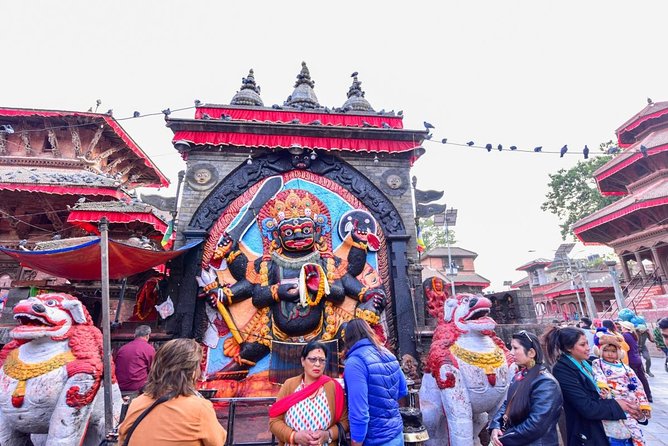
Day 2 is built around Kathmandu’s major sights: Kathmandu Durbar Square, Pashupatinath, Boudhanath, and Swayambhunath. You get 1 hour for this set, and admission tickets are not included, so you should expect some extra costs on the spot.
This “big four” style of touring is useful when time is tight. You’ll see different faces of Kathmandu in a short window, from royal square vibes to large stupa energy and temple sanctity at Pashupatinath. The quick timing also means you won’t get lost in museum-style pacing, which is good when your real priority is getting ready for trekking.
Potential drawback here is simple: 1 hour is not long. If any one site is a must for you, consider budgeting extra time independently.
Pokhara Lakeside: calm water, easy walking, low stress
Day 3 brings you to Pokhara Lakeside, where the plan is to stay in the area and walk near Phewa Lake for about 2 hours. The mood is different from Kathmandu right away, with a calmer feel and more space to breathe.
This is a smart setup before trekking. When you’re about to start hiking and climbing, the last thing you want is another heavy day of logistics. A relaxed lakeside walk helps you transition mentally, and it gives you a chance to settle into Pokhara’s pace.
Because you’re already in a tourist-friendly zone, you’ll also have options if you want extra snacks, warm layers, or just a place to sit and watch the light change over the water.
More Mardi Himal treks:
- Mardi Himal Trek
★ 5.0 · 41 reviews - Mardi Himal Trek Nepal
★ 5.0 · 29 reviews - Mardi Himal Trek – 8 Days | Hidden Gem of the Annapurnas
★ 5.0 · 19 reviews - Mardi Himal Base Camp Trek -9 Days
★ 5.0 · 18 reviews
Dhampus View Tower: a first real hit of mountain scale
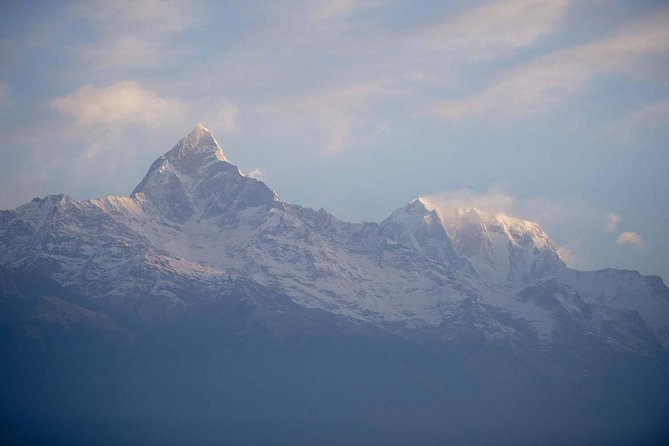
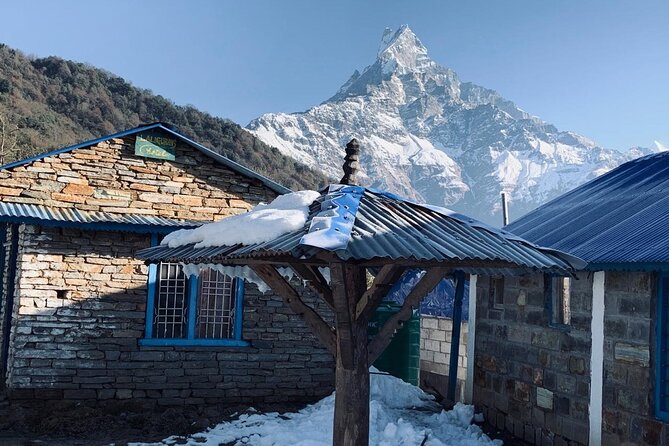
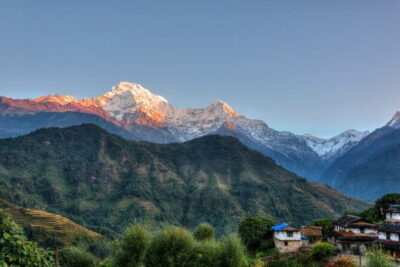
Day 4 adds a views stop at Dhampus View Tower, with about 1 hour allocated. From here you’re looking at Annapurna, Manaslu, and Fishtail, plus green hills and farm villages, so it’s not just peak spotting. You’re also seeing how the valleys and settlements connect to the mountain walls.
I like using a tower like this as a warm-up. Even before the trekking begins in full, you get a sense of scale and direction. If you’ve never trekked in Nepal before, that early reality check can help you set expectations for what comes next.
The trek itself: forests, ridges, and close-up mountain moments
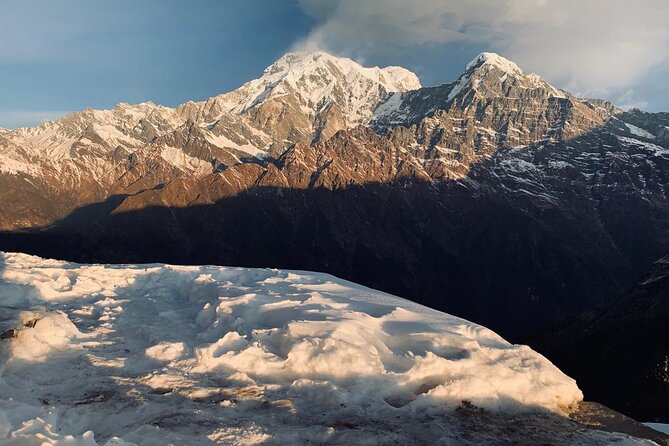
The trek experience centers on a gradual climb through different environmental zones. The route description highlights moving from low rice fields into cooler alpine hills, then through thick dense forest lines with tall rhododendron, oak, magnolia, pine, and fir.
That forest segment matters because it changes how the climb feels. In some mountain areas, every step is exposed and windy. Here, the vegetation can offer more shade or protection, which can make a big difference on a long day.
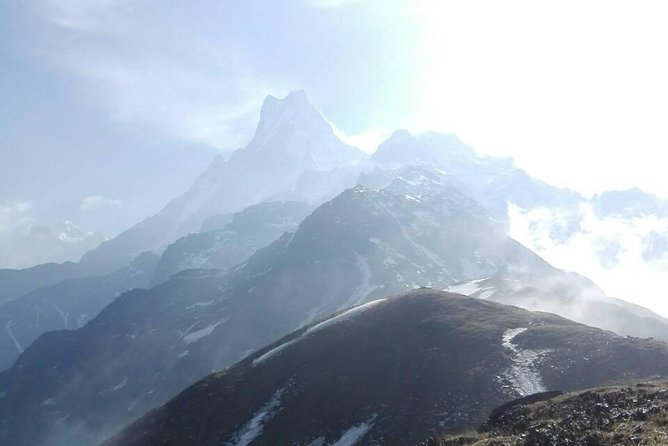
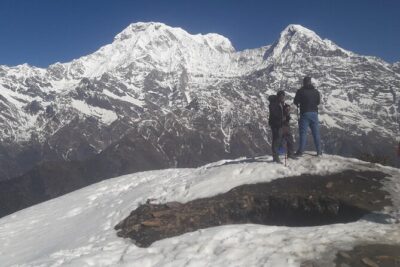
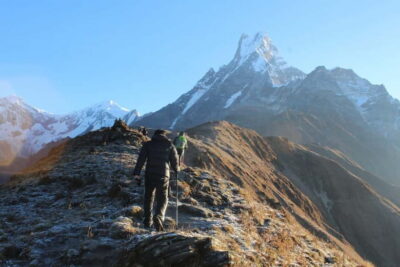
Then comes the payoff: high ridge walking and “incredible panorama” of the Annapurna range, with close views of Mardi and Machhapuchare Himal. When weather is clear, this is the kind of scenery you remember for years because it feels close and immediate, not like distant dots on the horizon.
One practical note: you should be ready for variable visibility. In the Himalaya, clouds can roll in and out. So when you get a clear window, take it seriously and enjoy it.
Your guide and porter setup, and why it affects your comfort
This trip is built around a professional trekking guide during the trek, plus a strong porter. That combination is more than a “nice to have.” It affects how confidently you move on uneven paths and how well you handle day-to-day decisions like pace and rest timing.
Names like Sagar and Suman show up alongside the same themes: route experience and steady support. That’s what you want when the terrain gets confusing or when the body starts negotiating with you.
The porter support also matters because it reduces fatigue. Even if you pack smart, carrying everything can be the difference between finishing a day strong and finishing it grudgingly.
Meals on trek: you’re not doing this on empty
The included plan provides three meals per day during the trek, which means breakfast, lunch, and dinner are taken care of. Reviews strongly suggest the food experience is a highlight, especially lunches.
Good lunch breaks are underrated. They’re where you refuel before the next climb or descent, and they also give you a chance to stay social and grounded. If you’re trekking with friends or family, shared meals become part of the trip’s rhythm.
You should still budget for personal drinks and snacks that aren’t included. The basic meals are covered, but soft and hard drinks are listed as not included.
Gear and warmth: sleeping bag and down jacket support
The package includes necessary equipment that you return after completing the trek. People also described gear like sleeping bags, down jackets, and duffel bags as excellent.
That gear list is a big deal for comfort. Cold hits fast at higher elevations, and warm layers make a real difference for sleep quality too. If you’re not sure how cold you’ll get, having reliable kit reduces the guesswork.
Just remember: you’ll still need to manage your own layers for day hiking, even if your overnight setup is covered. Bring what you can handle and keep it simple.
Kathmandu to Pokhara and back: flight there, bus back
Transport is a core part of why this trip feels manageable. Kathmandu to Pokhara is handled by flight, which saves hours of road travel and helps you arrive fresher. Then Pokhara to Kathmandu is done by tourist bus.
This combo makes sense. Flights are the quickest way to start mountain time without draining energy. The bus return can be a little longer, but it’s also a chance to rest your legs after trekking and watch Nepal drift by.
You also get all necessary transports by private vehicles, and the tour is private, meaning only your group participates. That reduces timing headaches if you have different needs in the same party.
Hotels and comfort: tourist standard stays with twin sharing
In Kathmandu, you’re set up with three nights in tourist standard hotels on twin sharing. In Pokhara, you get two more nights, also tourist standard and on twin sharing.
“Tourist standard” is a useful phrase because it usually means clean, functional, and not expecting luxury. You’re there to sleep, shower, and recharge, not to live in a hotel lobby. If you keep that mindset, these stays do their job well.
It’s also worth noting that one review mentioned a farewell dinner and BBQ being memorable. Even if you don’t care about fancy meals, that kind of wrap-up is often what makes a trek feel like a complete story.
Price and logistics: what $980.87 is really buying
At $980.87 per person, the value comes from what’s packed together. The included items cover private transport, a Kathmandu city tour, hotels in both Kathmandu and Pokhara, the Kathmandu to Pokhara flight, trek meals, permits, a guide, a porter, and trekking equipment that you return after the trek.
This is not just “a guide and a permit.” You’re also buying time savings and planning support. When you’re trekking in a region like Annapurna, reducing uncertainty is part of the cost.
What’s not included is also clear: personal expenses and all drinks, extra nights in Kathmandu and Pokhara, and entry fees for the city tour. So if you love bottled drinks, frequent cafes, or paid attractions during the city portion, your total will creep up.
If you want a clean budget, I’d add a buffer for:
- City entry fees that are not included
- Snacks and drinks
- Any extra nights if your timing shifts
How I’d prepare so altitude doesn’t ruin your trip
This is described as suitable for moderate physical fitness. That’s helpful, but it doesn’t mean “easy.” You’ll still be hiking uphill in thin air, and fatigue can sneak up on you even if your legs feel fine.
Plan for altitude as a real possibility. One person mentioned dealing with altitude sickness but still completing the trek with encouragement and support. That’s a reminder that pacing and rest matter, and you should listen to your body early.
Also, treat warm gear seriously. If you have a down jacket and a decent sleeping bag setup through the trip, you’ll be more comfortable at night. During the day, dress in layers so you can adjust as the trail swings between sun and cloud.
Who should book this Mardi Himal trek
I think this trek fits best if you want a mountain experience that feels personal, not only popular. The emphasis on ridges, close views, and moving off the main route suits people who enjoy nature and want the feeling of finding a quieter way through the Annapurna region.
It also looks like a strong first-trek choice. One review specifically called out it being their first trekking experience, and the support structure helped them finish confidently. If you’re traveling with friends, the private group format can keep the experience calm and easy to manage.
Should you book it?
Book it if you want a well-supported Mardi Himal trek with guide and porter, solid meals included, and gear that helps you stay warm. The overall package is also positioned as good value because flights, hotels, permits, and trek meals are wrapped into the price.
Think twice if you want a fully detailed day-by-day plan before you commit. The information I have lays out the first few sightseeing days, but it doesn’t provide the full trek schedule detail here, so you’ll want to confirm exactly what the remaining trek days look like and how your hiking days are paced.
FAQ
What time does the tour start and is pickup offered?
The start time listed is 7:45 am, and pickup is offered. The meeting point is near public transportation.
Which meals are included during the trek?
Three meals per day are included during the trek: breakfast, lunch, and dinner.
Are hotels included in Kathmandu and Pokhara?
Yes. You get three nights in Kathmandu and two nights in Pokhara, both in tourist standard hotels, twin sharing.
How do you get between Kathmandu and Pokhara?
Kathmandu to Pokhara is included by flight. Pokhara to Kathmandu is included by tourist bus.
Are trekking permits included?
Yes. The necessary permit for the trekking is included.
Is the city tour admission fee included?
No. Entry fee for the city tour is not included, and the sightseeing stop that includes Kathmandu Durbar Square and other sites is listed as admission ticket not included.
What trekking equipment is provided?
Necessary trekking equipment is included and is returned after the trek. Based on descriptions people gave, the kit can include items like sleeping bags, down jackets, and duffel bags.
Is this tour private?
Yes. It is a private tour or activity, and only your group will participate.
Latest additions near Kathmandu
- White Water River Rafting – 1 Day★ 4.3 · 3 reviews
- Traditional Momo Making Class★ 5.0 · 10 reviews
- Kathmandu to Pokhara Premium sofa bus ticket★ 4.0 · 17 reviews
- Ghorepani Poon Hill Trek★ 5.0 · 16 reviews
- Amazing 1 Day Trekking Experience in Kathmandu Nepal★ 5.0 · 24 reviews
- Ghorepani Poonhill Trek★ 5.0 · 5 reviews
- Walking tour of real Kathmandu through back streets.★ 5.0 · 3 reviews
- Wildlife Adventure in Chitwan Nepal★ 4.0 · 4 reviews
Mardi Himal Treks, compared.
Mardi Himal Trek – 8 Days | Hidden Gem of the Annapurnas
Read our review →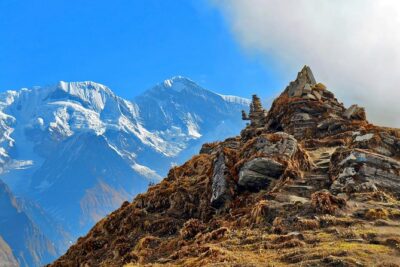
Browse the lists this tour appears in