
Reviewed · MANASLU CIRCUIT TREKS
Manaslu Trekking
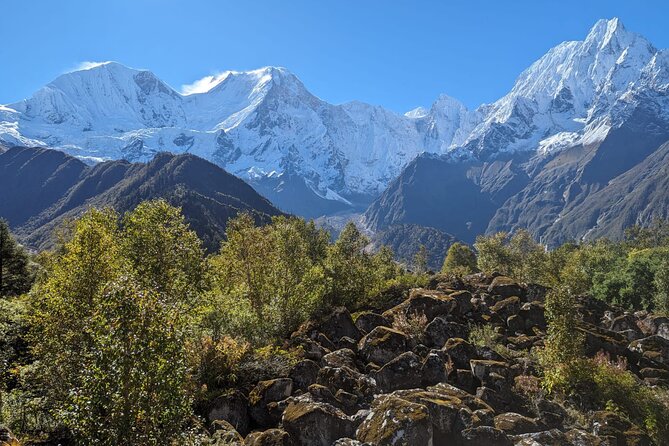
Manaslu is where Nepal slows down. This 17-day Manaslu Circuit trek takes you around the world’s eighth-highest peak, Mount Manaslu, with remote trails and major mountain scenery. I like that it’s built for real trekking days, while also giving you a strong Kathmandu start.
Two things I especially like: the package includes a full-board meal plan during the trek, and it handles the paperwork with permits, TIMS, and national park entry fees covered. That means less stress for you when you land and when the trail gets serious.
One consideration: this is a demanding trek with long walking days and camp nights on many routes, so you’ll want a steady fitness routine and the right mindset for basic accommodations.
In This Review
- Key highlights to look forward to
- Why the Manaslu Circuit feels remote, not commercial
- Kathmandu prep: temples first, then trail energy
- Walking days through river valleys and Gurung villages
- Day 3 to Day 5: Sal forests, hot springs, terraces, and river crossings
- Day 6: Namrung and a more Buddhist-influenced vibe
- Base camp approach: Namrung, Samagaun, and monastery time
- Day 7 to Day 9: Manaslu Base Camp area and Samagaun views
- Samdo and the Larkya Bhanjyang approach: why pacing matters
- Day 10: Following the river to Samdo
- Day 11: Ascent to the pass, then camp time
- Day 12: Summit-day views and a long-feeling descent
- Bimthang Lake viewpoint, Tilje, and Chamje: finishing with variety
- Day 13: Bhimtang Lake viewpoint and Tilje
- Day 14: Chamje trails through scrub forests
- Day 15 to Day 17: Kathmandu reset
- Lodging and meals: where the value really shows
- Meals included, and it changes how you hike
- Teahouse or mountain lodge, plus camp nights
- Permits, TIMS, and porter support: the practical advantages
- Permits and TIMS are handled
- Porter ratio and their insurance
- Gear and extras: what’s included and what you still handle
- Price and logistics: what $1,900 covers, and what you should plan for
- Who this trek suits, and who should think twice
- Should you book this Manaslu trekking package?
- FAQ
- How long is the Manaslu Trekking experience?
- What fitness level do I need?
- Is airport pickup and drop-off included?
- What meals are included during the trek?
- Are permits and TIMS included?
- What kind of lodging do I get in Kathmandu?
- Is this a private tour?
- What is not included in the price?
Key highlights to look forward to
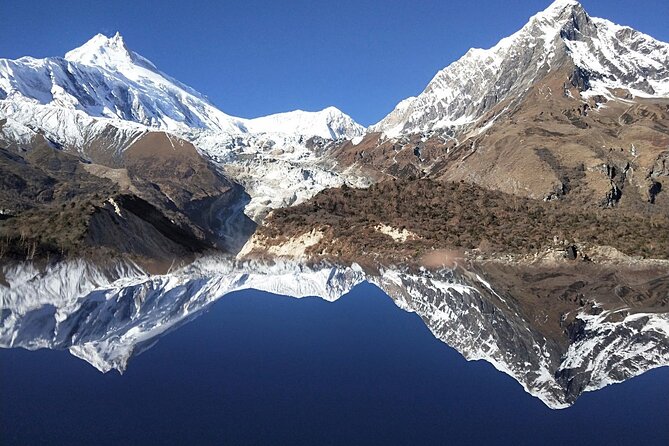
- Less-crowded trekking in the Manaslu region compared with the more commercial routes
- Permits and TIMS included, so you do not have to track down documentation mid-trip
- Porter support with a 1 porter for 2 people setup, including their insurance and expenses
- Full-board meals during the trek (breakfast, lunch, dinner), which adds real value
- Kathmandu culture days with a guide at Pashupatinath, Boudhanath, and Swayambhunath
Why the Manaslu Circuit feels remote, not commercial
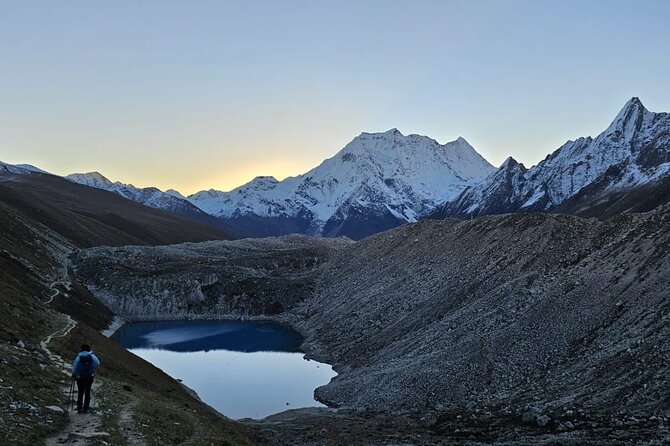
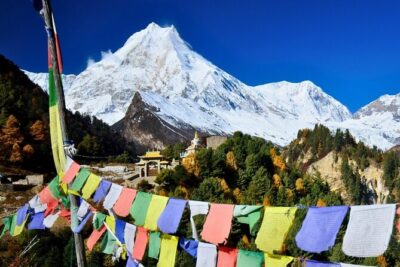
If your idea of the perfect trek is big views with fewer people, the Manaslu region fits that mood. The circuit circles Mount Manaslu (8,163 meters), and the trek is known for giving you dramatic mountain moments without the same level of crowd pressure you can see on other famous trails.
What makes it feel different is the way your route mixes river valleys, terraced areas, forest sections, and village paths. Day after day, you’re not just walking to reach a single viewpoint. You’re moving through changing Nepal, which makes the whole trip feel earned.
More Treks in Kathmandu
- Everest Base Camp Trek – 14 Days
★ 5.0 · 1,499 reviews - Everest Base Camp Trek
★ 5.0 · 842 reviews - Everest Base Camp Trekking
★ 5.0 · 485 reviews
Kathmandu prep: temples first, then trail energy
You start in Kathmandu with a simple, practical plan. After arrival at Tribhuvan International Airport, a representative helps you get to your Kathmandu hotel, and you get time to reset before the trip kicks into gear.
Day 1 includes a welcome dinner in the heart of Kathmandu and a briefing on what’s ahead. That matters because Manaslu is not a casual weekend hike. You’ll want your team, your gear plan, and your expectations lined up early.
Day 2 is guided Kathmandu culture with three major stops: Pashupatinath Temple, Boudhanath Stupa, and Swayambhunath (Monkey Temple). This isn’t just sightseeing. It’s also a good way to understand Nepal’s living spiritual landscape before you step into trekking territory.
- Pashupatinath Temple gives you a strong introduction to Hindu heritage.
- Boudhanath Stupa is a calm, UNESCO World Heritage stop with Buddhist pilgrimage energy.
- Swayambhunath sits up above the city, with the famous eyes on the stupa and a lively monkey presence.
You’ll finish this day back at your hotel, which is the right rhythm before the long trek days start.
Walking days through river valleys and Gurung villages
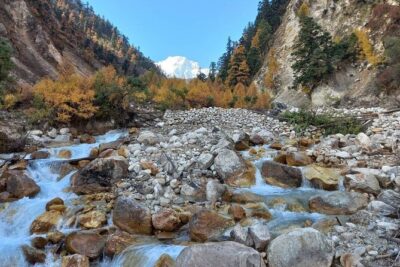
Once the trek begins, you’re in a different world. Your route repeatedly follows the Budhi Gandaki river system, crossing suspension bridges and weaving through mixed terrain. Some days are steady walking; others have more up and down than you might expect, especially when trails narrow.
Here’s what stands out as you move through the early circuit days:
Day 3 to Day 5: Sal forests, hot springs, terraces, and river crossings
On Day 3, you trek through Sal forests and climb onto a ridge above huge rapids on the Budhi Gandaki. The route threads past waterfalls on a steep, rocky side-of-cliff feel. You then drop toward the river again, walking over rounded stones, and you cross suspension bridges as the valley shifts.
Day 4 adds variety with small hot spring time in Tatopani, then more ridges and suspension bridges over the Budhi Gandaki and the Yaru Khola. The day includes stone stairs and a landslide crossing section, which is a reminder to stay steady, not fast.
Day 5 brings a mix of open fields and steeper gorge segments. You cross a suspension bridge in Philim, pass through millet fields, and then head into a steep, uninhabited gorge stretch before reaching the tiny village of Deng.
More Manaslu Circuit departures:
- Manaslu Circuit Trek
★ 5.0 · 292 reviews - Manaslu Circuit Trek:
★ 5.0 · 106 reviews - Manaslu Circuit Trek (15 Days)
★ 5.0 · 50 reviews - Manaslu Circuit Trek
★ 5.0 · 35 reviews
Day 6: Namrung and a more Buddhist-influenced vibe
Day 6 shifts into a Buddhist-influenced area and brings you to Ghap (with an overnight at Gamp). Even when the walking is similar, the feel changes, and it helps you notice how different communities shape the trail.
Base camp approach: Namrung, Samagaun, and monastery time
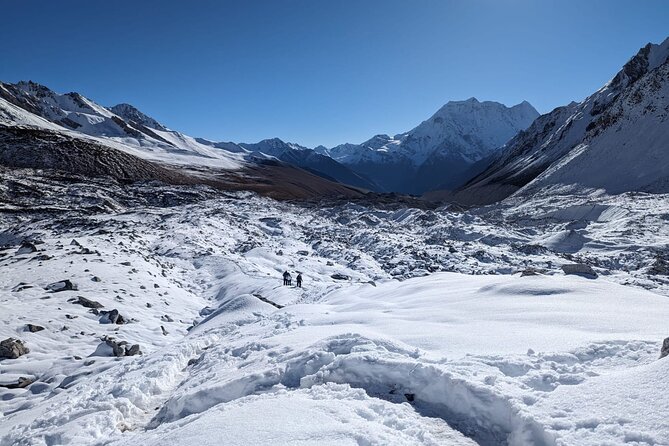
This is where the circuit starts turning into a full mountain experience. The scenery becomes more focused, and the days begin to feel like you’re building toward a higher, quieter zone.
Day 7 to Day 9: Manaslu Base Camp area and Samagaun views
Day 7 climbs through bamboo and rhododendron forests to Namrung, then enters the Nupri region and continues onward toward a base camp area. Day 8 takes you along the river with views of Peak 29 and brings you to Samagaon with views of Manaslu.
Day 9 is also important because it’s not just another walking day. You spend time exploring the monastery and village around Samagaon, with strong mountain views. This break day is valuable. It gives you a chance to slow down, check how your body is handling the trek, and soak in the area beyond a quick lunch stop.
Samdo and the Larkya Bhanjyang approach: why pacing matters
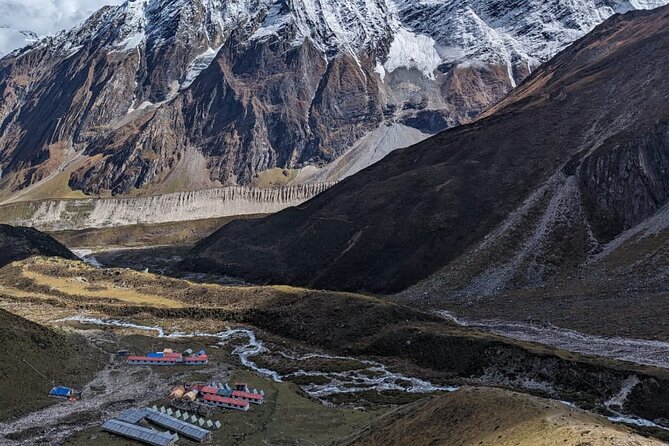
From Samagaon, the route continues along the Budi Gandaki toward Samdo. This stretch sets you up for the pass work later, including tundra and juniper terrain you’ll walk through as you ascend toward Larkya Bhanjyang.
Day 10: Following the river to Samdo
Day 10 follows the Budi Gandaki to Samdo. When a route follows a river like this, it often means you get repeated changes in footing and riverbank sections. Expect a long-feeling day even if the trail seems straightforward at first.
Day 11: Ascent to the pass, then camp time
Day 11 starts the ascent to Larkya Bhanjyang through tundra and juniper. This is one of those days where good pacing beats heroics. You do not need to prove anything to anyone. Your goal is to keep moving steadily and save your legs for the next days.
Day 12: Summit-day views and a long-feeling descent
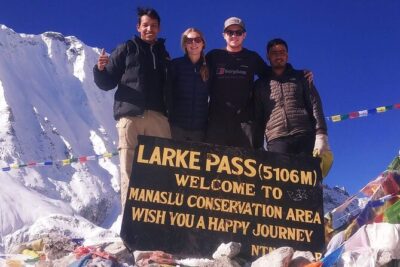
Day 12 reaches the pass summit with panoramic views, then descends to Bimtang. The rhythm here is classic high-point trek logic: the hard part comes with effort, and the second challenge comes as your legs adapt to downhill walking.
Bimthang Lake viewpoint, Tilje, and Chamje: finishing with variety
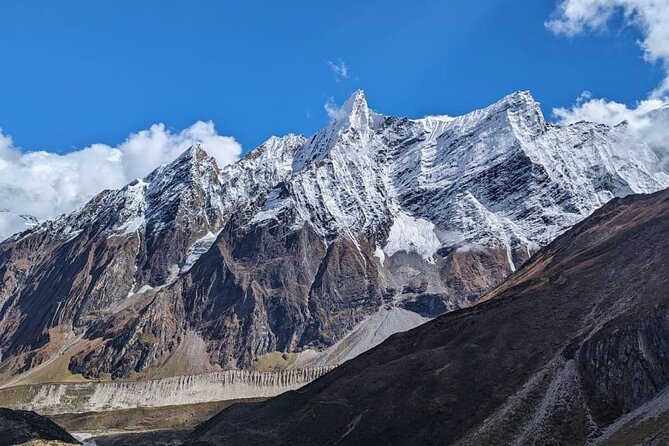
After the pass section, the circuit turns into a quieter descent with new scenery changes.
Day 13: Bhimtang Lake viewpoint and Tilje
Day 13 heads toward the Bhimtang Lake viewpoint, then continues down through forests to Tilje for an overnight camp. Viewpoint day plus descent is a combo that can feel deceptively tiring. You might see the big views and feel energized, but your body still needs fuel and rest.
Day 14: Chamje trails through scrub forests
Day 14 follows the trail through scrub forests and arrives at Chamje for overnight camp. This is a calmer, more local-feeling walking day. It also gives you time to rebuild your energy before the final transfer back to Kathmandu.
Day 15 to Day 17: Kathmandu reset
Day 15 drives back to Kathmandu through the countryside and gives you a hotel day to rest and relax. Day 16 offers a full day at leisure, including the chance to explore Thamel. Day 17 is more free time and shopping, then transfer to the airport.
These final days are not filler. After high mountain walking, you’ll appreciate the slow pacing, the chance to wash gear, and time to digest the trip.
Lodging and meals: where the value really shows
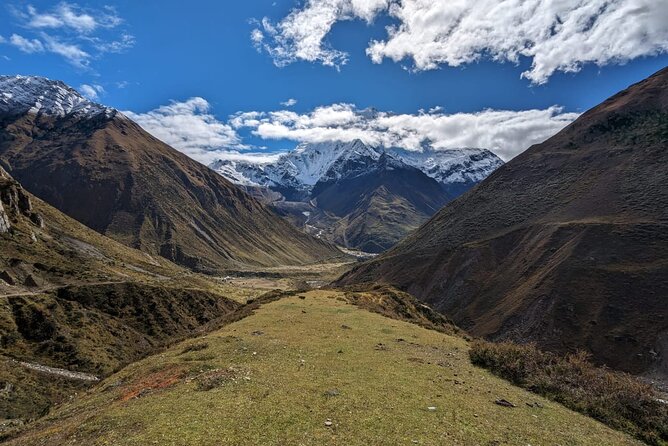
This tour is strongest where it reduces friction. You’re not left guessing about daily meals and basic logistics.
Meals included, and it changes how you hike
The package includes breakfast, lunch, and dinner during the trek, listed as full-board meals. That matters because it keeps your energy stable on long walking days, and it reduces the number of times you have to negotiate prices or search for the next meal.
Kathmandu lodging is also clearly covered: three-star deluxe twin share accommodation with breakfast, plus a welcome dinner on Day 1.
Teahouse or mountain lodge, plus camp nights
The included description mentions clean teahouse or mountain lodge accommodation during trekking. Your daily route also lists overnight camp on multiple days. So you should mentally prepare for a mix of simple trekking lodging styles, especially once you’re out of Kathmandu and moving through the high-trail areas.
Permits, TIMS, and porter support: the practical advantages
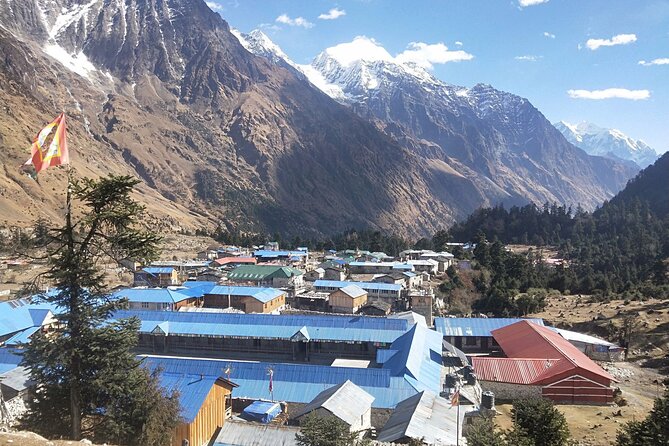
A lot of treks look similar on paper. What separates a good package is what it does for the paperwork and the heavy lifting.
Permits and TIMS are handled
The tour includes all necessary trekking permits, national park entry fees, and the TIMS card. That is a big deal for you because it reduces delays and uncertainty.
Since the Manaslu region does require special permissions, having them covered by your operator keeps your trip on track.
Porter ratio and their insurance
You get guide and porters with a stated ratio of 1 porter for 2 people. Their expenses and insurance are included too. Practically, this means you can pack for trekking without trying to carry everything in your own day bag.
Also, the tour lists a first aid medical kit box during the trip. That’s not the same as hospital care, but it does signal basic medical readiness.
Gear and extras: what’s included and what you still handle
You receive a duffel bag and a T-shirt. The package also lists equipment for porter like trekking boots and jacket as required for trekking. That tells me the operator is thinking through porter capacity and cold-weather needs, even if your personal gear decisions are still up to you.
On your side, plan for cold mornings, long walking days, and layered clothing. Even without specific temperature details here, the route includes tundra and pass terrain, which usually means big swings in temperature and wind.
Price and logistics: what $1,900 covers, and what you should plan for
At $1,900 per person for a trek around 17 days, the price is easiest to judge by what is included. In this package, you’re not just paying for guiding. You’re also paying for accommodation in Kathmandu, full trekking meals, key travel support like airport pickup and drop-off, and a lot of administrative items.
What is included:
- Airport pick up and drop
- Kathmandu hotel with breakfast, plus welcome dinner on Day 1
- Guided sightseeing around Kathmandu Valley with professional guidance
- Full-board meals during the trek (breakfast, lunch, dinner)
- Trekking permits, national park entry fees, and TIMS card
- Guide and porters, with porter ratio and their insurance
- Duffel bag and T-shirt
- First aid medical kit box during the trip
- Government and local taxes
- Mobile ticket
What is not included:
- Beverages
- Personal or natural expenses
- Tips for guides and porters (tips are accepted in Nepal)
- Travel insurance
So the money math looks good if you prefer fewer surprises. You still need to budget for drinks and personal spending, and you should buy your own travel insurance since it’s not included here.
Who this trek suits, and who should think twice
This trek is labeled for moderate physical fitness. That means you should be comfortable with sustained hiking, not just casual day walks. The schedule shows long walking days and a pass crossing, plus multiple camp nights.
You’ll likely love this trip if:
- You want a less-crowded trekking feel while still getting major mountain drama
- You prefer a package that includes permits and meals
- You like cultural stops that do not feel like an afterthought
You might think twice if:
- You know you struggle with long hiking days and basic trekking lodging
- You want a more leisurely pace with fewer camp nights
Should you book this Manaslu trekking package?
I’d book this one if you want the Manaslu Circuit experience with fewer logistical headaches. The strongest signal is how much is covered: meals, permits, TIMS, porter support, and Kathmandu planning. That adds up to a smoother trip, especially if this is your first major Nepal trek.
But if you know you are sensitive to cold nights, long uphill days, or simple accommodations, treat this as a serious fitness and gear challenge, not just a sightseeing trip. If you’re ready for that, you should feel confident that this package is built to carry the heavy parts for you.
FAQ
How long is the Manaslu Trekking experience?
It runs for about 17 days, including travel and Kathmandu time before and after the trek.
What fitness level do I need?
The trek is described as suitable for travelers with a moderate physical fitness level.
Is airport pickup and drop-off included?
Yes. Airport pick up and drop are included.
What meals are included during the trek?
Breakfast, lunch, and dinner are included during the trek, listed as a full-board meal plan.
Are permits and TIMS included?
Yes. All necessary trekking permits, national park entry fees, and the TIMS card are included.
What kind of lodging do I get in Kathmandu?
You get three-star deluxe twin share accommodation in Kathmandu with breakfast as per the itinerary.
Is this a private tour?
Yes. It is private, and only your group participates.
What is not included in the price?
Beverages, personal or natural expenses, tips for guides and porters, and your travel insurance are not included.
Latest additions near Kathmandu
- White Water River Rafting – 1 Day★ 4.3 · 3 reviews
- Traditional Momo Making Class★ 5.0 · 10 reviews
- Kathmandu to Pokhara Premium sofa bus ticket★ 4.0 · 17 reviews
- Ghorepani Poon Hill Trek★ 5.0 · 16 reviews
- Amazing 1 Day Trekking Experience in Kathmandu Nepal★ 5.0 · 24 reviews
- Ghorepani Poonhill Trek★ 5.0 · 5 reviews
- Walking tour of real Kathmandu through back streets.★ 5.0 · 3 reviews
- Wildlife Adventure in Chitwan Nepal★ 4.0 · 4 reviews
Manaslu Circuit Treks, compared.
Browse the lists this tour appears in