
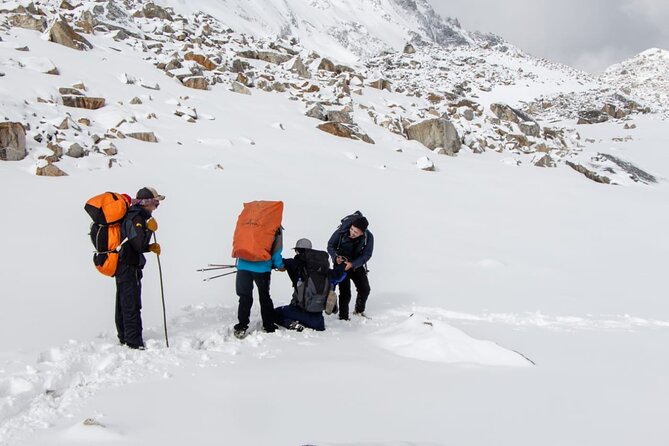
Reviewed · MANASLU CIRCUIT TREKS
Manaslu Larke Pass Trekking
One foot in the clouds, the rest on a plan. This Manaslu Larke Pass Trek turns 16 days in Nepal into a high-country route with dramatic Himalayan views and genuine village contact. I like that the trip is run with an English-speaking guide team and porters, and that it includes your key trekking logistics like permits and meals. The main drawback to plan for is that this is serious altitude and long travel days, so you need solid fitness before you come in.
What makes it especially interesting is the way the terrain changes as you go, from foothills into thinner air, plus the cultural stops in hill villages along the way. You also get an acclimatization day with options, which matters a lot when the route heads toward a high crossing at 5,160m. If you want lots of free time or easy, short walks, this is probably not your match.
Price-wise, $1,150 per person can look steep until you break down what’s handled for you. You’re paying for more than a walk on a map, you’re covering permits, meals in the mountains, double-occupancy lodging, private transfers by vehicle between key points, and a guide plus a porter team. Just know you’ll still need to budget for things not covered during the trek, like drinking water and personal expenses.
In This Review
- Key things that make this trek worth your attention
- First steps in Kathmandu, where the trip gets real
- Price and logistics: what $1,150 covers, and what you must plan for
- From Kathmandu to Soti Khola: the long day that starts the rhythm
- Trek day by day: where each section changes the feel of the trip
- Soti Khola to Machha Khola (about 6 to 7 hours, rising to ~870m)
- Machha Khola to Jagat (about 6 to 7 hours, up to ~1,340m)
- Jagat to Philim, but with a name mix you should confirm (about 7 to 8 hours, to ~1,860m)
- Deng to Namrung (about 6 to 7 hours, to ~2,660m)
- Namrung to Lho Gham (about 3 to 4 hours, to ~3,180m)
- Lho Gham to Samagaon (about 3 to 4 hours, to ~3,530m)
- Samagaon acclimatization: optional hikes that can help (and also test you)
- Samdo and Larkya Phedi: preparing for the Larke Pass push
- Larkya Phedi to Bimthang via Larke Pass (the big day)
- Bimthang to Dharapani, then back to Kathmandu
- The team factor: why the guide and porters matter on Manaslu
- What to pack and how to prepare, based on how this trek runs
- Who this trek fits best
- Should you book the Manaslu Larke Pass Trek with Skyway Nepal Treks?
- FAQ
- How long is the Manaslu Larke Pass trekking experience?
- What is the starting and ending point of the trip?
- What is included in the trek price?
- What is not included?
- How high is Larke Pass on this route?
- Is there an acclimatization day?
- What are the physical and age requirements?
Key things that make this trek worth your attention
- Manaslu Conservation Area route: you travel through varied Himalayan zones, from lower villages up toward high pastures
- Good support ratio: porters are arranged at one for every two clients, with assistants during trekking
- A true acclimatization day: time at Samagaun with an optional hike to Manaslu Base Camp area
- Larke Pass crossing at 5,160m: the big high point that frames your whole final push
- Private group experience: it’s a private tour, so your group only shares with your own party
First steps in Kathmandu, where the trip gets real
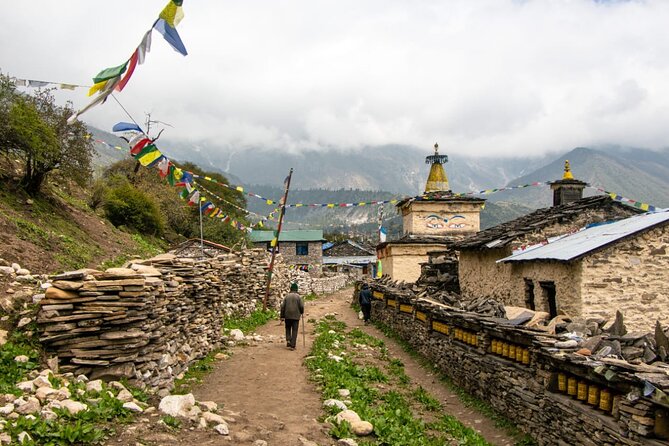
Most treks start with paperwork. This one starts with logistics done in Kathmandu. You arrive at around 1,300m, then use your first full day for sightseeing and trek preparation. That matters because the next days are about getting your body ready for altitude and your mind ready for cold mornings.
You’ll meet the team in Thamel Marg, Kathmandu, a central area that’s close to public transportation. This is useful because Kathmandu can be chaotic, and having the start point in a reachable spot helps if you need to pick up last-minute gear. You also get the practical comfort of pickup being offered, and a mobile ticket included for the experience.
The big picture here is mindset: Nepal trekking is not just about the days on the trail. It’s the setup, the timing, and the team that keeps things moving when weather and terrain get unpredictable.
More Treks in Kathmandu
- Everest Base Camp Trek – 14 Days
★ 5.0 · 1,499 reviews - Everest Base Camp Trek
★ 5.0 · 842 reviews - Everest Base Camp Trekking
★ 5.0 · 485 reviews
Price and logistics: what $1,150 covers, and what you must plan for
At $1,150 per person for a trek of about 16 days, you’re paying for a lot of “stuff you don’t want to manage yourself.” The package includes a private vehicle between destinations for the activities tied to the route. It also includes all accommodation on a double-occupancy basis, so you’re not hunting for guesthouses each night.
Food is a major value piece. During the trek, meals are included, and in Kathmandu you get all breakfasts plus one welcome dinner and one farewell dinner. That’s important because trekking areas can make simple choices harder, and you don’t want to be rationing energy or spending time each day negotiating food.
Your permits are covered too, including the trekking permit and TIMS fees. You’ll also have an experienced English-speaking trekking guide, plus porters and assistants. One review highlight I’d call out is the praise for guide Durga, with people specifically noting the attention and support provided by the agency team.
What’s not included is equally important for your planning. Drinking water is not included during trekking, and neither are snacks, hot shower access, or Wi-Fi. You should also plan for international flight costs, travel insurance, and your visitor visa fee. In other words, you’re paying to have the trek run well, but you still need to cover personal expenses and water.
From Kathmandu to Soti Khola: the long day that starts the rhythm
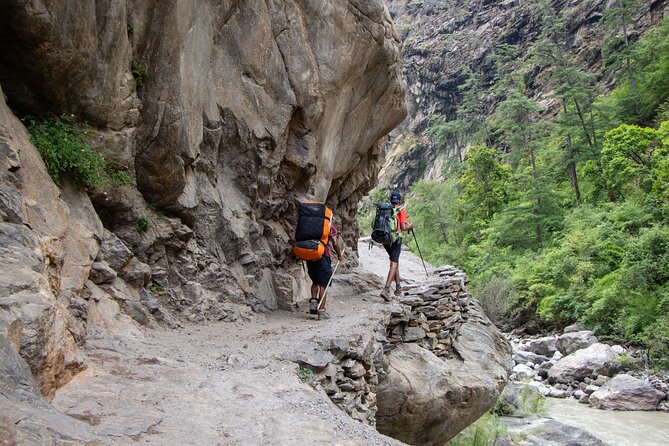
You drive from Kathmandu to Soti Khola at about 800m, and the travel day can take 8 to 9 hours. That’s a lot of time in a vehicle early on, but it also buys you a big jump in the overall trek distance without turning day one into an exhausting hike right away.
Soti Khola is your entry point into the working rhythm of the trek. You start seeing the route connect village life with mountain travel, and you’ll get your first taste of how the trail moves through changing elevations.
This stage also helps you confirm your gear and layering choices. If you feel underprepared now, it will show later, when mornings are colder and the climbs get longer.
Trek day by day: where each section changes the feel of the trip
More Manaslu Circuit departures:
- Manaslu Circuit Trek
★ 5.0 · 292 reviews - Manaslu Circuit Trek:
★ 5.0 · 106 reviews - Manaslu Circuit Trek (15 Days)
★ 5.0 · 50 reviews - Manaslu Circuit Trek
★ 5.0 · 35 reviews
Soti Khola to Machha Khola (about 6 to 7 hours, rising to ~870m)
This first trek segment is built to ease you into walking. You’re moving from 800m toward around 870m, and you get time to settle into pacing. It’s not a sprint. Your job is to find a rhythm you can repeat day after day.
You’re also learning what the route asks of you, especially on uneven ground and in weather shifts. The trek starts creating that “slow and steady” mindset, which becomes crucial later near the high pass.
Machha Khola to Jagat (about 6 to 7 hours, up to ~1,340m)
This day pushes you higher, up to Jagat at around 1,340m. That altitude step is meaningful, even when the walk seems manageable. You’ll likely notice breathing feels different, and you’ll want to keep your effort controlled.
Jagat is a good stop because it represents a transition into deeper trekking territory. The village feel also gives your body something to do between climbs, which helps you recover instead of just waiting.
Jagat to Philim, but with a name mix you should confirm (about 7 to 8 hours, to ~1,860m)
On paper, this leg is listed as Jagat to Deng with an 1,860m destination and a multi-hour walk. Either way, this is a classic “keep climbing, keep adjusting” segment. Expect a steady climb, not just peaks and views.
This is where your hydration habits matter. Since drinking water is not included, you’ll want a plan for how you’ll carry and treat enough water each day.
Deng to Namrung (about 6 to 7 hours, to ~2,660m)
Namrung sits higher and feels more “in the mountains,” with the scenery tightening as you go. This leg is long enough that a good guide and porter team really pays off, because they help keep logistics smooth while you focus on walking.
You’ll feel the height more here. The key is staying relaxed and not forcing pace just because the views look closer.
Namrung to Lho Gham (about 3 to 4 hours, to ~3,180m)
This is a shorter day compared to many others in the early section. That shorter walk is valuable because it gives you time to absorb the high-country atmosphere without overworking. At around 3,180m, the air is thinner, and you want your body to recover.
Stops at places like Lho Gham often work as a breather before the next rise. If you’re the kind of hiker who always wants “one more hour,” this is a reminder that rest can be smart.
Lho Gham to Samagaon (about 3 to 4 hours, to ~3,530m)
At roughly 3,530m, you’re in a zone where mornings and evenings can feel colder. Samagaon becomes part of your acclimatization strategy, and the route begins to aim toward the high crossing at Larke Pass.
This is also where you’ll notice how trekking changes from “a hike” into “a sequence of recovery.” Your job is to rest well, eat well, and keep your breathing steady.
Samagaon acclimatization: optional hikes that can help (and also test you)
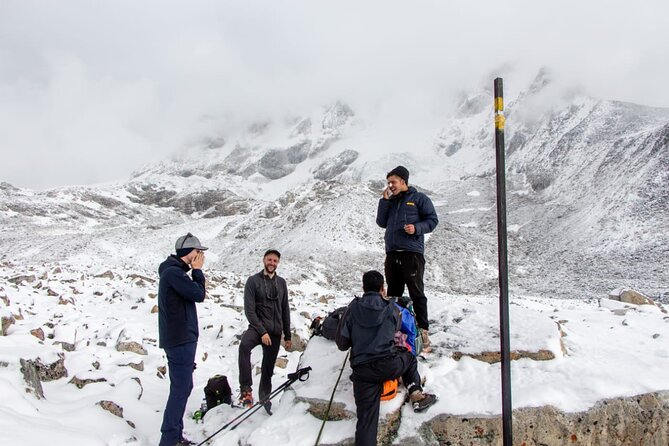
You get an acclimatization day at Samagaon, and it comes with an optional hike. The option includes walking up toward Manaslu Base Camp area (around 4,800m) and Birendra Lake (around 4,450m), with a total time range of about 4 to 5 hours.
This is one of the best parts of the overall trek design because it gives you a chance to adjust gradually rather than charging upward blindly. If you choose the optional hike, keep it conservative. The goal is acclimatization, not conquest.
Even if you skip the hike, staying put at Samagaon is still useful. You’ll be in the right altitude range for your body to adapt, and you’ll be ready for the next moves toward Samdo and Larkya Phedi.
Also, this is where your guide’s approach matters. One review praised the attention from the guide Durga, and on an acclimatization day that’s exactly what you want: someone keeping you safe while still letting you enjoy the higher views.
Samdo and Larkya Phedi: preparing for the Larke Pass push
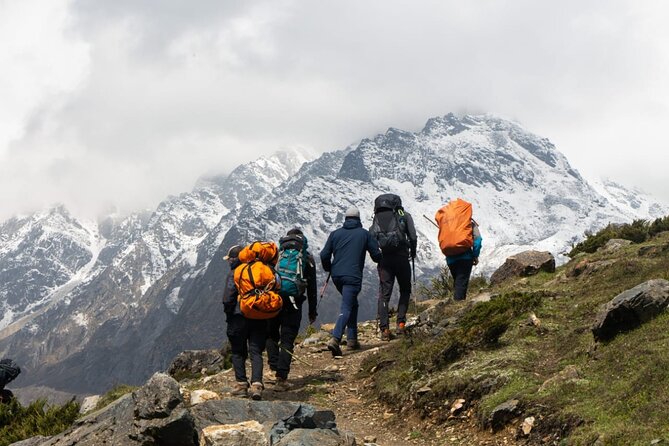
From Samagaon, you go to Samdo at around 3,860m in about 2 to 3 hours. That’s a shorter segment, which helps you bank energy for later.
Then you head from Samdo to Larkya Phedi, also called Dharamsala, at about 4,480m in about 4 to 5 hours. Larkya Phedi is important because it’s positioned like a staging area for the crossing. You’ll likely feel the cold more here, and you’ll want to prioritize warm layers, dry socks, and solid sleep.
This is also a point where you should be mentally ready for the long final day. Larke Pass itself is the headline, but how you manage your final evening and your start time affects how you feel for hours afterward.
Larkya Phedi to Bimthang via Larke Pass (the big day)
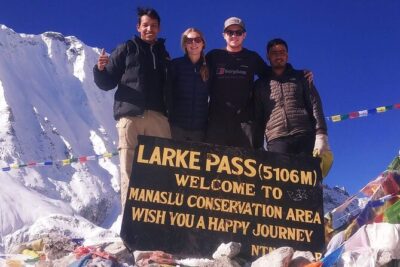
The main event is the day that runs from Larkya Phedi to Bimthang, via Larke Pass at about 5,160m. The walking time listed is about 10 to 12 hours, so it’s a long one.
This is the kind of day where pacing is everything. The pass elevation can hit even strong hikers, especially if you go out too fast. You’ll want to rely on consistent effort, frequent but not frantic stops, and good hydration decisions.
Reaching Bimthang after a long day means you get rewarded with the relief of descent and the satisfaction of a real high-altitude achievement. But don’t treat it like a victory lap. In cold air, fatigue can linger, and your body still needs recovery.
Bimthang to Dharapani, then back to Kathmandu
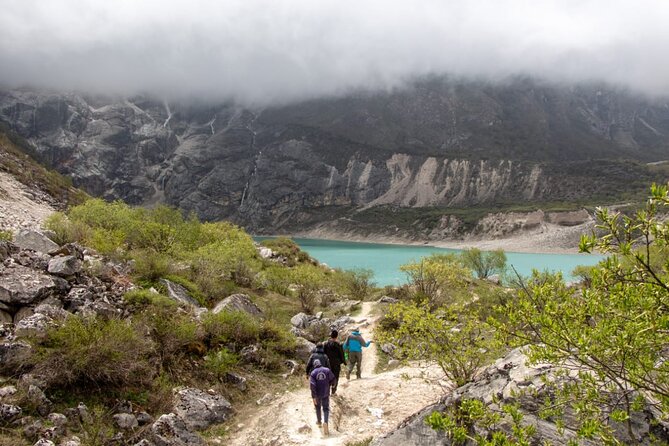
After Bimthang, you travel to Dharapani in about 8 hours. This is your exit from the high route. Dharapani becomes the place where the trek shifts from mountain walking back into travel rhythm.
Then you drive back to Kathmandu via Besishar, with a travel time listed around 12 hours. That’s a long ride, so plan for how you’ll handle stiffness and the mental switch from trek mode to city mode.
Since the trip ends back at the meeting point in Kathmandu, you can resume normal daily life in a familiar area rather than being stranded somewhere random.
The team factor: why the guide and porters matter on Manaslu
A theme in the feedback is the quality of the team. People specifically called out guide Durga and praised the way the agency and staff kept helping without dropping the ball. On a trek like this, that support shows up in practical ways you can feel.
You’re not just depending on someone’s knowledge of the trail. You’re depending on pacing decisions, help with safe altitude progress, and the calm competence that reduces the little frustrations that can build during long days.
And because porters are arranged at one for every two clients, you should expect less of the heavy-lifting stress on your body. That’s not about comfort only. It’s about saving energy for the walking that actually moves you toward Larke Pass.
What to pack and how to prepare, based on how this trek runs
The data here doesn’t list specific gear, so I’ll focus on practical preparation based on what this route demands.
- Train for steady climbs and long days. You have multiple segments at 6 to 9 hours and one major day at 10 to 12 hours.
- Plan for cold mornings since you’ll be moving up from around 1,300m to peaks near 5,160m.
- Treat drinking water as your responsibility. Drinking water isn’t included during trekking.
- Expect limited creature comforts. Hot showers and Wi-Fi are not part of the trekking package.
- Bring your best layers, not your fanciest ones. With big altitude changes, temperature swings are real.
Also note the basic requirements: you need a strong physical fitness level, the minimum age is 18, and you’ll need passport details at booking time. You should also have your original passport with you.
Who this trek fits best
This is a strong choice if you want a classic Nepal mountain trek with real village interaction and a route designed around acclimatization. It’s also a good fit if you value a private tour setup, because only your group participates.
It’s less ideal if you:
- want lots of short days
- dislike cold weather and long travel days
- aren’t comfortable managing your own drinking water
- are looking for constant tech access like Wi-Fi during trekking
Should you book the Manaslu Larke Pass Trek with Skyway Nepal Treks?
Yes, if your goal is a structured high-altitude trek where the big pieces are handled for you: permits, meals, lodging, and a guide plus porter team. The combination of village travel and the big Larke Pass crossing makes it feel like a full expedition, not just a single long hike.
It’s also a good value when you compare it to what you would otherwise coordinate yourself, especially meals during trekking and the logistics around private vehicle transfers. And the guide support gets real praise, including specific mention of Durga.
Just be honest about your fitness and cold tolerance. This trek isn’t a walk in the park, and the best experience comes when you arrive prepared and pace smartly.
FAQ
How long is the Manaslu Larke Pass trekking experience?
It runs for about 16 days, with departures and possible extensions after the trek returns to Kathmandu.
What is the starting and ending point of the trip?
The trip starts at Thamel Marg in Kathmandu and ends back at the same meeting point.
What is included in the trek price?
The price includes private vehicle transfers between destinations for the activities included, double-occupancy accommodations, trekking permits and TIMS fees, all meals during trekking, all breakfasts in Kathmandu, one welcome dinner, one farewell dinner, and an experienced English-speaking guide with porters and assistants.
What is not included?
Not included are international flights, travel insurance, the visitor visa fee, personal expenses, drinking water, snacks, hot shower and Wi-Fi during trekking, and any extra costs from unforeseen circumstances.
How high is Larke Pass on this route?
Larke Pass is listed at 5,160m.
Is there an acclimatization day?
Yes. There is an acclimatization day at Samagaon, with an optional hike to Manaslu Base Camp area (4,800m) and Birendra Lake (4,450m), then back, estimated at 4 to 5 hours.
What are the physical and age requirements?
The minimum age is 18. You should have a strong physical fitness level. Confirmation is received at booking time.
Latest additions near Kathmandu
- White Water River Rafting – 1 Day★ 4.3 · 3 reviews
- Traditional Momo Making Class★ 5.0 · 10 reviews
- Kathmandu to Pokhara Premium sofa bus ticket★ 4.0 · 17 reviews
- Ghorepani Poon Hill Trek★ 5.0 · 16 reviews
- Amazing 1 Day Trekking Experience in Kathmandu Nepal★ 5.0 · 24 reviews
- Ghorepani Poonhill Trek★ 5.0 · 5 reviews
- Walking tour of real Kathmandu through back streets.★ 5.0 · 3 reviews
- Wildlife Adventure in Chitwan Nepal★ 4.0 · 4 reviews
Manaslu Circuit Treks, compared.
Browse the lists this tour appears in