
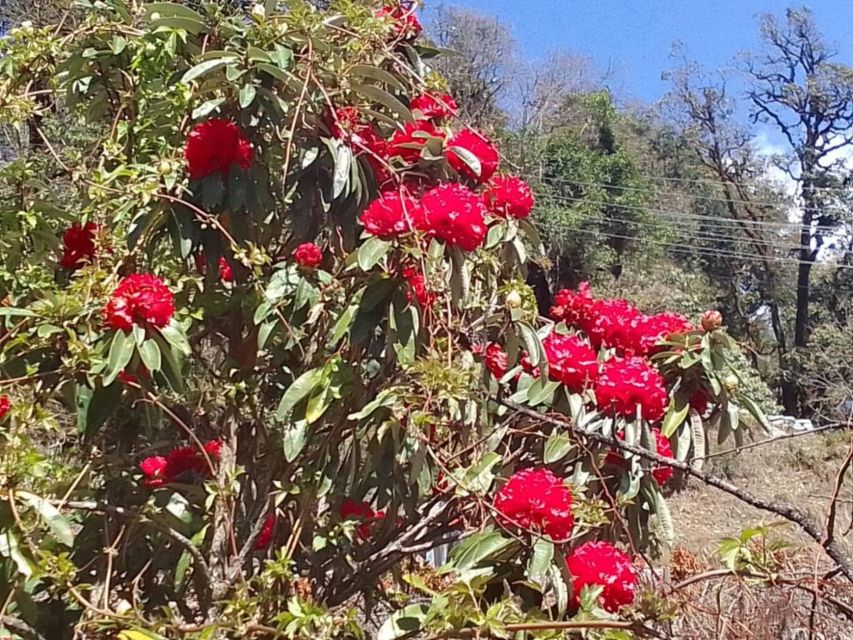
Reviewed · ANNAPURNA CIRCUIT TREKS
Kathmandu: 10-Day Adventurous Annapurna Circuit Trek
17,769 feet changes how you breathe. I like the way this trek earns its reputation, with the Thorong La Pass day built around real altitude gains, and with village stays that keep you connected to everyday mountain culture.
You’ll also see how the Annapurna region shifts over days, from forested trails and suspension bridges to the stark, high-pilgrimage country around Muktinath.
The main consideration is the pass day: you’ll start early, trek long, and operate at 5,416m/17,769ft, where cold and altitude can hit fast. It’s not suitable for pregnant women, and you should take acclimatization seriously.
In This Review
- Key Takeaways Before You Go
- A Trek That Feels Like a Circuit, Not a Single Long Hike
- Kathmandu to Dharapani: The Long Drive That Sets the Pace
- Dharapani to Chame: Forest Walking and Suspension Bridges
- Chame to Upper Pisang: The Trek Turns Scenic Fast
- Upper Pisang to Manang: Big Mountain Names, Big Mountain Feel
- Acclimatization Day in Manang: The Day That Protects Your Pass
- Manang to Yak Kharka: Alpine Air and Quiet High Country
- Yak Kharka to Thorong Phedi: Base Camp Energy for Thorong La Pass
- The Big Day: Thorong La Pass to Muktinath
- Muktinath to Jomsom: A Sudden Change in Terrain and Mood
- Jomsom to Pokhara: Re-entry to Comfort
- Price and Value: What $467 Is Really Buying
- Guide Support You Can Feel in the Hard Moments
- What Your Days Feel Like, In Plain Terms
- Packing and Fitness: Don’t Bring a Fantasy Kit
- Should You Book This Trek?
Key Takeaways Before You Go
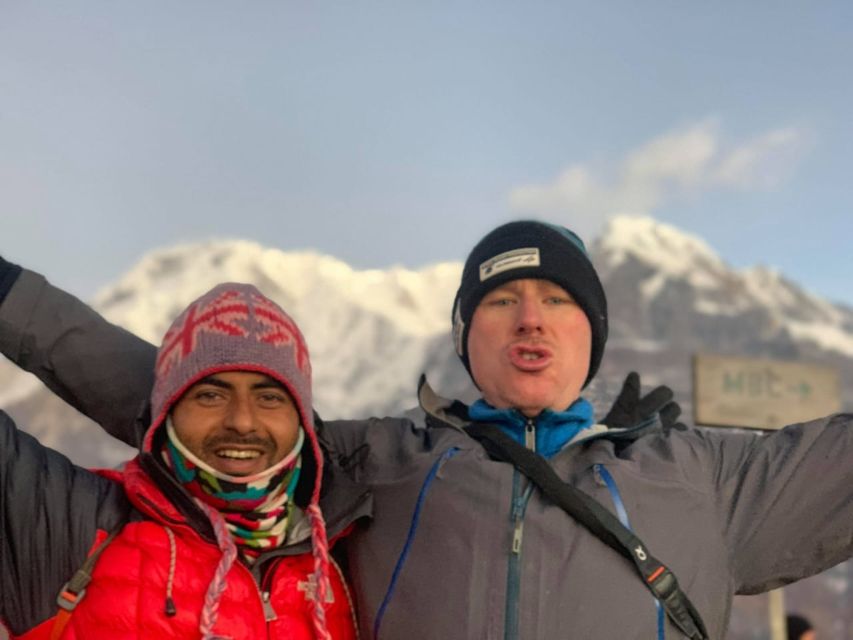
- Thorong La Pass at 5,416m/17,769ft is the core challenge and the reason this trip feels like a true circuit
- Tea-house nights in village settings give you a real rhythm, not just a “checklist” trek
- Manang acclimatization day is not filler, it helps you handle the high section better
- Private group support means your guide can pace and adjust rather than herding everyone
- Strong logistics support shows up in reviews, including guide-led adjustments and luggage handling
A Trek That Feels Like a Circuit, Not a Single Long Hike
The Annapurna Circuit has a reputation because it actually behaves like a circuit. You don’t just go up and stay up. You move through zones that feel different in your body and in the scenery: greener lower valleys, high grazing pastures, then that big, exposed feeling near the pass.
What makes this specific 10-day version work is that it puts the main work where it belongs, after you’ve had time to climb, settle, and rest. The route structure builds toward Thorong La Pass, then delivers a meaningful landing at Muktinath before you drop down again toward Jomsom and Pokhara.
I also appreciate the human side baked into the plan. You’re not only hiking. You’re staying in tea houses or guesthouses and passing through local villages where daily life continues, even with trekkers moving through.
More Treks in Kathmandu
- Everest Base Camp Trek – 14 Days
★ 5.0 · 1,499 reviews - Everest Base Camp Trek
★ 5.0 · 842 reviews - Everest Base Camp Trekking
★ 5.0 · 485 reviews
Kathmandu to Dharapani: The Long Drive That Sets the Pace
Day 1 is all travel, and it’s a smart start if you treat it as that. You’ll go from Kathmandu to Besisahar on a bus, then continue toward Dharapani on a shared Jeep. This section is about getting your bearings, getting used to sitting for hours, and keeping your expectations realistic.
Why it matters: if you arrive tired, you’re more likely to rush Day 2. A calmer first day helps you show up ready for the first real trek segment. The itinerary also includes luggage storage, which is useful once you settle into the trekking rhythm and start carrying only what you need day to day.
Overnight in Dharapani at about 1,800m (5,905 ft) is a comfortable setup. It’s not high altitude yet, but it’s enough to start feeling the “up” in the air.
Dharapani to Chame: Forest Walking and Suspension Bridges
On Day 2 you trek from Dharapani to Chame (2,670m / 8,760 ft) for about 6 hours. This is where the Annapurna region begins to look and feel like the classic trekking corridor: rising paths, greener stretches, and suspension bridges that add a little extra mental focus to your footing.
Chame is also a useful stop. It’s high enough to keep your body learning the climb, but not so high that you feel hammered before you reach the Manang area. You’ll sleep in Chame and wake up with that “I’m in trekking country now” feeling.
Small practical tip: suspension bridges can be breezy. Keep your sunglasses handy and your light jacket accessible, even if the lower valley looks warm.
Chame to Upper Pisang: The Trek Turns Scenic Fast
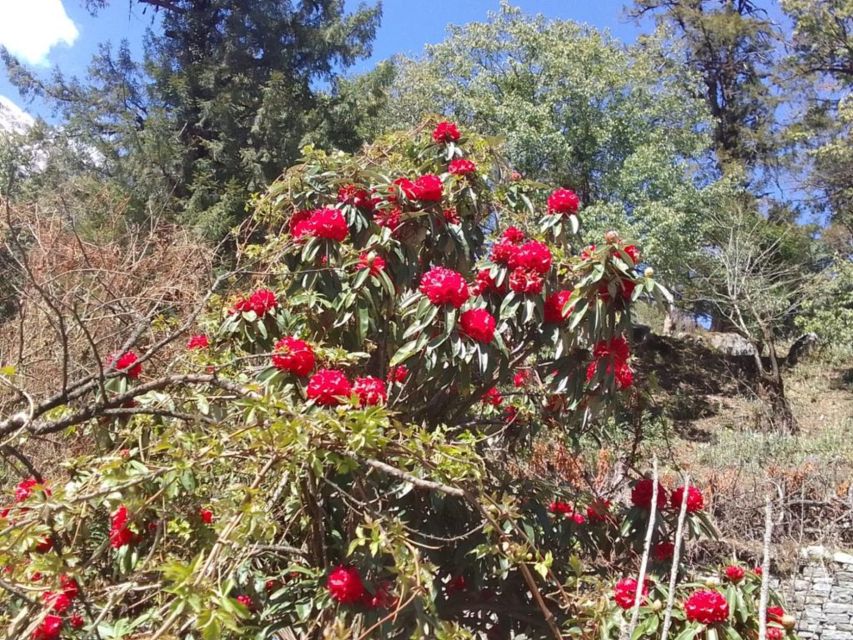
Day 3 takes you from Chame to Upper Pisang (3,300m / 10,826 ft) for around 6 hours. The terrain continues upward, but what you gain here is atmosphere. Upper Pisang is described as having stunning mountain views, and in practice that usually means you’ll spend more time looking out than you do on flatter days.
You also get a culture piece on this segment. You’re not just passing through. You explore and immerse yourself in village life during the day, then overnight in a guesthouse setting.
What to watch for: the higher you go, the more you’ll feel temperature shifts between sun and shade. Layering matters more than you think at these altitudes.
More Annapurna Circuit departures:
- Annapurna Circuit Trek with Tilicho Lake
★ 5.0 · 368 reviews - Annapurna Circuit Trek
★ 5.0 · 94 reviews - Annapurna Circuit Trek
★ 5.0 · 67 reviews - Annapurna Circuit Trek
★ 5.0 · 49 reviews
Upper Pisang to Manang: Big Mountain Names, Big Mountain Feel
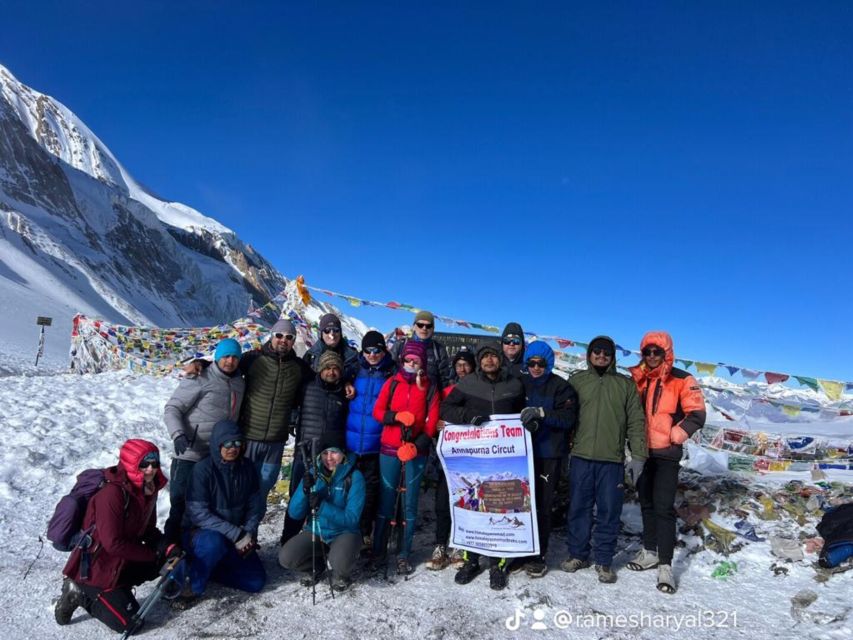
Day 4 is another 6-hour trek, Upper Pisang to Manang (3,540m / 11,614 ft). This is one of the reasons people love the Annapurna Circuit: the Manang area is a natural stage for the “wow” moments.
The route calls out views of Annapurna II, Annapurna III, and Gangapurna. Even if you can only identify one or two peaks, the experience is the same. You’ll feel like you’ve entered the high Himalayan theater.
Overnight in Manang at 3,540m is also where you should start respecting acclimatization more deliberately. You may feel energetic, but your body is still learning how to work with thinner air.
Acclimatization Day in Manang: The Day That Protects Your Pass
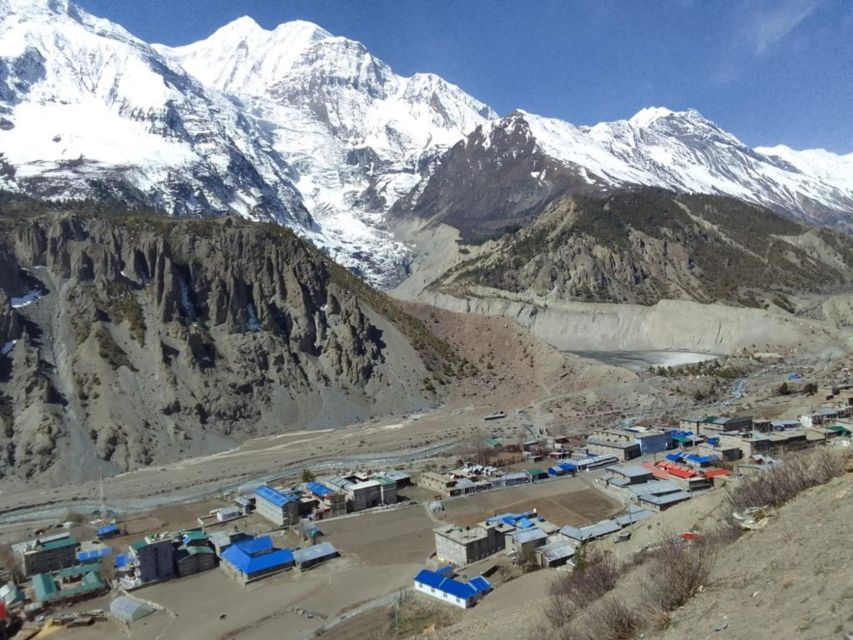
Day 5 is a dedicated acclimatization day in Manang. You rest, explore the village, and enjoy panoramic mountain views.
This matters because Thorong La Pass is not a casual hike-through. It’s at 5,416m (17,769 ft). A rest day here is the difference between “we made it” and “we made it while feeling okay.”
In reviews from this trek experience, guides are repeatedly praised for managing altitude risk by pacing. You’ll see the pattern: people come back happy not because the route is easy, but because the guide keeps you from turning the pass day into a sprint.
Practical way to use the day: explore at a reasonable pace, drink water steadily, and avoid the temptation to do “just one more” high excursion if you feel strained.
Manang to Yak Kharka: Alpine Air and Quiet High Country
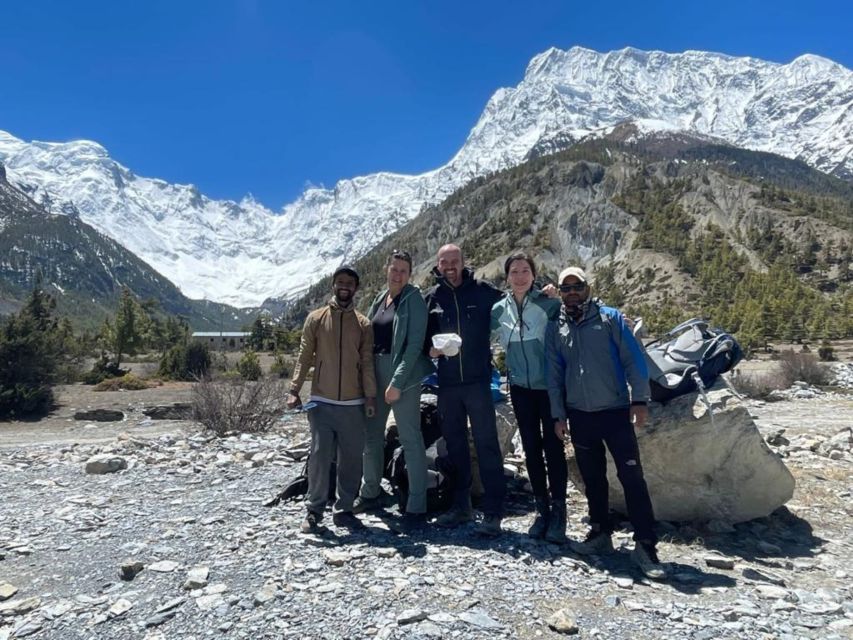
Day 6 takes you from Manang to Yak Kharka (4,050m / 13,287 ft) for about 6 hours. Yak Kharka is described as a scenic grazing pasture surrounded by mountains. That description is accurate in the way it affects your mood. This section tends to feel quieter, more exposed, and more “alpine.”
At 4,050m, your breathing may be a little different even if your legs feel fine. That’s normal. Don’t fight it. Keep your pace even and let the guide do the pacing work.
Overnight in Yak Kharka sets you up for the next move: you’re heading to Thorong Phedi, where you’ll sleep the night before the pass crossing.
Yak Kharka to Thorong Phedi: Base Camp Energy for Thorong La Pass
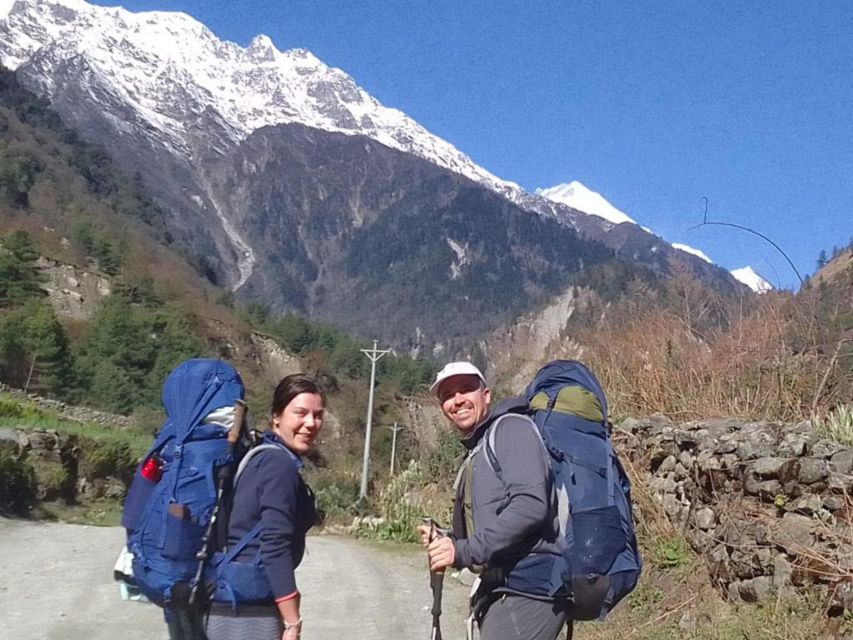
Day 7 is Yak Kharka to Thorong Phedi (4,450m / 14,600 ft), about 6 hours. Thorong Phedi is the base camp area for the pass.
This is the “prep” day in your mind, not just on paper. You’ll prepare for the next day’s challenge. You’ll also likely feel more concentrated, because you know what’s coming.
A realistic note: the higher you sleep, the colder you often feel overnight. Bring the jacket, and make sure you have your cold-weather essentials ready before you get to camp.
The Big Day: Thorong La Pass to Muktinath
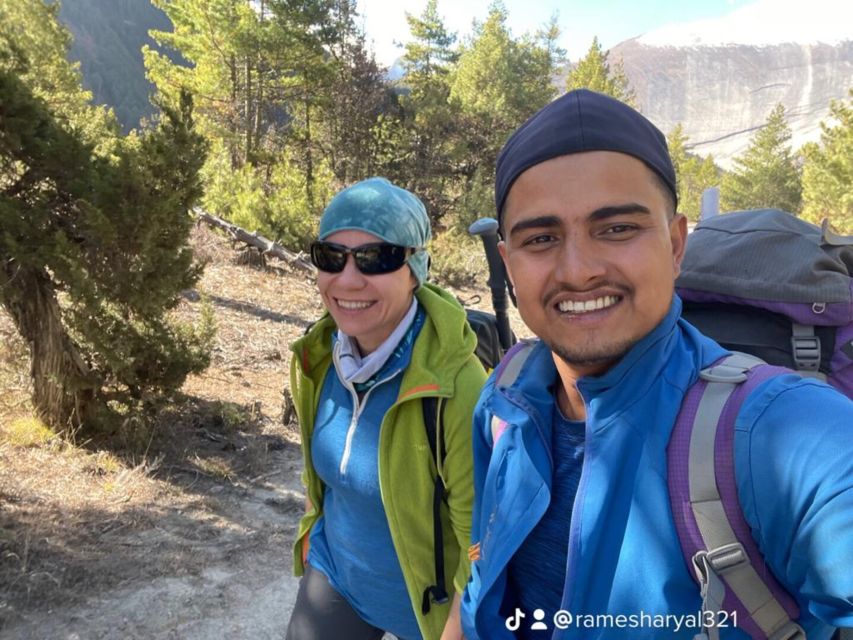
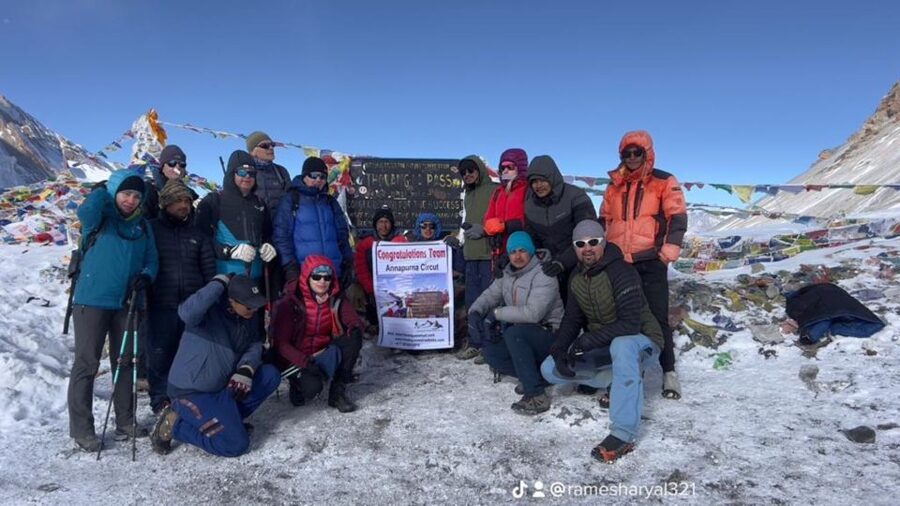
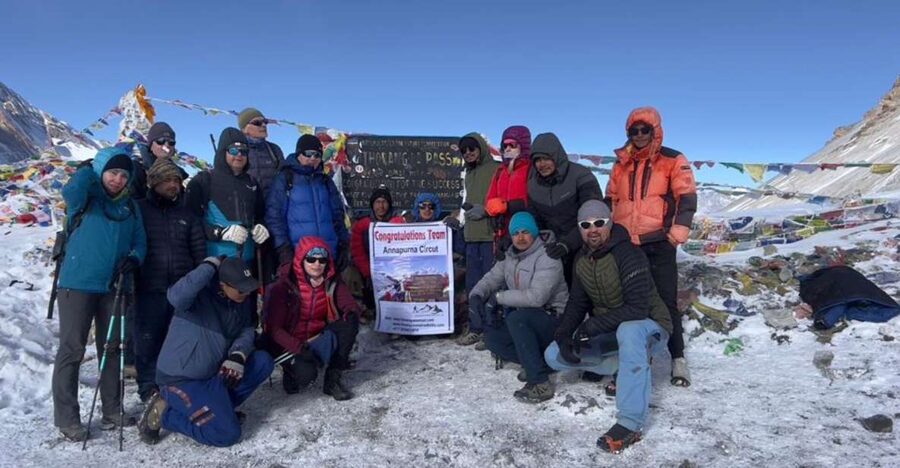
Day 8 is the highlight in every sense: Thorong Phedi to Muktinath via Thorong La Pass (5,416m / 17,769 ft). It’s a long day, listed as about 12 hours.
You start early. That’s not just logistical. Early starts help with temperature and snow conditions, and it reduces the chance you’ll be hiking the most uncomfortable period. Then comes the pass crossing itself: the thrill of reaching the high point, paired with panoramic views that make the effort feel real.
After the pass, you descend to Muktinath, which is a sacred pilgrimage site for both Hindus and Buddhists. This stop adds meaning to your suffering. You’re not only conquering a mountain. You’re arriving at a place with deep spiritual importance and a distinct local atmosphere.
Overnight in Muktinath is also a good psychological transition. You’ve done the hard altitude work, and now you’re moving into a different phase of the circuit.
Muktinath to Jomsom: A Sudden Change in Terrain and Mood
Day 9 drops you from Muktinath down to Jomsom (2,720m / 8,923 ft) in about 5 hours. The route description calls out windy Jomsom and the Mustang region’s arid, desert-like terrain.
This is one of the best “contrast” moments on the entire trip. After the cold, high, pass-country feeling, the air and visual style shift quickly. Your body also feels the altitude change.
Overnight in Jomsom gives you a buffer before the final transfer day. It’s also the last trekking night, so many people treat it like a decompression moment.
Jomsom to Pokhara: Re-entry to Comfort
Day 10 is a drive from Jomsom to Pokhara, about 8 hours by bus. Expect mountain views along the way, then time to relax in Pokhara.
This trip includes one night at tourist standard luxury in Pokhara, Hotel Orchid. Reviews for similar treks often talk about how much a good bed and a warm shower feel like a reward, and here you’ll get that kind of ending.
You also have a farewell dinner in Lakeside Pokhara with a Nepalese typical meal. It’s a nice way to end the emotional arc of the circuit.
And yes, you’ll likely reflect on what your body just did. Thorong La Pass has that effect. Even people who are experienced hikers often describe it as memorable in a way that sticks.
Price and Value: What $467 Is Really Buying
$467 per person is not a small price, but it’s also not trying to sell you luxury on the mountain. For this trek, you’re paying for organization and risk reduction, not just transportation.
Included highlights that matter in real life:
- Authorized English-speaking guide, with guide insurance included
- Trekking permits and required paperwork, including TIMS (and applicable government tax)
- Comfortable accommodation during the trek for 9 nights
- Last night in Pokhara at Hotel Orchid
- Meals during the trek only for the full package option
- All meals, transport, and staff costs covered in the package design
- Luggage storage support
Where it gets especially valuable is the guide quality. In reviews, guides like Keshab, Bipin, Suresh, Prakash, Mahesh, Silwal, Jeet, and Milani show up again and again for keeping things smooth, making timely adjustments, and supporting altitude safety through pacing.
There’s also a logistics detail I like: one review specifically mentions an extra bag being transported from Kathmandu to Pokhara while trekkers were on the route. That’s exactly the kind of small service detail that reduces stress and makes packing smarter.
What’s not included is also important for value planning:
- Travel and rescue insurance (you should get high-altitude coverage)
- Soft and hard drinks
- International flights and Nepalese visa fee
- Personal expenses like phone calls, laundry, and bottle or boiled water
- Extra porters if you need them (the guide is included, porter is charge extra)
Guide Support You Can Feel in the Hard Moments
A good Annapurna guide isn’t only about route knowledge. It’s about timing, pace, and how calm the day feels.
Across multiple guide names mentioned in reviews, you see the same strengths:
- Balancing conversation with letting you enjoy silence and nature (Keshab, specifically noted)
- Highly organized planning and route condition explanations (Bipin)
- Caring, patient, and practical handling of transportation, permits, and tea-house planning (Suresh)
- Knowledge and helpfulness for first-timers, with attention to pace and comfort (Prakash)
- Altitude sickness prevention through pacing and advice (Keshab and others)
- Handling issues and making improvised changes when needed (Prakash, also noted in a “specific requests” context)
- Adjusting for disruptions like landslides while keeping the group safe (Milani)
Even if you’ve trekked before, I’d still pick a guide for these kinds of problems. Weather and trail conditions change. A well-run operation keeps you from turning surprise into panic.
What Your Days Feel Like, In Plain Terms
Here’s the pattern you should expect:
- Several days around 6 hours of trekking, with a steady climb
- One dedicated rest/acclimatization day in Manang
- One very long and high-stakes day on Thorong La Pass
- A sharp drop to Jomsom after Muktinath
That means the big effort is concentrated. If you can handle the pass day, the rest is very doable with consistent pacing.
Accommodations are tea-house and guesthouse style on the trek, with basic comforts. That’s not a downgrade. It’s part of the experience. You’re eating and sleeping where locals live and where trekkers plug into the local supply chain.
For food, the route information points you toward dal bhat. That’s your reliable calorie source. You’ll also have other options, but planning around dal bhat makes your trek easier.
Packing and Fitness: Don’t Bring a Fantasy Kit
The trek info gives a clear list of what you’ll want:
- Passport or ID card
- Sunscreen and sunglasses
- Jacket, hat, and warm layers
- Hiking shoes and trekking gear
- A sleeping bag
- Socks and a daypack
- Flashlight
- First aid kit
- Water bottle and water planning
- Cash
- Camera (because you will want proof)
Here’s the practical twist: the mountains can be clear and sunny most of the time, but rain and snow can show up. Layering beats hoping. A headlamp matters because early starts happen, especially on pass day.
Fitness: the trek notes are blunt for a reason. You should be fit, especially for inclines. Your legs will thank you. You don’t need to be a mountain athlete, but you do need endurance and a steady hiking rhythm.
Also, consider your altitude risk. Travel insurance with high-altitude coverage is key. The itinerary includes acclimatization, but accidents and illness can still happen.
Should You Book This Trek?
If you want an Annapurna Circuit that hits the real goal, Thorong La Pass, this is a solid choice. The route structure gives you a Manang acclimatization day, then places the pass crossing where it makes sense, after you’ve been moving uphill for days. You also end in Pokhara with a comfortable hotel night and an easy decompression.
Book it if:
- You’re comfortable with a long, early start on a high pass day
- You want village guesthouse trekking, not just scenic driving
- You value guide-led pacing and practical logistics (the strongest praise in the experiences tied to this trek)
Consider another option if:
- You are not confident with your fitness for sustained uphill hiking
- You need a more flexible, low-altitude itinerary
- You fall into the not-suitable-for-pregnant-women category
If you’re ready for that “big day” feeling and you want your memories to be tied to a real pass, not a shortcut, this is the kind of trip that delivers. Just respect the altitude plan, pack for cold, and let the guide set the pace.
Latest additions near Kathmandu
- White Water River Rafting – 1 Day★ 4.3 · 3 reviews
- Traditional Momo Making Class★ 5.0 · 10 reviews
- Kathmandu to Pokhara Premium sofa bus ticket★ 4.0 · 17 reviews
- Ghorepani Poon Hill Trek★ 5.0 · 16 reviews
- Amazing 1 Day Trekking Experience in Kathmandu Nepal★ 5.0 · 24 reviews
- Ghorepani Poonhill Trek★ 5.0 · 5 reviews
- Walking tour of real Kathmandu through back streets.★ 5.0 · 3 reviews
- Wildlife Adventure in Chitwan Nepal★ 4.0 · 4 reviews
Annapurna Circuit Treks, compared.
Browse the lists this tour appears in