
Reviewed · EVEREST BASE CAMP TREKS
Everest Base Camp – Cho La Pass – Gokyo Trek
Two turquoise lakes beat one base camp. This private Everest Base Camp, Cho La Pass and Gokyo trek has you following the classic EBC route and then taking a detour over Cho La Pass to the Gokyo Lakes, where Everest looks close and the lakes turn a startling color.
I love the no-rush private setup, because the pace is yours and you get guidance without feeling herded. I also like the culture stops at Namche Bazaar and Tengboche, including the chance to time your trek for the Mani Rimdu festival at the monastery in autumn.
The big consideration is the altitude and workload. This is a strenuous high-altitude trek, and you should go in with moderate physical fitness and realistic expectations.
In This Review
- Key things that make this trek worth it
- The Everest Base Camp plus Cho La Pass combo that actually feels different
- Private trekking pace, plus the safety net of staying found
- Kathmandu start: what “private transportation” usually means for your stress level
- Namche Bazaar and Tengboche: culture stops that make the trek feel human
- Lobuche, Dingboche, and Gorak Shep: where the air thins and the mountains get personal
- Everest Base Camp: the classic goal, plus what you should expect to feel
- Cho La Pass crossing: where the trek turns into a real test
- Gokyo valley and the turquoise lakes: why this part feels like a different world
- Guides and team support: why the human factor shows up on Everest-region treks
- Price and value check: $1,394.88 per person with clear tradeoffs
- Best season and weather reality for Everest, Cho La Pass, and Gokyo
- Should you book this Everest Base Camp plus Cho La Pass plus Gokyo trek?
- FAQ
- How long is the Everest Base Camp, Cho La Pass, and Gokyo trek?
- What is the elevation of Cho La Pass?
- What time does the trek start, and where does it start?
- Is lunch or dinner included in the price?
- Is this a private tour or shared group trek?
- What if weather is bad?
Key things that make this trek worth it
- Cho La Pass is 5,420 m (17,782 ft), so the big reward comes from a serious high point
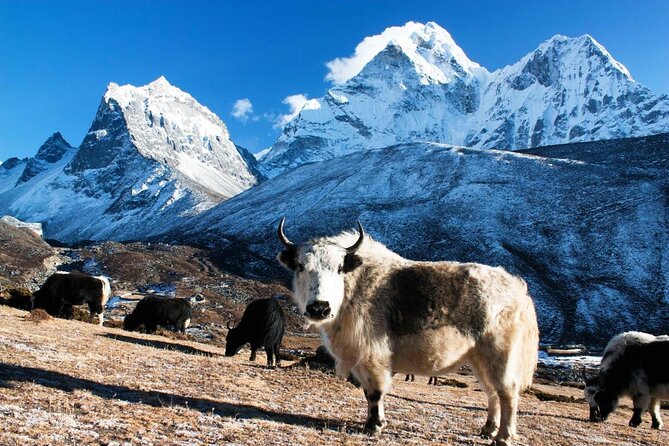
- You get close views of Everest plus major neighbors like Cho Oyu, Makalu, Lhotse, and Everest
- Namche Bazaar and Tengboche add real Sherpa culture instead of just checkpoints
- Private means your rhythm wins. You can rest without negotiating the group
- Experienced local support matters at altitude, from guides to strong porters
- Lunch and dinner are not included, so budget for meals each day
The Everest Base Camp plus Cho La Pass combo that actually feels different
Everest Base Camp is the headline, but the real twist here is what happens after you’ve checked that box. Instead of stopping at the familiar EBC rhythm, you push on to the high pass at Cho La Pass (5,420 m) and then angle toward the Gokyo valley and lakes.
That matters because it changes the kind of views you chase. Everest from Base Camp is dramatic, yes, but the story becomes more interesting when you reach the turquoise high-altitude water around Gokyo. The contrast is the point: granite walls and prayer flags on one side, then calm water reflecting Everest-area peaks on the other.
If you want one “bucket list” trek plus a quieter, less copy-paste finish, this route has the ingredients. You still do the classic EBC leg, and you also add a genuine high-pass detour that most trekkers only see from afar.
More Treks in Kathmandu
- Everest Base Camp Trek – 14 Days
★ 5.0 · 1,499 reviews - Everest Base Camp Trek
★ 5.0 · 842 reviews - Everest Base Camp Trekking
★ 5.0 · 485 reviews
Private trekking pace, plus the safety net of staying found
The private part is not just a marketing line. When you trek privately, you typically control the pace of climbs and the length of breaks. That sounds small, until altitude starts calling the shots for your body.
This trek is also designed so you can trek in the mountains without having to worry about getting lost. With an experienced guide, you spend your energy on breathing, pacing, and taking in the scenery, not decoding trail choices.
One practical benefit from the way this operation is run: when plans or small problems pop up, the team has shown it can respond quickly. For example, guides and managers like Mani have helped with equipment rental and stayed on top of on-the-ground fixes, including when flight plans got disrupted.
Kathmandu start: what “private transportation” usually means for your stress level
You’ll begin with a start time of 9:15 am in Kathmandu. Pickup is offered, and private transportation is included, which helps you avoid the awkward scramble that often happens when trekkers arrive tired and jet-lagged.
This is especially useful before you go high. Your first days in Nepal set the tone. When transport is handled, you can focus on getting your gear squared away and listening to your guide about what to prioritize once the air thins.
In past trips handled by the team behind this trek, Mani has arranged things like hotel stays and direct flights to and from Lukla for some travelers. Not every schedule will be identical, but the pattern is clear: the company tends to reduce guesswork before your first trekking day.
Namche Bazaar and Tengboche: culture stops that make the trek feel human
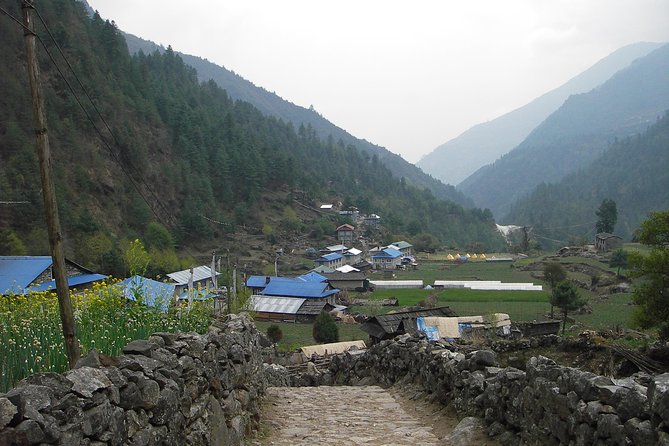
Namche Bazaar is one of those places that always shows up for a reason. It’s busy compared to the tiny villages around it, but it’s also where you feel the Everest region shift from “travel” to “community.” You’ll get a chance to interact with locals, not just pass by storefronts and teahouses.
Tengboche is a different vibe. Here, the monastery visit is a highlight, and the views back toward the mountains often feel like a reward after the climb. If you trek in autumn, there’s a special chance to be in the area for Mani Rimdu at the monastery. That timing can turn a normal visit into a more memorable cultural moment.
The drawback of culture stops? They can slow you down if you treat them like quick photo stops. The fix is simple: let yourself linger, ask questions when appropriate, and treat these stops as part of the acclimatization story, not just sightseeing.
More Everest Base Camp treks:
- Everest Base Camp Helicopter Tour landing at Everest View Hotel
★ 5.0 · 668 reviews - Everest Base Camp Trekking – 13 Day
★ 5.0 · 365 reviews - Everest Base Camp Trek
★ 5.0 · 350 reviews - Everest Base Camp Trek -14 Days
★ 5.0 · 321 reviews
Lobuche, Dingboche, and Gorak Shep: where the air thins and the mountains get personal
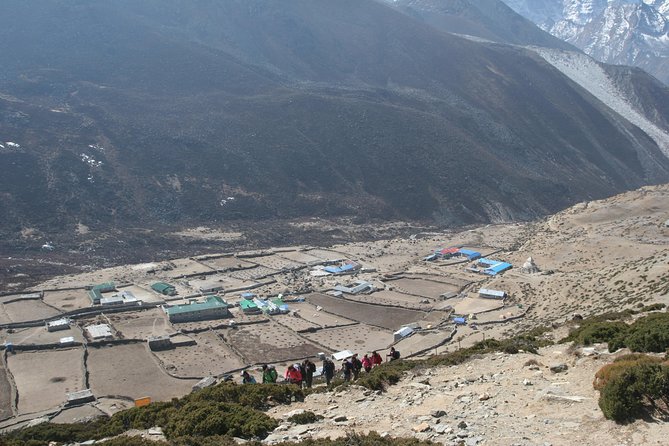
As you move toward the Everest Base Camp area, you pass through villages that put you closer to the wall of peaks. Lobuche, Dingboche, and Gorak Shep are key names on this route, and they matter because you start seeing big mountains from more dramatic angles.
This is also where the experience shifts from “I’m hiking in Nepal” to “I’m inside the Everest region.” You feel it in the pace, in the effort, and in how every break matters. Even if you love walking fast, this is not a trek where you can always race the trail.
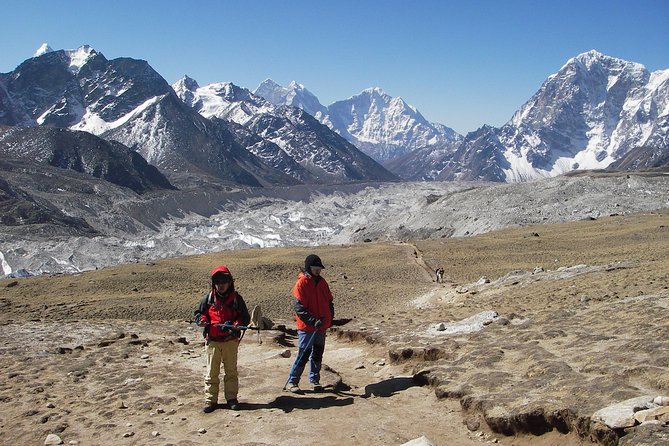
There’s a concrete payoff here. Along the EBC way, you can catch close views of four of the eight tallest mountains in the world, including Cho Oyu (8,201 m), Makalu (8,463 m), Lhotse (8,516 m), and Everest (8,850 m). That’s not just impressive on paper. When you’re at the right viewpoint and the weather cooperates, those names turn into shapes you’ll never forget.
Everest Base Camp: the classic goal, plus what you should expect to feel
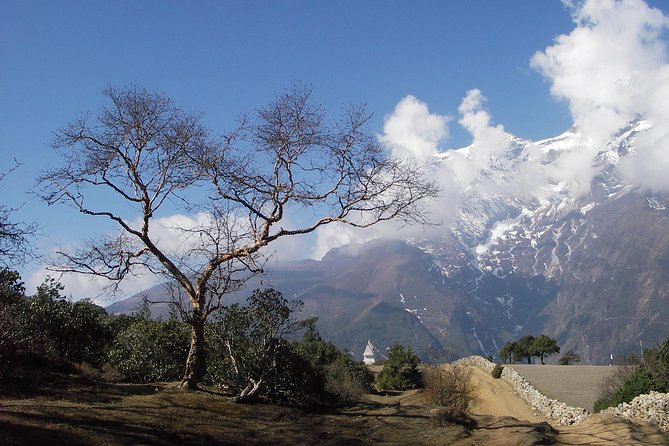
Reaching Everest Base Camp is the obvious highlight. The point of the route is that you do it, and you do it as part of a larger arc rather than a quick out-and-back.
What you should expect mentally is that Base Camp day can be both thrilling and exhausting. The effort of getting there is real, and the thin air makes even small actions feel slower. If you go in calm, you’ll enjoy it more. If you go in overconfident, it can feel like work instead of a victory lap.
Practical tip: build in time for rest at viewpoints and for the slow-motion photo stops. The summit feeling at Everest is tied to your patience, not your speed. When you reach Base Camp, you’re not just checking a box. You’re standing at the edge of an enormous climbing world, and that perspective hits hardest when you slow down.
Cho La Pass crossing: where the trek turns into a real test
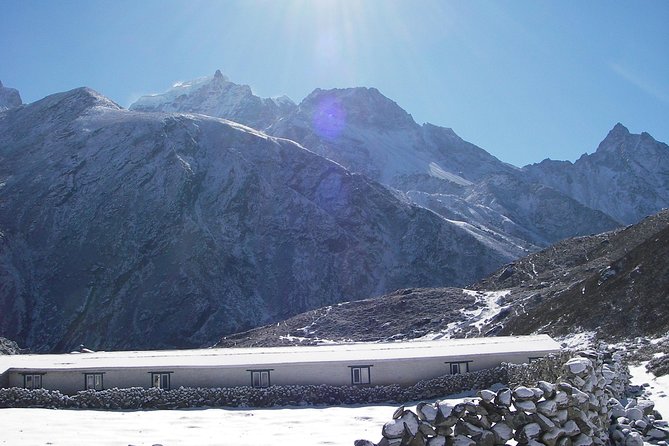
Cho La Pass is the defining high point of this itinerary. At 5,420 m (17,782 ft), it’s where weather, wind, and your own acclimatization all show up at once.
If you want one honest consideration, it’s this: passes demand a steady rhythm. Even people who feel fit can get humbled here because the air is thin and the effort stacks up. The upside is that you’re rewarded with major views and a shift in scenery as you descend toward Gokyo.
This is also why the “private trek, no getting lost” part matters. When you’re tired, clarity helps. You want to know what you’re doing next, not second-guess decisions in low visibility.
Bring patience to the pass. The pass is not a place to prove fitness. It’s a place to manage it.
Gokyo valley and the turquoise lakes: why this part feels like a different world
The Gokyo lakes leg is often the emotional payoff. The lakes sit high in the mountains, and the combination of water color, peak reflections, and cold air can feel surreal compared to the trekking villages.
One of the best things about this route is the logic: you’re not only chasing Everest views, you’re chasing Everest views from a landscape that changes how Everest looks. The turquoise lakes around Gokyo can offer a perspective that some trekkers prefer over Base Camp because the viewpoint relationship feels tighter and calmer.
You’ll also get the sense of space. Compared to the constant “base camp corridor” feeling, Gokyo tends to feel more open and exploratory. That’s exactly what you want if you’re looking for quieter, less-frequented trails alongside the famous parts.
Guides and team support: why the human factor shows up on Everest-region treks
On high altitude treks, your guide is not just a logistics helper. They’re the person who helps you manage pace, keep morale steady, and handle the small crises that pop up when you’re far from normal services.
This trek has been guided by experienced leaders including Binod, Surey, Ram Timalsina, and others connected with the operation. There are also examples of support staff such as porters like Suray, Lapak, and Lok, with passengers praising how strong and experienced they were.
For you, this adds confidence. A well-run Everest trek is built on the basics done well: pacing, rest planning, route clarity, and quick problem-solving. And when things went sideways, like flight cancellations to Lukla, Mani and the team stepped in to keep the trek on track.
If you care about safety plus a steady trip vibe, this is a strong match.
Price and value check: $1,394.88 per person with clear tradeoffs
At $1,394.88 per person, the price is not low, but it lines up with a 19-day, high-altitude, private trekking experience that includes private transportation. You’re paying for coordination, guide support, and the kind of route planning that matters most when the weather and altitude can’t be controlled.
The tradeoff is simple: lunch and dinner are not included. That means you’ll still make daily meal choices while you’re on the trek. It’s not automatically a deal-breaker, but it does change how you should budget.
To judge value honestly, focus on what’s hard to recreate on your own. This route includes a major high pass detour and the Gokyo lakes leg, plus mountain navigation support. If you’ve ever tried to self-organize a complex trek in remote terrain, you know why that costs money.
Best season and weather reality for Everest, Cho La Pass, and Gokyo
This experience depends on good weather. That’s not vague advice, it’s essential. At altitude, the difference between clear skies and poor conditions changes visibility, comfort, and safety.
Autumn has an additional perk. If your dates align, you might be able to witness Mani Rimdu at the Tengboche monastery. That’s a rare cultural opportunity baked into a physically demanding trek, and it adds meaning beyond the scenery.
So plan with the mindset that weather can shift the feel of the trip. Keep clothing and layering ready, and let your guide set realistic expectations day by day.
Should you book this Everest Base Camp plus Cho La Pass plus Gokyo trek?
Book it if you want Everest Base Camp plus a real high-pass detour and you’re excited by the idea of reaching Gokyo Lakes for Everest views from a different angle. This is also a great fit for trekkers who value a private pace and want professional support so the route feels manageable.
Be cautious if you’re not comfortable with strenuous high-altitude walking. Even with support, the pass at Cho La Pass is serious work, and you’ll need patience and moderate fitness before you arrive.
If you do book, your smartest prep move is to train for steady uphill days and practice slow pacing. When you treat altitude like a long conversation instead of a race, this trek becomes the kind of once-in-a-lifetime story you remember for the right reasons.
FAQ
How long is the Everest Base Camp, Cho La Pass, and Gokyo trek?
The duration is listed as 19 days (approx.).
What is the elevation of Cho La Pass?
Cho La Pass is listed as 17,782 feet (5,420 meters).
What time does the trek start, and where does it start?
The start time is 9:15 am. Pickup is offered, and the tour is based out of Kathmandu, Nepal.
Is lunch or dinner included in the price?
No. Lunch and dinner are not included.
Is this a private tour or shared group trek?
This is a private tour/activity, so only your group will participate.
What if weather is bad?
This experience requires good weather. If it is canceled due to poor weather, you are offered a different date or a full refund.
More Gokyo Lakes treks
- Gokyo to Everest Base Camp Trek
★ 5.0 · 113 reviews - Everest Gokyo Valley Trek – 12 days
★ 5.0 · 27 reviews - Landing Private Helicopter at Everest base camp & Gokyo for photo
★ 5.0 · 20 reviews - Gokyo Valley Trek
★ 5.0 · 19 reviews
Latest additions near Kathmandu
- White Water River Rafting – 1 Day★ 4.3 · 3 reviews
- Traditional Momo Making Class★ 5.0 · 10 reviews
- Kathmandu to Pokhara Premium sofa bus ticket★ 4.0 · 17 reviews
- Ghorepani Poon Hill Trek★ 5.0 · 16 reviews
- Amazing 1 Day Trekking Experience in Kathmandu Nepal★ 5.0 · 24 reviews
- Ghorepani Poonhill Trek★ 5.0 · 5 reviews
- Walking tour of real Kathmandu through back streets.★ 5.0 · 3 reviews
- Wildlife Adventure in Chitwan Nepal★ 4.0 · 4 reviews
Everest Base Camp Treks, compared.
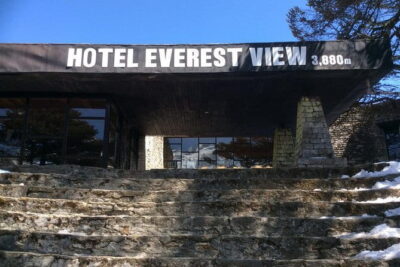
Everest Base Camp Helicopter Tour landing at Everest View Hotel
Read our review →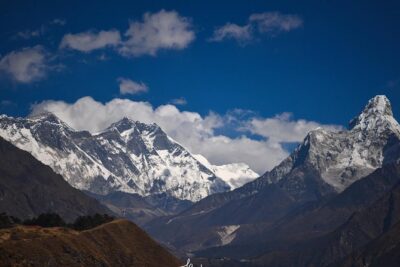
Everest Base Camp Helicopter Tour landing at Hotel Everest View
Read our review →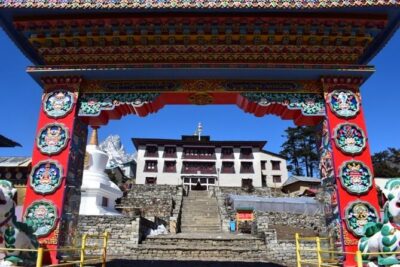
Browse the lists this tour appears in