
Reviewed · GOKYO LAKES TREKS
Gokyo Valley Trek
One morning at Gokyo Ri can change how you see the Himalaya. This 15-day trek in Nepal’s Khumbu region pairs huge views, including the Ngozumpa Glacier, with a human pace through Sherpa villages and local lodges. If you like mountain travel that feels real, not just photo stops, this route hits the sweet spot.
I also like how the trek builds rhythm before the high point. You get a real acclimatization day in Namche Bazaar, plus an early start for the steep climb to Gokyo Ri at 5,483 m. One thing to consider: the Lukla flights are weather dependent, and the whole program requires good mountain weather.
In This Review
- Key Things I’d Focus On Before You Go
- Why Gokyo Valley Beats The Usual Everest Schedule
- Kathmandu Setup: Temples, Stupa, and Bhaktapur Time
- Arrival Rhythm: Lukla Flights and Your First Trek Days
- Namche Bazaar: Gateway, Marketplace, and Altitude Prep
- Phortse and Machhermo: Rhododendron, Yak Country, and Glacier Approach
- Gokyo: Two Nights That Let the Scenery Sink In
- Gokyo Ri: The Steep Climb Worth Its Early Start
- What Happens After Gokyo Ri: Dole, Namche, and That Slow Return Feeling
- The Human Touch: Guides, Porters, and Why It Matters
- Price and Logistics: What You Get for $1,514.67
- Who This Trek Fits Best
- Should You Book Gokyo Valley Trek?
- FAQ
- What time does the experience start?
- Where does the trek start and end?
- How long is the Gokyo Valley Trek?
- Do I need a visa and travel insurance?
- Is the trek guide and porter support included?
- What altitude is the main highlight hike?
- Is Kathmandu sightseeing included?
- What trek gear is included?
- Are flights included to and from Lukla?
- How does cancellation work if I need to change plans?
Key Things I’d Focus On Before You Go
- Gokyo Ri at dawn: early ascent for wide-open views of Everest, Lhotse, Makalu, and more
- Ngozumpa Glacier scale: you get close enough to understand why people call it Nepal’s biggest glacier
- Sherpa villages and monasteries: you’ll pass Buddhist sites with big peak views getting closer each day
- Smart acclimatization: a Namche rest day plus a gradual climb through Khumjung and Phortse areas
- Porter support: 1 porter for every two clients, so you’re hiking more than hauling
- Small group size: up to 15 travelers, which usually means less crowding on trails
Why Gokyo Valley Beats The Usual Everest Schedule
The classic Everest routes get all the headlines. Gokyo Valley is different, and that’s the point. Instead of only thinking about one mountain, you spend days inside a panorama bowl where multiple giants stack up around you.
Gokyo Ri is the headline, but the real value is the way the views evolve. As you climb through the Khumbu region, the peaks don’t just get bigger, they start to feel closer, like you can measure distance with your eyes. You also spend time near the Ngozumpa Glacier, which is massive enough that even a casual glance makes it feel more than scenery.
And then there’s the human side. This is a trek through Sherpa country, not around it. You’re sleeping in local lodges, eating in the mountains, and walking through villages where the routines of life are right there beside the dramatic backdrop.
More Treks in Kathmandu
- Everest Base Camp Trek – 14 Days
★ 5.0 · 1,499 reviews - Everest Base Camp Trek
★ 5.0 · 842 reviews - Everest Base Camp Trekking
★ 5.0 · 485 reviews
Kathmandu Setup: Temples, Stupa, and Bhaktapur Time
Before you ever strap into trekking boots, you get a solid Kathmandu orientation. Day 2 is not a “see it from the bus window” kind of day. You visit three major cultural stops:
- Pashupatinath Temple: you cannot go inside if you are not Hindu, but you can see the temple complex and daily river activity from the eastern bank of the Bagmati River. It’s a good reminder that this journey is in a living religious landscape, not a theme park.
- Boudhanath Stupa: one of the holiest Buddhist sites in Kathmandu, with prayer wheels and pilgrims moving around the stupa in a steady rhythm.
- Bhaktapur Durbar Square: a royal residential quarter with iconic pagoda-style temples, including Nyatapola, plus several notable temple and palace features.
Why I like this order: you start with a major religious site in Kathmandu, shift to Buddhism at Boudhanath, then go to Bhaktapur for the architectural density. It helps you understand the blend of cultures you’ll see again in the mountains, especially with the Buddhist monasteries you’ll pass later on.
Arrival Rhythm: Lukla Flights and Your First Trek Days
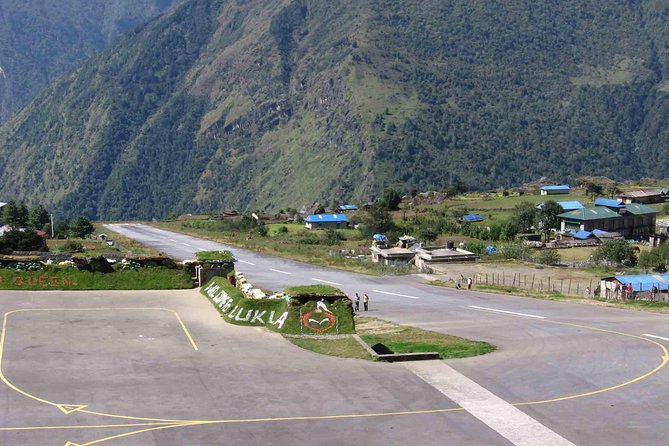
The adventure truly starts with a flight from Kathmandu to Lukla (2,804 m). When weather is good, Lukla is quick and scenic. When weather isn’t, you’ll want patience. This trek requires good weather, and flight delays can happen with mountain airstrips.
Once you arrive, the trekking pattern kicks in right away. You spend time in Phakding after a descent toward the Dudh Koshi River and then connect onto the main trail for Namche Bazaar. This first section is key because it gets your legs moving without punishing you immediately.
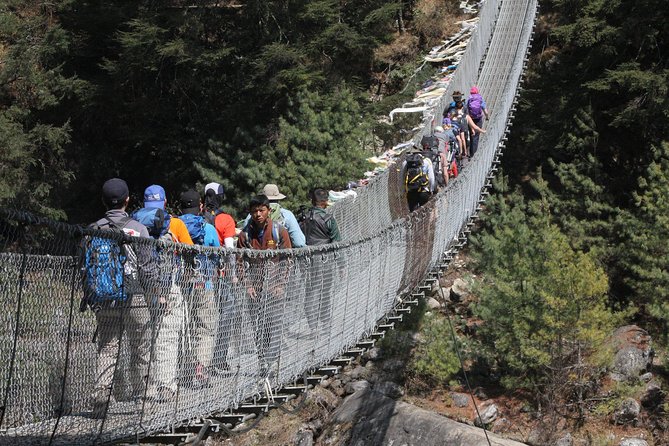
You’ll cross suspension bridges lined with prayer flags, and the trail keeps you engaged. It’s not just “walk and wait for later.” You’re learning what the route feels like, from footing on stone paths to the constant sense of altitude change.
Namche Bazaar: Gateway, Marketplace, and Altitude Prep
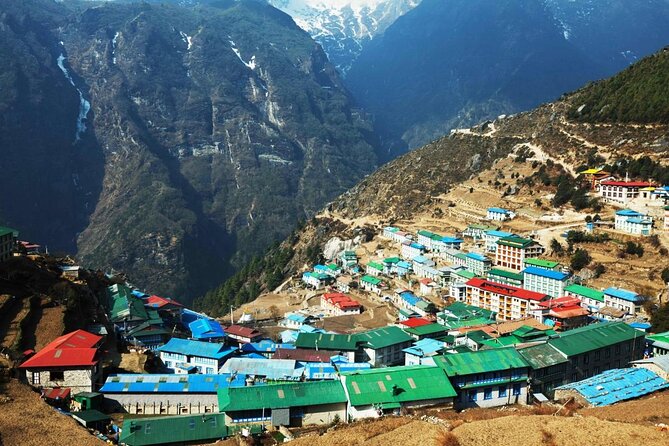
Namche Bazaar is the biggest town along the Everest trail, and it acts like a gear hub for the whole region. You’ll walk in along the banks of the Dudh Koshi, enter Sagarmartha National Park, and climb steeply on a day that feels like it means business.
Then you get a full acclimatization day in Namche. This is where the trek makes sense for real bodies. You’re thinning out at altitude, so resting smart matters.
On that Namche day, you can visit a museum with Sherpa customs exhibits and also hike to Syangboche Airport near the Everest View Hotel. The point is not just views. It’s training your lungs while keeping your effort controlled. You’ll also get those classic Khumbu peak panoramas around sunrise and sunset from that higher viewpoint.
If you’re the kind of traveler who always rushes, treat this day like a gift. Good acclimatization makes the later days feel possible instead of scary.
More Gokyo Lakes treks:
- Gokyo to Everest Base Camp Trek
★ 5.0 · 113 reviews - Everest Base Camp – Cho La Pass – Gokyo Trek
★ 5.0 · 65 reviews - Everest Gokyo Valley Trek – 12 days
★ 5.0 · 27 reviews - Landing Private Helicopter at Everest base camp & Gokyo for photo
★ 5.0 · 20 reviews
Phortse and Machhermo: Rhododendron, Yak Country, and Glacier Approach
After Namche, the trek climbs into more pristine, higher terrain. The Phortse day runs through rhododendron forest and juniper as the elevation rises. You also pass through areas associated with yak activity and seasonal settlements.
What I like about this portion of the itinerary is that it gives you long stretches of forest and ridge walking, not just a string of sudden climbs. The views of peaks like Khumbi La and Tawache show up repeatedly, so you’re not waiting all day for the first big moment.
Then comes Machhermo. This is part of the route that feels like it’s turning toward the Ngozumpa Glacier. You climb for a ridge view down the valley toward Kengtega, then work your way toward the terminal moraine of the glacier area.
Even if you’re not obsessed with glaciology, you’ll feel the change. The mountain shapes become sharper, and the ice presence becomes harder to ignore. It sets you up for what comes next.
Gokyo: Two Nights That Let the Scenery Sink In
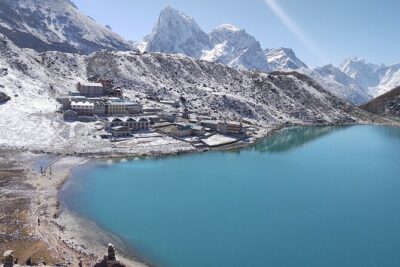
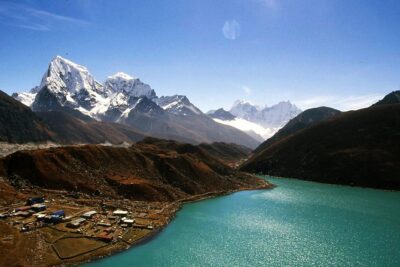
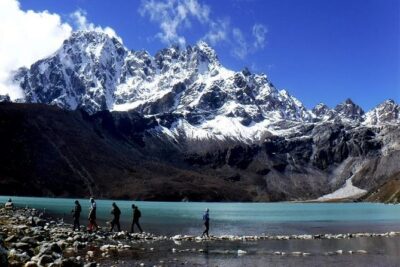
You finally reach Gokyo (4,790 m) and camp there for two nights. This matters. A lot of trekking itineraries rush through Gokyo in a single day. Here, you get breathing room, plus “sightseeing and hiking trips around Gokyo.”
That extra time is not wasted. It’s how you start to understand the geography: where the glacier sits relative to the valley, how the lake and ridges line up, and why people keep coming back for the long look.
Also, by the time you’re at Gokyo, the altitude is real. Staying two nights helps you adjust before the big day.
Gokyo Ri: The Steep Climb Worth Its Early Start
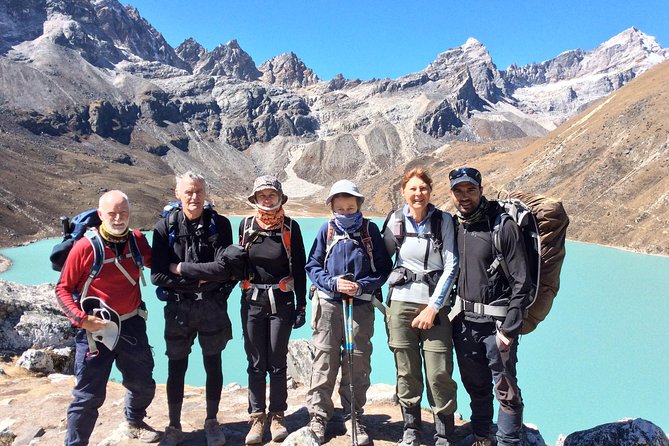
Day 9 is your big summit push: an early climb to Gokyo Ri (5,483 m). The route is steep, so plan for a slow pace and careful breathing. The reward is the reason people do this trek.
From the top, the view expands across the super Gokyo valley and brings in the huge presence of the Ngozumpa glacier. You also get a panoramic look across the Khumbu Himalayas, including Everest, Lhotse, Nuptse, Makalu, Cho Oyu, and Gyachung Kang.
Even better, the timing is built around the light. Early starts often mean clearer air and a better chance of seeing peaks crisply. If the sky is cooperative, this is the moment that can make the whole trek feel like one connected story rather than separate days of walking.
What Happens After Gokyo Ri: Dole, Namche, and That Slow Return Feeling
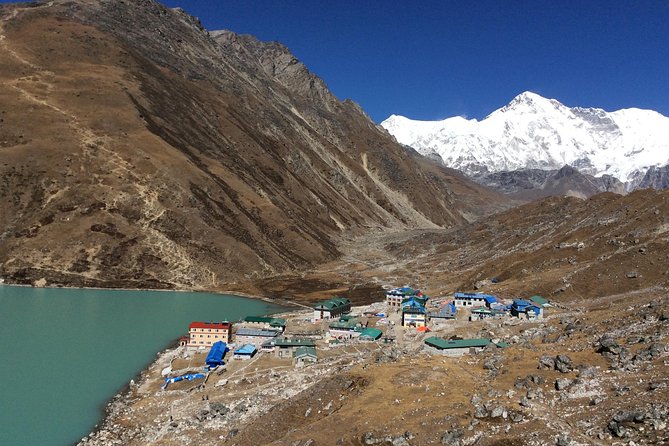
After the Ri day, you start a descent to Dole. This isn’t just “walk downhill.” You’ll feel your body switching gears from high point mode to recovery mode.
Then you head back toward Namche Bazaar by walking through a typical Sherpa village area such as Khumjung. This portion matters emotionally. You’re leaving big mountain focus behind for a bit, so you can absorb what you did without the next climb looming.
The final trekking days bring you back to Lukla, where you began. There’s usually a reflective feel here, and it makes sense. You’ve climbed through the Khumbu’s core, done the signature high viewpoint, and connected multiple valleys with real time in between.
The Human Touch: Guides, Porters, and Why It Matters
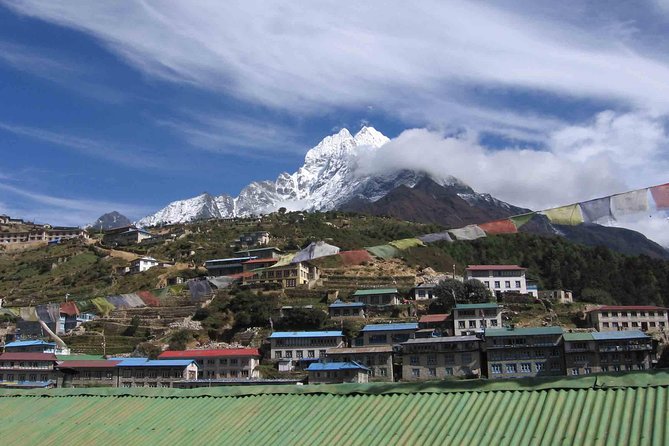
The logistics in this trek are handled through a licensed English-speaking guide, plus a porter for every two clients. That ratio helps keep the pace reasonable. Your job stays “hike and enjoy,” not “hike and lug.”
The strongest praise I saw in past groups was about the guide experience. Names that came up repeatedly include Ngima, Nimesh, Ramesh Karki, Bishnu, Milan, Santosh, Prem, Ram, and Aamod Nepal. What stood out was not just friendliness, but practical decision-making.
In the Khumbu, conditions can shift, including route disruptions. More than one group highlighted guides who reprogrammed routes when necessary and kept the day moving safely. That’s the real value of a good guide: you don’t want improvisation to feel chaotic. You want it to feel calm and managed.
So when you book, ask yourself this: do you want a guide who can explain the region while also adjusting to what the trail throws at you? This trip is built for that kind of guiding.
Price and Logistics: What You Get for $1,514.67
At $1,514.67 per person for an about 15-day trip, the cost may look high until you break down what’s included.
You are getting:
- Kathmandu hotel rooms for 4 nights in a three-star setup
- Guesthouse accommodation for 10 nights during the trek
- Guided sightseeing in Kathmandu with entrance fees
- Kathmandu to Lukla and back airfare
- Trek permits
- A licensed English-speaking trekking guide
- Porter support (1 per two clients)
- Down jacket and sleeping bag provided for the trek, returned after
- A free Ace the Himalaya duffel kit bag and a sun hat
- Meals during the trek period, with breakfast included, plus lunch 10 times and dinner 11 times
- Airport transfers
What’s not included is also important:
- Nepal entry visa
- International flights
- Travel insurance that covers emergency high-altitude rescue and evacuation
- Alcohol and other personal drinks
- Personal trekking equipment
- Tips for trekking staff and driver (tipping is expected)
- Lunch and dinner in Kathmandu
For value, I’d focus on two items. First, the Lukla flights are expensive and unpredictable in planning terms, but they’re included here. Second, getting a guide plus porter support plus the basics of cold-weather gear means you spend less time shopping and stressing.
One more practical point: group size is capped at 15 travelers. That helps with trail flow and keeps your trek feeling more like a team than a crowd.
Who This Trek Fits Best
This is a great match if you:
- Want a signature high viewpoint, Gokyo Ri, with clear mountain payoff
- Prefer local lodges and Sherpa villages over camping-only wilderness vibes
- Are comfortable with a trek that requires a moderate physical fitness level
- Like your itinerary structured, with acclimatization built in
It may be less ideal if you:
- Know you react badly to high-altitude fatigue
- Are sensitive to travel time, since you spend several days walking and climbing at elevation
- Are hoping for a fully cushy experience with zero steep sections, because Gokyo Ri is steep by design
Also, if you’re considering upgrades or add-ons after the trek, there’s a spare day in Kathmandu with options like rafting, a Chitwan jungle safari, a Kathmandu valley shopping day, scenic Everest flight, or mountain biking.
Should You Book Gokyo Valley Trek?
Yes, if your goal is to see Everest-region mountains from a route that feels more spread out and more glacier-focused than the typical single-mountain chase. The combination of Gokyo Ri plus time near the Ngozumpa Glacier plus real village walking gives you a deeper Khumbu experience than a quick sightseeing hit.
I’d book now if you:
- Want included guide and porter support
- Like having cold-weather basics provided (down jacket and sleeping bag)
- Enjoy early starts when they buy you clear mountain views
I’d pause before booking if:
- You’re not comfortable with weather risk around Lukla flights
- You still need to sort travel insurance that covers emergency high-altitude rescue and evacuation
In short, this trek is hard enough to be meaningful, and structured enough to feel managed. If that’s your style, Gokyo Valley Trek is a very solid choice.
FAQ
What time does the experience start?
The trek meeting starts at 8:00 am at Tribhuvan Airport in Kathmandu.
Where does the trek start and end?
It starts at Tribhuvan International Airport, Kathmandu and ends back at the same meeting point in Kathmandu.
How long is the Gokyo Valley Trek?
The duration is about 15 days.
Do I need a visa and travel insurance?
A Nepal entry visa is not included. Travel insurance is also not included, and you should have coverage for emergency high-altitude rescue and evacuation.
Is the trek guide and porter support included?
Yes. You get a licensed English-speaking trekking guide, and the trek includes 1 porter for every two clients.
What altitude is the main highlight hike?
The early-morning climb is to Gokyo Ri at 5,483 m.
Is Kathmandu sightseeing included?
Yes. You get guided sightseeing in Kathmandu, including entrance fees, with stops at Pashupatinath Temple, Boudhanath Stupa, and Bhaktapur Durbar Square.
What trek gear is included?
The trip includes a down jacket and sleeping bag for the trek, and they are to be returned afterward.
Are flights included to and from Lukla?
Yes. The package includes airfare for Kathmandu to Lukla and Lukla to Kathmandu.
How does cancellation work if I need to change plans?
You can cancel up to 6 days in advance for a full refund. For a 50% refund, cancel 2 to 6 days before the start time. If you cancel less than 2 days before the start time, you will not receive a refund. If the trek is canceled due to poor weather, you’ll be offered a different date or a full refund.
Latest additions near Kathmandu
- White Water River Rafting – 1 Day★ 4.3 · 3 reviews
- Traditional Momo Making Class★ 5.0 · 10 reviews
- Kathmandu to Pokhara Premium sofa bus ticket★ 4.0 · 17 reviews
- Ghorepani Poon Hill Trek★ 5.0 · 16 reviews
- Amazing 1 Day Trekking Experience in Kathmandu Nepal★ 5.0 · 24 reviews
- Ghorepani Poonhill Trek★ 5.0 · 5 reviews
- Walking tour of real Kathmandu through back streets.★ 5.0 · 3 reviews
- Wildlife Adventure in Chitwan Nepal★ 4.0 · 4 reviews
Gokyo Lakes Treks, compared.
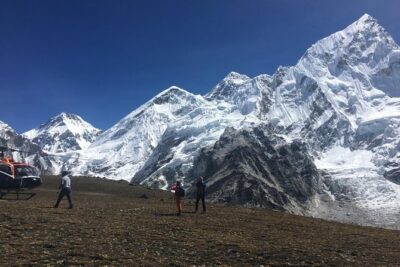
Landing Private Helicopter at Everest base camp & Gokyo for photo
Read our review →
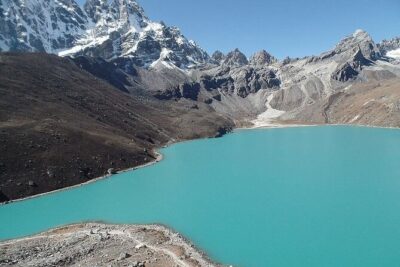
Gokyo Lakes, Gokyo Ri Trekking Package – 10 Days
Read our review →Browse the lists this tour appears in