
Reviewed · EVEREST BASE CAMP TREKS
Everest Base Camp with Gokyo Lake 17 Days
High passes, big mountains, real value.
This trek threads Everest Base Camp and Gokyo Lake into one trip, with high passes, classic Khumbu villages, and a very practical support setup. I like that the plan is built around smart acclimatization days and cozy trekking lodges, and that you get human help on the tough sections, with guides like Pemba and Pasang highlighted in past journeys. You’re not just buying a route, you’re buying smoother logistics in a place where weather and timing can get unpredictable.
The one drawback to face upfront is altitude. You’ll be going to high points around 5,000m and above, with long days and steep stretches, so this is not a stroll, even with porters.
Still, if you want a genuine, high-country experience with real mountain time, this EBC plus Gokyo combo is one of the better ways to do it without turning your trip into a spreadsheet.
In This Review
- Key things that make this trek worth your time
- From Kathmandu to Lukla, the start that sets your tone
- Phakding to Namche Bazaar: the acclimatization day you will actually need
- Namche to Dole and Machhermo: settling into the higher rhythm
- Gokyo Valley and Gokyo Lake: where the effort starts feeling worth it
- Cho La Pass to Dzonglha: the hard hinge of the whole trip
- Lobuche and Gorak Shep: getting close to Everest for real
- Tengboche to Monjo: the quieter, cultural unwind
- Lukla back to Kathmandu: closing the loop
- Price and Logistics: what the $1,480 really buys
- Guides, porters, and sleeping gear for cold nights
- Meals included, but your habits still matter
- Altitude reality check, so you can plan calmly
- Who this trek suits best (and who should consider another plan)
- Should you book Everest Base Camp with Gokyo Lake?
- FAQ
- Where does the trek start?
- How long is the trek?
- What does the itinerary include on trekking days for meals?
- Is Kathmandu lodging included?
- What route highlights are included?
- Do you need a certain fitness level?
- How big is the group?
- Are trekking permits and TIMS card included?
- Are guides and porters included?
- What is not included in the price?
- Is there free cancellation?
Key things that make this trek worth your time
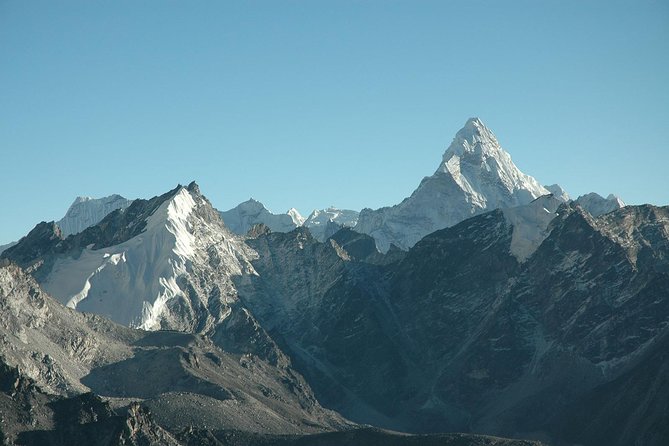
- Gokyo Lake plus Everest Base Camp in one itinerary, so your effort has multiple payoff moments
- Smart pacing with a Namche rest and exploration day before pushing higher
- Cho La Pass crossing on the route, adding a true high-pass highlight
- Full trekking meals included (breakfast, lunch, dinner, plus tea or coffee), which matters at altitude
- Small group size (maximum 18), usually making the trek feel organized without feeling crowded
- Guide and porter support built into the price, including permits, TIMS, and first aid medicine items
From Kathmandu to Lukla, the start that sets your tone
Your trip begins in Kathmandu with airport pick up and departure, plus a three-star hotel in twin sharing rooms with breakfast. This matters more than it sounds. You arrive with jet lag, you want a bed, a hot shower, and time to get organized for cold-weather hiking. Then you transfer for the next step, the flight to Lukla.
Day two is the moment most people remember first: you fly from Kathmandu to Lukla and start trekking right away toward Phakding. That first day walk is typically your introduction to the rhythm of the Khumbu. It is not about speed. It is about getting your breathing under control while your body learns what high altitude feels like, even at the lower starting elevations.
Practical note: flights in the Himalaya can be weather dependent. You can do everything right and still have delays, so I like trips that include proper transfers, lodging, and guidance. This one covers those pieces up front, which helps you avoid last-minute chaos.
More Everest Base Camp treks:
- Everest Base Camp Trek – 14 Days
★ 5.0 · 1,499 reviews - Everest Base Camp Trek
★ 5.0 · 842 reviews - Everest Base Camp Helicopter Tour landing at Everest View Hotel
★ 5.0 · 668 reviews
Phakding to Namche Bazaar: the acclimatization day you will actually need
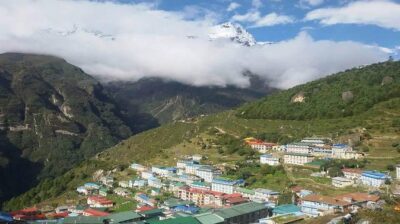
From Lukla, you trek to Phakding, then move on to Namche Bazaar. Namche is the hub. It is busy enough to feel alive, yet small enough that you notice how the culture shifts as you go higher. You’ll see the mix of everyday life and serious trekking infrastructure that makes Khumbu so unique.
You then get an acclimatization and exploration day at Namche. This is not filler time. That extra day helps your body adjust before the real climb begins. You get a chance to walk, catch your breath, and set up your gear habits: water, snacks, layers, and what you carry versus what you leave with your support team.
One reason this stop is so important is altitude management. Going higher too fast is where trips get miserable, not just difficult. A planned rest day like this is one of the best ways to protect your energy for the days that follow.
Namche to Dole and Machhermo: settling into the higher rhythm
After Namche, you trek to Dole, then to Machhermo. You start noticing the air thinning and the way your steps slow down. The climb to Dole is around a 6-hour day, followed by a shorter window to Machhermo, about 3 to 5 hours.
Those day lengths are a good sign. You are still working hard, but you’re not forcing a punishing schedule every day. This pacing helps you keep your legs and your morale in decent shape.
As you climb, the scenery shifts from village life to more stark high-country views. You’ll spend time in places where the world feels quieter and the sky feels closer. It’s a special feeling, but it comes with one real requirement: you need to keep moving steadily and avoid burning out early.
Gokyo Valley and Gokyo Lake: where the effort starts feeling worth it
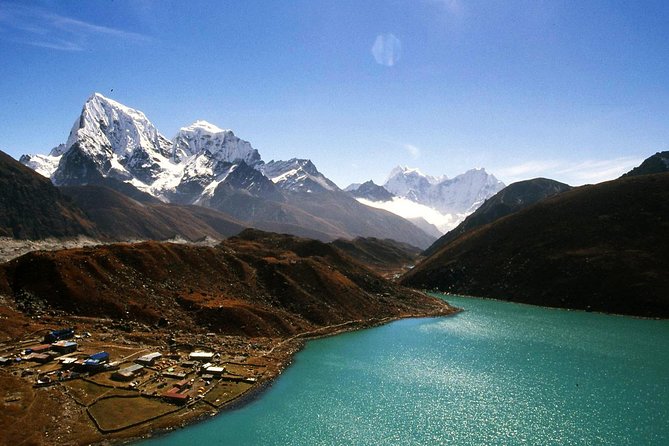
Then comes Gokyo. The trek reaches Machhermo and pushes on to Gokyo, with Gokyo sitting at about 4,760m. This is where your journey becomes unmistakably high altitude, and it is also where a lot of people feel the emotional payoff. The big lake and the surrounding peaks change the whole mood of the trek.
Day eight is a day hike to Gokyo Ri, followed by trekking onward to Thagnak. If you’ve ever wondered why people plan extra effort for viewpoints, this is where you get the answer. You hike higher, you work for it, and you are rewarded with sweeping perspective on the high valleys and the route you’ve been walking.
A key practical advantage here is that this part of the trek keeps giving you reasons to stay engaged. You are not just climbing from one checkpoint to another. You have a lake milestone and a ridge viewpoint day, which breaks up the mental fatigue.
More Gokyo Lakes treks:
- Gokyo to Everest Base Camp Trek
★ 5.0 · 113 reviews - Everest Base Camp – Cho La Pass – Gokyo Trek
★ 5.0 · 65 reviews - Everest Gokyo Valley Trek – 12 days
★ 5.0 · 27 reviews - Landing Private Helicopter at Everest base camp & Gokyo for photo
★ 5.0 · 20 reviews
Cho La Pass to Dzonglha: the hard hinge of the whole trip
Day nine is a big one: you trek to Dzonglha via Cho La Pass, reaching about 5,420m. This is the turning point where the trip feels both thrilling and demanding.
Pass days tend to do two things. They test your legs and they test your patience. Weather can change quickly at altitude, and the air can feel sharp in the lungs. I like having a guided team here, because the route planning and pace control matter. You’re not just walking, you’re managing conditions.
After reaching Dzonglha, you’ll be set up for the next phase, the approach toward the Everest region. It helps to think of Cho La as the bridge day. After it, the trip becomes more focused on the Everest landmarks and the high viewpoints.
Lobuche and Gorak Shep: getting close to Everest for real
From Dzonglha, you trek to Lobuche, then onward to Gorak Shep. Gorak Shep sits around 5,147m, which means your body is working at the highest end of the trip.
Day eleven is basically your arrival and consolidation at Gorak Shep. Day twelve is the big morning choice: a hike to Everest Base Camp or Kala Patthar, then you trek down to Pheriche.
That choice is worth understanding. Base Camp is the headline for many people, but Kala Patthar often wins for panoramic drama. If you are feeling strong and weather is good, your guide can help decide what fits best. Either way, you get a classic high-country memory, then you get the relief of descending toward Pheriche.
That descent is not a luxury. It’s a recovery tool. Your body needs lower elevation after a high morning and days of climbing.
Tengboche to Monjo: the quieter, cultural unwind
After Pheriche, you trek toward Tengboche and then to Monjo. Tengboche is associated with Khumbu’s biggest monastery, and this is where your trip adds a cultural layer, not just a physical one.
Monjo is lower, around the mid-2,000m range, so this is where the air starts to feel kinder. Day fourteen brings you to Monjo, which is also a psychological shift. You’re not thinking only about altitude now. You’re thinking about wrapping up, finishing your last lodge nights, and getting ready for the flight back.
This portion of the trek works best when you slow your pace and pay attention. The monastery area and the village routes remind you that this is not an isolated hike through numbers. It’s part of a living region with spiritual centers and daily rhythms.
Lukla back to Kathmandu: closing the loop
After Monjo, the trek takes you back to Lukla. You then fly to Kathmandu.
The flight home is short compared to the trek, but it feels emotional because you have been earning altitude for days. Once you’re back in Kathmandu, the trip concludes and you depart.
I like that this tour builds in a full stop at the start in Kathmandu and a full stop at the end. You’re less likely to feel rushed or stranded, especially if you run into any flight weather changes.
Price and Logistics: what the $1,480 really buys
At $1,480 per person, the big question is whether this feels like good value for the effort and organization involved. Here’s what you get that usually costs extra if you arrange things yourself:
- All airport pick up and departure in Kathmandu
- Transportation including an A/C car and tourist deluxe bus during trip segments
- Three-star hotel in Kathmandu, twin sharing with breakfast
- Trekking lodge accommodations for the trekking period
- Full meals during trekking (breakfast, lunch, dinner) with tea or coffee
- Trekking permits and TIMS card
- Guide support including guide salary plus accommodation, meals, and insurance
- Porter support with a specific ratio: for two guests, one Sherpa porter carries baggage
- First aid medicine items
- A special cultural show and farewell dinner program
- T-shirt and trip achievement certificate
What is not included is also clear: your international flight, travel insurance, tips, extra meals in Kathmandu, bar bills, and any tour entrance fees.
So is it good value? For me, yes, because the included parts are exactly what can turn an Everest-region plan into chaos if you handle it piecemeal. In places like this, permits, timing, and coordination are not small tasks. You’re paying for fewer blanks in the plan.
Guides, porters, and sleeping gear for cold nights
This trek runs with a guide and porter team that supports your day-to-day needs. In the past, people specifically called out guides like Pemba and Pasang for being helpful and friendly, with porter teams also doing solid work on the ground.
You also get practical help with cold-weather gear. The trip includes sleeping bag and down-jacket if you need them during the trek. That small detail can be the difference between thinking about discomfort all night and waking up ready for the next climb.
If you are a cold sleeper, I strongly recommend treating gear decisions as part of your training. A well-rested person climbs better and handles altitude with less stress.
Meals included, but your habits still matter
Full meals are a big deal in high places. You get breakfast, lunch, and dinner on trekking days, with tea or coffee. This takes one major variable off your plate, especially when menus and prices can be inconsistent along the route.
Even with meals included, you should still manage your energy like a pro:
- Eat early in the day if you can
- Keep snacks handy for pass days
- Drink water consistently, not only when you feel thirsty
Your guide and support team will help keep the trekking rhythm steady, but your body is the one that reacts to dehydration and empty energy.
Altitude reality check, so you can plan calmly
This route includes serious elevation changes. It reaches high points including Cho La Pass and the morning hike areas around 5,365m and 5,550m depending on whether you aim for Everest Base Camp or Kala Patthar.
The trip also includes acclimatization, including a Namche exploration day, and then a planned descent after the high morning. That structure is what makes this kind of trek more manageable.
Still, I want you to go in with clear expectations:
- You will feel breathless at times
- Your pace will likely slow compared to lower-altitude hikes
- You will benefit from a moderate fitness level and a calm mindset
If you have any medical concerns, talk to a professional before you go, especially if you have a history of altitude sickness.
Who this trek suits best (and who should consider another plan)
This is a great fit if:
- You want one trip that includes both Gokyo Lake and Everest Base Camp
- You like guided structure and don’t want to negotiate permits and logistics on your own
- You can handle several big hiking days at altitude with a realistic pace
This may not be ideal if:
- You want a low-effort trek or short walking days
- You get discouraged by cold mornings, steep climbs, and the slow rhythm of altitude hiking
- You prefer complete freedom to change the route day by day, without a planned structure
The maximum group size of 18 also helps. It tends to feel organized, but still personal.
Should you book Everest Base Camp with Gokyo Lake?
I’d book this if you want the classic Everest storyline plus the unforgettable Gokyo Lake angle, without turning your trip into a logistics puzzle. The value looks strong because permits, guide and porter support, lodging, and full trekking meals are built into the price.
I’d pause only if altitude is a major concern for you or if you know you struggle with cold nights. In that case, ask about sleeping bag and down-jacket options early, and consider your fitness level honestly.
If you’re ready for a serious Himalayan trek with real milestones, this one is a solid choice.
FAQ
Where does the trek start?
The trip starts in Kathmandu, Nepal, with meeting at Kathmandu Valley in the Bagmati Zone, Central Region.
How long is the trek?
The duration is approximately 14 to 19 days.
What does the itinerary include on trekking days for meals?
During the trekking portion, you get breakfast, lunch, and dinner, plus tea or coffee.
Is Kathmandu lodging included?
Yes. You get a three-star hotel in Kathmandu on a twin sharing basis with breakfast.
What route highlights are included?
The trek includes Everest Base Camp and Gokyo Lake, along with crossing Cho La Pass and hiking to Gokyo Ri.
Do you need a certain fitness level?
The tour description calls for a moderate physical fitness level.
How big is the group?
The maximum group size is 18 travelers.
Are trekking permits and TIMS card included?
Yes. Trekking permit and TIMS card are included.
Are guides and porters included?
Yes. A guide is included, and porter support is included with a specific ratio of one Sherpa porter for two guests to carry baggage.
What is not included in the price?
International air ticket, travel insurance, tips, extra meals in Kathmandu, bar bills, and any tour entrance fees are not included.
Is there free cancellation?
Yes, you can cancel up to 24 hours in advance of the experience start time for a full refund. If you cancel less than 24 hours before, the amount paid is not refunded.
Latest additions near Kathmandu
- White Water River Rafting – 1 Day★ 4.3 · 3 reviews
- Traditional Momo Making Class★ 5.0 · 10 reviews
- Kathmandu to Pokhara Premium sofa bus ticket★ 4.0 · 17 reviews
- Ghorepani Poon Hill Trek★ 5.0 · 16 reviews
- Amazing 1 Day Trekking Experience in Kathmandu Nepal★ 5.0 · 24 reviews
- Ghorepani Poonhill Trek★ 5.0 · 5 reviews
- Walking tour of real Kathmandu through back streets.★ 5.0 · 3 reviews
- Wildlife Adventure in Chitwan Nepal★ 4.0 · 4 reviews
Everest Base Camp Treks, compared.
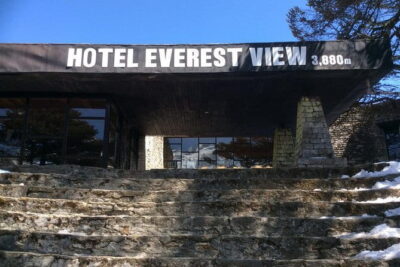
Everest Base Camp Helicopter Tour landing at Everest View Hotel
Read our review →
Everest Base Camp Helicopter Tour landing at Hotel Everest View
Read our review →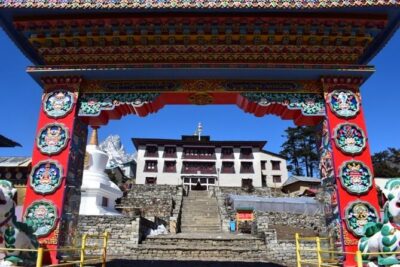
Browse the lists this tour appears in