
Reviewed · MANASLU CIRCUIT TREKS
Dancing in the Manaslu Circuit Trek
Manaslu feels quieter and more personal. This 12-day trek circles Manaslu, Nepal’s eighth-highest peak, in a restricted-access region where Tibetan-influenced villages, prayer flags, and local music and dance show up in real, human-scale moments. I like that the route shifts hard between river valleys and high passes, with Larkya La (5,100 m) bringing big mountain drama without the heavy crowds you may expect elsewhere.
Two things I especially like are the full-board meals included on the trail, and the way the trek builds in acclimatization time. Your days are long, but you are not constantly hunting for food or guessing logistics, and that extra day around Manaslu Base Camp area can make the high-pass portion feel more doable. One consideration: this is not a short hike, and high altitude weather can change quickly, so you’ll want a steady fitness level and a plan for cold, wind, and slow going on pass days.
In This Review
- Key Highlights You’ll Notice Fast
- Why the Manaslu Circuit Feels Different Than the Usual Nepal Treks
- What You’re Really Paying For: Value Beyond the Ticket Price
- Your Guide and Team: The Difference Between a Trek and a Plan
- Day by Day on the Manaslu Circuit, With What Each Stop Adds (and What to Watch)
- Day 1: Kathmandu to the Trail Start Near Maccha Khola
- Day 2: Maccha Khola to Jagat via Budhi Gandaki and Tatopani
- Day 3: Jagat to Deng (Salleri Area)
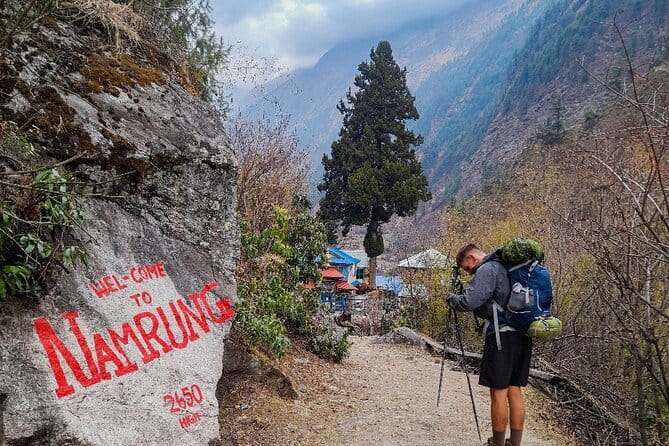
- Day 4: Deng to Namrung, With Prok Village and Mani Walls
- Day 5: Namrung to Shyala
- Day 6: Shyala to Samagaun, Plus Pungeyn Gumpa
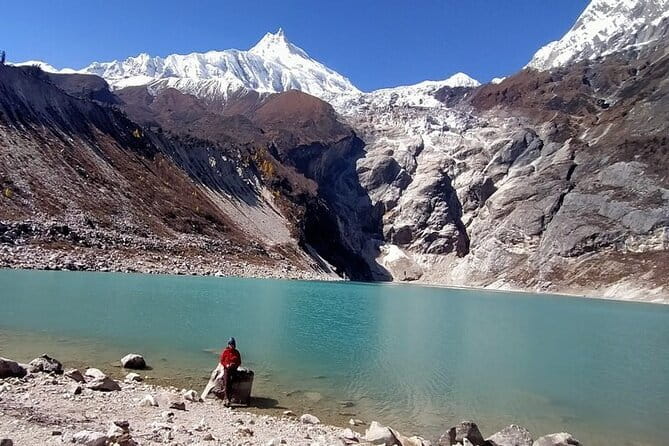
- Day 7: Acclimatization Day Around Manaslu Base Camp and Birendra Lake
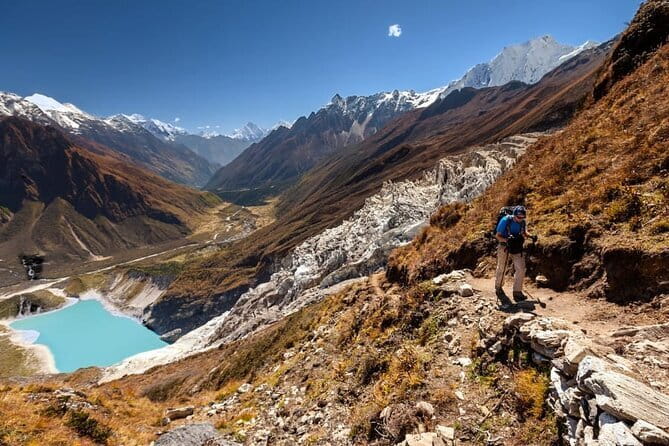
- Day 8: Toward Larkya La Country, Descending to the Budhi Gandaki and Seeing Larkya Glacier
- Day 9: Larke Bazaar to Dharmasala, Monasteries, Mani Walls, and Big Glacier Views
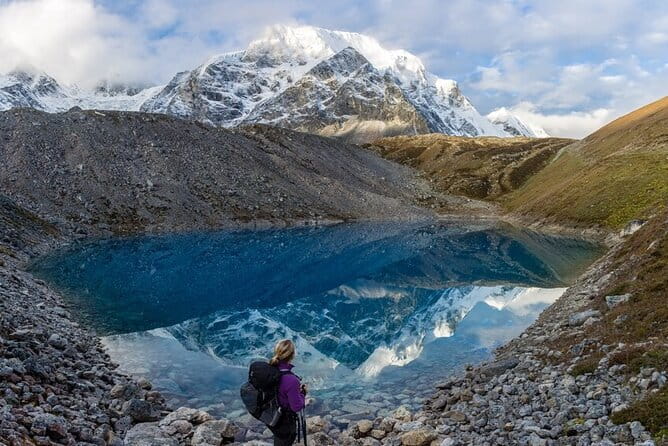
- Day 10: The Larkya La Pass Day, Cho Danda, Larkya Peak, and Four Frozen Lakes
- Day 11: Dharmapani, Forest Descent, Dudh Khola, and Karche Village
- Day 12: Jeep to Besi sahar and Then Back to Kathmandu
- Cultural Moments That Matter: Prayer Flags, Mani Walls, and Local Dance
- The Logistics That Make This Trek Feel Manageable
- So, Should You Book Dancing in the Manaslu Circuit Trek?
- FAQ
- How long is the Manaslu Circuit trek?
- Where does the trek start and end?
- Is pickup included?
- What does the price include?
- Do I need to bring a porter?
- What is not included in the tour price?
- What kind of rooms will I have?
- Do I need any specific fitness level?
- What if weather is bad on the trek?
- What happens if the minimum number of travelers isn’t met?
Key Highlights You’ll Notice Fast
- Restricted-access Manaslu region means a calmer feel and more space to connect with local life.
- Larkya La crossing at 5,100 m plus glacier and frozen-lake viewpoints on the way through.
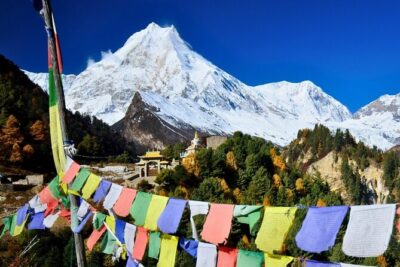
- Tibetan-style details like mani walls, monasteries, and prayer-flag villages along the walking days.
- English-speaking, government-certified guide support that helps you understand what you’re seeing.
- Deluxe ground transfers and twin-sharing private rooms keep the non-trekking parts organized.
Why the Manaslu Circuit Feels Different Than the Usual Nepal Treks
If you’re used to the well-trodden routes around Kathmandu, the Manaslu Circuit is a different vibe. The big reason is access: this area stays more tightly managed, which helps keep the trail from feeling like a conveyor belt. You get that sense of walking into communities that still run on their own rhythm, not just tourism schedules.
The other reason it feels special is the mix of environments. You move from subtropical valleys and river gorges to colder, higher villages and then up to Larkya La, where the air is thin and the world turns stark. The trek’s cultural side stays with you the whole way: prayer flags, mani walls, and monasteries are not museum props here, they are part of daily scenery.
One practical note for your planning: the best days are not just about view chasing. This route rewards steady walking, good pacing, and an attitude that says, I’ll take the day as it comes. That mindset matters most when clouds roll in or when weather makes the pass day a bit slower.
More Treks in Kathmandu
- Everest Base Camp Trek – 14 Days
★ 5.0 · 1,499 reviews - Everest Base Camp Trek
★ 5.0 · 842 reviews - Everest Base Camp Trekking
★ 5.0 · 485 reviews
What You’re Really Paying For: Value Beyond the Ticket Price
At $1,390 per person, you are paying for an organized, guided trek that covers more than just the hiking. The price includes required permits and government taxes, which matters because the Manaslu region does not treat paperwork as optional. It also includes three full board meals daily on trek days, plus breakfast and dinner during the program, so you can budget without constant snack stops.
You’re also paying for infrastructure that makes a real difference. Deluxe bus transfers handle the Kathmandu to the trailhead side, and the return from Besi sahar goes back to Kathmandu with a separate drive. On top of that, the trek includes shared jeep transportation from Dharapani to Besi sahar. Those are long ground stretches, and having them arranged lets you focus on the hike instead of hunting rides.
Accommodation is another value piece. You get twin sharing private rooms throughout the trek, not just “somewhere to sleep” at the mercy of the next available lodge. On a demanding route, that privacy helps you recover.
What’s not included is also clear, and it’s worth factoring in early. You will need travel insurance on your own, you’ll cover personal items like hot water and phone charging, and you should expect porter services to be required. Tips for the guide and porter are also on you.
Your Guide and Team: The Difference Between a Trek and a Plan
This is a private group experience, meaning it is just your group participating. That usually matters in the Himalaya, where pace and timing can swing based on weather. Your guide can adjust the day’s rhythm, handle questions, and keep the group moving safely.
The operator lists a government-certified guide who speaks fluent English, and that combination is the practical part. You’ll spend less time guessing what you’re seeing at mani walls or monasteries, and more time connecting the visual details to the people who live with them.
In past trips with Master Himalaya, guides like Bijaya, Krishna, Lakpa, and Tenji have been mentioned in customer feedback, and porters like Nema show up too. I like that pattern because it suggests you’re not just getting a checklist leader. The trail becomes more understandable when your guide can share context without making it sound like a lecture.
Day by Day on the Manaslu Circuit, With What Each Stop Adds (and What to Watch)
More Manaslu Circuit departures:
- Manaslu Circuit Trek
★ 5.0 · 292 reviews - Manaslu Circuit Trek:
★ 5.0 · 106 reviews - Manaslu Circuit Trek (15 Days)
★ 5.0 · 50 reviews - Manaslu Circuit Trek
★ 5.0 · 35 reviews
Day 1: Kathmandu to the Trail Start Near Maccha Khola
Your day begins with a long drive out of Kathmandu toward the trekking start area around Sotikhola and Maccha Khola. The road ride passes rural villages and green hillsides, which is a nice mental warm-up. It also gives you time to settle before you start counting steps.
What to watch: this is a travel-heavy start day. Even though the trek will feel gradual once you begin, day one sets your hydration and comfort habits. Bring a water plan and keep warm layers accessible, since vehicle air can be colder than you expect.
Day 2: Maccha Khola to Jagat via Budhi Gandaki and Tatopani
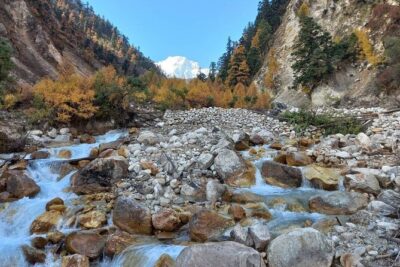
You’ll trek along the Budhi Gandaki River, walking through a river-valley rhythm that feels steady. Along the way, you pass Tatopani, known for natural hot springs, and you’ll continue into the restricted region before reaching Jagat’s stone houses and rural feel.
This day is often about “getting your legs.” The upside is the variety: river walking, hot-spring area passing, and then a more settled village setting. The drawback is that a lot of energy gets spent simply adjusting to hiking time, pack weight, and elevation you may not notice yet.
Day 3: Jagat to Deng (Salleri Area)
This is a pure trekking day, moving from Jagat toward Deng, with Salleri as a key stop. If you like gradual buildup, this stage delivers. You’ll see how the region transitions from lower valley patterns into more mountain-focused villages.
What to watch: long walking days can hide fatigue. If you go too fast early, day four and beyond will feel harsher than they need to be. I recommend keeping your pace conversational, not race-day.
Day 4: Deng to Namrung, With Prok Village and Mani Walls
As you move toward Namrung, you go through the Prok village area and see mani walls and forested stretches. This is where the culture stops being “occasional scenery” and starts becoming a daily visual theme.
Upside: mani walls and village prayer details make the trek feel grounded. You’re walking through living spaces, not just scenic points. Downside: forests can mean damp trails, and damp cold gets old fast. Pack for quick temperature shifts.
Day 5: Namrung to Shyala
You continue upward toward Shyala. Days like this matter because they set your breathing pattern before the higher villages. You’ll likely feel the air thinning more than the numbers on a sign.
Upside: it’s a good bridge day between cultural villages and the higher, quieter zones. Downside: it can be mentally repetitive if you chase only views. Try paying attention to prayer flags, village architecture, and the way guesthouse life works at each stop.
Day 6: Shyala to Samagaun, Plus Pungeyn Gumpa
Today takes you to Samagaun, plus a hike to Pungeyn Gumpa. This is one of those days where you get both travel and a purposeful side visit, which breaks up the monotony of straight walking.
Why it’s valuable: monasteries and gumpas often give you a pause where you can read the region differently. You’re not just moving through altitude, you’re meeting spiritual landmarks that locals treat as part of everyday orientation.
What to watch: side hikes can be time killers if you underestimate cold. Start early, keep steady, and don’t let the gumpa visit turn into an hours-long slow shuffle when you still have trekking ahead.
Day 7: Acclimatization Day Around Manaslu Base Camp and Birendra Lake
You get a dedicated acclimatization day. There’s even an optional hike toward Manaslu Base Camp and Birendra Lake. That’s not just a bonus, it’s smart planning for altitude management.
How you should think about it: acclimatization days work when you keep the “upward effort” reasonable and stop well before exhaustion. You want to feel better later, not wrecked.
Downside to consider: acclimatization days can still be cold and slow. If the weather is poor, your optional plan may feel less appealing, so keep your expectations flexible.
Day 8: Toward Larkya La Country, Descending to the Budhi Gandaki and Seeing Larkya Glacier
You descend to the Budhi Gandaki River, cross a wooden bridge, and get the first strong look at the Larkya glacier area. Seeing the glacier changes the mood of the trek, because now you feel the high-mountain system you’re walking toward.
Upside: the bridge moment gives you a visual shift from village life to real glacial geography. Downside: river sections and bridge crossings can be slippery or windy. If you’ve got trekking poles, use them here.
Day 9: Larke Bazaar to Dharmasala, Monasteries, Mani Walls, and Big Glacier Views
Today you trek through icy streams, pass Larke Bazaar, and ascend toward Dharmasala. You’ll go past monasteries and mani walls, and you’ll get views of the Larkya Glacier.
What makes it special: monasteries and mani walls in a higher, harsher setting hit differently. It’s a reminder that people have shaped these routes long before this trek became a popular itinerary.
What to watch: icy streams mean cold wet footwear risk. Keep your socks dry where you can, and bring a small routine to manage moisture at breaks.
Day 10: The Larkya La Pass Day, Cho Danda, Larkya Peak, and Four Frozen Lakes
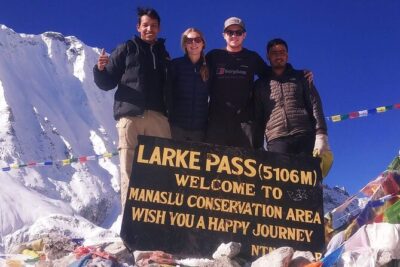
This is the day to respect. You work through challenging terrain and push toward Larkya La Pass for sweeping views of Cho Danda, Larkya Peak, and four frozen lakes.
This is why people plan Manaslu. On clear conditions, the high pass day offers the kind of scale that’s hard to get anywhere else at this budget and schedule. On bad weather days, the same day becomes about endurance and careful movement.
Practical advice: keep your effort smooth. Short, frequent steps often beat long strides when altitude has your lungs working overtime. And plan your time for the pass and viewpoints, because you’ll want to take photos, but not at the cost of safety.
Day 11: Dharmapani, Forest Descent, Dudh Khola, and Karche Village
You descend through lush green forests, cross Dudh Khola, pass through Karche Village, and reach Dharapani. After the high pass stress, a descent can feel like freedom, but it also comes with a new kind of challenge for knees and ankles.
Upside: it’s a mental reward day. You’re moving back toward warmer air and village routines. Downside: long descents can bruise your joints if you sprint downhill. Control your pace.
Day 12: Jeep to Besi sahar and Then Back to Kathmandu
The finish is a mix of ground transport and comfort. You take a jeep drive from Dharapani to Besi sahar, then a drive from Besi sahar to Kathmandu. It’s not a quick last day, but it is a clear transition out of trekking life.
Value of the structure: having the final transfer arranged means you don’t scramble for rides when you’re tired. You can plan your post-trek meal and sleep without rushing.
Cultural Moments That Matter: Prayer Flags, Mani Walls, and Local Dance
The cultural side of this trek is not only about seeing religious markers. It’s about daily rhythm: prayer flags and mani walls show you how people organize beliefs in physical space. Monasteries and gumpas offer places where the setting changes your understanding, because you’re not sitting in a city with walls around you. You’re in the elements.
Then there’s the music and dance. The best part of that for me is that it turns the trail from a “walk for views” into a human experience. If you’re lucky, evenings in villages and at guesthouses come with local performances or shared music, and those moments are where the trek stops being a route and becomes a relationship with the place.
The Logistics That Make This Trek Feel Manageable
A few practical things help you stay focused.
Meals are handled. You get breakfast, lunch, and dinner during the trek, so your energy stays steadier. You’re also less tempted to spend time bargaining at every stop.
Rooms are private, even if sharing. Twin sharing private rooms throughout the trek can help you sleep better and manage recovery.
Ground transfers are included. The deluxe bus transfer from Kathmandu to Sotikhola and the return from Besi sahar to Kathmandu remove a lot of uncertainty. The shared jeep from Dharapani to Besi sahar closes the loop.
A first aid kit is provided. That doesn’t remove the need for good judgement, but it does mean basics are available.
And one more reality check: you should have moderate physical fitness, since the days are long and the terrain varies. This isn’t just about stamina, it’s about handling long walking hours at altitude.
So, Should You Book Dancing in the Manaslu Circuit Trek?
If you want a guided Himalayan trek that mixes serious mountain days with Tibetan cultural details and occasional local music and dance, this is a strong match. The restricted-access feel is a real selling point, and the included permits, meals, guide, and transfers make budgeting less stressful.
I’d especially recommend it if you:
- want a quieter circuit experience, not a traffic jam of hikers
- like routes where culture shows up daily through mani walls and monasteries
- value having an English-speaking, certified guide to keep your understanding clear
- appreciate acclimatization planning before the Larkya La pass push
I would hesitate if you:
- know you struggle with long trekking days or downhill descents
- are not set up for cold weather and altitude conditions
- prefer fully independent travel without porter needs and guide structure
If you’re the kind of person who likes real villages, long mountain walks, and a route that still feels personal, then yes, I think you’ll be happy you booked.
FAQ
How long is the Manaslu Circuit trek?
It runs for about 12 days, with long trekking days and a final mix of jeep and drive back to Kathmandu on day 12.
Where does the trek start and end?
It starts at the Kathmandu meeting point at P897+443, Kathmandu 44600, Nepal, and ends back at the meeting point after the return drive.
Is pickup included?
Pickup is offered, and the experience is based in Kathmandu with transfers arranged on trek start and finish days.
What does the price include?
Included are three full board meals (breakfast, lunch, dinner) during the trek, required permits and government taxes, deluxe bus transfers for Kathmandu to Sotikhola and Besisahar to Kathmandu, shared jeep transportation from Dharapani to Besisahar, and a government-certified English speaking guide. You also get twin sharing private rooms, a first aid kit, and a farewell dinner.
Do I need to bring a porter?
A porter is required for the trek. You can hire the porter from Kathmandu or at Sotikhola, since porter services are not included in the package price.
What is not included in the tour price?
Not included are travel insurance, personal expenses (phone charge, laundry service, mineral water, hot water, and similar), porter costs, and tips for the guide and other services.
What kind of rooms will I have?
You get twin sharing private rooms throughout the trek.
Do I need any specific fitness level?
You should have a moderate physical fitness level.
What if weather is bad on the trek?
The experience requires good weather. If it’s canceled due to poor weather, you’ll be offered a different date or a full refund.
What happens if the minimum number of travelers isn’t met?
If it’s canceled because the minimum number of travelers isn’t met, you’ll be offered a different date or experience, or you can receive a full refund.
Latest additions near Kathmandu
- White Water River Rafting – 1 Day★ 4.3 · 3 reviews
- Traditional Momo Making Class★ 5.0 · 10 reviews
- Kathmandu to Pokhara Premium sofa bus ticket★ 4.0 · 17 reviews
- Ghorepani Poon Hill Trek★ 5.0 · 16 reviews
- Amazing 1 Day Trekking Experience in Kathmandu Nepal★ 5.0 · 24 reviews
- Ghorepani Poonhill Trek★ 5.0 · 5 reviews
- Walking tour of real Kathmandu through back streets.★ 5.0 · 3 reviews
- Wildlife Adventure in Chitwan Nepal★ 4.0 · 4 reviews
Manaslu Circuit Treks, compared.
Browse the lists this tour appears in