
Reviewed · ANNAPURNA CIRCUIT TREKS
Conquer the Himalayas: The Ultimate 16-Day Annapurna Circuit Trek
Thorong La is the headline, and it shows up often. I like the Thorong La Pass focus and the way the itinerary builds toward it with real acclimatization support. I also appreciate the English-speaking, government-licensed leadership and the included paperwork (ACAP and TIMS). One thing to consider, though, is that altitude adds up fast, and you’ll be making early-morning choices, especially around the big pass day.
This is also not only about walking. You get Kathmandu UNESCO sightseeing, an evening trek briefing, and a finish that includes hot springs and major viewpoint villages like Ghandruk.
The route promises diverse days, from river valleys and suspension bridges to colder, drier high terrain. If you expect a gentle stroll the whole way, you may find the steep climbs, rocky sections, and long downhill stretches more demanding than you planned.
In This Review
- Key things I’d focus on
- Kathmandu first, then straight into trekking mode
- Getting from Kathmandu to Khudi: Trishuli River warmth, terraces, and a clean start
- Marshyangdi River Valley days: bridges, small villages, and steady altitude gains
- Chame and the Manang District base: hot springs, district views, and a turning in the air
- Upper Pisang and the steep valley wall: when the trail looks vertical
- Thorong Phedi setup and the pass approach you can actually handle
- Muktinath, temple time, and the view payoff that sticks
- Tatopani hot springs, then Ghandruk and the Pokhara finish
- Manang side hikes: Bhojo Gumba, Gangapurna Lake, and AMS awareness
- Price and value: what your $1,492.27 is really covering
- Who should book this Annapurna Circuit plan
- Should you book this Annapurna Circuit trek?
- FAQ
- What does the tour include for the trek?
- Where does the experience start?
- Is airport pickup and drop-off included?
- Are permits included?
- What kind of support do you get while trekking?
- What is not included in the price?
- What fitness level is needed?
- What if weather is poor?
- Is this tour mixed with other groups?
Key things I’d focus on
- Thorong La approach with Thorong Phedi setup: you move toward the pass in stages, not all at once.
- Manang cultural stops that are practical, not just photo stops: monasteries and village life along the way.
- Acclimatization built into the plan: you even get a mention of AMS education via the Himalayan Rescue Association visit.
- Hot spring recovery day at Tatopani: a real morale boost after lower elevations and tougher walking.
- Guides matter on the ground: one past trek customer highlighted guide Rajesh for keeping everything on track, even with route changes.
- Value comes from what is included: teahouses, permits, leaders, and Kathmandu transport are covered.
Kathmandu first, then straight into trekking mode
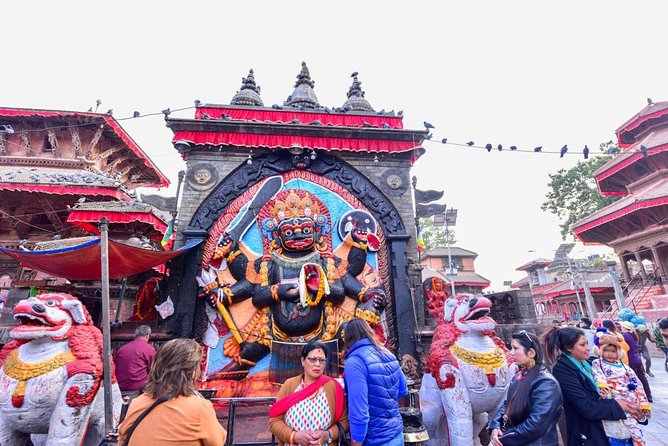
Your package starts in Kathmandu, with airport pickup and a transfer to your hotel. You also get time to settle in, plus a full day of sightseeing around Kathmandu’s UNESCO sites. That first day or two matters. It helps you get your bearings fast, take care of anything you forgot, and avoid feeling rushed before you start trekking.
The evening includes a trek briefing, which is where you learn the rhythm of the days ahead. You’ll want to treat that briefing like a checklist moment. Ask questions about how your guide handles pace, meal timing, and what to do if you feel the early signs of altitude stress.
What I like here is the practical mix: city culture plus a real mountain plan, not a vague “you’ll figure it out” approach. And because there’s private-vehicle transport for the city portion, you’re not wasting trek-adjacent days on complicated local logistics.
More Treks in Kathmandu
- Everest Base Camp Trek – 14 Days
★ 5.0 · 1,499 reviews - Everest Base Camp Trek
★ 5.0 · 842 reviews - Everest Base Camp Trekking
★ 5.0 · 485 reviews
Getting from Kathmandu to Khudi: Trishuli River warmth, terraces, and a clean start
Once you leave the city, you head out along a winding road following the Trishuli River, with terraced farms and local huts passing by. Then you connect toward Pokhara, but you turn north to Besisahar, and from there you go to Khudi, the starting point.
Khudi is a smart first taste of what’s ahead. You get early mountain visibility, including a first glimpse of the Manaslu range. It’s the kind of moment that helps you mentally lock in. You start day one with a view, not with only dust and road time.
Even though this is the “start” section, it’s still a trek. You may walk if you get off at Besisahar instead of being fully transferred to Khudi. That flexibility is useful, but it also means you should pack for either scenario, especially if you’re sensitive to uneven timing.
Marshyangdi River Valley days: bridges, small villages, and steady altitude gains
After Khudi, the trek threads into a classic Annapurna Circuit feel: river crossings, suspension bridges, and villages stacked along the valley. One day you pass through areas around Sirung and Jagat, crossing suspension bridges over Sangu Khola and then again over the Marshyangdi River. There are also waterfalls near the bridges, which means you get moving water sounds right into the middle of your day.
As you keep going, the trail starts to present more variety. You’ll mix forested sections with village lanes, and you’ll see birdlife in wooded stretches. You also pass more than one cultural pocket, including Tamang settlement areas, plus little temples along the way. This isn’t a “museum” version of culture. It’s daily life you walk through.
Dharapani is another useful turning point. The day builds from river following into sharper cliff-facing terrain. You climb steeply toward places like Sattale, you handle rocky paths, then drop back toward grassy riverbank areas, before reaching Karte and finally Dharapani. That push-and-relax pattern is common on the Circuit. The “why” is simple: the trail follows the terrain, and your body learns to ride the ups and downs instead of fighting them.
A small caution: suspension bridges can be fun, but wind and step spacing can feel intense if you’re tired. If you have a fear of heights, take it seriously early. Don’t wait until late in the day when your focus is low.
Chame and the Manang District base: hot springs, district views, and a turning in the air
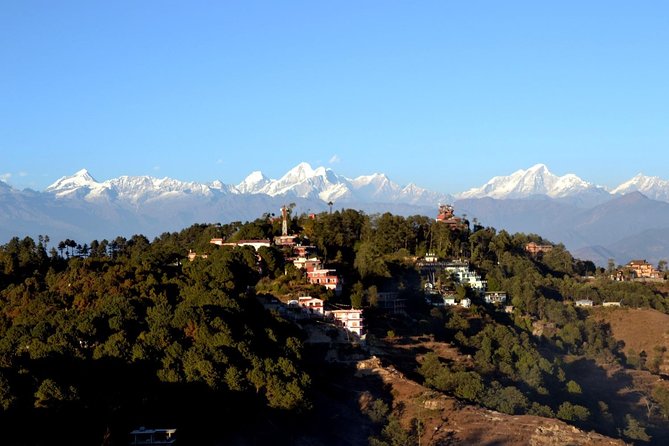
From Dharapani, you reach Chame, the headquarters of the Manang District. This is where the scenery begins shifting in a noticeable way. You can see big peaks like Lamjung Himal, Annapurna II, and Annapurna IV on clear days. There’s also a hot springs stop you can dip into, which I consider a smart recover tool, not an extra.
Chame to Yak Kharka pushes you further into the high, drier feel. You gain elevation through valleys and pastures, crossing streams and passing near meadows where horses and yaks graze. You also pass an ancient Mani wall. It’s a quiet cultural detail, easy to skip if you rush, so I’d encourage you to slow down for a minute rather than treating it like scenery only.
Then comes Manang, and that area offers two big advantages. First, you get colder, drier conditions and a clearer sense of what “high altitude trek” actually means. Second, you get monastery time. There’s a short visit to Barge monastery, described as the largest monastery in the district of Manang. Even if you’re not a temple person, this kind of stop breaks up the day and adds context to the people who live where the air is thin.
More Annapurna Circuit departures:
- Annapurna Circuit Trek with Tilicho Lake
★ 5.0 · 368 reviews - Annapurna Circuit Trek
★ 5.0 · 94 reviews - Annapurna Circuit Trek
★ 5.0 · 67 reviews - Annapurna Circuit Trek
★ 5.0 · 49 reviews
Upper Pisang and the steep valley wall: when the trail looks vertical
As you move onward, you approach a section that gets steep and tight. The route includes a passable option via Upper Pisang, via Geru, which is said to provide excellent views of Annapurna and Pisang. Then the trail brings you into a dramatic section where the valley walls rise sharply from the river and the path is carved into rock.
That “carved into the vertical rock” description is a heads-up. You’re not looking at a gentle hillside. You’re walking a narrow line where footing and timing matter. If it’s dry, you’ll likely feel more confident, but if you’re unlucky with wet or cold conditions, take extra care. Bring gloves if you get cold fingers on steeper stone.
After that steep segment, the valley opens up again with big vistas. Lower Pisang is where you spend the night, and the setting helps you mentally separate “work uphill” from “reward views ahead.”
Thorong Phedi setup and the pass approach you can actually handle
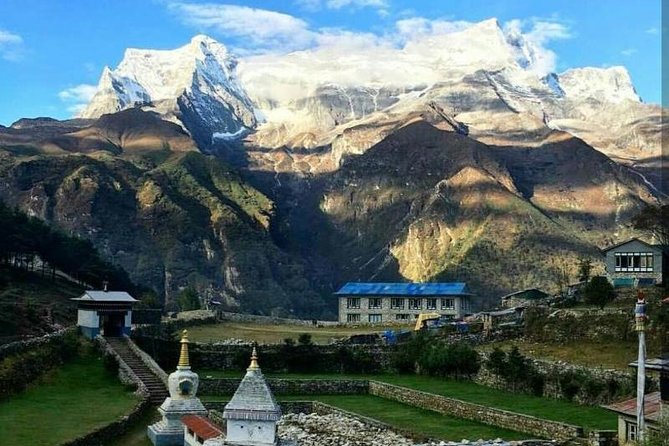
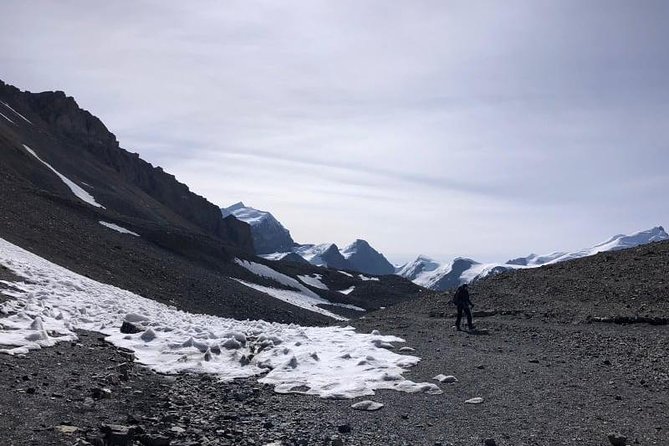
The Thorong La day begins with an uphill walk to Thorang Phedi. You cross a suspension bridge and reach Ledar village, then keep ascending through towering cliffs until you reach Thorang Phedi, the last village before the pass. This staging is important for trekkers. It reduces the chance that the pass feels like a cliff you must conquer in one unplanned burst.
Once you get near the pass area, views become part of the plan. You can look toward Mt. Gundang, Mt. Syagang, Thorung Peak, and Mt. Khatungkan. The key idea is that Thorong La isn’t only about the summit. It’s about the way your day is structured to keep you moving with intention.
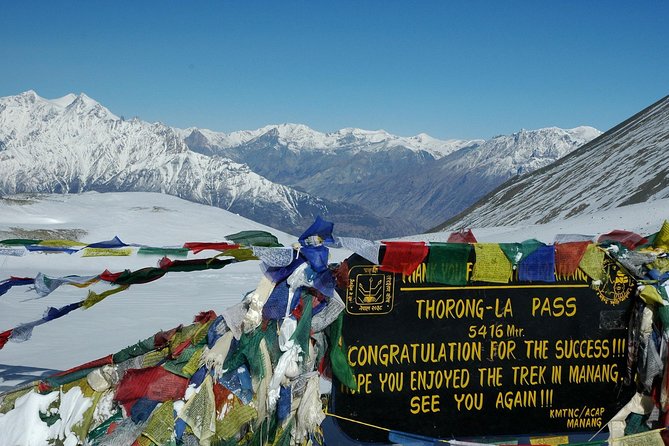
And then, you do the early start. You rise around 3 in the morning for the crossing, with the pass crossed from east to west (Manang to Muktinath) in the easiest and safest direction on this trip. That early departure is non-negotiable for many pass treks. It usually means colder air, firmer footing, and a clearer chance of stable conditions, but you’ll also need patience while your body wakes up.
Muktinath, temple time, and the view payoff that sticks
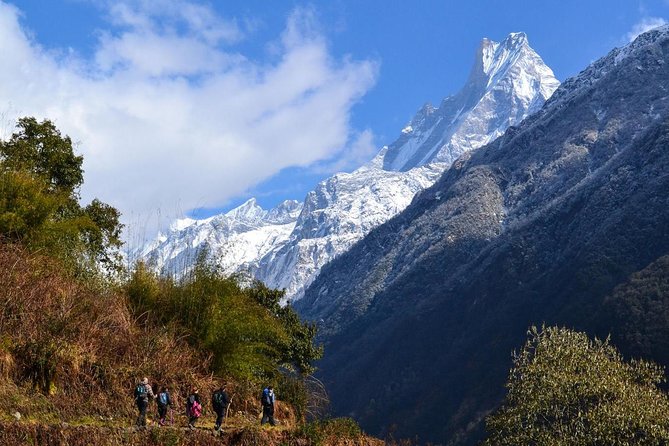
When you reach the top, the feeling is simple: the work gets worth it. The plan allows a few photos before heading into the Muktinath valley at the foot of Thorong La. Muktinath is a spiritual stop, and the temple visit is your way to close the loop on the effort.
This is also where your mindset should shift. Your heart might still be pounding from the climb, but you’ll want to keep your legs steady for the descent that follows. Even if you feel strong, don’t let adrenaline steer your steps. High-altitude descents can sneak up on you, especially if your knees aren’t ready.
If you’re choosing between lingering for photos and moving safely downhill, choose safety first. Your guide is there for pace and risk control, and that matters most on the pass side.
Tatopani hot springs, then Ghandruk and the Pokhara finish
After the pass area, you get a downhill run back into warmer zones. One day includes crossing a bridge at Ghasa and dropping into subtropical forests, with lush vegetation returning. You keep moving along the east bank, including a section called Rupse Chahara, noted as a waterfall area. You also pass by features like a powerhouse supplying electricity in the area, plus bigger villages where you can observe everyday life.
Tatopani is the reward: you relax and bathe in the hot springs. After altitude and hard walking, this is the kind of day that helps you actually recover, not just “rest a little.” If you’re prone to stiffness, this is where you’ll feel the most difference.
From there, the trek continues toward Nayapul and then by drive to Pokhara. Along the way you pass through old rhododendron forests, which can turn into seasonal gardens when rhododendrons are in bloom. You might also see cherry blossoms on slopes on the other side of the ravine, depending on season.
Then you reach Ghandruk, a slope settlement mostly inhabited by Gurung people. The views include Fishtail (Machhapuchhre), Annapurna South, and Hiunchuli. Ghandruk is a strong “last big scenery moment,” and it’s a useful place to slow down and think about how far you’ve come.
Manang side hikes: Bhojo Gumba, Gangapurna Lake, and AMS awareness
Not every day is built only around trail mileage. There’s a plan for a day in the Manang area with a short hike to either Bhojo Gumba or Gangapurna Lake, depending on what you choose. There’s also an option, if you have energy, to hike to Vraga Village.
Vraga Village includes a visit to the Himalayan Rescue Association, where you can learn about Acute Mountain Sickness (AMS). I like that this is part of the plan. It’s not fear-mongering, it’s education. You’ll walk away more aware of symptoms and what to do if your body sends warning signals.
This kind of awareness matters because the Circuit’s difficulty is not only about hours. It’s about how you handle altitude day after day. Even with a plan for acclimatization, you still need to recognize when your pace and your choices should adjust.
Price and value: what your $1,492.27 is really covering
This package is listed at $1,492.27 per person. If you spread that across the full roughly 21-day duration, you’re looking at around $70 per day on average. Trekking costs are hard to compare because you’re not paying just for walking. You’re paying for leadership, permits, transport, lodging logistics, and mountain-day problem solving.
Here’s what stands out as value in what’s included:
- Teahouse accommodation during the trek
- An experienced English-speaking government-licensed trek leader and assistant leader
- Permits and paperwork (ACAP, TIMS)
- Kathmandu guided city tour by private vehicle
- Airport pickups and drops in a private vehicle
- Group setup, with mention of group discounts and pickup offered
And here’s what you should budget separately:
- Nepalese visa fee
- International airfare to and from Kathmandu
- Travel and rescue insurance
- Tips for guide(s), porter(s), and driver
- All alcoholic drinks and personal expenses
- Extra night accommodation in Kathmandu and Pokhara for early arrival or late departure
- Excess baggage charges
My practical take: this price feels most fair if you want someone handling the hard parts, especially permits, daily leadership, and city logistics. If you already have a reliable setup for guides and permits, you might compare costs elsewhere. But if you want a guided plan that reduces decision stress, the included leadership and paperwork are where the money earns its keep.
One more note on service quality. A previous customer praised customer service and said they arranged everything during their trip, naming guide Rajesh as a major reason the route worked perfectly, even with an alternative route when Tilicho Lake was closed. That matters because the mountains change plans. You want a guide who stays proactive.
Also, there is a negative review that strongly warns about an individual named Dipsun Kunwar and says not to trust him. I can’t verify anything beyond what’s written. But if you book with any operator, protect yourself: confirm what you’re paying for in writing, keep receipts, and make sure you understand the exact inclusions before you send money.
Who should book this Annapurna Circuit plan
This trek fits best if you:
- Want the Annapurna Circuit feel with a real push toward Thorong La and Muktinath
- Prefer an organized setup with teahouses, permits, and licensed leadership
- Have moderate fitness and can handle early starts and long walking days
- Value cultural stops, not just summit photos
It may be a tougher match if you:
- Want a low-altitude trek only
- Get uncomfortable with rocky, steep trail sections and suspension bridges
- Are not willing to manage your own pace and altitude awareness
Because this is described as a private tour/activity where only your group participates, you should also like the idea of not being mixed with unrelated participants. That can make logistics smoother, especially for briefing and pacing.
Should you book this Annapurna Circuit trek?
I’d book it if you’re aiming for one of the Circuit’s core goals, the Thorong La crossing, and you want the plan to handle the details. The best reasons are practical: permits and paperwork are included, you get leadership support, and the itinerary builds in altitude thinking, including the AMS education stop at the Himalayan Rescue Association.
I’d think twice if you’re unsure about how you handle altitude or if you hate early mornings. The pass day starts around 3am, and that sets the tone for what the tough days feel like.
If you’re booking, do two simple things to protect your trip. First, ask your operator to confirm who your trek leaders are for your dates, and clarify how acclimatization pace decisions work. Second, keep your budget honest with the items not included, especially travel insurance and tips.
If you do those, this looks like a strong value way to tackle the Annapurna Circuit, with culture, hot springs recovery, and the pass payoff that people actually talk about for a reason.
FAQ
What does the tour include for the trek?
The trek includes teahouse accommodation during the trek, an English-speaking government-licensed trek leader and assistant leader, necessary trekking permits and paperwork (ACAP and TIMS), airport pickups and drops in a private vehicle, and a Kathmandu guided city tour by private vehicle.
Where does the experience start?
It starts in Kathmandu, Nepal. You’re transferred to your hotel on arrival.
Is airport pickup and drop-off included?
Yes. Airport pickups and drops are included in a private vehicle.
Are permits included?
Yes. The tour includes necessary trekking permits and paperwork, including ACAP and TIMS.
What kind of support do you get while trekking?
You have an experienced English-speaking government-licensed trek leader and an assistant trek leader. There’s also a trek briefing in the evening in Kathmandu.
What is not included in the price?
Not included are Nepalese visa fee, international airfare to and from Kathmandu, travel and rescue insurance, tips for guide(s), porter(s), and driver, all alcoholic drinks and personal expenses, excess baggage charges, and extra night accommodation in Kathmandu and Pokhara if your arrival or departure is early or late.
What fitness level is needed?
Travelers should have a moderate physical fitness level.
What if weather is poor?
This experience requires good weather. If canceled due to poor weather, you’ll be offered a different date or a full refund.
Is this tour mixed with other groups?
No. It is described as private, and only your group will participate.
Latest additions near Kathmandu
- Traditional Momo Making Class★ 5.0 · 10 reviews
- White Water River Rafting – 1 Day★ 4.3 · 3 reviews
- Kathmandu to Pokhara Premium sofa bus ticket★ 4.0 · 17 reviews
- Ghorepani Poon Hill Trek★ 5.0 · 16 reviews
- Amazing 1 Day Trekking Experience in Kathmandu Nepal★ 5.0 · 24 reviews
- Ghorepani Poonhill Trek★ 5.0 · 5 reviews
- Walking tour of real Kathmandu through back streets.★ 5.0 · 3 reviews
- Wildlife Adventure in Chitwan Nepal★ 4.0 · 4 reviews
Annapurna Circuit Treks, compared.
Browse the lists this tour appears in