
Reviewed · MANASLU CIRCUIT TREKS
Around Manaslu Trek
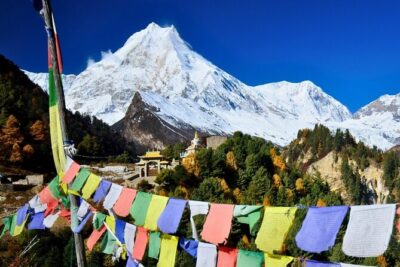
Crossing Larkya La is serious business. This Manaslu trek circuit takes you around Mt. Manaslu (8,163m), then challenges you to cross Larkya La at 5,116m for glacier and snow peak views. You also get a steady mix of Buddhist gompas and Hindu temples, plus rhododendron forests and river valleys that keep changing by the hour.
I love that the trip includes real setup work: ground transport from Kathmandu, Kathmandu sightseeing (Monkey Temple, Pasupatinath, Boudhanath, Durbar Square), and the permits and paperwork that can slow you down. I also like the human side, including a highly experienced guide plus lodge beds on a twin-sharing basis during the trek, with meals planned so you can focus on walking and acclimatizing. One drawback to plan around: only breakfast is included during the trek, so you will still budget for lunch, dinner, snacks, and drinks while you are on the trail.
In This Review
- Key highlights to know before you go
- The Manaslu Circuit’s real hook, Larkya La plus Mt. Manaslu country
- Price and logistics, what $1,840 covers and what it does not
- The real difficulty check, fitness and altitude at Larkya La
- Kathmandu pre-trek days, temples and getting your bearings
- Day 1 to Day 2, from Kathmandu roads to Sal forest trekking
- Day 3 and Day 4, bridges, stone stairs, and Gurung village rhythm
- Day 5 to Day 7, Namrung, Lho, and the gompa viewpoints
- Day 8 and Day 9, moving into the Manaslu high country approach
- Day 10, Dharamsala glacier valley and the view stack day
- Day 11, Larkya La moraines and big-name Himalayan sightlines
- Day 12 and Day 13, rhododendron forests and the Marshyangdi side
- Day 14, finishing near Besi Sahar with Manakamana Temple, then back to Kathmandu
- Guides and coordination that seem to matter in real life
- What to pack and how to think about comfort (without guessing extras)
- Who this trek is best for, and who should think twice
- Should you book this Manaslu Circuit trek?
- FAQ
- How high is the hardest part of the trek?
- What is included in the price?
- Are lunch and dinner included during the trek?
- Do I need permits, and are photos required?
- Is this a private tour?
- What about emergency helicopter service?
Key highlights to know before you go
- Larkya La at 5,116m: the day that forces you to earn those big glacier views
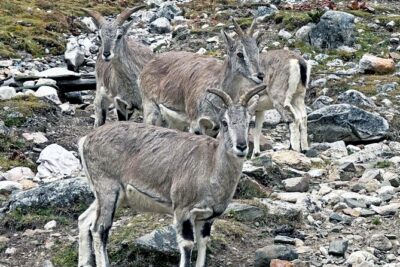
- Manaslu Conservation Area route: more wildlife protection focus than many short treks
- Gompas plus Hindu stops: expect both Buddhist and Hindu culture on the same journey
- Kathmandu pre-trek culture time: Monkey Temple, Boudhanath, Pasupatinath, Durbar Square
- Private tour feel: it is private, so your pace and timing matter more
- Meals are partial: breakfast is included, but lunch and dinner are on you
The Manaslu Circuit’s real hook, Larkya La plus Mt. Manaslu country
The Manaslu Circuit is not just about reaching higher altitudes. It is about moving through different “zones” of scenery and culture. You start in lower valleys with river crossings and forest trails, then you gradually trade trees for stone, glacier dust, and wide views. The reward is that moment when you look over the pass and you finally understand why people plan months for a trek that still feels like a single long day.
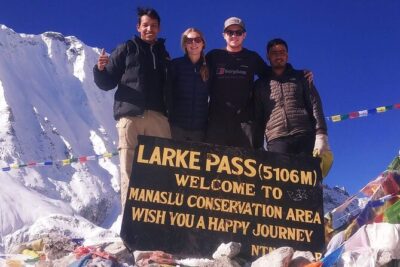
The star of the whole circuit is Larkya La (5,116m). That altitude is high enough to make every step count, but it is also timed so you can manage the pass day with a sensible lead-up. You also pass through the Manaslu Conservation Area and finish near the Annapurna side, so the experience has a “circuit” feeling instead of out-and-back monotony.
More Treks in Kathmandu
- Everest Base Camp Trek – 14 Days
★ 5.0 · 1,499 reviews - Everest Base Camp Trek
★ 5.0 · 842 reviews - Everest Base Camp Trekking
★ 5.0 · 485 reviews
Price and logistics, what $1,840 covers and what it does not
At $1,840 per person, this is not a cheap trek. But the cost is not only “walking.” It includes a lot of the expensive friction points that can catch you off guard in Nepal: private ground transportation, Kathmandu sightseeing, two nights in a 3-star hotel with breakfast, and a guide. It also includes paperwork and the special permits for the trek.
Here is how I think about value on this one:
What you get for the money
- Private vehicle transport during the ground portion, including transfers tied to the trek route
- Kathmandu Valley sightseeing: Monkey Temple, Pasupatinath, Boudhanath, Durbar Square
- Two nights in Kathmandu at a 3-star hotel, twin sharing, with breakfast
- Best available twin-sharing lodge during the trek
- One highly experienced guide
- Local and government taxes, plus office service charge
- A farewell dinner before departure
What you should budget separately
- Lunch and dinner during the trek (only breakfast is included, 14 breakfasts total)
- Drinks such as water, tea, coffee, plus bar bills
- Snacks and personal expenses
- Tips and donations for guides and porters
- Trekking equipment
- Insurance and emergency helicopter costs (if needed, that is handled through your travel insurance, not the trek operator)
If you hate surprise costs, do yourself a favor and set aside money for food and extras before you go. On a long high-altitude trek, buying a hot drink or a snack is not a luxury, it is part of staying comfortable and steady.
The real difficulty check, fitness and altitude at Larkya La
The trip calls for moderate physical fitness. That is an honest label, but this route still takes you above 5,000 meters. You should expect long days, repeated river crossings early on, and a slow grind up toward higher villages.
You will also be relying on weather. If conditions are poor, the trek can be canceled due to the requirement for good weather. High passes are not the place to gamble on luck. The good news is that the route structure builds in gradual climbing and acclimatization days, including time around the Manaslu high country before the pass.
Practical tip: if you are the type who only does fitness by sitting in a car and taking short walks, do not do that here. Start training now with uphill stairs, hikes with a daypack, and steady endurance. Larkya La rewards pacing, not heroics.
Kathmandu pre-trek days, temples and getting your bearings
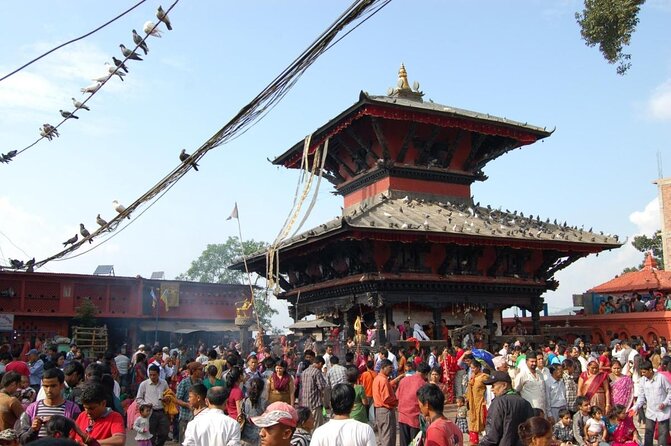
Even before you start walking, Kathmandu gives you a helpful cultural and orientation warm-up. The included sightseeing covers four big stops: Monkey Temple, Pasupatinath Temple, Boudhanath, and Durbar Square. I like this mix because it is not only sightseeing. It is cultural context for what you are about to see in the countryside.
Monkey Temple is a quick way to notice how Buddhist and Hindu life overlaps in Kathmandu. Pasupatinath shows the Hindu side in a dramatic, riverside setting. Boudhanath and Durbar Square help you understand the Buddhist architecture and the older heart of the city. It matters because later on you will be seeing gompas, mani walls, and rural religious life that feels connected to these city landmarks.
You also get two nights in a 3-star hotel with breakfast. That is a smart buffer if you need a clean shower, laundry, or just time to sort gear before the trekking rhythm takes over.
More Manaslu Circuit departures:
- Manaslu Circuit Trek
★ 5.0 · 292 reviews - Manaslu Circuit Trek:
★ 5.0 · 106 reviews - Manaslu Circuit Trek (15 Days)
★ 5.0 · 50 reviews - Manaslu Circuit Trek
★ 5.0 · 35 reviews
Day 1 to Day 2, from Kathmandu roads to Sal forest trekking
Day 1 is mostly travel. You drive on paved road from Kathmandu toward Dhading Bensi, then switch to a rougher road and continue until you reach Sotikhola. Expect a long day, about 7 to 8 hours total. This matters because it sets your energy level. You will be tired from the start, so keep your pack light and your expectations realistic.
Day 2 is when the trek begins to feel like Nepal in motion. You start in a Sal forest region, then climb over a ridge above rapids on Budhi Gandaki. The route weaves past waterfalls on rocky, steep clifftop-style trails, then drops toward river crossings and villages like Labubesi and Maccha Khola.
Two things I like about the early days:
- The terrain keeps changing, so your mind stays engaged
- The river relationship becomes clear quickly, which helps you understand the route later when you are crossing more suspension bridges
Possible early drawback: rocky trails and steep sections mean you want proper footwear. If your shoes are new, broken in wrong, or too flexible, this is when your feet will complain.
Day 3 and Day 4, bridges, stone stairs, and Gurung village rhythm
Day 3 includes narrow trails with small challenges, crossing Tharo Khola and then suspension bridges over Yaru Khola. You climb stone stairs to Tharo Bharyang, cross the western bank of Budhi Gandaki, and continue toward Jagat.
Day 4 pushes you through bamboo forest and reaches Deng Khola, where you stay in the village named Deng. This part of the trek feels like the classic “slow build” phase. You are not yet at the main view points, but you are learning how to walk efficiently on uneven ground.
A good way to think about these days: they are your training for the pass day later. The pass does not appear out of nowhere. It is the result of steady climbing days that teach you pacing, breathing, and focus.
Day 5 to Day 7, Namrung, Lho, and the gompa viewpoints
Day 5 is a key shift toward the higher Manaslu experience. You cross the Budhi Gandaki River multiple times, pass Gompas, and trek upstream through a dense forest. When the terrain opens, the forest density changes and you get a mix of easier stretches and steep climbs. The day ends at Namrung after about 6 hours.
Day 6 features one of my favorite “cultural plus views” combinations on this route. You pass the Lho village area, where you get extraordinary views of Manaslu and a chance to explore Ribung Gompa.
Day 7 continues with more high-mountain panoramas. From Shyala village area you cross terrain that puts Himal Chuli, Peak 29, and glaciers into your line of sight. You reach Samagaon by day’s end. This is also a good time to notice how the trekking atmosphere changes. Lodges feel quieter, and your walking pace slows naturally.
These days are worth respecting. Even if you feel strong, do not turn them into speed tests. Save effort for the Larkya La day and the big views on either side of it.
Day 8 and Day 9, moving into the Manaslu high country approach
Day 8 keeps you trekking for around 6 hours in the Gorkha district area. The stop information is minimal, but the theme is clear: you are still in the buildup phase, staying in the same mountain system and keeping yourself at manageable elevations.
Day 9 turns more dramatic. You descend toward the Budhi Gandaki River, which now heads north, and then follow it toward a bridge. One trail direction leads toward the Manaslu base camp area, and you pass wide valley stretches with mani walls. Later, you drop across a shelf, cross Budhi Gandaki over a wooden bridge, and climb through the area between forks of the river. The day ends at Samdo.
I like Day 9 because it combines “high route feeling” with a sense of physical progress. The valley widens, the walking feels more purposeful, and by the end you are positioned for the pass itself.
Day 10, Dharamsala glacier valley and the view stack day
Day 10 includes a relatively short climb to reach the Larkya or Dharamsala glacier valley to the north. This is when the route earns its keep. You get stunning views of Larkya Peak and Cho Danda.
At this point, you should treat your energy like a limited resource. Even “short climbs” at high altitude can feel big because your body is working harder to move the same steps. Plan to drink water steadily and keep your breathing calm.
Day 11, Larkya La moraines and big-name Himalayan sightlines
Day 11 is built around gradual ascent across moraines, then a steeper push toward the end of the mountain pass. The views sharpen and widen. You are looking out at Cheo Himal, Himlung Himal, Kangguru, and Annapurna Mountain II.
By the end you reach Bimtang after about 6 hours. This day is where the trek becomes memorable in a very practical way: you start feeling how the glacier shapes the path. If the weather is clear, you will understand why this pass route is so famous. If clouds move in, you will still learn patience, which is a skill you will use again on the descent days.
Day 12 and Day 13, rhododendron forests and the Marshyangdi side
Day 12 takes you toward Tilije in about 4 to 5 hours. The route includes scenic rhododendron forests and green fields before a steep climb. This contrast is part of what makes Manaslu satisfying. You get high-altitude seriousness, then the living color of forests.
Day 13 continues toward Chyamje, with a crossing of Marshyangdi Khola. You then descend through rhododendron and pine forests to reach Syange. That forest-to-descent rhythm is a relief after pass-country walking.
Practical note: even when the route turns easier, descent can still stress knees and ankles. Keep your steps short, especially on days when the ground is uneven.
Day 14, finishing near Besi Sahar with Manakamana Temple, then back to Kathmandu
The final day is a transition day. You cover a short final stretch near Besi Sahar and then return to Kathmandu. The included cultural stop on this day is Manakamana Temple.
After 14 days, this part matters. You are not only getting back to a hotel. You are getting a proper ending ritual and a sense of closure. Then the drive back to Kathmandu resets your life from trekking mode to city mode.
Guides and coordination that seem to matter in real life
This trek includes one highly experienced, helpful, friendly guide. That single line matters, because in a route with permits, weather sensitivity, and lodge logistics, a good guide reduces stress fast.
In past feedback for this operator, the coordination work is credited to Hom, and specific guides named include Nabin and Promod Pangeni. I cannot promise which guide you will get, but it is a good sign when people repeatedly mention that the organization handles lodges and paperwork smoothly.
Also, the tour is private, meaning your group is the only group involved. That matters if you want the day to flow around your pace, not around random group energy.
What to pack and how to think about comfort (without guessing extras)
The trek lists personal equipment as not included, and it also flags that drinks and extras are not included. So assume you will be buying some comforts along the way.
Plan for:
- Warm layers for pass elevations and cold lodge nights
- Good trekking shoes with grip on rocky and muddy sections
- A rain plan, because weather can change quickly in the mountains
- Simple altitude habits: slow pace, frequent hydration, and consistent snacks
Hot shower is not included, so do not assume you will feel refreshed daily. On the upside, lodges are part of the plan, and breakfast is handled for each trekking day, which gives you a stable morning routine.
Who this trek is best for, and who should think twice
You will likely love this trek if:
- You want the Manaslu region specifically, not a general Nepal sampler
- You are comfortable with a high mountain pass day at 5,116m
- You like cultural stops as part of the trek, including gompas and Hindu temples
- You want a private setup with a real guide and permits handled
You should think twice if:
- You get frustrated by partial meal inclusions and want all meals handled
- You are not ready for long driving segments at the start
- You are not willing to train for steady ascent and careful descent
This is not a walk-in-the-park trek. But it is also not a chaotic expedition. The structure gives you enough rhythm to succeed if you respect pacing.
Should you book this Manaslu Circuit trek?
If your main goal is Manaslu Circuit with the Larkya La pass plus real cultural variety, this is a strong match. The value stands out because permits, guide, and ground transport are included, and you get a clean start in Kathmandu with major temple sites. I especially like that lodge arrangements and breakfasts are planned for you, so you can focus on the hardest part: walking high.
My main caution is budget and planning around meals and extras. Since lunch, dinner, drinks, and snacks are not included, you will want to plan your daily spending and tips for guides and porters ahead of time.
If you train for altitude, pack smart for cold and weather changes, and go in with patience for rocky days, this trek can deliver the kind of mountain story you remember long after the last bridge.
FAQ
How high is the hardest part of the trek?
The key high pass is Larkya La at 5,116 meters, and the trek is built around reaching the Manaslu region up around Mt. Manaslu’s height.
What is included in the price?
The price includes ground transport on a private vehicle as per the route, Kathmandu Valley sightseeing (Monkey Temple, Pasupapati Temple, Boudhanath, Durbar Square), two nights in Kathmandu at a 3-star hotel with breakfast, lodge accommodation during the trek (twin-sharing), a highly experienced guide, and paperwork and special permits. It also includes a farewell dinner.
Are lunch and dinner included during the trek?
No. Breakfast is included for 14 days, but lunch and dinner during the trek are not included.
Do I need permits, and are photos required?
Yes. Special permits and necessary paperwork are included, and you are asked to bring 3 passport size photographs.
Is this a private tour?
Yes. It is described as a private tour/activity, so only your group participates.
What about emergency helicopter service?
Emergency helicopter arrangement is not included. If you need it, it is paid by your travel insurance company.
Latest additions near Kathmandu
- Traditional Momo Making Class★ 5.0 · 10 reviews
- White Water River Rafting – 1 Day★ 4.3 · 3 reviews
- Kathmandu to Pokhara Premium sofa bus ticket★ 4.0 · 17 reviews
- Ghorepani Poon Hill Trek★ 5.0 · 16 reviews
- Amazing 1 Day Trekking Experience in Kathmandu Nepal★ 5.0 · 24 reviews
- Ghorepani Poonhill Trek★ 5.0 · 5 reviews
- Walking tour of real Kathmandu through back streets.★ 5.0 · 3 reviews
- Wildlife Adventure in Chitwan Nepal★ 4.0 · 4 reviews
Manaslu Circuit Treks, compared.
Browse the lists this tour appears in