
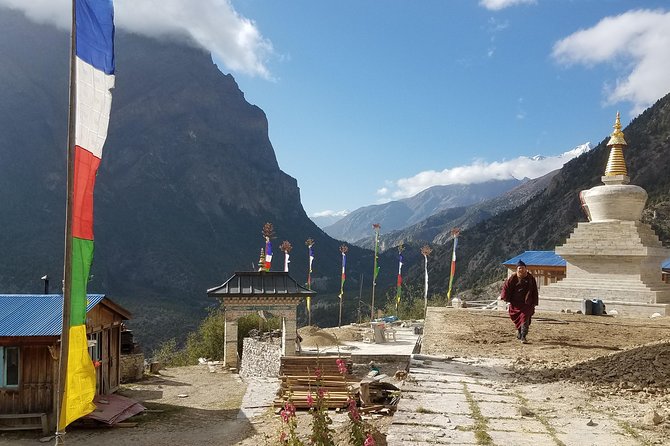
Reviewed · ANNAPURNA CIRCUIT TREKS
Annapurna Circuit Trekking -17 Days
Thorung La is why you come. This 17-day Annapurna Circuit route mixes village life, big mountain views, and a real high-pass challenge, all guided by an English-speaking Sherpa. I especially like that breakfast, lunch, and dinner in local lodges take the day-to-day decisions off your plate, so you can focus on pacing yourself. The one consideration is that you will work for it, with long trekking days and a high-altitude crossing that demands solid fitness and smart acclimatization.
From the start in Thamel to the final drive back, you get a structured trek without feeling boxed in. It is private, so your group stays together with your guide and staff. Price is $1,400 per person, and the value is best if you want a full, support-heavy trek experience that already covers the key logistics like permits, most meals, and the core ground transfers.
In This Review
- Key Highlights Worth Your Attention
- Entering Annapurna Country From Kathmandu’s Thamel
- The Besisahar to Bhulbule Launch: A Gentle Start That Still Feels Real
- Up Through the Villages: Ghermu Phant, Tal, and Timang
- Pisang and Manang: Big Altitude, Bigger Atmosphere
- Yak Kharka to Phedi: Getting Ready for the Pass
- Thorung La to Muktinath: The Circuit’s Highest Point
- Tatopani to Ghorepani: Recovery With Purpose
- Hile and Nayapul: Finish the Trek and Transition to Pokhara
- Lodge Meals, Permit Coverage, and Other Real Value
- Transfers, Private Group Setup, and How That Affects Your Day
- Fitness and Altitude: The One Real Trade-Off
- Price Check: Is $1,400 Fair for What You Get?
- Who Should Book This Trek (and Who Might Skip It)
- Should You Book Annapurna Circuit Trekking With Annapurna Foothills?
- FAQ
- What is included during the trek?
- Are lunch and dinner included in Kathmandu and Pokhara?
- Do I need travel insurance?
- Is a porter available?
- What permits and fees are covered?
- Where does the tour start and end?
Key Highlights Worth Your Attention
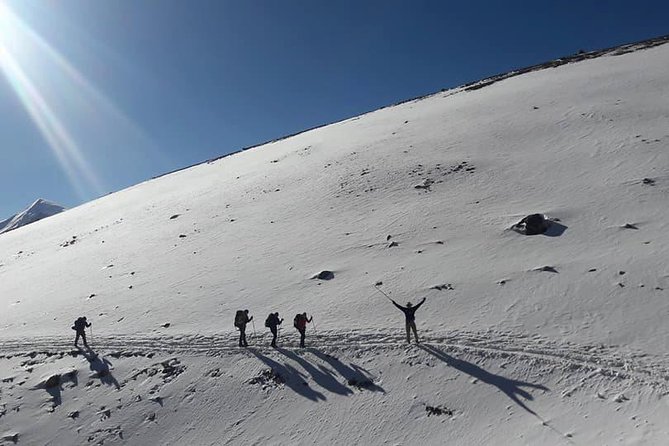
- Licensed, English-speaking Sherpa guidance that helps you move safely through changing altitude and trail conditions
- Lodge-based trekking with full meals during the trek, so hunger and planning are less of a problem
- A clear path from Marsyangdi Valley villages to the Annapurna high country, including Manang acclimatization
- Thorung La Pass focus, the circuit’s toughest moment and your main altitude pay-off
- Support that can include a porter arrangement (one porter between two clients if requested)
- Small energy boosts plus fresh fruit on trek days, which actually helps on long climbs
Entering Annapurna Country From Kathmandu’s Thamel
Your trek starts in Kathmandu, after arrival and a comfortable first taste of Nepal city life. You spend two nights in Kathmandu in bed and breakfast lodging, which matters because it gives you time to sort gear, buy any extras you forgot, and get over travel fatigue before the mountains take over.
The meeting point is Thamel, which is convenient because it is a practical hub for getting your bearings. If you like organized trips but still want the freedom to do your own thing, this start style is a good fit: you get met, guided, and moved on, without wasting your first day in endless handoffs.
One thing I appreciate here is the way the trek builds momentum early. The route begins with a drive out of the city, then transitions quickly into walking days. That rhythm helps if you know you learn best by doing rather than by sitting around waiting for mountains to appear.
More Treks in Kathmandu
- Everest Base Camp Trek – 14 Days
★ 5.0 · 1,499 reviews - Everest Base Camp Trek
★ 5.0 · 842 reviews - Everest Base Camp Trekking
★ 5.0 · 485 reviews
The Besisahar to Bhulbule Launch: A Gentle Start That Still Feels Real
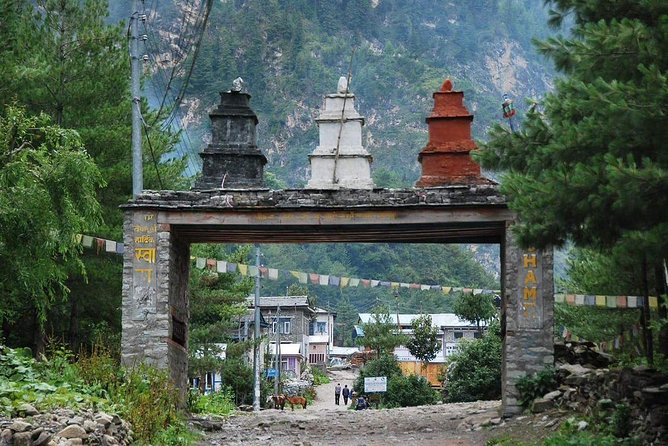
On day two, you travel from Kathmandu toward Besisahar by public bus, then start trekking to Bhulbule. The first walking day is shorter than the later push and gives you a chance to test your boots, your breathing, and your water routine without committing to hours and hours right away.
Besisahar to Bhulbule also sets the tone: you are not climbing right out of the gate. Instead, you get terraces, villages, and the sense that people actually live along these paths. That matters because an Annapurna trek is not only about views, it is about watching how highland communities function.
Expect a day that feels like an introduction, not a punishment. If you are the type who wants to arrive and start moving while the energy is still fresh, this structure works.
Up Through the Villages: Ghermu Phant, Tal, and Timang
As the trek continues, the walking days stretch out. Day three goes to Ghermu Phant, a long hike that can run five to six hours, and day four brings you to Tal with another solid effort. These are the days where you learn the trail’s pace, because you are climbing steadily while also spending time passing homes, farms, and everyday life.
Tal is a key kind of stop. It is not the dramatic destination you remember later like Thorung La, but it is the kind of village day that keeps you grounded. You will feel the rhythm of small-scale farming and local travel, and you will start to understand how the trail is an active corridor, not just a hiking line on a map.
Then comes Timang, where the altitude begins to feel more serious. You reach about 2780m, and you are walking for five to six hours to get there. This is one of those stages where you may notice your breathing changes even if you are fit. The smart move is not to rush just because you can.
Pisang and Manang: Big Altitude, Bigger Atmosphere
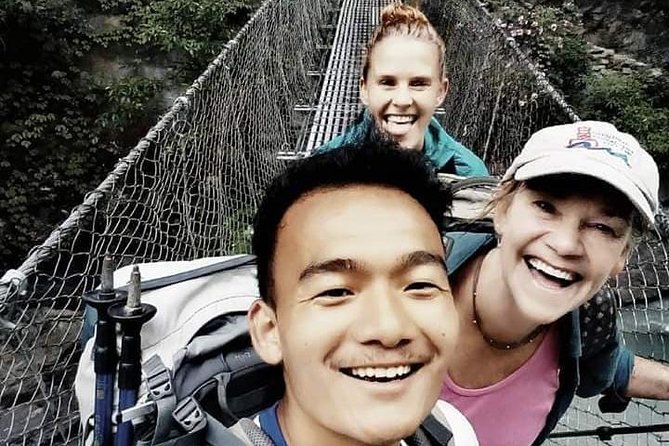
Day six takes you to Pisang, around 3200m, and you cover a longer distance with a longer day profile. By day seven, you reach Manang at roughly 3540m after about six to seven hours on the trail. This is where the mountains start to feel close enough to press on your thoughts.
Manang is also the cultural and altitude shift point. The route is designed so that as you get higher, the mix of people, architecture, and mountain influence becomes easier to read. You will notice how the whole place speaks a slightly different language, even when you are just walking past homes and stopping for meals.
The Manang day is your acclimatization day. You do not add hours of hiking on paper, but you are still busy in a real way. The goal is to help your body adjust before the steepest part of the circuit. In practical terms, you treat it like a reset, a chance to hydrate well and keep your efforts gentle.
I also like that the program keeps you in lodges along the way. At these elevations, being able to go to bed with food covered and shelter planned makes it easier to stay calm and consistent.
More Annapurna Circuit departures:
- Annapurna Circuit Trek with Tilicho Lake
★ 5.0 · 368 reviews - Annapurna Circuit Trek
★ 5.0 · 94 reviews - Annapurna Circuit Trek
★ 5.0 · 67 reviews - Annapurna Circuit Trek
★ 5.0 · 49 reviews
Yak Kharka to Phedi: Getting Ready for the Pass
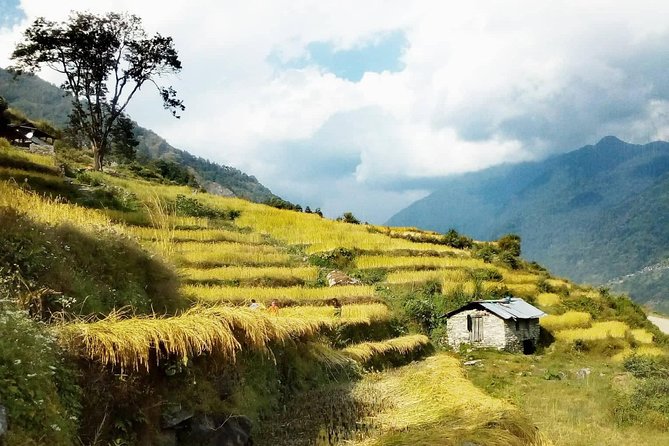
After acclimatization, day nine moves you to Yak Kharka at about 4000m, then day ten takes you up to Phedi at around 4545m. These are not casual days. They are shorter than some earlier legs, but the altitude makes everything feel slower and more deliberate.
This is where the guided support starts to matter. A government-trained, licensed Sherpa guide is not just there for route knowledge, they help you set a pace you can actually sustain on high days. They also help with practical decisions like when to stop, how long to rest, and how to judge how you are doing.
This stage also helps you mentally. By the time you reach Phedi, you understand that the hardest part is not just a single summit moment. It is the build-up, the patience, and the discipline to treat each step as part of a longer plan.
Thorung La to Muktinath: The Circuit’s Highest Point
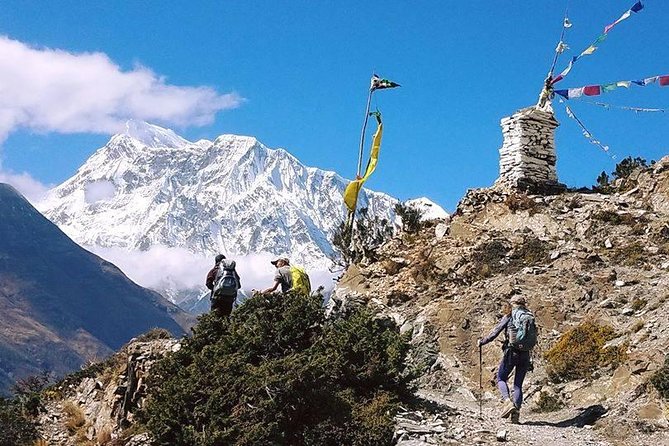
Day eleven is the big day. You trek to Muktinath via Thorung La Pass, the highest point on the Annapurna Circuit Trekking. Even if you are fit, this is the day where you feel the altitude most intensely, and the program’s earlier acclimatization becomes your safety buffer.
You end at Muktinath at about 3694m. That finish is satisfying because Muktinath is a place that feels meaningful even when you are tired. After the hard climb, you get a sense of arrival, not just endurance math.
I’ve seen praise for guides involved with Annapurna Foothills Treks and Expedition, including Ngima, who reportedly explains Buddhist spirituality well. If your guide has a teaching style like that, you may find that the pass crossing feels more than physical. It can feel like you are moving through a sacred corridor with cultural meaning.
Tip for your mindset: plan to take it slow on the way up. It is better to feel strong at the top than to race and pay for it on the descent.
Tatopani to Ghorepani: Recovery With Purpose
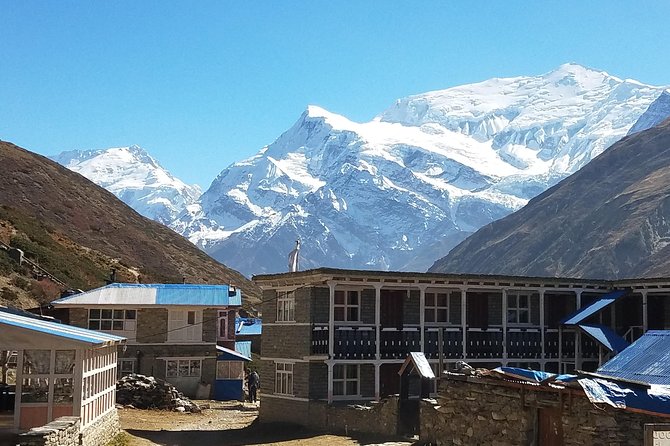
After the high point, the trek shifts gears. Day twelve is a drive to Tatopani, around 1160m, about five to six hours. That drop in altitude can feel like a victory lap, because your body gets a break.
Day thirteen brings you to Ghorepani at about 2850m over six to seven hours. This is not a free day, but it is different from the pass approach. You are not fighting the same kind of steep altitude squeeze, and the trail feels more like a second act.
It is smart to treat this segment as recovery with effort. If you go too hard because you feel better, you can still fatigue yourself. If you go too easy, you may feel underprepared for the final trekking stretch.
Hile and Nayapul: Finish the Trek and Transition to Pokhara
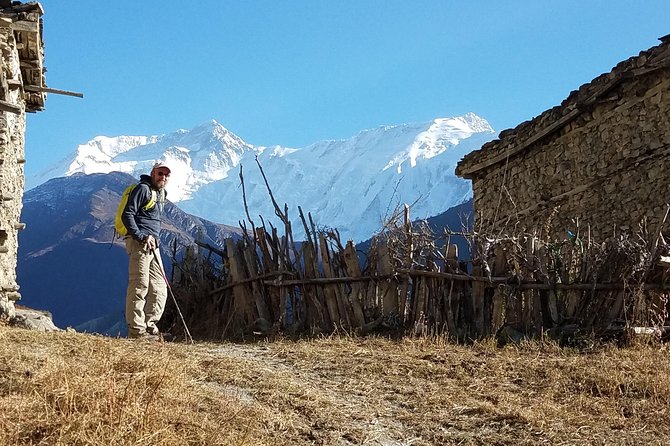
Day fourteen takes you to Hile, around 1400m, about five to six hours. Day fifteen continues to Nayapul, about 1010m, then you drive to Pokhara. This is the point where you stop thinking about survival and start thinking about comfort.
Pokhara is your decompression stop. You get one night there with bed and breakfast lodging. It is a good place to wash, stretch, and eat like a normal person again, not like someone in climb mode.
Then day sixteen is the drive back to Kathmandu, giving you the chance to close the loop on the whole journey. The final day is departure, with the trip ending back at the Thamel meeting point.
Lodge Meals, Permit Coverage, and Other Real Value
The best value in this trek is not just the price. It is what that price covers so you do not have to micro-manage.
You get local lodge accommodation for 13 nights with breakfast, lunch, and dinner included during the trek. That matters because Nepal high-altitude trekking is logistically messy if you are self-planning. When meals are handled, you can focus on hydration timing, rest, and the pace your guide wants for your acclimatization.
You also get permits and official documentation covered, including the Annapurna Conservation Fee and TIMS permits, plus required permits. For many people, that is worth real money in time and stress. If you want to spend your energy on hiking instead of paperwork, this setup fits.
On top of that, you get a porter arrangement if you request it, designed as one porter between two clients. That is a good compromise if you still want to feel independent but do not want every kilo in your bag to fight you on steep sections.
Finally, the trek includes energy supplies like Snickers, Mars, and Bounty, plus fresh fruits. Those little boosts sound trivial until you have a long day where you need quick calories and you do not want to dig through your food stash every time you feel a dip.
Transfers, Private Group Setup, and How That Affects Your Day
This is a private tour, so only your group participates. In practice, that usually means less waiting around for strangers and fewer schedule surprises.
You also get a mix of transfer methods. Kathmandu to Besisahar is handled by public bus, while Nayapul to Pokhara uses private vehicles. That approach keeps costs reasonable, while still protecting you from the worst transport inefficiencies at the end of a long walk day.
There is also pickup offered, and that can help if you do not want to figure out Thamel logistics after a travel day. It is the kind of small comfort that adds up when the mountains start.
Fitness and Altitude: The One Real Trade-Off
This trek is not listed as gentle. You are looking at a mix of long days, including stretches that run up to seven or eight hours, and significant altitude changes with a high pass crossing at Thorung La.
The company asks for strong physical fitness level, and you should listen. If you can walk comfortably for hours at home and you have experience with moderate elevation, you are more likely to handle the climb and the cold nights in lodges. If not, you may still manage with the right pace, but you should be honest about your readiness.
The other consideration is that the trip requires good weather. If conditions turn, the plan can shift. That is true for all high mountain treks, but you are still paying for a trek that depends on Mother Nature cooperating.
Price Check: Is $1,400 Fair for What You Get?
At $1,400 per person for about 17 days, the price looks competitive when you break it down into what is included. You are paying for:
- English-speaking Sherpa guide
- Local lodge accommodation during the trek
- Breakfast, lunch, dinner during trekking days
- Permits including conservation fee and TIMS
- Trek staff costs, including their insurance and equipment
- Selected energy supplies and fresh fruits
- Core ground transfers: Kathmandu to Besisahar and Nayapul to Pokhara
- Kathmandu two nights and Pokhara one night, bed and breakfast
You are not paying just for scenery. You are paying for the machine that keeps you hiking while someone else handles the permits, the staff support, and the main logistics.
Where the price will not cover you is personal insurance and your own spending for meals in cities, beverages, and tips. Even though those are normal extras, they are the kind of costs that can surprise people budgeting too tightly.
If you want a supported trek that is mostly plug-and-play, this price structure makes sense. If you are the type who enjoys fully self-supported travel, you might find cheaper options, but you would likely trade away the schedule certainty and meal coverage that this trek includes.
Who Should Book This Trek (and Who Might Skip It)
This trek suits you if you want a classic circuit experience with real mountain altitude, but you also want real structure. It is a good choice for first-time long trekkers who like the idea of an organized guide and meal plans, as long as you commit to walking steadily and taking acclimatization seriously.
You might reconsider if your goal is short daily hikes, or if you are not comfortable with the physical demands of reaching the circuit’s highest pass. The program is designed for hikers who can handle long days and altitude stress.
Should You Book Annapurna Circuit Trekking With Annapurna Foothills?
I think you should book if you want the Annapurna Circuit experience without the paperwork headache. The combination of a licensed English-speaking Sherpa guide, lodge meals included during the trek, and permits handled for you is strong value for $1,400.
Book if you are comfortable committing to fitness, pacing, and acclimatization. This trek rewards patience, not speed, and your best day is usually the one where you manage your breathing and save energy for the pass.
Skip it if you are trying to run the circuit on pure convenience. This is still a demanding trek. Even with support, you need to show up physically ready for long walking days and a high-altitude crossing.
If that sounds like you, you will likely love this mix of village warmth, big mountain intensity, and the satisfaction of finishing the circuit with Pokhara waiting for your feet and appetite.
FAQ
What is included during the trek?
Accommodation in local lodges for 13 trekking nights is included, along with breakfast, lunch, and dinner during the trek. The tour also includes an English-speaking experienced Sherpa guide, trek staff costs, energy supplies (Snickers, Mars, Bounty) plus fresh fruits, a first aid medicine kit, and permits including the Annapurna Conservation Fee and TIMS.
Are lunch and dinner included in Kathmandu and Pokhara?
Lunch and dinner in cities are not included. The tour notes that you should allow $10 to $14 per meal in tourist restaurants.
Do I need travel insurance?
Your personal travel insurance is not included, so you will need to arrange it yourself.
Is a porter available?
Porter support is available if you request it. The tour arranges one porter between two clients.
What permits and fees are covered?
The tour includes the Annapurna Conservation Fee, TIMS permits, and all required permits or official documentation.
Where does the tour start and end?
It starts in Thamel, Kathmandu (44600, Nepal) and ends back at the same meeting point. The itinerary includes drives to and from key trekking and sightseeing areas, finishing with a drive back to Kathmandu and then departure.
Latest additions near Kathmandu
- White Water River Rafting – 1 Day★ 4.3 · 3 reviews
- Traditional Momo Making Class★ 5.0 · 10 reviews
- Kathmandu to Pokhara Premium sofa bus ticket★ 4.0 · 17 reviews
- Ghorepani Poon Hill Trek★ 5.0 · 16 reviews
- Amazing 1 Day Trekking Experience in Kathmandu Nepal★ 5.0 · 24 reviews
- Ghorepani Poonhill Trek★ 5.0 · 5 reviews
- Walking tour of real Kathmandu through back streets.★ 5.0 · 3 reviews
- Wildlife Adventure in Chitwan Nepal★ 4.0 · 4 reviews
Annapurna Circuit Treks, compared.
Browse the lists this tour appears in