
Reviewed · ANNAPURNA CIRCUIT TREKS
Annapurna Circuit Trek With Tilicho Lake :Best Trek in Nepal
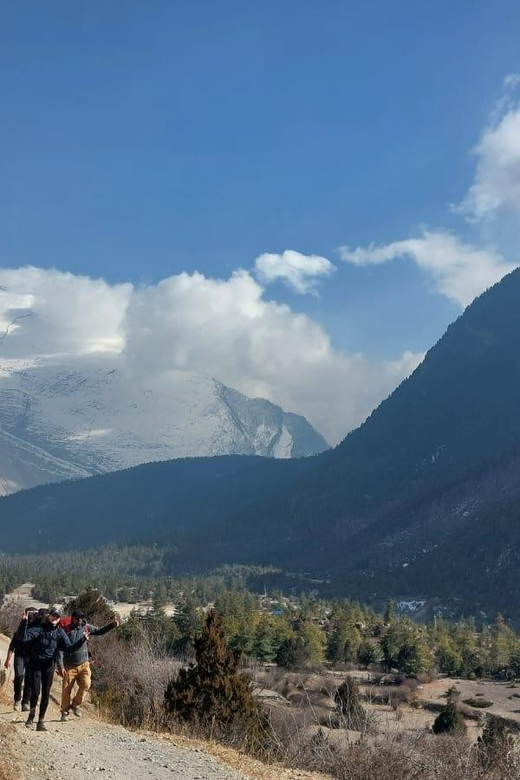
Two high altitude icons in one trek. The Annapurna Circuit Trek with Tilicho Lake connects shifting climates, Tibetan-influenced villages in Manang, and the demanding climb over Thorong La Pass at 5,416m.
I love how the route keeps changing, from subtropical forest feel to drier, colder mountain air, so the trek never settles into one mood for long. I also like that acclimatization time is built in, which makes the high days feel more manageable.
My one caution is weather. At these elevations, conditions can turn fast, and the Tilicho side can involve rugged, sometimes snow-covered terrain, so you need the right cold-weather gear and patience.
In This Review
- Key points that make this trek work
- Why the Annapurna Circuit with Tilicho Lake feels like two treks
- Thamel to Besisahar to Dharapani, the journey starts before the first step
- Chame and Pisang, where the trail teaches you to pace
- Manang Valley is your acclimatization hub, not just a pretty stop
- Tilicho Lake day-by-day, what to expect at the world’s highest lake level
- Thorong High Camp and Thorong La, the big altitude payoff
- Tatopani hot springs and rolling into Pokhara, finishing with comfort
- Logistics and what your $604 actually buys
- Fitness, altitude, and weather, the part you should not gamble on
- Guide quality is the difference between hard and scary
- Who should book this Annapurna Circuit Trek with Tilicho Lake?
- Price and value, is $604 fair for 12 days?
- Should you book this trek?
- FAQ
- How long is the trek?
- Where does the experience start?
- How large is the group?
- What language is the guide?
- Are permits included?
- Is accommodation included during the trek?
- What food is included, and what is not?
- What transportation is included before and after the trek?
- How does the itinerary handle altitude acclimatization?
- What should I bring for the trek?
Key points that make this trek work
- Tilicho Lake at about 4,910m to 4,919m: the highest lake payoff that feels earned.
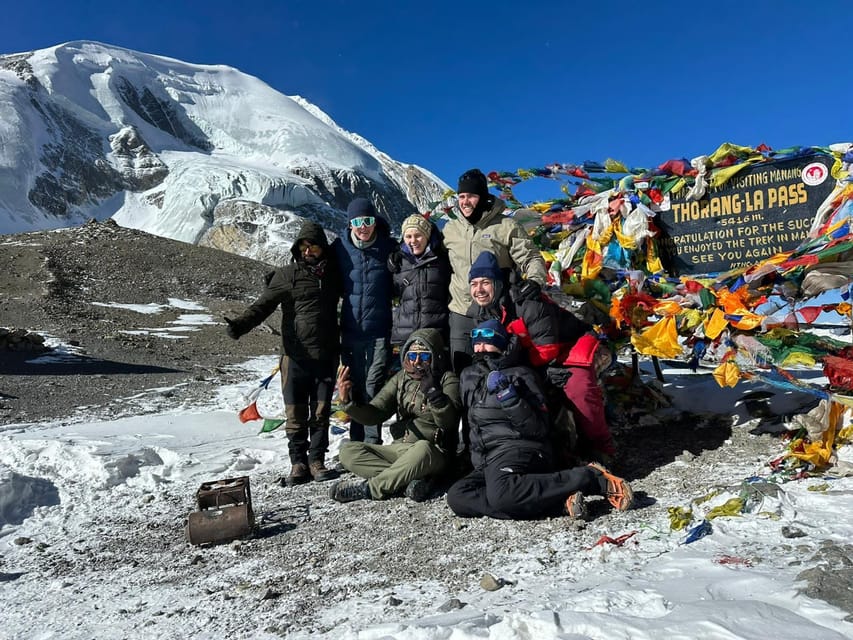
- Thorong La Pass at 5,416m: a huge altitude moment with wide-open views.
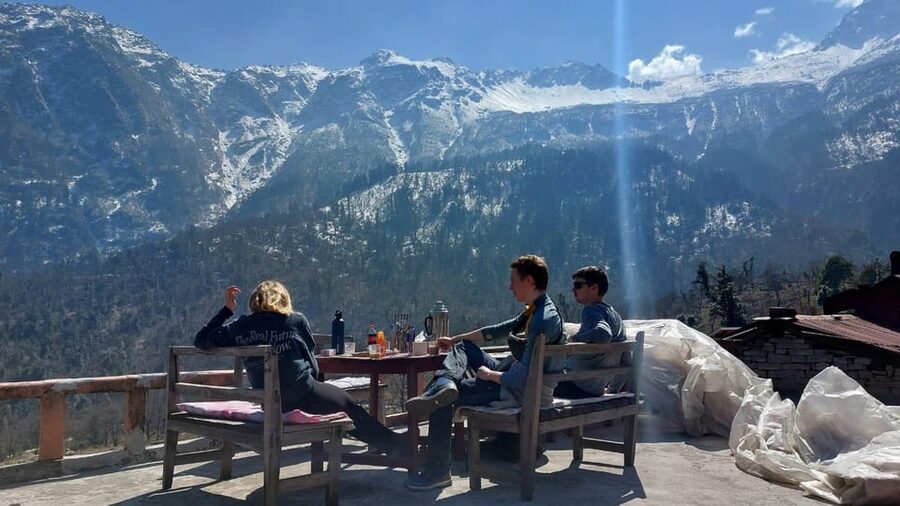
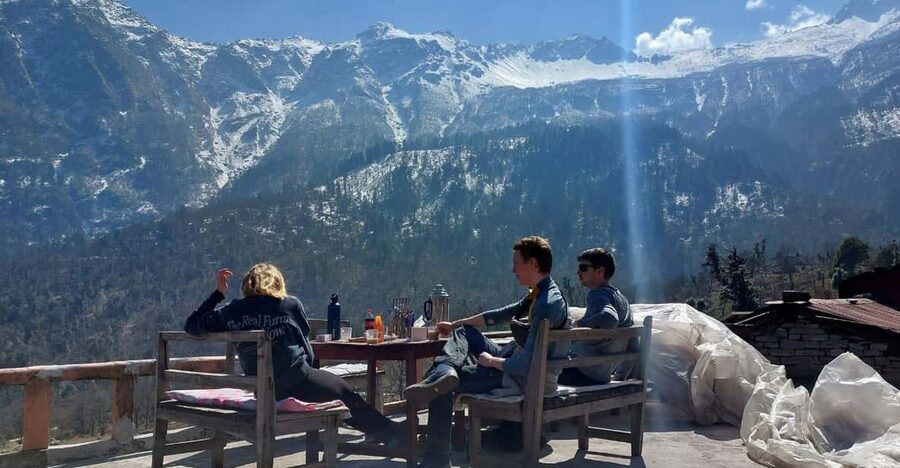
- Manang rest day culture: Tibetan-influenced life plus an option to explore Gangapurna Lake.
- Small group pace (up to 6 people): easier guide attention and a calmer rhythm.
- Included permits and tea house stays: less paperwork stress once you start hiking.
- Meal costs you should plan for: tea houses handle dinner and breakfast, but lunch is usually extra.
Why the Annapurna Circuit with Tilicho Lake feels like two treks
If you love variety, this route is hard to beat. You’re not just walking the “classic” circuit. You’re adding Tilicho Lake, a separate high-water milestone that pushes you into colder terrain and gives you that rare feeling of chasing one very specific, very high destination.
The circuit portion brings big-name mountain scenery, with views that can include Annapurna I, Manaslu, Fishtail (Machhapuchhre), Dhaulagiri, and Thorong Peak. Then Tilicho adds a different kind of beauty, the turquoise water sitting up near the clouds at around 4,910m to 4,919m.
The good part for your planning: you get both culture and altitude. The better part: the itinerary tries to manage altitude with built-in acclimatization days, especially around Manang.
More Treks in the Annapurna Region
- Pokhara: 7 Day Annapurna Base Camp Trek
★ 4.9 · 38 reviews - Pokhara: 2 & 3 Days Ghorepani Poon Hill Private Guided Trek
★ 4.9 · 27 reviews - Pokhara: 1-Day Scenic Australian Camp & Dhampus Guided Hike
★ 4.9 · 24 reviews
Thamel to Besisahar to Dharapani, the journey starts before the first step
Most people think a trek starts at the trailhead. On this one, the “warming up” starts the moment you leave Kathmandu. Pickup is from Thamel, and you begin with a long bus ride toward Besisahar, followed by a jeep segment to reach Dharapani.
This matters for two reasons. First, it sets expectations for travel time. A seven-hour bus day plus a five-hour jeep day means you’re not hopping around casually. Second, it affects your energy. You’ll want to sleep well the night before, then treat the first hiking day as a rhythm-building warmup, not a fitness test.
Besisahar itself is small, and the schedule includes sightseeing and a short walk plus an overnight stay. Then Dharapani is where the trek becomes real. You get guided touring and scenic views on the way, plus hiking time that is long enough to help you settle into the routine of moving consistently.
Practical tip: hydrate early. High altitude is ahead, but even on these first days, your body will appreciate steady water and slow pacing.
Chame and Pisang, where the trail teaches you to pace
After Dharapani, you move into Chame, then Pisang. These stops are where the circuit’s gradual change becomes obvious. You go from lower, greener feel toward higher, rockier terrain, and the air gets thinner in slow motion.
Chame is scheduled as a longer hiking day, with guided sightseeing and hiking time plus an overnight tea house stay. Pisang continues that pattern, giving you another full day of movement, guided segments, and time to enjoy the viewpoints before night settles in.
The best part about this stretch is the training effect. You’re not yet at the big altitude walls. But you are practicing what you’ll need later: slower steps, steady breathing, and eating enough even when you do not feel like it.
The possible drawback: these are not “quick walks.” You should expect fatigue from distance, elevation gain, and travel connections. If you show up undertrained, your body will let you know by day three.
Manang Valley is your acclimatization hub, not just a pretty stop
Manang is the turning point. The itinerary gives you time to rest and adjust, plus guided exploration. This is where the trek’s cultural side becomes stronger, with Tibetan-influenced lifestyle in the region.
You also get a rest day with exploration of Gangapurna Lake, which is a great option for two reasons. It helps you break up the hiking monotony without pushing to the highest elevations right away. It also gives you something besides views to focus on, so your brain stays busy while your altitude adjustment catches up.
On the Tilicho plan, Manang also functions as your launchpad. From here, your route branches toward Tilicho base camp and then toward Tilicho Lake. That means Manang is where you should pay attention to how you sleep, how your appetite feels, and how your body responds to activity.
Based on the most positive guide feedback from past trekkers, this is also where good guidance makes a difference. Guides praised for safety and altitude adjustment, like Ganesh Devkota, Kumar, Jeewan, and Prakash, were specifically noted for checking in regularly on how people felt and adjusting pace as needed. That kind of awareness is exactly what you want during acclimatization days.
More Annapurna Circuit departures:
- Annapurna Circuit Trekking 13 Days
★ 4.5 · 3 reviews - Annapurna Circuit Trek with Tilicho Lake
★ 5.0 · 368 reviews - Annapurna Circuit Trek
★ 5.0 · 94 reviews - Annapurna Circuit Trek
★ 5.0 · 67 reviews
Tilicho Lake day-by-day, what to expect at the world’s highest lake level
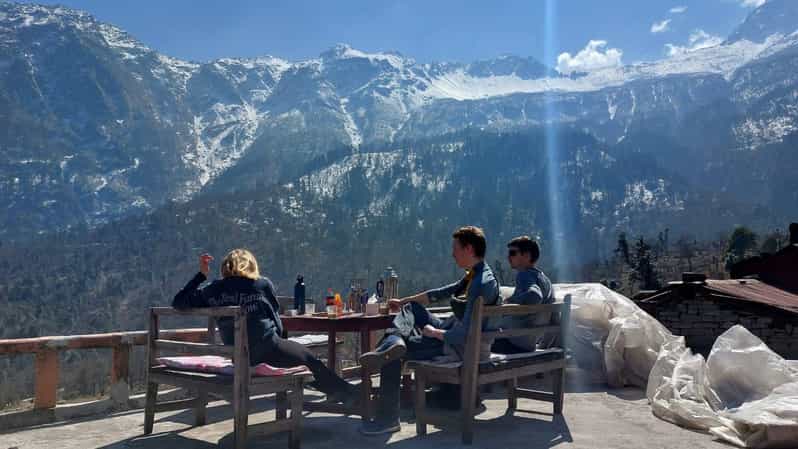
Tilicho is the headline moment. The trek moves you toward Tilicho base camp first, then up to the lake itself.
Tilicho base camp is included as an overnight at a place listed as Hotel New Tilicho Base Camp. That tells you something important: you are not just doing day hiking. You’re staging your body for the push. Base camp nights matter because you may wake up stiff, cold, and slightly unsure what the day will feel like. Having that built-in stage reduces the risk of trying to do too much too quickly.
Then comes the lake day. The schedule includes hiking and time to explore Tilicho Lake, plus staying in the Tilicho base camp area. You’ll be at roughly 4,910m to 4,919m, and that altitude affects everything: breathing pace, appetite, and how long you want to linger outside.
What makes Tilicho special is the contrast. You get that turquoise water effect surrounded by high peaks, but you also feel the starkness of the environment. If you prefer mountain scenery with a clear destination marker, Tilicho fits your style. If you expect a relaxed stroll, it will humble you.
The practical reality: the route can involve rugged ground and snow-covered sections at times. You cannot outsmart that with motivation alone. You need correct footwear, warm layers, and the willingness to move slowly.
Practical tip: take photos, then take a breath. At these altitudes, cold air and wind can make your body feel like it is negotiating. Give it time.
Thorong High Camp and Thorong La, the big altitude payoff
From Tilicho, the itinerary continues through ledar areas, then onward to Thorong High Camp. The high camp stop is listed with hotel and restaurant, which is useful because you are meant to arrive with enough energy to eat and reset for the pass.
Then you cross Thorong La Pass at 5,416m. This is listed as the world widest pass, and regardless of the wording, the key takeaway for you is the scale of the altitude moment. You will feel it in your lungs and legs.
After the pass crossing, you descend toward Muktinath. The route heads into the area connected with the Kali Gandaki Valley, including the ancient trade route vibe and the famous deep gorge. The descent is long, and your knees will file a formal complaint if you move too fast.
Muktinath itself is treated as a major cultural and religious stop. It’s a holy town for both Hindus and Buddhists, so you’ll see the spiritual side of the mountains, not just the scenery.
What I like about including Muktinath after the pass: it changes the reward. You go from raw physical effort to a place with meaning, sounds, and people moving through their routine. That can make the day feel less like survival and more like arrival.
Tatopani hot springs and rolling into Pokhara, finishing with comfort
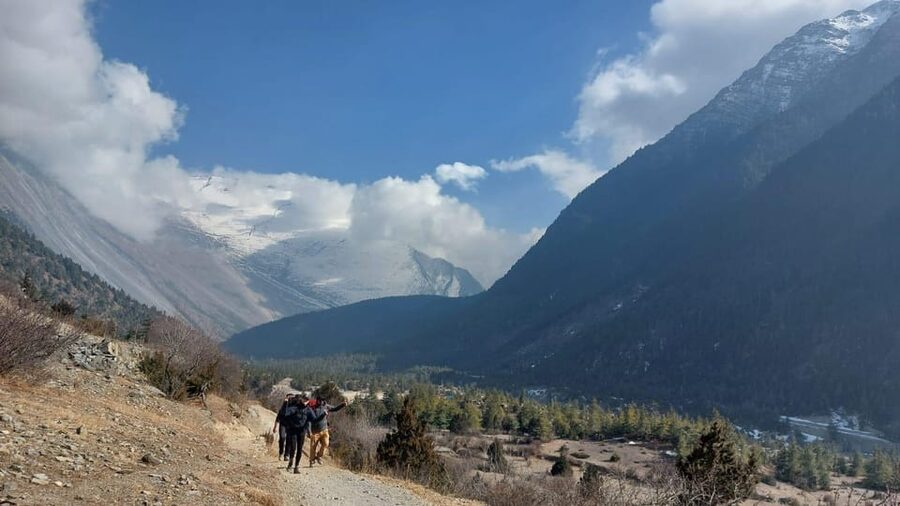
After the Muktinath segment, the itinerary includes a drive to Tatopani, which is known for hot springs. You also get an overnight stay there, which is exactly what your body wants after Thorong La.
Then you drive to Pokhara. If you’re thinking, Great, I want my bed back, this is your moment. Pokhara gives you space to eat normally, wash thoroughly, and recover your sleep schedule.
One more planning note: the trek ends in the Muktinath area and then continues to Pokhara by road in this schedule. If you prefer flying options in general trekking regions, you might find different downstream choices in other formats, but this specific itinerary keeps it straightforward with transportation to Pokhara.
Logistics and what your $604 actually buys
Let’s talk value, because price is not just a number, it is what you do not have to manage.
This trek package includes:
- Transportation before and after the trek, Kathmandu to Besisahar and Muktinath to Pokhara
- Jeep to Dharapani
- TIMS card and ACAP permits
- A government licensed trekking guide, including guide food, salary, accommodation, and insurance
- Tea house accommodation during the trek
- A first aid box
- Tax and VAT
What it does not include:
- Trekking gear
- Food and beverages beyond what tea houses cover (breakfast and dinner can be had in tea houses; lunch is typically bought at cafes)
- Travel insurance for you
- Personal expenses
Also, there’s a practical meal budget clue: lunch costs are noted at about $5 to $7 per meal. That may not sound huge, but on a 12-day plan, it adds up. The safest move is to assume you’ll spend extra on lunches and snacks throughout the hike.
Value reality check: if you hate dealing with permits, guides, and tea house coordination, this package saves you time and stress. If you already have gear and like to plan your own meal stops, you might still appreciate the included permits and guide support, especially for an altitude-heavy itinerary.
Fitness, altitude, and weather, the part you should not gamble on
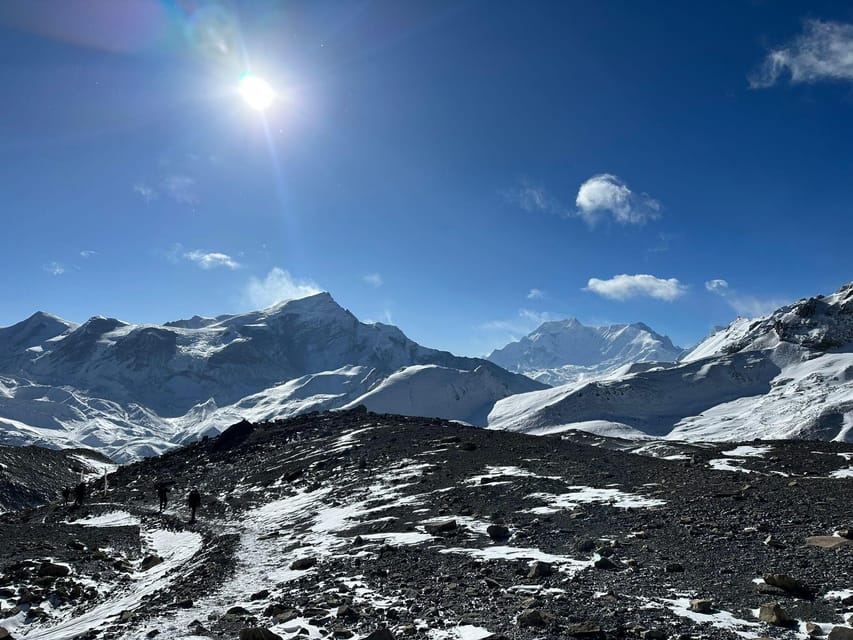
This is listed as requiring a moderate to high fitness level. That makes sense. You have multiple long hiking days, high points like Tilicho base camp and Thorong High Camp, and then the pass at 5,416m.
The good sign: acclimatization days are built into the itinerary. That does not make altitude easy, but it helps you avoid the classic mistake of rushing upward.
The weather caution is also very real. The mountains can change rapidly, so pack for cold and wind. The recommended packing list is specific and practical, including:
- Warm clothing, jacket, gloves
- Sunglasses and sun hat
- Hiking shoes and waterproof shoes
- Sunscreen
- Sleeping bag
- Reusable water bottle and waterproof bag
- Hiking pants and toiletries
If you’re tempted to travel light, reconsider. Cold, wind, and wet conditions can turn a good day into a miserable one fast. The goal is not comfort at sea level, it is functional warmth.
One more important detail: this trek is not suitable for people with altitude sickness, wheelchair users, babies under 1 year, and people over 70. If any of those apply, you should choose a different route.
Guide quality is the difference between hard and scary
One theme from the strongest feedback is how guides managed the human part of the trek, not just the route.
Past groups praised guides like:
- Ganesh Devkota for excellent care from start to finish
- Kumar for keeping the group safe and informed, plus energy and humor
- Jeewan for altitude adjustment, warmth, and daily check-ins on how people felt
- Prakash for deep knowledge of mountains, villages, culture, and for good pre-entry Nepal organization
Even if your guide name may be different, the pattern is clear: the best experience comes when your guide is proactive about safety, pacing, and communication. In a high-altitude circuit, being able to slow down early is what keeps you moving later.
You also get an English live tour guide, and the group is small, limited to 6 participants. That typically makes it easier to notice when someone is struggling and adjust pace without turning the day into chaos.
Who should book this Annapurna Circuit Trek with Tilicho Lake?
This trek is a good fit if you:
- Want a real challenge with a clear reward, Tilicho Lake plus Thorong La
- Enjoy both views and cultural stops like Manang and Muktinath
- Can handle cold weather and rougher terrain at higher elevations
- Prefer a guided, small-group setup where permits and tea house stays are arranged
It is a poor fit if you:
- Want an easy walking vacation
- Are sensitive to altitude or have a history of altitude sickness
- Need accessibility support for mobility limitations
- Are traveling with very small children (babies under 1 year are not suitable)
Price and value, is $604 fair for 12 days?
At $604 per person, you are paying for a structured high-altitude package with real support. Included permits (TIMS and ACAP), guide services, tea house lodging on the trek, and transport before and after are the core value drivers.
Your main extra costs are trekking gear, your own food lunches and snacks, travel insurance, and personal spending. Since lunch is estimated around $5 to $7 per meal, your biggest day-to-day surprise is usually not the price tag, it is forgetting to plan for cash, or arriving without the cold-weather gear.
So is it fair? For most people, yes, because you get the “adulting” handled: permits, guide logistics, and tea house coordination. If you’re already set up with gear and you hate structured itineraries, you might find cheaper options elsewhere, but for a trek this altitude-heavy, having a guide and an organized plan is part of what you are actually buying.
Should you book this trek?
If your dream list includes Tilicho Lake, the Thorong La Pass crossing, and a route that mixes culture with real high-altitude effort, I’d say yes, book it, but only if you train a bit and pack seriously.
My go/no-go checklist:
- Do you have moderate to high fitness for long hiking days?
- Can you handle cold nights and possible snow or rugged trail on the Tilicho approach?
- Have you budgeted extra for lunch meals and snacks?
- Do you have travel insurance lined up?
- Are you prepared to follow your guide’s pacing and altitude guidance, not your ego?
If those boxes are checked, this itinerary gives you a rare combo: iconic passes, a world-high lake, and Manang plus Muktinath culture, all under a small-group guided structure that keeps you focused on walking and taking in the mountains.
FAQ
How long is the trek?
The Annapurna Circuit Trek with Tilicho Lake is 12 days.
Where does the experience start?
Pickup is from Thamel in Kathmandu, and the trek journey begins with transportation to Besisahar.
How large is the group?
It is a small group, limited to 6 participants.
What language is the guide?
The trekking guide provides service in English.
Are permits included?
Yes. TIMS card and ACAP permits are included.
Is accommodation included during the trek?
Yes. You get tea house accommodation during the trekking time.
What food is included, and what is not?
Dinner and breakfast can be taken in the tea house. Food and beverages beyond that are not included, and lunch can be purchased at cafes, with costs noted around $5 to $7 per meal.
What transportation is included before and after the trek?
Included transportation covers Kathmandu to Besisahar before the trek and Muktinath to Pokhara after the trek.
How does the itinerary handle altitude acclimatization?
Acclimatization days are built into the itinerary to help prevent altitude sickness.
What should I bring for the trek?
Bring warm clothing, sunglasses, a sun hat, hiking shoes, sunscreen, a jacket, gloves, a sleeping bag, toiletries, hiking pants, a reusable water bottle, a waterproof bag, and waterproof shoes.
More Tilicho Lake treks
- Annapurna Circuit with Tilicho Lake
★ 5.0 · 9 reviews - Annapurna Tilicho Lake Trek
★ 5.0 · 5 reviews
Latest additions near Annapurna Region
- Mardi Himal Trek -5 Day Short Trek From Pokhara★ 5.0 · 8 reviews
- Pokhara: Poon Hill Trek★ 5.0 · 3 reviews
- Pokhara: Day Hiking to Australian Base Camp with Lunch★ 5.0 · 4 reviews
- Pokhara: Annapurna Foothills Private Day Hike with Transfers★ 5.0 · 3 reviews
- Pokhara: Hike To Australian Base Camp★ 3.5 · 4 reviews
- From Pokhara: Annapurna View Day Hike★ 5.0 · 3 reviews
- Pokhara: Amazing 7-Day ABC Trek with Natural Hot Spring★ 5.0 · 5 reviews
- Pokhara: 7-Day Annapurna Base Camp Via PoonHill & Hot Spring★ 5.0 · 6 reviews
Annapurna Circuit Treks, compared.
Browse the lists this tour appears in