
Reviewed · ANNAPURNA CIRCUIT TREKS
Annapurna Circuit Trekking 13 Days
Five thousand meters changes everything. The Annapurna Circuit Trek is built around the big work at Thorong La Pass and the cultural shift into Manang and Tibetan Buddhism, all while you keep moving through real villages, river valleys, and changing terrain. You’ll get both the hard altitude day and the calmer moments that make the trek feel like a journey, not just a checklist.
I also like the human side of the plan. In the guidance and operator style, names like Ganesh and Rabin come up for being patient, listening to your pace, and sharing practical mountain knowledge, which matters a lot on days when you are tired but still have miles to go. Add a small group size of up to 12, and you tend to feel less like you are on a bus tour and more like you are trekking with people who have your back.
One consideration, though: this is a real altitude trek. Even with an acclimatization stop in Manang, you still need stamina and smart pacing for long days, cold mornings, and the crossing around 5,416m.
In This Review
- Key things I’d watch for on the Annapurna Circuit
- A trek that mixes big passes with everyday Nepal
- Days 1-5: Jagat to Pisang, river valley trekking and first altitude gains
- Day 6: Acclimatization in Manang, the smart pause before the hard stuff
- Days 7-9: Yak Kharka, Thorong Phedi, and crossing Thorong La to Muktinath
- Days 10-11: Muktinath to Jomsom, then Tatopani and natural hot springs
- Days 12-13: Ghorepani, Poon Hill sunrise, and finishing near Nayapul
- Lodges, meals, and what the included support really covers
- Guides and group style: getting value from the people
- Price and value check: where the $970 goes
- When to go: spring and autumn are safest bets
- Who this trek suits best
- Should you book this Annapurna Circuit Trek?
- FAQ
- How long is the Annapurna Circuit trek?
- What is the highest point on this trek?
- What is included in the trek price?
- What is not included?
- Are meals provided during the trek?
- How large is the group and what languages are supported?
- When are the best seasons to go?
- Is free cancellation available?
Key things I’d watch for on the Annapurna Circuit
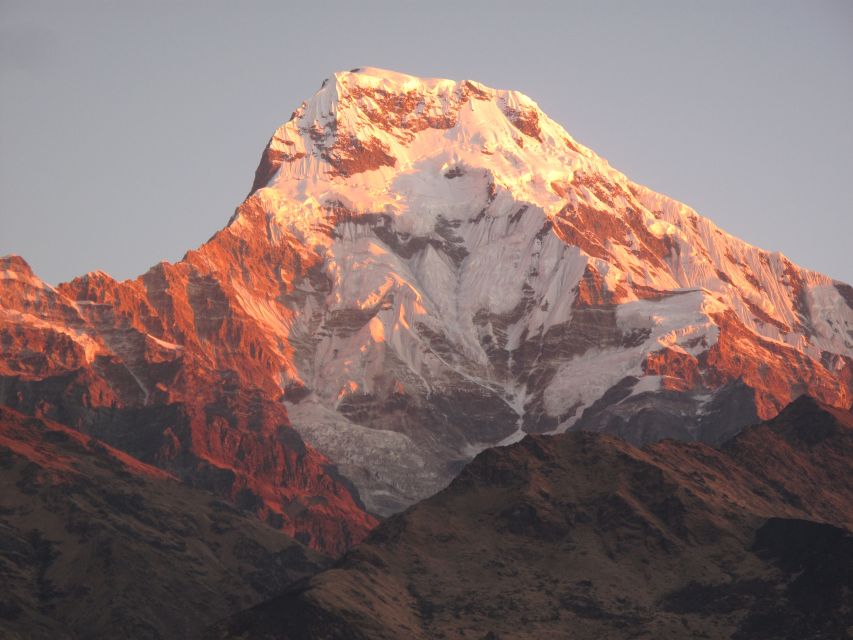
- Thorong La Pass at 5,416m means you should plan for an early, slow, focused crossing day.
- Manang’s Tibetan Buddhist culture adds a different feel compared with the lower valleys.
- Muktinath and the Kali Gandaki Valley bring a spiritual stop plus windy, exposed trekking vibes.
- Tea house living with included meals keeps the schedule simple and saves you from daily planning stress.
- Small group up to 12 participants can mean better flexibility with your pace.
A trek that mixes big passes with everyday Nepal
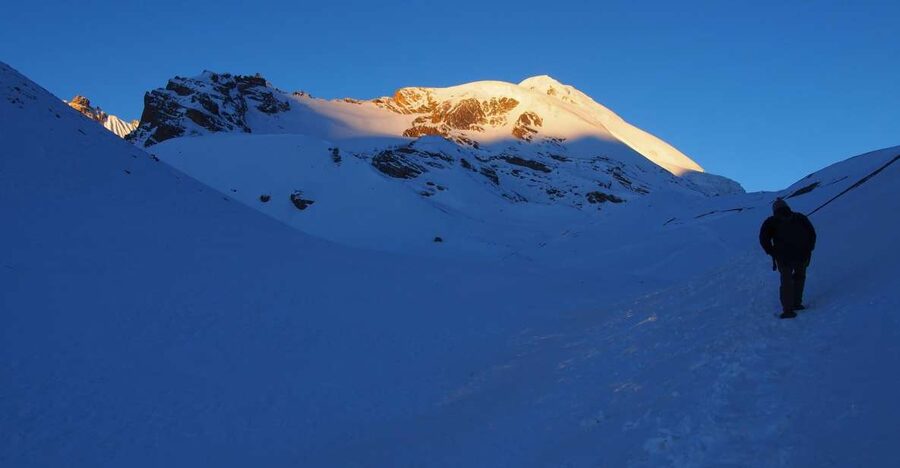
This version of the Annapurna Circuit is 13 days long and wraps together several classic parts of the region. You start with the drive out of Kathmandu, then you build up day by day through river valleys, settlements, and changing climates. The trekking rhythm is the point: long enough to earn your views, structured enough that you are not guessing where to sleep.
You also get cultural variety without it feeling forced. Early on, you are moving through greener stretches with waterfalls and communities. Then the vibe shifts as you spend time around Manang and later reach Muktinath, where Tibetan Buddhist influence becomes more visible in daily life. That change is not just scenery, it affects how the trek feels, from conversation to the sights you notice on the trail.
Cost wise, $970 per person is not cheap, but it is not “barebones” either. The package covers a licensed guide, permits, basic tea house accommodation for 12 nights (twin sharing), most meals, key transport segments, and even some essential cold-weather gear. For a trek with this much altitude, that “support layer” is usually where value hides.
More Treks in the Annapurna Region
- Pokhara: 7 Day Annapurna Base Camp Trek
★ 4.9 · 38 reviews - Pokhara: 2 & 3 Days Ghorepani Poon Hill Private Guided Trek
★ 4.9 · 27 reviews - Pokhara: 1-Day Scenic Australian Camp & Dhampus Guided Hike
★ 4.9 · 24 reviews
Days 1-5: Jagat to Pisang, river valley trekking and first altitude gains
Your trek begins after a long travel day out of Kathmandu. You will end up around Jagat (1,100m) after traveling via Besisahar, which is a good way to ease into Nepal time. Expect a full day, then you start trekking the next morning.
Day 2, Jagat to Dharapani (1,960m) is your first taste of the Marshyangdi River Valley. This is the kind of walk that helps your legs wake up. You start seeing the valley shape clearly, and you learn what it feels like to hike at a steady pace rather than sprinting for altitude.
Day 3, Dharapani to Chame (2,710m) moves you higher into a more alpine mood. Chame is a common trekking hub, so you are not just walking through wilderness, you are passing through places where people live year-round.
Day 4, Chame to Pisang (3,300m) pushes you higher again. Pisang’s altitude means your breathing starts asking for respect, especially if you try to match a faster group pace.
Day 5, Pisang to Manang (3,540m) is where the trek begins to feel more like high-country travel. You are still walking through trails and settlements, but the air gets thinner, and you start noticing how quickly you warm up during the hike and cool down afterward.
A practical note: most trekking days here are listed around 5-7 hours, so you need to be okay with consistent effort, not just one or two big “hero hikes.”
Day 6: Acclimatization in Manang, the smart pause before the hard stuff
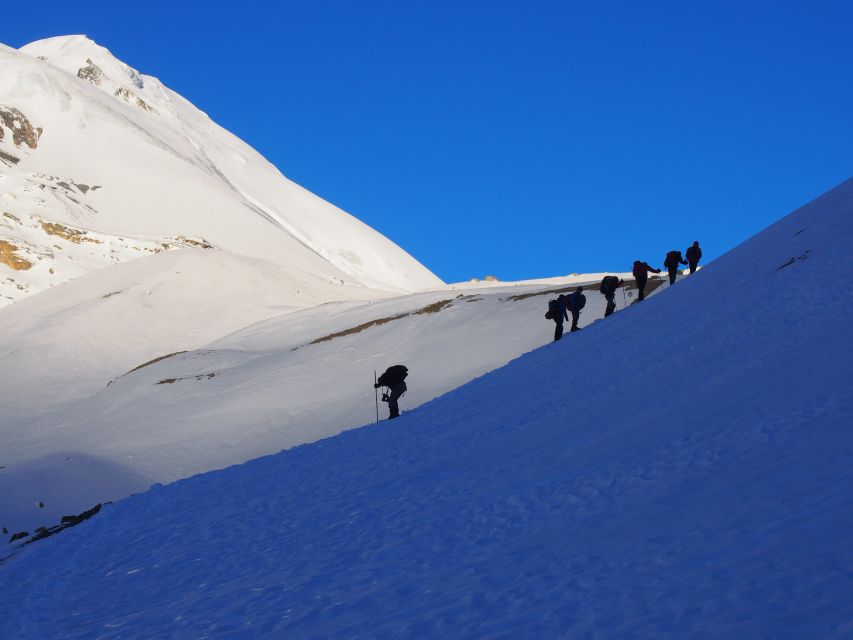
Manang is your acclimatization day. That’s not a random rest day. It’s your chance to reduce risk and keep your body happier when the trail climbs toward the Thorong La area.
In practice, this is when you should slow down mentally too. You might feel fine at lunch, then feel it later. Acclimatization days are where you learn your body’s signals. Drink water, eat normally, and avoid the urge to overachieve just because you have a free day on the schedule.
I like that the plan gives you this built-in buffer. With a high crossing approaching 5,416m, your safety improves when the route is not a straight line upward.
Days 7-9: Yak Kharka, Thorong Phedi, and crossing Thorong La to Muktinath
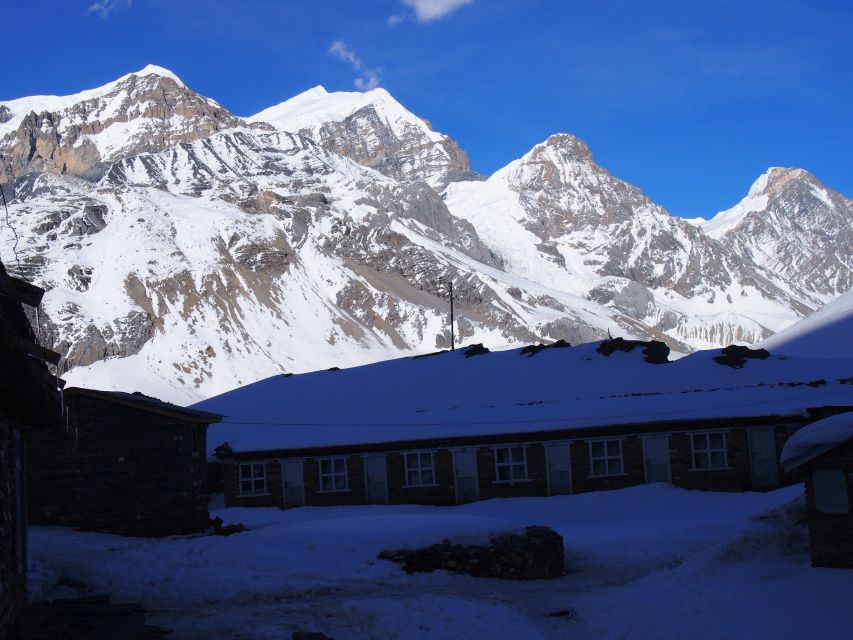
This is the heart of the Annapurna Circuit.
Day 7, Manang to Yak Kharka (4,120m) starts moving you into the high pastures zone. Yak Kharka is high enough that every uphill feels longer. The upside is that you are also building confidence, because you can feel the rhythm you need for high altitude hiking.
Day 8, Yak Kharka to Thorong Phedi (4,450m) is a step closer to the pass region. Thorong Phedi is the staging area kind of place, and it matters psychologically. You are not “just hiking today,” you are preparing for tomorrow’s big crossing.
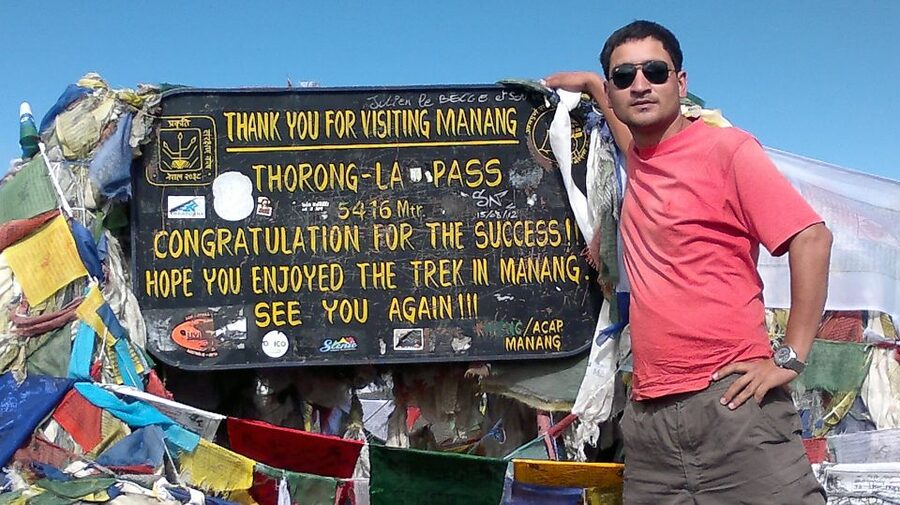
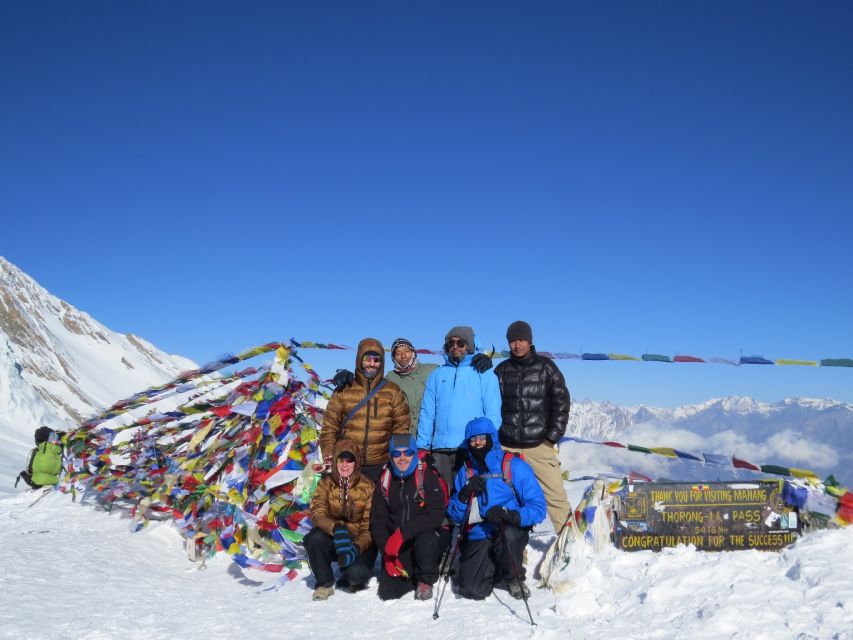
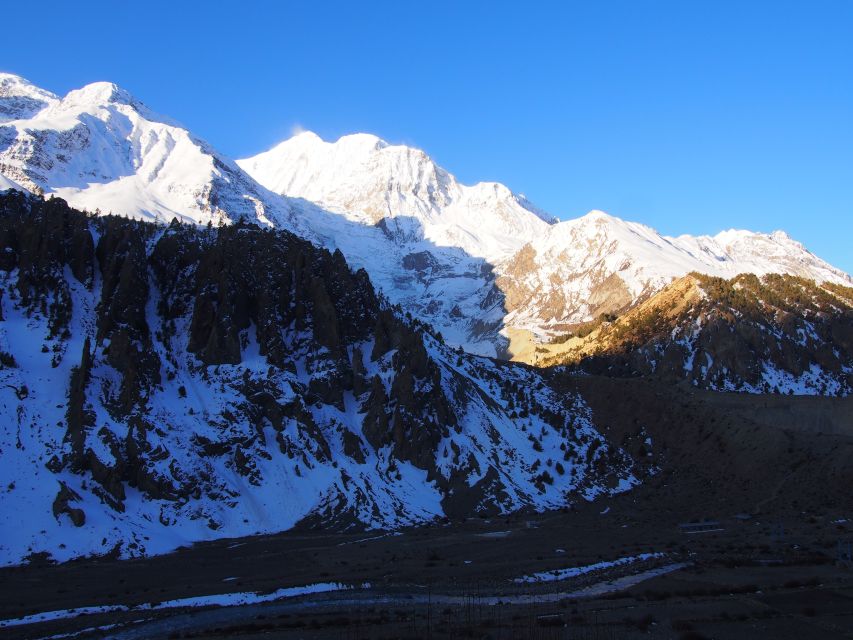
Day 9 is the crossing to Muktinath. The route goes from Thorong Phedi down into the lower side after passing Thorong La (5,416m). The day is listed around 7-8 hours, which makes sense since high crossings are slow. It is also the day when views can feel the most dramatic, especially as you approach the pass and look toward the Annapurna white peaks from the height.
Then you land in Muktinath (3,802m), which is the spiritual center stop in this trek. This shift from high mechanical effort to a meaningful cultural place is one reason I think this trek stays interesting even when your legs are tired. You are not only chasing the highest point, you are also getting a moment that feels like it belongs to the region, not just to your camera roll.
Altitude warning, plain and simple: the difference between good pacing and bad pacing is often the thin air. If you feel shaky, nauseous, or unusually drained, you should tell your guide right away and adjust your effort.
More Annapurna Circuit departures:
- Annapurna Circuit Trek With Tilicho Lake :Best Trek in Nepal
★ 5.0 · 4 reviews - Annapurna Circuit Trek with Tilicho Lake
★ 5.0 · 368 reviews - Annapurna Circuit Trek
★ 5.0 · 94 reviews - Annapurna Circuit Trek
★ 5.0 · 67 reviews
Days 10-11: Muktinath to Jomsom, then Tatopani and natural hot springs
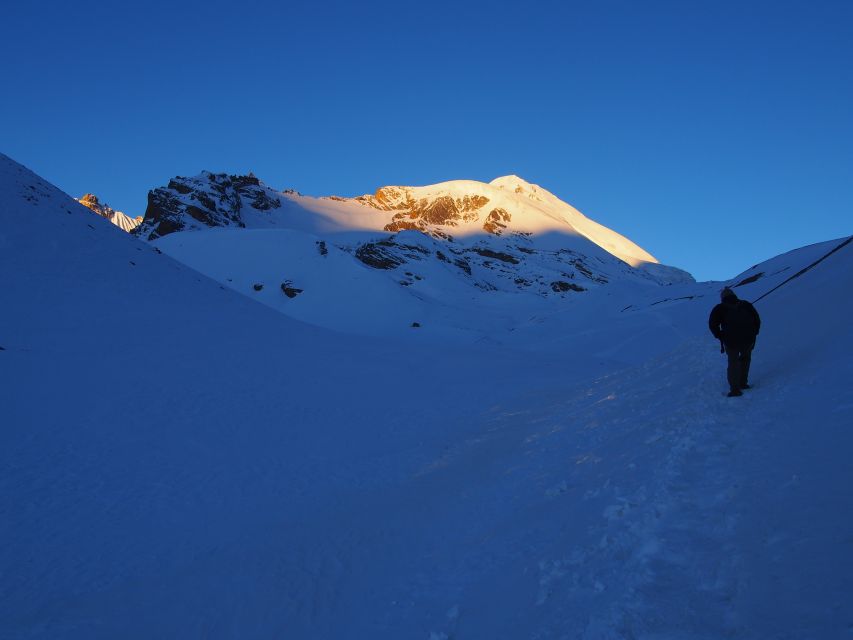
After the pass, the trek continues with a descent into a different kind of world.
Day 10, Muktinath to Jomsom (2,743m) is your move out of the high corridor into lower elevations. Jomsom is also a place where the trek feels closer to transport routes, so the pace and energy can feel different than earlier days.
Day 11, Jomsom to Tatopani (1,290m) is where the recovery payoff shows up. Tatopani means hot water, and this stop is tied to natural hot springs. A soak here is not magic, but it can help your body loosen up after a big altitude stretch. It’s also a morale boost because you feel like you are getting back something you spent earlier.
One more practical detail: this part uses vehicle time as well, and the experience shifts from pure trekking energy to a mixed day. That is welcome after the crossing.
Days 12-13: Ghorepani, Poon Hill sunrise, and finishing near Nayapul
The last stretch is about finishing strong and getting one more classic viewpoint payoff.
Day 12, Tatopani to Ghorepani (2,750m) brings you back into the pre-mountain viewpoint zone. Ghorepani is known for being a base for early morning hikes.
Day 13 is your early morning hike up to Poon Hill (3,210m), then you hike down to Nayapul (2,070m) and head onward by taxi to Pokhara. If you like treks that end with a sunrise moment, this is that kind of finale. You are trading earlier cold effort for a concentrated reward at the top.
You also get one night in a real hotel in Pokhara with breakfast, which is a nice way to mark the end of tea house living.
Lodges, meals, and what the included support really covers
You stay in basic tea houses for 12 nights on a twin-share basis. That is not luxury. Still, it can be comfortable enough when you know what you are signing up for: warm layers, a plan for cold nights, and realistic expectations.
Meals are a major part of the value here. You get breakfast, lunch, and dinner during the trek, which keeps the daily decision fatigue low. You do not need to hunt for food options after a long climb. The food may not always be fancy, but it is there, and that reliability matters when weather changes.
The package also includes practical gear support:
- Sleeping bag, down jacket, and duffel bag can be provided if you need them (and returned after the trip)
- a first aid box with normal medical supplies plus an oximeter
- an ACT trek map
That oximeter detail is not marketing fluff. At altitude, monitoring symptoms helps you and your guide decide when to slow down and when to take things seriously.
On top of that, your guide’s package is handled in the tour price, including food, accommodation, salary, equipment, and insurance. That reduces guesswork and helps the experience feel organized.
Guides and group style: getting value from the people
Adventure Bound operates as a small group tour, limited to 12 participants, and the guide support is a big part of the “feel” of the trek. The names Laxman (owner) plus guides Ganesh and Rabin come up as standouts for attentive, proactive communication and a calm day-to-day style.
Here’s why that matters to you. On a trek like this, the best guide is the one who:
- watches your pace rather than only the summit
- adjusts when you need to slow down
- knows the mountain and can explain what you are seeing
If you are the type who gets anxious when plans feel loose, a guide who listens and adapts can make the same route feel much safer and more enjoyable.
Language coverage is also a practical plus. Guidance is available in English, Nepali, and Hindi, so you are not stuck.
Price and value check: where the $970 goes
Let’s talk money without pretending trekking is cheap.
At $970 per person, you are paying for more than a guide and a route. Included costs cover:
- permits for the Annapurna Circuit trek
- 12 nights tea house accommodation (twin sharing)
- 3 meals per day during the trek
- a hotel night with breakfast in Pokhara
- pickup from Kathmandu international airport
- transport segments (including public bus parts and taxi where relevant)
- luggage storage at Adventure Bound store if needed
- essential gear support like sleeping bag and down jacket if you require it
- first aid kit and oximeter
- a trek map
What is not included is also clear, and you should plan for it:
- Nepal entry visa and international airfare
- hotel in Kathmandu and meals in the city
- drinks of any kind
- a porter if needed (extra $250)
- personal expenses
- private transports
My take on value: if you were to self-organize the guide, permits, accommodation, and meals, the time cost and risk usually rise fast. Here, the structure is doing that work for you, and that matters most on the pass days.
When to go: spring and autumn are safest bets
This trek guide recommends spring and autumn as the best seasons. That usually means better hiking conditions and more predictable visibility, so you can actually enjoy the views you came for.
If you are choosing between seasons, pick the one that matches your broader Nepal trip window. The pass and viewpoint days are the big selling points, and you want them to be clear enough that the altitude effort feels worth it.
Who this trek suits best
This Annapurna Circuit trek fits best if you:
- want a classic high-altitude challenge without planning every detail yourself
- like a balance of tough days and meaningful cultural stops like Manang and Muktinath
- prefer small group trekking (up to 12 people)
- are okay with tea house accommodation and shared rooms
It might not fit you as well if you hate early starts, dislike altitude entirely, or need a fully private, luxury-style setup. Also, if you know you will want physical support for heavy loads, you should plan for the optional porter cost.
Should you book this Annapurna Circuit Trek?
If you want a trek with real structure, knowledgeable guidance, and a classic line through the region’s major highlights, I would consider booking. The standout reasons are the Thorong La Pass crossing, the cultural stops around Manang and Muktinath, and the fact that meals, permits, and essential support gear are wrapped into the price.
I’d only hesitate if altitude makes you nervous, or if you expect a relaxed walk with no cold mornings. This is not that kind of trek.
FAQ
How long is the Annapurna Circuit trek?
It is a 13-day trek, with a mix of trekking days and travel days that include reaching Pokhara at the end.
What is the highest point on this trek?
The key high point is Thorong La Pass at 5,416m.
What is included in the trek price?
The package includes pickup from Kathmandu international airport, guide services, permits, 12 nights of basic tea house accommodation (twin sharing), meals (breakfast, lunch, dinner) during the trek, a hotel night in Pokhara with breakfast, transport segments, sleeping bag and down jacket if needed, a duffel bag, a first aid box with an oximeter, and an ACT trek map.
What is not included?
Not included are Nepal entry visa and international airfare, the hotel in Kathmandu, meals in the city, drinks, porter service if needed (extra $250), personal expenses, and private transport.
Are meals provided during the trek?
Yes. You get three meals per day (breakfast, lunch, and dinner) during the trek.
How large is the group and what languages are supported?
The group is limited to 12 participants. The guide can work in English, Nepali, and Hindi.
When are the best seasons to go?
The trek is best in spring and autumn.
Is free cancellation available?
Yes. You can cancel up to 24 hours in advance for a full refund.
Latest additions near Annapurna Region
- Mardi Himal Trek -5 Day Short Trek From Pokhara★ 5.0 · 8 reviews
- Pokhara: Poon Hill Trek★ 5.0 · 3 reviews
- Pokhara: Day Hiking to Australian Base Camp with Lunch★ 5.0 · 4 reviews
- Pokhara: Hike To Australian Base Camp★ 3.5 · 4 reviews
- Pokhara: Annapurna Foothills Private Day Hike with Transfers★ 5.0 · 3 reviews
- From Pokhara: Annapurna View Day Hike★ 5.0 · 3 reviews
- Pokhara: Amazing 7-Day ABC Trek with Natural Hot Spring★ 5.0 · 5 reviews
- Pokhara: 7-Day Annapurna Base Camp Via PoonHill & Hot Spring★ 5.0 · 6 reviews
Annapurna Circuit Treks, compared.
Browse the lists this tour appears in