
Reviewed · ANNAPURNA CIRCUIT TREKS
Annapurna Circuit Trek
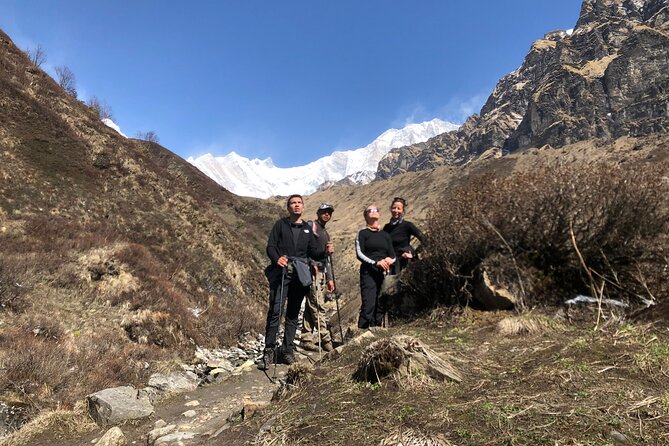
A route of high passes and warm villages. The Annapurna Circuit is one of those treks where the scenery never feels repetitive, and the itinerary keeps you moving from low, gentler paths to big-altitude challenges in a sensible way. You’ll get full-board food and tea house lodging, plus a guide who is paid, insured, and equipped for the job. The one thing to watch is the altitude, especially around Thorong-La Pass, where you’ll feel the thinner air even if you’re hiking at a steady pace.
What I really like is how the trip is structured around realistic days, with a clear ramp-up toward the pass and built-in breathing room at Manang village. I also appreciate the practical setup, including hotel pickup and the fact that permits are handled for you. If you’re hoping for hot shower, Wi-Fi, and unlimited water temperature choices, plan to pay for those extras yourself.
There’s also a human side. The support described in the experiences I read reads like a real team approach, not a faceless operation. One standout was porter Rishi, described as helpful, friendly, and focused on safety. Still, keep your expectations grounded: this is a trekking package, not a luxury resort, so you’ll pack and climb.
In This Review
- Key highlights worth knowing before you go
- The Annapurna Circuit Rhythm: altitude changes, real effort, steady payoff
- Day-by-day: what each stop is really like (and what to watch for)
- Day 1: Kathmandu area transfer, Bulbule, then Nagdi
- Day 2: Nagdi to Jagat (1,300 m), the first real climbing feeling
- Day 3: Jagat to Dharapani (1,860 m), more village-to-trail time
- Day 4: Dharapani to Chame (2,670 m), higher air and cooler nights
- Day 5: Chame to Pisang (3,230 m), views start to feel constant
- Day 6: Pisang to Manang Village (3,450 m), build toward acclimatization
- Day 7: Rest day in Manang Village, your best tool against altitude problems
- Day 8: Manang to Yak Kharka (4,110 m), the altitude line starts to show
- Day 9: Yak Kharka to Thorong High Camp (4,600 m), the night before the pass
- Day 10: Cross Thorong-La Pass (5,416 m) to Muktinath (3,800 m), long but worth it
- Day 11: Muktinath to Marpha via Jomsom (2,715 m), about 6 hours
- Day 12: Marpha to Lete (2,480 m), steadier elevation and a calmer day
- Day 13: Lete to Tatopani hot springs (1,190 m), sore legs welcome relief
- Day 14: Tatopani to Ghorepani (2,880 m), building toward the finish viewpoint
- Day 15: Poon Hill (3,210 m) then Nayapul (1,100 m) to Pokhara (860 m)
- Transport and tea house comfort: why the package setup matters
- Guide support, permits, and the human trust factor (Rishi comes up)
- Price and what it really includes: value check at $1,290
- What you should pack and plan for (based on what’s not included)
- Who this Annapurna Circuit fits best, and who should reconsider
- Should you book this Annapurna Circuit trek?
- FAQ
- What time does the trek start?
- Where does the trek begin, and is pickup included?
- How long is the Annapurna Circuit Trek?
- How much does the tour cost?
- Is food included during the trek?
- What kind of accommodation do you use on the trail?
- Are trekking permits included?
- What is not included in the price?
- Is the porter included?
- Can I get a refund or change dates if I cancel?
Key highlights worth knowing before you go
- Tea house trekking with full meals means less planning, more hiking time
- Permits included takes one big Nepal paperwork headache off your plate
- Altitude ramp-up with a Manang rest day gives you a real chance to adjust
- Thorong-La Pass day is long, but the plan includes a major descent afterward
- Poon Hill finish into Nayapul and Pokhara helps you end with a smooth transition
- Porter support can matter, and Rishi is an example of the kind of care people talk about
The Annapurna Circuit Rhythm: altitude changes, real effort, steady payoff
The Annapurna Circuit is famous because it does something rare on a trek: it changes climate and terrain as you walk. In practice, that means you start lower and warmer, then you gradually shift into colder alpine air with views that feel bigger every day. If you like variety, you’ll get it here, from paddy field country to higher settlements and pass country.
You should also understand the rhythm of this kind of trek. Some days are about distance, others are about altitude exposure. The itinerary you’re looking at uses both ideas: shorter hiking windows at the start, then longer, higher-effort days as the pass approaches. That pattern makes the trek more manageable and less stressful, even when your legs are burning a bit.
The main consideration is altitude, not distance. When you climb above roughly 4,000 m, your body starts demanding different pacing. Even with a good plan, you’ll want to hike slower than you think you should. It’s not about being tough, it’s about being smart.
More Treks in Kathmandu
- Everest Base Camp Trek – 14 Days
★ 5.0 · 1,499 reviews - Everest Base Camp Trek
★ 5.0 · 842 reviews - Everest Base Camp Trekking
★ 5.0 · 485 reviews
Day-by-day: what each stop is really like (and what to watch for)
Day 1: Kathmandu area transfer, Bulbule, then Nagdi
You begin early, with pickup offered and a 6:15 am start. The first day mixes road time with a short hike, then lands you in Nagdi for the night. That structure is useful because it gets you into the trek without immediately battering your body.
You’ll drive to Bulbule at 840 m, then trek up to Nagdi at 930 m, about 1 hour on foot after the drive. This is the day to treat as your warm start. Keep the pace easy. Eat well, hydrate, and get used to trekking shoes on real dirt paths.
Day 2: Nagdi to Jagat (1,300 m), the first real climbing feeling
Day 2 climbs to Jagat at 1,300 m in about 4 to 5 hours. This is where you’ll feel the trek shift from “getting started” into “actually hiking.”
Jagat sits higher than your first night, so even though it’s still relatively mild, your lungs may feel different than at lower elevation. I recommend you do two things early: walk slower than your normal speed and take short breaks before you feel desperate. You’ll save energy for later days.
More Annapurna Circuit departures:
- Annapurna Circuit Trek with Tilicho Lake
★ 5.0 · 368 reviews - Annapurna Circuit Trek
★ 5.0 · 94 reviews - Annapurna Circuit Trek
★ 5.0 · 67 reviews - Annapurna Circuit Trek
★ 5.0 · 49 reviews
Day 3: Jagat to Dharapani (1,860 m), more village-to-trail time
At Dharapani (1,860 m), you’ll hike about 4 to 5 hours. This is a good step-up day, and it keeps the pace steady.
Dharapani works well as a transition point because it feels like you’re gradually stepping into the broader trekking corridor. The practical drawback is that as altitude rises, your appetite and your sleep can change. If you notice less hunger or lighter sleep, don’t panic. It’s normal for the mountains. Just keep eating what you can and keep moving.
Day 4: Dharapani to Chame (2,670 m), higher air and cooler nights
Chame at 2,670 m is a big leap from 1,860 m. Expect about 5 hours. This is also where you should start thinking about layers more seriously.
Higher up, mornings and evenings can feel much colder, and tea houses vary in warmth. Bring and wear your warm layer consistently, not only when you’re already freezing. You’ll rest better, and good rest is part of altitude management.
Day 5: Chame to Pisang (3,230 m), views start to feel constant
You’ll reach Pisang at 3,230 m in about 5 hours. The hiking here begins to feel more dramatic because you’re closer to the big vertical world.
This day is worth paying attention to because the landscape starts demanding your focus. Your legs will still do the work, but your mind will notice the altitude and the exposure. Take shorter breaks, sip water, and let your breathing settle.
Day 6: Pisang to Manang Village (3,450 m), build toward acclimatization
Manang Village at 3,450 m takes about 5 hours. This is a key stop. Manang is where the itinerary deliberately shifts from climbing days into recovery.
You’ll likely feel tired from the cumulative altitude. That’s normal. The win is that you’re not just climbing blindly. You’re heading toward a true acclimatization day.
Day 7: Rest day in Manang Village, your best tool against altitude problems
Day 7 is a rest day at Manang village. This is one of the biggest reasons to choose a well-planned package. You don’t get an extra day like this every trek.
Even without details on specific activities included, the concept is clear: you give your body time to adjust before you go higher. Use the day to walk gently, eat well, and hydrate. If you want an easier trek later, this is where you earn it.
Day 8: Manang to Yak Kharka (4,110 m), the altitude line starts to show
Yak Kharka (4,110 m) is about 4 hours. You’ll feel the climb more here, because you’re entering the higher zone where altitude affects everything from energy to sleep.
This is not the day to prove fitness. It’s a day to practice good pacing. If you feel lightheaded, slow down even more. Your goal is steady movement, not speed.
Day 9: Yak Kharka to Thorong High Camp (4,600 m), the night before the pass
About 4 hours to Thorong High Camp (4,600 m). This day sets you up for the pass crossing.
High Camp means the air is thinner and conditions can feel colder. Tea houses at this altitude can still be basic, so pack warm layers and keep your supplies organized. If you’re the type who hates preparation, this is where you’ll thank yourself for being organized.
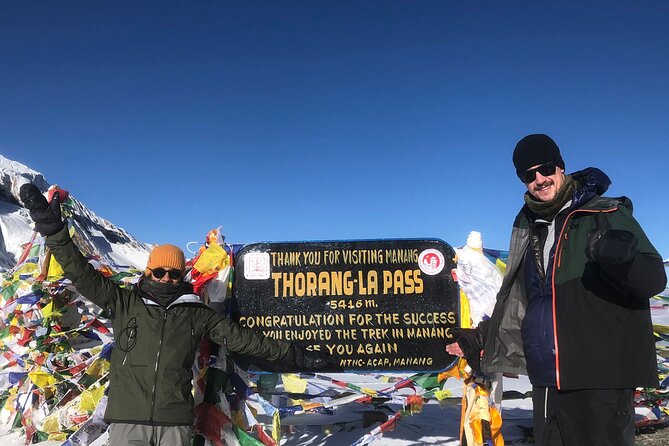
Day 10: Cross Thorong-La Pass (5,416 m) to Muktinath (3,800 m), long but worth it
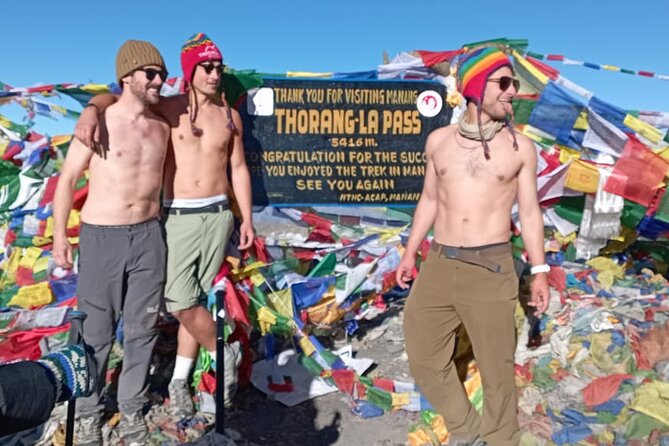
This is the centerpiece day. You’ll cross Thorong-La Pass at 5,416 m and descend to Muktinath at 3,800 m, about 7 hours. Yes, it’s long. Yes, you should expect effort.
The way this day works psychologically matters. The higher you get, the more your body forces a slow rhythm. The smartest strategy is to focus on the next few minutes, not the whole mountain.
Once you pass the high point, the descent is a relief for altitude. But don’t get lazy. Descent stresses knees, so keep your footing controlled. Muktinath gives you a change of pace afterward, dropping you back closer to livable air.
Day 11: Muktinath to Marpha via Jomsom (2,715 m), about 6 hours
You’ll trek to Marpha at 2,670 m, passing through Jomsom at 2,715 m, around 6 hours. This shifts the region feel again, and your hike starts to look different than the central ridge days.
Jomsom is a well-known waypoint on this route, and it often signals that you’re moving into a different trekking mood: still mountain travel, but with different village rhythms. Expect wind and cooler moments depending on the day.
Day 12: Marpha to Lete (2,480 m), steadier elevation and a calmer day
Lete at 2,480 m in about 6 hours gives you a bit more breathing room on altitude. It’s a good day to reset.
This is also where your legs start negotiating. You’ll want to keep breaks shorter and more frequent than earlier in the trek. That way you protect your pacing and your knee comfort.
Day 13: Lete to Tatopani hot springs (1,190 m), sore legs welcome relief
Tatopani at 1,190 m, about 6 hours. The headline is the hot springs. After days of higher elevation, the descent helps your body, and the hot springs help your muscles.
I’d treat this as a functional recovery day, not a spa fantasy. You’ll still feel trek fatigue, but warm water can take the edge off. Also keep in mind that hot water is not one of the included perks, so plan to use local arrangements wisely.
Day 14: Tatopani to Ghorepani (2,880 m), building toward the finish viewpoint
Ghorepani at 2,880 m in about 6 hours. This day is about climbing again, which is mentally tricky after a hot-springs boost.
Ghorepani is a stepping stone for the next morning’s big viewpoint. Keep your energy for sunrise. Don’t use the whole day for late rests. Your reward is coming.
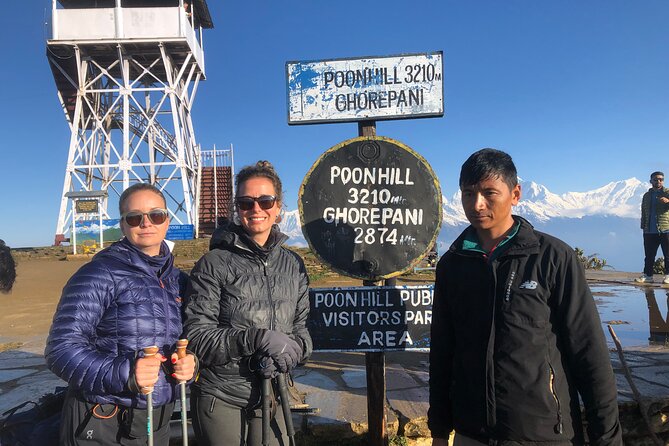
Day 15: Poon Hill (3,210 m) then Nayapul (1,100 m) to Pokhara (860 m)
You’ll go to Poon Hill at 3,210 m and then trek down to Nayapul at 1,100 m, followed by a drive to Pokhara at 860 m. Total time can be about 6 to 7 hours.
Poon Hill is a classic ending because it turns the trek into a final moment, not just a grind to the road. Expect an early start energy even after being tired. Then you get the payoff, and after that you shift gears into Pokhara, where your body can finally relax.
Transport and tea house comfort: why the package setup matters
This tour includes all needed transport by bus, plus hotel pickup and drop by taxi. That’s a big value in Nepal, where road transfers can be long and planning can get messy.
During the trek, you’ll stay in tea houses. These are not fancy hotels, but they are real mountain lodging with meals. Since your breakfasts, lunches, and dinners are included, you’re not spending your time negotiating menus and spending your energy on cash and questions.
Now, tea houses vary. Some have better heat or more comfortable rooms than others. What you can control is your packing. Bring a good sleeping layer and plan for colder nights above Manang and especially near high camp.
Guide support, permits, and the human trust factor (Rishi comes up)
One of the most praised parts of this trekking setup is the guidance and support. Your guide is described as excellent, with responsibilities including food support, salary, insurance, and equipment. That matters because it reduces the risk of a trek feeling chaotic.
In one experience shared, the porter was Rishi, and the tone was clear: helpful, friendly, and serious about safety. I take those details seriously, because a porter is not only about carrying. Good porters help you stay calm, keep your gear organized, and avoid wasteful effort.
Also worth noting: trekking permits are included. That takes pressure off your first days. It’s not glamorous, but it’s important. When permits are sorted, you can focus on the trail.
Price and what it really includes: value check at $1,290
At $1,290 per person for about 15 days, the big question is what you’re buying beyond walking. Here, you’re buying three key things: logistics, food, and the planning burden.
Included:
- Transport by bus, plus taxi pickup/drop
- All meals during the trek (breakfast, lunch, dinner)
- Tea house accommodation
- Guide support with paid and insured staffing, plus equipment coverage
- Mountain trekking permits
Not included:
Tea and coffee, beer, cola, mineral water, hot water, Wi-Fi, battery charges, hot shower, and similar comforts. Also not included are your trekking equipment, travel insurance, and porter.
To judge value, I’d compare what you’d spend if you tried to do this more independently: meals alone add up fast in the mountains, and permits plus on-the-ground guidance can be a headache. This package handles the essentials, so you can budget for your personal extras without guessing.
If you want a porter, remember it’s not listed as included. If you like the sound of having extra load support, ask early and budget for it. A porter like Rishi, based on one experience shared, can make the trek feel safer and less stressful.
What you should pack and plan for (based on what’s not included)
Since water, hot water, Wi-Fi, battery charging, and hot showers are not included, you’ll want a simple personal system.
- Bring water purification or tablets if you use them, and budget for mineral water if that’s your preference.
- Plan on paying for charging and any extra comforts.
- Dress in layers. At the high points and near high camp, warmth is not optional.
- Pack your trekking equipment yourself. The package includes guidance and planning, not your boots, poles, or warm gear.
Also consider sleep and altitude. Even with tea house stays, you should assume chilly nights. Pack a warm top you’ll actually wear, not one you only bring for emergencies.
Who this Annapurna Circuit fits best, and who should reconsider
This trek suits you if you want a classic, well-paced high mountain adventure and you value structure. You need moderate physical fitness, but you don’t need to be an athlete. The itinerary is designed to step you up gradually, with a rest day at Manang village that many people will find crucial.
It may be less suitable if you hate long days or you’re not willing to slow down for altitude. The Thorong-La Pass day is demanding, and the trek includes colder sections at higher elevation.
If you’re traveling for dramatic mountain moments plus real cultural village stops along the way, you’ll likely love it. If you’re looking for constant comfort or guaranteed luxuries like hot showers on demand, look at a different style of trip.
Should you book this Annapurna Circuit trek?
I think you should book if you want the essentials handled well: tea house lodging, full meals, permits, and a serious guide team, plus the comfort of pickup and transfers. The extra emphasis on trust and safety in the support story, including porter Rishi, is exactly what you want when the air gets thin.
Hold off if you’re not comfortable managing your own trekking equipment, or if you’re relying on Wi-Fi, hot showers, or unlimited hot water. This is a trekking experience, so you’ll get the best value by packing smart and budgeting for the small comforts that are optional.
If you’re ready for the mountains and you want a practical, structured way to do the Annapurna Circuit, this package is a solid choice.
FAQ
What time does the trek start?
The start time is 6:15 am.
Where does the trek begin, and is pickup included?
Pickup is offered, and hotel pickup and drop are included by taxi. The trip is centered around Kathmandu, Nepal.
How long is the Annapurna Circuit Trek?
It’s listed as 15 days (about two weeks).
How much does the tour cost?
The price is $1,290.00 per person.
Is food included during the trek?
Yes. Breakfast, lunch, and dinner during the trek are included.
What kind of accommodation do you use on the trail?
You stay in mountain accommodation, specifically tea houses.
Are trekking permits included?
Yes. All needed mountain trekking permits are included.
What is not included in the price?
Not included items include tea, coffee, beer, cola, mineral water, hot water, Wi-Fi, battery charges, hot shower, trekking equipment, travel insurance, and porter.
Is the porter included?
No. Porter is listed as not included.
Can I get a refund or change dates if I cancel?
This experience is non-refundable and cannot be changed for any reason.
Latest additions near Kathmandu
- White Water River Rafting – 1 Day★ 4.3 · 3 reviews
- Traditional Momo Making Class★ 5.0 · 10 reviews
- Kathmandu to Pokhara Premium sofa bus ticket★ 4.0 · 17 reviews
- Ghorepani Poon Hill Trek★ 5.0 · 16 reviews
- Amazing 1 Day Trekking Experience in Kathmandu Nepal★ 5.0 · 24 reviews
- Ghorepani Poonhill Trek★ 5.0 · 5 reviews
- Walking tour of real Kathmandu through back streets.★ 5.0 · 3 reviews
- Wildlife Adventure in Chitwan Nepal★ 4.0 · 4 reviews
Annapurna Circuit Treks, compared.
Browse the lists this tour appears in