
Reviewed · ANNAPURNA CIRCUIT TREKS
Annapurna Circuit Trek 12 days
This trek is a slow-motion mountain education. Over about 12 days in Nepal’s Annapurna Conservation Area, you move from subtropical valleys into high, alpine country, with scenery that changes fast and feels deeply real. Two things I love: you get tea house trekking that keeps you fully in the rhythm of the trail, and you travel with a licensed, experienced guide who can handle pace, culture, and issues calmly, like Bimal and Nabin, mentioned in recent feedback. One consideration: this is not a walk in the park, so you should expect altitude strain and plan for a moderate fitness level.
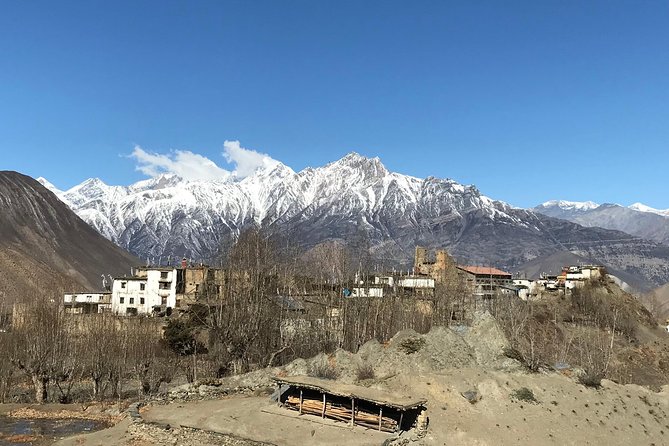
What makes it extra interesting is how much the trek packs into one circuit. You’re not just seeing peaks, you’re seeing how climate, altitude, and topography change daily life, forests, and even the sounds you hear. The route also highlights major landmarks like Tilicho Lake (4919m) and the Kaligandaki Gorge, plus cultural moments around Muktinath, which many people experience as part pilgrimage and part hike.
In This Review
- Key Points to Know Before You Go
- Annapurna Conservation Area: Why the scenery changes so much
- The 12-day flow: what your trekking days actually revolve around
- Starting with the big-country approach from Kathmandu and beyond
- Lower valleys to forest belts: where your senses start working
- Toward higher country: conifers, wind, and more stillness
- The Kaligandaki Gorge: a natural boundary with dramatic scale
- Muktinath: the pilgrimage side of the trek
- Tilicho Lake at 4919m: the high-water mark
- Return toward the lower valleys: what feels different afterward
- Tea houses, comfort level, and what the trek actually includes
- The guide makes or breaks your Annapurna Circuit
- Wildlife and ecosystems: what you might see, and why it matters
- Price and value: is $769.24 fair for what you get?
- What to pack and how to stay steady at altitude
- Who should book this Annapurna Circuit Trek, and who might not
- Should you book this tour?
- FAQ
- How long is the Annapurna Circuit Trek?
- What is included in the trek price?
- Are meals included during the trek?
- Is porter service included?
- What permits and paperwork are handled?
- What are the main trek highlights?
- What is the group size?
- What if weather is poor?
Key Points to Know Before You Go
- A conservation-area trek, not just a view trek, spanning big altitude changes over varied ecosystems
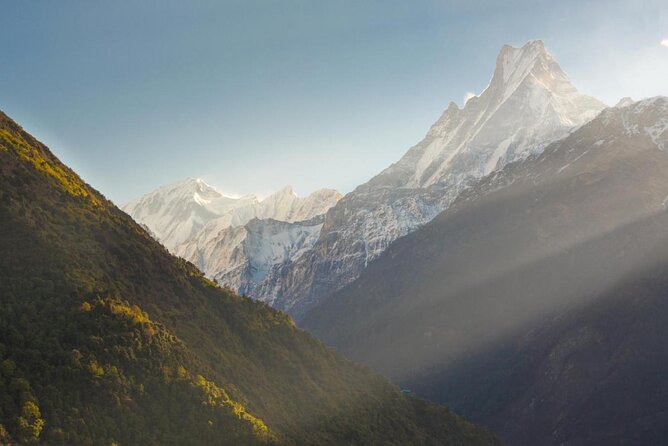
- Tilicho Lake at 4919m is the headline high point you can plan your energy around
- Kaligandaki Gorge is world-famous for its depth and for what it visually frames
- Licensed guide support with real pacing and cultural knowledge, including names like Bimal and Nabin
- Tea house lodging included, but meals and extras cost extra on the trail
- Group size capped at 20, which often makes the experience feel more manageable
Annapurna Conservation Area: Why the scenery changes so much
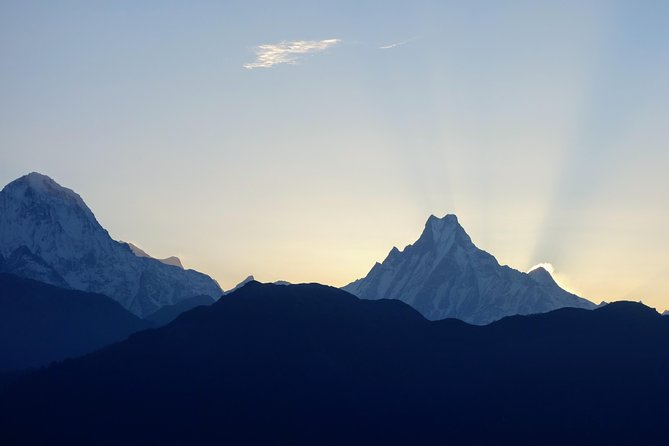
The Annapurna Conservation Area covers a huge slice of Nepal, from low valleys under 1000m up to high country near the peaks of the region. What I find so rewarding is that you get multiple “worlds” on one trek. In a matter of days, you can go from lush, agricultural valleys to forests that feel completely different, and then toward harsher, thinner-air terrain where everything from light to wind feels sharper.
The trek’s forest story is one of its best teaching tools. Lower trails often weave through landscapes cleared for farming, with occasional pockets of broadleaf forest that look cooler and shadier. Higher up, the rhododendron forests can become a spring showpiece, with pink to red to white blooms depending on altitude. And when you move into drier conifer zones, the environment can go strangely quiet, with only wind whistling through the canopy.
You’ll also notice the soundscape shift as you climb away from the river roar. Birds become clearer, you might hear the yelp of barking deer, and the whole place feels less like a “tour” and more like you’re walking through a living system that’s slowly changing around you.
More Treks in Kathmandu
- Everest Base Camp Trek – 14 Days
★ 5.0 · 1,499 reviews - Everest Base Camp Trek
★ 5.0 · 842 reviews - Everest Base Camp Trekking
★ 5.0 · 485 reviews
The 12-day flow: what your trekking days actually revolve around
Even without a published, day-by-day schedule in front of you, the Annapurna Circuit has a clear rhythm. You’ll spend the bulk of your time walking between ecological zones, using the trek’s highlights as anchor points for your effort. Your 12 days are really about three things: altitude management, scenery payoff, and getting grounded in local culture.
Starting with the big-country approach from Kathmandu and beyond
You begin in Kathmandu, and the tour includes ground transportation as per the itinerary, plus pickup offered. There’s also mention of being near public transportation, which can matter if you’re arriving on your own the day before. Practically, this setup helps you reduce stress when you first land, because you are not trying to figure everything out while jet-lagged.
A strong planning tip: treat your first days like setup time for your body, not just logistics. Your guide will be the one who keeps you realistic about pace and safety, and feedback from recent trekkers highlights that this matters. The guide team, including people named Bimal and Nabin in reviews, is described as professional, friendly, and able to gauge abilities.
Lower valleys to forest belts: where your senses start working
Early on, you’ll likely feel the walk is easier than you expect, but don’t let that fool you. These lower sections are where the Annapurna Circuit teaches you how landscapes are layered. You move through areas where agriculture has cleared land, then pass into remaining shady broadleaf forests. It’s a good time to settle your gear routine: how often you stop, how you manage water, and how you eat while walking.
Then comes rhododendron country. If you hit spring season, you may see pinkish limbs and flowering tones that vary by elevation. Even when flowers aren’t the main show, this forest belt is visually dramatic because of the plants living on plants, like epiphytic ferns and orchids.
More Annapurna Circuit departures:
- Annapurna Circuit Trek with Tilicho Lake
★ 5.0 · 368 reviews - Annapurna Circuit Trek
★ 5.0 · 94 reviews - Annapurna Circuit Trek
★ 5.0 · 67 reviews - Annapurna Circuit Trek
★ 5.0 · 49 reviews
Toward higher country: conifers, wind, and more stillness
As you climb higher, the landscape can become more open and dry, with conifers like blue pine mentioned in the trek description. This zone is often less crowded and more quiet. For many hikers, that’s when the trek starts to feel “serious,” not because it’s harder in every step, but because the air and weather are less forgiving.
In practical terms, this is where you’ll want to pay attention to your clothing system. If you’re sweating early, you should have layers you can adjust quickly. When wind picks up, stopping becomes colder fast.
The Kaligandaki Gorge: a natural boundary with dramatic scale
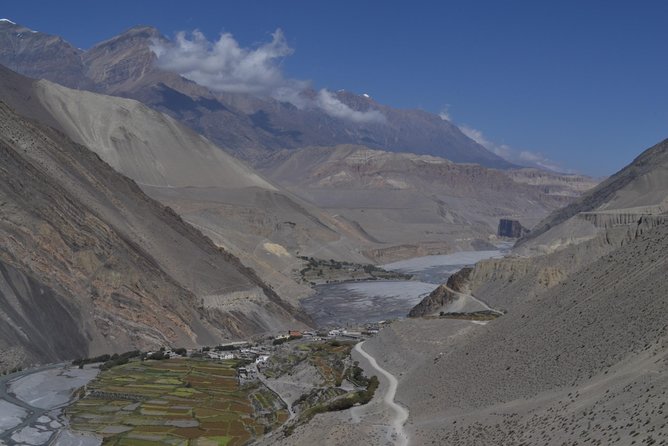
One of the trek’s world-scale moments is the Kaligandaki Gorge, described as the world’s deepest canyon. It visually separates Annapurna I on the east and Dhaulagiri on the west. This matters because it turns geography into something you can read with your eyes.
If you’re used to mountains that just look tall, the gorge gives you a different feeling: depth. It also helps you understand why the region’s life sits where it does. When land is cut so sharply, climate and travel routes follow the contours.
The only caution I’ll give here is not about safety, but about expectations. Gorge views are powerful, but they don’t always look their best at every hour. Plan to slow down for photos, but also don’t forget to keep moving. A good guide will help you balance viewpoint time with energy.
Muktinath: the pilgrimage side of the trek
The Annapna Circuit is often treated as a hike, but the trail also has a spiritual edge. Recent feedback called part of their trek a pilgrimage trip, and specifically mentioned starting from Pokhara, Jomsom, and Muktinath. That’s useful context for you because it tells you the experience isn’t purely outdoors. You’ll likely encounter sites and local rhythms that feel less like tourism and more like tradition and devotion.
If you enjoy cultural stops but prefer them to feel integrated, you’re in the right place. For me, these moments are what turn a circuit into a story you’ll remember, not just a list of peaks.
Tilicho Lake at 4919m: the high-water mark
Then there’s Tilicho Lake, highlighted as a major feature at 4919m. This is one of those places that affects your whole mindset because you’re not just walking to admire a view, you’re walking toward an altitude number. That changes how you eat, how you breathe, and how you judge your own effort.
You should treat it like a focused goal. Bring your energy for the approach, and follow your guide’s pace. If your body is asking you to slow down, that’s information, not weakness. The best version of Tilicho is the one where you arrive feeling stable enough to enjoy it, not wiped out.
Return toward the lower valleys: what feels different afterward
On the way back, you’ll likely feel a shift in air, light, and walking comfort. The trek’s start and end areas can feel like different planets compared to the high stretches, and that contrast is part of the value of doing the full circuit. You’ll also have time to recover your appetite and loosen up your routine, because tea houses and basic trail comforts feel better when you’re not grinding uphill for hours.
Tea houses, comfort level, and what the trek actually includes
Your lodging during the trekking portion is included, with tea house accommodation. That’s a big deal for value, because it removes one of the hardest parts of independent trekking: finding sleeping options day to day.
But tea house does not mean luxury. Expect simple rooms and basic comforts. If you’re dreaming of hot showers or Wi-Fi, this tour description is clear that those are not included. Personal expenses like water and bar bills, plus snacks, are also on your list of extras.
Here’s how I think about it so you can budget without stress:
- Plan your daily food costs separately, since meals in city and on trek are not included.
- Keep money aside for small upgrades that might make you feel human again, like extra drinks or convenience snacks.
- If you want a porter, plan for the extra cost, since porter service is available but not included.
The payoff is that you can travel lighter than you might on self-supported trekking, especially when your guide is managing the flow of transportation and paperwork.
The guide makes or breaks your Annapurna Circuit
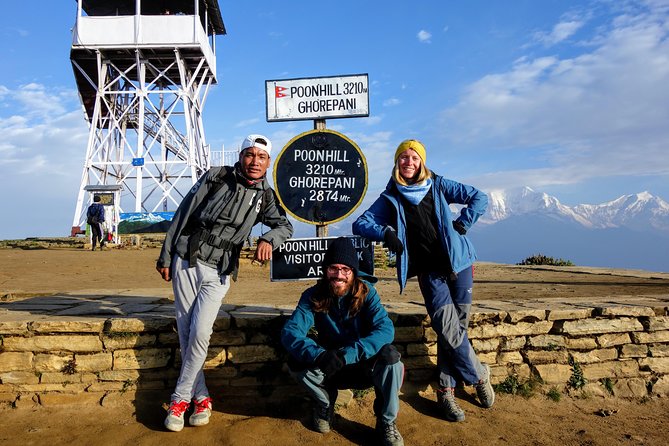
This trek includes a highly experienced trekking guide with a government license and covers the guide’s expenses. That isn’t just a credential. On a trek where altitude is a real variable, good guidance shows up in small, practical choices.
In recent feedback, a guide named Bimal is described as making trekkers feel like at home and helping with any issue, while Nabin is described as experienced and professional, with strong knowledge of regional culture. Another note highlighted that abilities were assessed and trekkers felt safe at all times, and that the guide coaxed them along in a way that matched their capability.
For you, that means:
- Your pace should feel calibrated, not generic.
- You should get better explanations of what you’re walking through, instead of just follow the person in front.
- When the trail or weather pushes back, you’re more likely to respond with the right plan, not panic.
Also, the tour includes “necessary paperwork” including ACAP permits and TIMS. That’s important because it keeps you from losing time at the start while trying to figure out permissions on your own. It also signals the company is handling compliance, not leaving you to guess.
Wildlife and ecosystems: what you might see, and why it matters
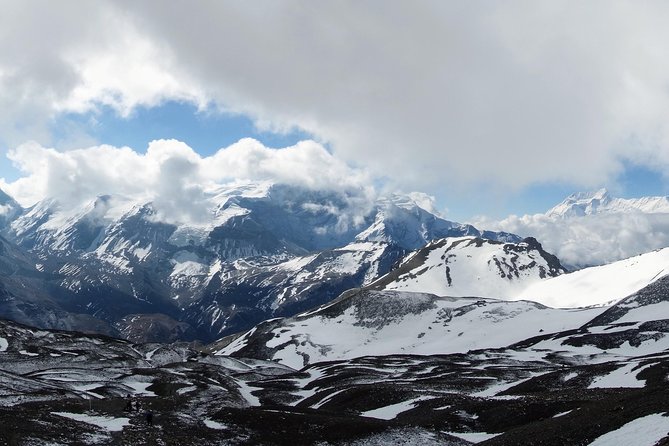
The Annapurna Conservation Area is also a wildlife stronghold. The description lists substantial biodiversity: 101 species of mammals, 474 species of birds, 39 species of reptiles, and 22 species of amphibians. That’s not trivia, it changes your hike because it makes the trek feel alive even when you’re not “seeing animals.”
The trek’s symbolic mammals include snow leopard, musk deer, Tibetan argali, Tibetan wolf, and Tibetan fox. Your odds of spotting the rarer ones are always uncertain, but the value is that the conservation space is large enough to support them. Same for birds, where examples like golden eagle and Demoiselle crane are included.
For practical enjoyment, focus on behavior rather than checklist hunting. Look for movement in forest edges, listen during the quieter conifer stretches, and pay attention when the wind drops. Even if you only get birds, you’ll still feel the region’s wild side in a way that’s hard to fake.
Price and value: is $769.24 fair for what you get?
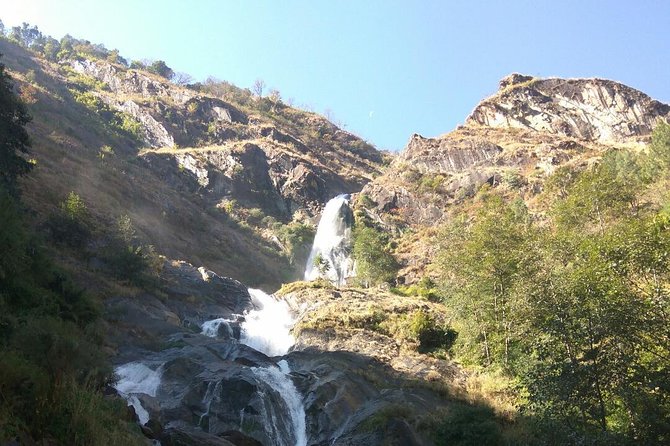
At $769.24 per person for 12 days, the price is best understood as an investment in structure. You’re paying for trekking accommodation, a licensed guide, permits and paperwork, local taxes, and ground transportation as per the itinerary.
What’s not included is equally important. Meals are excluded for both city and trek, plus personal expenses like water and bar bills, Wi-Fi, hot shower, and snacks. Porter service is available but costs extra, and tips are also extra.
So is it good value? I’d say it can be, if you want a guided experience that handles compliance and day-to-day logistics while still keeping you in authentic tea house trekking. If you plan to self-manage everything else, or you want a high-end lodge and private chef style comfort, then your real cost will rise because many “extras” are on you.
One smart way to judge it: compare the included parts you would otherwise pay for yourself, like ACAP and TIMS processing plus a guide. When those are covered, you gain time and peace of mind. And on a circuit where weather and altitude can shift plans, that peace of mind matters.
What to pack and how to stay steady at altitude
The trek assumes you have moderate physical fitness. That doesn’t mean you need to be a mountain athlete, but it does mean you should plan to walk daily and handle uneven paths.
Here are the practical things you should not wing:
- Comfortable day hiking shoes that already fit well
- Layering that works in warm sun and colder wind (forest zones can vary quickly)
- A simple system for water and snacks, since those are personal expenses
- A light pack if you plan to carry your own basics, or plan on the porter cost if you want help
Also, listen to your guide. On a trek with major features like Tilicho Lake at 4919m, your body may need slower steps than your ego wants. The guidance described in recent feedback, including pacing based on abilities and feeling safe at all times, is exactly the kind of support you want when altitude starts affecting how you feel.
Who should book this Annapurna Circuit Trek, and who might not
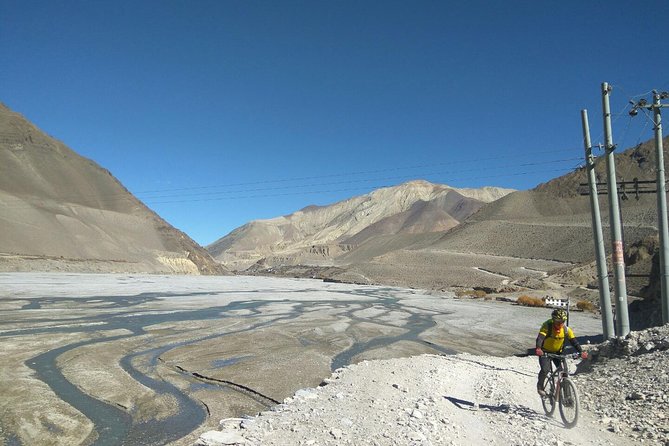
This tour makes sense if you want:
- A guided Annapurna Circuit with tea house lodging included
- A trek that mixes ecosystems, wildlife awareness, and culture
- A smaller group size, since it caps at 20 people
- Support that includes permits and TIMS and ACAP paperwork handled for you
You might think twice if:
- You need meals, hot showers, and Wi-Fi included, because they are not
- You’re sensitive to altitude and want a more customizable pace. A good guide helps, but this trek still follows the realities of mountain elevation.
If you’re a first-time trekker in Nepal, this circuit is often described as one of the most rewarding. The reason is simple: you get so many different “modes” of the region in one trip, from forests to canyon scale to a high lake.
Should you book this tour?
I’d book if you want a structured Annapurna Circuit where the big hard parts are handled for you: tea house lodging, a licensed guide, and the permit paperwork like TIMS and ACAP. At $769.24, the price feels most fair when you’re the kind of traveler who prefers paying for support and using your energy for walking and views.
I would not book only if your budget depends on included meals and creature comforts. This is a trek, not a hotel package. If you go in expecting basic tea house life, plan for meals and extras, and let your guide set a realistic pace, the Annapurna Circuit can deliver an experience that feels more like learning the mountains than just consuming photos.
FAQ
How long is the Annapurna Circuit Trek?
The trek is listed as approximately 12 days.
What is included in the trek price?
Included are tea house accommodations during the trek, a licensed trekking guide with guide expenses, required permits and paperwork (including TIMS and ACAP), government and local taxes, and all ground transportation as per the itinerary.
Are meals included during the trek?
No. Meals in the city and during the trek are not included.
Is porter service included?
A porter is not included in the base price. Porter service is available for an extra cost.
What permits and paperwork are handled?
The trek includes necessary paperwork and required permits, including TIMS and ACAP.
What are the main trek highlights?
Highlights mentioned include Tilicho Lake at 4919m and Kaligandaki Gorge, along with views across major peaks in the Annapurna region.
What is the group size?
The tour has a maximum of 20 travelers.
What if weather is poor?
This experience requires good weather. If canceled due to poor weather, you will be offered a different date or a full refund.
Latest additions near Kathmandu
- White Water River Rafting – 1 Day★ 4.3 · 3 reviews
- Traditional Momo Making Class★ 5.0 · 10 reviews
- Kathmandu to Pokhara Premium sofa bus ticket★ 4.0 · 17 reviews
- Ghorepani Poon Hill Trek★ 5.0 · 16 reviews
- Amazing 1 Day Trekking Experience in Kathmandu Nepal★ 5.0 · 24 reviews
- Ghorepani Poonhill Trek★ 5.0 · 5 reviews
- Walking tour of real Kathmandu through back streets.★ 5.0 · 3 reviews
- Wildlife Adventure in Chitwan Nepal★ 4.0 · 4 reviews
Annapurna Circuit Treks, compared.
Browse the lists this tour appears in