
Reviewed · ANNAPURNA CIRCUIT TREKS
Annapurna Circuit Thorong La Pass
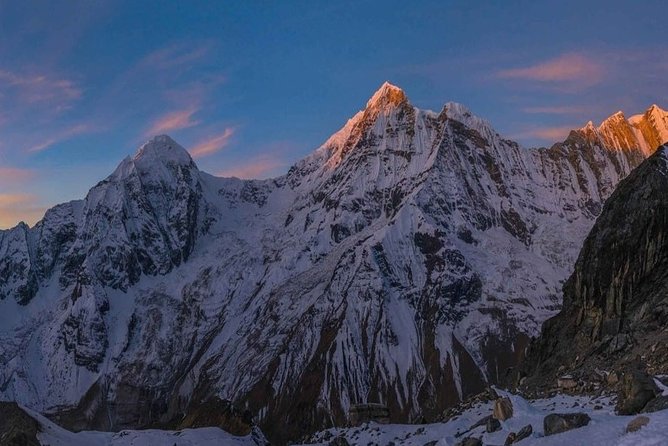
Thorong La is the trek day you remember forever. This Annapurna Circuit route mixes big mountain drama with river valleys, Tibetan-style villages, and a well-paced acclimatization plan before you head up to 5,416 m. It’s one of the most diverse walks in the western Himalaya, and it’s built for travelers who want organization without losing the raw, real trail feel.
I love that this package handles a lot of the heavy lifting: airport transfers, permits, English-speaking guidance, tea-house stays on the trek, and daily meals (plus tea or coffee). I also like the way the itinerary sets you up for success, including a full Manang acclimatization day and a choice to sleep at Thorung Phedi or higher camp before the pass.
One drawback to plan for is altitude and weather. Thorong La is demanding, and the trek depends on having good conditions, so you should go in with solid fitness and a calm attitude about delays or route adjustments.
In This Review
- Key things I’d circle on your map
- Annapurna Circuit Thorong La: why this trek feels different
- Price and logistics: what you’re really paying for
- Your altitude reality check (and how the itinerary helps)
- Day 1 in Kathmandu: prep, rest, and getting your bearings
- Days 2 to 6: Kathmandu to Koto, then up through Upper Pisang and Nawal
- Day 7 in Manang: the acclimatization day that changes the whole trip
- Days 8 and 9: Yak Kharka, then Thorung Phedi or High Camp
- Day 10: the Thorong La Pass day, 5,416 m in real life
- Day 11 to 12: Muktinath to Kagbeni, then Tatopani by bus
- Days 13 and 14: Pokhara return, with a real vacation feel
- Service quality: why the team support is part of the value
- What I think about the included meals, tea houses, and daily rhythm
- Who should do this trek, and who should think twice
- Should you book this Annapurna Circuit Thorong La Pass trek?
- FAQ
- What altitude does Thorong La reach on this trek?
- What time does the tour start and where do we meet?
- Is pickup included?
- Are meals included on the trek?
- What kind of accommodation do we use on the trek?
- What happens if the trek can’t go forward due to weather?
Key things I’d circle on your map
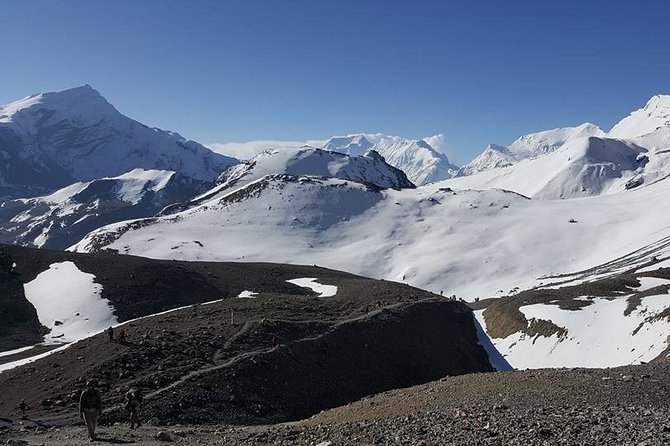
- Thorong La at 5,416 m, with a long climb and a rewarding downhill toward Muktinath
- Manang acclimatization day, including time to hike for better breathing and a better view
- Tea-house trekking comfort, with standard meals and three daily cups of tea or coffee included
- Private group logistics, plus pickup offered so your first day starts smoothly
- Porter support (1 porter between 2 people) to help you carry smart, not heavy
Annapurna Circuit Thorong La: why this trek feels different
The Annapurna Circuit is famous for variety, and this specific route leans into it. You start in Kathmandu, drop into warmer valleys on roads and bus days, then gradually climb into alpine villages where the air gets thin and the scenery changes fast.
What makes Thorong La such a standout moment is that it’s not just a high point on a track. It’s the payoff for the build-up you do beforehand. You’ll earn the views with a sequence of altitude steps, including a longer acclimatization day in Manang. That extra breathing room can make the difference between feeling anxious and feeling steady as you approach the pass.
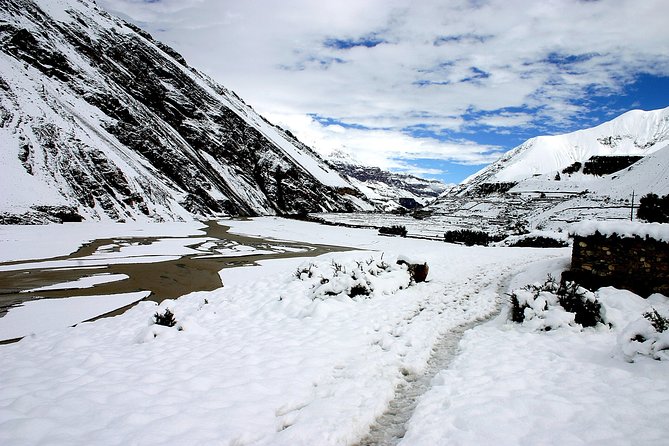
Also, this trek doesn’t only live in the clouds. After the summit day, you’ll move downhill through very different terrain and into places like Kagbeni and Muktinath that feel culturally distinct from the earlier parts of the walk.
More Annapurna Circuit departures:
- Annapurna Circuit Trek with Tilicho Lake
★ 5.0 · 368 reviews - Annapurna Circuit Trek
★ 5.0 · 94 reviews - Annapurna Circuit Trek
★ 5.0 · 67 reviews
Price and logistics: what you’re really paying for
At $1,750 per person for about 15 days, you’re paying for more than just someone guiding your feet. You’re buying reduced stress and fewer unknowns on a route where timing, paperwork, and altitude planning matter.
Here’s what’s meaningful value in the price:
- Permits and TIMS card included (Trekkers Information Management System and Annapurna conservation entry) so you’re not scrambling for paperwork mid-trip
- Meals during the trek: breakfast, lunch, and dinner are included in the trekking window, plus three cups of tea or coffee per day
- Tea-house accommodation on the trail, which is the standard way to do this trek while staying in local lodges
- English-speaking guide and a medical kit for basic readiness in the mountains
- Porter service with a helpful ratio (1 porter between 2 people, basic support), so you can keep your daypack realistic
- Transfers and ground transport between major points, including Kathmandu to the trek route and back again
What’s not included is just as important for budgeting:
- Meals in Kathmandu and Pokhara beyond what’s stated (you’ll need to plan for lunch and dinner there)
- Travel medical insurance and emergency evacuation costs
- Nepal entry visa fee and international airfare
- Tips for guide and porter, plus personal expenses like drinks, hot showers, battery charging, and bottled water
If you want a trek where the schedule is already handled and the team is structured, this price can make sense. If you’re the kind of traveler who enjoys self-planning, DIY permits, and lots of independent decision-making, a guided package might feel expensive.
Your altitude reality check (and how the itinerary helps)
This trek reaches Thorong La Pass at 5,416 m, and the route climbs in stages: Koto and Upper Pisang into the 3,000 to 4,000 m range, then up toward Yak Kharka around 4,200 m, and finally higher camp options before the pass.
Here’s the key practical thing: the itinerary doesn’t just throw you upward. You get:
- A gradual climb through multiple villages and ridges
- A proper acclimatization day in Manang
- A staging day before Thorong La, where you can choose to sleep lower (Thorung Phedi) or higher (High Camp at about 4,880 m), based on stamina
Your job is to treat every climb gently. Move at a pace where you can keep going without rushing. Drink regularly. Eat even when you don’t feel like it. If you’ve never trekked at altitude before, take acclimatization seriously, because the pass day will punish poor pacing.
Also note that the trek is listed for moderate physical fitness, but the pass day itself is long. You should assume you’ll be walking for much of the day and doing a serious climb.
Day 1 in Kathmandu: prep, rest, and getting your bearings
You’ll arrive in Kathmandu and transfer to your hotel for trekking preparation. This first day is about adjusting to time, getting your sleep, and getting organized so you don’t start the mountains frazzled.
In real-world terms, day one matters more than people think. Nepal treks work best when you have your layers ready, your basic gear sorted, and your daypack packed the way you like. This tour includes a duffel bag and a T-shirt from the company, plus staff support to help you get set before you head out.
Spend day one keeping it calm. You’ll want an easy evening, early rest, and a clear head for the next morning’s start.
Another way to spend the time in Nepal:
- Everest Base Camp Trek – 14 Days
★ 5.0 · 1,499 reviews - Everest Base Camp Trek
★ 5.0 · 842 reviews - Private Kathmandu Sightseeing Tour | UNESCO World Heritage sites
★ 5.0 · 756 reviews - Kathmandu: 7 UNESCO Sites with Lunch
★ 4.8 · 744 reviews
Days 2 to 6: Kathmandu to Koto, then up through Upper Pisang and Nawal
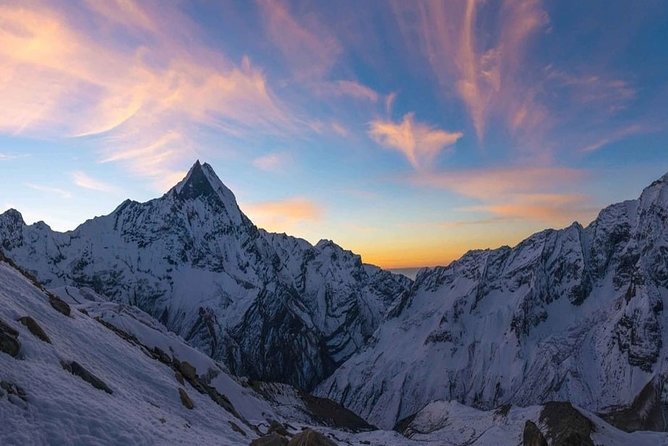
From Kathmandu, you’ll take bus service to Besisahar, then drive to Koto. Expect long travel hours and a sense of transition, because these road days move you quickly in elevation compared to walking.
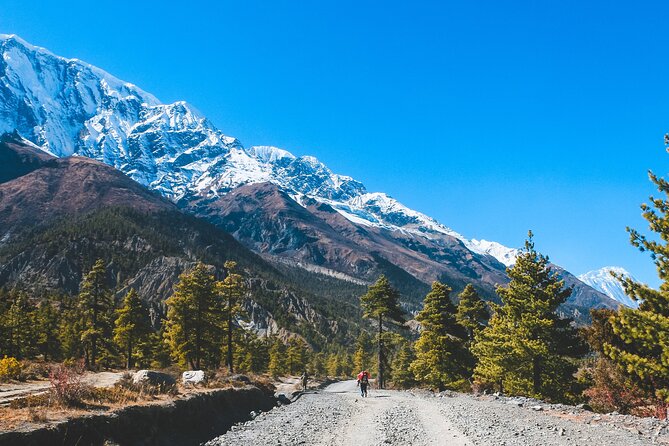
Then the trek begins in earnest. You’ll walk Koto to Upper Pisang, then continue to Nawal, and eventually reach Manang. These days are not just about stacking kilometers. They’re about teaching your body what altitude feels like while you still have plenty of energy to enjoy the scenery.
What you can expect along this section:
- High effort but manageable chunks (about 3 to 6 hours per day on most days listed here)
- A steady move upward through different valley views and village styles
- The feeling of the terrain becoming more alpine, and your breathing getting more noticeable
Possible drawback here: it’s easy to go too fast early because the trail is interesting. Don’t turn it into a race. You want your legs fresh for Manang and the big staging days ahead.
Day 7 in Manang: the acclimatization day that changes the whole trip
Manang is where you get your breathing room. This is a planned acclimatization day, and you’ll hike for a few hours to visit a lake and the Himalaya mountain range.
This day is valuable for two reasons:
- It gives you time at altitude to adjust before you push higher
- It helps you learn your rhythm, so the pass day feels more familiar
Even if you feel good, treat this as a climb with a purpose, not a full-on training hike. You want “enough effort to help,” not “so much effort you’re wrecked for tomorrow.”
If you want one lesson for Thorong La, it’s this: acclimatization days are not filler. They are part of the success plan.
Days 8 and 9: Yak Kharka, then Thorung Phedi or High Camp
Day 8 heads to Yak Kharka around 4,200 m, about a four-hour trek. This is where the trail becomes more serious, and your focus should shift from sightseeing to steady movement and smart hydration.
Day 9 is another key decision point. You’ll trek from Yak Kharka up toward Thorong Phedi around 4,450 m, or higher to High Camp around 4,880 m. The plan notes that it depends on stamina, and it also affects how you feel going into the early pass hours.
Practically, sleeping higher can feel like it prepares you better, but it can also feel harder if you’re not acclimated yet. Sleeping lower may feel easier at bedtime, but you’ll still need good pacing on the climb.
This is where a good guide matters. You want someone who can read your body and steer you toward the option that matches your situation. In reviews of this operator’s service, guides like Saroj and leaders such as Bimal are repeatedly praised for making travelers feel safe and looked after, and that kind of calm support helps when you’re close to a high-stakes day.
Day 10: the Thorong La Pass day, 5,416 m in real life
Day 10 is the big one. You’ll climb from Thorong Phedi to Thorong La Pass at 5,416 m, then descend toward Muktinath around 3,800 m via the pass. The total walk time is listed as about 8 to 9 hours, with a climb amount noted around 1,200 m.
What to expect:
- A long, sustained effort on altitude
- Cold and wind exposure at the pass level (even when conditions are decent)
- A tough mental shift from “climb” to “descend,” where your legs will feel it even if your lungs are better
The good news is that once you start descending, the stress often eases because the air gets a bit friendlier. You still have to walk, but the route becomes more about rhythm than survival.
Practical advice for pass day, based on how treks like this usually work:
- Don’t start fast. Start controlled.
- Keep breathing steady, not dramatic.
- Eat something early, not only when you feel hungry.
- Save energy for the last part of the climb, because that’s often where people feel it most.
If you’re the type who gets nervous about high points, remember that the itinerary is designed to reduce uncertainty. You’ve already done the staging steps and a full acclimatization day.
Day 11 to 12: Muktinath to Kagbeni, then Tatopani by bus
After reaching Muktinath, the route shifts into a different kind of satisfaction. You’ll walk Muktinath to Kagbeni, about four hours, descending toward around 2,800 m. Then you’ll take a bus ride from Kagbeni to Tatopani, around 1,200 m.
This section often feels like the trek is changing gear:
- Less high-altitude stress
- More time where your legs get to move without the same breathlessness
- A stronger sense of the region’s cultural landscape through village style and architecture
Tatopani is a good reset spot because you’re down in a lower elevation zone. The tour doesn’t list extra spa features, but you should plan for some downtime, warm drinks, and simple recovery routines.
Days 13 and 14: Pokhara return, with a real vacation feel
From Tatopani, you’ll travel by local bus via Beni to Pokhara, then overnight in Pokhara. Pokhara sits much lower, around 825 m, and it usually feels like a “your lungs can finally relax” moment.
Day 14 brings you back to Kathmandu by tourist bus. That’s not only a transfer. It also sets you up for a normal final day where you can eat well, sleep comfortably, and sort out any last-minute details.
Day 15 is departure day or a chance to stay longer in Kathmandu for chill time, shopping, and sightseeing.
If you want one smart approach: treat Pokhara as your “recovery base,” not just a hotel stop. Eat, hydrate, and let your body reset after Thorong La.
Service quality: why the team support is part of the value
On a trek like this, the difference between a good experience and a smoother one is usually not the view. It’s the system around the view.
This tour includes an English-speaking guide, a porter service model, and staff setup for meals and basics on the trek. It also includes things like a medical kit and staff insurance and medicine coverage, which matters when you’re moving through remote areas.
In reviews shared about this company’s service on Nepal trekking routes, the standout theme is that people felt looked after and that the team made tricky parts more doable. Names that come up include Bimal, Karma, Krishna, and a guide named Saroj. There’s also praise for clear communication and for being helpful when travelers didn’t have certain gear.
One thing I like about that kind of service promise is it reduces decision fatigue. When you don’t have to keep asking how the next day works, you can focus on walking well and enjoying the trail.
What I think about the included meals, tea houses, and daily rhythm
Tea houses are the backbone of this kind of trekking. They give you a predictable place to sleep and eat, with meals that match what trekkers need at altitude: hot food, warm drinks, and steady timing.
You’re set up with:
- Breakfast and trekking meals included within the stated counts
- Tea or coffee three times a day
- Tea house accommodation during the trek
You should still plan your own habits. If you know you need more calories than the average trekker, you’ll want extra snacks from town when possible. The tour covers standard meals but doesn’t mention additional snacks or upgrades.
Also, be ready for long days. Even the “shorter” treks are part of an altitude progression. You’ll feel tired, and that’s normal. If your expectations match the reality, the days start to feel manageable instead of overwhelming.
Who should do this trek, and who should think twice
This trek is best for people who:
- Are comfortable with multi-day hiking
- Want a guided route with permits, transport, and meal support
- Are serious about acclimatization, not just checking off Thorong La
It’s a tougher fit if you:
- Hate long walking days (the pass day is listed at about 8 to 9 hours)
- Don’t handle altitude well or have no trekking experience
- Prefer total independence and DIY planning
Because the itinerary is private for your group, it’s also a good choice if you value a coordinated schedule and a guide who can focus on your pacing.
Should you book this Annapurna Circuit Thorong La Pass trek?
If you want Thorong La without doing the logistics yourself, I’d seriously consider booking. The included permits, the guided support, the staged acclimatization plan in Manang, and the porter setup make this feel like a practical way to tackle one of Nepal’s hardest classic passes.
My recommendation is simple:
- Book if you want organization, predictable meals and lodging, and a team that helps you feel steady.
- Think twice or plan extra training if you’re new to altitude or you can’t commit to slow, controlled walking on climb days.
If you’re ready for a real mountaineering-feeling day at 5,416 m, this route can deliver one of the most memorable weeks of your travel life.
FAQ
What altitude does Thorong La reach on this trek?
Thorong La Pass is listed at 5,416 m. The trek also includes high points such as High Camp around 4,880 m (depending on your choice on the staging day) and Muktinath around 3,800 m after the pass.
What time does the tour start and where do we meet?
The start time is 6:00 am, and the ticket redemption point is Happyland Treks at Paknajol Marg, Kathmandu, Nepal.
Is pickup included?
Yes. Airport pickup and drop are included, and the tour notes pickup is offered.
Are meals included on the trek?
Yes. The tour includes standard meals during the trekking period, with breakfast, lunches, and dinners listed in the included section. It also includes three cups of tea or coffee per day.
What kind of accommodation do we use on the trek?
During the trek, you stay in tea house accommodation. Kathmandu includes two nights with breakfast, and Pokhara includes one night with breakfast.
What happens if the trek can’t go forward due to weather?
This experience requires good weather. If it’s canceled due to poor weather, you’ll be offered a different date or a full refund. You can also cancel for a full refund if you cancel at least 24 hours before the experience start time.
Latest additions near Kathmandu
- White Water River Rafting – 1 Day★ 4.3 · 3 reviews
- Traditional Momo Making Class★ 5.0 · 10 reviews
- Kathmandu to Pokhara Premium sofa bus ticket★ 4.0 · 17 reviews
- Ghorepani Poon Hill Trek★ 5.0 · 16 reviews
- Amazing 1 Day Trekking Experience in Kathmandu Nepal★ 5.0 · 24 reviews
- Ghorepani Poonhill Trek★ 5.0 · 5 reviews
- Walking tour of real Kathmandu through back streets.★ 5.0 · 3 reviews
- Wildlife Adventure in Chitwan Nepal★ 4.0 · 4 reviews
Annapurna Circuit Treks, compared.
Browse the lists this tour appears in