
Reviewed · ANNAPURNA BASE CAMP TREKS
Annapurna Base Camp Trekking
Annapurna Base Camp is the kind of trip you remember for life. This private 14-day plan strings together Kathmandu UNESCO highlights with the big payoff of reaching Annapurna Base Camp, while keeping the logistics handled for you. I like that you get a private trekking guide plus porters, and the guidance style feels practical, calm, and geared to your pace. I also like the people angle, since names like Bishnu Bhatta and Vishnu come up in real feedback for being caring and attentive, including helping guests manage food so they do not get sick.
One consideration: you are doing a real mountain trek. The itinerary demands moderate physical fitness, and weather can change the feel day to day, especially in shoulder months or monsoon when trails can get slick and muddy.
In This Review
- Key things I’d pin on your map
- Why this Annapurna Base Camp trek feels low-stress
- Price and what you actually get for $899
- Kathmandu UNESCO day: temples, stupa time, and trek prep
- Pokhara transfer and the trek launch from Nayapul
- Ulleri to Ghorepani: oak and rhododendron climbs with rewards
- Poon Hill sunrise to Tadapani: the wow day, built for early starts
- Chhomrong to Dovan: terraced villages, suspension bridges, bamboo mornings
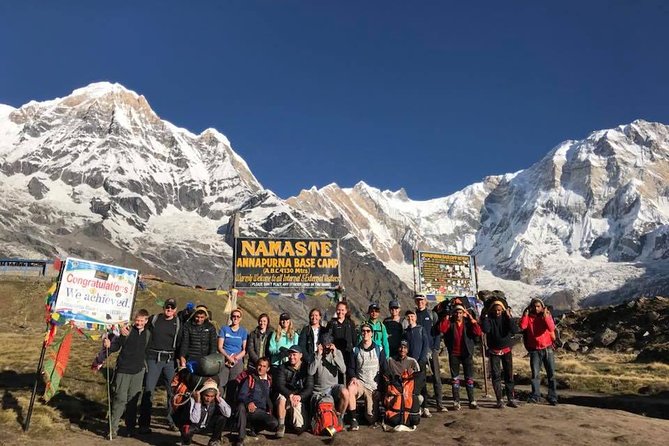
- Deurali and Annapurna Base Camp: the big push up
- Descent via Machhapuchhre Base Camp, Bamboo, and Jhinu Hot Spring
- The return loop: Nayapul, Pokhara, then Kathmandu
- Where the comfort comes from: private guide, porters, and real food support
- What could slow you down: rain, altitude, and basic trek logistics
- Should you book this Annapurna Base Camp private tour?
Key things I’d pin on your map
- Private guide plus porter support with a 2 trekkers to 1 porter setup, so you are not hauling everything yourself
- Kathmandu UNESCO sites timed with trek prep, including Pashupatinath, Boudhanath, Patan Durbar Square, and Swayambhunath
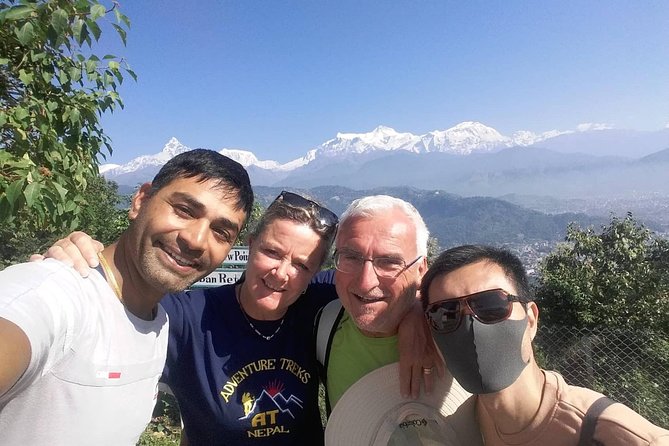
- Poon Hill sunrise at 3,210 m for close-range Himalayan views
- Tea house trekking with meals included during the trek, which cuts down on day-to-day decisions
- Permits handled for you including ACAP and TIMS paperwork
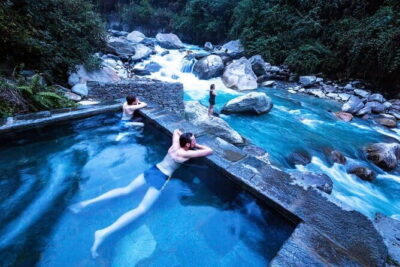
- Hot spring finale at Jhinu Danda after the trek, not just a drive-by photo stop
Why this Annapurna Base Camp trek feels low-stress
I love when a trek trims the chaos out of travel. Here, your first win is that the heavy planning work is taken care of: pickups, transport between Kathmandu and Pokhara, permits, and the trekking team structure. You start with a representative meeting you at Tribhuvan International Airport and transferring you to your hotel, so you are not trying to figure out the city the same day your body is landing from a flight.
The second win is how the trek portion is set up. Instead of you making endless tea-house decisions, the plan includes teahouse accommodation with breakfast, lunch, and dinner during the trek. That matters more than you might think. After a long walk, you want one simple routine, not a menu roulette.
If you are the type who likes to sleep, eat, and walk in a predictable rhythm, this format fits. It is also private, meaning only your group participates.
More Treks in Kathmandu
- Everest Base Camp Trek – 14 Days
★ 5.0 · 1,499 reviews - Everest Base Camp Trek
★ 5.0 · 842 reviews - Everest Base Camp Trekking
★ 5.0 · 485 reviews
Price and what you actually get for $899
At $899 per person, the value comes from what is already bundled. This is not just a guide and a promise.
What you get included:
- Airport pickup
- 3-star hotels in Kathmandu and Pokhara with breakfast
- Tea house nights plus full trek meals (breakfast, lunch, dinner) during the trekking days
- Transportation by tourist coach Kathmandu to Pokhara and back
- An experienced English-speaking trekking guide and porters (with their salary, insurance, equipment, flight, food, and lodging covered)
- Permits and paperwork including ACAP and TIMS, plus local and government taxes
- Breakfast listed as included for 13 days
What costs extra (and you should plan for it):
- Hot water and cold drinks (cola, fanta, sprite, mineral water)
- Phone calls, laundry, beer and bar bills
- Entrance fees for sightseeing in Kathmandu
- Lunch and dinner in Kathmandu and/or Pokhara
- Tips for guides and porters
- Any extra night accommodation if your timing changes
My practical read: you are paying for fewer logistics headaches, plus the support crew that keeps you moving comfortably. If you would normally end up hiring a guide, sorting permits, and booking hotels and trek stays yourself, the bundled approach can feel like a win. If you are traveling ultra-budget and want control over every purchase, the included meals and hotels might not feel as flexible. Still, it is a lot of structure for the price.
Kathmandu UNESCO day: temples, stupa time, and trek prep
Day 2 is your Kathmandu reset day, built around UNESCO World Heritage sites. It is also smart timing. You get a full-day sightseeing plan plus trek preparation, before you head into the hills.
Here are the four core stops:
- Boudhanath Stupa (the largest stupa in the Kathmandu Valley), known for its monumental size and stupa design. This is also associated with the story of builders using dew during construction.
- Pashupatinath Temple on the Bagmati River, one of the most sacred Hindu shrines worldwide. The pagoda houses the sacred linga of Lord Shiva, and devotees take ritual dips in the river.
- Patan Durbar Square, rich with palace buildings, courtyards, and pagoda temples, and home to a museum with bronze statues and religious objects.
- Swayambhunath Stupa, also called the Monkey Temple, perched on a hilltop overlooking the valley.
Practical tip: bring clothing that covers shoulders and knees for temple areas, and expect crowds near major sights. This day is not about speed. It is about getting your bearings, learning a few cultural rhythms, and fueling up before hiking.
Pokhara transfer and the trek launch from Nayapul
Day 3 is the travel hinge day. You head to Pokhara early by tourist bus, with a pickup around 6:30 am from your hotel and departure around 7:00 to 7:30 am.
Pokhara is the staging zone. It is easier than Kathmandu to mentally switch into hiking mode because the pace feels more like a basecamp town. The plan is set up so you reach the trek start area next.
On Day 4, you begin from Nayapul, with about an hour drive from Pokhara to the starting point, then a short walk along the Modi Khola (around 15 minutes) to reach Birethanti at roughly 1,015 m. This day is the gentle on-ramp before the altitude work starts.
Why I like this start: it gives you time to settle your pack weight and find your walking rhythm while scenery opens up gradually rather than all at once.
More Annapurna Base Camp treks:
- Annapurna base camp trek 5 Days
★ 5.0 · 252 reviews - 14-Day Private Annapurna Base Camp Trek
★ 5.0 · 180 reviews - Annapurna Base Camp Trekking
★ 5.0 · 116 reviews - Annapurna Base Camp Trek
★ 5.0 · 111 reviews
Ulleri to Ghorepani: oak and rhododendron climbs with rewards
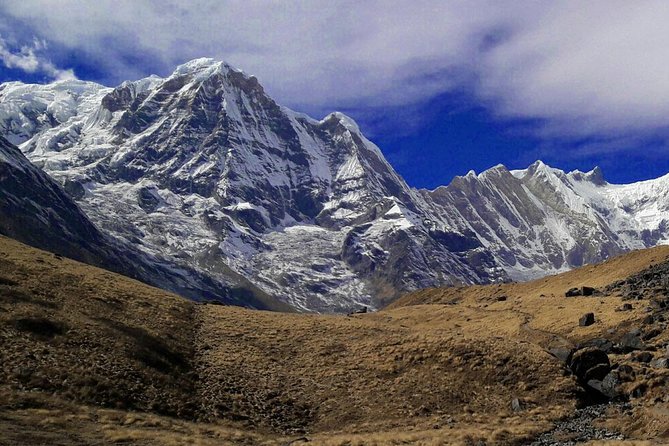
Day 5 moves you toward Ghorepani, a key overnight for the next morning’s sunrise plan. The route climbs steadily from Ulleri, through Magar villages, and into forests of oak and rhododendron.
You pass through places like Banthanti and Nangethanti, ending in Ghorepani around the 2,840 m mark. The day is described as several hours and includes both climbing and forest walking.
What you should watch for: the mix of steep spots and forest footing. In rain or after wet weather, forest trails can be slick. Trek poles can help, if you use them.
This is also a psychologically important day. You are moving from the lower valleys into the views zone, and you start feeling that this is really happening.
Poon Hill sunrise to Tadapani: the wow day, built for early starts
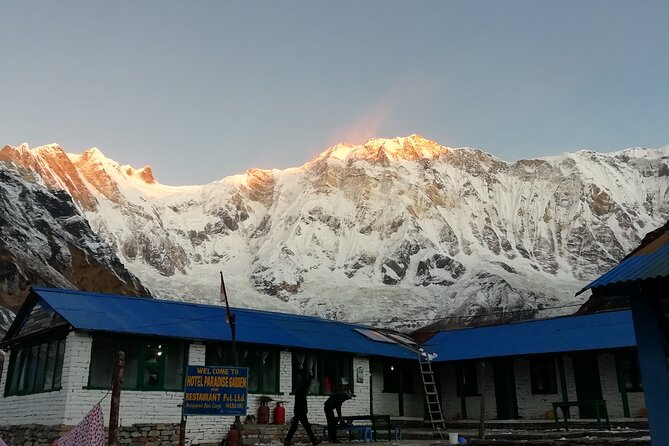
Day 6 is where most people come for the Annapurna region experience. You hike early to Poon Hill at about 3,210 m to catch sunrise over the high Himalayas.
Poon Hill is famous because it offers close-range views of the Annapurna and Dhaulagiri ranges, and it can also show more than 20 high peaks on a clear day. After watching the sunrise, you go back to Ghorepani for breakfast, then continue the trek onward to Tadapani at roughly 2,700 m.
Then comes the practical part: that morning schedule means you need to be ready to move quickly after minimal sleep. Layers matter. Even in warm seasons, early mountain air can feel cold.
Why this day is worth it: the sunrise view is the kind of scene that resets your whole trip. It is not just scenery, it is a moment that makes the hard walking feel meaningful.
Chhomrong to Dovan: terraced villages, suspension bridges, bamboo mornings
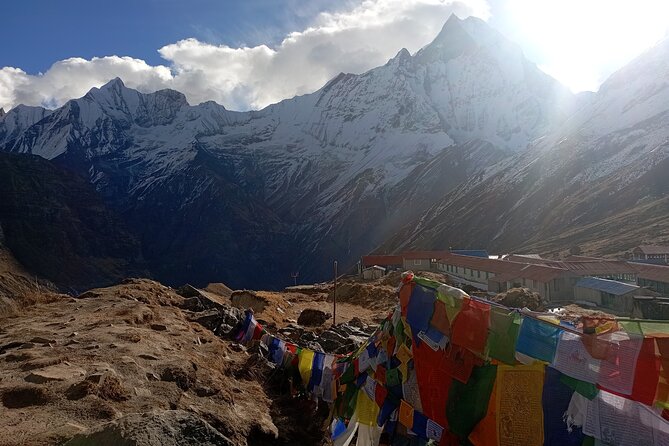
Day 7 takes you from Tadapani to Chhomrong (around 2,170 m). Expect a descent through rhododendron forests first, then terraced fields, a suspension bridge, and a final push to a village right below the massive Annapurna region.
Chhomrong is a good place to spend the night because it sits in a dramatic location and you often feel more exposed to the mountains than you did in the forests.
Day 8 is the shift into a different type of trail. You pass through bamboo forest, which the plan describes as damp and cold. That is usually a sign you are in a more humid zone, and the walking rhythm changes.
You reach Himalaya Hotel and then continue past areas like Hinku Cave, with the forest opening up to views down the glacial river and toward cliffs and waterfalls. The day ends in Dovan, with overnight there.
My balanced note: bamboo forest days can be quieter and scenic, but they can also be slower if footing is muddy. If weather turns, give yourself extra time and do not race the trail.
Deurali and Annapurna Base Camp: the big push up
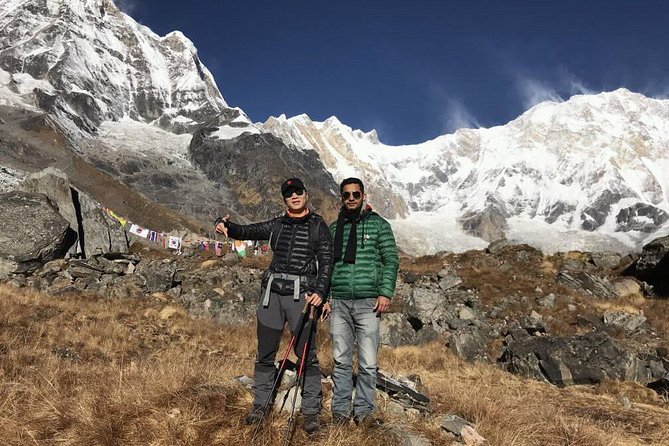
Day 9 is the steady climb toward Deurali area, described as following a valley trail that can be steep and occasionally runs along rocky cliff edges. This is one of those days where you are not just climbing altitude, you are climbing in a more exposed-feeling setting.
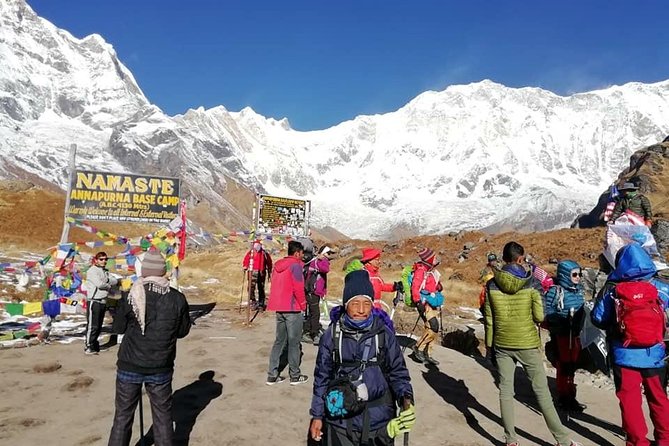
Then Day 10 is the headline: the trek to Annapurna Base Camp, described as a 5 to 7 hour climb from the Deurali area. The route is presented as rapidly ascending to the base camp.
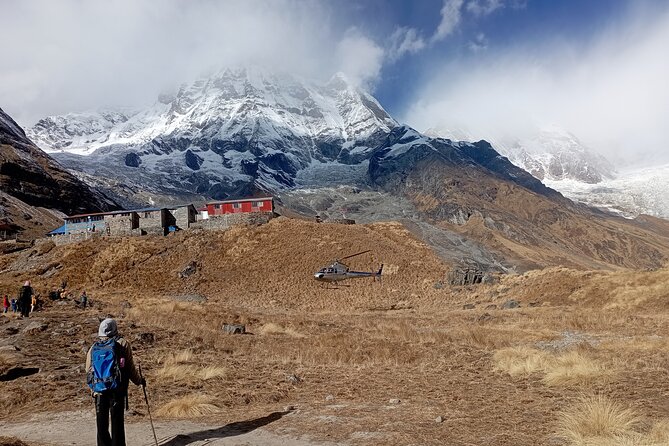
What to expect when you arrive: base camp is where the Himalayas go from impressive to direct. You get the feeling of being at the end of a long story and the start of a new perspective.
Caution: the base camp day can feel physically intense. If you want to enjoy it, do not treat it like a race. Slow steps, frequent checks on how you feel, and steady breathing usually win here.
Descent via Machhapuchhre Base Camp, Bamboo, and Jhinu Hot Spring
Days 11 and 12 focus on getting back down without losing the scenery.
Day 10 out to base camp sets the stage. Day 11 describes a downhill return, moving past Machhapuchhre Base Camp, Deurali, Himalayan Hotel, and Doban to Bamboo for the night.
Day 12 is Bamboo onward to Jhinu Danda, with the big relaxation moment: the hot spring visit. The plan frames this as about a 5 hour trek, and it includes overnight at Jhinu.
This is more than a fun ending. Hot springs after trekking help your legs feel human again, and it is a good chance to reset after days of altitude and effort.
One thing to keep in mind: downhill days stress knees and ankles. Start early, watch your step, and avoid long pauses that make it hard to start moving again.
The return loop: Nayapul, Pokhara, then Kathmandu
Day 13 takes you from the trekking finish point down to Nayapul, then drives back to Pokhara. This is a transition day, giving you a proper stop in a city before your final travel.
Day 14 is the big wrap-up. You take a tourist bus from Pokhara back to Kathmandu after breakfast. The drive is usually listed as 7 to 9 hours, so think of this as a sit-and-recover day.
In my view, that structure is smart. You are not trying to cram extra activities right after the trek. You get recovery time in Pokhara, then you head home base.
Where the comfort comes from: private guide, porters, and real food support
I like that this trek is built around support you can actually feel on the trail.
Porters are there to carry your luggage with a 2 trekkers to 1 porter setup. That changes how you think about your pack, and it makes it more likely you will walk consistently instead of conserving energy for your own heavy load.
The guide part matters too. Real feedback highlights that guides like Bishnu Bhatta and Vishnu were caring and supportive, with attention to making the trek comfortable, including food handling so guests did not get stomach issues. Even if you are not someone who worries about snacks, this kind of practical care reduces stress.
Also, tea house meals are included during the trek. That reduces the daily decision fatigue of where to eat and what to order, especially when the weather or your energy level changes.
What could slow you down: rain, altitude, and basic trek logistics
Even with logistics handled, nature still has a say.
First, altitude adds effort. Your route climbs through multiple height bands, from around 1,015 m at Birethanti up to the Poon Hill sunrise point at about 3,210 m, then to Annapurna Base Camp. The plan requires moderate fitness, and that is honest.
Second, weather can change trail conditions. One set of feedback talks about doing Annapurna Base Camp during monsoon and getting lush green surroundings with raindrops on the walk. That sounds magical, but in practical terms, it also means slippery footing and wetter days.
Third, not everything is upgraded comfort. Hot water and cold drinks are not included. You can expect basic tea house facilities and bring the mindset that trekking is not a spa.
If you go in expecting mountain reality, you will enjoy the mountain more.
Should you book this Annapurna Base Camp private tour?
Book it if you want an organized, private trek that includes the big necessities: hotels in Kathmandu and Pokhara, tea house meals on the trek, permits, and real guide and porter support. The Poon Hill sunrise and the complete route to Annapurna Base Camp are the kind of highlights you do not want to gamble on with last-minute planning.
Consider passing or switching dates if:
- You dislike early mornings and downhill effort on tired legs.
- You need lots of included comfort like hot shower routines, since hot water is not included.
- You are looking for a completely self-directed trek where you choose every meal and stay.
If your priority is spending your energy walking and looking up, this itinerary does the rest. It is a solid value package at $899 because the work is handled for you, so you can focus on the Himalayan part.
Latest additions near Kathmandu
- White Water River Rafting – 1 Day★ 4.3 · 3 reviews
- Traditional Momo Making Class★ 5.0 · 10 reviews
- Kathmandu to Pokhara Premium sofa bus ticket★ 4.0 · 17 reviews
- Ghorepani Poon Hill Trek★ 5.0 · 16 reviews
- Amazing 1 Day Trekking Experience in Kathmandu Nepal★ 5.0 · 24 reviews
- Ghorepani Poonhill Trek★ 5.0 · 5 reviews
- Walking tour of real Kathmandu through back streets.★ 5.0 · 3 reviews
- Wildlife Adventure in Chitwan Nepal★ 4.0 · 4 reviews
Annapurna Base Camp Treks, compared.
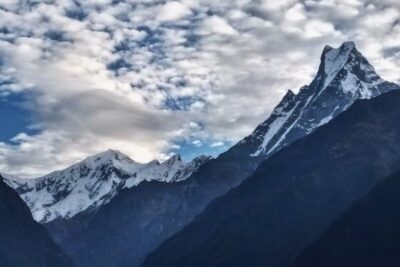
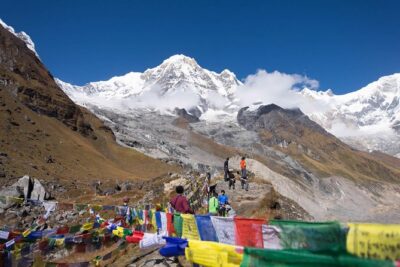
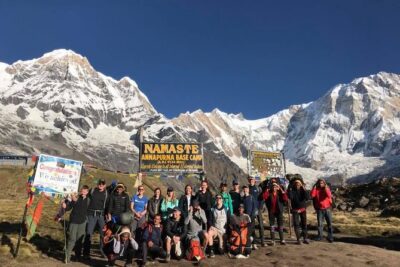
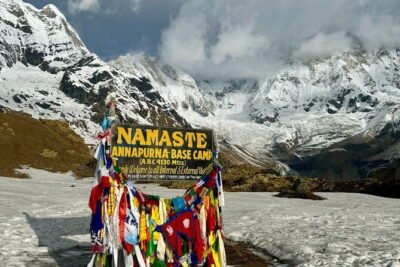
Kathmandu to Annapurna Base Camp (ABC) 5-Day Trek
Read our review →
Browse the lists this tour appears in