
Reviewed · ANNAPURNA BASE CAMP TREKS
Annapurna Base Camp Trekking
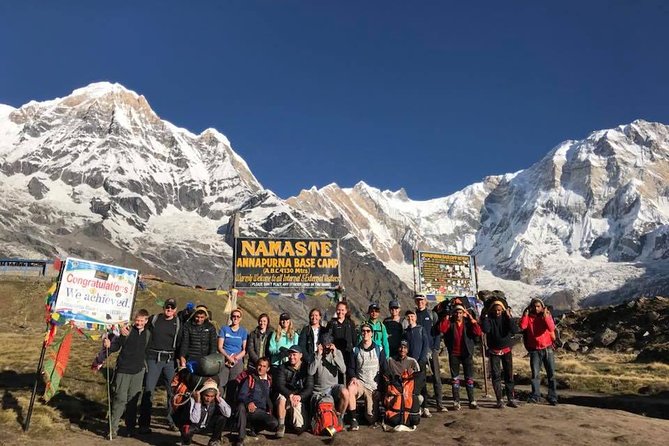
Seven days from city noise, you hit the mountains. Annapurna Base Camp is one of Nepal’s classics for a reason: you walk through rhododyndron forests, Gurung villages, and bamboo groves, then push up to 4130m for that quiet, wide-open feeling at the base of Annapurna.
I especially love two things. First, the views are built into the route, from early high viewpoints to the big final panorama from the sanctuary area. Second, the support looks solid and practical, with an English-speaking guide team and the kind of help you need in Kathmandu, including support from John Shrestha, who helped people sort equipment and stayed in touch.
One possible drawback: this trek is no stroll. You’ll face daily uphill and downhill hiking, plus the famous step sections like the Ulleri stairs, and the air gets thin near base camp, so you should be ready for a moderate fitness challenge.
In This Review
- Key Things I’d Watch For
- Annapurna Base Camp’s Classic Route, Starting in Kathmandu
- Kathmandu Valley Sights, Plus Help You Actually Need Before the Trek
- Pokhara Lake Time and Why This Stop Is More Than a Detour
- Ulleri Stairs to Ghorepani, Rhododendron Forests and First Real Views
- Poon Hill View Rewards, Tadapani, and the Move Toward Chhomrong
- Chhomrong Down, Ghandruk Up, and the 2500-Step Reality Check
- The Annapurna Sanctuary Approach to Base Camp at 4130m
- The Trek Back Down, Jhinu Danda Hot Springs, and Ghandruk Culture
- How the Inclusions Change the Trek Experience (and Reduce Mistakes)
- Price and Logistics: What $1,600 Really Covers
- Who This Annapurna Base Camp Trek Fits Best
- Should You Book This Annapurna Base Camp Trek With Travel Max Guide?
- FAQ
- How long is the Annapurna Base Camp trekking experience?
- Where does the trek start and end?
- Is this a private tour?
- What lodging is included during the trip?
- What trek permits are included?
- Are meals included while hiking?
- How do you get between Kathmandu and Pokhara?
- Is the Nepal entry visa included in the price?
- What should I know about cancellation?
Key Things I’d Watch For
- Scenery that changes daily, from oak and rhododendron forest to alpine zones as you gain height
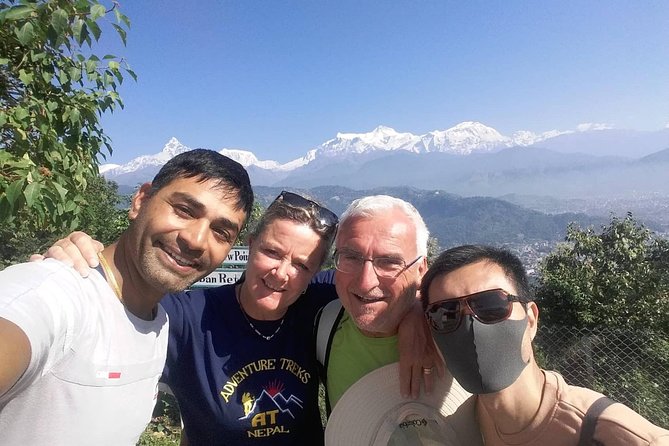
- Poon Hill timing, a viewpoint day that helps you get big mountain views early in the trek
- Cultural breaks in Gurung villages, including time in Chhomrong and a museum stop in Ghandruk
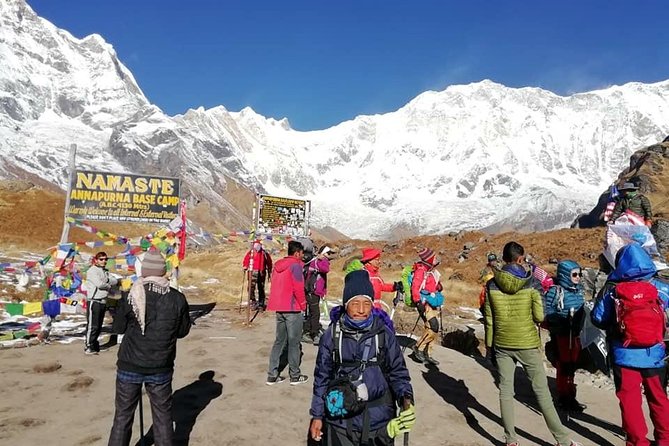
- A final reward at Annapurna Base Camp (4130m) with landmark views like Machhapuchhre and Annapurna peaks
- Meals and permits handled, including ACAP and TIMS paperwork so you can focus on walking
- Guesthouse nights during the trek, which are simple and work well for most hikers but not for luxury seekers
Annapurna Base Camp’s Classic Route, Starting in Kathmandu
This trek earns its reputation because it blends three things you actually want on a hiking holiday: variety, structure, and a clear payoff. You start in Kathmandu, then shift to Pokhara for a softer landing, before walking into the mountain rhythms. By the time you reach the sanctuary area, the scenery isn’t just pretty, it’s changing in a way you can feel under your boots.
Kathmandu also sets the tone. It’s not just a waiting room before the trek. You get guided sightseeing in the Kathmandu Valley, including UNESCO-listed sites tied to stupas, temples, and palaces. If you want a “two trips in one” vacation, this is that. You get city culture first, then trail time.
I like that the overall plan is built like a staircase. Each day has a purpose: warm up with forests, hit key viewpoints, spend time in villages, and then get the final base camp moment without scrambling your logistics.
More Treks in Kathmandu
- Everest Base Camp Trek – 14 Days
★ 5.0 · 1,499 reviews - Everest Base Camp Trek
★ 5.0 · 842 reviews - Everest Base Camp Trekking
★ 5.0 · 485 reviews
Kathmandu Valley Sights, Plus Help You Actually Need Before the Trek
In Kathmandu, you’re picked up from Tribhuvan International Airport and taken to your hotel. If you arrive in daytime, you can walk Thamel on your own. If you land at night, the plan wisely leaves space to rest.
Then you go sightseeing with a city guide. The focus is UNESCO World Heritage sites, and it’s organized by type, meaning you can expect a clear route through stupas, temples, and palaces. It’s also described as customizable based on your interests, and route planning is handled by the city guide from TMG. That matters when you don’t want to spend your limited time figuring out what’s where.
The practical value here shows up in the reviews too. John Shrestha is named as a key contact who met people in Kathmandu, answered questions, and helped them get the right equipment. Even if you already packed well, that kind of check-in can save you from avoidable last-minute stress.
Pokhara Lake Time and Why This Stop Is More Than a Detour
You take the tourist bus from Kathmandu to Pokhara, and the trip is scheduled so you arrive and check in before you start hiking. The drive itself passes terraced farmland, rivers, and a mix of towns and villages. It’s a gentle transition from the busy capital into a more outdoors-focused mindset.
Pokhara is where the pace starts to feel more human. The plan includes time to walk around Phewa Lake in the evening. That sounds simple, but it’s exactly what you want after travel. You’re giving your body a break and your mind time to switch from city mode to trail mode.
There’s also a long list of activities in Pokhara on offer in general, like paragliding and zip flyers. The itinerary doesn’t force those on you, which is good. You get the lake walk, and you keep your energy for the real work ahead.
Ulleri Stairs to Ghorepani, Rhododendron Forests and First Real Views
The trek starts with a drive to the trailhead at Naya Pul, then a hike through oak and rhododendron forest. Your first big test is Ulleri, reached via Tikhedunga. The route is described as easy and gentle overall, but then it hands you the famous Ulleri stairs section.
That combination is common on the Annapurna routes: gentle stretches that build confidence, followed by step-heavy segments that remind you you’re in the mountains now. If you’re the kind of hiker who likes steady breathing over sprinting, you’ll likely handle it well.
Then you continue toward Ghorepani, passing Banthanti and Nangethanti. The route keeps you in oak and rhododendron forest, with lunch in Nangethanti. Ghorepani is the village positioned for mountain views, and it’s described as showing a perfect perspective of the Dhaulagiri and Annapurna ranges.
This is the point where you start seeing the trek’s logic. Each village stop is placed so you’re not only hiking, you’re looking. That viewpoint payoff gets bigger later, but the groundwork starts here.
More Annapurna Base Camp treks:
- Annapurna base camp trek 5 Days
★ 5.0 · 252 reviews - 14-Day Private Annapurna Base Camp Trek
★ 5.0 · 180 reviews - Annapurna Base Camp Trekking
★ 5.0 · 116 reviews - Annapurna Base Camp Trek
★ 5.0 · 111 reviews
Poon Hill View Rewards, Tadapani, and the Move Toward Chhomrong
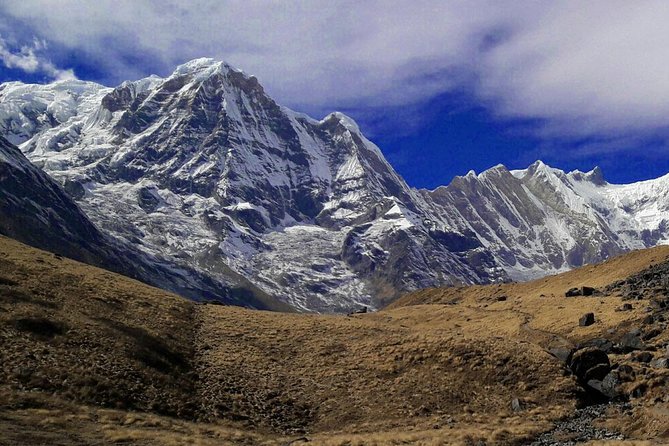
From Ghorepani, you shift toward the Poon Hill viewpoint. The plan calls Poon Hill incomparable because it delivers rewarding panoramic views including Dhaulagiri, Annapurna, and Manalsu. Even if you’ve seen mountain photos before, Poon Hill often works because it gives you context for where you’ll be walking next.
Then the trek moves on to Tadapani, with uphill and downhill hiking through forest and rocky steps. After you’ve done the step sections earlier, this day isn’t just about effort, it’s about focus. You’re learning how your legs respond, and you’re building a rhythm for the days ahead.
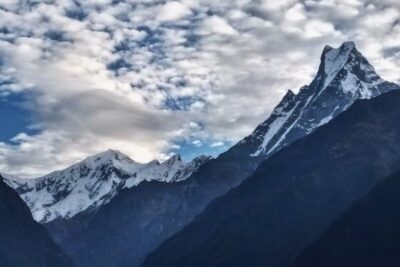
From Tadapani you head into Chhomrong, described as a Gurung village with a setting on the lap of the Annapurna massif. Chhomrong also comes with time to explore, not just quick food and onward movement. You’ll see views including Annapurna South and Machhapuchhre from this area, and that’s a key milestone. It’s the moment when the route stops feeling like walking and starts feeling like you’re arriving in a mountain world.
Chhomrong Down, Ghandruk Up, and the 2500-Step Reality Check
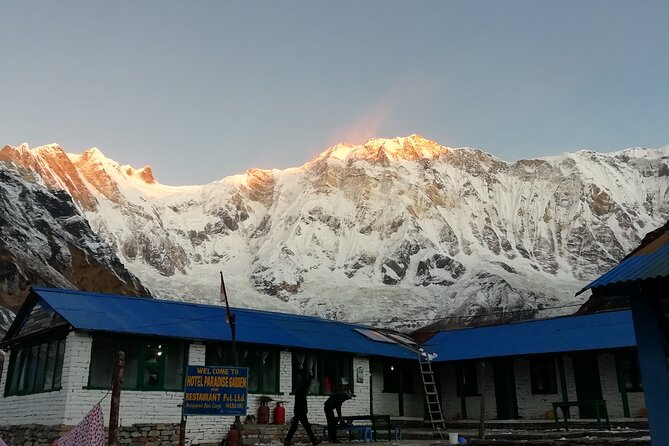
The route from Chhomrong to the next stops includes a serious step count mention, including 2500 steps. It’s the kind of detail you appreciate because it’s honest. After that, the day becomes a mix of downhill to river areas, then uphill segments through villages and gorge terrain, before reaching higher points.
You’re guided through a sequence that includes the Chhomrong Khola area, Khuldighar at 2,380m, and a village called Sinuwa. Then you drop toward damp, cold bamboo, before climbing back up through rhododendron forest and arriving near the Himalaya Hotel area, which comes with glacier views.
This stretch matters for two reasons. One, it trains you for the real ups and downs of the Annapurna region, where trail conditions can vary fast. Two, it sets up the contrast you’ll feel later in the sanctuary zone, where vegetation thins out as you climb.
Then you move into Ghandruk, a village where the trek gives you a chance to slow down. There’s also a museum stop in Ghandruk that provides information on Gurung culture and tradition. If you like travel that has a human side, not just scenery, this is one of the best places to take it in.
The Annapurna Sanctuary Approach to Base Camp at 4130m
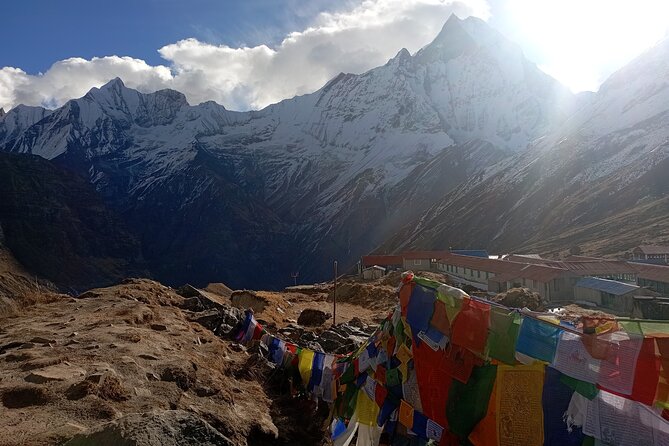
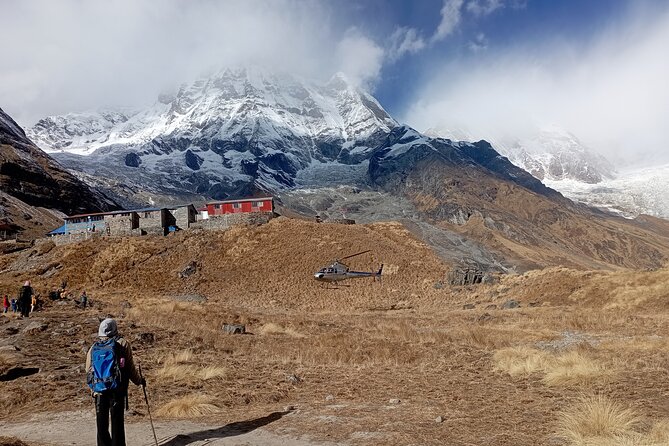
This is the part most people remember, for good reason. You move toward the sanctuary area through Hinko Cave, Deurali, and the Machhapuchhre Base Camp area. As you gain height, the route description notes that vegetation becomes thinner, and the trail includes waterfalls and valley views.
That means the hike is changing flavor. Lower down, you rely on forest cover and village rhythms. Higher up, it’s more about open views, big scale terrain, and keeping your breathing steady. You can see how the route is designed to make you comfortable with the altitude gradually, even though base camp still arrives as a real challenge.
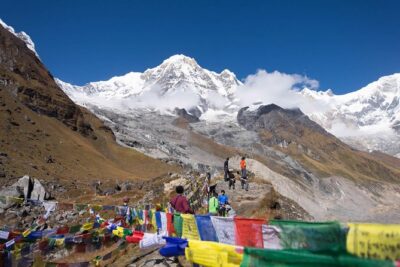
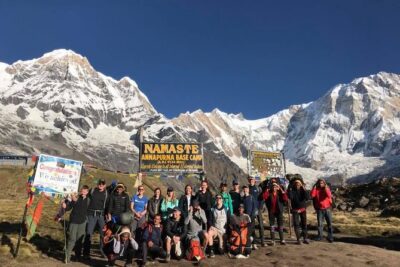
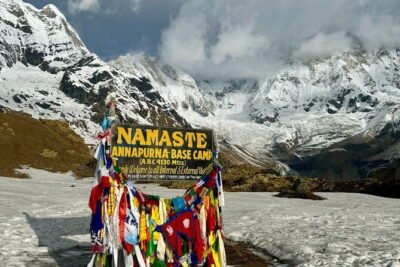
From the Machhapuchhre Base Camp area, you trek for about two hours before reaching Annapurna Base Camp. Once you arrive, you get described as enjoying unobstructed views including Machhapuchhre, Annapurna South, Annapurna I, and Hiunchuli, along with other peaks.
That’s the moment: not just the mountains in the distance, but the feeling that the day’s work paid off. And at 4130m, you’re also reminded that this is high-altitude travel, so take it slow, drink water, and don’t treat base camp like a quick photo stop.
The Trek Back Down, Jhinu Danda Hot Springs, and Ghandruk Culture
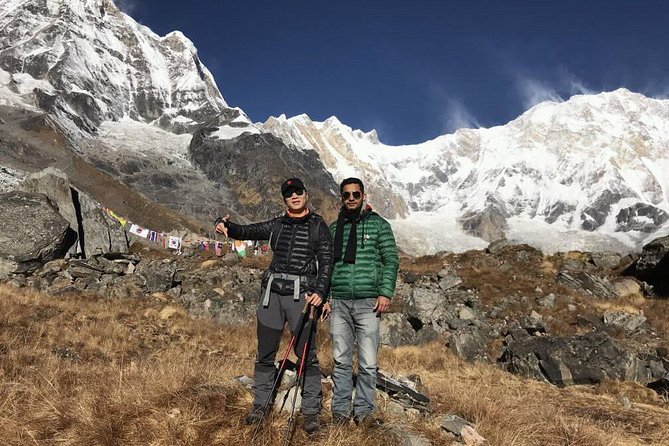
After the base camp day, the return route is described as easier because it’s downhill. You retrace sections through bamboo, rhododendron, and oak forests. Still, don’t assume downhill is effortless. Your knees will do the complaining if you don’t pace.
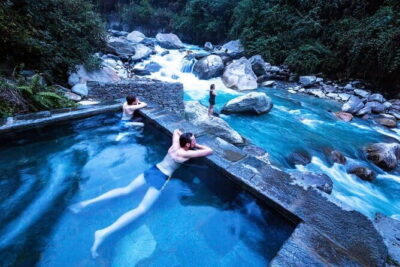
You then reach Jhinu Danda, and the plan specifically calls out a chance to dip into hot springs. That’s one of the most satisfying rewards on a trek, because your body has been grinding for days and a soak can feel like a reset button.
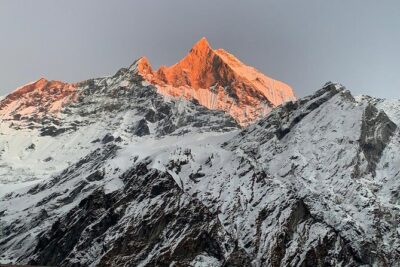
On the way back, you also revisit Ghandruk. You can see Annapurna South and Fish Tail from there, and you’ll visit the Ghandruk museum again as part of the cultural focus. Then you continue down toward Kimche and Nayapul, where you take jeep or bus back to Pokhara.
The return day sequencing matters. It keeps you from rushing right back into travel chaos. You get time to unwind in Pokhara before heading back to Kathmandu.
How the Inclusions Change the Trek Experience (and Reduce Mistakes)
This is one of the better-value parts of the plan. At $1,600 per person, you’re not just buying guiding. You’re buying the stuff that usually turns into trip-ending stress if you try to DIY it.
Here’s what’s included, and why it matters in real life:
- Twin sharing accommodation in Kathmandu and Pokhara with breakfast, plus guesthouse accommodation during the trek
- Full board meals during trekking, with breakfast, lunch, and dinner, plus tea or coffee
- A Nepal Government certified English-speaking local trekking guide
- ACAP permit and TIMS permit card for trekking
- A comprehensive medical kit
- Airport pickup and hotel transfers in a private vehicle, plus Kathmandu to Pokhara transport by tourist bus and the reverse
- A farewell dinner with typical Nepali dance
I also like that guide logistics are addressed, including insurance of guides for meals, salary, lodging, and transportation. That means the operation isn’t built on guesswork.
The reviews back up the human side. People highlight how John Shrestha helped with equipment and answered questions, and they describe the guide and support team as friendly and helpful, with strong knowledge of the trek route.
Price and Logistics: What $1,600 Really Covers
Let’s talk money honestly. The headline price is $1,600 per person, for about 14 days. What you’re paying for is a supported, fully catered trekking plan, not just a basic hiking package.
Included in the price are major cost drivers:
- Meals during trekking (full board)
- Accommodation in Kathmandu, Pokhara, and guesthouses on the trail
- Guided sightseeing in Kathmandu Valley
- Transport between Kathmandu and Pokhara and key transfers
- Permits (ACAP and TIMS) handled through the program
- A guide who is certified and speaks English
- A medical kit and a farewell dinner
What’s not included is also important:
- International airfare
- Nepal entry visa
- Travel and rescue insurance
- Personal expenses like water, laundry, phone, and bar bills
- Tips to your guide and porter, which is expected
- Any other costs not listed as included
So the value question becomes simple: if you want to avoid permit hassle, meal planning, and daily logistical friction, $1,600 can feel fair. If you already have trekking logistics lined up and you’re comfortable handling permits yourself, you may not see as much savings. But most people doing their first Annapurna Base Camp trek appreciate having the framework in place.
Who This Annapurna Base Camp Trek Fits Best
This is a private tour, and the group is your group only. That’s a big deal if you want flexibility in pace and questions, instead of being one face in a large herd.
I think this works best if:
- You’re comfortable with moderate physical fitness and multi-day hiking
- You want a structured route with meals and lodging handled
- You like cultural context, not just mountain photos
- You’d rather have an English-speaking local guide and permit support than DIY the paperwork
It might be less ideal if you want constant luxury comfort or if you’re trying to avoid step-heavy trail sections entirely. Ulleri stairs and long stair days are part of the route reality.
Also, guesthouse nights are included during the trek. That usually means basic rooms, good enough for sleep and recovery. Just don’t expect resort standards up at altitude.
Should You Book This Annapurna Base Camp Trek With Travel Max Guide?
If your goal is to walk into the Annapurna region with fewer headaches and a reliable framework, I’d say yes. The combination of Kathmandu Valley guidance, Pokhara downtime, and a supported base camp push is a smart way to manage your energy. The inclusions cover the practical things that often derail trips, especially meals, guesthouse lodging, permits, and an English-speaking certified guide.
I’d book if you value help before the trek too. The named support from John Shrestha, plus the emphasis on guide knowledge and traveler care, gives this plan a human layer that matters when you’re in a new country and getting ready for altitude.
I wouldn’t book if you want a low-effort trek or if you’re not ready for the step-heavy and uphill/downhill mix. Also, budget for what’s not included: visa, airfare, insurance, personal expenses, and expected tipping.
FAQ
How long is the Annapurna Base Camp trekking experience?
The experience runs for 14 days (approximately).
Where does the trek start and end?
It starts at Tribhuvan International Airport, Ring Rd, Kathmandu 44600, Nepal, and ends back at the same meeting point.
Is this a private tour?
Yes. It is listed as a private tour/activity, and only your group participates.
What lodging is included during the trip?
Twin sharing accommodation with breakfast is included in Kathmandu and Pokhara. During the trek, you stay in twin sharing guesthouse accommodation.
What trek permits are included?
The price includes the ACAP permit and TIMS permit card for trekking.
Are meals included while hiking?
Yes. Full board meals are included during the trek, with breakfast, lunch, and dinner, plus tea or coffee.
How do you get between Kathmandu and Pokhara?
You take a tourist bus from Kathmandu to Pokhara and back to Kathmandu.
Is the Nepal entry visa included in the price?
No. The Nepal entry visa is not included.
What should I know about cancellation?
You can cancel for free up to 24 hours in advance of the experience start time for a full refund. Changes made less than 24 hours before the start time are not accepted.
Latest additions near Kathmandu
- White Water River Rafting – 1 Day★ 4.3 · 3 reviews
- Traditional Momo Making Class★ 5.0 · 10 reviews
- Kathmandu to Pokhara Premium sofa bus ticket★ 4.0 · 17 reviews
- Ghorepani Poon Hill Trek★ 5.0 · 16 reviews
- Amazing 1 Day Trekking Experience in Kathmandu Nepal★ 5.0 · 24 reviews
- Ghorepani Poonhill Trek★ 5.0 · 5 reviews
- Walking tour of real Kathmandu through back streets.★ 5.0 · 3 reviews
- Wildlife Adventure in Chitwan Nepal★ 4.0 · 4 reviews
Annapurna Base Camp Treks, compared.
Kathmandu to Annapurna Base Camp (ABC) 5-Day Trek
Read our review →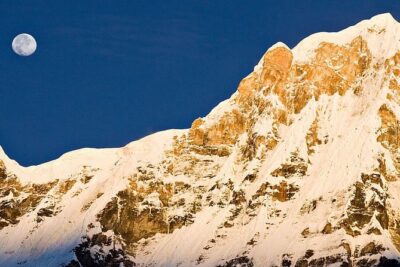
Browse the lists this tour appears in