
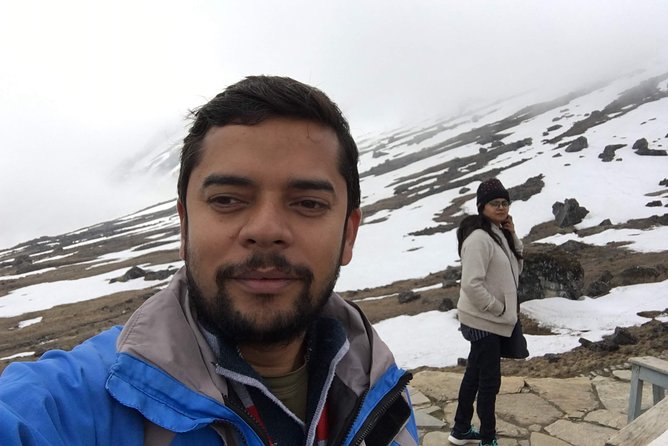
Reviewed · ANNAPURNA BASE CAMP TREKS
Annapurna Base Camp Trek form Kathmandu
A trek that starts with bus views and ends in the clouds. This 11-day Annapurna Base Camp route blends easy-to-follow logistics with classic highlights like the sunrise from Poon Hill and a finish at Annapurna Base Camp, with Pokhara built in as your recovery base.
Two things I really like: first, the trek is run with an English-speaking guide and a porter plan (so you are not stuck trying to carry everything yourself). Second, you get smooth transport, including a Kathmandu to Pokhara tourist bus and private vehicle transfers to and from Nayapul.
One thing to think about before you book: meals are not included, and you should be in strong shape because the hike climbs to above 4,000 meters. If you are the type who loves a buffer day with good food breaks, you will want to plan for that.
In This Review
- Key things that make this Annapurna Base Camp trek work
- Kathmandu to Pokhara, with fewer moving parts than you expect
- Why this trek price makes sense for what you get
- Your day-by-day route, what to expect each day
- Day 1: Thamel to Pokhara Lakeside
- Day 2: Nayapul to Ulleri
- Day 3: Ulleri to Ghorepani
- Day 4: Poon Hill sunrise, then Tadapani
- Day 5: Tadapani to Chhomrong
- Day 6: Chhomrong to Dovan
- Day 7: Dovan to Deurali
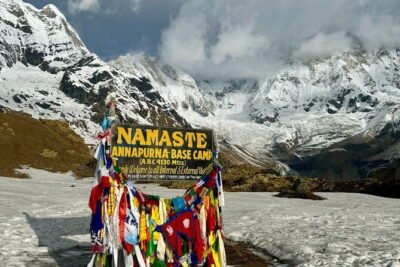
- Day 8: Machhapuchchhre Base Camp, then Annapurna Base Camp
- Day 9: Descend to Bamboo
- Day 10: Bamboo to Jhinu Danda hot springs
- Day 11: Nayapul back to Pokhara, then hotel transfer
- Accommodation, guide team, and porter support that changes your experience
- What you should watch for: fitness, meals, and altitude reality
- Who this trek suits best
- Should you book this Annapurna Base Camp trek?
- FAQ
- What are the key highlights on this Annapurna Base Camp trek?
- How long is the trek?
- Is pickup offered in Kathmandu?
- What does the tour price include?
- Are meals included?
- Are there transfers back to Pokhara at the end of the trek?
- What is the cancellation policy?
Key things that make this Annapurna Base Camp trek work
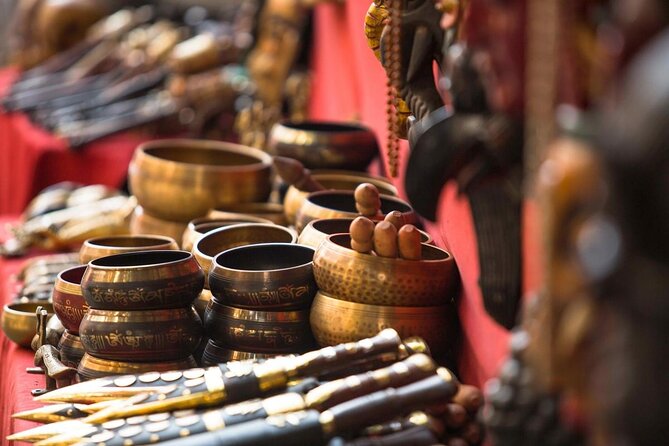
- Pickup from Thamel plus a direct bus to Pokhara cuts down on Nepal logistics stress
- Poon Hill sunrise early hike, the kind of view you remember even when your legs protest
- Guided route to high points like Machhapuchchhre Base Camp (3,770m) and Annapurna Base Camp (4,130m)
- Porter support with a clear weight target (15 kg per porter when sharing)
- Jhinu Danda hot springs as a real payoff after long hiking days
- Permits and TIMS card handled so you do not lose trekking time to paperwork
Kathmandu to Pokhara, with fewer moving parts than you expect
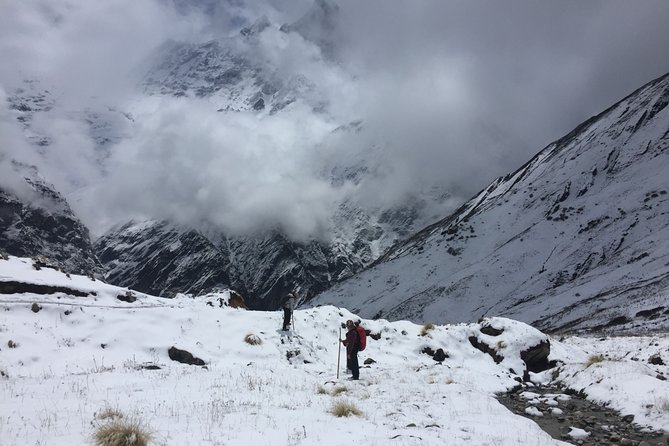
The trip starts in Kathmandu’s Thamel, where pickup gets you into the flow fast. From there, you ride a tourist bus to Pokhara and land in the lakeside area. This matters more than it sounds. Pokhara is where you reset. You sleep close to services, cafés, and the sort of convenience that helps you pack, stretch, and get your head right before trekking.
I also like that the transport plan feels designed for real life. You get the Kathmandu to Pokhara leg by tourist bus, not a stressful patchwork of shared taxis and last-minute confusion. Then, later in the trek, you have a private vehicle from Nayapul back to Pokhara. That means you finish with less scrambling, which is a big deal after 10 hiking days.
The other quiet win: the organization is built around a private group, meaning your trekking pace and timing are less likely to get tangled up with strangers. That usually leads to fewer wait times and more consistent daily rhythms.
More Treks in Kathmandu
- Everest Base Camp Trek – 14 Days
★ 5.0 · 1,499 reviews - Everest Base Camp Trek
★ 5.0 · 842 reviews - Everest Base Camp Trekking
★ 5.0 · 485 reviews
Why this trek price makes sense for what you get
At $550 per person, this is not just a ticket to walk uphill. You are paying for a system: guide, porter, permits, lodging, and multiple transfers. Those add up quickly if you tried to stitch together parts on your own.
Here is the value math in plain terms:
- English-speaking trekking guide: you are not guessing the route day to day.
- Porter to carry luggage (with the stated sharing rule): your energy goes toward hiking.
- Trekking permits and TIMS card: you get paperwork handled as part of the package.
- Lodging: a hotel in Pokhara plus guest houses on trek days.
- Transfers: Kathmandu to Pokhara by tourist bus, and private transport to and from Nayapul.
What is not included is also important. Meals are not included, so you should budget for breakfast, lunch, and dinner while on the trail and in transition days. Also, rescue costs in an emergency are not covered, which is common for trekking but still worth noting.
If you want maximum control over food choices and timing, the meal gap might feel normal. If you want everything bundled and paid up front, you may prefer a package that includes meals, not just lodging.
Your day-by-day route, what to expect each day
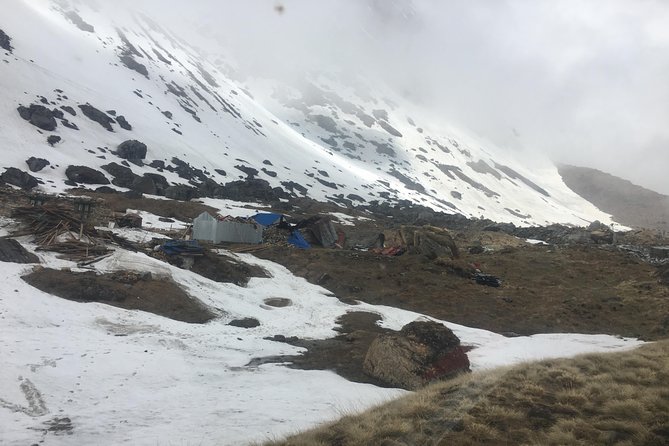
Day 1: Thamel to Pokhara Lakeside
You start with pickup from Thamel, then drive to Pokhara. Once you reach the lakeside area, you transfer to your hotel.
What this day gives you is breathing room. Even if you are excited, the bus ride is a gentle entry. You will likely use the evening to sort gear, check your pack weight, and plan your early starts for the next day.
A small note: the stops list shows short time blocks with admission tickets marked free. Practically, this reads like you are not paying extra at each step just to move through the route.
More Annapurna Base Camp treks:
- Annapurna base camp trek 5 Days
★ 5.0 · 252 reviews - 14-Day Private Annapurna Base Camp Trek
★ 5.0 · 180 reviews - Annapurna Base Camp Trekking
★ 5.0 · 116 reviews - Annapurna Base Camp Trek
★ 5.0 · 111 reviews
Day 2: Nayapul to Ulleri
You head from Pokhara toward Nayapul by scenic drive, then begin trekking to Ulleri.
This is the day where your body learns the rhythm. The hike clocks in at about 5 hours, so it is long enough to feel like a trek, but still manageable for many hikers with good fitness. Ulleri is a classic step on routes that lead toward the higher viewpoints.
What to watch: if you go out too hard in the early hours, later climbs will punish you. Keep it steady, especially since you are still near lower elevations.
Day 3: Ulleri to Ghorepani
The next trek day goes to Ghorepani. The walking time is about 6 hours, and the route is known for magical views of the Annapurna mountain ranges.
This is also a practical acclimation day, even if you do not call it that. You build walking comfort and pack endurance before sunrise hiking later on.
The good part: your scenery gets you through the tougher stretches. When visibility is clear, the mountains can make steady pacing feel easier.
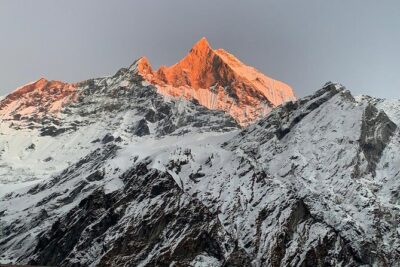
Day 4: Poon Hill sunrise, then Tadapani
This is your early morning day. You hike to Poon Hill for sunrise, about 2 hours. The payoff is a sweeping early view over the range.
Then you continue onward to Tadapani, about 6 hours of trekking.
Two tips from how this route feels in practice:
- Sunrise hikes are worth it, but treat them like an early workout. Dress in layers because mornings can feel colder than you expect.
- After the sunrise hike, you still have a full trekking day. Plan to eat and drink enough so you do not feel shaky on the later sections.
Also note: the Poon Hill portion is listed as an admission ticket not included. So you should be prepared for a small extra cost there.
Day 5: Tadapani to Chhomrong
You trek to Chhomrong in about 6 hours.
This day is often where hikers feel the trek start to become real. You are moving deeper into the core of the Annapurna region, and the terrain typically asks more effort. The upside is that by now you have warmed up mentally and physically.
The drawback to plan for: this is not a day for rushing. If you push, you will pay later when the route gets higher.
Day 6: Chhomrong to Dovan
Today moves you to Dovan, around 5 hours.
At this stage you are getting closer to the higher elevations. The pace may feel demanding even on the days with fewer stated hours, because altitude can shift how your breathing feels. The package requirement for strong physical fitness fits here.
If you are the kind of hiker who likes consistent effort rather than speed, you will feel more comfortable today.
Day 7: Dovan to Deurali
Another 5-hour trek, this time to Deurali.
Deurali is often a key stop before the final approach. It helps you break the route into steps, which makes the jump to base camp days less overwhelming. You will likely spend the night thinking about the next day, because the high-country feel is getting stronger.
If you tend to get anxious before big climbs, this is a good day to settle in, hydrate, and keep your pace calm.
Day 8: Machhapuchchhre Base Camp, then Annapurna Base Camp
This is the highlight day, split into two segments.
First, you trek to Machhapuchchhre Base Camp, about 2 hours. Then you go on to Annapurna Base Camp, another 2 hours.
Reaching 3,770m and 4,130m is the heart of why people do this. And you can feel it in the way the day is structured. Shorter walking times on paper, but high altitude makes every step feel more focused.
This is also where having a guide pays off. When you are that high, route details, timing, and safe pacing matter. The names shared by past trekkers include Mr. Bisham as an English-speaking guide, and it is easy to see why people appreciate strong guidance on a day like this.
Day 9: Descend to Bamboo
After base camp, you start descending to Bamboo in about 6 hours.
This day is all about easing your body back down while still staying active. Descending can be hard on knees, but the overall relief of losing elevation can feel like a reward after the intensity of the high day.
If you want a practical strategy, keep your steps controlled, use your trekking stance, and take small breaks before your legs demand them.
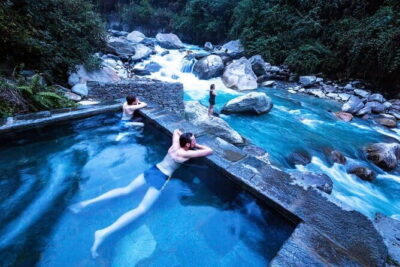
Day 10: Bamboo to Jhinu Danda hot springs
You walk about 6 hours to Jhinu Danda, where you can take a natural hot spring bath.
This is one of those “why I’m glad I did this trek” moments. After days of hiking, soaking in hot springs turns fatigue into something softer. It also gives you a mental reset, because the trek shifts from pure effort to recovery.
The route here makes sense. You finish this day with a payoff that feels earned, not rushed. Also, since meals are not included, you may want to keep some cash and snacks ready so you can enjoy the downtime after soaking.
Day 11: Nayapul back to Pokhara, then hotel transfer
You trek down to Nayapul in about 6 hours, then drive privately to Pokhara, around 1 hour 10 minutes. When you arrive, you get transferred to your hotel and the trip ends.
This final day can feel long. You are no longer chasing views as much as conserving energy for the descent. But having the private vehicle waiting at the end helps you avoid that last-mile stress.
It also gives you an easier last night in Pokhara, which is valuable if you have travel plans coming up right after.
Accommodation, guide team, and porter support that changes your experience
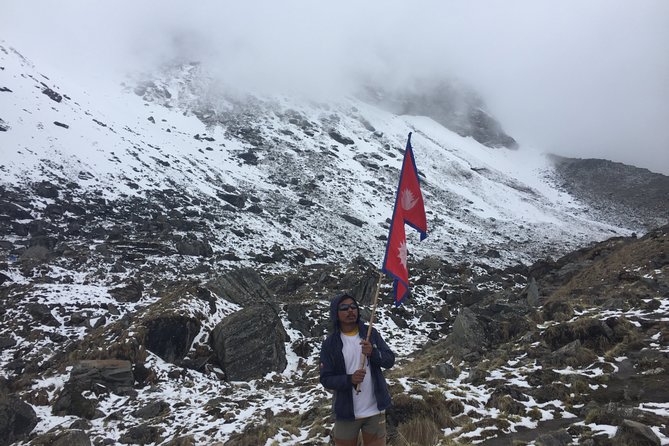
A trek is only partly about the trail. The rest is logistics you feel in your body. This trip includes hotel accommodation in Pokhara and guest houses on trek days, which means you are not scrambling to arrange sleeping for each new location.
The guide and porter setup is where the trek becomes smoother. You get an English-speaking trekking guide, plus a porter plan: if you have two guests, you share one porter who can carry up to 15 kg. That is a clear structure and, in my view, one of the best ways to improve comfort without turning the trip into a fully pampered package.
Past trekkers also named individuals involved in smooth operations, including Shubham for arrangements, guide Mr. Bisham, and porter Aruna. Even if your own names differ, the point stays the same: good local support makes the trek feel safer and less annoying.
If you worry about being slowed down by gear, this kind of porter system is the difference between enjoying the scenery and constantly adjusting your pack like it is an extra limb.
What you should watch for: fitness, meals, and altitude reality
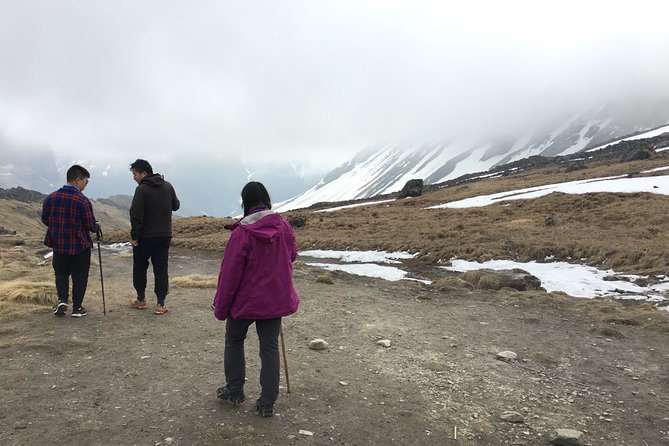
This experience is built for people with strong physical fitness, and the numbers support that. You rise to 3,770m and 4,130m and keep hiking multiple days in a row.
Also, meals are not included. That affects how you plan each day. You may have to buy food at stops or from lodge dining, and costs can vary. If you are picky about meal timing or follow a specific diet, start thinking early about what you will do each morning and afternoon.
Finally, rescue cost in an emergency is not included. That is not meant to scare you. It is just a reminder to take the trek’s physical requirement seriously and travel with a practical mindset.
Who this trek suits best
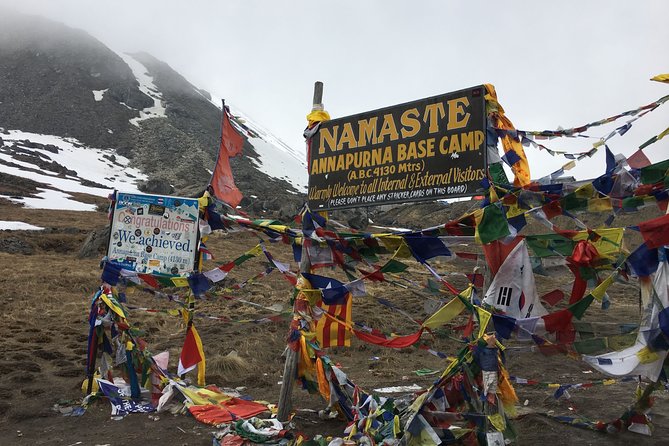
This trek is a great fit if you:
- Want a guided route with permits and TIMS handled
- Like the classic Annapurna highlights, including Poon Hill sunrise
- Prefer structured transport instead of doing all the legs yourself
- Are comfortable hiking for 5 to 6 hours most trek days
- Want a real recovery base in Pokhara Lakeside
It may not be your match if you:
- Need meals fully included
- Are hoping for a very light walking schedule
- Want to avoid all high-altitude trekking once you see 4,130m on the calendar
Should you book this Annapurna Base Camp trek?
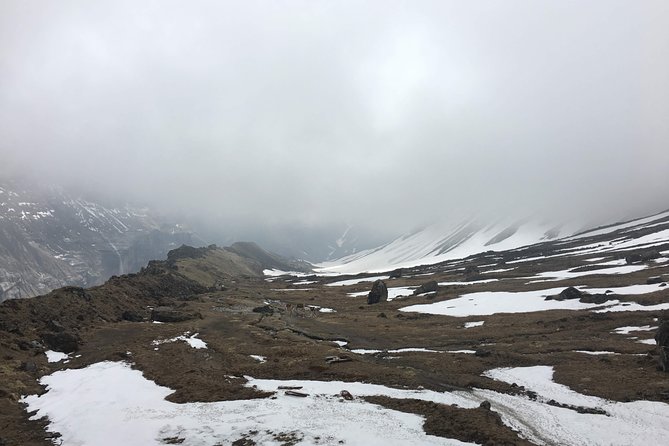
If your goal is a well-run Annapurna Base Camp trek without turning your trip into a logistics puzzle, I would lean toward booking this one. The combination of English-speaking guidance, porter support, permits and TIMS included, and clear transport from Kathmandu to Pokhara and back is exactly what keeps a trekking plan enjoyable.
Before you commit, make sure you are honest about two things: you have the fitness for repeated long hiking days, and you are ready to handle meals on your own. If that checks out, you will likely come away with the kind of mountain memories that stick around long after your boots are retired.
FAQ
What are the key highlights on this Annapurna Base Camp trek?
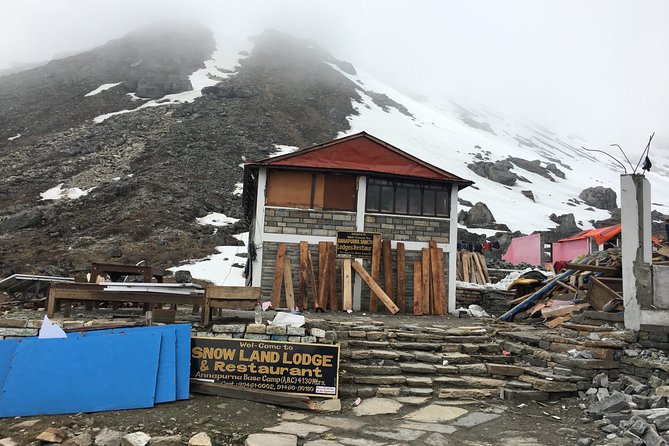
You’ll hike toward Machhapuchchhre Base Camp (3,770m) and Annapurna Base Camp (4,130m), include an early morning Poon Hill sunrise hike, and finish with Jhinu Danda natural hot springs.
How long is the trek?
The duration is 11 days (approx.).
Is pickup offered in Kathmandu?
Yes. Pickup is offered from Thamel, and you transfer to the bus from there.
What does the tour price include?
Included items are private shuttle service as per itinerary, Kathmandu to Pokhara transfer by tourist bus, an English speaking trekking guide, a porter (with the stated sharing and weight limit), private vehicle transfers to and from Nayapul, accommodation in Pokhara and on the trek, and trekking permits and TIMS card.
Are meals included?
No. All meals are not included.
Are there transfers back to Pokhara at the end of the trek?
Yes. After trekking down to Nayapul, there is a private car drive to Pokhara and transfer to your hotel.
What is the cancellation policy?
You can cancel for a full refund if you cancel up to 24 hours in advance of the experience’s start time. If you cancel less than 24 hours before, the amount paid is not refunded.
Latest additions near Kathmandu
- White Water River Rafting – 1 Day★ 4.3 · 3 reviews
- Traditional Momo Making Class★ 5.0 · 10 reviews
- Kathmandu to Pokhara Premium sofa bus ticket★ 4.0 · 17 reviews
- Ghorepani Poon Hill Trek★ 5.0 · 16 reviews
- Amazing 1 Day Trekking Experience in Kathmandu Nepal★ 5.0 · 24 reviews
- Ghorepani Poonhill Trek★ 5.0 · 5 reviews
- Walking tour of real Kathmandu through back streets.★ 5.0 · 3 reviews
- Wildlife Adventure in Chitwan Nepal★ 4.0 · 4 reviews
Annapurna Base Camp Treks, compared.
Kathmandu to Annapurna Base Camp (ABC) 5-Day Trek
Read our review →
Browse the lists this tour appears in