
Reviewed · ANNAPURNA BASE CAMP TREKS
Annapurna Base Camp Trek
One week to sleep in the clouds. This Annapurna Base Camp trek pairs Kathmandu’s temple circuit with the Poon Hill sunrise and ends with an Annapurna Base Camp overnight framed by big peaks. It’s an organized route, but it still feels like real mountain travel, not a theme park.
What I like most is how the trip sets you up for success before you ever leave town. The gear check and trekking briefing help you start with fewer surprises, and the guide teams I’ve seen praised in this region, including Pradeep, Bikas Lama, Santos, Aashman, Birendra, and Lal, focus on comfort, pacing, and local context. A second win is the route variety: rhododendron forests, terraced farming, stone stair segments, and valley walks, so each day feels different.
One possible drawback: you should expect early mornings and steep steps, including a famously tough stair day early on. If you know your knees hate long descents, you’ll want to pace carefully and bring whatever support you use at home, because the itinerary includes multiple downhill days after summit-style effort.
In This Review
- Key things that make this Annapurna Base Camp trek worth your time
- First: the Kathmandu warm-up you actually need
- Pokhara, then straight into the trek mindset
- Day 4 to Day 6: stairs, villages, rhododendrons, and your first big views
- Chhomrong to Deurali: where the trail starts feeling serious
- The ABC day: Machapuchare Base Camp first, then the amphitheater
- Sunrise and the downhill rhythm: from ABC back to Doban
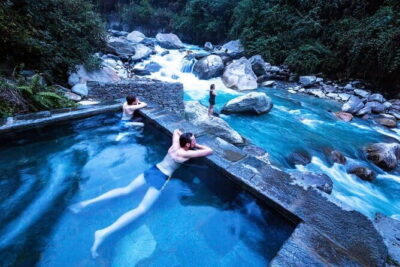
- Day 12 and Day 13: the softer trek back, with Jhinu Danda’s welcome change
- Final days: Pokhara to Kathmandu, farewell dinner, and a smooth flight day
- What $995 gets you, and what to budget separately
- Guide support is not a small detail on this route
- Who this trek suits best, and who should be cautious
- Should you book this Annapurna Base Camp trek?
- FAQ
- How long is the Annapurna Base Camp trek?
- Where does the trip start and end?
- Do you include airport pickup or transfers?
- What meals are included?
- Are permits and entrance fees included?
- What is not included in the price?
- Is tipping required and is travel insurance included?
- Cancellation
- Can I cancel for a full refund?
Key things that make this Annapurna Base Camp trek worth your time
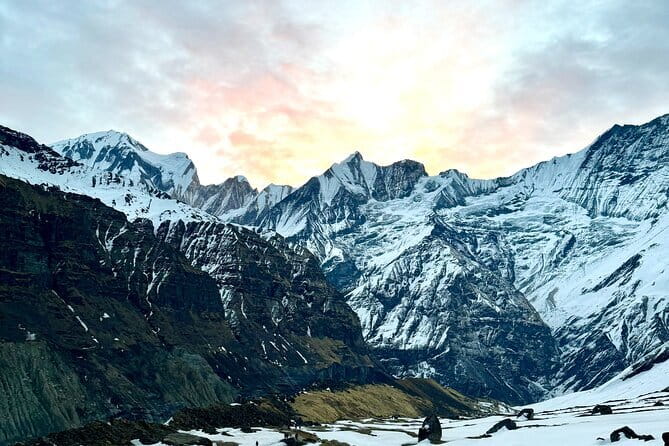
- Poon Hill dawn for a first, close-up hit of Annapurna and Dhaulagiri views
- Kathmandu Valley temples plus a real trekking briefing so you’re not guessing
- Lodges along the way that keep you moving without lugging camping gear
- Machapuchare Base Camp en route to ABC adds extra viewpoint moments
- A guide team with a track record of handling issues like knee pain, snow delays, and younger trekkers
- Jhipnu Danda day after the big peak gives you a softer landing back to civilization
First: the Kathmandu warm-up you actually need
Your trip begins in Kathmandu with a representative meeting you at the airport using a sign with your name. You get a private car transfer to the hotel, then you ease into Nepal with a welcome dinner at a cultural restaurant, complete with traditional dance. It’s a friendly way to reset after travel, and it also gives you a chance to meet your guide before the trekking grind.
Day 2 is where the trip earns its keep. You tour key Kathmandu Valley sights, including Pashupatinath, Bouddhanath, Swayambhunath (Monkey Temple), and Kathmandu Durbar Square. These stops aren’t random, either. They help you understand what you’re looking at in the mountains too: Hindu and Buddhist traditions shape daily life in Nepal, and your trekking pauses feel richer when you can connect them to real places.
The second half of Day 2 is practical: a tour briefing, introduction to the trekking guide, and an equipment check. This matters because small problems early become big problems later at altitude. If you’re carrying too much, missing an item, or unsure about how to use your layers, this is the moment to fix it.
More Treks in Kathmandu
- Everest Base Camp Trek – 14 Days
★ 5.0 · 1,499 reviews - Everest Base Camp Trek
★ 5.0 · 842 reviews - Everest Base Camp Trekking
★ 5.0 · 485 reviews
Pokhara, then straight into the trek mindset
On Day 3 you travel by tourist bus to Pokhara, with scenic hills and the Trishuli River along the way. There’s a lunch stop near Malekhu and Ghansikuwa, then you continue until you reach Pokhara around mid-afternoon. Staying near Fewa Lake means you can decompress with food, coffee, and a bit of lakeside wandering.
Pokhara is not just a pretty stop. It’s the launching pad for many Annapurna routes, and it helps you transition from city time to trail time. You’ll also likely appreciate the buffer. A long travel day with time to relax keeps you from starting the first trek stages stiff and stressed.
Day 4 to Day 6: stairs, villages, rhododendrons, and your first big views
Day 4 is your on-ramp. You head from Nayapul into a valley forest, cross the Bhurungdi Khola River, then continue to Tikhedhunga. After that comes the workout: roughly 3,400 steps and boulders, then you reach Ulleri by afternoon.
That stair segment is the first reality check for most people. If you try to power up, you’ll pay on the next days. The smart approach is steady effort, short breaths, and letting the rhythm do the work, not force.
Day 5 shifts your focus to scenery. You trek to Ghorepani, passing waterfalls and small villages, and then continue upward for panoramic views from upper Ghorepani. From here you can look toward Annapurna South and Nilgiri, plus you’ll start to feel how the Annapurna massif pulls the trail inward.
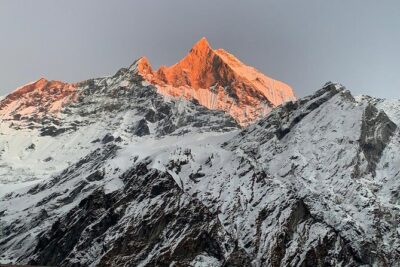
On Day 6 you rise early and ascend to Poon Hill for sunrise over the Annapurna and Dhaulagiri ranges. You get the classic close-up view payoff, plus you’ll have time for a hot drink while you stare at the peaks like you’re trying to memorize them. After breakfast back at Ghorepani, you descend through rhododendron forests and cascading waterfalls to Tadapani.
This stretch is important because it sets expectations. You learn quickly that the Annapurna region rewards both early effort and good pacing. It also shows you how quickly the weather and temperature can change, especially with dawn starts.
Chhomrong to Deurali: where the trail starts feeling serious
Day 7 takes you through rhododendron forest and into terraced fields before you work uphill toward Chhomrong. You cross and pass suspension-bridge type scenery, then settle overnight in Chhomrong below the big peaks. It’s a compact village that often feels like a base within the base trek.
Day 8 is all about down, then up. You descend from Chhomrong through stone steps toward the Chhomrong Khola River, cross a swinging bridge, then climb to Sinuwa. From there the trail eases down to Bamboo for the night.
Day 8 is a good day to think about your legs, not just your view. Downhill can be as demanding as uphill if your stride is too long or your knees are already tired. A trekking guide who knows how to manage pacing here makes a huge difference in how you feel by Day 10.
Day 9 pushes into colder, drier terrain. You move through a chilly bamboo forest and then climb steeply toward a place referred to as Himalaya Hotel. The forest opens and you get sunlight and views over a glacial river below, then the route keeps lifting until Hinku Cave before heading to Deurali.
Deurali is where the trek starts to feel like high-mountain travel in a serious way. The scenery changes as greenery gives way to wider vistas of valley, cliffs, and waterfalls. You’re also positioning yourself for the main event: reaching the base camp area.
More Annapurna Base Camp treks:
- Annapurna base camp trek 5 Days
★ 5.0 · 252 reviews - 14-Day Private Annapurna Base Camp Trek
★ 5.0 · 180 reviews - Annapurna Base Camp Trekking
★ 5.0 · 116 reviews - Annapurna Base Camp Trek
★ 5.0 · 111 reviews
The ABC day: Machapuchare Base Camp first, then the amphitheater
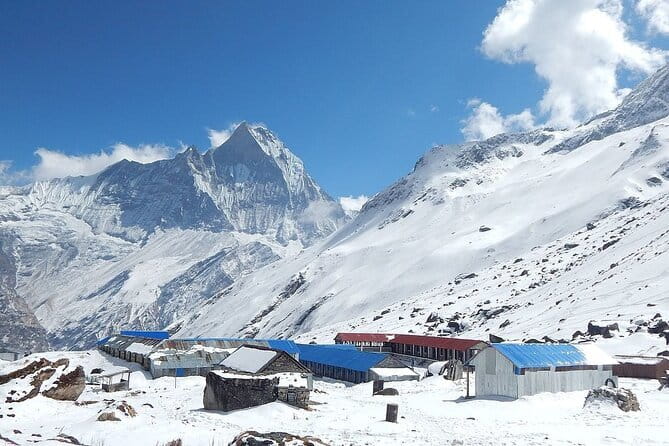
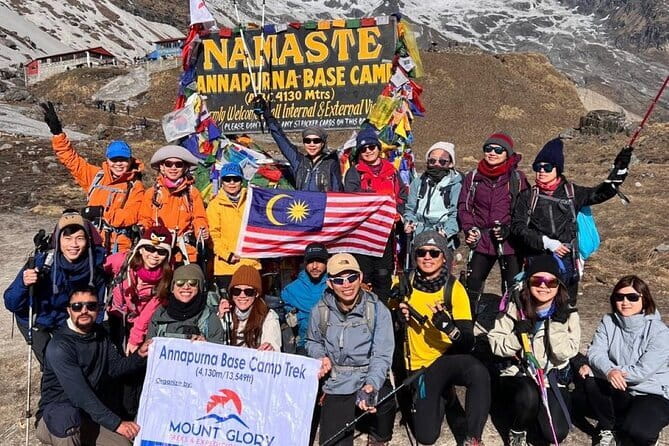
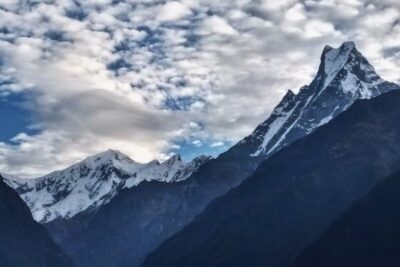
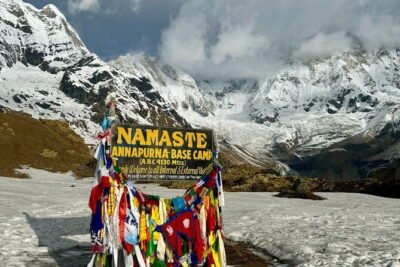
Day 10 is the one you’ve been working toward. You ascend steadily along the valley trail, passing rocky cliffs and steeper sections, then reach Machapuchare Base Camp (MBC). MBC is a viewpoint moment packed into a walking day, with views including Mt. Hiunchuli, Annapurna South, Annapurna I, Annapurna III, Gandharvachuli, and Gangapurna.
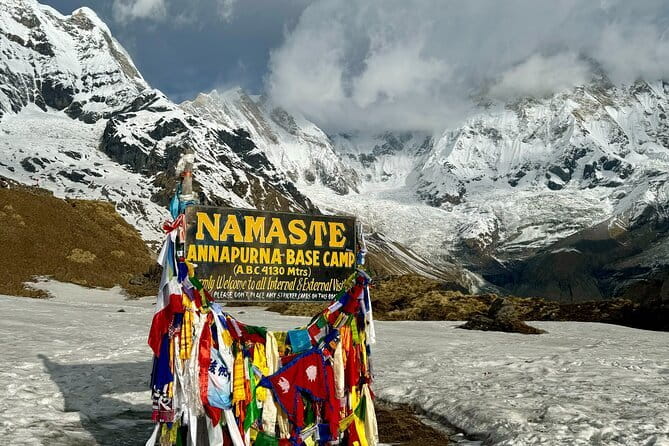
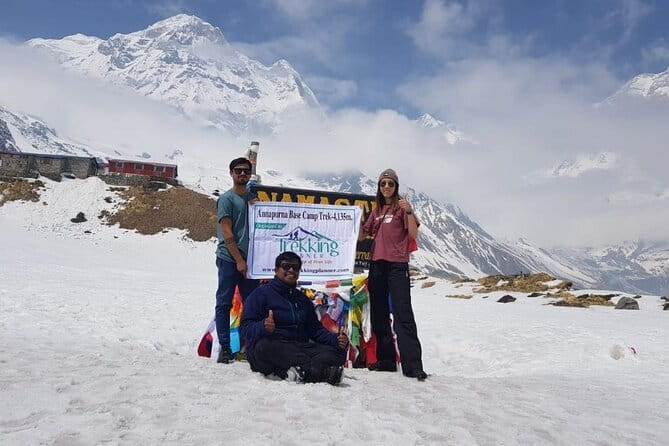
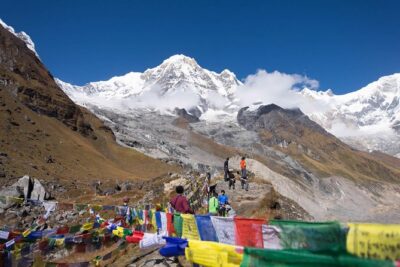
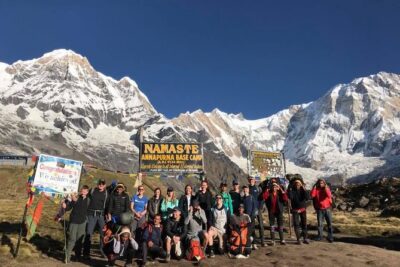
After MBC, you continue to Annapurna Base Camp, arriving at a spot that feels like a finish line. Your overnight at ABC is a big part of the value here. You’re not just hiking to a photo and leaving. You settle in, experience the area for a full day cycle, and let the scenery register.
Day 10 also comes with a natural lesson about terrain. You’ll be moving through a gorge-like route on the way in, which means you’re spending real time in the physical rhythm of the mountain, not just walking on easy paths.
Sunrise and the downhill rhythm: from ABC back to Doban
Day 11 starts early again, but this time it’s your ABC sunrise. You get breakfast after soaking in the views, then you descend back quickly to MBC and pass through Deurali and the Himalaya Hotel section. You continue onward to Doban for the night, and the day is described as a relatively easier downhill trek.
This is where your planning pays off. After the emotional peak of ABC, you want a day that lets you recover without turning into a knee-frying march. Downhill still takes effort, but with a guided plan and a steady pace, it becomes manageable.
Day 12 and Day 13: the softer trek back, with Jhinu Danda’s welcome change
Day 12 turns the clock back through key places, starting with retracing to Chhomrong, then lunch on the way. After negotiating the stone steps you climbed earlier, you continue downhill toward Jhinu Danda for the night. The route shifts again, moving through farmland and rainforest.
Day 12 can feel like an emotional decompression day. You’ve done the hard part, and now you’re watching the vegetation return and the trail loosen up. It’s a nice contrast to the high, focused intensity of the ABC zone.
Day 13 brings the exit from the trek. You walk from Jhinu Danda to Nayapul, stop for lunch along the way, then drive back to Pokhara. There’s a celebratory feel to this transfer day because your Annapurna Sanctuary trek is finished, even though you’re still in the middle of the total 15-day journey.
Final days: Pokhara to Kathmandu, farewell dinner, and a smooth flight day
Day 14 returns you to Kathmandu. You either take a flight or drive from Pokhara, and once you arrive you get transportation to your hotel from the airport. You also get a free day to explore or shop for souvenirs.
Day 15 is the clean send-off. A company representative meets you at the airport around three hours before your scheduled flight. It’s a small thing, but it removes stress at the end, when packing, fatigue, and last-minute planning tend to collide.
What $995 gets you, and what to budget separately
At $995 per person for an approximately 15-day trip, the value is strongest when you look at what’s included, not just the headline price. Your package covers all fees and taxes, required permits, and entrance fees as per the itinerary. Meals are also included in a structured way: breakfast for 14 days, lunch for 10 days, and dinner for 10 days.
You also get key logistics support, including pickup and transfers in Kathmandu and the return travel pattern from Pokhara. That means less time negotiating rides and schedules, and more time where it matters, on the trail.
What’s not included is also clear. You’ll cover personal expenses, bar and beverage bills, travel insurance, and tipping. If you’re budgeting, build in the cost of insurance. A trek like this can be tough on timing and weather, so having coverage matters for peace of mind.
Guide support is not a small detail on this route
The most praised part of this trekking experience is the guide work. Over and over, the pattern is the same: guides and assistant guides keep things organized, responsive, and human. Names that come up strongly include Pradeep, Bikas (including Bikas Lama), and Santos, with additional examples like Aashman, Birendra, and Lal.
Why does that matter? Because Annapurna Base Camp is not a single-day challenge. It’s a chain of decisions made under fatigue. When your legs are tired, a guide’s pacing plan and motivation style can keep you from rushing too hard on one day and crashing on the next.
It also matters for special situations. The track record includes examples of flexibility when snow and conditions slowed a younger trekker, and support for adults managing knee pain. I can’t promise weather or health issues will happen, but I can say this: having a team that’s ready to adjust makes the trek feel safer, and it often makes it more enjoyable too.
Who this trek suits best, and who should be cautious
This trek is listed for travelers with a moderate physical fitness level. That’s good news, but you should still treat Annapurna Base Camp as serious hiking. The itinerary includes big climbs and steep step sections, including that Ulleri day with thousands of steps.
You’ll likely love it if you:
- Want a structured route with daily stops and lodge nights
- Care about sunrise viewpoints like Poon Hill and ABC
- Prefer guided help for pacing, equipment, and route transitions
You should be cautious if you:
- Have knee or mobility issues that struggle with steep descents
- Know you get overwhelmed by early starts
- Want a completely gentle trek with no stair or steep days
Also note, this is a private tour/activity where only your group participates. That can be a real plus if you like a calmer pace and more personalized attention.
Should you book this Annapurna Base Camp trek?
If you’re choosing based on value, organization, and a strong team, I’d book it. The $995 price makes sense because it covers permits and taxes, structured meals, and core logistics across Kathmandu and Pokhara. And the core trekking experience is well designed, with Poon Hill setting the stage and ABC giving you that overnight and sunrise that most people remember forever.
Book this trek if you want a classic Annapurna route with a guide team that pays attention to more than just walking. I’d pass if you’re looking for a low-impact hike or you want to go totally self-supported. This route works best when you lean into the guidance and accept that the mountain asks for effort.
FAQ
How long is the Annapurna Base Camp trek?
The tour duration is listed as 15 days approximately, from Kathmandu through Pokhara and back to Kathmandu.
Where does the trip start and end?
It starts in Kathmandu, and it also ends in Kathmandu at the end of the 15-day schedule.
Do you include airport pickup or transfers?
Pickup is offered, and the itinerary includes an airport representative meeting you in Kathmandu and arranging hotel transfer by private car. Return transportation from the airport in Kathmandu is also included at the end.
What meals are included?
Breakfast is included for 14 days, lunch for 10 days, and dinner for 10 days.
Are permits and entrance fees included?
Yes. The package includes all required permits and entrance fees as per the itinerary.
What is not included in the price?
Not included are personal nature expenses, anything not mentioned in the program, bar and beverage bills, travel insurance, and tipping.
Is tipping required and is travel insurance included?
Tipping is not included. Travel insurance is not included either.
Cancellation
Can I cancel for a full refund?
You can cancel up to 3 days in advance for a full refund. If you cancel less than 3 full days before the start time, the amount paid is not refunded.
Latest additions near Kathmandu
- White Water River Rafting – 1 Day★ 4.3 · 3 reviews
- Traditional Momo Making Class★ 5.0 · 10 reviews
- Kathmandu to Pokhara Premium sofa bus ticket★ 4.0 · 17 reviews
- Ghorepani Poon Hill Trek★ 5.0 · 16 reviews
- Amazing 1 Day Trekking Experience in Kathmandu Nepal★ 5.0 · 24 reviews
- Ghorepani Poonhill Trek★ 5.0 · 5 reviews
- Walking tour of real Kathmandu through back streets.★ 5.0 · 3 reviews
- Wildlife Adventure in Chitwan Nepal★ 4.0 · 4 reviews
Annapurna Base Camp Treks, compared.
Kathmandu to Annapurna Base Camp (ABC) 5-Day Trek
Read our review →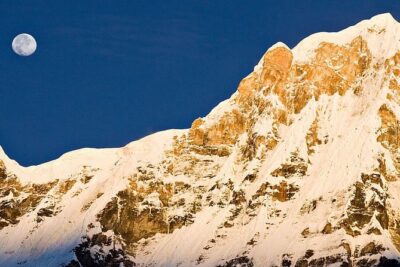
Browse the lists this tour appears in