
Reviewed · ANNAPURNA BASE CAMP TREKS
Annapurna Base Camp Trek
A great base camp trek starts with calm organization. What makes this one work is local guidance from the Annapurna region and a route that includes the big Poon Hill sunrise moment. I also like how the team keeps logistics tight, from permits to baggage handling, so you spend less time guessing and more time walking. One consideration: this trek is physically demanding, with long uphill days and early starts, so you’ll want solid moderate fitness.
The vibe here feels human, not factory-tour. In particular, past trekkers highlighted how Mr. Madan was easy to reach with questions, and how guides like Rishi and Roshan Pandey kept people feeling safe and cared for, even when trekking solo. The route itself moves from village trails and forest paths to rugged high-mountain terrain, and you should plan to go with the flow, not with perfectionist expectations.
Here’s the practical takeaway: if you want an organized Annapurna Base Camp trip at a fair price, with a local team that takes safety and acclimatization seriously, this is a strong option. If you hate mornings that begin before you feel ready, plan snacks and hydration now, because you’ll use them later.
In This Review
- Key things that make this ABC trek worth your attention
- Touch The Himalaya Treks: how the team shapes your experience
- Kathmandu to Pokhara: a long transfer, then you’re on trail
- Days 2 to 4: Ulleri, Ghorepani, and the Poon Hill sunrise hit
- Days 5 to 7: Sinuwa to Deurali, then straight to Annapurna Base Camp
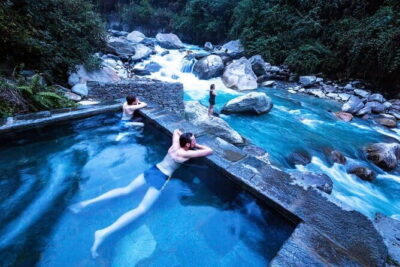
- Day 8 to 9: Descend to Sinuwa, then Jhinu hot springs recovery time
- Day 10: Return to Kathmandu and use the free time wisely
- Price and what your $700 actually buys you
- Food on the trail: tea houses work, but snacks matter
- Guides and porters: where the reviews really point to quality
- Who should book this Annapurna Base Camp trek?
- Should you book Touch The Himalaya Treks & Expedition for ABC?
- FAQ
- What is the approximate duration of this Annapurna Base Camp trek?
- How much does the tour cost?
- Where is the meeting point, and when do you start?
- Does the tour include pickup and drop off?
- What is included during the trek days?
- What kind of guide do you get?
- Are meals in tea houses included?
- Is bottled water or drinks included?
- Is this a private tour?
- Can I cancel and still get a full refund?
Key things that make this ABC trek worth your attention
- Local, first-aid trained guides in English, Hindi, and Chinese, plus a basic first-aid kit carried on the trail
- Included permits and fees, so you are not scrambling at the last minute
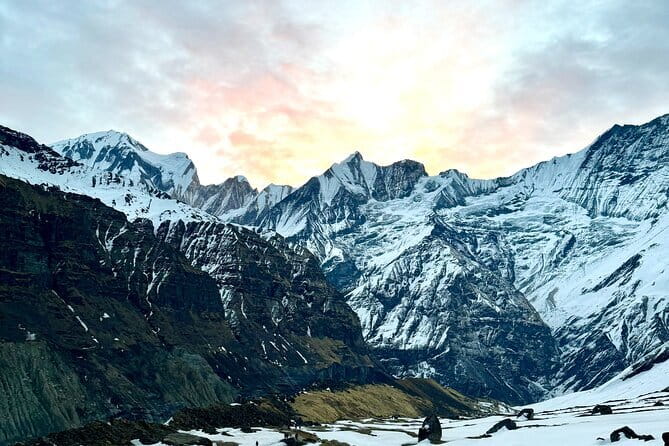
- Poon Hill sunrise + Annapurna and Dhaulagiri views, a standout payoff day
- A supportive guide-porter setup, including baggage transfers between camps
- Hot springs at Jhinu after the hardest walking days, a nice reset for sore legs
Touch The Himalaya Treks: how the team shapes your experience
This is one of those treks where the people matter as much as the views. The company runs with local experts native to the Annapurna region, and the guides have years of experience on these routes. That matters for two reasons.
First, high-altitude trekking needs smart pacing. Even though the listing doesn’t spell out a daily elevation schedule, it clearly emphasizes managing high-altitude conditions and supporting proper acclimatization. In real life, that usually means your guide pays attention to how you’re doing, not just to the clock.
Second, logistics can make or break multi-day treks. This trip includes the permits and fees, plus guide and porter costs like salary, insurance, equipment, transport, food, and accommodation. From the reviews, I see that support showing up in the details: trekkers praised how guides like Rishi took good care of solo travelers, and how Madan coordinated smoothly when questions popped up.
One more point I like: the guides are government-licensed and first-aid trained. That does not turn a trek into an amusement park, but it gives you more confidence when conditions change fast.
More Treks in Kathmandu
- Everest Base Camp Trek – 14 Days
★ 5.0 · 1,499 reviews - Everest Base Camp Trek
★ 5.0 · 842 reviews - Everest Base Camp Trekking
★ 5.0 · 485 reviews
Kathmandu to Pokhara: a long transfer, then you’re on trail
You start in Thamel, Kathmandu, with pickup and drop plus two nights of accommodation in Kathmandu before and after the trek. Start time is listed as 6:15 am, so if you like a leisurely morning, you’ll need to recalibrate.
Day 1 is the big transfer day: you’ll travel from Kathmandu to Pokhara, about 200 km west. The ride is described as roughly 7 hours, by tourist bus, car, or flight, and it follows along the Trishuli River area for scenic stretches. This is not just travel time. It’s your mental switch from city traffic to mountain rhythm.
Practical advice: use Day 1 to hydrate, eat normally, and pack layers that you can access quickly. You do not want to be rummaging for a hat while the bus is rumbling into curves.
Days 2 to 4: Ulleri, Ghorepani, and the Poon Hill sunrise hit
Day 2 begins with a short drive from Kathmandu’s region into the trek start point near Nayapul, about an hour. Then you trek to Ulleri for about 5 hours along the Modi Khola River, passing through villages. This is a good warm-up day because you’re walking through real communities rather than only raw trails.
What makes this segment special is the mix. You get a sense of everyday life as the trail threads through settlements, and you start gaining confidence with the rhythm of ascent. It’s also a practical test of your pacing. If you feel your breathing spike, slow down early. Your guide should help you manage that.
Day 3 takes you from Ulleri to Ghorepani in about 6 to 7 hours. This is where the trek leans more scenic and a bit more serious: lush forest walking, gradual gaining of altitude, and increasingly strong views of the Annapurna range.
Then comes Day 4, the sunrise payoff day. You hike early to Poon Hill to watch sunrise over Annapurna and Dhaulagiri, then you return to Ghorepani for breakfast. After that, you trek to Tadapani, about 4 hours.
Here’s what I think you’ll appreciate about this design. Poon Hill sets expectations early. It tells you the trek is not only about getting somewhere hard, it’s about getting beautiful moments on the way. It’s also a smart morale booster before you enter the more rugged middle days.
Possible drawback: early mornings. You’ll do it once for Poon Hill, and then later on you’ll have more hard-walking days. If you get cranky before coffee, bring patience and plan snacks.
Days 5 to 7: Sinuwa to Deurali, then straight to Annapurna Base Camp
Day 5 goes from Tadapani to Sinuwa, roughly 6 to 7 hours. Expect descending through forests and walking through small villages. The key thing here is how the trail shape changes. Descents can feel easier at first, but they stress your knees and calves. Your guide should help you adjust your stride and keep you from burning out.
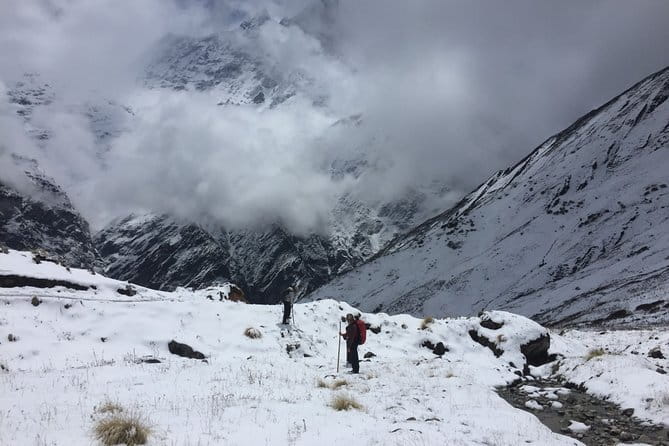
Day 6 takes you from Sinuwa to Deurali for about 5 to 6 hours. The description highlights steady ascent through forests and then crossing the Khumbu Glacier area. That line might raise an eyebrow if you’re expecting only Annapurna-named features, but regardless of the label, the practical reality is this day gets more rugged as you approach Deurali. You’ll likely feel the altitude and the terrain at the same time.
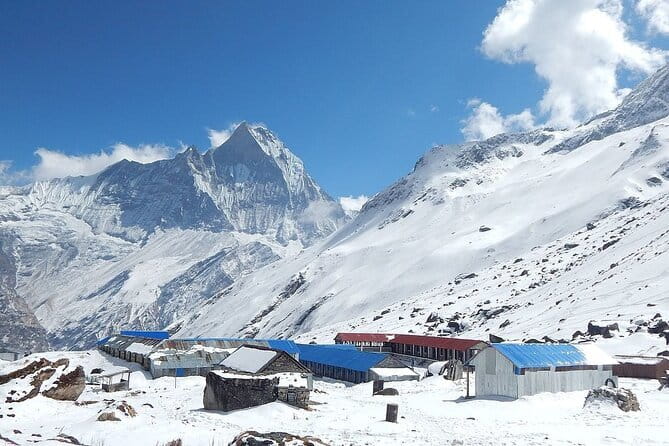
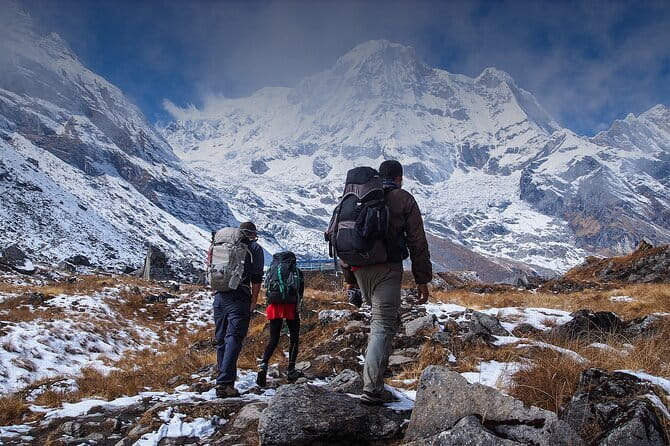
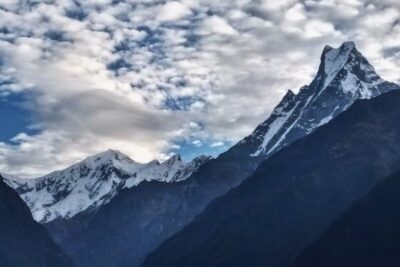
Day 7 is the main push: Deurali to Annapurna Base Camp, around 6 to 7 hours, passing Machapuchare Base Camp along the way. This is when the route shifts from “interesting day hikes” into “real mountain trekking.” You’re climbing toward the base camp area, with strong views as you approach.
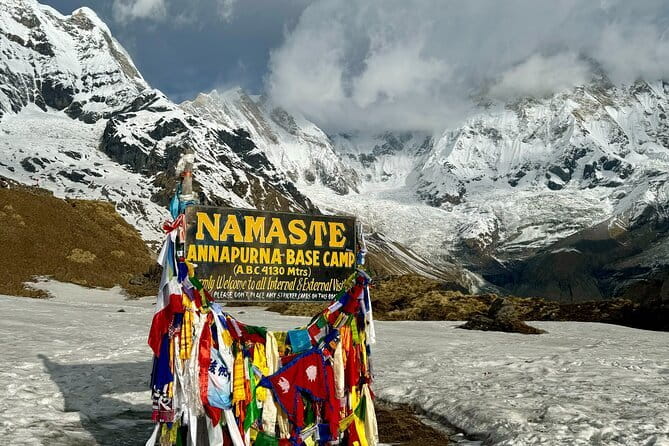
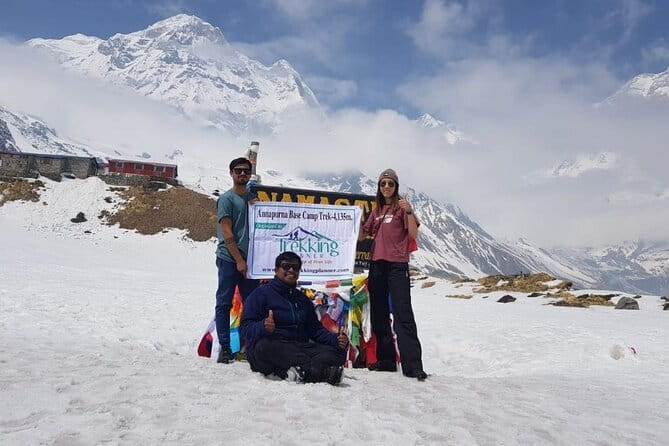
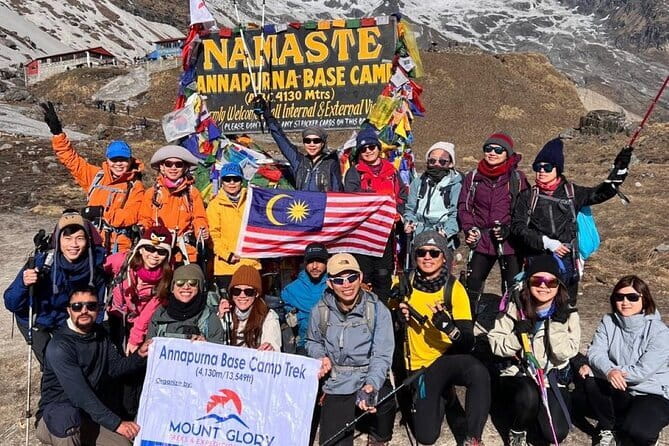
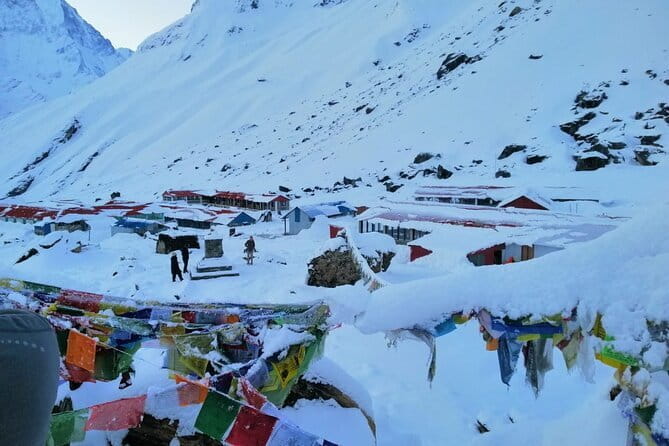
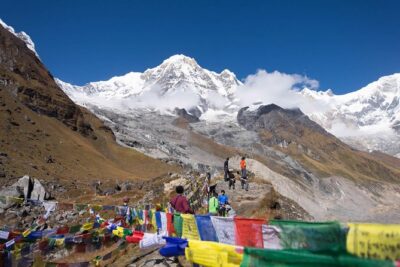
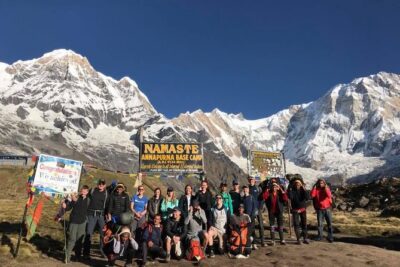
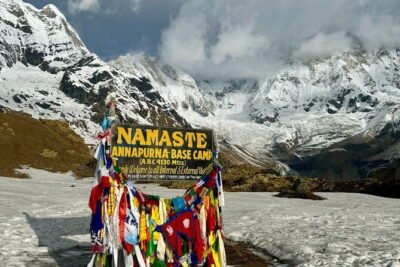
At the end, you reach Annapurna Base Camp. Even if you’ve seen photos, base camp hits differently because you are standing in the place your planning mind built all week. Bring your patience, your water, and your warm layer. Weather can change quickly up high, and the trek description emphasizes safety and high-altitude management, which is where guides really earn their keep.
More Annapurna Base Camp treks:
- Annapurna base camp trek 5 Days
★ 5.0 · 252 reviews - 14-Day Private Annapurna Base Camp Trek
★ 5.0 · 180 reviews - Annapurna Base Camp Trekking
★ 5.0 · 116 reviews - Annapurna Base Camp Trek
★ 5.0 · 111 reviews
Day 8 to 9: Descend to Sinuwa, then Jhinu hot springs recovery time
Day 8 is the descent back to Sinuwa, taking about 6 to 7 hours. Descents can be mentally tough, because your legs do the work but you are not “moving up toward a goal.” Still, this day is important. It gives your body a controlled way back down so you can recover after arriving at base camp.
Day 9 is a nice contrast. You trek from Sinuwa to Jhinu in about 5 to 6 hours. Then you relax at the natural hot springs nearby. The listing doesn’t specify the exact timing, but the structure is clear: hot springs are part of the Day 9 recovery plan, and that’s a big deal after back-to-back mountain days.
After Jhinu, you return to Pokhara by drive, about 1 to 2 hours, and you spend time there before the final transfer.
Practical tip: treat hot springs like a recovery tool, not a full spa day. You still need to protect against overdoing it, hydrate, and keep moving your body so you don’t tighten up again.
Day 10: Return to Kathmandu and use the free time wisely
On the final day, you travel back to Kathmandu. You can choose either a scenic drive around 7 to 8 hours or a short flight. When you arrive in Kathmandu, you get free time for shopping or exploring before departure.
I like keeping Day 10 flexible. After ten days of walking, you’re not in the mood for a packed schedule. A little freedom here helps you end the trip on your own terms.
If you’re flying out later that day, plan with buffer time. The trek includes long transfers, and even if everything runs smoothly, mountains and city traffic do not care about your itinerary.
Price and what your $700 actually buys you
The price is listed at $700 for an approx. 10-day trek, and the value is tied to what is included.
You get:
- Airport pickup and drop, plus two nights accommodation in Kathmandu before and after
- Breakfast, lunch, dinner during the trek
- All necessary trekking permits and fees
- A government-licensed guide trained in first aid (English, Hindi, Chinese)
- Duffel bag, complementary trekking maps
- Guide and porter costs, including transport, food, and accommodation
- A basic first-aid kit carried by the trekking guide
So you are not paying only for “a walking leader.” You’re paying for the whole machine, permits, meals, and the support staff that keeps daily operations from becoming your job.
What is not included is straightforward: tips and gratitude for your guide and porter. The trek also notes that you can buy meals in the tea houses during the trek. Since meals are listed as included, this likely gives you flexibility for snacks, drinks, or small extras, but you should still expect teahouse spending for anything beyond what’s covered.
Balanced reality check: $700 is not a bargain price, but it is also not budget-only. The best comparison is how many pieces are handled for you. With permits, meals, and staffing included, the cost makes sense for a well-run trek.
Food on the trail: tea houses work, but snacks matter
The route is designed with tea houses and village stops, and you’ll walk hours each day. The listing says you can buy meals in tea houses, but it also says meals are included during the trek. In practice, this usually means you get standard meals organized for your schedule, while you can still choose extra items if you want.
Bring “small energy” items. The additional info recommends carrying lite snacks and chocolate for energy during long days. I agree with that approach. On mountain days, you often feel okay until you suddenly do not. A quick chocolate hit can pull you back from tired mode.
Also plan for water and heat management. The pack advice includes water bottles and sunglasses, plus chargers. That is practical for a week when you may not have consistent electricity and you still need to stay hydrated.
Guides and porters: where the reviews really point to quality
If you’re deciding between trekking companies, look beyond route maps. Here, the recurring praise is about caring, availability, and safety.
Solo trekkers described feeling safe traveling alone, with strong communication from Mr. Madan and attentive support from Rishi. Other groups praised the coordination and the way baggage moved between camps, with helpers named Arjun and Ganesh described as assisting with transferring baggage.
Several reviews also highlight Roshan Pandey as a guide who made completion feel possible, plus porters who were friendly and capable. Another guide named Moti was praised for kindness and organizing everything, with people feeling looked after while walking between villages.
That mix tells me something useful for you: this isn’t only about having someone who can point the way. It’s about having someone who manages people, energy, and day-to-day needs.
Private tour note: it’s listed as private, so only your group participates. That generally means less waiting, fewer mixed interests, and more direct attention from your guide and porters.
Who should book this Annapurna Base Camp trek?
This trek fits best if you:
- Have moderate physical fitness and can handle multi-hour walking days
- Want an organized itinerary with permits, meals, and staffing handled
- Prefer a team with local experience and first-aid training
- Like sunrise scenery and village-to-base-camp pacing
You might reconsider if you:
- Struggle with very early starts, since 6:15 am is the scheduled start time and Poon Hill involves early hiking
- Want a fully relaxed, short-day trek. This is longer walking each day, including rugged terrain near Deurali and the approach to base camp
- Have limited flexibility for long transfers, since the Kathmandu-Pokhara-Pokhara-Kathmandu loops include about a 7-hour drive each way (with an option for flight on either end)
Should you book Touch The Himalaya Treks & Expedition for ABC?
I’d book this if you want a classic Annapurna Base Camp experience with the “boring but important” parts handled well: permits, meals, staffing, and local guidance. The guides being government-licensed and first-aid trained is a real comfort detail, and the stories about feeling safe, especially for solo women trekkers, point to the kind of professionalism that matters when conditions shift.
I would not book it if your main goal is minimal physical effort. This trek is built for people who are ready to walk, climb, and descend for hours. If that’s you, you’ll likely love the structure: Ulleri and villages to ease in, Ghorepani and forests, Poon Hill for the big sunrise hit, then the steady push toward base camp, ending with Jhinu hot springs recovery.
If you want, tell me your trekking dates and your current fitness level (and whether you’re solo). I can help you sanity-check the pace and what to emphasize while planning.
FAQ
What is the approximate duration of this Annapurna Base Camp trek?
The trek is listed as about 10 days.
How much does the tour cost?
The price is listed as $700.
Where is the meeting point, and when do you start?
The meeting point is Thamel, Kathmandu 44600, Nepal. The start time is listed as 6:15 am.
Does the tour include pickup and drop off?
Yes. Airport pickup and drop are included, and the trek ends back at the meeting point.
What is included during the trek days?
Included are breakfast, lunch, and dinner during the trek, plus all necessary trekking permits and fees.
What kind of guide do you get?
You get a government-licensed guide trained in first aid, with languages listed as English, Hindi, and Chinese.
Are meals in tea houses included?
The info says you can buy meals in tea houses during the trek. Meals are also listed as included during the trek, so you should expect organized meals but with flexibility to purchase extras if you want.
Is bottled water or drinks included?
The provided details mention bringing water bottles, but they do not state that water or drinks are included. Pack advice suggests you should plan to carry what you need.
Is this a private tour?
Yes. It is listed as private, so only your group will participate.
Can I cancel and still get a full refund?
You can cancel up to 3 days in advance for a full refund, but if you cancel less than 3 days before the start time, the amount paid will not be refunded.
Latest additions near Kathmandu
- White Water River Rafting – 1 Day★ 4.3 · 3 reviews
- Traditional Momo Making Class★ 5.0 · 10 reviews
- Kathmandu to Pokhara Premium sofa bus ticket★ 4.0 · 17 reviews
- Ghorepani Poon Hill Trek★ 5.0 · 16 reviews
- Amazing 1 Day Trekking Experience in Kathmandu Nepal★ 5.0 · 24 reviews
- Ghorepani Poonhill Trek★ 5.0 · 5 reviews
- Walking tour of real Kathmandu through back streets.★ 5.0 · 3 reviews
- Wildlife Adventure in Chitwan Nepal★ 4.0 · 4 reviews
Annapurna Base Camp Treks, compared.
Kathmandu to Annapurna Base Camp (ABC) 5-Day Trek
Read our review →
Browse the lists this tour appears in