
Reviewed · ANNAPURNA BASE CAMP TREKS
Annapurna base camp trek
Annapurna Base Camp grabs you fast. I love the two-phase trek, with Poon Hill sunrise and then the big payoff at 4,130m. I also like how the route weaves through Gurung and Magar villages where you experience everyday Hindu and Buddhist life through housing styles, food, and hospitality. The main drawback is that this is real altitude and cold nights, so you’ll want solid pacing and a moderate fitness base.
I’m also a fan of the way the trip layers highlights instead of doing one thing only. You start with Pokhara, a lake-filled break that’s great for photos and optional adventure like paragliding or zip flyer, then you keep climbing toward views of Machhapuchhre, Dhaulagiri, and the Annapurna massif. A consideration here is that food and drinks are not included, so you’ll budget for daily meals along the trail.
This package keeps the group size small, with a maximum of 15 travelers, which makes it easier to move at a comfortable rhythm. I’d also flag the temple dress rule: no shorts or sleeveless tops, and your shoulders and knees must be covered, or entry can be refused.
In This Review
- Key Highlights You Should Plan Around
- Kathmandu Meets the Trail: Getting to the Start in Real Life
- Pokhara Lake City First: Why That Rest Day Changes Everything
- Nayapul to Poon Hill Sunrise: Rhododendron Woods and a Real Early Start
- From Ghorepani Toward the Upper Trails: Views That Keep Catching You Off Guard
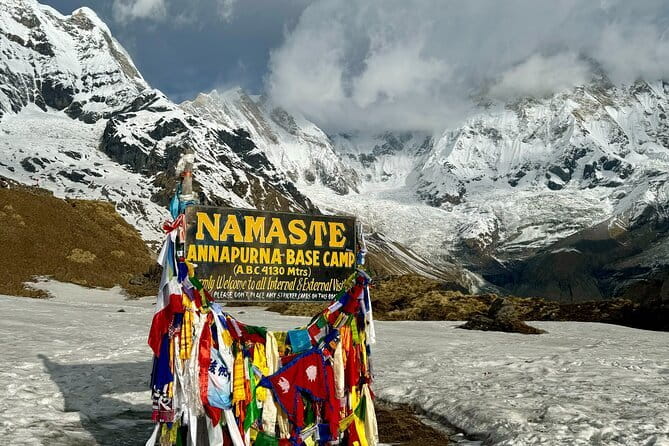
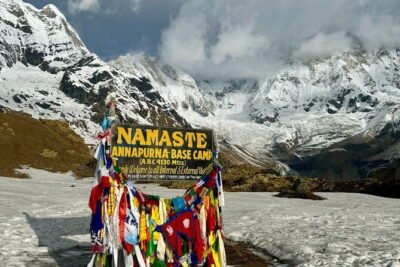
- Annapurna Base Camp at 4,130m: The Moment You Came For
- Machhapuchhre Base Camp Bonus and the Jhinu Hot Springs Reset
- Price and Value: What $999 Covers, and What You Should Budget Separately
- Group Size, Pace, and Who the Trek Is Built For
- The Practical Rules: Dress Code and Temple Visits
- Should You Book Annapurna Base Camp with This Operator?
- FAQ
- Where does this trek start and where does it end?
- How long is the Annapurna Base Camp trek?
- What is the price per person?
- What’s included in the package?
- What is not included?
- Are alcoholic drinks allowed, and is there an age limit?
- How physically demanding is it?
- What is the dress code requirement?
- Final Call: Book or Pass?
Key Highlights You Should Plan Around
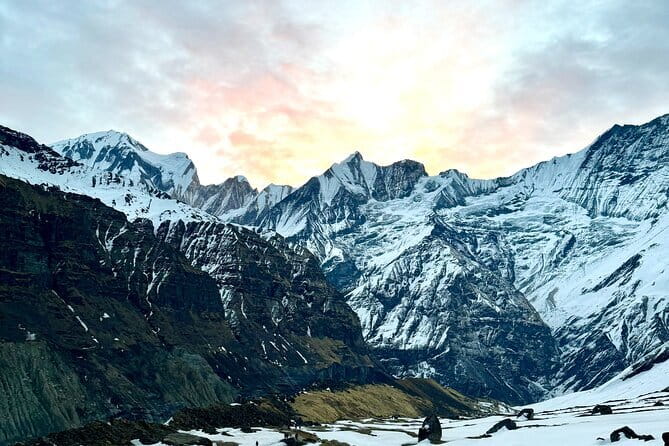
- Two sunrise and viewpoint moments: Poon Hill for sunrise, plus sunset views on the way
- Village culture on the trail: Gurung and Magar communities, their home styles, food, and hospitality
- Big Himalayan view corridor: Machhapuchhre, Dhaulagiri, the Annapurna range, Himchuli, and more
- Wildlife factor: possible sightings in the Annapurna Conservation Area, including rare species
- Optional bonus experiences: Machhapuchhre Base Camp and natural hot springs near Jhinu
- Small group travel: up to 15 people, with accommodation, breakfast, and a driver/guide included
Kathmandu Meets the Trail: Getting to the Start in Real Life
Your trek formally begins in the Kathmandu area, with the meeting point at the TIA Domestic Terminal parking lot in Kathmandu. From there, you’ll be transported to Pokhara first, which matters because it helps you transition from city life to mountain rhythm without rushing.
In practice, this setup is nice because Pokhara gives you time to orient, rest, and plan gear. I like that you’re not immediately dropped into steep climbing on day one.
More Treks in Kathmandu
- Everest Base Camp Trek – 14 Days
★ 5.0 · 1,499 reviews - Everest Base Camp Trek
★ 5.0 · 842 reviews - Everest Base Camp Trekking
★ 5.0 · 485 reviews
Pokhara Lake City First: Why That Rest Day Changes Everything
Most people think about Annapurna first, but Pokhara is part of why this trek feels manageable. The package is designed to start with a trip to this lake city, known for caves, lakes, eateries, bars, museums, and paragliding spots.
This is also where you can add optional adventure activities to break up the monotony of travel days. If you want paragliding, hot air ballooning, or a zip flyer experience, this is your window.
One practical point: the trek involves moderate walking, but the effort starts stacking after you leave Pokhara. Using Pokhara as your recharge base is a smart move, especially if you’re coming in from warmer climates.
Nayapul to Poon Hill Sunrise: Rhododendron Woods and a Real Early Start
After you reach Pokhara, you’ll drive about 2 hours to Nayapool, which is where the main walking begins. From there, the trek’s first phase is aimed at Poon Hill, at 3,210m, for that iconic sunrise view.
The route through lush forest is part of the charm. You walk among rhododendron, fig, bamboos, juniper, and other greenery, and the colors can shift fast as the light changes. If you’re the type who likes slow sightseeing while you move, this first climbing stage is where you’ll feel most awake.
You should also expect cultural encounters as the trail trends upward. The trek onward takes you toward a Himalayan belt where people of Tibetan origin may appear in your day-to-day life, not as a show, but as neighbors doing their routines.
Tip: sunrise trekking means early nights and early wake-ups. If you’re traveling with teens or you get tired easily, you’ll want to be disciplined about rest and warm layers.
From Ghorepani Toward the Upper Trails: Views That Keep Catching You Off Guard
Ghorepani and the Poon Hill area aren’t just about one dramatic photo. The itinerary includes sunrise and sunset viewpoints, so you get more than one angle on the Annapurna world.
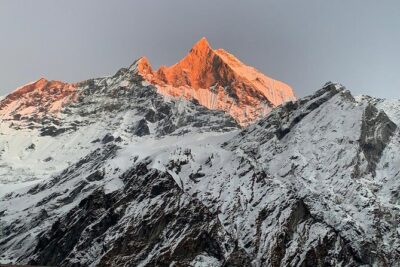
As you keep trekking, the views start to become constant, not occasional. You’ll see Machhapuchhre, Dhaulagiri, the Annapurna series, Neelgiri, Himchuli, and more, often as backdrops you can’t stop checking.
This is also the stage where the trek feels like it has a texture. You’ll pass through cultural villages tied to Gurung, Magar, and Ghale communities, and each place brings its own typical cuisine and hospitality style. I like that the cultural side isn’t limited to a single stop, it’s woven into your daily walk.
There’s also a wildlife element tied to the Annapurna Conservation Area. The program highlights rare species in the region, which is a reminder to stay observant and move respectfully, but also not to expect guaranteed sightings.
More Annapurna Base Camp treks:
- Annapurna base camp trek 5 Days
★ 5.0 · 252 reviews - 14-Day Private Annapurna Base Camp Trek
★ 5.0 · 180 reviews - Annapurna Base Camp Trekking
★ 5.0 · 116 reviews - Annapurna Base Camp Trek
★ 5.0 · 111 reviews
Annapurna Base Camp at 4,130m: The Moment You Came For
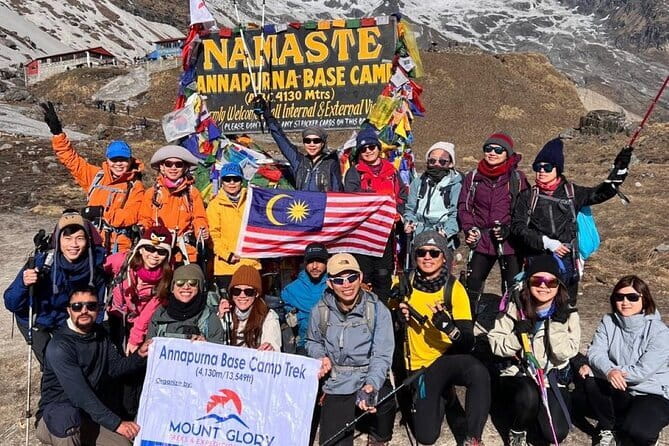
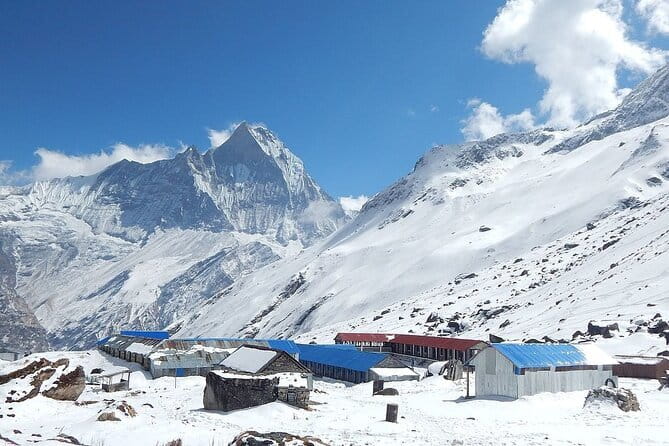
The big endpoint is Annapurna Base Camp at 4,130m, reached after you progress from Nayapool through the climbing phases. This is where you’ll feel the trek’s payoff, because the mountain views are the headline and the altitude is the reality check.
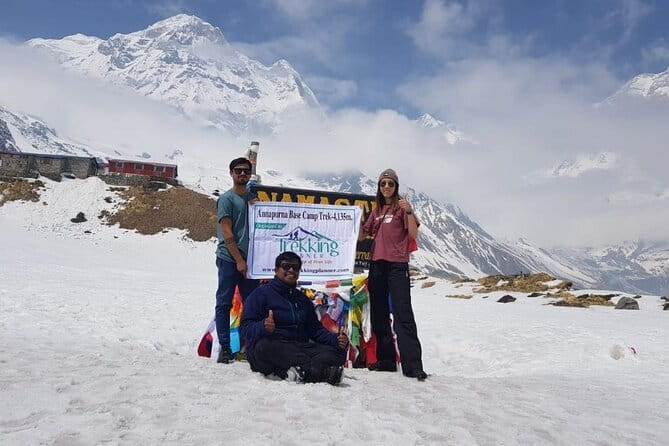
Take as many pictures as you can while you’re at the base camp area. Not because you’re collecting shots, but because conditions can change, and you’ll want memories from the time the views are truly clear.
This is also a point where your body matters more than your ambition. If you’ve been pacing steadily, you’ll enjoy the experience more once you arrive.
A note on difficulty: one of the most useful details here is that the trek is commonly described as easy to moderate, with day walking often around 5 to 6 hours. That doesn’t mean it’s effortless, it just means it’s built for sustained progress rather than technical climbing.
Machhapuchhre Base Camp Bonus and the Jhinu Hot Springs Reset
There’s an extra experience available if you choose the Machhapuchhre Base Camp component. The program calls it a bonus while doing this trek, and it’s a nice way to add another mountain perspective beyond Annapurna Base Camp.
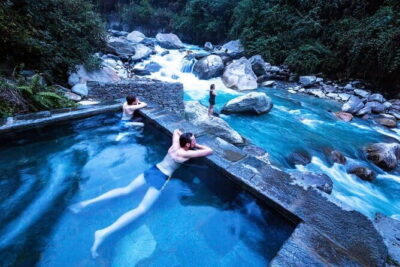
After the high points, you get a physical reset that I really appreciate: hot water natural springs near Jhinu. The idea here is simple. After cold days and tired legs, heat helps your muscles feel less angry, and it turns the last days into a more satisfying finish instead of just a march back down.
If you’re traveling in shoulder seasons or you’re prone to stiffness, this hot-springs moment can be the difference between feeling wrecked and feeling proud of what you accomplished.
Price and Value: What $999 Covers, and What You Should Budget Separately
At $999 per person, the value is strongest when you compare what’s included versus what you’ll pay anyway on your own.
Included in the package:
- Accommodation as per itinerary
- Entrance fees
- Breakfast
- Driver/guide
- Hotel pickup and hotel drop-off
Not included:
- Food and drinks
- Alcoholic drinks (minimum age 18)
So you’re paying for the core logistics and a chunk of your meals through breakfast, while meals during trekking are on you. For many hikers, that’s a fair trade, because you can choose what fits your appetite and altitude cravings.
When I look at this kind of trek pricing, I pay attention to two things. First, included accommodation and entrance fees reduce surprise costs. Second, excluded food and drinks means you should plan a daily budget for lunches, dinners, and water, especially at higher elevations where options can feel limited.
If you add optional activities in Pokhara, that’s also on you to pay separately since the package specifically mentions optional adventure opportunities there.
Group Size, Pace, and Who the Trek Is Built For
With a maximum of 15 travelers, this trek is large enough to feel social but small enough to avoid chaos. You’ll be moving on trails at a human tempo, and that helps on days with moderate walking.
The program also calls for moderate physical fitness. I’d treat that as “you can hike for hours, not that you should be brand new to it.” If you’re comfortable walking uphill for a sustained period, you’ll likely find it workable.
I like that this trek can suit teens. The trek has worked well for a 14-year-old and a 12-year-old in early April, which suggests it can be manageable for younger hikers when they go at a steady pace and pack smart.
The Practical Rules: Dress Code and Temple Visits
Nepal has lots of places of worship along routes, and this package includes a dress code requirement for entry. The rules are clear: no shorts or sleeveless tops, and both men and women must have knees and shoulders covered.
It’s not just about being polite. If your clothing doesn’t meet the requirement, you may be refused entry.
Pack for layers and ease. You’ll want warm tops for cooler mountain weather, and you’ll want something that still covers shoulders and knees even when you’re in a rush to get moving.
Should You Book Annapurna Base Camp with This Operator?
If you want a classic Annapurna experience with a strong structure, I think this is a good choice. You get Pokhara first, then the Poon Hill sunrise phase, then a focused push toward Annapurna Base Camp at 4,130m, plus optional extras like Machhapuchhre Base Camp and the Jhinu hot springs.
Book it if you:
- Like a structured route with a driver/guide and included accommodation
- Want small-group trekking up to 15 people
- Are comfortable planning your own lunches and drinks during the trek
- Can follow the temple dress code without stress
Skip or rethink it if you:
- Hate cold, early starts, and altitude pacing
- Prefer a fully all-inclusive food plan
- Don’t want to manage your clothing rules at religious sites
If you’re ready for a real mountain climb, with cultural village life threaded through your days, this trek format is an excellent way to make the Annapurna story feel complete.
FAQ
Where does this trek start and where does it end?
The meeting point is the TIA Domestic Terminal parking lot in Kathmandu. The activity ends back at the meeting point.
How long is the Annapurna Base Camp trek?
It’s listed as 15 days approximately.
What is the price per person?
The price is $999.00 per person.
What’s included in the package?
Accommodation as per itinerary, entrance fees, breakfast, a driver/guide, and hotel pickup and hotel drop-off are included.
What is not included?
Food and drinks are not included, and alcoholic drinks are also not included.
Are alcoholic drinks allowed, and is there an age limit?
Alcoholic drinks are available to purchase, but the minimum drinking age is 18 years.
How physically demanding is it?
Travelers should have a moderate physical fitness level, and a moderate amount of walking is involved. One description notes day walking around 5 to 6 hours.
What is the dress code requirement?
For places of worship and selected museums, you must cover knees and shoulders. Shorts and sleeveless tops are not allowed, and entry may be refused if you do not comply.
Final Call: Book or Pass?
I’d book this trek if you want the full Annapurna circuit feeling, with Pokhara as your warm-up, Poon Hill views built into the climb, and a realistic package that handles the major logistics. If you’re the type who enjoys meeting the day with steady steps, warm layers, and patience at altitude, you’ll get a lot of value from this format.
Latest additions near Kathmandu
- White Water River Rafting – 1 Day★ 4.3 · 3 reviews
- Traditional Momo Making Class★ 5.0 · 10 reviews
- Kathmandu to Pokhara Premium sofa bus ticket★ 4.0 · 17 reviews
- Ghorepani Poon Hill Trek★ 5.0 · 16 reviews
- Amazing 1 Day Trekking Experience in Kathmandu Nepal★ 5.0 · 24 reviews
- Ghorepani Poonhill Trek★ 5.0 · 5 reviews
- Walking tour of real Kathmandu through back streets.★ 5.0 · 3 reviews
- Wildlife Adventure in Chitwan Nepal★ 4.0 · 4 reviews
Annapurna Base Camp Treks, compared.
Kathmandu to Annapurna Base Camp (ABC) 5-Day Trek
Read our review →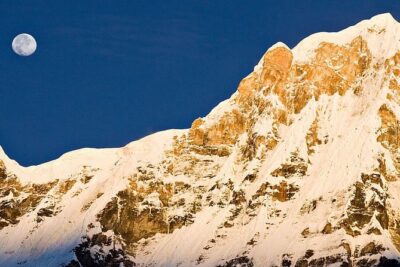
Browse the lists this tour appears in