
Reviewed · ANNAPURNA BASE CAMP TREKS
Annapurna Base Camp Trek
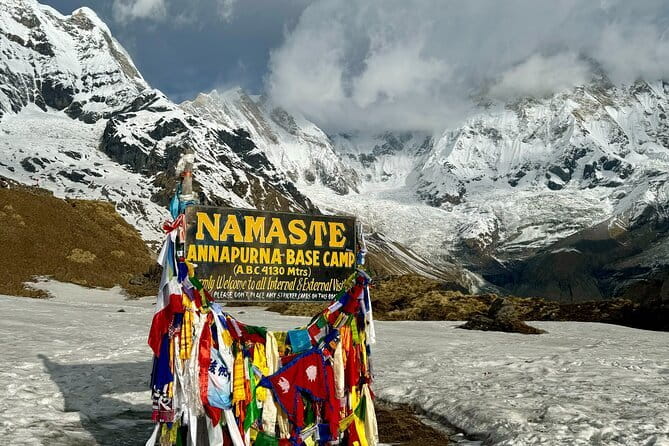
Sunrise at Poon Hill sets the tone. This 12-day Annapurna Base Camp trek strings together Ghorepani and the Annapurna Sanctuary, with village walks and big Himalayan views that start early and stay with you. You climb up to 4,130 meters and spend the big moment at ABC, surrounded by peaks like Annapurna I and Hiunchuli.
What I like most is the way the trip handles the essentials for you: hotel nights in Kathmandu and Pokhara, airport or arrival transfer, and hygienic meals on the trek. Another big plus is the human factor, especially with guides like Dambar Thapa, who is praised for strong pacing when altitude starts to feel serious and for keeping you comfortable with the day’s rhythm.
One thing to consider, though, is that you need to be ready for an early start, with the meet time set for 2:15 am, plus extra costs that are not included for showers and electronic charging in some mountain guesthouses. If you hate mornings or you are sensitive to altitude, plan carefully.
In This Review
- Key highlights before you go
- Why This 12-Day Annapurna Base Camp Route Works
- Kathmandu Setup: Hotel Nights and the First Easy Moves
- The Pokhara Stage: Why This Stop Matters Before You Hike
- Ulleri to Ghorepani: Rhododendron Walking and a Sunrise Target
- Tadapani to Sinuwa: Building Altitude with Forest and Views
- Deurali: Bamboo Forests and the Feeling of Getting Closer
- Annapurna Base Camp Day at 4,130 m: The Moment You Trained For
- Returning to Sinuwa and the Jhinu Danda Recovery Stop
- Getting Back to Kathmandu: The Smooth Finish
- Price and Logistics: What $940 Really Buys You
- The Most Important Part: Who Your Guide Is and How You Should Pace
- Practical Tips You’ll Actually Use on This Trek
- Should You Book This Annapurna Base Camp Trek?
- FAQ
- Where is the meeting point, and what time does it start?
- What is the highest altitude on this trek?
- What trekking gear is included?
- Are hotel nights included in Kathmandu and Pokhara?
- What meals are included during the trekking days?
- Can I cancel for a full refund?
- Is travel insurance included?
Key highlights before you go
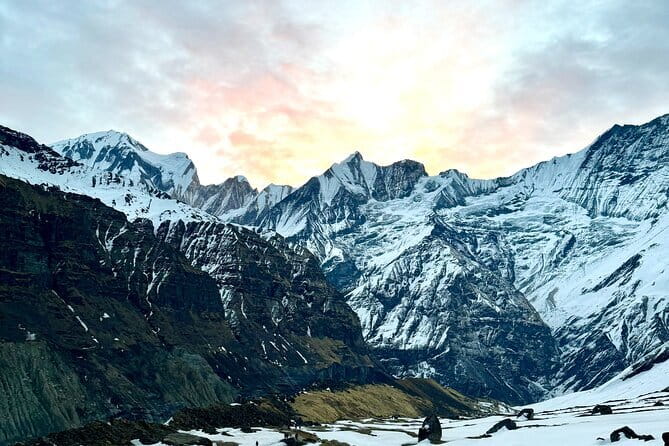
- Poon Hill at 3,210 m gives you a classic sunrise with big views of Annapurna and Dhaulagiri ranges.
- A serious high point at 4,130 m brings you into the Annapurna Sanctuary on Day 8.
- Meals and basics are handled during the trek, with breakfast, lunch, and dinner plus a first aid kit.
- A guide you can trust matters in altitude, and Dambar Thapa is specifically noted for pacing and attention.
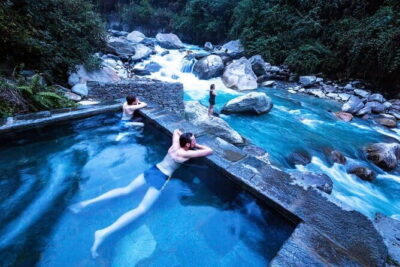
- Hot springs recovery at Jhinu Danda lets you ease sore legs on the way back down.
- Sleeping bag and duffel support means you do not need to hunt for trekking gear before you arrive.
Why This 12-Day Annapurna Base Camp Route Works
This itinerary is built around a simple idea: you get the best view days without rushing the mountains too fast. You start with the more popular Ghorepani and Poon Hill area, then you step upward into the Annapurna Sanctuary and reach ABC at about 4,130 m.
The mix of rhododendron forests, terraced village paths, and panoramic viewpoints is what makes it feel like more than one long hike. You also get a practical arc: buildup days, a peak day, then a recovery-style return with a natural break at Jhinu Danda.
If your goal is to see the Annapurna world in one trip, this route is efficient. It also gives you enough time on foot for culture, not just photo stops.
More Treks in Kathmandu
- Everest Base Camp Trek – 14 Days
★ 5.0 · 1,499 reviews - Everest Base Camp Trek
★ 5.0 · 842 reviews - Everest Base Camp Trekking
★ 5.0 · 485 reviews
Kathmandu Setup: Hotel Nights and the First Easy Moves
Day 1 is all about landing and resetting. After you touch down in Kathmandu, you get picked up and driven to your hotel, where you can rest after the flight and adjust to Nepal time. Kathmandu sits around 1,400 meters, so it is not a huge altitude jump, but it is enough to feel the air a bit thinner if you are sensitive.
Then the second day is gentle and useful. You stroll around Phewa Tal in the evening, which is a great way to stretch after travel without turning day one into a punishment. Pacing matters on treks, and this intro keeps you from arriving exhausted.
For value, I like that you get two nights in Kathmandu included, in a hotel like Hotel Simal or similar category. That removes a chunk of decision-making and lets you focus on what comes next.
The Pokhara Stage: Why This Stop Matters Before You Hike
Even though the trek is the star, the Pokhara days help you stay sane. You have two nights in Pokhara in places like Hotel Trekkers Inn or alike, which is handy because it puts you in the right zone for the Annapurna region drive.
Once the trek starts, your first walking day begins after transport. You drive to Birethanti and then hike uphill toward Ulleri, which is a classic way to transition from road time into trail time. It is not a chaotic start, and it lets you feel the climb gradually.
This is also one of the moments where good logistics pay off. The trip includes a tourist bus drive to Pokhara, then a car or jeep segment later depending on your route timing. Less hassle for you, and less time lost.
Ulleri to Ghorepani: Rhododendron Walking and a Sunrise Target
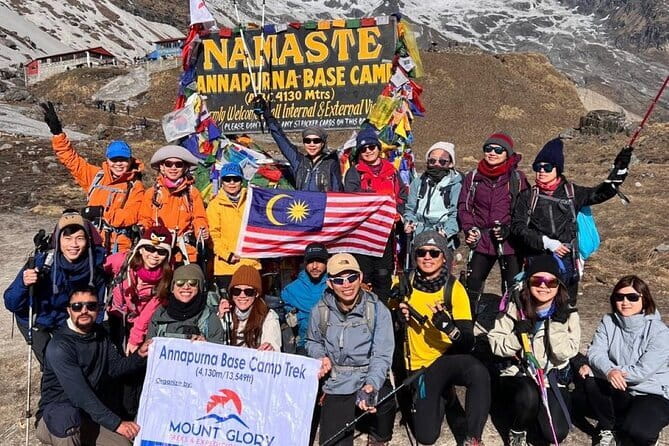
From Ulleri to Ghorepani, the trek leans into forests and mountain views. You hike through terraced fields and villages, then settle into rhododendron forests as you approach Ghorepani. This part is popular for a reason: it feels lush, it has variety, and it sets you up for the next big view day.
Ghorepani is a resting point for a lot of trekkers, but your day here is not just waiting. The itinerary sets you up for the sunrise hike to Poon Hill at 3,210 m. That means you get the early light while the air is crisp, which is exactly when those peaks look their best.
Back to breakfast and then onward. After Poon Hill, you descend for food and continue trekking toward Tadapani at about 2,630 m. That descent-to-next-step rhythm is practical, especially if you are new to multi-day trekking.
Potential drawback here: the Poon Hill sunrise push is time sensitive. You are going to be up early and walking in the dark or near-dark, so bring a headlamp and be ready for a quick start.
More Annapurna Base Camp treks:
- Annapurna base camp trek 5 Days
★ 5.0 · 252 reviews - 14-Day Private Annapurna Base Camp Trek
★ 5.0 · 180 reviews - Annapurna Base Camp Trekking
★ 5.0 · 116 reviews - Annapurna Base Camp Trek
★ 5.0 · 111 reviews
Tadapani to Sinuwa: Building Altitude with Forest and Views
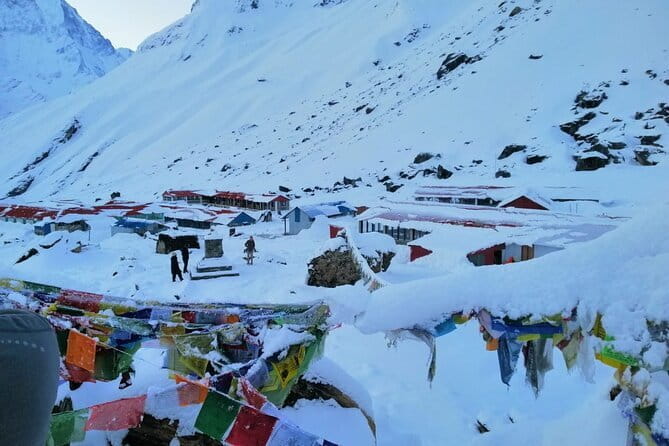
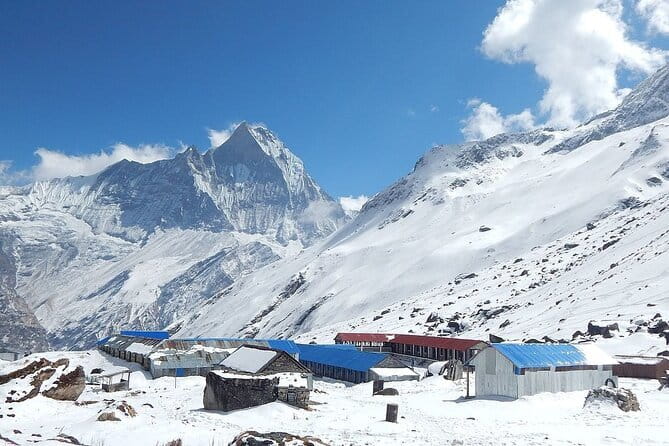
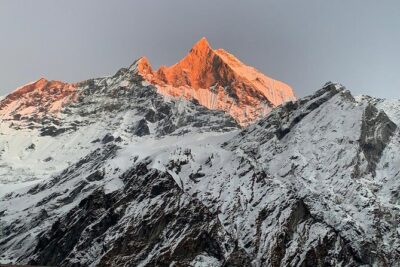
Tadapani to Sinuwa is a longer day, about 6 hours of walking. You climb through dense forests and you start seeing more of the Annapurna world, including a look toward Machhapuchhre (Fishtail). When you start catching glimpses of those famous silhouettes, it is a big morale boost.
Sinuwa itself is a small village setting, which means your night is not in a high-stress place. You are still in trek mode, but you are not always fighting for space in a crowded hub.
This day is where the trek begins to feel more “serious.” The pace you choose matters more than the distance, and a good guide will help you manage effort so you do not burn out.
Deurali: Bamboo Forests and the Feeling of Getting Closer
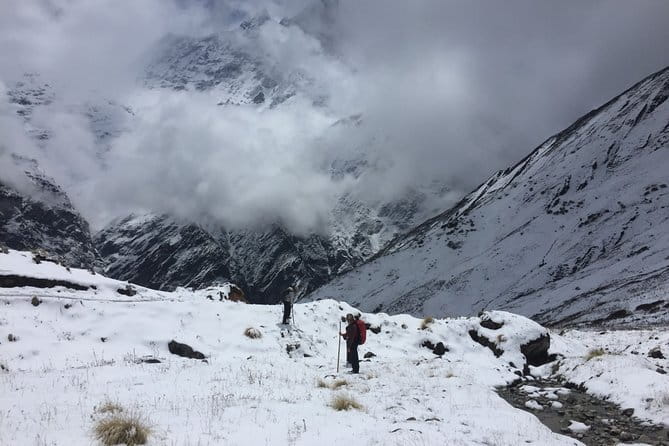
From Sinuwa to Deurali, the hike shifts again. You go through bamboo forests, rocky terrain, and river valleys, and the higher elevation brings you closer to the massif. The trail starts to feel like it belongs to the Annapurna Sanctuary system, not just the popular sightseeing loop.
Deurali is also a mental checkpoint. This is when many people start to feel altitude more, even if they have been okay earlier. The itinerary does not include a day of full rest here, so you will want to keep your breathing steady and your stops short and frequent.
One more practical note: guesthouses in higher zones may have limited warmth and limited power. Plan for cold evenings and treat electronic charging as an extra, not something guaranteed.
Annapurna Base Camp Day at 4,130 m: The Moment You Trained For
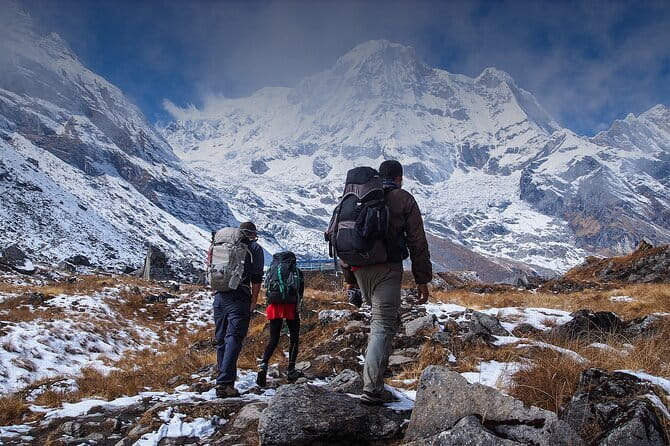
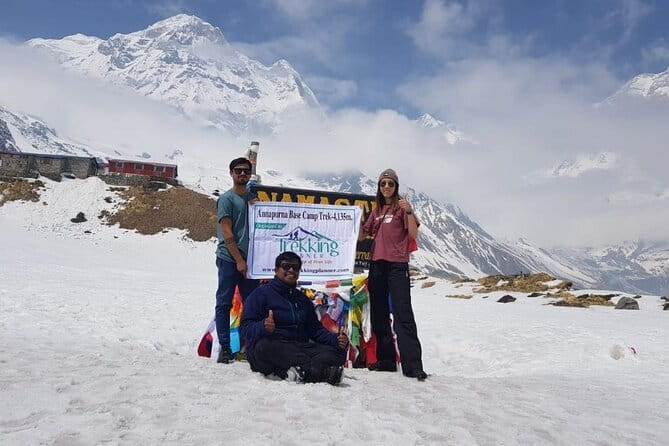
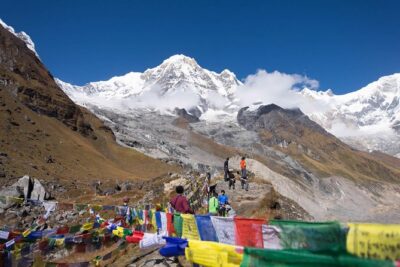
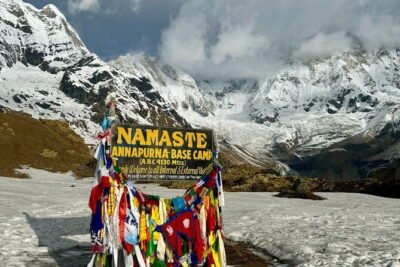
The big day is Deurali to Annapurna Base Camp (ABC). You climb to roughly 4,130 meters, around 13,550 feet, and that is the emotional centerpiece of the whole trek. From ABC, the views include major peaks like Annapurna I, Annapurna South, Hiunchuli, and Gangapurna.
This is also the day where your guide makes the biggest difference. If altitude hits, pacing is everything. In the experiences tied to guides like Dambar Thapa, the key strength is support through tempo adjustments, so you keep moving without panic.
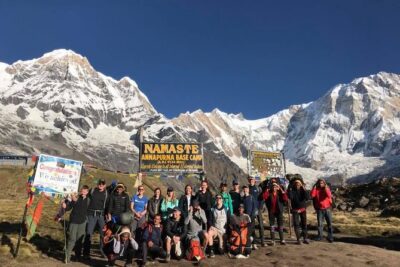
Once you reach ABC, you get a real sense of being in the amphitheater of the mountains. You are not just passing by a viewpoint. You are staying there long enough to feel the place, even if you keep it short because temperatures at that elevation can tighten up fast.
Returning to Sinuwa and the Jhinu Danda Recovery Stop
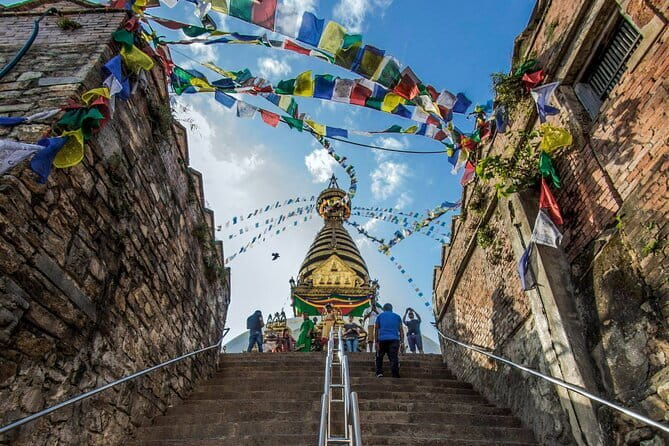
After your night at ABC, you head back to Sinuwa around 2,340 m. The itinerary notes that the descent is easier on the legs, which is true in the simple sense that downhill uses different muscles and usually takes less energy. Still, your knees will care, so use careful foot placement.
What I like about the return route is the landscape change. You pass through bamboo forests and cross suspension bridges over rushing rivers, and the terrain shifts from rocky, higher-ground feel toward greener slopes. You also get fresh views because you are seeing parts of the walk from the other direction.
Then you continue toward Jhinu Danda, about 1 hour walking to a hot springs village at roughly 1,780 m. This is one of those smart “recovery with a reward” stops. Soaking in hot water after days of hiking is not just comfort, it is also a way to reset your body before the long drive back down to Kathmandu.
Getting Back to Kathmandu: The Smooth Finish
On Day 11 you drive back to Kathmandu for about 7 hours. That is a long seated stretch, so treat it like recovery time, not an endurance test.
Day 12 is your onward destination, after proceeding from Kathmandu. You end back at the meeting point, which keeps the logistics clean and avoids last-day confusion.
Price and Logistics: What $940 Really Buys You
At $940 per person, the value comes from what is included and what is not. Included costs cover a lot of the trip’s hard-to-plan pieces: two nights in Kathmandu, two nights in Pokhara, trekking accommodation in mountain guesthouses, permits, and a government-authorized guide plus porters. You also get your sleeping bag and duffel bag support for the trek, plus a first aid kit.
Meals during the trek are included as breakfast, lunch, and dinner, which matters because mountain trail food planning can be a headache. You also get insurance, food, accommodation, and wage support for guides and porters listed in the package, which reduces the chance you get an awkward surprise expense mid-trek.
There are also transport pieces included, including airport or arrival and departure by private car, and road segments connected to the trek start and the Jhinu return route. In a trek, these handoffs are where trips often fall apart. Here, they are handled for you.
What is not included is equally important. International airfare is not included, and meals in Kathmandu and Pokhara besides breakfast are on you. You should also budget for shower and electronic charging fees in some guesthouses, listed around $5 in the trek info, and of course tips for guide and porter are not included.
For me, the honest way to judge value is simple: if you want fewer decisions, predictable meals, and a team that handles permits and guides, this package price starts to make sense fast. If you prefer total DIY planning and already have gear and permits sorted, you might find cheaper routes, but you will trade away convenience.
The Most Important Part: Who Your Guide Is and How You Should Pace
Altitude is the quiet boss of this trek. ABC at 4,130 m can feel manageable for some people and brutal for others, and the difference is often pacing, hydration, and not forcing the day.
This is why I pay attention to guide fit. A guide named Dambar Thapa is highlighted for knowledge, professionalism, and staying attentive when altitude starts hitting. The practical takeaway for you is to ask for a pacing approach that keeps you moving steadily, not sprinting between tea stops.
Also, the itinerary includes breaks and reflection time described as part of the guide approach in the experiences shared. That matters more than you think. A tired body can look like a tired mind, and taking a few minutes to reset can improve your whole day.
Finally, this trip is rated for moderate physical fitness. That does not mean easy. It means you should be able to walk several hours at a time, handle uneven terrain, and keep going even when you feel slow.
Practical Tips You’ll Actually Use on This Trek
Here is what I would plan for based on the trek shape you are given. You will be walking between about 5 and 6 hours many days, plus a sunrise push to Poon Hill and a longer climb day to ABC. Your days are not just sightseeing, they are walking days with elevation.
Bring a headlamp for early starts, even if you think you will be fine in daylight. The meet time is 2:15 am from Thamel, Kathmandu, and you should assume early mornings on trek days too.
Think about comfort with power and heat. Shower and charging fees are not included, so treat them as optional. If you rely on electronics, keep battery use conservative.
Service animals are allowed in the policy notes, and the meeting point is near public transportation. So if you want to add city time in Kathmandu before or after the trek, it is easier to move around.
Should You Book This Annapurna Base Camp Trek?
If you want the classic Annapurna combo, Ghorepani plus Poon Hill sunrise plus Annapurna Base Camp, this trip makes a lot of sense. You get the big view days, a hot springs reset at Jhinu Danda, and a clear handoff between trekking and town stays in Kathmandu and Pokhara.
Book it if you value handled logistics: permits, guides and porters, sleeping bag support, trekking meals, and transport connections. The price feels more reasonable when you add up that set of included services, especially if you do not want to micromanage trail planning.
Skip it if you know you struggle with early starts, or if altitude scares you enough that you want a more flexible pace and extra rest days. This route is structured, and it asks you to keep a steady rhythm.
FAQ
Where is the meeting point, and what time does it start?
The start meeting point is Thamel, Kathmandu 44600, Nepal, and the start time listed is 2:15 am. The activity ends back at the meeting point.
What is the highest altitude on this trek?
The trek climbs to Annapurna Base Camp at about 4,130 meters.
What trekking gear is included?
The package includes sleeping bags and duffel bags. The duffel bags have to be returned after the trek.
Are hotel nights included in Kathmandu and Pokhara?
Yes. You get two nights in Kathmandu at Hotel Simal or a similar category, and two nights in Pokhara at Hotel Trekkers Inn or alike.
What meals are included during the trekking days?
During the trek, meals include breakfast, lunch, and dinner. Meals in Kathmandu and Pokhara are not included beyond breakfast.
Can I cancel for a full refund?
Yes, free cancellation is available. You can cancel up to 24 hours in advance for a full refund, and refunds depend on canceling at least 24 hours before the experience start time.
Is travel insurance included?
No. Travel insurance is mandatory, but it is not included in the package.
Latest additions near Kathmandu
- White Water River Rafting – 1 Day★ 4.3 · 3 reviews
- Traditional Momo Making Class★ 5.0 · 10 reviews
- Kathmandu to Pokhara Premium sofa bus ticket★ 4.0 · 17 reviews
- Ghorepani Poon Hill Trek★ 5.0 · 16 reviews
- Amazing 1 Day Trekking Experience in Kathmandu Nepal★ 5.0 · 24 reviews
- Ghorepani Poonhill Trek★ 5.0 · 5 reviews
- Wildlife Adventure in Chitwan Nepal★ 4.0 · 4 reviews
- Walking tour of real Kathmandu through back streets.★ 5.0 · 3 reviews
Annapurna Base Camp Treks, compared.
Kathmandu to Annapurna Base Camp (ABC) 5-Day Trek
Read our review →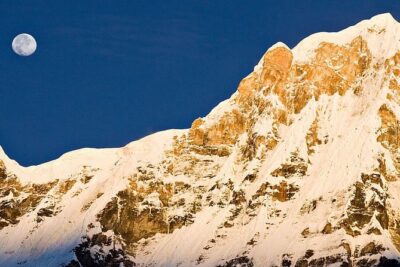
Browse the lists this tour appears in