
Reviewed · ANNAPURNA BASE CAMP TREKS
Annapurna Base Camp Trek 12 Days
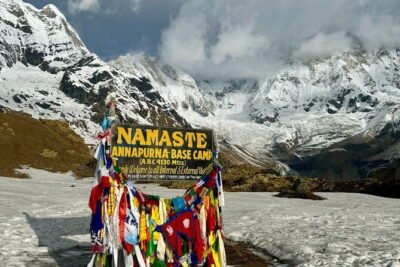
Annapurna Base Camp turns the volume up. This 12-day trek pairs big mountain days with real village life, handled by a team that focuses on route safety and practical pacing. I like that you get more than a summit mission, you also pass through places tied to Gurung and Magar communities.
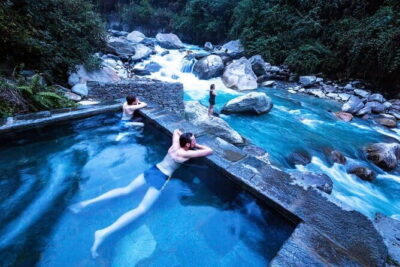
I also like the way the plan builds in the right “payoff moments,” like the Poon Hill sunrise push at altitude and the hot springs at Jhinu to recover afterward. One drawback to consider: you still climb a lot. The Ulleri day includes about 3,000 stone steps, and later days start to feel the altitude effects.
In This Review
- Key things I’d note before you go
- Kathmandu to Pokhara, the trip starts before the first step
- The Nayapul to Tikhedhunga day, where your rhythm gets set
- Ulleri steps to Ghorepani, your first real altitude wake-up call
- Poon Hill at sunrise, the view that makes the climb worth it
- Chhomrong, where the trek turns human
- Into the Sanctuary approach, Dovan and the quiet middle days
- The hardest part of the route: Deurali toward Fishtail Base Camp
- Sinuwa and Jhinu hot springs, finishing with body-friendly payback
- Price and value: $799 is not just a number
- The guide team, and why names matter for your peace of mind
- What you should pack, based on how this trek is paced
- Who this trek suits best
- Should you book this Annapurna Base Camp trip?
- FAQ
- Where does the trek start?
- Is airport pickup and drop-off included?
- How long is the experience?
- What is included for meals during the trek?
- Are permits included?
- How do you get from Kathmandu to Pokhara?
- Is accommodation in Kathmandu included?
- Is a porter included?
- What should I plan for in terms of fitness?
- What if I need to cancel?
Key things I’d note before you go
- Safety-first route changes around the avalanche-prone section near Fishtail Base Camp
- Poon Hill sunrise at 3,200m, with clear early-morning viewing options
- Lodges en route with 3 meals a day plus tea or coffee during trekking hours
- Cultural village stops, including a major Gurung village like Chhomrong
- Permits handled for ACAP and local areas, so you are not juggling paperwork
- Value for a private setup, at $799 with guide, ground transport, and airport pickup included
Kathmandu to Pokhara, the trip starts before the first step
I like how this itinerary gets the “hard logistics” out of the way early. Your trip begins in Kathmandu with an airport representative meeting you at Tribhuvan International Airport, then you transfer to a hotel and get a briefing. Thamel is a practical base since it is close to everyday services and you can orient quickly.
On day 2, you ride to Pokhara by tourist bus, typically leaving around 7:00 a.m. and taking about 6 to 7 hours depending on road conditions. This matters because it keeps your first trekking day from getting squeezed by slow or unpredictable arrivals. Once in Pokhara Lakeside, you rest at the hotel and reset your body and head before the trail.
One small practical point: accommodation in Kathmandu is not included, so budget for that night(s) in advance. The trek itself starts after you move into the Annapurna region.
More Treks in Kathmandu
- Everest Base Camp Trek – 14 Days
★ 5.0 · 1,499 reviews - Everest Base Camp Trek
★ 5.0 · 842 reviews - Everest Base Camp Trekking
★ 5.0 · 485 reviews
The Nayapul to Tikhedhunga day, where your rhythm gets set
Day 3 starts with a private vehicle ride from Pokhara to the trail at Nayapul. The drive takes about 2 hours and runs through countryside that gradually shifts into the Annapurna approach.
The trail begins at a confluence where the Modi River flows, and that is a nice early “orientation cue.” You are not just walking into the mountains, you are walking through the river valleys that shape the entire route. Expect steady walking as you transition from transport mode into trekking mode. Tikhedhunga is where many people start to feel the day-to-day pattern: shorter breaks, steady effort, and lots of small decisions like water refills and layer adjustments.
If you are not used to hill walking, this is a good day to take it slow. You will thank yourself later when the climbs get steeper.
Ulleri steps to Ghorepani, your first real altitude wake-up call
Day 4 is the classic uphill slog toward Ulleri. From the trail route, you climb to the village of Ulleri with around 3,000 stone steps, taking roughly 2 hours. After Ulleri, the trail continues toward Ghorepani.
I like that the itinerary is clear about the effort level. This is not “pretty stroll” country. It is an intentional warm-up for how the trek will work: climb, pause, regain your breathing, then climb again.
If you want one practical trick, it is to move slower than you think you should on step-heavy days. Your legs might feel okay at the start, but the later fatigue comes from consistent uphill strain. You will do better by keeping the pace gentle and steady.
Poon Hill at sunrise, the view that makes the climb worth it
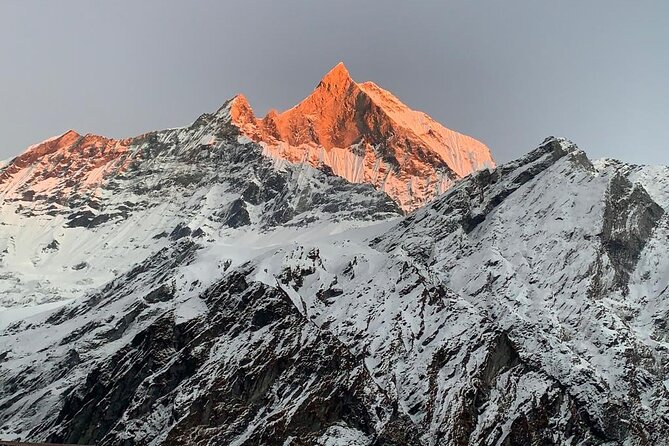
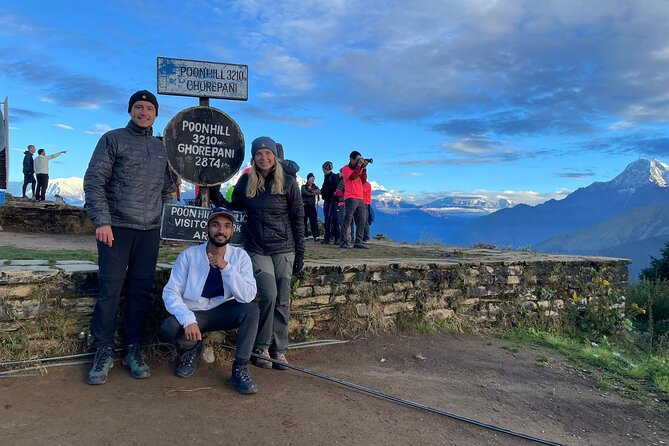
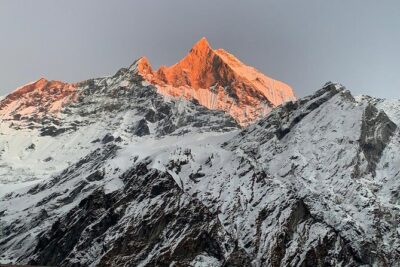
Day 5 centers on Poon Hill, one of the best viewing spots in the Annapurna region. You walk about 50 minutes to reach the viewpoint area around 3,200m to watch sunrise over the peaks. The plan notes you can see roughly 15 different peaks, including a strong set of Annapurna views.
This is one of the itinerary’s biggest “bang for your lungs” moments. The climb is short compared to other summit days, but the payoff is real. Sunrise also tends to add a built-in structure to the day: early start, big view, then a gentler rhythm afterward.
If you are choosing trekking socks, gloves, or layers, this is the day they matter most. Even without extreme weather details, high viewpoint mornings can feel cold, and you will move better if you start the sunrise window comfortable.
More Annapurna Base Camp treks:
- Annapurna base camp trek 5 Days
★ 5.0 · 252 reviews - 14-Day Private Annapurna Base Camp Trek
★ 5.0 · 180 reviews - Annapurna Base Camp Trekking
★ 5.0 · 116 reviews - Annapurna Base Camp Trek
★ 5.0 · 111 reviews
Chhomrong, where the trek turns human
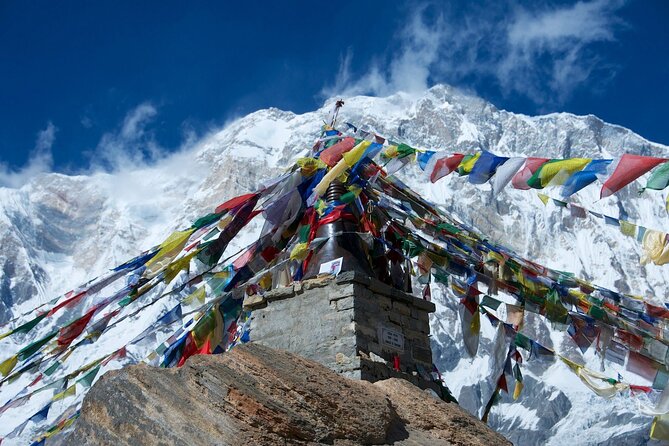
Day 6 brings you toward Chhomrong. From Tadapani, you descend about 900 meters to the Gurjung River valley, then gradually climb along the ridge to Chhomrong. Chhomrong is described as a large Gurung village in the Annapurna corridor.
I like this day because it slows the story down. You are still trekking, but you are also entering a community hub instead of just passing through scenic stages. The “culture” part of Annapurna is not a museum stop. It is seeing how people live in the trekking corridor, how lodges operate, and how the village economy connects to the trail.
The trade-off is mental. After a long ridge segment, it is easy to feel impatient. Take a breath when you arrive. This village stop is part of the reason many people choose Annapurna instead of a more remote route.
Into the Sanctuary approach, Dovan and the quiet middle days
Day 7 moves you from Chhomrong down toward Chhomrong Khola, then up toward Sinwa for about 3 hours. The itinerary describes a steep valley entry toward Annapurna Sanctuary at the foothills of Annapurna South and Fishtail.
Day 8 continues upward from Dovan to Deurali. This is where the altitude effect is noted, and the plan calls for a slow pace. The trail includes a peaceful segment through lush green forest, ending at another Himalayan hamlet after about 2 hours.
This middle section is a big deal for two reasons.
First, it sets your acclimatization pattern. The plan explicitly slows down when altitude begins to matter more. That is one of the best safety choices you can have on a trek, because rushing is when mistakes happen.
Second, it gives you a mental reset. These days are less about dramatic sunrise photography and more about settling into the steady rhythm. If you tend to get nervous with steep terrain, this is also where confidence builds.
The hardest part of the route: Deurali toward Fishtail Base Camp
Day 9 is the peak trekking day in terms of effort and attention. The route from Deurali toward Fishtail Base Camp is described as an avalanche-prone area. Because of that, the plan states you will change the route across the Modi River depending on situation and season. Expect the final push to take around 2 hours.
I appreciate how this is framed. You are not being sold a fantasy of “one perfect path.” You are being told the truth: mountain conditions can change route decisions, and your team adjusts for that.
If your biggest fear is safety, this is exactly the part you should want handled. It is also a reminder to pack smart for uncertainty: keep your essentials easy to access, and do not assume you can ignore the weather.
Day 10 continues the emotional arc. After watching sunrise over the Annapurnas, you trek back toward Doban via Dovan. The itinerary notes the first part can be steep, then transitions into more gradual downhills. That mix is common in base camp style treks, and it is why your choice of trekking poles can matter. They help on steep downhills and on uneven paths where you are tired.
Sinuwa and Jhinu hot springs, finishing with body-friendly payback
Day 11 follows the river and peaceful forest, with water falls, sounds, and birds mentioned along the way. You hike toward Sinuwa Hill at a gentle pace and overnight at a trekking lodge in Sinuwa.
This is a very sensible “recovery day before recovery day.” By now, your legs have done their job, and the walk is more about easing the circulation and loosening stiffness.
Day 12 wraps with a short trekking segment to Jhinu, the natural hot spring. You hike about 2 hours, then spend time bathing in the hot spring and have lunch there. After that, you drive back to Pokhara or you can trek further before returning.
I love that the final day gives you a physical release valve. After base camp style altitude walking, hot springs are not a luxury, they are a practical way to feel better sooner.
Price and value: $799 is not just a number
The price is $799 per person for a 12-day trip, and the value sits in what is included.
Your package covers:
- Lodges en route plus three meals a day (breakfast, lunch, dinner) with tea or coffee while trekking
- Ground transportation between Kathmandu and Pokhara
- Airport pickup and drop-off
- A professional guide with their expenses, including insurance and equipment
- Permits and fees, including ACAP and local permits
- Mobile ticket
What is not included matters too:
- Beverages and tips
- Your personal trekking insurance
- Porter is optional if you need one
- Meals and accommodation in Kathmandu and Pokhara beyond the daily breakfast are not included
So what does $799 buy you in real terms? It buys down your stress. You are not managing guide, permits, or basic meal rhythm. You get a planned route with lodge support and included transfers. If you already know how you want to handle permits and guides, you might find cheaper. But if you value safety organization and smoother day-to-day execution, this price feels competitive based on what you do not have to arrange yourself.
The guide team, and why names matter for your peace of mind
A good trek feels calmer than it looks on paper. That usually comes down to people on the ground.
In past trips connected to this company, I’ve seen names like Dil Prasad Sapkota (who helped with trip advice in the lead-up) and guides such as Arjun and Sudip. Porters named like Krishna and Ram also show up in the same context. You should not assume you will get the same people, but it does tell you the company builds teams and keeps them engaged.
Practical tip for you: ask your operator who will be your guide and whether a porter can be added if you want one. The tour data says trekking porter is not included, if you need it, so clarifying this early helps you avoid last-minute surprises on load weight.
What you should pack, based on how this trek is paced
This itinerary has early sunrise starts and longer walking days, plus a final hot springs session. That combination affects what you should bring.
In general, plan for:
- Warm layers for sunrise mornings like Poon Hill, plus a lighter layer for daytime warmth
- A reliable daypack for snacks, water, and your small essentials
- A water strategy you can maintain in lodges and on the trail
- Trekking poles if you know downhill walking beats up your knees
You also want small “comfort upgrades” that make lodge life easier at higher elevations: a headlamp, lip balm, and a way to keep your phone or valuables protected during cold mornings.
Who this trek suits best
This trip is described as for travelers with moderate physical fitness. That is a fair label for a trek with step climbing, repeated uphill stretches, and altitude effects that show up above Dovan.
You will be a good fit if:
- You can handle a demanding day like the Ulleri steps without racing
- You accept that route adjustments can happen near avalanche-prone areas
- You want sunrise viewpoints plus real village time, not just long wilderness walking
If your ideal trek is flat and low effort, this is not that.
Should you book this Annapurna Base Camp trip?
If you want an organized, safety-minded Annapurna Base Camp trek with permits handled, meals included, and real village corridor experiences, this is a solid booking choice. The price of $799 looks most attractive when you factor in ground transport, airport pickup/drop-off, lodge meals, and the guide and team insurance coverage.
I would book it if you:
- Prefer having route planning handled for you, especially around the avalanche-prone section
- Like sunrise moments like Poon Hill and the Annapurna views from the route back
- Want the comfort of lodge stays plus a structured pace, including slow acclimatization above Dovan
If you hate early starts, or if you are not ready for the Ulleri step climb and altitude effects, you may want a lower effort trek.
If you tell me your fitness level and when you plan to go, I can help you sanity-check whether this 12-day pacing fits your style and goals.
FAQ
Where does the trek start?
The meeting point is Tribhuvan Airport in Kathmandu, Nepal.
Is airport pickup and drop-off included?
Yes. Airport pick up and drop off are included.
How long is the experience?
It is approximately 12 days.
What is included for meals during the trek?
The trek includes three meals a day with tea or coffee en route: breakfast, lunch, and dinner.
Are permits included?
Yes. The package includes all applicable permits and fees, including ACAP and local permits.
How do you get from Kathmandu to Pokhara?
You drive by tourist bus, usually departing around 7:00 a.m. and taking about 6 to 7 hours depending on road conditions.
Is accommodation in Kathmandu included?
No. Accommodation in Kathmandu is not included.
Is a porter included?
A trekking porter is not included, though you can add one if you need it.
What should I plan for in terms of fitness?
The trip is listed for a moderate physical fitness level.
What if I need to cancel?
You can cancel for free up to 24 hours in advance for a full refund. If you cancel less than 24 hours before the start time, no refund is provided.
Latest additions near Kathmandu
- White Water River Rafting – 1 Day★ 4.3 · 3 reviews
- Traditional Momo Making Class★ 5.0 · 10 reviews
- Kathmandu to Pokhara Premium sofa bus ticket★ 4.0 · 17 reviews
- Ghorepani Poon Hill Trek★ 5.0 · 16 reviews
- Amazing 1 Day Trekking Experience in Kathmandu Nepal★ 5.0 · 24 reviews
- Ghorepani Poonhill Trek★ 5.0 · 5 reviews
- Walking tour of real Kathmandu through back streets.★ 5.0 · 3 reviews
- Wildlife Adventure in Chitwan Nepal★ 4.0 · 4 reviews
Annapurna Base Camp Treks, compared.
Kathmandu to Annapurna Base Camp (ABC) 5-Day Trek
Read our review →
Browse the lists this tour appears in