
Reviewed · ANNAPURNA BASE CAMP TREKS
Annapurna Base Camp Trek 10 Days
One step at a time, this trek really adds up. The Annapurna Base Camp route mixes steep trail work, classic mountain panoramas, and village days that feel grounded in daily Gurung and Magar life. You start in Kathmandu, ride to Pokhara, then work your way up toward Annapurna I, Machhapuchhre (Fishtail), and the big 4,130 m moment at the end.
I like that this is built around real support, with an experienced licensed guide and a porter system that keeps your pack manageable. I also like the included logistics that actually matter, like ACAP and TIMS permits plus a sleeping bag and down jacket, so you are not hunting for gear at the last minute.
The one consideration is simple: even though the trek is described as attainable for many people, you still face steep ascents, lots of steps, and high altitude. If you hate downhill steps or you get breathless easily, plan to move slower and keep your expectations realistic.
In This Review
- Key highlights you will care about
- From Kathmandu to Pokhara: the long ride that sets your rhythm
- The Ghandruk jump-off: village days and first big peak glimpses
- Ghandruk to Chhomrong: stairs, viewpoints, and building momentum
- Chomrong Khola and Khuldighar: the day you earn your breath back
- Deurali, Bagar, and the push from Machhapuchhre Base Camp to ABC
- Sunrise at Annapurna Base Camp, then the descent via Bamboo
- Jhinu Danda and Chhomrong: the return loop that still has meaning
- Naya Pul and the Modi Khola side hike: finishing strong into Pokhara
- A leisure day in Pokhara, then a scenic return to Kathmandu
- Price and value at $996: what you are really paying for
- Guides, porters, and a small group: why Sudam and Ganesh matter
- Altitude, cold mornings, and what included gear helps with
- Who should book this Annapurna Base Camp trek
- Should you book it or keep looking?
- FAQ
- What is the duration of the Annapurna Base Camp trek?
- Where does the trek start, and what time does it begin?
- How do you travel between Kathmandu and Pokhara?
- Are trekking permits included?
- Does the package include a guide and porter?
- What gear and meals are included?
Key highlights you will care about
- Sudam and Ganesh style of guiding, meaning patient pacing and practical help during the harder sections
- Porter support with a 25 kg max pack limit, which changes how enjoyable day-to-day hiking feels
- Permits included (ACAP and TIMS), so you do not waste energy on admin while you are in the mountains
- Two-way transport is handled, with tourist bus to Pokhara and private drives around the trek entry points
- ABC sunrise in the morning, followed by a return down the same route you climbed
From Kathmandu to Pokhara: the long ride that sets your rhythm
Your trip starts in Kathmandu, with pickup from the airport and transfer to your hotel. There is also Kathmandu sightseeing by private vehicle, which is a nice way to settle in before your legs get tested.
Day 1 is a drive by luxury tourist bus to Pokhara, around 6 to 7 hours. This matters because Pokhara is your altitude warm-up and your base of operations. It also helps you avoid starting the trek with a stressed brain and a half-packed bag.
A small detail I appreciate here is the “get ready, not get rushed” approach. You arrive in Pokhara and can focus on an early night, rather than trying to cram shopping, prep, and travel into one chaotic day.
More Treks in Kathmandu
- Everest Base Camp Trek – 14 Days
★ 5.0 · 1,499 reviews - Everest Base Camp Trek
★ 5.0 · 842 reviews - Everest Base Camp Trekking
★ 5.0 · 485 reviews
The Ghandruk jump-off: village days and first big peak glimpses
Day 2 shifts gears fast. After breakfast, you drive from Pokhara to Ghandruk in about 3 to 3.5 hours, starting your trekking area at roughly 1,940 m.
Ghandruk is a beautiful village stop and an easy place to understand the local rhythm, especially if you pay attention to how people live in the Annapurna region. It is also a good emotional checkpoint, because by the time you are there, you can look around and see why this trek pulls hikers from all over the world.
For you, the practical win is that this day is not a full-on slog. You are getting oriented, building hiking confidence, and letting your body adjust before higher, colder elevations.
Ghandruk to Chhomrong: stairs, viewpoints, and building momentum
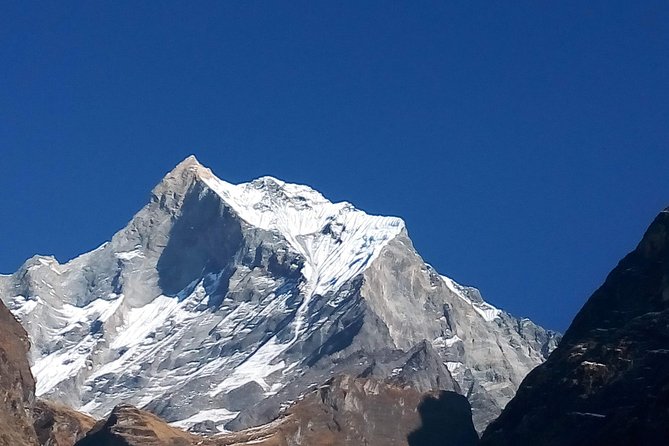
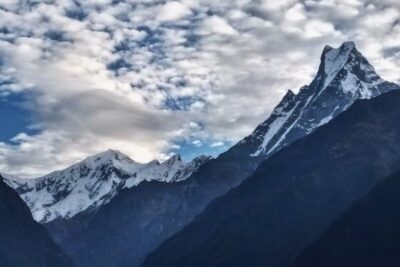
Day 3 takes you from Ghandruk toward Chhomrong with a climb of about an hour up to Kimrungdanda. Then you keep trekking uphill while taking in views of Annapurna South, Hiunchuli, Fishtail Mountain (Machhapuchhre), and Gangapurna, depending on weather and visibility.
This day is one of those “you work, then you get paid” stretches. Views help you keep moving when the trail gets repetitive. And repetitive is a real thing on ABC, since you will spend many hours on steps, slopes, and steady climbs.
You might find this section is a good test of pacing. If you treat it like a race, you will feel it later. If you keep a steady tempo, you will arrive with energy to enjoy the village and the next descent.
Chomrong Khola and Khuldighar: the day you earn your breath back
From Chhomrong, Day 4 drops you down through thousands of steps to the Chomrong Khola. You cross a suspension bridge, then you work your way uphill toward Khuldighar at about 2,380 m.
There is a lot of rhythm in this day. Step-downs can feel brutal if you do not use proper downhill technique, and step-ups can sneak up on you if you go too fast early. But the bridge crossing and the change in terrain keep it interesting, and that variety helps you stay mentally fresh.
This is also the day where staying power matters. The altitude is rising, and your body starts demanding a bit more patience. I like that you are not left on your own here, because a strong guide can keep the pacing steady instead of letting the group blow up at the first steep stretch.
More Annapurna Base Camp treks:
- Annapurna base camp trek 5 Days
★ 5.0 · 252 reviews - 14-Day Private Annapurna Base Camp Trek
★ 5.0 · 180 reviews - Annapurna Base Camp Trekking
★ 5.0 · 116 reviews - Annapurna Base Camp Trek
★ 5.0 · 111 reviews
Deurali, Bagar, and the push from Machhapuchhre Base Camp to ABC
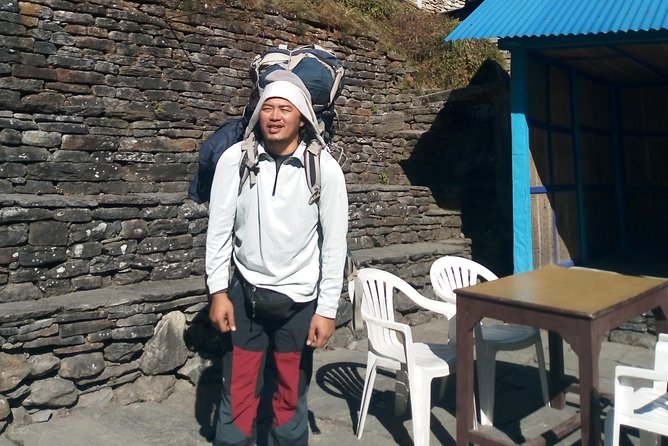
Day 5 is the big target day, moving from the Deurali area and working through toward Annapurna Base Camp. The trek route includes climbing through river-bed paths and then taking a steep trail toward Bagar, before heading onward to Machhapuchhre Base Camp.
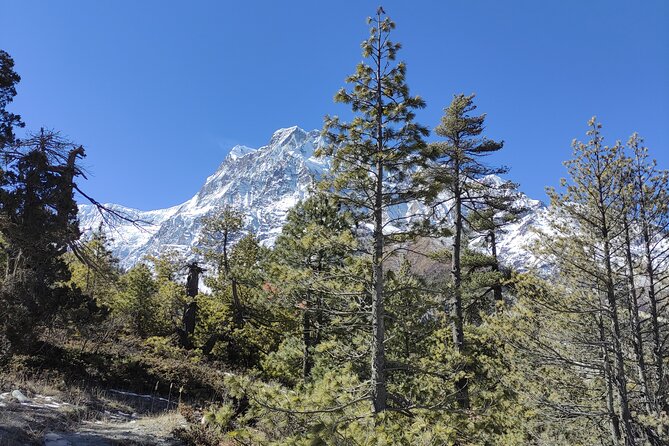
From Machhapuchhre Base Camp, you then go out to Annapurna Base Camp. The route notes that forested vegetation disappears as you approach ABC, which is exactly what it feels like in practice, you trade green for higher, harsher terrain and colder air.
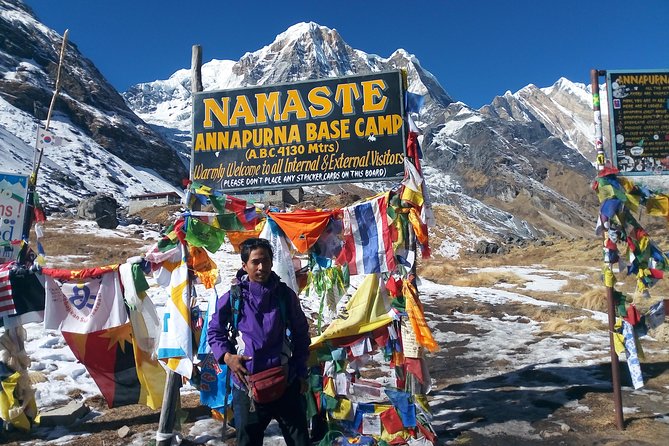
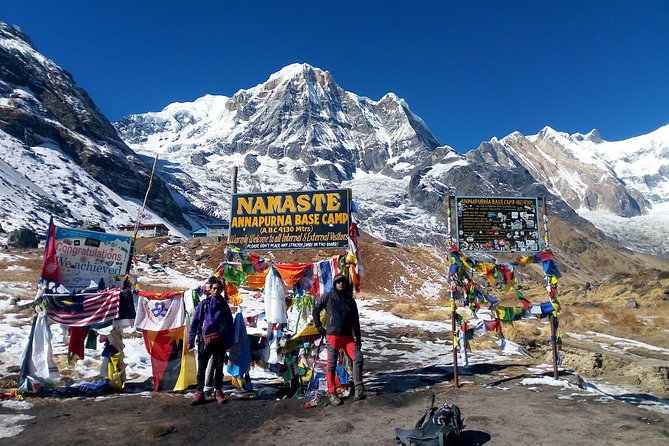
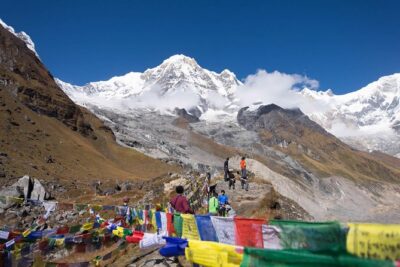
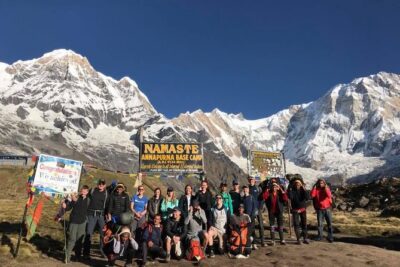
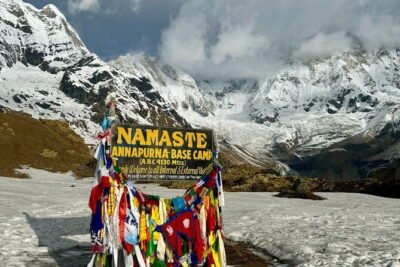
The payoff is the arrival at Annapurna Base Camp at about 4,130 m. This is your moment for wide views of the Annapurna massif, and it is also a test of how well you managed effort over the previous days.
Even if you have been watching photos for years, the real thing lands differently. I would plan to keep your celebration small at first. Short stops, slow breathing, and time to adjust are your best friends up there.
Sunrise at Annapurna Base Camp, then the descent via Bamboo
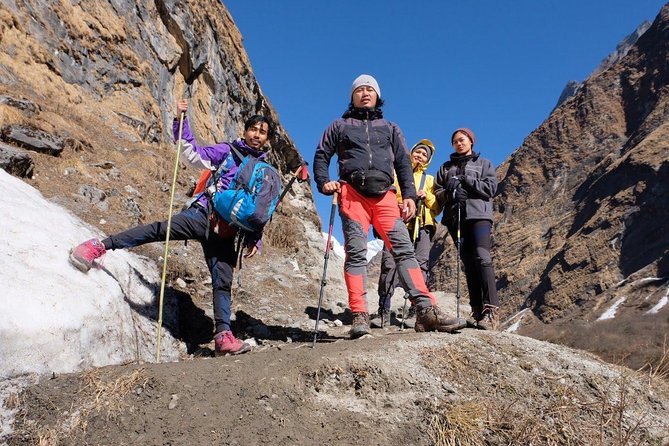
Day 6 starts with sunrise at ABC. If the sky cooperates, this morning view is one of the main reasons people put up with the climb in the first place.
After morning time at ABC, you descend back along the same route. Bamboo is the named stop on this day, and you will likely feel this as a “long day” even if the distance is manageable, because your legs carry the memory of yesterday’s altitude.
This is where your equipment and planning actually pay off. Having a down jacket included helps you stay warm during cold morning temperatures and during pauses when you want to catch the view without rushing.
A practical note: descending can be mentally easier but physically harder on knees. If you have a history of knee issues, take downhill seriously, use careful footing, and do not hesitate to ask your guide for pacing adjustments.
Jhinu Danda and Chhomrong: the return loop that still has meaning
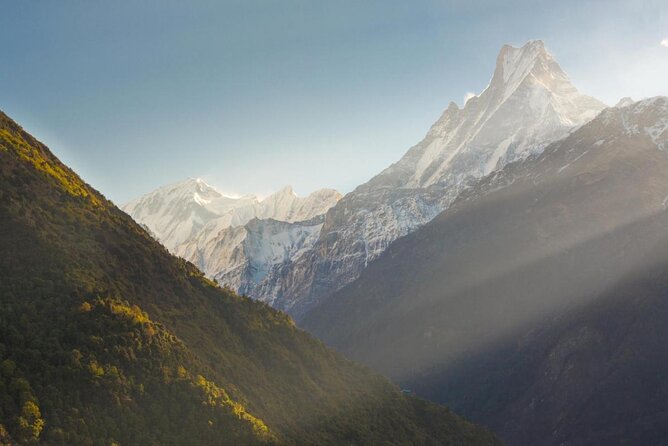
Day 7 brings you to Jhinu Danda and then back toward Chhomrong. The route describes trekking uphill to Kuldighar first, then down toward Chhomrong Khola, and then back up through stone steps to Chhomrong.
This is not just “going back.” Your return path gives you a second way to see the same terrain, and that helps the trip feel complete instead of transactional. You also start noticing how quickly your brain adapts to what used to feel high and far away.
One of the best values of a guided trek is that you are not constantly doing mental math about what is next. You can focus on your steps, your breath, and your enjoyment, while the guide handles route pacing and group management.
Naya Pul and the Modi Khola side hike: finishing strong into Pokhara
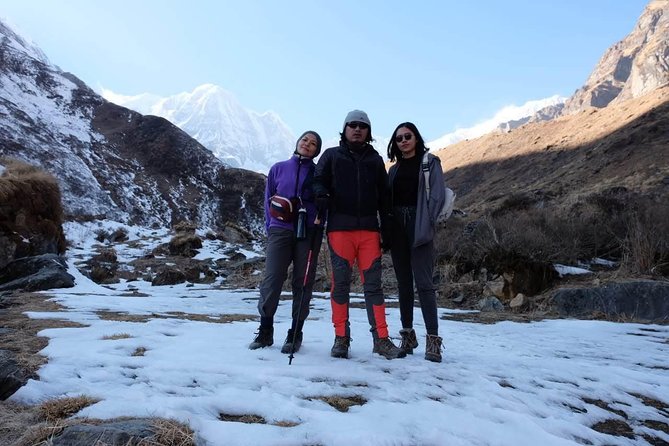
Day 8 turns toward the end. From Jhinu Danda, you hike along the side of Modi Khola for about 4 to 5 hours before reaching Birethanti. Then you take about an hour’s drive to Pokhara for an overnight stay.
This day is a nice transition between “trek mind” and “comfort mind.” You get continued mountain-region views and air movement, but you also get more consistent terrain rhythm as you move toward the exit points.
It is also a great time to pay attention to how your body feels at the end. If you managed your energy well earlier, you will walk this day with a calmer mind. If you rushed, you will feel fatigue here first.
Then you are back in Pokhara, which is a reward you can actually enjoy, not just a place to drop your bags and collapse.
A leisure day in Pokhara, then a scenic return to Kathmandu
Day 9 is leisure in Pokhara, with options on your own. The plan specifically highlights sightseeing you can do at Phewa Lake and Begnas Lake, among other spots in the area.
This day is valuable because it lets your body recover. You also get the mental break that helps the whole trek feel worth it, instead of feeling like a blur of steps.
Day 10 brings you back to Kathmandu by scenic flight or bus from Pokhara. The flight is described as extremely scenic and gives you a last chance to view the Annapurna region peaks. Either way, you end back at the meeting point, keeping the wrap-up simple.
Price and value at $996: what you are really paying for
At $996 per person, this trek stands out because it bundles the big-ticket essentials you would otherwise spend time and money assembling yourself.
The included value is not just “a guide and food.” You get pickup and transfers around the route, Kathmandu sightseeing by private vehicle, tourist bus transport between Kathmandu and Pokhara, private vehicles around the trek entry and exit points, and the trek permits including ACAP and TIMS.
You also get porter support with a stated 2 guest to 1 porter arrangement and a 25 kg max for baggage. That single detail can change your hiking experience more than people expect, because a lighter pack helps you enjoy the day, not just survive it.
Then there is the gear support. The trek includes necessary equipment like a sleeping bag and a down jacket, plus a guide’s and porter’s transport and clothing support, first aid kit presence, and emergency rescue help covered by your travel insurance.
Could you find a cheaper version? Maybe. But if you want a setup where major logistics and some key gear are already handled, the pricing starts to make sense.
Guides, porters, and a small group: why Sudam and Ganesh matter
One of the most praised parts of this trek is the human side. In multiple comments, guides named Mr. Sudam and Mr. Ganesh show up as attentive, professional, and consistently helpful.
That matters because ABC is not just scenic, it is demanding. When your guide understands pacing, hydration, and altitude realities, your days feel smoother. People also mention that Sudam and Ganesh took care of their group needs and kept the experience enjoyable even when the trail felt tiring.
A fun and practical detail: Sudam is noted as being able to speak Chinese in at least one account. If you share that language, it can help you communicate faster when you need clarity or reassurance.
Porters also get specific credit in the feedback, including names like Dinesh and Suresh, for helping carry luggage and reducing the burden on hikers. With the stated porter limit and ratio, you are not relying on guesswork. You go into the trek knowing how baggage support is set up.
Group size is capped at 16, which usually means you get enough structure to stay organized, without turning the trail into a crowded event.
Altitude, cold mornings, and what included gear helps with
The route climbs to Annapurna Base Camp at about 4,130 m, and it also includes passes and elevations like Khuldighar at 2,380 m. That is a meaningful altitude range, so your body will need time and sensible pacing.
Good news: the program includes a sleeping bag and a down jacket. That helps with one of the hardest parts of high-altitude trekking, staying warm during early starts and nighttime recovery.
The challenge is that everyone reacts differently to altitude. The safest approach for you is to go slow on ascents, take breaks without guilt, and trust your guide to manage the group tempo. If you have moderate fitness, this trek is described as suitable, but your legs and breathing still need respect.
Who should book this Annapurna Base Camp trek
This is a strong choice if you want:
- Licensed guiding and organized logistics
- A porter setup that keeps your pack lighter
- A trek length that focuses on ABC with a clear end plan
- Time in Pokhara for recovery and lake sightseeing
It is also a good fit for a wide range of hikers, since the trek is described as attainable for many enthusiasts. If you have moderate physical fitness, you are in the right zone, as long as you accept that there are steep climbs and lots of steps.
If you are an experienced mountaineer looking for technical challenges beyond a classic trek, you might find it simpler than what you want. But for most people, the mix of village culture, big peak views, and the ABC arrival is the whole point.
Should you book it or keep looking?
I would book this trek if you want a guided, well-organized ABC experience where permits, transport, and key gear are already in the package. The standout value is the combination of competent guides like Sudam and Ganesh and the practical porter support that makes the days feel less punishing.
I would think twice if you know you struggle with high altitude or if step-heavy descents are a dealbreaker for your knees. In that case, you can still choose ABC, but you will need extra patience, a conservative pace, and a plan for taking care of your body.
If you are ready for a classic Annapurna Base Camp journey with real support and a not-too-chaotic itinerary, this one looks like a solid bet.
FAQ
What is the duration of the Annapurna Base Camp trek?
The experience runs for about 10 days.
Where does the trek start, and what time does it begin?
It starts at The Great Adventure Treks & Expedition Pvt. Ltd in Kathmandu, with a start time of 8:15 am.
How do you travel between Kathmandu and Pokhara?
You travel from Kathmandu to Pokhara by tourist bus, and you return to Kathmandu from Pokhara by scenic flight or bus.
Are trekking permits included?
Yes. The package includes the Annapurna Conservation Area Project Permit (ACAP) and the TIMS card.
Does the package include a guide and porter?
Yes. It includes an experienced government-licensed trekking guide and a porter. The porter carries luggage with a stated limit of 25 kg max, with 2 guest per porter.
What gear and meals are included?
The trip includes necessary equipment like a sleeping bag and a down jacket. Meals are included, with 8 breakfasts, 8 lunches, and 8 dinners.
Latest additions near Kathmandu
- Traditional Momo Making Class★ 5.0 · 10 reviews
- White Water River Rafting – 1 Day★ 4.3 · 3 reviews
- Kathmandu to Pokhara Premium sofa bus ticket★ 4.0 · 17 reviews
- Ghorepani Poon Hill Trek★ 5.0 · 16 reviews
- Amazing 1 Day Trekking Experience in Kathmandu Nepal★ 5.0 · 24 reviews
- Ghorepani Poonhill Trek★ 5.0 · 5 reviews
- Walking tour of real Kathmandu through back streets.★ 5.0 · 3 reviews
- Wildlife Adventure in Chitwan Nepal★ 4.0 · 4 reviews
Annapurna Base Camp Treks, compared.
Kathmandu to Annapurna Base Camp (ABC) 5-Day Trek
Read our review →
Browse the lists this tour appears in