
Reviewed · ANNAPURNA BASE CAMP TREKS
Annapurna Base Camp Short trek
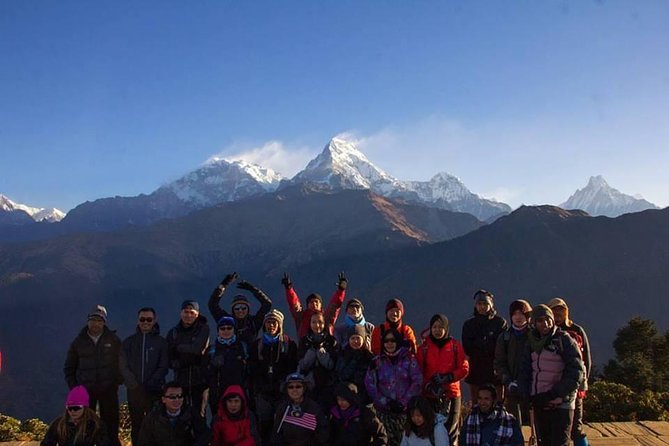
Sunrise in the Himalayas, without a long ordeal. This Annapurna Base Camp short trek strings together Kathmandu, the lakeside city of Pokhara, Gurung villages, rhododendron and bamboo forests, and then the big moment at Annapurna Base Camp (4,130m). You’ll see snow peaks, terraced hills, suspension bridges, and rivers that feel both calm and dangerous, all in one tight circuit in the Annapurna Conservation Area.
I like two things a lot. First, the variety is real: forests to open grasslands, plus the final payoff of Mt. Machhapuchhre looking huge from its base area before you reach Annapurna Base Camp. Second, the trip is designed to keep you moving but not starving, with 3 meals per day and lodge or hotel overnight stops along the trail.
One drawback to plan for is that this is still a trek with altitude and long stair days. Even though it is called short, you’ll climb and descend rocky trails and stone steps, and you’ll hit 4,130m. If you get winded easily or ignore pacing, this can feel harder than expected.
In This Review
- Quick takeaways before you go
- Annapurna Base Camp short trek: what you are really signing up for
- Price and value: what $897.44 covers (and what it does not)
- Kathmandu to Pokhara: the long drive that sets your expectations
- Ghandruk and Kimrong: first big views, first stair test
- Chhomrong to Deurali: suspension bridges and bamboo rhythm
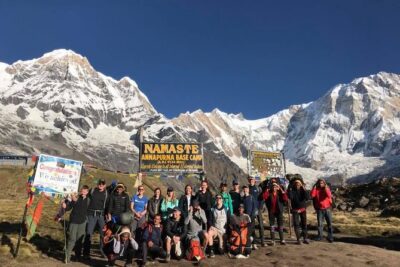
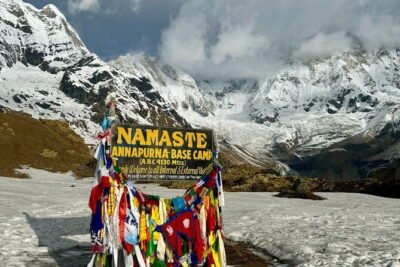
- Machhapuchhre Base Camp and the final push to Annapurna Base Camp
- Base camp sunrise: the big payoff, then a careful downhill
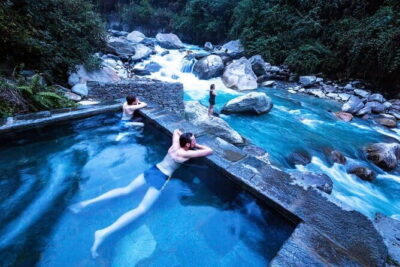
- Jhinu Danda hot spring: a real reward day
- Nayapul back to Pokhara, then Kathmandu: finishing without rushing
- Guide and team support: why this trek feels smoother
- Altitude and pacing: the short trek that still hits 4,130m
- What to pack for Annapurna Base Camp short trek comfort
- Who this trek is perfect for, and who should rethink it
- Should you book this Annapurna Base Camp short trek?
- FAQ
- Where does the trek start?
- What is the highest altitude on this trek?
- How many nights are included in Pokhara?
- Are meals included during the trekking days?
- What permits are included?
- Is travel or medical insurance included?
- Is pickup included?
- Is this a private tour?
- Is cancellation free?
- Are tips included?
Quick takeaways before you go
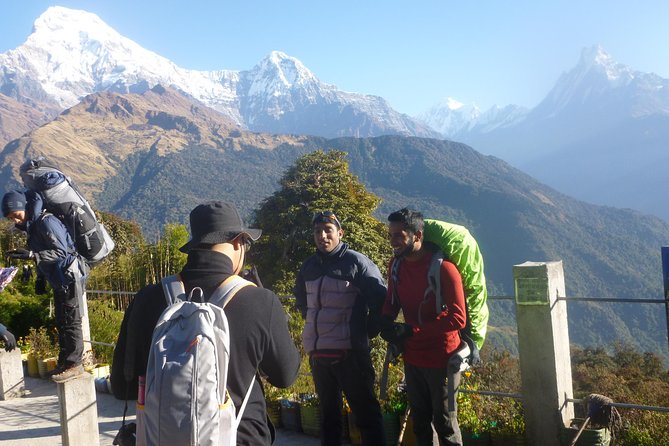
- Sunrise at Annapurna Base Camp is the highlight, with light bouncing off the Annapurna range right after an early morning climb.
- Machhapuchhre Base Camp stop gives you a close-up view of the fish tail mountain before the last stretch.
- Village culture on the way up means you pass through places like Ghandruk, Chhomrong, and Chhomrong area settlements, not just forest and rocks.
- BLD included on trek days keeps the logistics simple, especially when weather turns.
- Jhinu Danda hot spring recovery is a smart reward after tough descents.
- Private group experience means your guide and porters run the pace for your group, not random strangers.
Annapurna Base Camp short trek: what you are really signing up for
Annapurna Base Camp is not just a sightseeing stop. It’s a long-standing trekking tradition in Nepal, and this short version aims to give you the key moments without stretching into a full-on expedition timeline.
In practical terms, you’re doing three different types of walking in one trip:
- Drive and acclimate by motion, starting with a long road transfer to Pokhara.
- Trek through village-to-forest-to-grassland terrain on the way up, with multiple suspension bridges and stone stair sections.
- Hit the big altitude moment at 4,130m, then come back down and finish with a relaxing natural hot spring day.
If you like clear rewards for effort, this trek is built around that. You work through forests and hillside paths, you earn the sunrise, and then you cash in your legs at Jhinu Danda.
More Treks in Kathmandu
- Everest Base Camp Trek – 14 Days
★ 5.0 · 1,499 reviews - Everest Base Camp Trek
★ 5.0 · 842 reviews - Everest Base Camp Trekking
★ 5.0 · 485 reviews
Price and value: what $897.44 covers (and what it does not)
For $897.44 per person, the value comes from how much is handled for you once you start trekking.
Included items that matter:
- Two nights in Pokhara with breakfast.
- TIMS permits (Trekker’s Information Management System).
- A professional trekking guide, with insurance plus meals and allowances covered for him.
- 3 meals per day and overnight accommodation in hotel or lodge along the trekking trail.
What you do pay for yourself:
- Travel and medical insurance, plus emergency evacuation costs (not included).
- Personal expenses like calls, alcohol, donations, and similar items.
- Tips for guides and porters, which are expected.
Here is how I think about the math. On the Annapurna route, permits, guide services, and daily lodge meals can add up quickly if you try to DIY. This price also covers the main reason most people enjoy this style of trekking: you spend your energy on walking and views, not arranging logistics every day.
Kathmandu to Pokhara: the long drive that sets your expectations
Your start point is Tribhuvan Airport in Kathmandu. From there, you’ll transfer to Pokhara via the Prithvi highway.
This matters more than people think. The drive is long, and the itinerary keeps you focused by offering scenery you can actually enjoy:
- Terraced farmland rolling by in the hills.
- The Trishuli river adding motion and sound to the ride.
- Passing through various cities before reaching Pokhara.
Once in Pokhara, you set your luggage and have time to explore. The plan mentions options like boating, cycling, and enjoying the lakeside city of Pokhara, but no meals are included during this part. Because breakfast is included on the Pokhara hotel nights, I suggest you use the morning meal to stay steady for the first trekking day.
Also, Pokhara is where you mentally switch gears. Kathmandu is hectic. Pokhara feels slower and greener, and that helps you accept the next days as a sequence of walking, resting, eating, and repeating.
Ghandruk and Kimrong: first big views, first stair test
The trekking route begins with a drive to Gurung village of Ghandruk. From here, you descend through forest, then work your way up again to the Kimrong area.
What makes this day special:
- Ghandruk delivers strong Annapurna Range and Mt. Machhapuchhre sightlines early.
- You get the cultural touchpoint of a Gurung village, so the trek feels grounded in real community life, not just wilderness scenery.
Then comes the physical part. You drop toward the Kimrong river and climb back up to reach Kimrong village. The walking is listed as about 4 hours, with a mix of descending in forest shade and ascending to regain elevation.
This is also one of your first opportunities to learn your personal trekking rhythm. If you go too fast here, it tends to catch up later when the stair sections feel longer.
BLD is included on this trekking day, so once you arrive, you can focus on recovery. Warm food, a slow evening, and an early sleep help your body adjust before the bigger hiking days ahead.
More Annapurna Base Camp treks:
- Annapurna base camp trek 5 Days
★ 5.0 · 252 reviews - 14-Day Private Annapurna Base Camp Trek
★ 5.0 · 180 reviews - Annapurna Base Camp Trekking
★ 5.0 · 116 reviews - Annapurna Base Camp Trek
★ 5.0 · 111 reviews
Chhomrong to Deurali: suspension bridges and bamboo rhythm
On the next stretch, the trek moves through classic Annapurna terrain.
You reach Chhomrong (2,310m) after:
- A section that includes climbing to open-up areas.
- Then a long descent through stone stair sections.
- A suspension bridge crossing that breaks up the rhythm, both visually and mentally.
After Chhomrong, you climb again toward Sinuwa, then continue into bamboo and hillside walking until Deurali.
This is a day where the trail feel can change several times:
- Stone stairs can drain your energy quickly, even when the distance isn’t huge.
- The suspension bridge gives you a chance to steady your breathing and reset focus.
- Bamboo forest walking tends to slow your mind down. It’s steady, cooler, and easier to enjoy.
Walking time is given as about 6 hours. That is enough time to get tired, but not enough to overwhelm you if you pace well. BLD is included again, so you get to repeat the pattern of walk, rest, eat, sleep, wake up.
If your group includes guides like Jog Gurung or Jog Bahadur Gurung, one reason people praise them in feedback is their attention to pacing and answering questions. On days like this, that kind of guidance helps you not fight the altitude and stairs.
Machhapuchhre Base Camp and the final push to Annapurna Base Camp
This is where the trek becomes a “story you remember.”
You start early and walk rocky trails, then come to wide grassy land. The itinerary notes the mountains looking shiny and highlighted from distance, which is exactly what you experience when the light hits big peaks after you leave forest shade behind.
You’ll then move along a river and reach a long staircase area leading to Machhapuchhre Base Camp. The plan has you resting there for a while, and this stop is important because it is the first real close-up of the fishtail (Machhapuchhre) feeling huge from near the base camp zone.
After the break, you walk toward Annapurna Base Camp (4,130m), with a walking time of about 8 hours.
A few practical points for this day:
- Start slow even if you feel great. The first half always tricks you.
- Don’t judge the altitude by how your legs feel in the moment. Higher places can make breathing feel “off” even when you are still moving.
- Keep your water habits consistent. Cold air can make you notice thirst less, but you still need fluids.
BLD is included at your overnight stop after this day, so you’ll have energy to deal with the early morning wake-up.
In feedback, people repeatedly highlight professional guidance from leaders like Ganesh, and how porters such as Osman or Hori help with the constant small tasks that make a difference on long walking days. If you want a trek that runs smoothly, that kind of team support matters.
Base camp sunrise: the big payoff, then a careful downhill
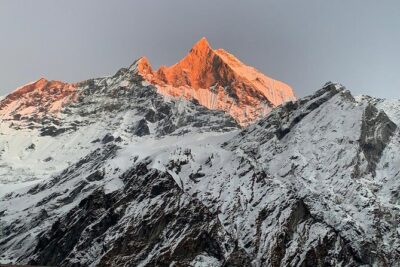
Early morning is sunrise time. The itinerary calls out the view of sunrise reflecting on the Annapurna range, and that is not just a pretty idea. In many high Himalayan spots, sunrise creates dramatic contrast, turning shadows into a clean stage for the peaks.
After sunrise, you take breakfast and then head back down. The day is listed as about 7 hours of walking, described as downhill so it becomes easier.
You return through the route you came from, passing:
- The grassland and forest sections again.
- Deurali.
- Then you reach Sinuwa by dawn.
This is a key recovery day. The altitude is still high enough that your body can feel it, even if you are descending. My advice is to treat it like recovery rather than “fun cardio.” If you race downhill, your knees will not thank you tomorrow.
BLD is included again, which gives you a stable routine. Eat what you can, keep moving gently in the evening, and sleep early.
Jhinu Danda hot spring: a real reward day
After Sinuwa, you begin another change-of-pace day.
You drop down through long arduous stairs and cross a suspension bridge again. Then you climb a series of very long stairs to return to Chhomrong.
The good news is what comes next: from Chhomrong, the route descends steeply toward Jhinu Danda, where you get to the famous natural hot spring.
The itinerary includes:
- An actual dip in the hot spring.
- Then an overnight inn for the night.
This day is a psychological win. You’ve spent days climbing, and here you get a physical reset. Even if the walk is still tough, the hot spring turns the day from pure effort into effort with a payoff.
If you want the trip to feel well balanced, this is one of the best parts to protect in your mind. Don’t write off pain as normal trek suffering. Use the hot spring as your recovery tool, then sleep.
Nayapul back to Pokhara, then Kathmandu: finishing without rushing
The last trekking morning is described as pleasant and without climbs, traveling through farmland and terraced landscapes. Then you reach Nayapul.
Walking time is listed around 2 hours, which is a nice change after the earlier 6 to 8 hour days. After Nayapul, you drive back to Pokhara via winding roads alongside Modi Khola.
- Drive time is about 3 hours.
- Breakfast is included on this return day.
- You get luggage back at the hotel in Pokhara, plus time to enjoy Pokhara again.
Then you transfer back to Kathmandu, stopping for lunch and toilet breaks along the highway. Once you reach Kathmandu, there’s time to freshen up and stroll around Thamel, including nightlife and souvenir shopping.
This is a gentle ending compared with starting. You finish with a city night, not another forced trek day.
Guide and team support: why this trek feels smoother
The trek includes one professional guide, with his insurance, meals, and allowances covered. Porters are also part of the trekking support, and tips for them are expected.
What I like here is that your trip is structured so someone else handles the heavy logistics and trail knowledge. You can focus on walking and noticing the route.
In the feedback provided, several teams earned strong praise for professionalism and attentiveness. Names that come up repeatedly include:
- Guides such as Jog Gurung, Jog Bahadur Gurung, and Ganesh.
- Porter support such as Phoindra Gurung, Osman, and Hori.
- A team lead named Calvin is also credited with making the experience warm and friendly.
Even if your exact team differs, that pattern matters. When a guide is attentive and answers questions clearly, you feel safer about pacing and route decisions. When porters are proactive, you waste less energy managing gear and small emergencies.
Also, this is a private tour/activity, so it is only your group participating. That tends to reduce awkward pacing mismatches and helps your guide tailor the day to your comfort.
Altitude and pacing: the short trek that still hits 4,130m
Even when a trek is called short, you are still going to 4,130m at Annapurna Base Camp.
Here is what that means for you day-to-day:
- Your breathing will feel different as you gain altitude.
- Sleep can get a bit lighter, especially after big summit-style walking days.
- Stairs can feel extra steep because your legs burn faster at elevation.
So treat the itinerary rhythm as your safety net. You do not just shoot straight up to the highest point. You build gradually, with nights around Deurali and Sinuwa before pushing to Base Camp, then you come back down in stages.
Still, altitude safety is not something a schedule alone guarantees. My practical advice:
- Walk slower than you think you need to. Let your heart rate settle.
- Take the offered breaks. Don’t skip them to “make time.” That usually costs more later.
- If anyone in your group feels worsening symptoms like persistent dizziness, severe headache, or nausea, take it seriously. Tell your guide early.
What to pack for Annapurna Base Camp short trek comfort
The itinerary mentions forests, open grassland, river sections, suspension bridges, stair-heavy days, and an early sunrise.
So pack like the weather can change:
- Layers you can add or remove quickly for warm sun then cold shade.
- A rain layer, since river valleys and forest days can get damp.
- Gloves and a hat for early mornings at higher altitude.
- Good grip boots or shoes designed for stone stair descents.
- A small daypack for snacks, water, and a spare layer.
You’ll be living in lodges or hotels along the trail. That usually means you can keep your gear simple, but still aim for comfort. If your shoes pinch, stairs punish you fast at 2,000m plus.
Also, because tips for guides and porters are expected, it helps to plan some cash in advance.
Who this trek is perfect for, and who should rethink it
This Annapurna Base Camp short trek is a strong fit if you:
- Want the major Annapurna Base Camp experience, including sunrise at the foot of the Annapurna massif.
- Prefer a guided, structured trek with 3 meals per day and lodge or hotel overnight stops.
- Like village life and culture along the trail, not just peak chasing.
- Value a private group experience.
It might be a tougher match if you:
- Have knee issues or struggle with long stair descents and rocky stair sections.
- Want an easy walk only. This is not that. It includes long walking days around 6 to 8 hours and altitude above 4,000m.
- Are not comfortable handling cold early mornings at high elevation.
If you’re unsure, consider your main limiting factor. If it’s altitude anxiety, work with your guide and pace early. If it’s stair discomfort, you may want a route with less stair-heavy terrain.
Should you book this Annapurna Base Camp short trek?
Yes, if you want the “big ABC experience” in a manageable timeframe, with meals and lodging handled, and with a team that seems to take professionalism seriously. The combination of sunrise at 4,130m, a stop at Machhapuchhre Base Camp, and a recovery day at Jhinu Danda hot spring makes the whole week feel like more than a one-note hike.
Before you book, do one reality check. This is still a trek with serious elevation and long stair days. If you train a bit before you go, pace well, and keep altitude common sense, you’ll likely love how rewarding this route feels.
If you want, tell me your fitness level and when you plan to travel. I can help you judge whether this short format fits your goals, especially around altitude pacing and comfort on stair descents.
FAQ
Where does the trek start?
It starts at Tribhuvan Airport in Kathmandu, Nepal.
What is the highest altitude on this trek?
The highest point is Annapurna Base Camp at 4,130m.
How many nights are included in Pokhara?
Two nights in Pokhara are included, with breakfast.
Are meals included during the trekking days?
Yes. The trek includes 3 meals per day and overnight accommodation in hotel or lodge along the trekking trail. The Pokhara drive/exploration time notes that no meals are included there, aside from the breakfast on the hotel nights.
What permits are included?
TIMS permits are included.
Is travel or medical insurance included?
No. Travel, medical insurance, and emergency evacuation costs are not included.
Is pickup included?
Pickup is offered.
Is this a private tour?
Yes. It is a private tour/activity, so only your group will participate.
Is cancellation free?
Free cancellation is listed. You can cancel up to 24 hours in advance for a full refund.
Are tips included?
Tips for guides and porters are expected, but they are not included in the price.
Latest additions near Kathmandu
- Traditional Momo Making Class★ 5.0 · 10 reviews
- White Water River Rafting – 1 Day★ 4.3 · 3 reviews
- Kathmandu to Pokhara Premium sofa bus ticket★ 4.0 · 17 reviews
- Ghorepani Poon Hill Trek★ 5.0 · 16 reviews
- Amazing 1 Day Trekking Experience in Kathmandu Nepal★ 5.0 · 24 reviews
- Ghorepani Poonhill Trek★ 5.0 · 5 reviews
- Walking tour of real Kathmandu through back streets.★ 5.0 · 3 reviews
- Wildlife Adventure in Chitwan Nepal★ 4.0 · 4 reviews
Annapurna Base Camp Treks, compared.
Kathmandu to Annapurna Base Camp (ABC) 5-Day Trek
Read our review →
Browse the lists this tour appears in