
Reviewed · ANNAPURNA BASE CAMP TREKS
Annapurna base camp -9 days
Annapurna hits fast, in the best way. I like how this 9-day ABC trip strings together big-view moments and steady walking through Gurung and Magar villages, so the days feel full even when the uphill is tiring. I also like that the trek runs with a licensed English-speaking guide, and the operation is built around hands-on care, with guides and porters named like Sona, Binod, Řãhül, Rajendra, and Bikash in past trips.
One practical consideration: a porter is not included and costs $220 per person if you want that extra help.
After day by day village trails, the route pushes into the Annapurna Sanctuary, where mornings can mean cold air, big views, and that classic base camp feeling that makes the effort feel worth it.
In This Review
- Key Points You’ll Care About
- Entering the Annapurna Base Camp Rhythm in 9 Days
- Kathmandu Setup and the Poon Hill View Day
- Phedi to Dhampus: First Peak Views From the Gurung Trail
- Chhomrong to Landrung and the Forest-to-Fields Feel
- Chhomrong Junction Days: Rhododendron Forest and River Valley Trekking
- Machhapuchhare Base Camp and the Sacred No-Meat Rule
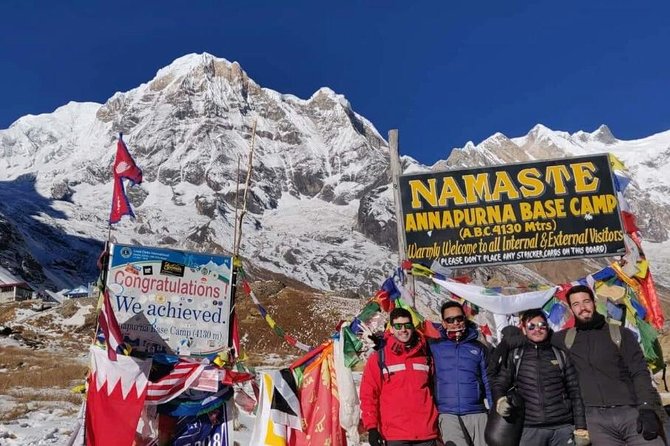
- Annapurna Base Camp Day: The Sanctuary Mood Changes
- Sunrise Descent to Bamboo Hut, Then Toward Jhinu
- Nayapul and Pokhara Wrap-Up: Back to Comfort
- Price and Logistics: What $693.34 Covers, and What Costs Extra
- Is This ABC Trek Right for You?
- Should You Book This 9-Day Annapurna Base Camp Trek?
- FAQ
- What is the total duration of the trek?
- Where is the meeting point and what time does it start?
- What transport is included between Kathmandu and Pokhara?
- Is a porter included in the price?
- Does the tour include trekking permits and a guide?
- Does the tour provide meals and accommodation during the trek?
- Is full cancellation available if I cancel soon enough?
Key Points You’ll Care About
- Poon Hill as your early “wow”: a classic viewpoint start that helps you feel energized before the bigger trekking days.
- Village walking with cultural stops: Gurung and Magar communities along the way, plus terraced fields and forest sections.
- Machhapuchhare Base Camp rules: you’ll pass through a sacred valley where no meat or fish is allowed.
- Sunrise wake-up on Day 7: an early start designed for Annapurna Sanctuary views at first light.
- Gear support included: a down jacket and sleeping bag are provided and then returned after the trek.
Entering the Annapurna Base Camp Rhythm in 9 Days
A 9-day Annapurna Base Camp trek has a sweet spot feel. You get multiple days of ascent and descent that let you settle into altitude without racing, and you still reach the Annapurna Sanctuary long enough to experience the area’s mood, especially around sunrise.
You’re also not just chasing one landmark. The route moves through forests, river valleys, and then into a drier, more barren feeling zone near the sanctuary. That change matters because it changes your body’s rhythm too: mornings can feel easier, afternoons can feel sharper, and the terrain keeps you alert.
And since the operator builds in meals, accommodation, permits, and a licensed guide, your main job is trekking well and resting when it’s time. That’s the kind of structure that makes the whole plan feel manageable.
More Annapurna Base Camp treks:
- Annapurna base camp trek 5 Days
★ 5.0 · 252 reviews - 14-Day Private Annapurna Base Camp Trek
★ 5.0 · 180 reviews - Annapurna Base Camp Trekking
★ 5.0 · 116 reviews
Kathmandu Setup and the Poon Hill View Day
Your start point is Tribhuwan Airport in Kathmandu, with a meeting time of 6:30 am. You’ll get private airport pickup and drop by vehicle, which is a nice first step when jet lag hits.
The trip also includes transportation support around the Kathmandu-Pokhara loop, plus a complimentary welcome or farewell dinner in Kathmandu at a cultural restaurant. Even if you only get a day or two in the city during your overall journey, this at least keeps you from ending up with blank evenings and “what now?” stress.
Then you have the Poon Hill stop. This is the kind of trek timing that helps you build confidence. You get dramatic mountain views early, and that motivates you when later days become more about steady effort than instant spectacle.
Phedi to Dhampus: First Peak Views From the Gurung Trail
On Day 2, you drive to Phedi from Pokhara and then begin trekking toward Dhampus. This is a smart way to start because you’re not jumping in cold at altitude without any context. The move from town-side logistics into real trail time happens gradually.
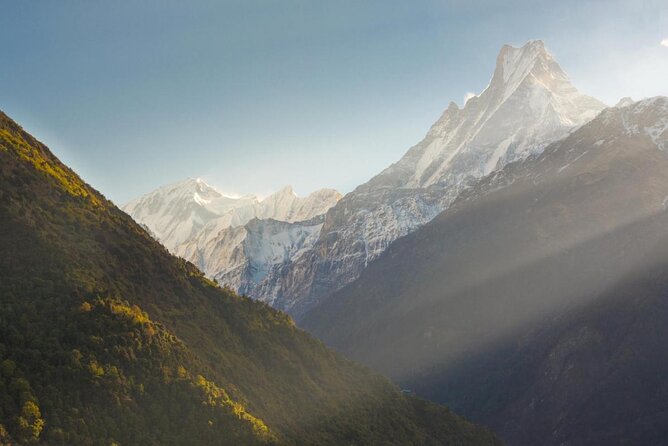
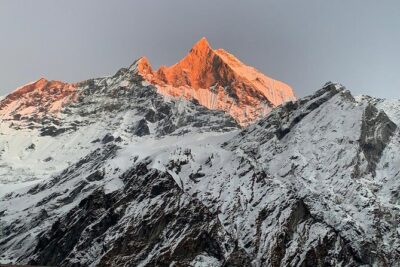
Dhampus is described as a pleasant Gurung village, and the big draw is the splendid views of Himchuli, Annapurna South, and Mt Fishtail (Machhapuchchre). What I like about this kind of “first major view” day is that it gives you a clear target early. Later, when you’re tired, you can still picture what the effort is buying you.
Expect a rural trekking vibe: village life, local paths, and the sense that you’re moving through a real living region, not a carved-up tourist path.
Chhomrong to Landrung and the Forest-to-Fields Feel
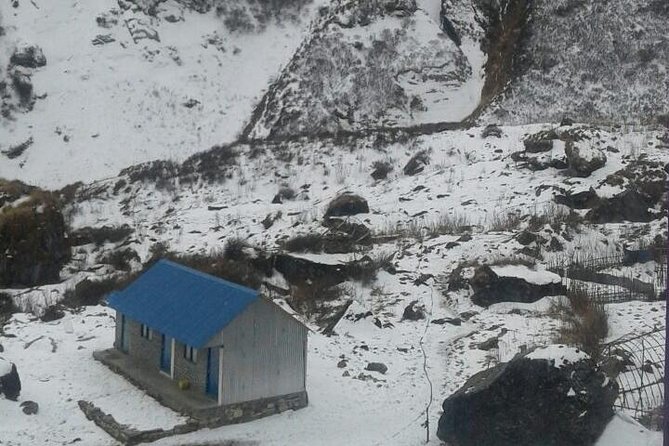
Day 3 follows the trail down to Landrung through oak forest and terraced fields. That detail matters. Oak forest trek sections tend to be cooler and more sheltered, while terraced fields tend to open up your views and expose you more to sun and wind. You get both in one day, which helps your body adjust.
Landrung is described as a charming village of Gurung, Magar, and Brahmins. That mix of communities is part of why the Annapurna region is so famous for more than scenery. You’re walking through cultural geography, not just passing scenery.
Then you keep moving, with the route continuing onward toward Jhinudanda. For many trekkers, this is the day where pacing becomes personal. Some people push to “cover ground,” while others focus on keeping their breathing steady and their thoughts calm. Either way, the route is built for slow, focused travel.
Another way to spend the time in Nepal:
- Everest Base Camp Trek – 14 Days
★ 5.0 · 1,499 reviews - Everest Base Camp Trek
★ 5.0 · 842 reviews - Private Kathmandu Sightseeing Tour | UNESCO World Heritage sites
★ 5.0 · 756 reviews - Kathmandu: 7 UNESCO Sites with Lunch
★ 4.8 · 744 reviews
Chhomrong Junction Days: Rhododendron Forest and River Valley Trekking
Day 4 brings you across a bridge and uphill toward Sinuwa Danda. Then the trail turns transversely through thick rhododendron forest to Khuldighar. If you like that classic Nepal trekking mix of greenery plus mountain air, rhododendron forest days can be a highlight, especially in seasons when the flowers are around.
After that, the day shifts into longer and more vertical stone steps down a steeper section. This is where your footwear and your foot care matter most. Stone steps are manageable, but they can feel like a different sport for your knees when you’re already tired.
You end up at a river corridor again, with the Seti Gandaki (Seti River) area mentioned as part of the day’s progression. River-valley trekking tends to keep you moving in a consistent direction, and that consistency can help you maintain a steady pace.
Machhapuchhare Base Camp and the Sacred No-Meat Rule
Day 5 heads toward Machhapuchhare Base Camp. The route is described as a gradual ascent along the banks of the river Madi, passing through a sacred valley. This is also where a key cultural rule enters: no meat or fish is allowed in this area, based on Buddhist and Hindu beliefs.
I like including days like this in a trek because it adds meaning beyond the view. You’re not just looking at mountains, you’re walking through local values that shape how the trail is used and respected.
The day also stays in the “river valley to higher terrain” mode. Bamboo trees are mentioned along the route, which suggests you’ll still feel a bit of forest presence before the trail gets drier later.
If you care about cultural context, this is the day to slow down. Look around when the trail opens up, and take in the way people live and travel through the valley.
Annapurna Base Camp Day: The Sanctuary Mood Changes
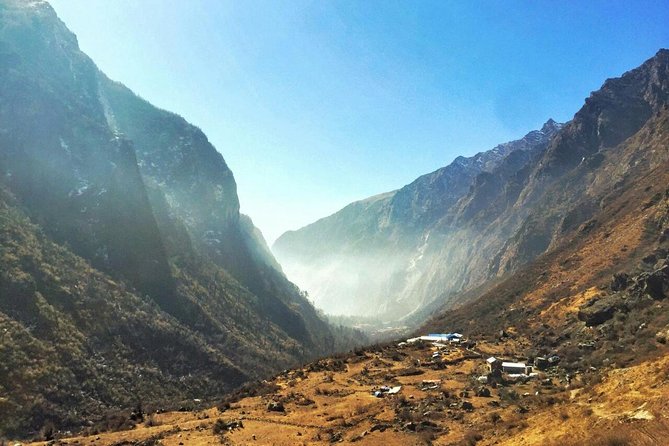
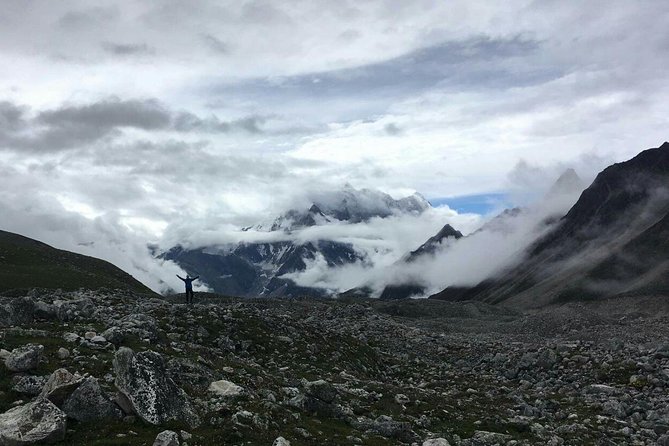
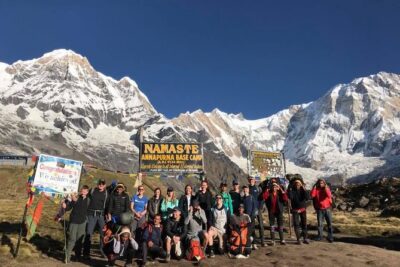
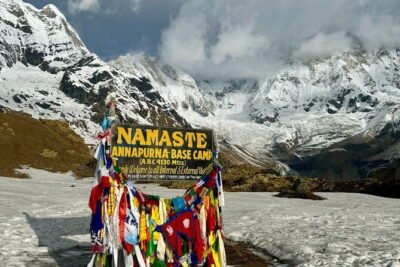
Day 6 is the big one: Annapurna Base Camp trek day. After you leave Machhapuchhre Base Camp, the route is described as leaving vegetation behind and entering a desert wilderness known as the Annapurna Sanctuary.
That wording is important. The sanctuary feels different underfoot and visually. Fewer trees means more exposure to wind and weather, and your mental focus often shifts from “what’s around the corner” to “how steady can I keep my effort.”
You’ll get there after about 5 hours of trekking listed for the day, and the plan also includes the support pieces that reduce stress: permits are handled, a licensed guide is with you, and the operator provides breakfast, lunch, and dinner plus 9 nights of accommodation across the trek.
Gear-wise, this is where you’ll feel grateful for the included down jacket and sleeping bag that are returnable after you finish. Even if you’re not a cold-weather expert, those items usually make a real difference in how well you sleep and how quickly you bounce back for the next day.
Sunrise Descent to Bamboo Hut, Then Toward Jhinu
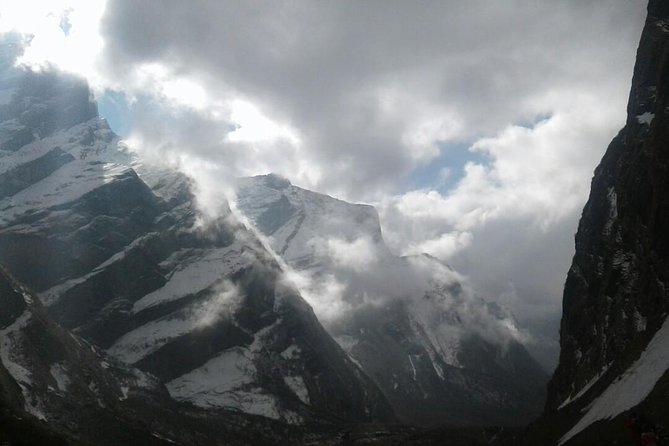
Day 7 starts with an early wake-up call so you can enjoy sunrise views of the Annapurna Sanctuary. Early mornings on ABC can be cold, but they can also be pure payoff. Sunrise is the time when the peaks tend to look sharpest and the sanctuary mood is at its most dramatic.
After sunrise, you begin your descent following the Modi Khola River to Bamboo Hut. A river corridor descent can feel steady, but your legs will still work hard, because downhill is its own kind of effort.
Day 8 continues this rhythm: you start with an uphill trek to Sinewa, then descend to meet the Chhomrong Khola River. There’s another ascent to Chomrong before the final descent to Jhinu.
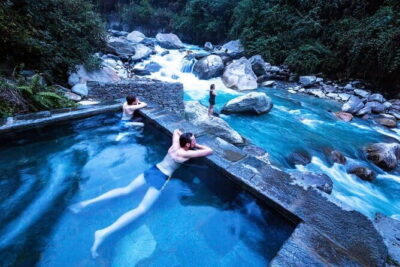
Jhinu is where the trip notes you can visit the natural hot springs. Even if you skip soaking, arriving by hot springs after trekking can feel like a victory lap. Your body will usually tell you that it’s ready for warm water.
Nayapul and Pokhara Wrap-Up: Back to Comfort
Day 9 is your last trekking day, with an easy descent to the banks of the Modi Khola River and on to Nayapul. From there, you take a private car for a 1.5-hour drive back to Pokhara.
This is a good ending structure because it avoids the common mistake of trying to make “travel day” mean “death march” too. You finish with walking that feels lighter, then transition back into civilization with a direct car transfer.
Once you’re in Pokhara, the trip still doesn’t ignore comfort. There’s accommodation and meals covered during the trek itself, plus the overall plan includes Kathmandu transfers. That means you’re less likely to get stuck handling logistics while you’re tired.
Price and Logistics: What $693.34 Covers, and What Costs Extra
At $693.34 per person, this is priced in a way that makes sense if you value clear support and predictable daily needs. Your price includes airport pickup and drop, Kathmandu to Pokhara and back by tourist bus (with an optional flight alternative at extra cost), a licensed English-speaking trekking guide, and permits and paperworks handled for you.
Food and lodging are also covered for the trekking days: 9 breakfasts, 9 lunches, and 9 dinners, plus 9 nights of accommodation. On top of that, you get first aid medical kit support carried by the guide, and gear support through a down jacket and sleeping bag returnable after the trek.
The big extra costs you should plan for are:
- Porter cost: $220 per person (not included)
- Tips for guides and porters (not included)
- Visa charges and your international airfare
- Your travel and medical insurance
If you like the idea of showing up with fewer planning headaches, this kind of bundle is the main value. If you’re the type who already has gear and enjoys doing everything independently, you may find some parts less necessary.
One more practical note: the trek is listed as private, meaning it’s only your group. That usually means less waiting around for other people’s pace, but it also means you might feel the schedule more tightly if your group is mixed in speed.
Is This ABC Trek Right for You?
This is best for you if you:
- Have moderate physical fitness and want a structured route
- Want a real mix of village trekking and big mountain days
- Care about cultural context as much as views
- Like the idea of a guide handling permits and day-to-day flow
It also fits well if you’re traveling as a couple or small group and want a private setup. The trek’s route passes culturally rich Gurung and Magar villages, and it includes both forest sections and the Annapurna Sanctuary environment.
What you might see in the broader Annapurna region is part of the appeal too. The region is described as a naturalist’s paradise, with rare animals like snow leopards and blue sheep and bird life such as the Impeyan and blood pheasant, plus butterflies and insects. You should treat wildlife sightings as a bonus, not a promise, but the biodiversity is a real part of why people fall in love with the area.
Should You Book This 9-Day Annapurna Base Camp Trek?
I’d book this trek if you want a guided, support-forward ABC plan with included meals, accommodation, permits, and gear, plus early viewpoint timing like Poon Hill and sunrise in the sanctuary. The price can feel fair for what’s bundled, especially if you don’t want to juggle logistics while also planning cold-weather sleep gear.
I’d pause if you’re trying to minimize extra costs, since a porter is an additional $220 per person, and tips plus insurance are also on you. If you’re comfortable trekking with your own load and you already have a solid insurance plan, you can still make it work, just budget with eyes open.
If you want an organized ABC with cultural village days and the iconic sanctuary payoff, this is a strong match.
FAQ
What is the total duration of the trek?
The Annapurna Base Camp trek is listed as 9 days (approx.).
Where is the meeting point and what time does it start?
The meeting point is Tribhuwan Airport, Kathmandu, Nepal, with a start time of 6:30 am.
What transport is included between Kathmandu and Pokhara?
You get transportation from Kathmandu to Pokhara and back to Kathmandu in a tourist bus. An optional flight is mentioned as extra cost.
Is a porter included in the price?
No. Porter service is listed as $220.00 per person and is not included.
Does the tour include trekking permits and a guide?
Yes. The package includes all required permits and paperworks, plus a licensed English-speaking trekking guide.
Does the tour provide meals and accommodation during the trek?
Yes. It includes 9 nights of accommodation and 9 breakfasts, 9 lunches, and 9 dinners.
Is full cancellation available if I cancel soon enough?
The policy says you can cancel up to 24 hours in advance for a full refund.
Latest additions near Kathmandu
- White Water River Rafting – 1 Day★ 4.3 · 3 reviews
- Traditional Momo Making Class★ 5.0 · 10 reviews
- Kathmandu to Pokhara Premium sofa bus ticket★ 4.0 · 17 reviews
- Ghorepani Poon Hill Trek★ 5.0 · 16 reviews
- Amazing 1 Day Trekking Experience in Kathmandu Nepal★ 5.0 · 24 reviews
- Ghorepani Poonhill Trek★ 5.0 · 5 reviews
- Walking tour of real Kathmandu through back streets.★ 5.0 · 3 reviews
- Wildlife Adventure in Chitwan Nepal★ 4.0 · 4 reviews
Annapurna Base Camp Treks, compared.
Kathmandu to Annapurna Base Camp (ABC) 5-Day Trek
Read our review →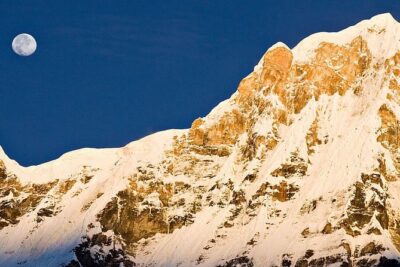
Browse the lists this tour appears in