
Reviewed · ANNAPURNA BASE CAMP TREKS
Adventurous Annapurna Base Camp Trekking
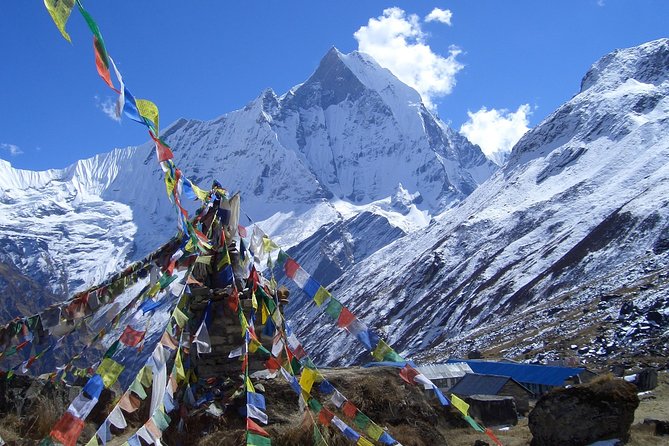
Adventurous Annapurna Base Camp is a real mountain classic. You get the full arc, from Kathmandu’s heritage sites and Pokhara’s Fewa Lake boat ride to the Annapurna Sanctuary’s close-up views, with one night at Annapurna Base Camp and the option of a sunrise at Poon Hill (3210m). I love how the trip is organized for a low-stress start, with your guide and crew lined up from day one. I also like the attention to the people side, including the names you hear repeatedly from the team, like Raj and others such as Deepak, Mahila, and Ram, who are known for quick coordination and a friendly, careful vibe. One consideration: it’s weather-dependent, and if conditions are poor you may need to adjust plans.
What makes this route especially appealing is the mix of big views and human-scale travel. You hike through rhododendron and oak forests, pass Gurung settlements, and move between classic stops like Ulleri, Ghorepani, Chhomrong, and Ghandruk before getting those amphitheater-style panorama moments near base camp. Expect early starts too, including the pre-dawn walk to Poon Hill with torch light and later sunrise photo opportunities on the way back down.
In This Review
- Key highlights worth your attention
- Kathmandu to Pokhara, you start with comfort and structure
- Ulleri and those 3000 steps, where the trek starts feeling real
- Ghorepani and the forests, a night that sets up Poon Hill
- Poon Hill at 3210m, the pre-dawn walk that pays off
- Chhomrong and Ghandruk, Gurung villages plus Modi River sound
- The day you reach Annapurna Base Camp, snow walls and a real amphitheater
- Sunrise photos on the way down, then the steep-to-Jhinu hot springs payoff
- Pokhara again, and finishing Kathmandu with options
- Price and value for $1,650, what’s really included
- Who this trek suits, and where you should be honest with yourself
- Weather planning: the one variable you can’t control
- Should you book this Annapurna Base Camp trek?
- FAQ
- What city does this trek start in, and where is the meeting point?
- Are airport pickups or transport included?
- What are the included permits and trek documents?
- What hiking support do you get on the trek?
- Which meals are included?
- What gear is not included?
- What happens if weather is poor?
Key highlights worth your attention
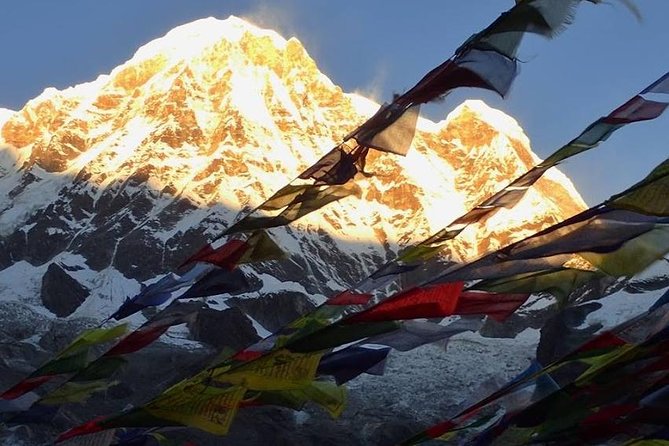
- Annapurna Base Camp night in the Annapurna Sanctuary for close, wide-angle mountain views
- Poon Hill sunrise hike at 3210m, designed for the best light (with torch light)
- Gurung villages and local culture as you move between lodge stops like Chhomrong and Ghandruk
- Pokhara break with a Fewa Lake boat ride before and after the trek
- Permit and admin handled (TIMS and ACAP are included) so you’re not chasing paperwork
- Guide and porter support with one porter for every two people, plus transfers and sightseeing in Kathmandu
Kathmandu to Pokhara, you start with comfort and structure
Your trip begins in Kathmandu with an airport pickup, then a straightforward hotel check-in and a welcome dinner. I like that the first day is about getting your bearings and meeting the trekking crew, not scrambling for logistics while you’re jet-lagged.
Day two keeps it classic. You’ll visit four major Kathmandu Valley heritage sites: Pashupatinath Temple, Kathmandu Durbar Square, Swayambhunath (Monkey Temple), and Bouddha Nath. This matters for your trek because Kathmandu can feel like sensory overload. A guided run at the start helps you understand what you’re seeing and gives you a calmer mental runway before the mountains.
On day three, you shift gears to Pokhara by tourist bus. The drive runs alongside the Trisuli and Marshyangdi rivers, with rural scenery along the way, then you check into a hotel and do something many trekkers end up craving, a slower-paced afternoon. You’ll take a boat on Fewa Lake and walk around Phewa Lake nearby. It’s a great reset after temples, and it also gives your legs an easier day before trekking begins.
More Treks in Kathmandu
- Everest Base Camp Trek – 14 Days
★ 5.0 · 1,499 reviews - Everest Base Camp Trek
★ 5.0 · 842 reviews - Everest Base Camp Trekking
★ 5.0 · 485 reviews
Ulleri and those 3000 steps, where the trek starts feeling real
On day four, you drive toward Nayapul and start the Annapurna Base Camp trek. You’ll pass Birthanthi, where permits are checked, then continue through areas known for waterfalls and forest before reaching the river crossings. The first key transition is practical: you cross Modi Khola, then keep left for Thikhe Dhunga and Ulleri for your first overnight lodge.
Ulleri is your first taste of vertical effort. The route climbs almost 3000 steps, and even if you’re fit, it’s the kind of day that teaches you how to pace. I like this, because by the time you reach the upper stops, you’ll have figured out your rhythm. You’ll also get suspension bridge crossings during the day, which adds that typical Nepal rhythm of “walk, pause, look down, continue.”
The possible drawback here is simple: if you rush, your legs will pay for it later. The fix is boring and effective, take it slow and keep your breathing steady from the start of the step climb.
Ghorepani and the forests, a night that sets up Poon Hill
Day five moves gradually upward, and it’s one of those trek days where you can settle into the routine. From the top of Ulleri, you get views of Annapurna South and Hiun Chuli, and you’ll trek through dense rhododendron and oak forests. You also pass villages like Banthanti and Nangethani, which helps break up the monotony of “just walking.”
When you arrive in Ghorepani, you don’t stop at the village level. You trek about 10 minutes more to reach a ridge area for panoramic views of the Dhaulagiri and Annapurna ranges. This is the kind of detail that makes a lodge stop more than just a bed for the night. It also means you’ll sleep with a clearer sense of what you came for, the big Himalayan arcs.
Lodges in this region can vary, but the main value is that you’re set up well for the next morning’s early hike.
Poon Hill at 3210m, the pre-dawn walk that pays off
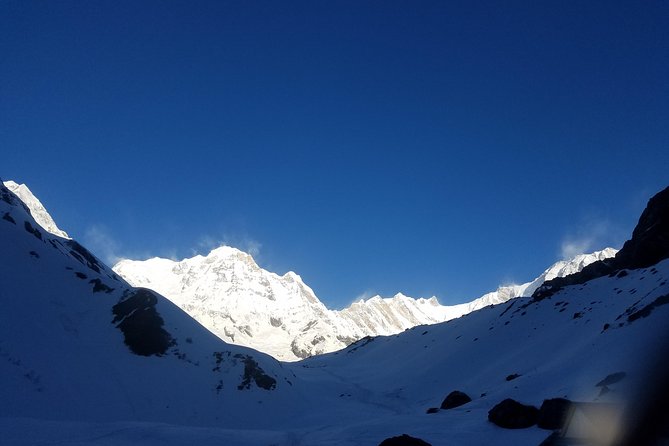
Day six starts with a wakeup call and a very specific plan: hike to Poon Hill (3210m) for sunrise. You head out in the dark, guided with torch light, and reach the viewpoint after about 45 minutes. Then you get roughly half an hour at the top before returning for breakfast.
I’m a big fan of sunrise hikes done this way: the time is short, the goal is clear, and the effort is matched with payoff. Plus, you’re not stuck waiting around. You do the viewing, take photos if you want, eat, then move on.
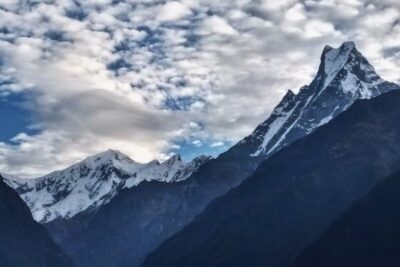
After Poon Hill, you continue to Tadapani (2650m) via Deurali and Banthanti. The trail includes chances to see monkeys and birds, and Tadapani itself is described as a viewpoint for close views of Annapurna South, Hiun Chuli, and Fishtail. This is a good day for your expectations to shift from “wow, sunrise” to “wow, mountains, up close.”
More Annapurna Base Camp treks:
- Annapurna base camp trek 5 Days
★ 5.0 · 252 reviews - 14-Day Private Annapurna Base Camp Trek
★ 5.0 · 180 reviews - Annapurna Base Camp Trekking
★ 5.0 · 116 reviews - Annapurna Base Camp Trek
★ 5.0 · 111 reviews
Chhomrong and Ghandruk, Gurung villages plus Modi River sound
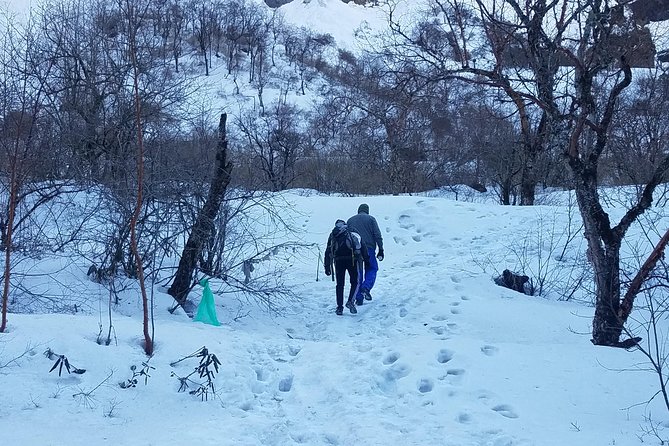
Day seven brings a long but manageable rhythm. You go downhill for about two hours, cross streams, then gradually climb through a Gurung settlement area before reaching Chhomrong. This is a larger Gurung community, which is where the trek starts to feel more cultural than just scenic.
Food is also part of the plan here. The day includes breakfast, lunch, and dinner, which helps because it reduces decision fatigue. You can focus on walking and rest without constantly negotiating meals.
Day eight shifts you toward Ghandruk, traveling via Bamboo and Dovan. The route is described as walking through a deep gorge and along the banks of the Modi River, where you’ll hear the river noise with birds in the background. I like this detail because it changes your mind-state. It stops being “count steps” and becomes “listen and walk,” which actually helps when the trail feels long.
You also have a chance to see wildlife mentioned on this stretch, including monkeys and Himalayan goats. Even if you don’t see animals, the terrain change is still the point.
The day you reach Annapurna Base Camp, snow walls and a real amphitheater
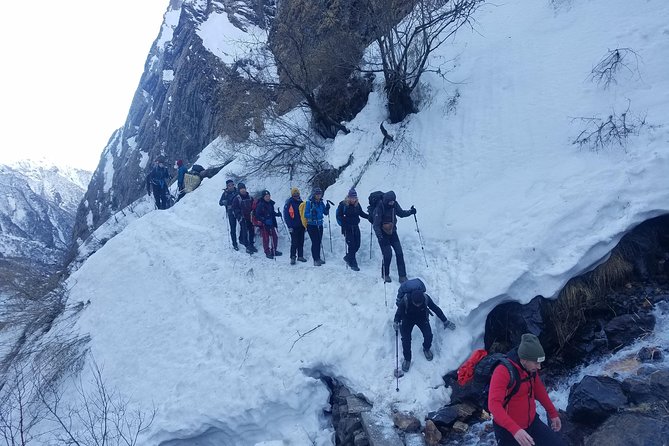
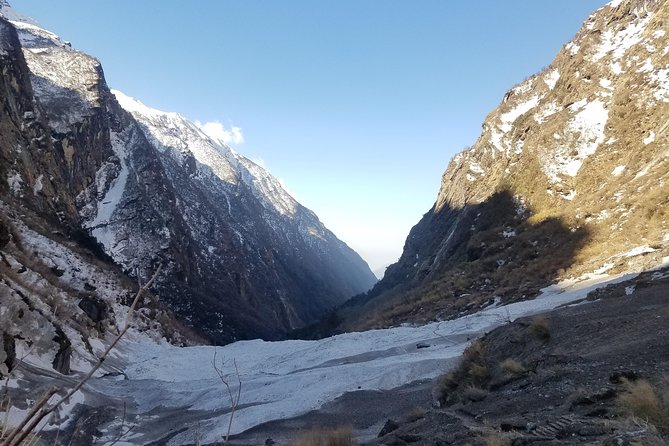
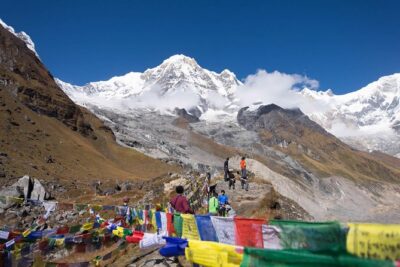
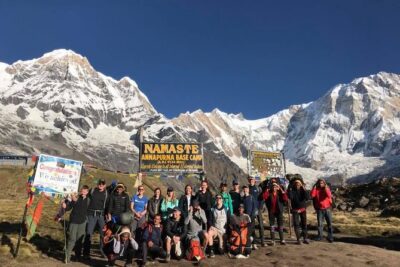
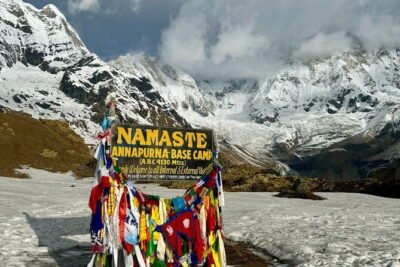
Day nine is the goal day. You trek toward Annapurna Base Camp (ABC) and are surrounded by snow-capped mountains. The key value here is not just reaching a famous coordinate. It’s the way the route positions you for the Annapurna Sanctuary feeling, described as a natural amphitheater and tied to a 360-degree view of the Himalayas.
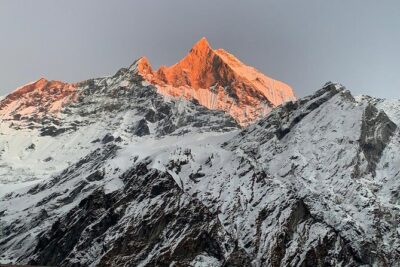
In the afternoon, your guide takes you for a close view of Annapurna I (8091m) and Annapurna glacier. You’ll also see Annapurna South, Hiun Chuli, and Fishtail, with Annapurna III noted as well. This is why base camp night is a big deal. You’re not rushing through at daylight only, you’re spending time at the place where the mountain geometry feels concentrated.
The practical consideration is altitude plus the emotional intensity. Even without exact numbers for ABC itself in the provided details, this is a high, exposed day. Pace yourself and drink water regularly, then let your body adjust before pushing for extra walking.
Sunrise photos on the way down, then the steep-to-Jhinu hot springs payoff
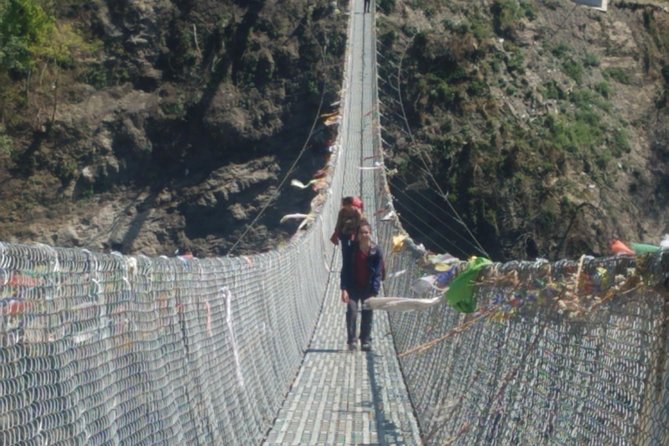
Day ten is an early one again. You wake up early to catch sunrise light on the Himalayas, then take photos while the rays hit the mountain faces. Breakfast follows, then you descend back toward Bamboo, losing almost 2000 meters in 6 to 7 hours.
This is where downhill becomes training, not just recovery. Long descents can stress your knees. I’d treat this as a day for shorter steps and careful footing, not a day to “make up time.”
Day eleven keeps the descent energy going, but with a scenic stop. You climb about 30 minutes to Khuldighar, where there’s an experimental sheep farm mentioned on the route. After that, the walking alternates between gradual up, flat, and downhill until Sinuwa. Then you cross Chhomrong Khola, go uphill to Chhomrong village, and later face a very steep descent for about one hour to Jhinu.
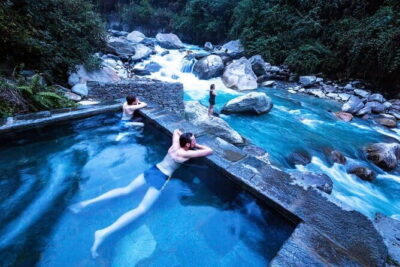
At Jhinu, you drop bags and go for a bath in the hot springs described as descending toward the Modi Khola river. This is one of the best reasons to go all the way to Jhinu. The hot springs aren’t an optional luxury when your legs feel cooked. They’re part of the trek’s rhythm, turn the effort into relief.
Pokhara again, and finishing Kathmandu with options
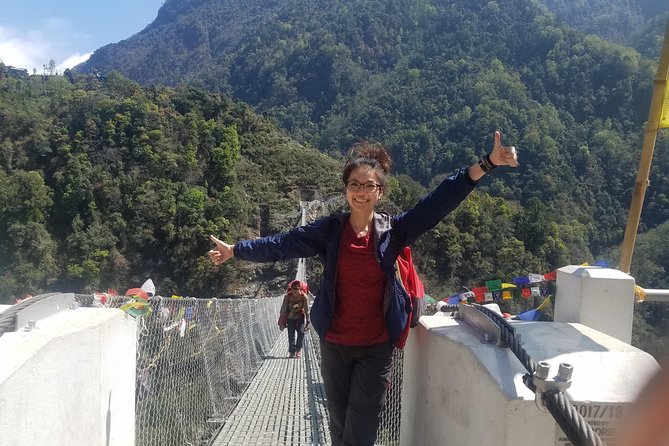
Day twelve is your final trek day. You leave Jhinu, descend, cross the river, then follow a flatter stretch to Birethanti and return to Nayapul, where a vehicle is waiting. The drive takes you back to Pokhara, where you check into a hotel and have a happy hour afterward.
Day thirteen gets flexible. You can drive back to Kathmandu, or take a 30-minute flight for an additional cost. Either way, there’s a farewell dinner, which is a nice touch after days of guided walking.
Day fourteen is simply airport transfer timed to your departure schedule, returning you to the meeting point area for departure.
Price and value for $1,650, what’s really included
At $1,650 per person for about 14 days, the price makes sense if you look at what’s bundled. You’re not just buying “a guide.” You’re getting:
- Accommodation in Kathmandu and Pokhara
- Professional guide throughout the trek and sightseeing days
- One porter for every two persons, which matters a lot once trails turn steep
- Transfers on the route you’re given, plus Kathmandu day sightseeing
- TIMS and Annapurna Conservation Area Permit (ACAP)
- A lot of food coverage, including breakfast 11 times, lunch 9 times, and dinner 11 times where specified
What you should budget for outside the package is equally important. Personal items, drinks, and tips are not included. Travel insurance is mandatory. Medical evacuation in an emergency is not included. Also, you need to bring a sleeping bag and down jacket, since they’re not provided.
If you’re the kind of traveler who doesn’t want to manage permits, logistics, and daily meal planning on top of hiking, this package is strong value.
Who this trek suits, and where you should be honest with yourself
This trek is described as requiring moderate physical fitness. That fits a lot of people, but you still need to respect the effort pattern. You’ll handle early starts, step climbs like Ulleri’s near 3000 steps, and long hiking days that include a big downhill section after sunrise and again later before Jhinu.
It’s also a good match if you want the cultural layer, not only mountain photos. The route passes through Gurung settlements and includes local Buddhist culture time in Kathmandu at sites like Swayambhunath and Bouddha Nath.
If you hate waking up in the dark, or you don’t feel comfortable with steep descents, then be cautious. You can still do it, but you’ll want to go slow and keep a practical mindset.
Weather planning: the one variable you can’t control
The experience requires good weather, and if it’s canceled due to poor conditions you’ll be offered another date or a full refund. The trekking culture here is flexible, and the team you’re with is known for solving problems when mountain plans get disrupted, including past cases where routes had to shift due to weather and visibility.
That means your best strategy is mental, not technical. Pack for changing conditions, bring layers, and accept that the mountains set the agenda.
Should you book this Annapurna Base Camp trek?
I’d book this if you want a classic Annapurna route with solid support and a trip that handles the hard parts for you, like permits, transfers, guide leadership, and food structure. The strongest reason is the combination of Annapurna Base Camp time plus the Poon Hill sunrise add-on, then the cultural and scenic spacing through Chhomrong and Ghandruk.
I would not book it if you’re only interested in one single epic viewpoint and you hate early mornings or long hiking days. Also, make sure you’re comfortable bringing your own sleeping bag and down jacket, and that your travel insurance covers the kind of trekking you’re doing, since it’s a required condition.
If that sounds like you, this is the kind of trip where you get mountain payoff and real human connection, with a team style that’s built around reliability, coordination, and keeping you moving safely.
FAQ
What city does this trek start in, and where is the meeting point?
It starts in Kathmandu, with the meeting point at Kathmandu Guest House, Saathgumti-16, Kathmandu 44600, Nepal.
Are airport pickups or transport included?
Pickup is offered, and the trip includes all land transfers as per the itinerary, plus transfers in Kathmandu for sightseeing days. On the trek, you also have planned travel between the main locations.
What are the included permits and trek documents?
The trip includes TIMS and Annapurna Conservation Area Permit (ACAP).
What hiking support do you get on the trek?
You get a professional guide and one porter for every two persons.
Which meals are included?
Meals are included where specified, including breakfast 11 times, lunch 9 times, and dinner 11 times.
What gear is not included?
You need to bring your own sleeping bag and down jacket.
What happens if weather is poor?
The experience requires good weather. If it’s canceled due to poor weather, you’ll be offered a different date or a full refund.
Latest additions near Kathmandu
- White Water River Rafting – 1 Day★ 4.3 · 3 reviews
- Traditional Momo Making Class★ 5.0 · 10 reviews
- Kathmandu to Pokhara Premium sofa bus ticket★ 4.0 · 17 reviews
- Ghorepani Poon Hill Trek★ 5.0 · 16 reviews
- Amazing 1 Day Trekking Experience in Kathmandu Nepal★ 5.0 · 24 reviews
- Ghorepani Poonhill Trek★ 5.0 · 5 reviews
- Walking tour of real Kathmandu through back streets.★ 5.0 · 3 reviews
- Wildlife Adventure in Chitwan Nepal★ 4.0 · 4 reviews
Annapurna Base Camp Treks, compared.
Kathmandu to Annapurna Base Camp (ABC) 5-Day Trek
Read our review →
Browse the lists this tour appears in