
Reviewed · MANASLU CIRCUIT TREKS
16 Day Private Manaslu Circuit Trekking
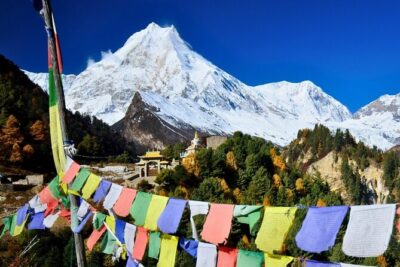
Manaslu Circuit feels refreshingly off the main trails. This is a trek tucked deep in Gorkha district, where you get big Himalayan views without the constant crowds that hit Everest and Annapurna routes, and you spend most nights in teahouses instead of camping. It is also run as a private experience, with airport transfers and guides plus porters doing the heavy lifting.
I like the built-in balance here: you get a remote-feeling journey inside the Manaslu region, but it is not fully self-supported. I also like the practical package of permits and gear, including a down jacket and sleeping bag, so you are not scrambling last minute.
One consideration is the hard day over Larkya La Pass and the altitude pressure that comes with it. The itinerary asks you to move early, handle cold conditions, and keep a steady pace even when the day gets long.
In This Review
- Key Things That Make This Manaslu Circuit Trek Worth It
- Why Manaslu Feels Quieter Than Everest and Annapurna
- Kathmandu Start: Thamel, Durbar Square, and Your Trek Prep
- Drive to Machha Khola Khola Via Malekhu and Arughat
- Khorla Besi, Hot Tea, Tatopani Warm-Up, and Jagat’s Stillness
- Philim Permit Check, Pine-Rhododendron Forest, and Deng at Day’s End
- Namrung and Lho Village Views, With a Monastery Stop
- Samagaon: Acclimatization Day, Ribung Monastery, and Buddhist Culture
- Samdo, Yak Grazing Country, and Larkya Bazaar Before the Pass
- Larkya La Pass Day: Early Start, Icy Moraines, Big Views
- From Sangure Kharka to Tilje: Rhododendron, Terraces, and Villages
- Chyamje Approach: Thonje, Marsyangdi, and Meeting the Annapurna Crowd
- From Chamje to Besisahar and Back to Kathmandu
- What You Pay and What You Actually Get for $1,098
- Pacing, Fitness, and the Parts That Feel Tougher Than They Look
- Lodges, Food, and the Reality of Teahouse Trekking
- The Human Team: Guides, Porters, and the Smooth Operation Feel
- Who Should Book This Manaslu Circuit Trek
- Should You Book This Manaslu Circuit Trek?
- FAQ
- Where does the trek start and end?
- How long is the Manaslu Circuit Trek?
- Is this a private trek or a group tour?
- What permits are included?
- What’s included for airport and city transfers?
- Are meals and accommodation included on the trek?
- What trekking gear is provided?
- Is travel or emergency rescue insurance included?
Key Things That Make This Manaslu Circuit Trek Worth It
- Quiet Manaslu routing, far from the busiest Nepal tea-house corridors
- Teahouse sleeping most nights, with the feel of wilderness but without hauling tents
- Permits and paper work included, including Manaslu, Annapurna, Special Immigration Permit, and TIMS
- Gear support for real cold, including down jacket and sleeping bag
- A focused guide and porter team, designed around shared porter loads (about 1 porter for every 2 trekkers)
- Worst-case rescue and medical evacuation arrangements, built into the plan
Why Manaslu Feels Quieter Than Everest and Annapurna
Manaslu sits deep in Nepal’s Gorkha district, which is exactly why it stays calmer. You trade the busiest trail vibes for a more local rhythm, with fewer shops and less infrastructure than the big-name routes.
That difference matters. Fewer distractions mean you spend more time with the trail itself, the river valleys, and the changing mountain faces. The trade-off is simple: you should expect fewer comforts en route than you might find elsewhere, and you will need to buy what you need or rely on the trek meals that are arranged.
More Treks in Kathmandu
- Everest Base Camp Trek – 14 Days
★ 5.0 · 1,499 reviews - Everest Base Camp Trek
★ 5.0 · 842 reviews - Everest Base Camp Trekking
★ 5.0 · 485 reviews
Kathmandu Start: Thamel, Durbar Square, and Your Trek Prep
Your trek begins in Kathmandu, with pickup at Tribhuvan International Airport and a transfer to a hotel in Thamel, the usual base for travelers. You also get a free preparation day, which is not wasted time. You meet your trek associates, then you can get questions answered before you head out into the mountains.
If you like easy wins on arrival, Kathmandu Durbar Square is very close to Thamel and sits in the UNESCO World Heritage zone. It is a good place to stretch your legs, spot ancient temples nearby, and get oriented without overdoing it before the first long travel day.
Value tip: use this prep day to sort your layers and test your trekking routine. When you start walking for real, you want your feet and breathing to already feel normal.
Drive to Machha Khola Khola Via Malekhu and Arughat
Day one in the field starts with a drive out of Kathmandu heading west, following the Trishuli river up until Malekhu. From there, the route crosses the river and continues toward the old trading outpost of Arughat.
At Arughat, you meet the Budhi Gandaki river for the first time, and this is where the scenery starts to sharpen into mountain reveals. You push on to Machha Khola for the night, after a long travel day that still sets up the tone for the trek.
The practical point: road days are when you feel the most random discomfort, so pack your essentials where you can reach them fast. Small things like water, a light layer, and a snack matter more than you think.
Khorla Besi, Hot Tea, Tatopani Warm-Up, and Jagat’s Stillness
After getting back on foot, you follow the Budhi Gandaki river corridor again. The river gets more dramatic as you gain height, and you cross Thado Khola on the way to Khorla Besi, a village of local Gurung people.
From there, the day has a warm break built in: hot Tibetan tea at a teahouse. If you are willing, there is also a Tatopani (hot water spring) ahead of Khorlabesi, which can be a lifesaver for tired legs and stiff joints.
Later, you reach Jagat and rest for the night. This section is a good reminder that Manaslu’s quiet reputation is partly about pacing. You are not just walking through scenery, you are moving through small communities that shape the rhythm of the trek.
More Manaslu Circuit departures:
- Manaslu Circuit Trek
★ 5.0 · 292 reviews - Manaslu Circuit Trek:
★ 5.0 · 106 reviews - Manaslu Circuit Trek (15 Days)
★ 5.0 · 50 reviews - Manaslu Circuit Trek
★ 5.0 · 35 reviews
Philim Permit Check, Pine-Rhododendron Forest, and Deng at Day’s End
As the trail pushes north, you reach Salleri and then cross a bridge near Ghatta Khola. Next comes Philim, and this is where trekking permits are checked, so keep your documents organized and easy to access.
After Philim, the path turns north with terraces of barley and millet. You keep moving through waterfalls feeding the Budhi Gandaki river, then enter forest terrain that includes pine and rhododendron, with Siyar Khola crossed along the way.
You end at Deng. This is the kind of day where teahouse life feels especially welcome, because the forest and river energy can leave you feeling pleasantly tired, not just exhausted.
Namrung and Lho Village Views, With a Monastery Stop
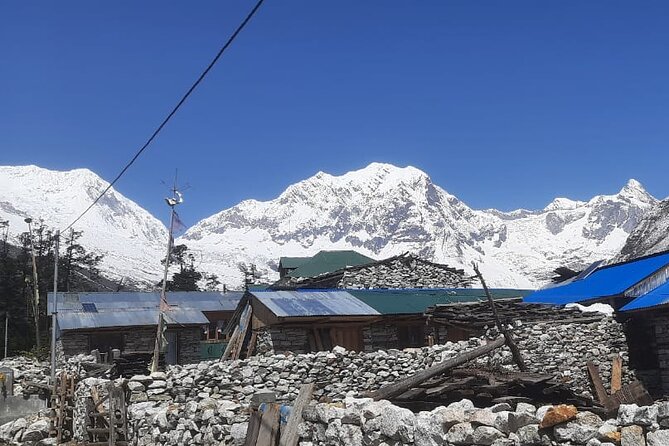
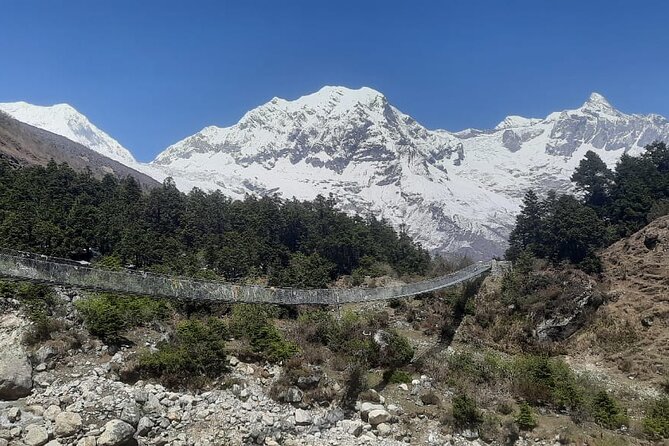
The trek from Deng starts with morning movement toward Rana hilltop, then a bridge crossing to Bihi Phedi. As the valley opens, you get major peaks showing up in front of you, including Manaslu, Ganesh, and Annapurna II.
You pass traditional Gurung villages like Prok and Ghap, then arrive at Namrung for rest. Namrung is a strong checkpoint for views, so if you have camera nerves, use the afternoon calmly.
The next morning you ease into a gentle ascend to Lho Gham and then continue to Lho Village. You get pine forest scenery and small villages along the way, with roughly a 4 to 5 hour walk. Lho Village has a big monastery you can visit and pray for a few minutes, a nice cultural pause that does not steal your day.
Samagaon: Acclimatization Day, Ribung Monastery, and Buddhist Culture
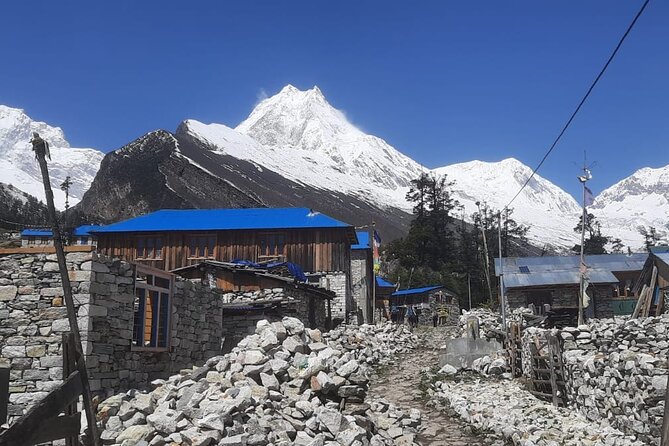
You move from Lho Village toward Samagaon, meeting villages such as Sho and Sama along the way. Sama is known for the Ribung monastery, and it gives this segment a distinctly spiritual feel.
You also pass Shyala village, where the views stretch across Himalchuli, Manaslu, Peak 29 (Ngadi), and glaciers in the region. You reach Samagaon for the night, with a clear setup for the day that follows.
Day nine is your acclimatization day in Samagaon, one of the largest villages in the Manaslu region. It is described as a Buddhist community of Gurung and Sherpa people, so you can explore and get a real sense of how the mountain communities live.
There is also a hike option to Pung Yen Monastery. This is not a checkbox stop, it is a useful way to move while still letting your body adjust to altitude.
Samdo, Yak Grazing Country, and Larkya Bazaar Before the Pass
Today’s route pushes deeper into the northern border area of the Manaslu region. You follow the Budhi Gandaki river again, and at a diversion you take the line toward Larkya La Pass rather than Manaslu Base Camp.
You go toward Kemro Kharka, a yak grazing field, then pass forests of birch, pine, and juniper. You reach Kani and then Samdo, which is mostly a village of Tibetan asylum seekers. If you want a little extra, there is an option to hike to Samdo Monastery.
The next day brings you to Larkya Bazaar, a seasonal market for local people. The route includes monasteries and stupas along the way, plus a sense that you are nearing a high-altitude corridor. You also encounter views of the Larke Glacier and reach Dharamshala at the base of Larkya La, often called Larkya La Phedi.
This is a key psychological stage. You are tired, you are high, and it is where you decide how you want to attack the pass day.
Larkya La Pass Day: Early Start, Icy Moraines, Big Views
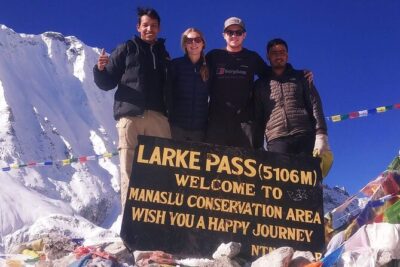
Crossing Larkya La Pass is the hardest highlight of the trek, and the plan reflects that. You start early because you are navigating icy glacial moraines around Larkya glacier.
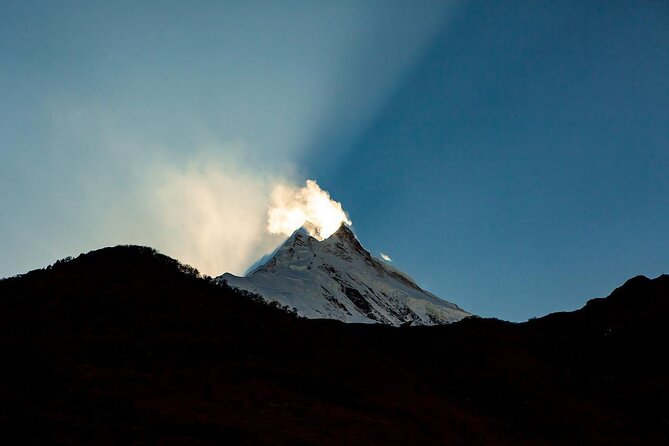
This is not a late-morning stroll day. Expect cold conditions, careful footing, and a steady pace that keeps your breathing under control. As you reach the pass, you get stunning views with mountains like Manaslu, Himalchuli, Cho Danda, and multiple peaks in view.
After a short stop for photos, you begin the descent toward Bhimtang. That descent is long, and it can feel tougher than the pass itself because your legs do the work on tired knees and ankles.
Practical tip: bring your warm layer and protect your hands. The pass day is short on comfort and long on cold.
From Sangure Kharka to Tilje: Rhododendron, Terraces, and Villages
After the mountain intensity of Larkya La, the next day focuses on moving down and resetting. You enjoy a panoramic morning view, then trek toward Sangure Kharka, another yak grazing field, and keep descending.
Rhododendron forests start to dominate as you lose altitude. The trail goes through terraced fields and toward Karche, then you meet a small river flowing out of Dudh Pokhari along the way.
Eventually you reach the village of Gho and then continue to Tilje for overnight in a teahouse. Tilje is a nice place to feel the difference between high cold altitude and the slower, warmer pace of mid-elevation villages.
Chyamje Approach: Thonje, Marsyangdi, and Meeting the Annapurna Crowd
You are in the closing stretch now, heading south-eastwards toward lower elevations. The trail passes villages like Thonje, then you reach the Marsyangdi river, a tributary of Narayani.
You also get a human moment at Dharapani, where you can see people who took the Annapurna Circuit route. That is one of the few places where you feel the overlap with other trekking circuits, and it gives your journey a sense of connection without undoing Manaslu’s quiet identity.
The forest mix changes too, with rhododendron, pine, utis, khayar, and sal trees mentioned. You end the day at Chyamje, a large settlement that acts as a gateway to upper Annapurna and Manaslu routes.
From Chamje to Besisahar and Back to Kathmandu
On your final trek day, you start with a drive from Chamje to Besisahar. The road is described as somewhat bumpy, with waterfalls and rivers along the route plus traditional village views.
Then you take an easier drive from Besisahar back to Kathmandu, following the Marsyangdi and Trishuli rivers. The road curves through the Mahabharata hill range and enters Kathmandu via Nag Dhunga Pass. You sleep in Kathmandu at the end of the journey.
After 16 days, this drive can feel like a victory lap. It is also when you realize how much the mountains change your sense of time and effort.
What You Pay and What You Actually Get for $1,098
At $1,098 per person for 16 days, the price works out as a lot more than “just walking days.” Your package includes airport pickup and drop by private vehicle, Kathmandu accommodation with breakfast, and the full permit set required for the trek.
On the trek itself, meals and accommodation are included, and you also get a guide plus porters. The porter arrangement is strong for value, about one porter shared between two paying people, and their expenses and insurance are included.
You also get real gear support: a down jacket, sleeping bag, duffel bag, a T-shirt, a trekking map, and a first aid kit. That can cut your equipment cost a lot, especially if you travel without trekking gear already.
Two more value points that matter for peace of mind. First, there is a welcome or farewell dinner in Kathmandu at a typical Nepali restaurant. Second, there are worst-case rescue and medical evacuation arrangements in place. You are still responsible for your own travel and rescue insurance, but having emergency planning inside the trip is a big plus.
What is not covered is also clear. International flights, visa fees, and your travel and rescue insurance are not included. In Kathmandu, lunch and dinner are not included either, so budget for at least those meals while you are back in the city.
Pacing, Fitness, and the Parts That Feel Tougher Than They Look
This trek is best for people with moderate physical fitness who can handle long days and altitude. It is not marketed as a casual hike, and the toughest day is the Larkya La crossing.
You will also spend time walking through varied terrain, from river corridors and forest paths to icy glacial moraines. Weather matters a lot on high passes, and the experience requires good weather.
My practical advice: train for steady uphill walking, and practice walking with the weight you plan to carry. You do not want to find out on day one that your backpack setup gives you hot spots.
Lodges, Food, and the Reality of Teahouse Trekking
The circuit uses teahouses for accommodation, which means you are sleeping in actual rooms most nights rather than camping. That helps you recover, especially after pass day when your body wants warmth and a stable routine.
You also get meals and accommodation on the trek included, so you do not have to manage every lunch stop. Still, in Kathmandu, lunch and dinner are not included, and personal expenses like drinks, WiFi, battery charging, laundry, and hot shower costs can add up.
Also, keep expectations realistic for teahouse conditions. The route is quieter and less developed than the big circuits, so basic comforts can be basic.
The Human Team: Guides, Porters, and the Smooth Operation Feel
This trek is run by Ambition Himalaya Treks & Expeditions, with Shishir as the owner highlighted in past client notes. The pattern is clear: planning and communication are taken seriously, and the guiding team and porters get credited for support when altitude or food becomes a challenge.
In past feedback, guides such as Lok and Purna were specifically praised for being helpful, cheerful, and patient. Porters also received strong mention for stepping up when trekkers struggled. You should go in expecting tough days, and having a guide who keeps you moving and thinking clearly is a real comfort.
Who Should Book This Manaslu Circuit Trek
Book this if you want a high-value trek with fewer crowds, strong logistics, and a realistic balance between wilderness and teahouse comfort. It suits you if you like mountain travel that feels guided and planned, not improvisational.
It is also a good match if you do not want to buy a full set of winter trekking gear. With the down jacket and sleeping bag included, the trip reduces the cost and hassle of gear hunting.
I would think twice if you are very sensitive to cold, or if you struggle with altitude changes. The Larkya La day is the obvious stress test.
Should You Book This Manaslu Circuit Trek?
Yes, if your top goal is a quieter Manaslu experience with clear support. The package includes permits, guides, porter support, key gear, trek meals, and Kathmandu accommodation, so you are paying for the trip to run smoothly.
Think carefully if you are not comfortable with long cold days and at least one major high-altitude pass crossing. This is not a trek you should treat like a casual weekend hike.
If you want my decision rule: book it when you are ready for the challenge and you appreciate fewer crowds. If you are still deciding whether you want a demanding pass day, consider building your fitness first, then come back with confidence.
FAQ
Where does the trek start and end?
The experience starts at Tribhuvan Airport in Kathmandu, Nepal. It ends back at the meeting point (the same location).
How long is the Manaslu Circuit Trek?
The duration is listed as 16 days (approx.).
Is this a private trek or a group tour?
This is a private tour/activity. Only your group participates.
What permits are included?
All required permits are included, including Manaslu, Annapurna, Special Immigration Permit, and TIMS.
What’s included for airport and city transfers?
Airport pickup and drop services are included by private vehicle. There is also local shared bus support during parts of the trek route, with optional private jeep upgrades available for an extra cost.
Are meals and accommodation included on the trek?
Yes. Meals and accommodation on the trek are included, plus breakfast in Kathmandu and accommodation in Kathmandu with breakfast as per the itinerary.
What trekking gear is provided?
You are provided down jacket, sleeping bag, duffel bag, T-shirt, trekking map, and a first aid kit.
Is travel or emergency rescue insurance included?
No. Travel and rescue insurance, including emergency evacuation insurance, is not included. The trip does include worst-case rescue and medical evacuation arrangements, but you should still plan your own insurance.
Latest additions near Kathmandu
- White Water River Rafting – 1 Day★ 4.3 · 3 reviews
- Traditional Momo Making Class★ 5.0 · 10 reviews
- Kathmandu to Pokhara Premium sofa bus ticket★ 4.0 · 17 reviews
- Ghorepani Poon Hill Trek★ 5.0 · 16 reviews
- Amazing 1 Day Trekking Experience in Kathmandu Nepal★ 5.0 · 24 reviews
- Ghorepani Poonhill Trek★ 5.0 · 5 reviews
- Walking tour of real Kathmandu through back streets.★ 5.0 · 3 reviews
- Wildlife Adventure in Chitwan Nepal★ 4.0 · 4 reviews
Manaslu Circuit Treks, compared.
Browse the lists this tour appears in