
Reviewed · MANASLU CIRCUIT TREKS
15 Days Manaslu Circuit Trek
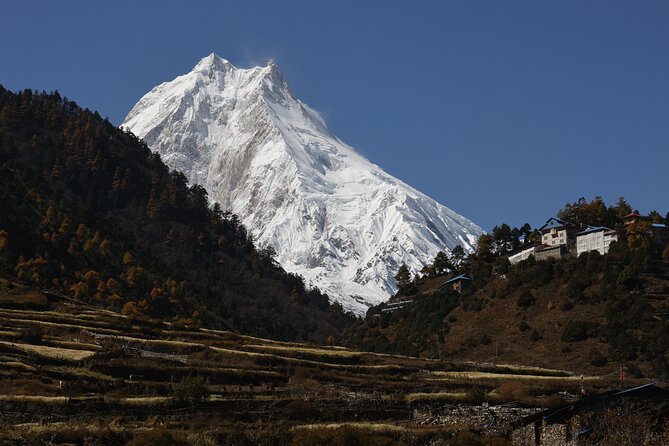
Quiet villages, big mountains, serious high pass. This Manaslu Circuit Trek is one of Nepal’s quieter big treks, taking you from the lowlands up above 5000 meters while you encircle Mt. Manaslu (8163m). Along the way you move through terraced farmland, forests, waterfalls, glaciers, and prayer-filled villages that feel culturally Tibetan.
I really like the way this trek keeps the pace human and supported. Small-group trekking (max 14 people) plus porters and assistant guides means you are not just hiking solo into the unknown. And I also love the built-in acclimatization rhythm, including a rest day with an excursion to Birendra Lake.
The main drawback to plan for is effort. Day 12 is a long, challenging pass day (about 10 hours), and the overall itinerary is active for 15 days, so you want moderate fitness before you go.
In This Review
- Key highlights that matter on this trek
- Why the Manaslu Circuit feels different from other Nepal treks
- Kathmandu setup: airport start, hotel base, and an early game plan
- Day 3 to Jagat: driving in, then walking into the Buddhi Gandaki valley
- Deng to Namrung: forests, bridges, and the Tibet-like feel of the high hamlets
- Shyala and Ribung Gompa: monasteries with views, not just stops
- Samagaun and Punggyen Gompa: the acclimatization-friendly rhythm
- Samdo and Dharmasala: Tibetan refugee village to yak pastures
- Larke La Pass day 12: the long, serious day with major payoff
- Day 13 to Tilije and Dharapani: forests, glaciers, and the shift toward comfort
- Day 14 to Kathmandu: drive back via Besishahar and a real end to the loop
- Day 15: airport escort and the last morning logistics
- Price and what you are really paying for (and what you are not)
- Guides, group size, and why the people can make or break it
- Fitness, altitude, and realistic expectations for the active days
- Should you book the Manaslu Circuit Trek with Yak Ru Adventure?
- FAQ
- What is the start point and start time for the trek?
- How long is the trek?
- What is the maximum group size?
- How many nights do you stay in Kathmandu, and what is the lodging like?
- What meals and drinks are included during the trek?
- Are ground transfers included, and do you get a pickup?
- Is there an acclimatization rest day?
- Does the guide include safety equipment?
- Is the cost of medical evacuation included?
Key highlights that matter on this trek
- Small group size (max 14 travelers), which helps the hike feel organized and personal.
- Safety-minded guide support, including a satellite phone and an oximeter.
- Real culture on foot, with ethnic villages like Lihi, Sho, and Lho, plus monastery visits like Ribung Gompa.
- Acclimatization built in, including a rest day and Birendra Lake for easier high-altitude adjustment.
- The Larke La Pass day, the longest day, with major mountain views (including Annapurna II on a clear day).
- Value in inclusions, permits and paperwork, private vehicle transfers, Kathmandu hotel nights, plus tea and coffee during the trek.
Why the Manaslu Circuit feels different from other Nepal treks
The Manaslu Circuit does not feel like a conveyor belt trek. It mixes big Himalayan elevation with smaller, less-frequent village life, and that combo is what makes it special. You start in the Kathmandu lowlands world, then you gradually climb into that alpine zone where the air changes and the terrain gets more serious.
You also get a clear cultural through-line. Several days take you through communities that feel closely Tibetan in style, from the hamlet of Namrung to the Tibetan refugee village of Samdo. You will also spend time at monasteries, including Ribung Gompa and Punggyen Gompa, which adds meaning beyond just getting photos.
Finally, the human factor matters. In reviews tied to this trek, guides named Suresh and Sujan stand out for being flexible and story-focused, not just instruction-only. That matters when you are tired at altitude and you want someone to explain what you are seeing.
More Treks in Kathmandu
- Everest Base Camp Trek – 14 Days
★ 5.0 · 1,499 reviews - Everest Base Camp Trek
★ 5.0 · 842 reviews - Everest Base Camp Trekking
★ 5.0 · 485 reviews
Kathmandu setup: airport start, hotel base, and an early game plan
Your tour starts at Tribhuvan International Airport in Kathmandu, with a stated start time of 5:45 am. You get a welcome pick-up from the airport and transfer to your hotel, then you have a few hours to rest.
On the next evening in Kathmandu, you meet your guide and spend time arranging gear. This is a small detail, but it can save you headaches later. Trek days run on timing, and getting organized before the first drive out helps you avoid scrambling for batteries, headlamps, or the right layers.
You stay three nights in Kathmandu at a 3-star hotel on a bed and breakfast basis. The trek part is where the action happens, but this Kathmandu base is also where you reset your body and your head before the mountains.
One extra nice touch: you get a farewell dinner organized by the company after the return to Kathmandu near the end of the trek.
Day 3 to Jagat: driving in, then walking into the Buddhi Gandaki valley
Day 3 begins with a long drive toward the trailhead area, going past Arughat and Sotikhola. The road is blacktopped for a while, then it becomes dirt road for the final stretch to Machhakhola. Expect the drive to be part of the experience, not a quick transition.
Day 4 is where the trekking routine really kicks in. After crossing the bridge over Machha Khola, you walk on a rugged vehicle road until Tatopani. This is a useful break, because Tatopani comes with the hot springs idea built in, so you can soak tired legs or at least enjoy the stop and reset your pace.
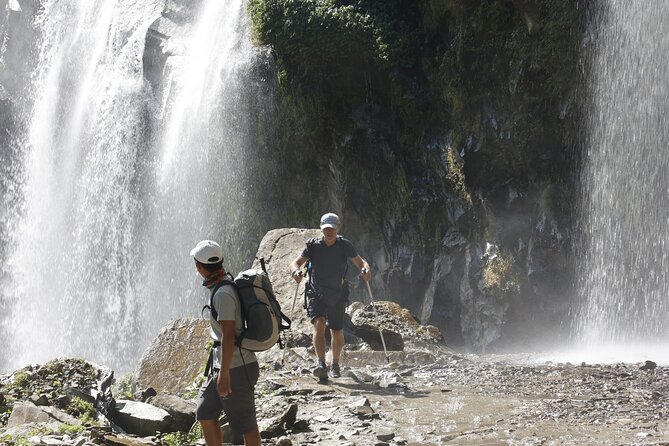
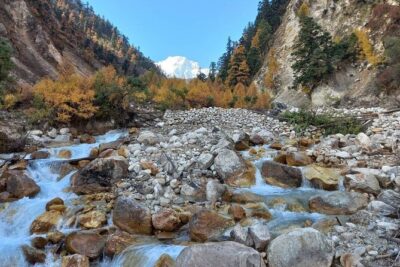
From there, the trail climbs and crosses Budhi Gandaki. You reach Dobhan, then you gradually ascend through a landslide area to places like Thulo Dhungga and Yaruphant. There is also a suspension bridge moment before you arrive in Jagat. What I like about this stretch is that it trains your body for later steep days without jumping straight into the hardest terrain.
Deng to Namrung: forests, bridges, and the Tibet-like feel of the high hamlets
Day 5 moves you from Jagat up toward Salleri, reaching Sirdibas along rugged roads. You cross the Ghatte Khola, use a long suspension bridge, then continue climbing through areas like Philim and Ekle Bhatti. The route passes pine and bamboo forests, then more bridges, and you end at Dang.
This day is valuable because it builds consistency. You are repeatedly learning how to move when the trail changes from road-like surfaces to narrower paths and back again. If you are the type who gets frustrated by uneven footing, this is where you train patience.
Day 6 shifts the scenery into something more alpine, with low alpine forest and a climb from Ghap up toward Namrung. You also get repeated crossings over the Buddhi Gandaki River, and you walk alongside cultivated fields before the forest takes over.
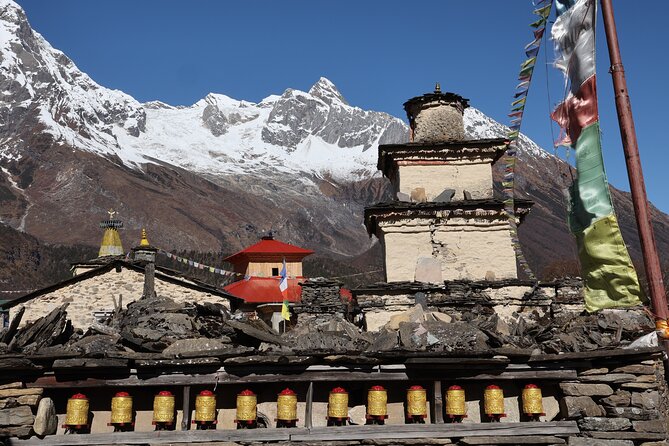
Namrung is a highlight for culture, not just altitude. The area is described as inhabited by people resembling closely to Tibetans. That means you get a different rhythm of village life than in many lower Nepal trekking routes, and it helps the trek feel like a journey, not just elevation gain.
More Manaslu Circuit departures:
- Manaslu Circuit Trek
★ 5.0 · 292 reviews - Manaslu Circuit Trek:
★ 5.0 · 106 reviews - Manaslu Circuit Trek (15 Days)
★ 5.0 · 50 reviews - Manaslu Circuit Trek
★ 5.0 · 35 reviews
Shyala and Ribung Gompa: monasteries with views, not just stops
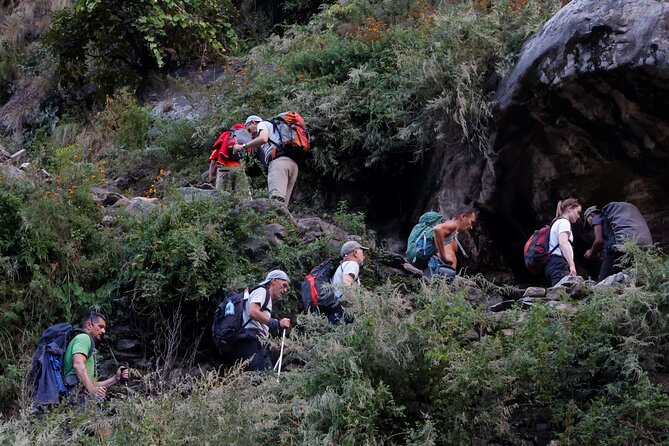
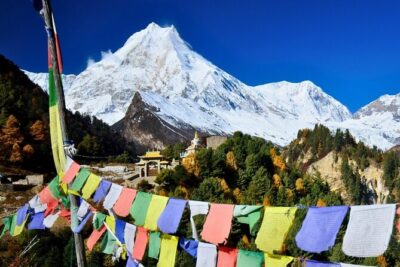
Day 7 is one of those days where the walking feels shorter because the sights keep grabbing your attention. You trek through Bhanzam and pass ethnic villages including Lihi, Sho, and Lho. You also visit Ribung Gompa in Lho, located on a hill with a magnificent view of Manaslu.
That monastery stop is more than a box-tick. It helps you understand why these routes have pilgrims and meaning baked in. You get a moment where your effort pays off visually, and you can look outward before you move on.
After Ribung Gompa, you continue through pine and rhododendron forest to reach Shyala. Expect rhododendron scenery to vary by season, but the overall feel of forested trekking is consistent, plus you are still steadily rising.
Samagaun and Punggyen Gompa: the acclimatization-friendly rhythm
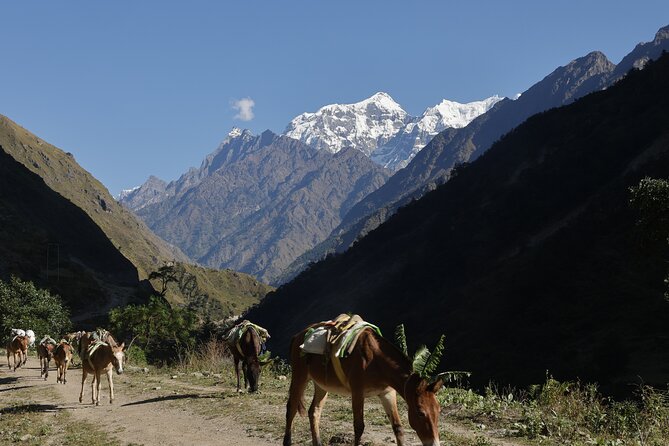
Day 8 takes you up toward Punggyen Gompa before continuing to Samagaun with packed lunch. The route passes pastures and crosses a river draining from the Pung Gyen glacier. From Punggyen Gompa, you get impressive panoramic views, including the eastern face of Manaslu.
Then you descend back the same way to rejoin the main trail into Samagaun, the last largest village in the Manaslu region. Samagaun is a great place to slow down because you have multiple layers of interest: high-altitude terrain, mountain views, and a village base where you can rest with the mountains always in sight.
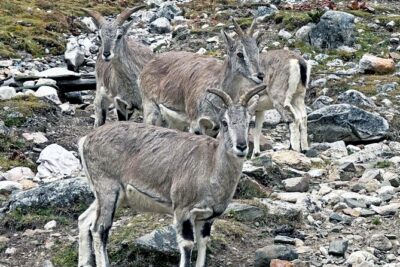
Day 9 is your rest day. You take a short excursion to Birendra Lake for acclimatization. You might also come across wildlife like Himalayan Thar. Even if you do not see wildlife, I like this day because it is structured as a recovery tool, not a random free day.
Samdo and Dharmasala: Tibetan refugee village to yak pastures
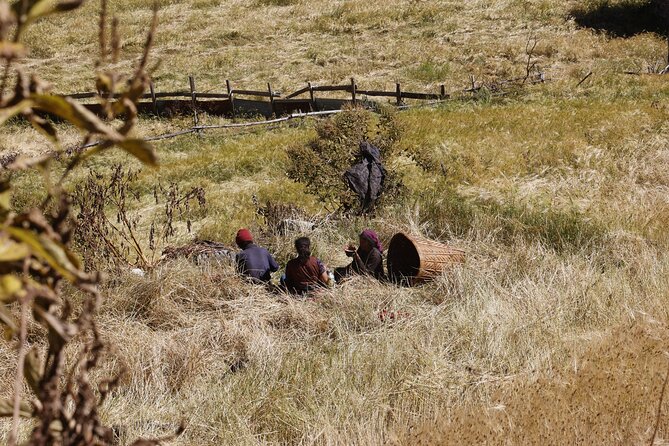
Day 10 takes you to Samdo, a small Tibetan refugee village. You pass through forests of birch and juniper and trek through small villages. You cross a wooden bridge over the Buddhi Gandaki River, and then you arrive at Samdo.
This is one of those days where the culture becomes more obvious. The Tibetan refugee village setting changes what you notice as you walk, from the way villages are arranged to the way the trek feels socially. It is also a useful step in the acclimatization path as you continue climbing higher.
Day 11 continues uphill toward Dharmasala. You cross a suspension bridge and ascend through high pasturelands where you see yaks grazing. You also get views of Manaslu North, Larkya Peak, and the Larkya glacier on the left side of the trail.
Dharmasala is not just a place to sleep. It is a staging point for the biggest day, so arriving means you are finally living at the height where the trek changes from hiking to mountain time.
Larke La Pass day 12: the long, serious day with major payoff
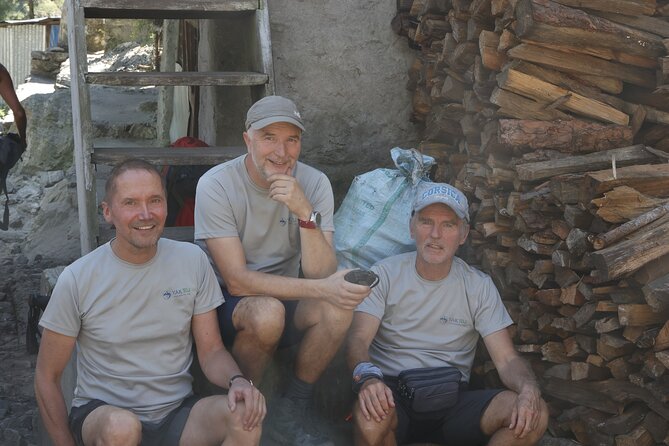
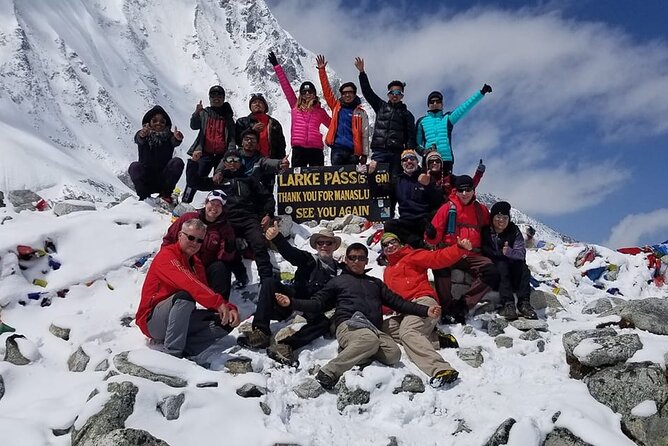
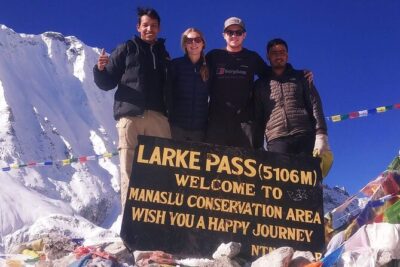
Day 12 is your big challenge. You start early, then climb toward the north side of Larkya glacier. The trail becomes steep, and the route takes you to the top of Larke La Pass. From there, the views are described as huge, including Himlung Himal, Cheo Himal, Kangguru, and the huge Annapurna II, plus many other peaks.
Then you descend to Bimtang. The itinerary calls it the longest and most challenging day compared with the other days, and that matches how pass days feel in real life: slow steps, steady breathing, and focus on terrain.
Practical tip: treat this day like a pace management exercise, not a speed contest. Your goal is to arrive at the pass top with enough energy to enjoy it, then keep moving down safely.
Day 13 to Tilije and Dharapani: forests, glaciers, and the shift toward comfort
Day 13 moves you through the Kechakyu Khola Glacier area and into rhododendron forest. You continue with views of Mt. Manaslu along the way, then reach Gho village and head toward Tilije, an older Gurung village.
This is where the trek offers a small taste of comfort. The route notes facilities for a hot shower, wifi, and electricity from here onwards. That can feel like a morale boost after days where everything is basic and slow.
The day ends at Dharapani, after about 8 hours of trekking. I like the fact that the trek does not abruptly end after the pass day. It gives you a recovery day that still keeps you moving, but in terrain that feels more forested and less punishing.
Day 14 to Kathmandu: drive back via Besishahar and a real end to the loop
Day 14 shifts from hiking to driving. You travel from this region back to Kathmandu via Besishahar, and after you arrive you transfer to your hotel. There is a farewell dinner organized in the evening.
A 10-hour drive is long, but it also works like closure. You get a final look at Nepal outside the narrow trekking corridor, and you have time to reflect on how the terrain changed over two weeks.
Day 15: airport escort and the last morning logistics
After breakfast on Day 15, a company member escorts you to Tribhuvan International Airport for your flight home. It is a clean finish, and the morning tempo tends to feel calm compared to the hiking days.
Price and what you are really paying for (and what you are not)
The price is listed at $1,450 per person for about 15 days. What I think makes this value reasonable is that it includes much more than a guide and a route.
You get: porters and assistant guides based on group size, private vehicles for ground transfers, and a 3-star Kathmandu hotel (3 nights) on bed and breakfast. You also get permits and paperwork handled, plus rescue and evacuation arrangements in emergencies. On the safety side, the professional English-speaking guide is equipped with satellite phone and oximeter.
Meals are partially included: tea and coffee during the trek, breakfast for 14 days, lunch for 12 days, and dinner for 12 days. That reduces the daily cost and the decision fatigue of where to eat at altitude.
What is not included matters too. Meals while you are in Kathmandu are not included, and lunches and dinners in Kathmandu are not included either. Medical evacuation cost is not included, and tips for local staff are not included.
So for value, I suggest thinking in layers:
- If you hate logistics, the permits, paperwork, and transfers handled for you are a big deal.
- If you want the guide and porter system and shared trek meals, the inclusions help keep the trip predictable.
- If you assume the mountains will make medical costs vanish, that is where you need to plan ahead. The trek includes arrangements, but not the medical evacuation cost.
Guides, group size, and why the people can make or break it
This trek is set up for a maximum of 14 travelers. In a big trekking country like Nepal, that size can help keep things organized without feeling like you are packed into a crowd.
Reviews tied to this itinerary highlight specific guide personalities, including Suresh and Sujan. Names aside, the best pattern is consistent: guides who are flexible, present, and willing to explain mountains and village life. That helps in two ways. First, you understand what you are walking through. Second, you feel less alone when weather or altitude changes the day.
If you come with curiosity, you will likely get more from the trip. Ask questions at monasteries. Ask why villages look the way they do. Ask what locals consider important on this route.
Fitness, altitude, and realistic expectations for the active days
The tour notes moderate physical fitness as the target level. That is a good sign, but do not treat it like a walk in the park. Over 15 days, you will have multiple trekking days of 5 to 10 hours, with bridges, steep sections, and sometimes landslide-prone paths earlier in the route.
The itinerary includes:
- A rest and acclimatization day at Samagaun
- A long pass day (Day 12)
- A forest and glacier day after the pass (Day 13)
This structure is designed to help your body adjust and still get you to the best viewpoints. But your success will still depend on how you pace yourself.
Practical expectations:
- You will spend time walking on rugged roads early, then more true trekking paths later.
- You will cross bridges often, including suspension bridges.
- You will want layers for changing temperatures, especially as you go above 5000 meters.
- You should be ready for weather shifts on a high pass day, even though the exact conditions are not promised.
Should you book the Manaslu Circuit Trek with Yak Ru Adventure?
Book it if you want a high pass trek with strong village culture, and you like a small-group feel with a guide who brings stories and local knowledge to the trail. The itinerary has a sensible acclimatization plan, including a rest day with Birendra Lake, and it rewards you with major mountain views at Larke La Pass.
Consider skipping or switching to an easier itinerary if you are not comfortable with a long, demanding day after already being active for weeks. Day 12 is the clearest test of whether you and this route match.
Overall, I like that this trek is practical. It does not just sell views. It structures the journey from Kathmandu to lowland river valleys, up through Tibetan-leaning villages, over the pass, then back through forested terrain with a small taste of modern comforts around Tilije.
FAQ
What is the start point and start time for the trek?
The meeting point is Tribhuvan International Airport in Kathmandu, Nepal, with a start time of 5:45 am.
How long is the trek?
The duration is approximately 15 days.
What is the maximum group size?
The tour lists a maximum of 14 travelers.
How many nights do you stay in Kathmandu, and what is the lodging like?
You get 3 nights in a 3-star hotel in Kathmandu on a bed and breakfast basis.
What meals and drinks are included during the trek?
Tea and coffee are included during the trek. Breakfast is included for 14 days, lunch for 12 days, and dinner for 12 days.
Are ground transfers included, and do you get a pickup?
Yes. All ground transfers are included in private vehicles, and pickup is offered.
Is there an acclimatization rest day?
Yes. Day 9 is a rest day in Samagaun with an excursion to Birendra Lake for acclimatization.
Does the guide include safety equipment?
Yes. The professional English-speaking guide is equipped with a satellite phone and oximeter, and there are rescue and evacuation arrangements in case of emergency.
Is the cost of medical evacuation included?
No. Medical evacuation cost is not included.
Latest additions near Kathmandu
- White Water River Rafting – 1 Day★ 4.3 · 3 reviews
- Traditional Momo Making Class★ 5.0 · 10 reviews
- Kathmandu to Pokhara Premium sofa bus ticket★ 4.0 · 17 reviews
- Ghorepani Poon Hill Trek★ 5.0 · 16 reviews
- Amazing 1 Day Trekking Experience in Kathmandu Nepal★ 5.0 · 24 reviews
- Ghorepani Poonhill Trek★ 5.0 · 5 reviews
- Walking tour of real Kathmandu through back streets.★ 5.0 · 3 reviews
- Wildlife Adventure in Chitwan Nepal★ 4.0 · 4 reviews
Manaslu Circuit Treks, compared.
Browse the lists this tour appears in