
Reviewed · ANNAPURNA BASE CAMP TREKS
14-Day Private Annapurna Base Camp Trekking and Multi Activity
A mountain trek with serious payoff, day after day. This private 14-day route in Nepal takes you from Kathmandu to Pokhara, through villages and rhododendron forests, and all the way to Annapurna Base Camp with big Himalayan views. I also like how the trip is guided by people you can count on, with Ramesh singled out for positivity and safety, plus GP praised for making the whole journey feel smooth and organized.
The one thing to plan for is the walking, plus changing weather. If you are hoping for light strolls only, or you hate cold nights in higher lodges, this route will feel demanding even with a porter for your main luggage.
In This Review
- Key highlights you’ll feel most
- Annapurna Base Camp, Poonhill, and Machhapuchhre views without the chaos
- From Kathmandu to Pokhara: get set up before you start walking
- The drive to Nayapul and the Ulleri start: where the trek finds its legs
- Ulleri to Ghorepani, then Poonhill: a viewpoint mission that actually pays off
- Tadapani to Sinuwa and Deurali: higher trails and colder nights
- The Annapurna Base Camp day: surreal views, then a gentler next step
- Dovan to Chhomrong and Ghandruk: the famous villages on the way down
- Back to Nayapul, then Pokhara, then Kathmandu
- Price and logistics: is $925 good value for a private trek?
- Ramesh and GP: why the guide matters more than you think
- Food, comfort, and what “teahouse” really means here
- Fitness, altitude reality check, and smart packing for ABC
- Weather and route changes: a trek that depends on the forecast
- Should you book this private Annapurna Base Camp trek?
- FAQ
- How long is the Annapurna Base Camp trekking experience?
- Where does the tour start?
- Is pickup included?
- What kind of accommodations are provided during the trek?
- Are meals included in the price?
- Are trekking permits included?
- Is a porter included?
- What is not included in the price?
- What fitness level is needed?
- What is the cancellation policy?
Key highlights you’ll feel most
- Ramesh and GP support: reviews call out calm, upbeat guidance and strong day-to-day help
- Poonhill viewpoint time: a dedicated morning outing that sets the tone for the trek
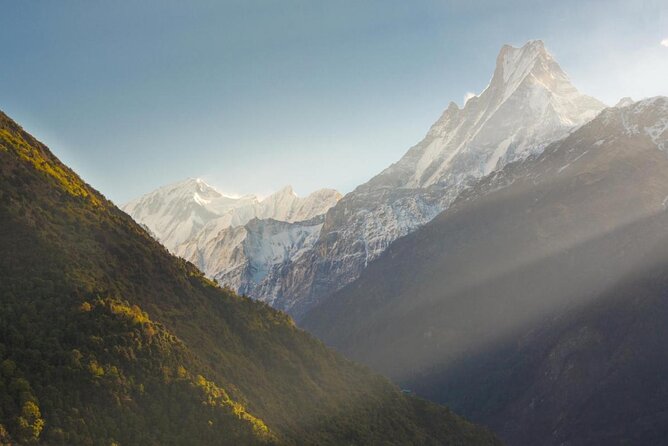
- Base Camp day payoff: surreal views of Annapurna peaks and Machhapuchhre (Fishtail) area
- Comfort-first logistics: hotels in Kathmandu and Pokhara, then teahouse and lodge stays on trek
- Meals plus permits handled: breakfast, lunch, dinner included, with ACAP and TIMS fees covered
Annapurna Base Camp, Poonhill, and Machhapuchhre views without the chaos
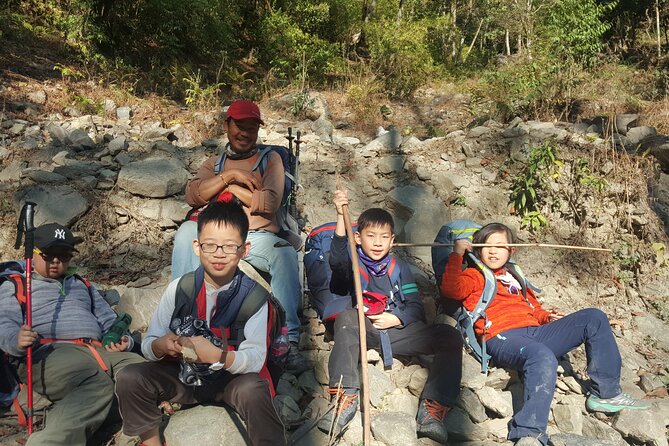
Annapurna Base Camp is the classic “first big trek” in this region for a reason. You get a real mix of Nepal on foot, from cultural village life to steep, scenic sections that keep rewarding you with new angles on the mountains. You also pass waterfalls and move through rhododendron forest at points, which helps break up the climb mentally.
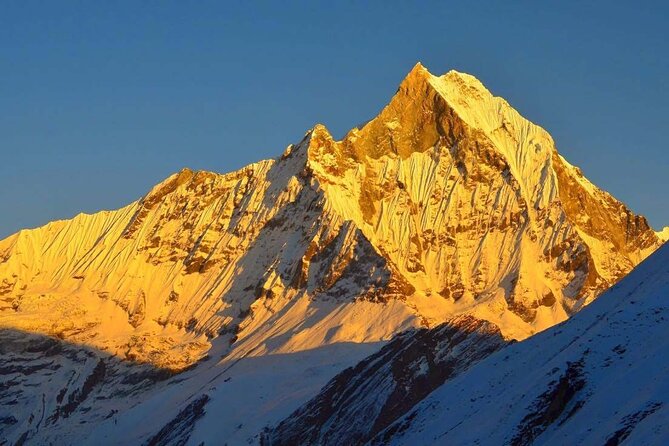
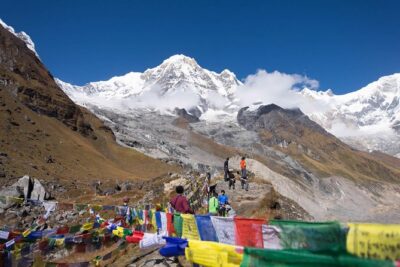
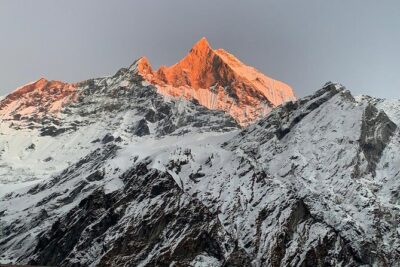
The real hook is the final run of viewpoints. When the trail opens up, you’re looking toward a wall of peaks, including the Annapurna range and Machhapuchhre, the famous Fishtail silhouette. Hiunchuli also shows up as part of the mountain picture you’ll be chasing.
My favorite part of a trek like this is that it feels both adventurous and structured. You know what day looks like, where you’ll sleep, and what kind of food you can expect, without having to play logistics Tetris.
The main consideration is altitude and weather tolerance. Even if you have moderate fitness, cold nights and slower breathing in higher areas are real, and the tour notes that it depends on good weather.
More Treks in Kathmandu
- Everest Base Camp Trek – 14 Days
★ 5.0 · 1,499 reviews - Everest Base Camp Trek
★ 5.0 · 842 reviews - Everest Base Camp Trekking
★ 5.0 · 485 reviews
From Kathmandu to Pokhara: get set up before you start walking
Day 1 is arrival in Kathmandu and a transfer to your hotel. That matters more than it sounds. You’re not scrambling for transport, and you can adjust to time, food, and sleep before the long days start.
Day 2 is a drive to Pokhara, with breakfast included and another hotel night. Pokhara is your staging point, and this break helps you start the trail feeling human rather than fried. After that, you transition into trekking mode.
If you’re coming in from outside Nepal, I like the simple rhythm here. You’re given time to land, get organized, and move south to where the Annapurna trail network begins.
Also, the tour includes pickup offered, which is handy when you land and don’t want to negotiate rides while jet-lagged.
The drive to Nayapul and the Ulleri start: where the trek finds its legs
On Day 3, you drive to Nayapul and then trek to Ulleri. This is a common trick in great trekking routes, you ease into the workload with a gradual start from a reachable trailhead. Ulleri is the kind of place where you’ll feel village Nepal clearly, with guesthouses and daily life running alongside the trail traffic.
Day 4 takes you from Ulleri to Ghorepani. This leg helps you build trekking rhythm: steady steps, frequent breaks, and enough progression to feel like you’re gaining altitude without jumping too fast. You’ll sleep in a guesthouse, so you’re still not in full teahouse logistics yet.
The pacing here is a big deal for comfort. Since your porter carries your luggage, you can keep your daypack manageable and focus on moving.
Ulleri to Ghorepani, then Poonhill: a viewpoint mission that actually pays off
Day 5 is two parts. First, you explore Poonhill, then you trek on to Tadapani. Poonhill is the kind of sunrise or early-morning viewpoint that makes people plan their treks around it, and the experience data here backs that up with one standout viewpoint remark from a trek participant.
Why I think this works: Poonhill gives you early confirmation that the hike is worth it. Once you’ve seen those peaks from above the ridgelines, the rest of the climb feels more focused, not just repetitive uphill.
Then you head to Tadapani for the night, staying in a hotel or lodge (depending on availability and route timing). This section keeps your evenings useful, you can recharge, eat well, and sleep before the climb continues.
More Annapurna Base Camp treks:
- Annapurna base camp trek 5 Days
★ 5.0 · 252 reviews - 14-Day Private Annapurna Base Camp Trek
★ 5.0 · 180 reviews - Annapurna Base Camp Trekking
★ 5.0 · 116 reviews - Annapurna Base Camp Trek
★ 5.0 · 111 reviews
Tadapani to Sinuwa and Deurali: higher trails and colder nights
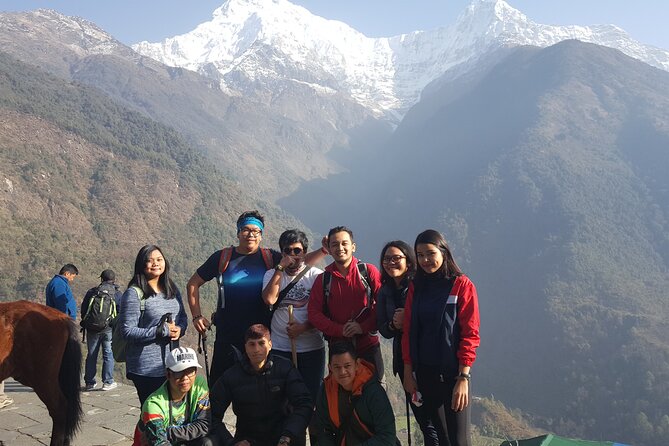
Day 6 is the trek from Tadapani to Sinuwa. Day 7 continues from Sinuwa to Deurali, with lodge stays. This is where the trek starts to feel more “mountain” and less “village,” in terms of temperature, air, and the feeling of space around you.
The tour includes breakfast, lunch, and dinner each trekking day, which I really appreciate at higher elevations. It reduces the annoying parts of trekking where you hunt down meals while your energy drains. You can just stick to the schedule.
Since you only have moderate fitness and not a full training plan, you’ll want to treat this phase like your body’s adjustment time. You might not feel dramatic changes immediately, but your pace will naturally slow, and that’s normal.
Also, cold matters. Even when the day feels fine, nights around higher lodges can get chilly fast. Packing layers and using the systems you trust (staying dry, not overexerting) will make this stage far easier.
The Annapurna Base Camp day: surreal views, then a gentler next step
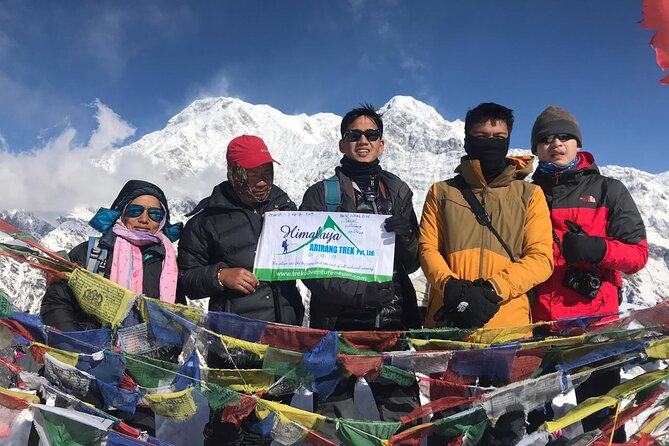
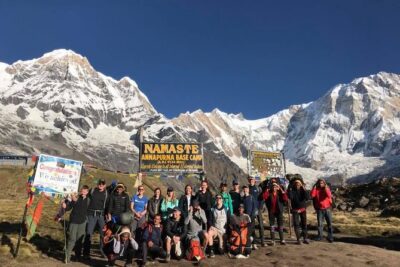
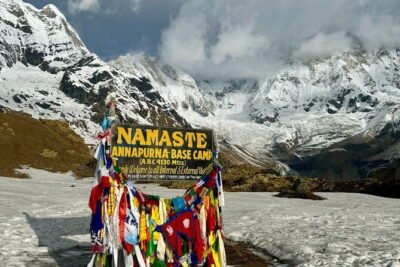
Day 8 is the big day, trekking from Deurali to Annapurna Base Camp. This is the part mountain lovers talk about for years. The base camp views are described as surreal, with the Annapurna massif and Machhapuchhre in the visual mix, plus nearby peaks like Hiunchuli.
What you’ll actually want to do once you arrive is simple. Take it in, but don’t trash your body. Spend time at a comfortable pace, eat something, and keep your movement slow because you still have more trekking ahead.
Day 9 is base camp exploration, then you trek to Dovan. This sets up a classic rhythm: big moment first, then move to a spot that helps you keep descending gradually and regain a little comfort.
You’ll stay in a lodge or teahouse on these days. The value here is that the tour handles the accommodation chain, so you’re not negotiating where you’ll sleep at the end of a long day.
Dovan to Chhomrong and Ghandruk: the famous villages on the way down
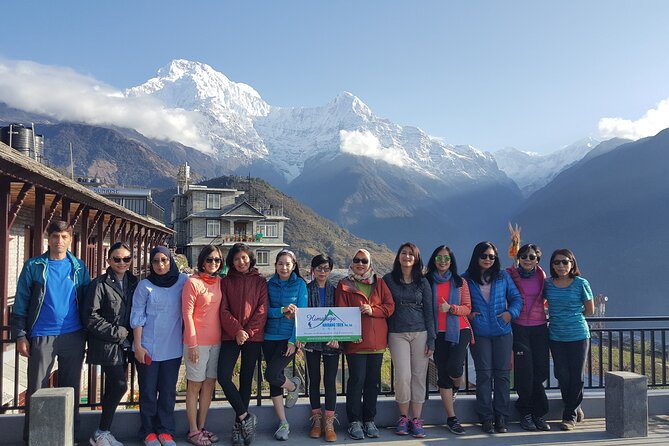
Day 10 takes you from Dovan to Chhomrong, again with lodge or teahouse accommodation. Chhomrong is one of the iconic trail villages, and it’s usually where you start feeling the “descent energy,” even when the walking still has plenty of effort.
Day 11 goes from Chhomrong to Ghandruk, with lodge or homestay style accommodation. Ghandruk is known for village character, and homestays can feel extra personal because you’re part of local life, not just a bed booking. This is a nice contrast after days that can feel more mountain-like.
Day 11 is also a helpful mental turning point. At this stage, you’re not chasing an unknown tomorrow, you’re moving toward the end of the trek while still enjoying the scenery.
Back to Nayapul, then Pokhara, then Kathmandu
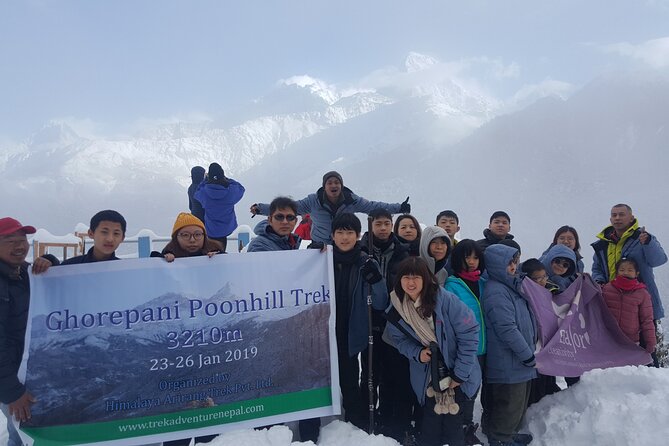
Day 12 is from Ghandruk to Nayapul, and then you drive back to Pokhara. It’s a relief day in the best way, because your boots get a break and you get to reset with a hotel night.
Day 13 is the drive to Kathmandu, with breakfast included. This is your buffer before departure on Day 14. If you hate feeling rushed right at the end of a trek, this structure helps.
From a practical travel perspective, I like that you go back by road rather than attempting another huge walking day. It keeps the end clean and reduces the risk of arriving in Kathmandu tired and cranky.
Price and logistics: is $925 good value for a private trek?
At $925 per person for about 14 days, this isn’t a bargain deal, but it also isn’t “pay extra just because it’s popular.” The price includes a lot of the costs that usually surprise people.
Here’s what’s covered:
- Breakfast, lunch, and dinner during the trekking days
- Hotel nights in Kathmandu and Pokhara
- Teahouse or lodge stays on the trek
- Porters for carrying luggage
- ACAP permit and TIMS fee
- An air-conditioned vehicle for transfers
- All fees and taxes
What’s not included is also clear: Nepal visa, travel insurance, and tips for guide, porter, and driver. Those items are normal for Nepal trekking, but they matter for your budget.
So is it good value? For a private tour with meals, lodging support, permits, and porter help, yes, especially if you want less stress and more reliable day-to-day pacing. You’re paying for the chain to run, not just for the view.
If you’re the type who enjoys planning every twist yourself, you might be able to find cheaper independent options. If you want the trek without logistics headaches, this price feels fair.
Ramesh and GP: why the guide matters more than you think
The strongest praise in the experience data is about people, not just scenery. Ramesh is repeatedly described as positive and energetic, making the start of the trip feel welcoming and safe. Another guide, GP, is also called out as amazing, with extra help that made the group’s trek feel successful.
When guides get it right, you feel it in small things. It’s route management, pace decisions, and how you handle questions when you’re tired. It’s also how meals and lodging feel at the end of the day.
There’s also a consistent theme: guides listen and adapt based on your form and requests. That’s not a luxury detail. On a trek like this, small adjustments can mean the difference between having energy for the base camp moment or arriving wiped out.
Food, comfort, and what “teahouse” really means here
This trek uses guesthouses, lodges, and teahouses during the walking days. That usually means simple rooms and warm eating spaces rather than fancy hotel comfort. The good news is the trip includes meals you can rely on, and the comfort level of the lodging is part of what people praised in their accounts.
Food is mentioned as delicious, and that’s important. Trekking can make even basic meals feel life-saving. When you can count on breakfast, lunch, and dinner being handled, you’re less likely to lose a day’s worth of energy because you couldn’t find what you needed.
Also, because your porter carries luggage, you’re less stressed about where to store things, what to carry, and how to keep your daypack organized.
Fitness, altitude reality check, and smart packing for ABC
The tour calls for moderate physical fitness. That’s the right label, because Annapurna Base Camp is not a sprint, but it is real hiking with elevation gain and long walking days. If you can handle daily hikes in your home region, you’re likely a match.
Altitude is not mentioned in detail, but it’s part of the deal in any trek that reaches base camp. You can plan for it without panicking. Go slower than you think you need to on climbing days, and don’t try to “win” against other people’s pace.
Smart packing is simple:
- Layers for cold mornings and chilly nights
- Rain protection, because mountain weather changes quickly
- A daypack you can carry comfortably
- Anything you need for basic comfort in a lodge setting (like a warm hat)
If you want the best results, keep your kit light and avoid hauling things you won’t use.
Weather and route changes: a trek that depends on the forecast
This experience requires good weather. That means your dates could shift if conditions turn bad. The tour also notes that if canceled due to poor weather, you’ll be offered a different date or a full refund.
This is worth taking seriously. In the mountains, “slightly cloudy” can still mean cold, visibility issues, and slippery sections. A flexible mindset makes the whole thing easier.
The bonus is that the trek structure already gives you buffer days and a clear flow, so you’re not making up plans on the fly.
Should you book this private Annapurna Base Camp trek?
I’d book this if you want a private Annapurna Base Camp experience with strong support, reliable meals, and a porter handling luggage. The guide praise, especially for Ramesh and GP, is the kind of signal you want when you’re traveling in a place where small problems can become big problems.
Skip it or ask extra questions if you’re expecting a high-end luxury style of trekking. Teahouses and lodges are part of the package, and you’ll still be doing serious walking for 14 days.
One more practical check before you commit: confirm what you mean by multi-activity. The core experience here is the ABC trek with the Poonhill outing and the day-by-day walking chain. If you want additional activities beyond that, ask the operator to spell out what’s included for your dates.
If you’re chasing the big mountain moment and you want logistics taken care of, this one makes a lot of sense.
FAQ
How long is the Annapurna Base Camp trekking experience?
It is listed as 14 days (approximately).
Where does the tour start?
The meeting point is at Himalaya Arirang Trek Pvt Ltd, A1 Business complex, Thamel Marg, Kathmandu 44601, Nepal.
Is pickup included?
Pickup is offered.
What kind of accommodations are provided during the trek?
You will stay in guesthouses and teahouses/lodges during the trek, plus hotels in Kathmandu and Pokhara. Ghandruk may include homestay style accommodation.
Are meals included in the price?
Yes. Breakfast, lunch, and dinner are included, with breakfast included during the driving and transfer days as well.
Are trekking permits included?
Yes. The Annapurna Conservation Area Permit and the TIMS fee are included.
Is a porter included?
Yes. Porters for carrying luggage are included.
What is not included in the price?
Not included are the Nepal visa, travel insurance, and tips for the guide, porter, and driver.
What fitness level is needed?
The tour notes a moderate physical fitness level.
What is the cancellation policy?
Free cancellation is available up to 24 hours in advance for a full refund. If canceled due to poor weather, you will be offered a different date or a full refund.
Latest additions near Kathmandu
- Traditional Momo Making Class★ 5.0 · 10 reviews
- White Water River Rafting – 1 Day★ 4.3 · 3 reviews
- Kathmandu to Pokhara Premium sofa bus ticket★ 4.0 · 17 reviews
- Ghorepani Poon Hill Trek★ 5.0 · 16 reviews
- Amazing 1 Day Trekking Experience in Kathmandu Nepal★ 5.0 · 24 reviews
- Ghorepani Poonhill Trek★ 5.0 · 5 reviews
- Walking tour of real Kathmandu through back streets.★ 5.0 · 3 reviews
- Wildlife Adventure in Chitwan Nepal★ 4.0 · 4 reviews
Annapurna Base Camp Treks, compared.
Kathmandu to Annapurna Base Camp (ABC) 5-Day Trek
Read our review →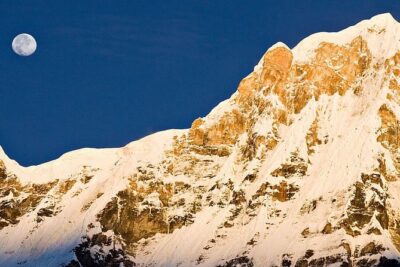
Browse the lists this tour appears in