
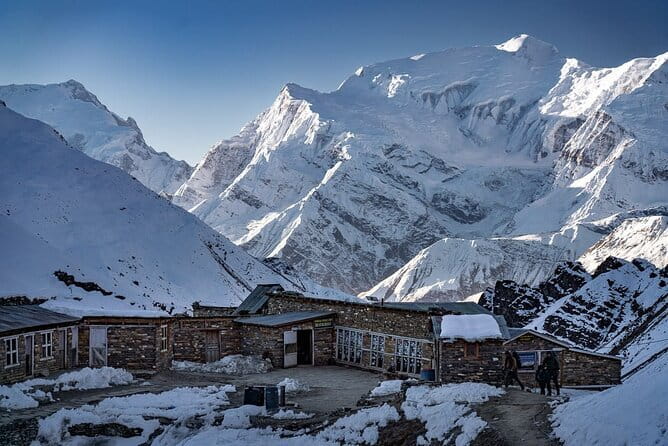
Reviewed · ANNAPURNA CIRCUIT TREKS
13 Days Trekking in Annapurna Circuit
Thorong La is the headline. The Annapurna Circuit experience is also about how smoothly the days are paced, from your first transfer out of Kathmandu to your final dinner in Pokhara.
I like that the trip is set up as a tea house trek with meals included, so you can focus on walking and adjusting to altitude. I also appreciate the extra “peace of mind” items built into the plan, like permits and an oximeter in the first aid kit, not just a list of sights.
One thing to take seriously: the trek includes a high, demanding crossing at Thorong La Pass (5,416m), so you need a moderate fitness base and you should be ready for early starts and big breathing days.
In This Review
- Quick hits from the Annapurna Circuit trek
- Day 1 transfers: Kathmandu to Bulbule, then you start climbing
- From Bulbule to Bahundanda: slow elevation and village life
- Chamche and suspension bridges: river scenery, real footwork, and a change in rhythm
- Dharapani and Chame: culture transitions and big-peak moments
- Lower Pisang and Manang: monasteries, acclimatization, and Tibetan-style atmosphere
- Acclimatization day at Manang: Gangapurna Lake or Praken Monastery
- Yakkharka: higher country feels quieter and sharper
- Thorong Phedi: last night before the steep crossing
- Thorong La Pass day: early climb, demanding effort, and 360-degree rewards
- Finish in Pokhara: a long day out, then a dinner to close the loop
- What makes the guides and tea house setup feel worth it
- Price and logistics: what your $809.10 is really buying
- What’s not included, and how to keep control of your budget
- Who should book this Annapurna Circuit trek, and who should think twice
- Should you book this 13-day Annapurna Circuit trek with Blissful Himalayas?
- FAQ
- How long is the trek?
- Where does the trip start and how do you get there from Kathmandu?
- Is airport pickup included?
- What accommodations and meals are included during the trek?
- Do I need to pay for permits?
- What is the highest altitude on this trek?
- Is there a guide, and is it a private group?
- Is any medical equipment included?
- How do you get to Pokhara after the trek, and is return transport to Kathmandu included?
- What is the cancellation policy?
Quick hits from the Annapurna Circuit trek
- Tea house comfort with standard meals included, so you do not have to hunt for food each day
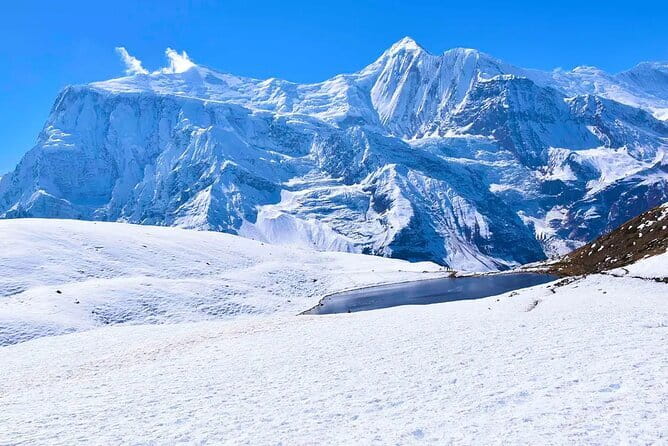
- Thorong La Pass at 5,416m, with 360-degree views that make the tough day feel worth it
- A licensed guide and a team mindset, with help on food and accommodation choices along the way
- Permits handled (Annapurna Conservation Area Permit and TIMS), which saves time and hassle
- Acclimatization built in at Manang, plus optional hikes like Gangapurna Lake or Praken Monastery
- First aid kit includes an oximeter, a smart touch for altitude trekking
Day 1 transfers: Kathmandu to Bulbule, then you start climbing
Day one is a long but scenic transfer. You’ll plan for an early departure, then take a drive from Kathmandu to Bulbule that runs about 9 hours, climbing from around 820m toward your trek start zone. Along the way, you pass small villages and terraced fields, with early glimpses of the lower Himalayan range.
If you need it, airport pickup by private vehicle is included, which helps if you land with limited time. You’ll also be using included ground transport components on the way to the trek start area, which matters because those first hours can otherwise turn into a scavenger hunt for the right bus or shared ride.
Practical note: on day one, keep your expectations simple. You’re not yet “in the mountains,” you’re getting into motion. That long ride makes day two feel like a real start, instead of you spending the first day figuring out logistics.
More Treks in Kathmandu
- Everest Base Camp Trek – 14 Days
★ 5.0 · 1,499 reviews - Everest Base Camp Trek
★ 5.0 · 842 reviews - Everest Base Camp Trekking
★ 5.0 · 485 reviews
From Bulbule to Bahundanda: slow elevation and village life
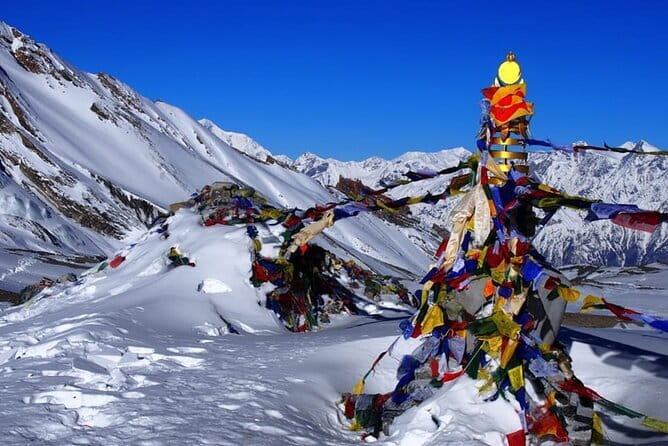
After your transfer, the walking begins with a route toward Bahundanda. This day is designed to gain altitude gradually, which is exactly what you want early in a trek like this. You’ll pass charming village settings and terraced fields, and the hills around you gradually open up into clearer views.
Bahundanda makes sense as an overnight stop. It’s far enough along that you feel like you’re getting into the Annapurna region, but not so high that your body is overwhelmed immediately. You’ll sleep in tea house accommodation, which is a common rhythm on the Annapurna Circuit, where your lodge doubles as your warm-up meal plan for the next morning.
If you’re new to trekking, this is the kind of day you can enjoy without feeling like you’re racing uphill. If you’re more experienced, it’s still a good day to settle into stride and timing. Early in the circuit, consistency beats heroics.
Chamche and suspension bridges: river scenery, real footwork, and a change in rhythm
The next day goes toward Chamche. You’ll trek through dense forest sections and cross several suspension bridges as you descend. The Marsyangdi River and its tributaries are part of the visual experience here, and the bridge crossings add a little “attention tax,” meaning you keep your focus on footing, not just views.
The good part of this day is the variety. You’re not only going uphill and uphill. You’re changing elevation and terrain type, and it helps your body work in a more natural way.
Potential drawback: any day that includes multiple bridge crossings can feel slower even if the total distance is reasonable. Plan for time on your feet, not just clock time. I like days like this because they keep you engaged, but you need patience for the uneven ground.
Dharapani and Chame: culture transitions and big-peak moments
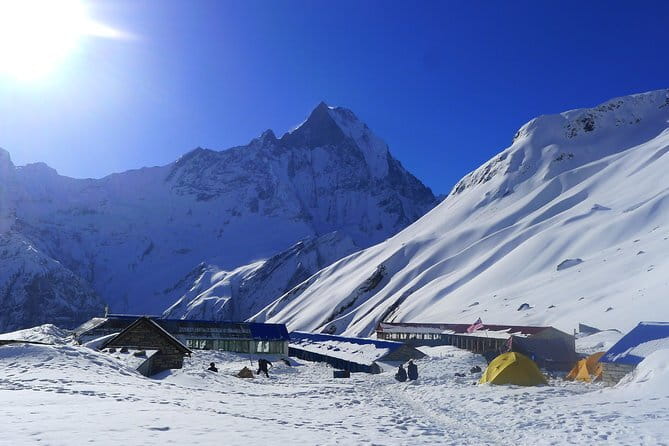
As you continue toward Dharapani, the trek passes through Gurung and Manangi villages. This is where the Annapurna Circuit feels more like a living corridor than a hiking trail. You get glimpses of local hospitality, and the sense of place shifts as altitude increases.
Dharapani is a useful stop because it sits at a point where the environment begins to feel more alpine than subtropical. That transition matters because it sets you up for Manang District, where conditions can feel cooler and drier as you go.
Then you move toward Chame, the administrative center of the Manang District. This day is one of the better “views per effort” days: you’ll pass terrain that changes, and you’ll catch strong views of Lamjung Himal and Annapurna II. Pine forests enter the picture as you gain elevation.
Chame is also a practical choice for energy management. You’re not jumping too far in altitude, so your next days can build toward the higher country without feeling like everything is happening at once.
More Annapurna Circuit departures:
- Annapurna Circuit Trek with Tilicho Lake
★ 5.0 · 368 reviews - Annapurna Circuit Trek
★ 5.0 · 94 reviews - Annapurna Circuit Trek
★ 5.0 · 67 reviews - Annapurna Circuit Trek
★ 5.0 · 49 reviews
Lower Pisang and Manang: monasteries, acclimatization, and Tibetan-style atmosphere
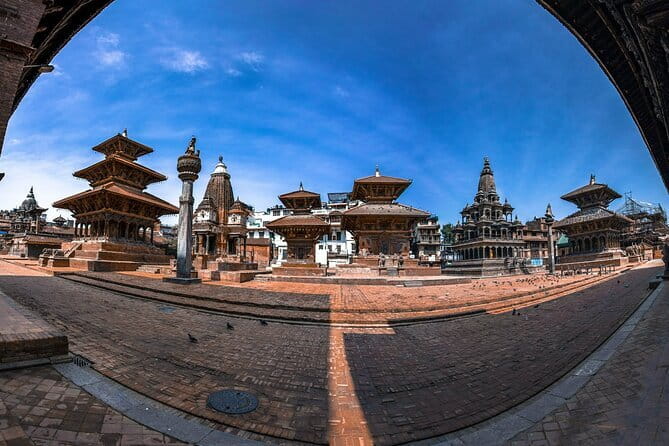
From Chame you head toward Lower Pisang, passing through dense forests and small villages. As you approach Pisang, the views of Annapurna II, III, and IV become more impressive, which is a good sign that the route is aligning with more dramatic high-country panoramas.
Pisang is described as a traditional Manangi village. That matters because you’re not just walking through scenery, you’re moving through communities that shape what the trek feels like day to day. You’ll then continue to Manang, a larger village known for traditional Tibetan culture and Buddhist monasteries.
Manang is the turning point for acclimatization. This is a big reason so many treks place a rest day here. You’re getting closer to higher altitudes, and even if you feel okay, your body benefits from time to adjust.
If you want a trek that feels structured and safe without being boring, Manang is where that balance shows up.
Acclimatization day at Manang: Gangapurna Lake or Praken Monastery
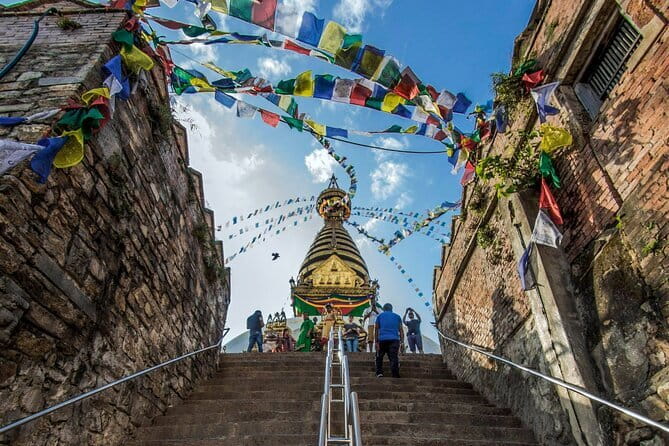
Your day in Manang is built around acclimatizing at higher altitude. The plan gives you options, which I love because it lets you match your day to how your body feels.
One option is hiking to Gangapurna Lake. Another is taking a short trek to Praken Monastery for panoramic viewpoints of Gangapurna, Annapurna III, and Himalchuli. Both are good choices because they encourage movement without turning the day into a full-on exhausting push.
This is also where the included guidance becomes more than a name on paper. A good guide helps you decide how far to go, what pace to use, and when to stop. Past trekkers have credited guides like Ravi and Sandip for being attentive to comfort, accommodations, and food choices. Even without assuming anything about your specific guide, the setup suggests you’re not left guessing on acclimatization.
My practical tip: treat this as a day to manage your breathing and your mood. If you feel off, keep the hike shorter. You will still get the value of the views.
Yakkharka: higher country feels quieter and sharper
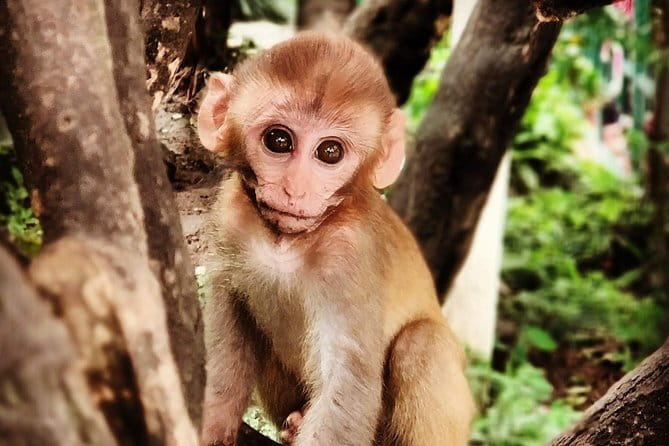
From Manang, the route continues toward Yakkharka. You’ll pass through sparse forest areas and high-altitude terrain, with views that keep pulling you upward in your attention. As you approach Yakkharka, the views of Annapurna II and Gangapurna are incredible.
Overnight in Yakkharka sets you up for the next stage because it’s a natural step toward Thorong Phedi, the base area for Thorong La Pass.
What I like about this day is how it can change your trekking mindset. At lower elevations, you’re often distracted by bustle. Here, the trekking rhythm can feel more direct and quiet, like you’re moving through a world that cares less about you and more about the weather, the altitude, and your pace.
That can be mentally calming if you’re prepared for it. If you’re prone to rushing, remind yourself: your job is to arrive ready for the pass.
Thorong Phedi: last night before the steep crossing
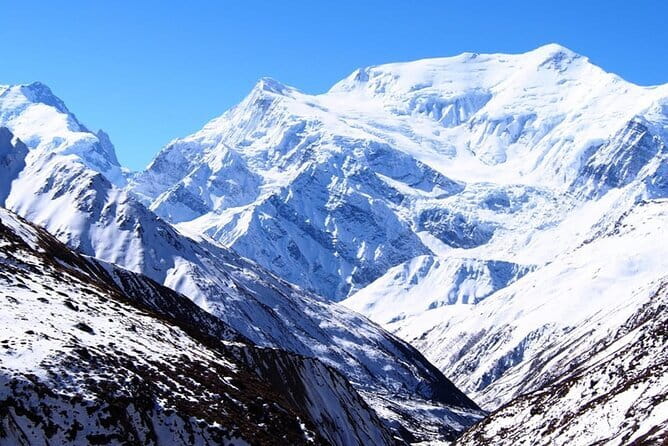
The day toward Thorong Phedi is the “final staging” day. The trail gets steeper as you approach higher altitudes, so you’ll want to take it slow and steady. Thorong Phedi is your final stop before Thorong La Pass, and it’s where you really start feeling that you’re near a major weather boundary.
This is also a day to treat your body like equipment. Keep your energy steady, don’t overdo it, and follow the pace your guide sets. A plan that includes a licensed guide, route map support, and a first aid box with an oximeter is meant for this exact moment, when small mistakes can become big discomforts.
You’ll sleep in tea house accommodation again. In this zone, the lodge is not just a place to rest. It’s also where you prepare mentally for the next day’s early start.
Thorong La Pass day: early climb, demanding effort, and 360-degree rewards
The most challenging and rewarding day comes next. You start early to tackle Thorong La Pass at 5,416m. This climb is demanding, and you’ll feel it in your breathing and legs. If you’ve never trekked at altitude before, respect the fact that your pace will slow down, even when you feel determined.
The payoff is the top-of-pass panorama: 360-degree views of the Himalayas. That is not a vague promise. On a day like this, you want your effort to translate into something immediate and visible, and the pass delivers.
Here’s where I think this experience is really worth it. Many treks can be pretty, but not every trek gives you a clearly defined summit-style moment. Thorong La is a finish-line altitude, and it changes how you remember the whole circuit, not just that one day.
Practical note: the schedule matters. Starting early is part of the plan, so you should be ready for wake-up times that feel early even by trekking standards.
Finish in Pokhara: a long day out, then a dinner to close the loop
After the pass, day 12 is about coming down and getting to Pokhara. You’ll drive to Pokhara by bus from the trek ending point. It’s not a high-effort walking day, which is exactly what your body needs after a big altitude push.
At Pokhara, the plan includes time to enjoy a successful dinner together, plus a chance to get prepared for your next destination. This is a nice touch because it turns the ending into something social and reflective, rather than just a drop-off and goodbye.
On day 13, you can set off for your next move. Your options can include more days in Pokhara, tours such as Chitwan National Park, or a drive back to Kathmandu, depending on what you want next. The key point is that the trip doesn’t try to force a one-size-fits-all finale.
What makes the guides and tea house setup feel worth it
This trek is not just about high points. It’s about daily support and reducing guesswork. That’s why the strongest praise in past experiences centers on the guide team and the way daily needs get handled.
You’ll have a government licensed experienced and helpful guide. The included support covers things like guidance with food and accommodation. On a trek where you are repeatedly choosing what to eat, where to sleep, and when to push, having a person who can manage those decisions matters.
Past trekkers also credited specific guides, including Ravi and Sandip, for going above and beyond on comfort, accommodation quality, and food. While you cannot assume those exact people will be assigned, the pattern is consistent: the trekking experience is designed around the guide’s role being active and practical, not just ceremonial.
On the lodge side, tea house accommodations keep the experience grounded. You get included meals throughout the trek: breakfast, lunch, and dinner are covered. There’s also a cup of tea or coffee during breakfast time. Those small routines help you keep calories steady without spending time shopping for supplies.
Price and logistics: what your $809.10 is really buying
Let’s talk value in plain terms. At $809.10 per person for a 13-day trek, you are paying for the structure that makes a remote trek easier: meals, lodging, permits, a guide, and key transport legs. If you tried to assemble all of that alone, you’d likely spend money and time just matching pieces.
Here’s what stands out as “real value” inside the price:
- Meals included for the trek period, which is a big budget saver in Nepal’s trekking zones
- Tea house lodging during the trek, rather than only partial meals or rough camping arrangements
- Annapurna Conservation Permits and TIMS fees handled, which reduces administrative stress
- A first aid box with normal medical supplies plus an oximeter, which is a practical safety element
- One night hotel in Pokhara with breakfast, so you are not scrambling after the trek
- Route map, so you have a clear reference for what comes next
Your transport is also partially handled. You get public bus transport from Kathmandu to Besisahar and sharing transportation toward Nyadi, plus private transportation from the trek ending point to Pokhara. That reduces the number of transfers you need to coordinate on your own.
So the cost is not just for walking. It’s for the scaffolding around the walk.
What’s not included, and how to keep control of your budget
The parts not included are the items that can quietly inflate a trek if you ignore them. Plan for:
- Personal expenses, which can include extra snacks, hot drinks beyond what is listed, and any day-to-day extras
- Porter for baggage, if you want one (optional, not included)
- Extra hotel nights and activities in Kathmandu and Pokhara
- Transportations back to Kathmandu, which is not included
- Nepal entry visa fees, plus the on-arrival visa application form if you apply within 15 days of arrival
If you are trying to keep the trek within a fixed number, the porter decision is the big lever. If you will carry everything yourself, confirm you are comfortable with that weight and effort. If you want to reduce strain, arrange a porter, since it is not automatically part of the package.
Also, since return transport to Kathmandu is not included, decide your end game early. If you want a specific add-on plan after Pokhara, you’ll want it organized before you arrive so you are not negotiating at the last minute.
Who should book this Annapurna Circuit trek, and who should think twice
This trek fits best if you have moderate physical fitness and you want a lodge-based circuit with real altitude progression. If you like clear structure, daily meals covered, and an active guide, you’ll likely appreciate this setup.
You should think twice if you are expecting a casual stroll. Thorong La Pass at 5,416m is a real effort. The early starts and the steep segments are not “optional vibes.” This is a serious mountain day.
If you are new to trekking, the built-in acclimatization in Manang is a strong point, plus the early days ease you into elevation. If you are experienced, you may find the pacing comfortable because the plan staggers altitude rather than throwing you into the deep end immediately.
Should you book this 13-day Annapurna Circuit trek with Blissful Himalayas?
I’d book it if you want a well-structured circuit where key costs are handled, meals are covered, and the hardest day has the right support around it. The strongest reasons to choose it are the included tea house lodging and meals, the included permits and TIMS, and the presence of a licensed guide plus practical safety gear like an oximeter.
I would hesitate if you know you cannot commit to the pass day, or if you are trying to keep the trip ultra-budget by skipping extras and transport decisions. Since transport back to Kathmandu and visa fees are not included, you’ll need to plan those items so your total trip cost stays predictable.
FAQ
How long is the trek?
The experience runs about 13 days.
Where does the trip start and how do you get there from Kathmandu?
You’ll travel from Kathmandu toward the trek start area with included ground transport, including a public bus from Kathmandu to Besisahar and shared transportation onward. Day one includes a scenic drive toward Bulbule.
Is airport pickup included?
Yes, pickup from the airport by private vehicle is included if required.
What accommodations and meals are included during the trek?
You get tea house accommodations during the trek, plus all standard meals (breakfast, lunch, and dinner). Breakfast also includes tea or coffee.
Do I need to pay for permits?
No, the Annapurna Conservation permits fees and TIMS fee are included.
What is the highest altitude on this trek?
The highest point is Thorong La Pass at 5,416m.
Is there a guide, and is it a private group?
Yes, there is a government licensed experienced helpful and friendly guide. The tour is private, meaning only your group participates.
Is any medical equipment included?
A first aid box is included, with normal medical supplies and an oximeter.
How do you get to Pokhara after the trek, and is return transport to Kathmandu included?
After the trek ends, you’ll have private transportation to Pokhara. Transportations back to Kathmandu are not included.
What is the cancellation policy?
You can cancel for free up to 24 hours in advance for a full refund. If you cancel less than 24 hours before the start time, the amount paid will not be refunded.
Latest additions near Kathmandu
- White Water River Rafting – 1 Day★ 4.3 · 3 reviews
- Traditional Momo Making Class★ 5.0 · 10 reviews
- Kathmandu to Pokhara Premium sofa bus ticket★ 4.0 · 17 reviews
- Ghorepani Poon Hill Trek★ 5.0 · 16 reviews
- Amazing 1 Day Trekking Experience in Kathmandu Nepal★ 5.0 · 24 reviews
- Ghorepani Poonhill Trek★ 5.0 · 5 reviews
- Wildlife Adventure in Chitwan Nepal★ 4.0 · 4 reviews
- Walking tour of real Kathmandu through back streets.★ 5.0 · 3 reviews
Annapurna Circuit Treks, compared.
Browse the lists this tour appears in